
Browse the Context Marketplace
Expert-level knowledge on any topic. Each capsule guides you through what matters most.
8 capsules
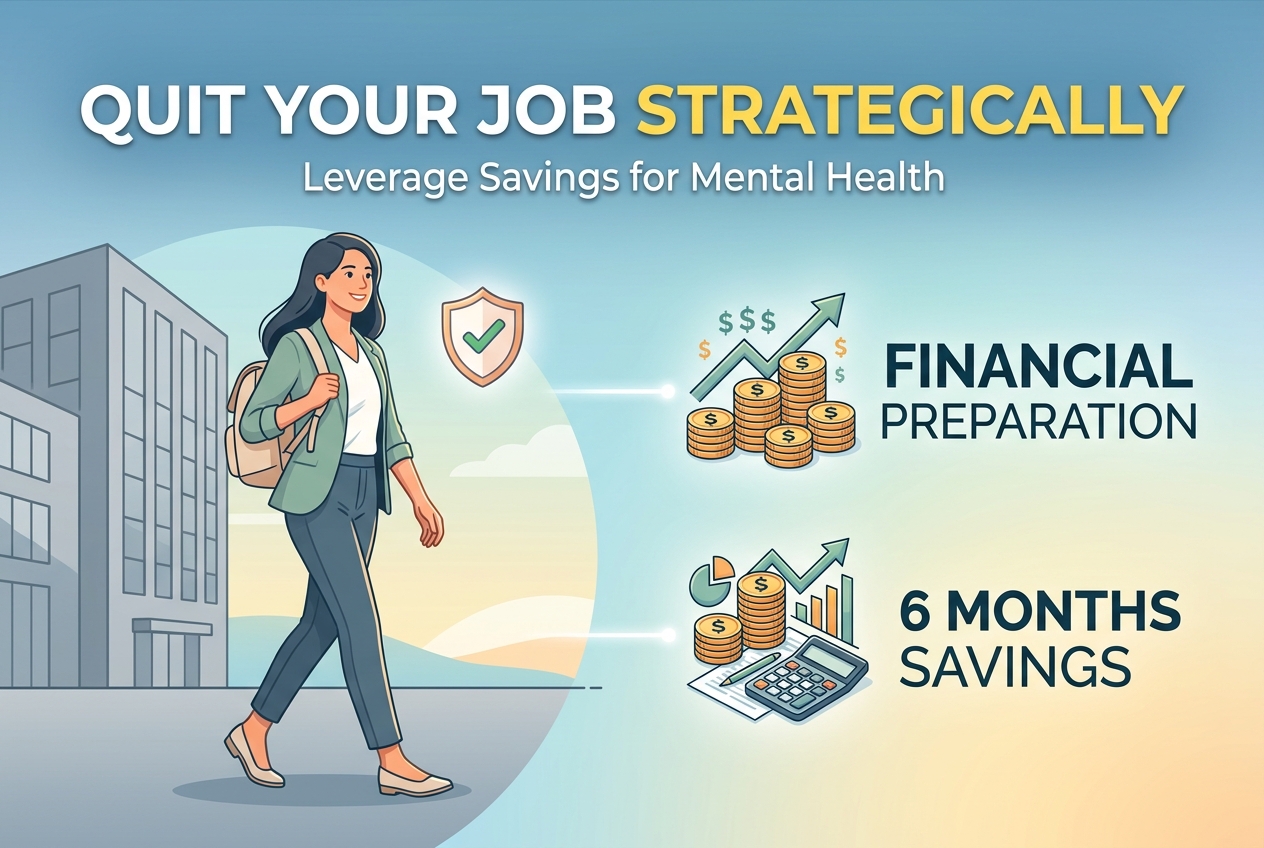
Quit Your Job Without Another If You Can Afford the Risk
Leaving a full-time job without another lined up can protect your mental and physical health if your current job is harmful, but it demands careful financial preparation. The mainstream advice to secure a new job first overlooks the reality that with at least six months of savings and a solid financial plan, quitting can be a strategic choice rather than a desperate risk. By understanding your financial runway and risk capacity, you can make a confident break that prioritizes well-being over uncertainty.
Quitting Your Job Without a Backup Is Risky but Sometimes Right
Deciding to leave your job without another one lined up can feel reckless or liberating depending on your preparation and mindset. Some approaches emphasize having a solid financial safety net and clear documentation, while others highlight the personal growth and grace found in taking bold leaps. This collection reveals how timing, savings, rights, and even spiritual perspectives shape whether quitting is a calculated risk or a leap of faith.

Your Stock Options Can Expire Worthless the Day You Quit
Leave a job with unexercised options and a short deadline can erase years of paper wealth. These strategies split on the biggest threat: post-termination exercise windows, tax bills triggered by bad timing, or the concentration risk of betting your savings on one company. Knowing which risk applies to you decides when to exercise, sell, or walk away.

Staying Loyal to Your Employer Quietly Costs You Money
If you've stayed put while colleagues switched jobs for raises, the wage gap is real and measurable. The findings differ on what drives it: career interruptions and stigma, job levels mattering more than occupations, or the trade-off between internal promotions and outside offers. Use them to decide whether your next raise comes from staying or leaving.
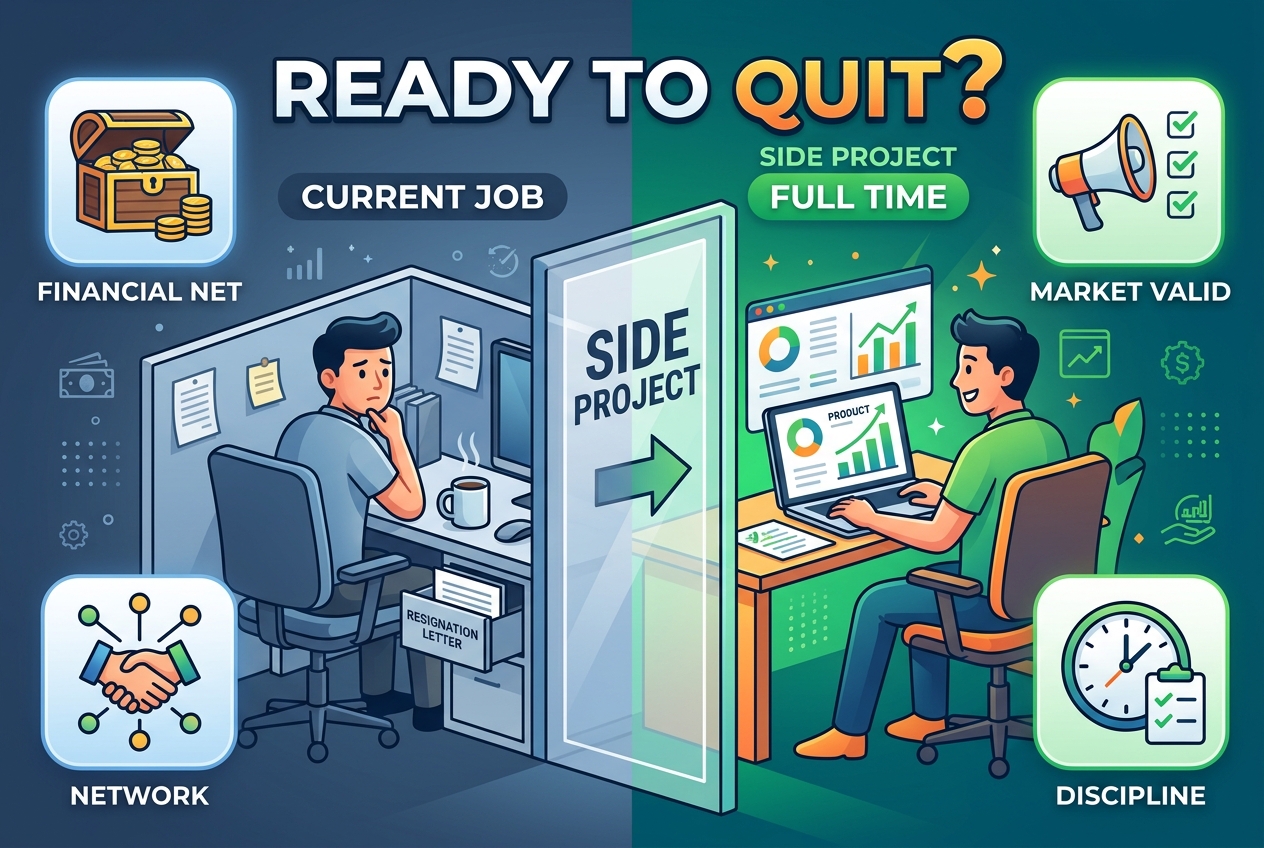
When Is the Side Project Ready for Your Resignation?
Leaving a paycheck for a side project is a one-way door most people time badly. These approaches disagree on what must be true first: a financial safety net, a validated market, a built-out network, or ruthless task discipline while still employed. Test your own readiness against each before you hand in notice.
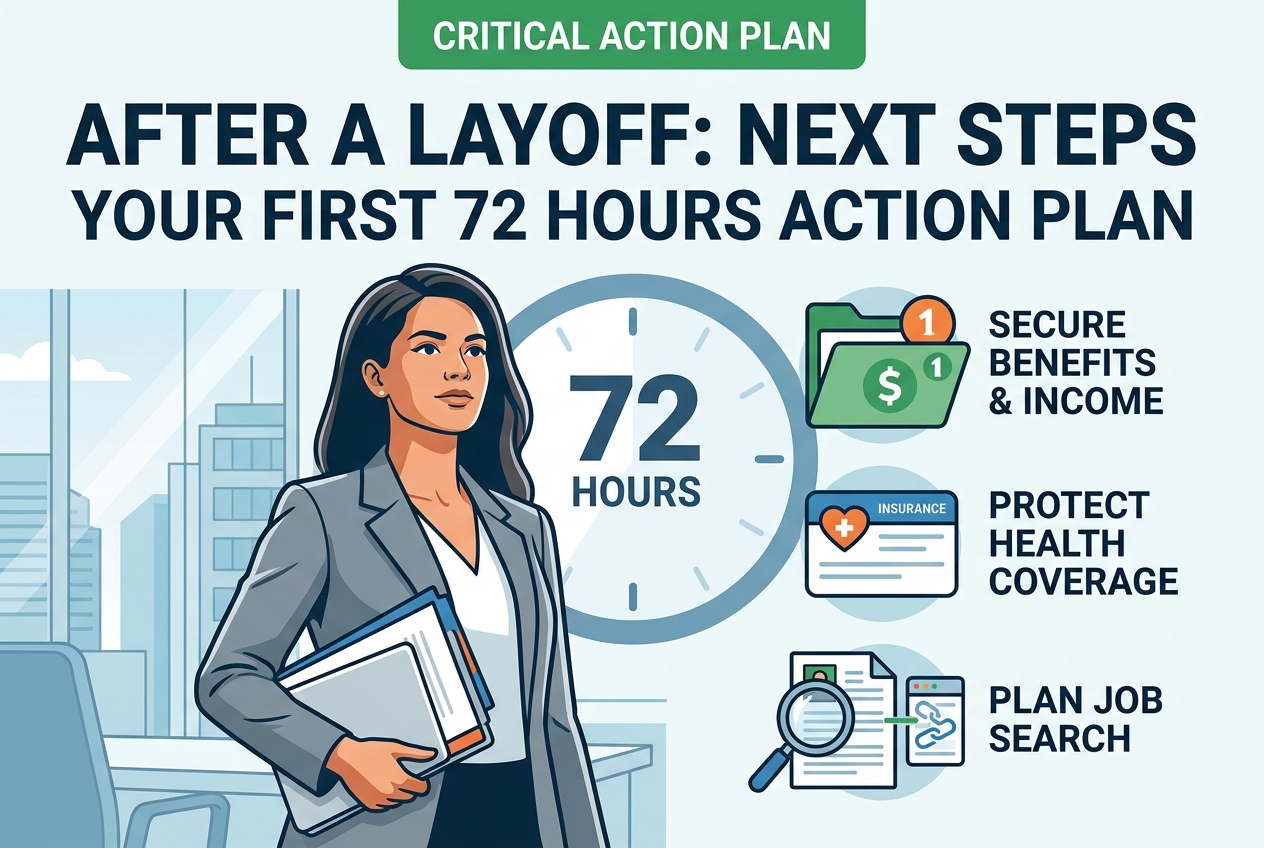
What to Do Right After a Layoff to Protect Your Health and Income
The first 72 hours after a layoff are critical for securing your financial and emotional well-being. Tasks differ on how to quickly arrange health insurance, file for unemployment benefits, gather essential documents, and balance job search efforts with self-care. Understanding these distinct tasks helps you avoid costly mistakes like missing COBRA deadlines and sets a clear path for recovery and future planning.

Missing the 30-Day Deadline for Startup Equity Taxes Means Losing Your Chance Forever
When employees receive startup equity, they must file a special tax election within 30 days or risk losing critical tax benefits permanently. Unlike common beliefs, there is no reliable way to file late or get an extension, so proof of timely filing is essential. This strict deadline means employees must act quickly and use official IRS channels with verified identity to protect their financial interests.
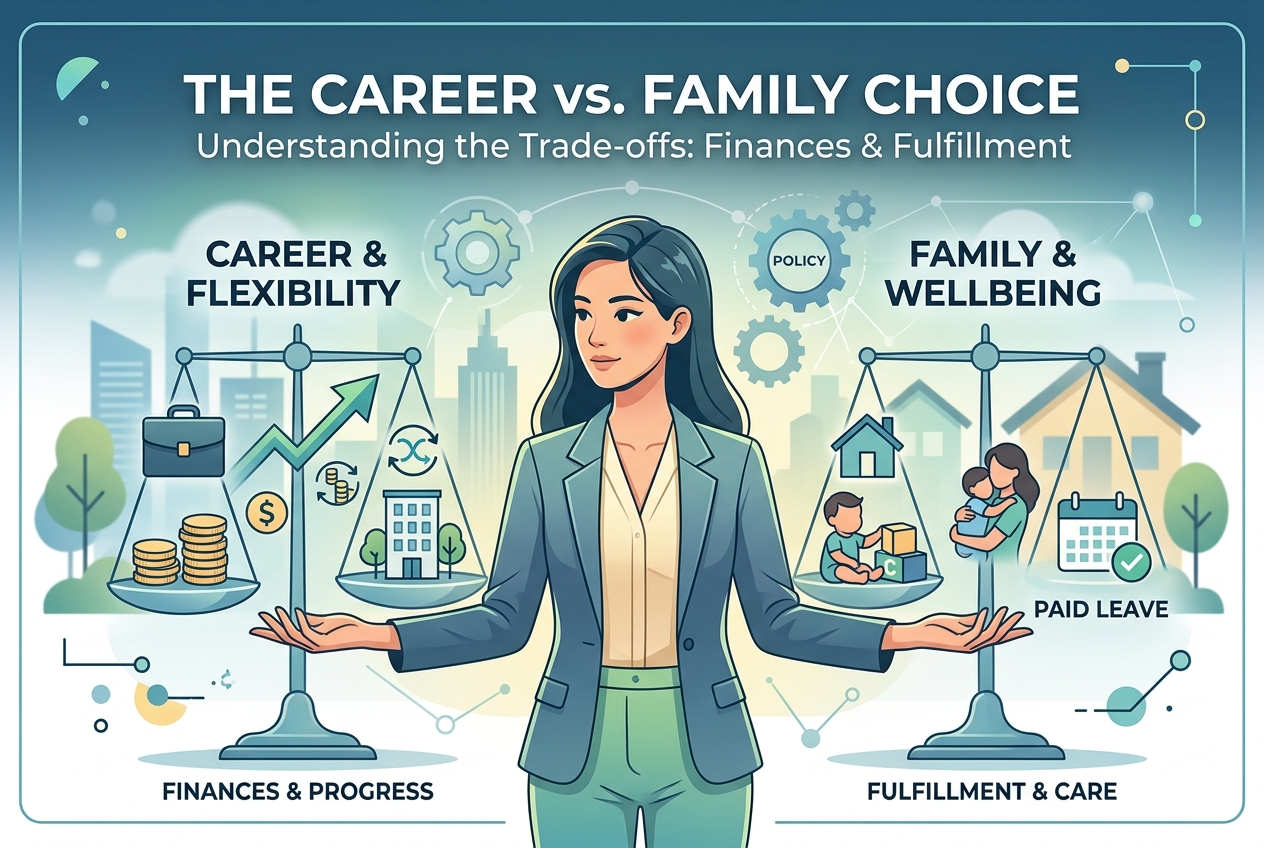
When Staying Home or Working Both Impact Family Finances and Fulfillment
Deciding between pursuing a career or staying at home to care for children involves weighing financial realities against personal and family fulfillment. Some items emphasize the hidden costs and reduced financial resilience of a second income after childcare and taxes, while others highlight the value of paid leave, flexible work, and policies that support caregiving without sacrificing career progress. Understanding these differences helps families and policymakers navigate the complex trade-offs in childcare, income, and well-being.