
Browse the Context Marketplace
Expert-level knowledge on any topic. Each capsule guides you through what matters most.
8 capsules

The Essential Tools for Persuasive and Impactful Communication
Rhetorical devices are powerful techniques that enhance how we express ideas and influence audiences. This collection presents a wide range of methods—from building credibility and appealing to emotions to using repetition, contrast, and figurative language—that help speakers and writers craft compelling arguments and memorable messages. Learn how to apply these tools effectively to engage listeners, clarify points, and enrich your communication.

Upselling That Customers Actually Thank You For
Pushing a bigger sale can burn trust, yet the right offer at the right moment genuinely helps the customer. These techniques differ on where the line sits: lead with real value, read the customer's psychology, lean on data and testing, or wait for clear signs of readiness. Pick the approach that deepens the relationship instead of squeezing it.
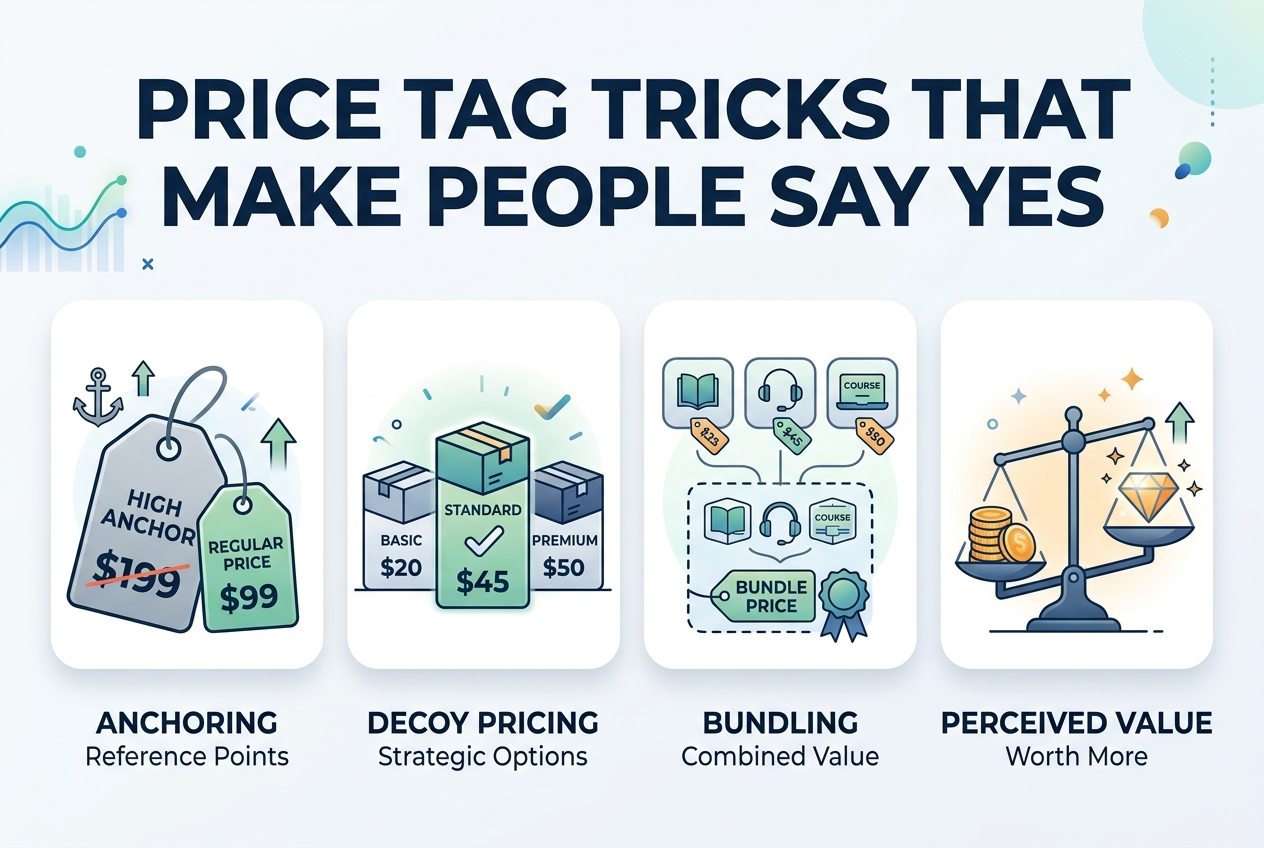
The Price Tag Tricks That Make People Say Yes
The same product can feel expensive or like a steal depending on how the price is framed. These tactics range from high anchors and decoy options to bundles, and they clash on how aggressively you can push perception before you erode customer trust. Pick the moves that lift your offer's perceived value without crossing your own ethical line.

Spotting the Trick in an Argument Before It Works on You
Bad arguments win every day, not because people are careless but because the tricks are hard to see mid-conversation. These techniques disagree on whether to label faulty reasoning by strict rules or read it in context, and whether arguing is really about pure logic at all or about social persuasion. Learn to catch the move and choose how to answer it.
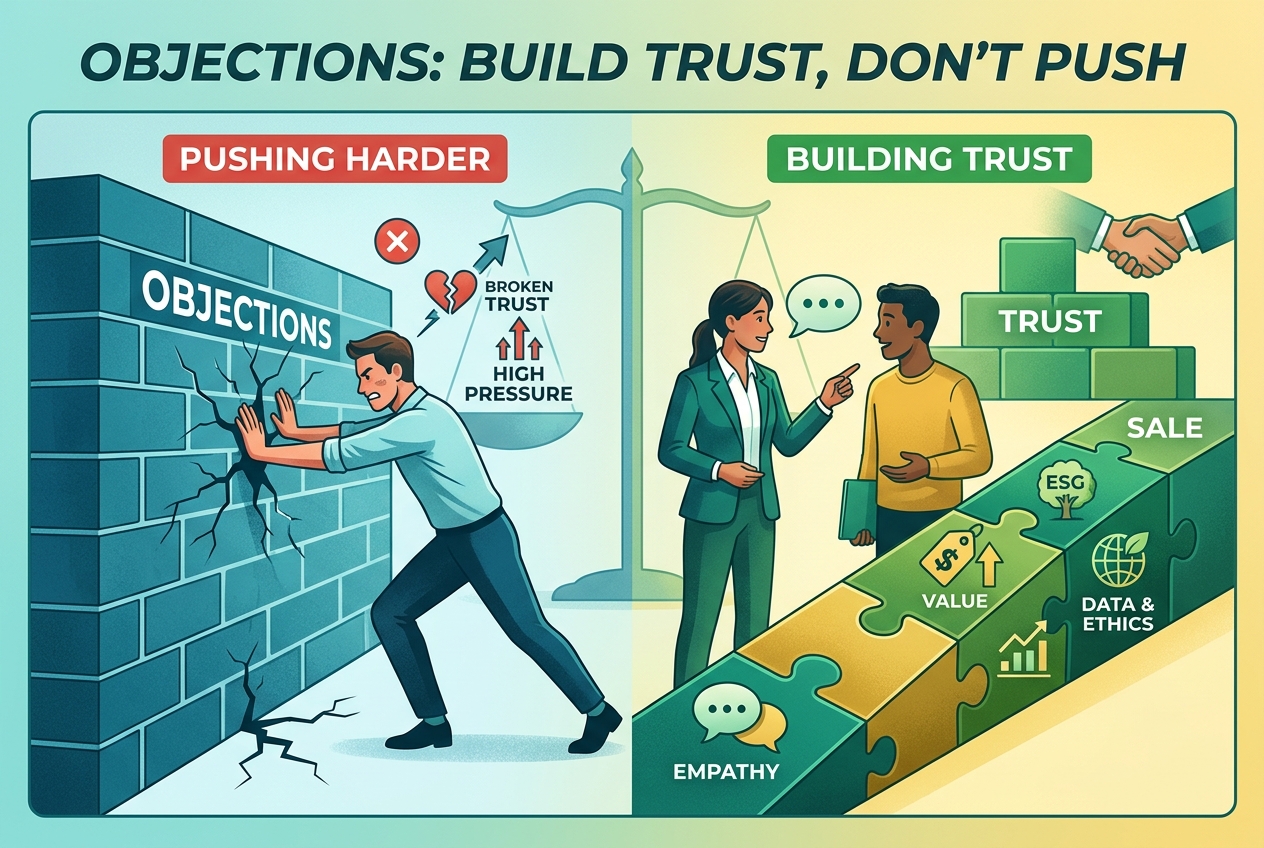
When the Buyer Objects, Pushing Harder Loses the Sale
An objection is usually a request for reassurance, and how you answer it decides whether trust grows or dies. These techniques split on the reassurance to lead with: empathetic questions that surface the real concern, reframing the objection around value, or bringing data and even your company's ethics record into the conversation. Match the style to your customer and you can hold your ground without ever pressuring anyone.
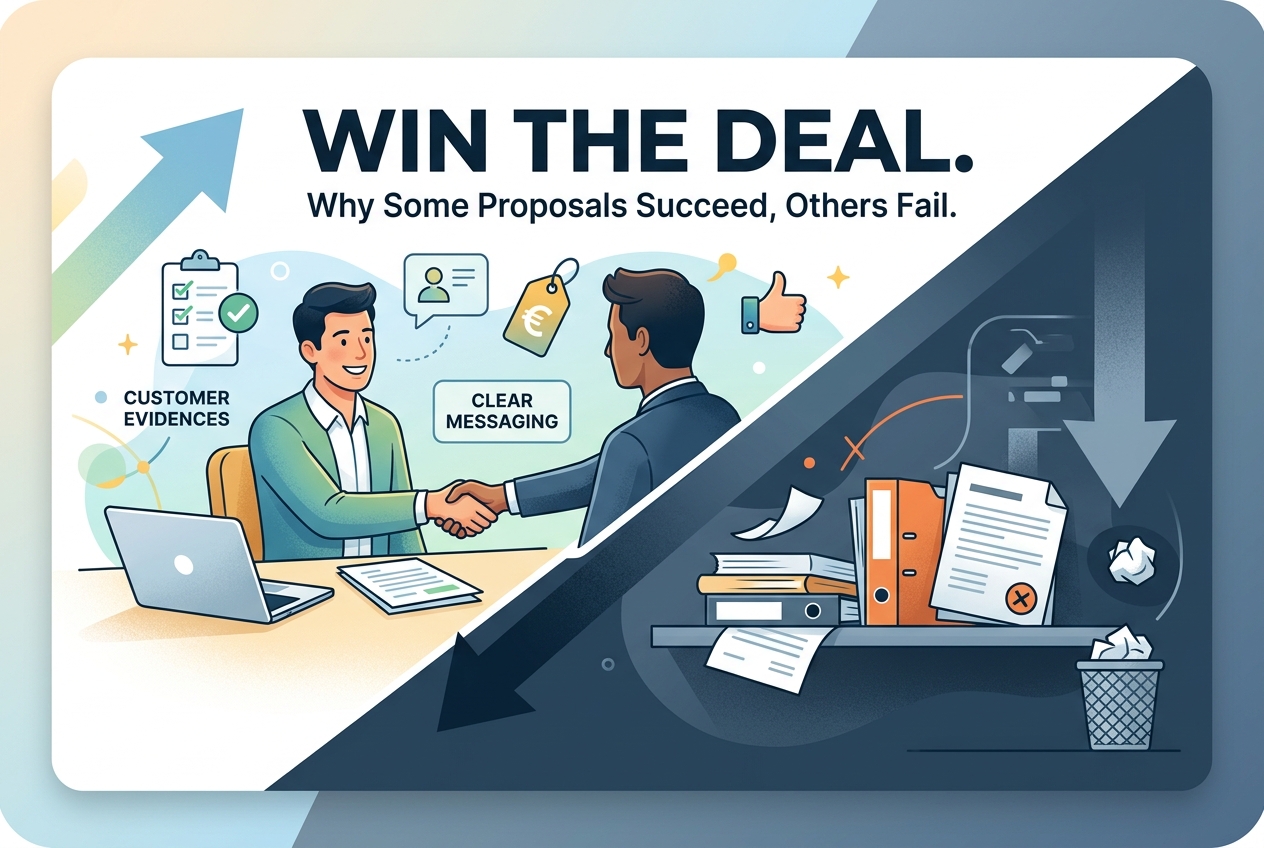
Why Some Proposals Win the Deal and Others Get Ignored
A proposal either moves the client to act or gets filed away. These approaches split on what does the moving: customer evidence and clear messaging, value-based pricing checked against cost and competition, rigorous quality reviews, or structured sales enablement. Decide which style fits how you sell and shape your next proposal around it.

Turn Happy Customers Into Your Best Salespeople
Buyers trust other customers more than they trust your marketing, but a testimonial only works if it is believable and usable. The approaches diverge on what matters most: airtight permission and legal safeguards, strategic storytelling with concrete results, third-party reviews as independent proof, or simply making it effortless for customers to say yes. Picking a lane determines whether your customer stories persuade or just decorate.
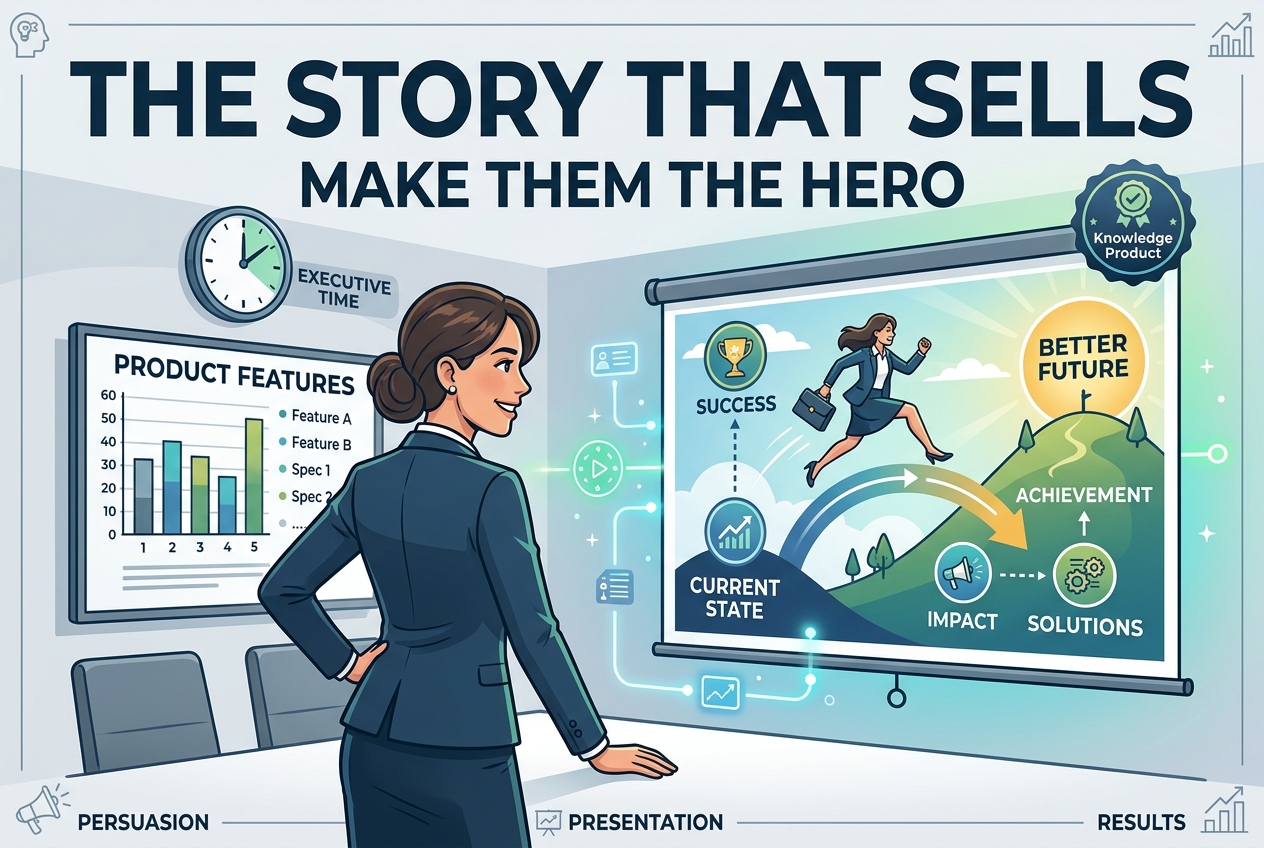
The Story That Sells Isn't About Your Product
Busy executives tune out feature lists, but they lean in for a story where they are the hero reaching a better future. The techniques here differ on the craft: strip the message to structured simplicity, lead with the main point, open a curiosity gap, or ground everything in proven facts and achievements. Choose the shape that fits the room you need to persuade.