
Browse the Context Marketplace
Expert-level knowledge on any topic. Each capsule guides you through what matters most.
7 capsules
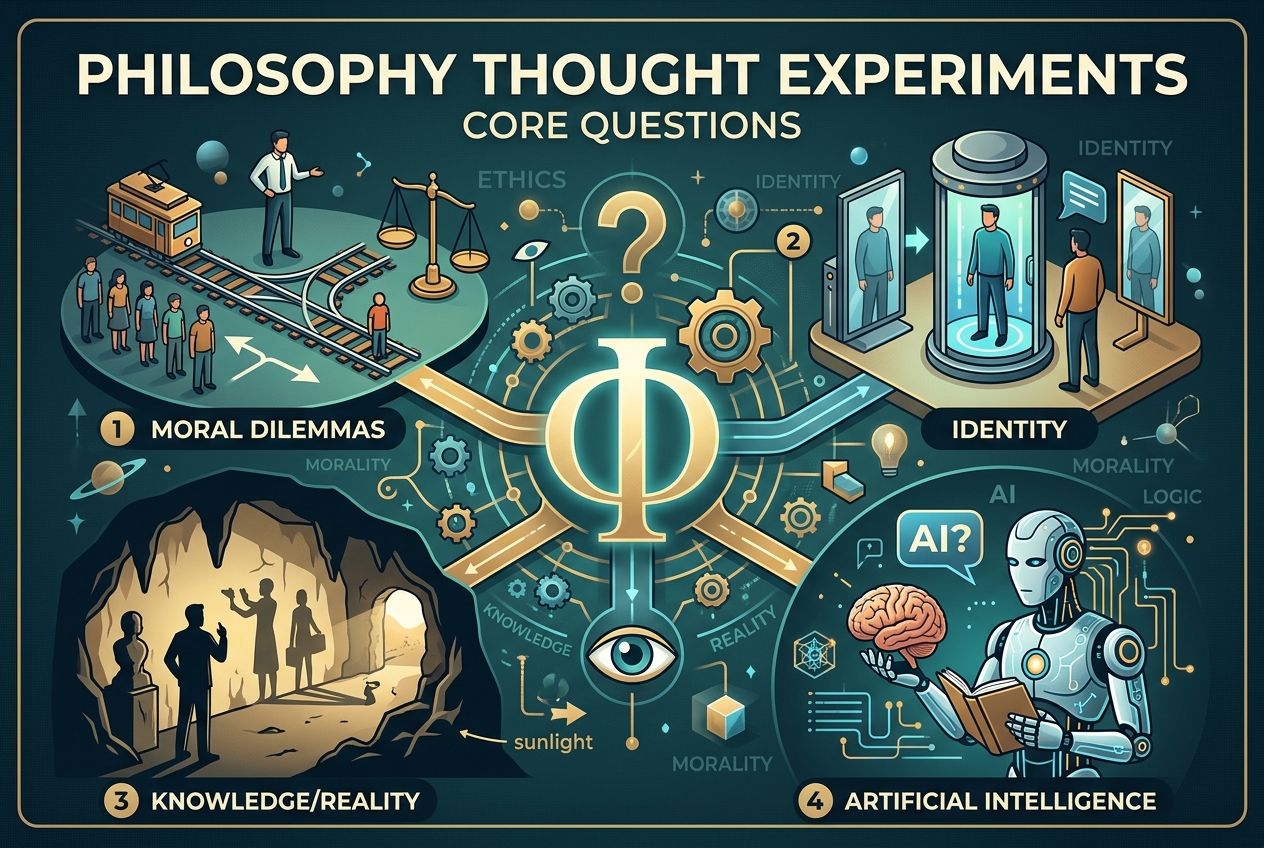
Famous Philosophy Thought Experiments and Their Core Questions
Philosophical thought experiments challenge our understanding of reality, ethics, identity, and knowledge by presenting vivid hypothetical scenarios. This collection catalogs key experiments that explore dilemmas like moral choices in life-and-death situations, the nature of personal identity through teleportation, the limits of knowledge and language, and the boundaries of artificial intelligence. Readers can use these thought experiments to analyze fundamental philosophical problems and rethink assumptions about human experience and decision-making.
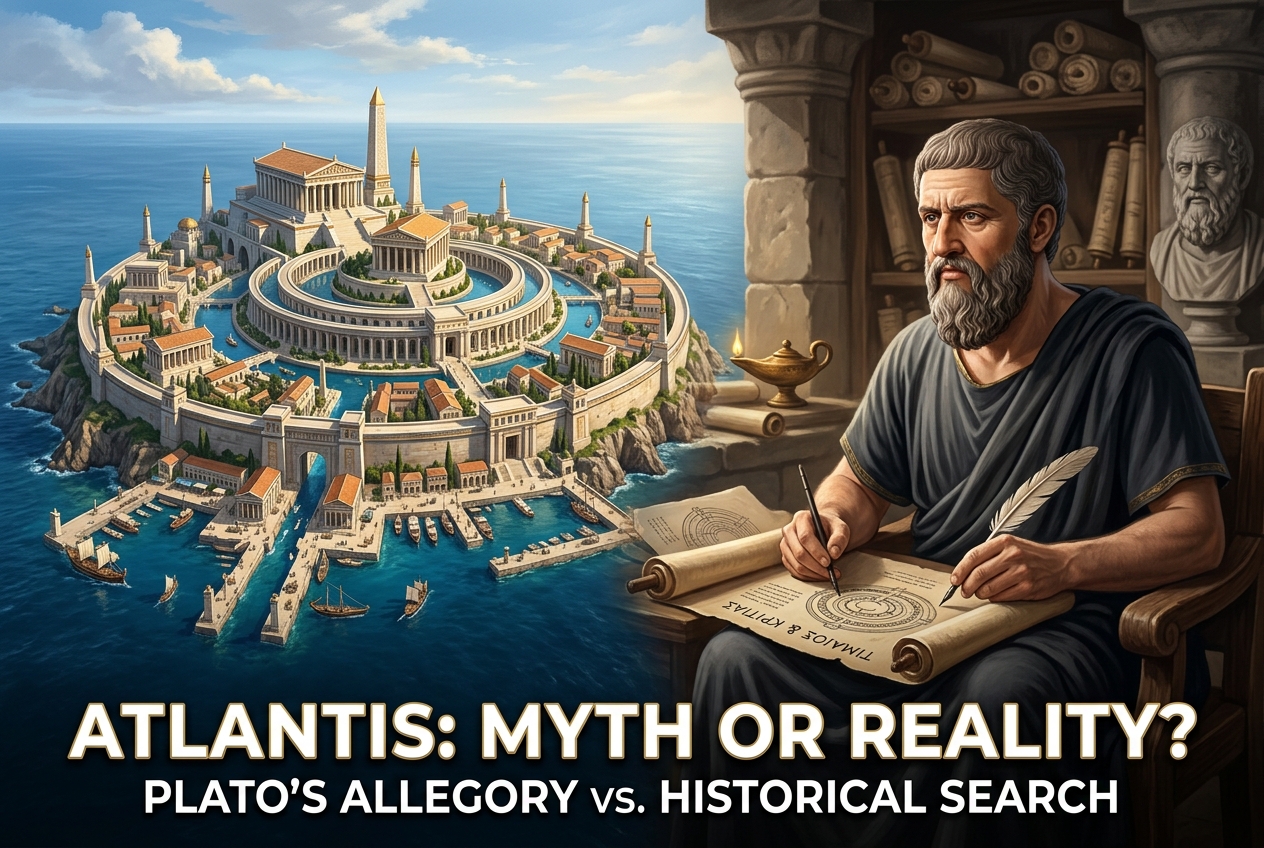
Did Atlantis Ever Exist, or Did Plato Make It Up?
Atlantis sits at the crossroads of archaeology, myth, and one philosopher's imagination. These theories run from hunts for a real sunken location and flood-myth echoes to the idea that Plato wrote a moral allegory, with skeptics testing each against the actual evidence. Following them lets you decide which Atlantis you find believable.
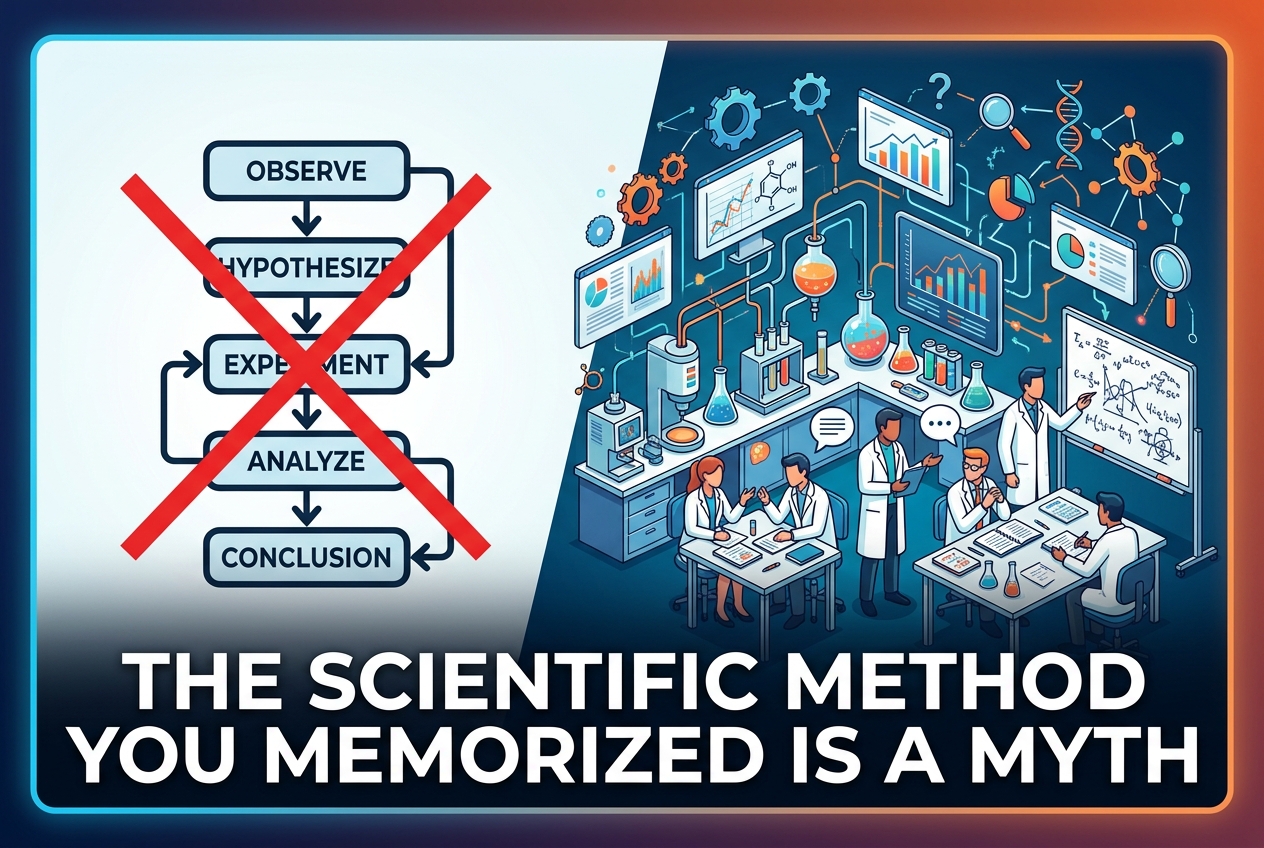
The Scientific Method You Memorized Is a Myth
That tidy step-by-step scientific method from school may never have described real research. These views clash over whether science is best taught through hands-on questions, whether its messiness is the point, and whether the textbook method is a historical invention papering over a standardized, data-driven reality. Decide how you think science actually works and how it should be learned.
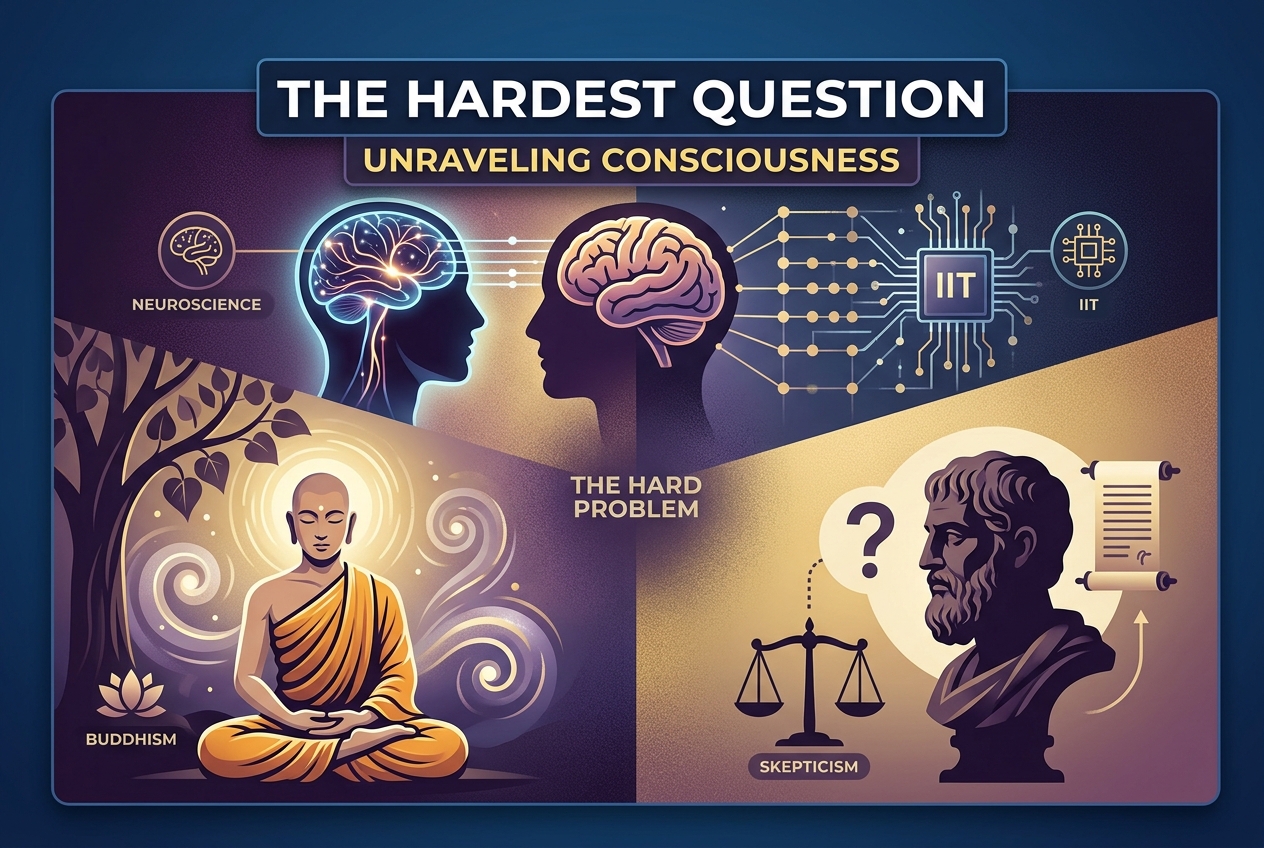
What Makes Your Experience Feel Like Anything at All?
Why a brain produces felt experience remains the hardest open question about the mind. These arguments split on where to look: measurable integrated information in the brain's wiring, Buddhist accounts of mind refined over centuries, or a skeptical view that loose non-expert claims muddy the whole debate. Which one convinces you shapes what you believe about free will and yourself.

Stop Losing Customers You Already Won
Winning a customer means little if they quietly churn out a year later. The playbooks differ on where retention is really earned: structured onboarding, proactive churn prevention, demonstrating outcomes the customer can point to, or automating the renewal machinery, and each philosophy allocates your team's time differently. Comparing them helps you design the one that fits how your product delivers value.

Why the Japanese Mend Broken Bowls with Gold
Kintsugi turns a shattered bowl into something more valued than the original, but its practitioners disagree about what the craft demands. The approaches here range from strict tradition with natural lacquer and pure gold, to practical adaptations, to treating the repair mostly as a philosophy of embracing imperfection and healing. How you honor the break says what you think the art is really for.
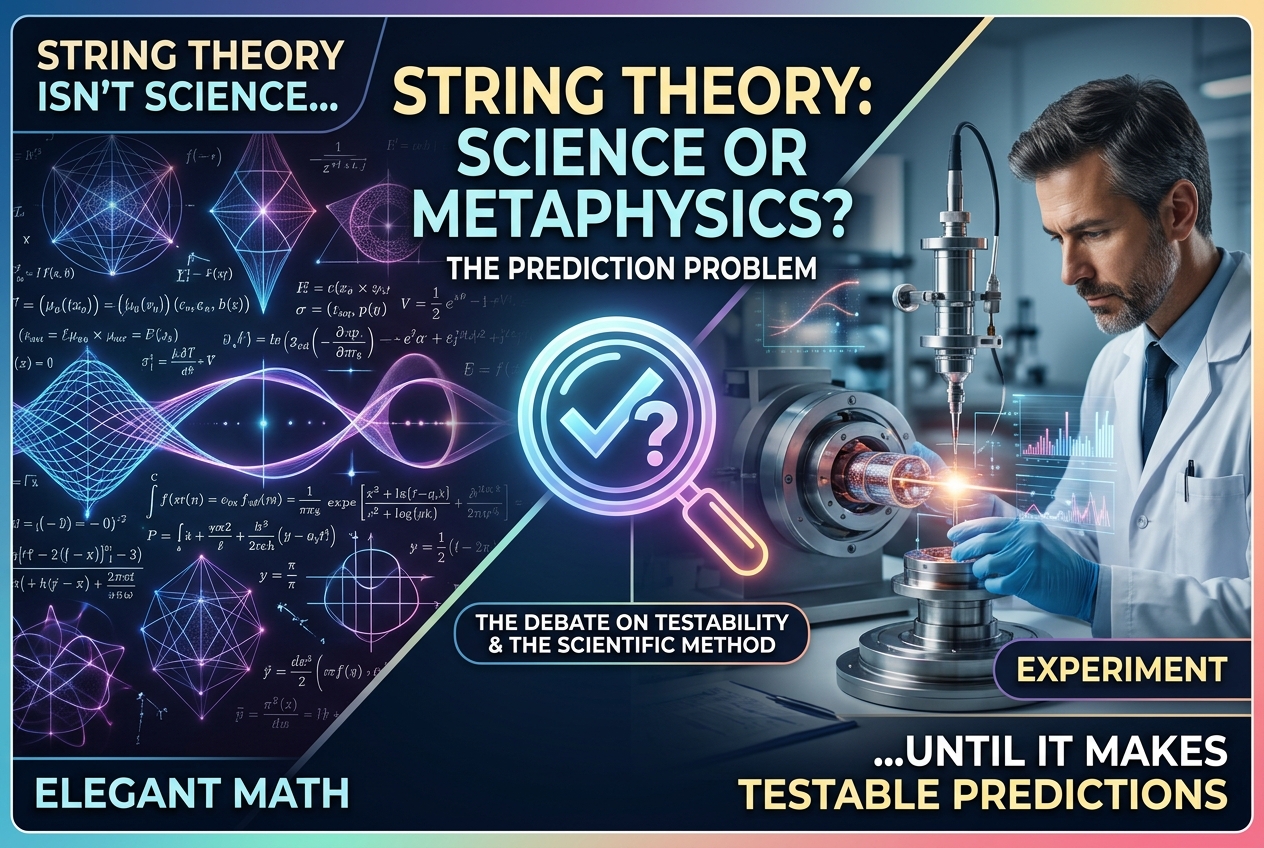
String Theory Isn't Science Until It Makes Testable Predictions
Science earns its authority by making predictions that could fail, and string theory doesn't. Against its popularity among physicists, the argument here places untestable theory closer to metaphysics than physics, however elegant the math. Taking this view means judging every theory by whether an experiment could ever prove it wrong.