
Browse the Context Marketplace
Expert-level knowledge on any topic. Each capsule guides you through what matters most.
32 capsules

Families Should Not Bear the Burden of AI Voice Cloning Scams Alone
AI voice cloning scams exploit families by impersonating loved ones to steal money, shifting the responsibility of defense onto victims through codewords and verification steps. This approach fails because law enforcement and regulatory resources are underfunded and constrained, leaving families vulnerable. Strengthening coordinated state-level identity theft centers and improving enforcement capacity are essential to protect families rather than expecting them to act as the first line of defense.

Who Actually Wrote the Study Behind Your Prescription?
The research behind your medications may carry hidden ghostwriters and massaged trial data. The views split on the remedy: exposing manipulated studies one by one, forcing legal and regulatory reform on the companies, or practicing evidence-based care that routes around the bias, especially for vulnerable patients. Decide how much to trust drug claims and how to protect yourself in the meantime.
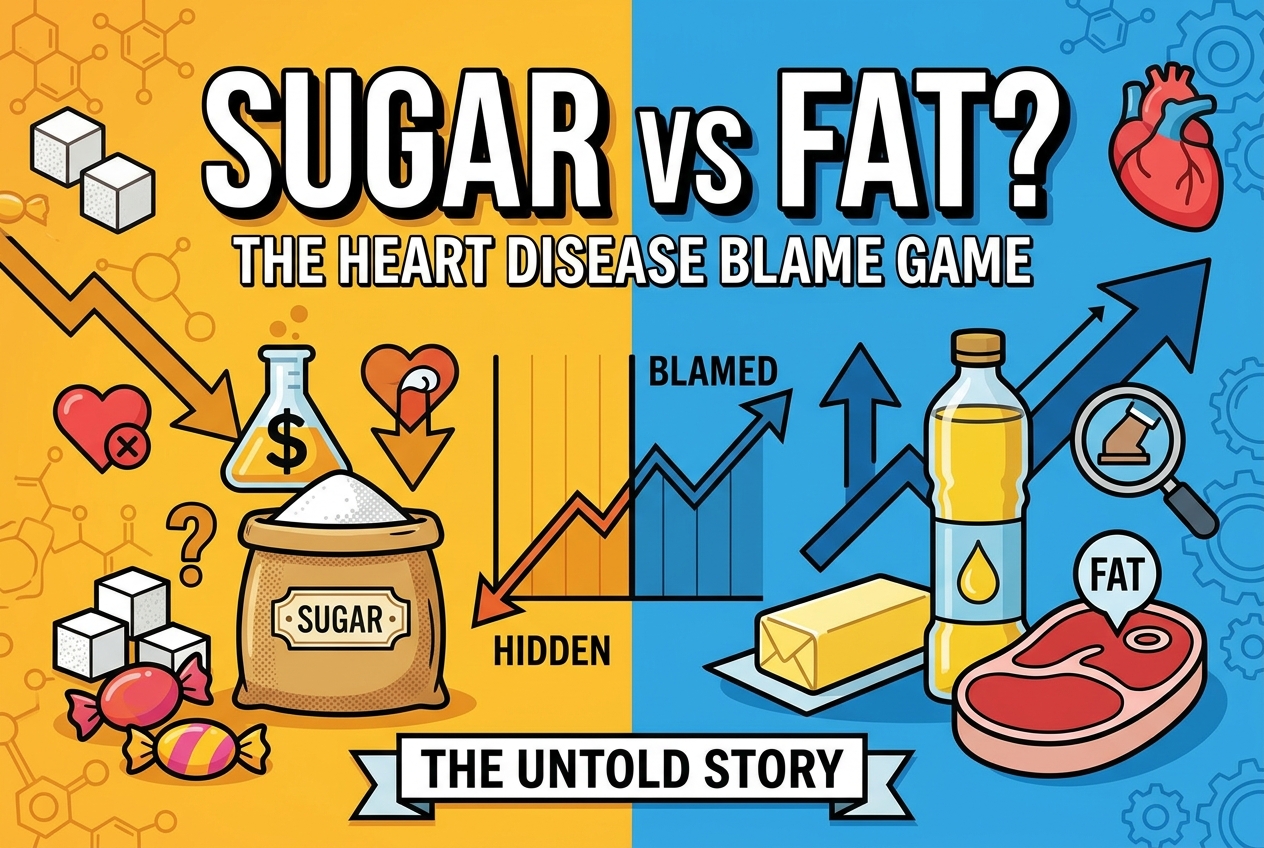
Claims About How Sugar Made Us Blame Fat for Heart Disease
How did dietary advice come to treat fat as the villain while sugar slipped by? These claims range from the sugar industry secretly funding research that redirected blame, to debunking the myths that grew from it, to the broader pattern of powerful interests bending policy. Weigh them to judge how much industry influence still shapes what you're told to eat.
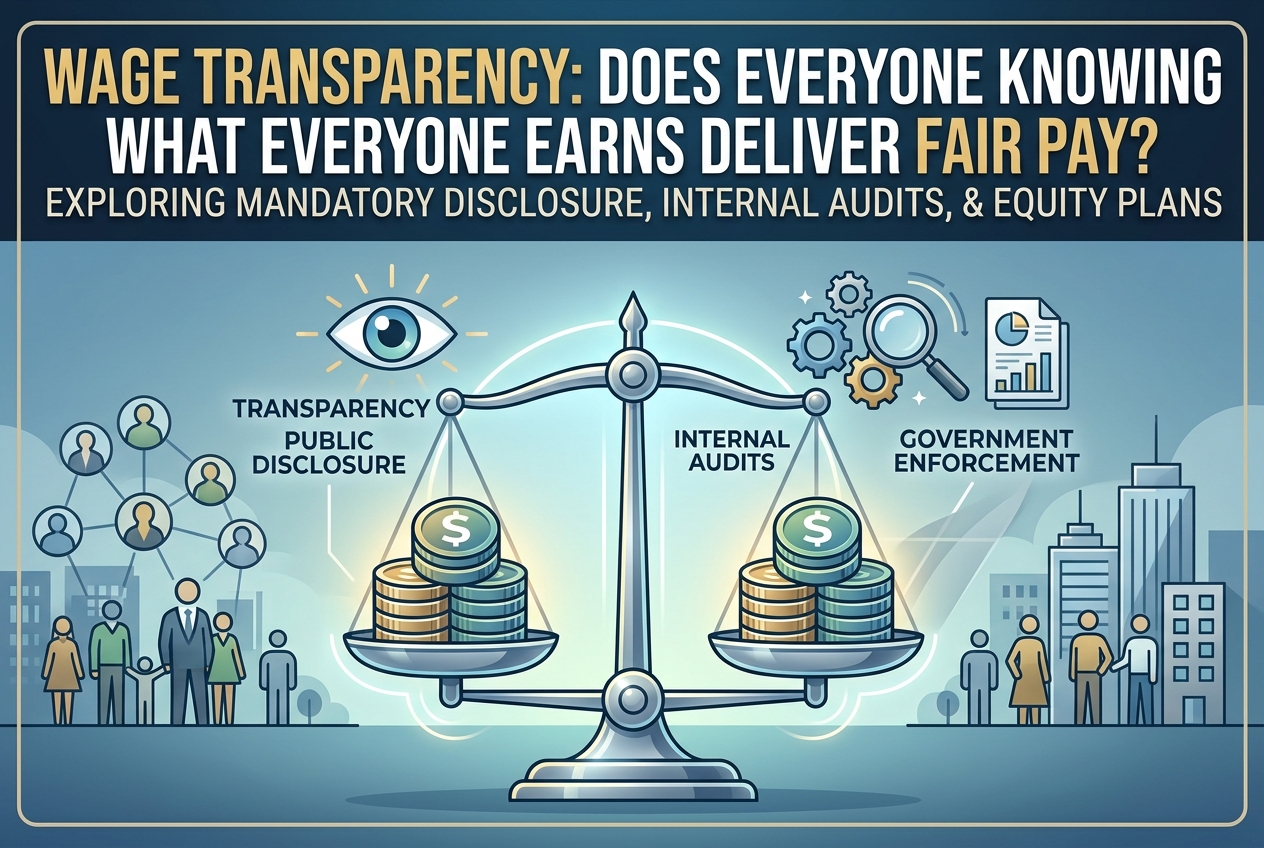
What Happens When Everyone Knows What Everyone Earns
Pay transparency is spreading, but posting a range in a job ad is only one lever. These approaches differ on whether real progress comes from mandatory disclosure, internal pay audits and equity plans, or government enforcement rather than voluntary employer action, and on how to tell whether any of it narrows wage gaps. Judge which levers actually deliver fair pay.
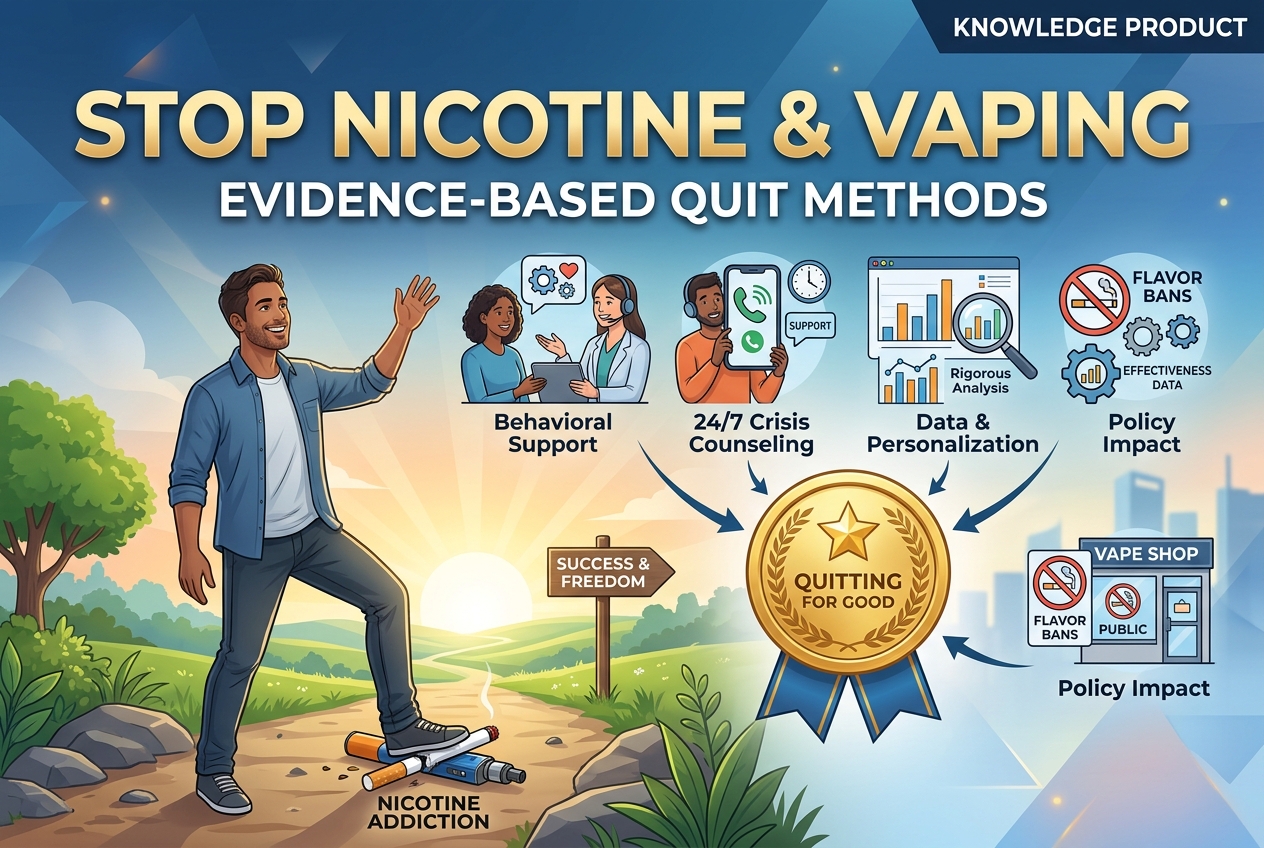
Which Quit Methods Actually Help You Stop Nicotine for Good
Quitting nicotine and vaping is challenging, and success depends heavily on the approach used. This collection reveals how methods differ in real-world effectiveness, from tailored support and 24/7 crisis counseling to policy impacts like flavor bans and the importance of rigorous data analysis. Understanding these differences helps you choose the method that best fits your needs and increases your chances of quitting for good.
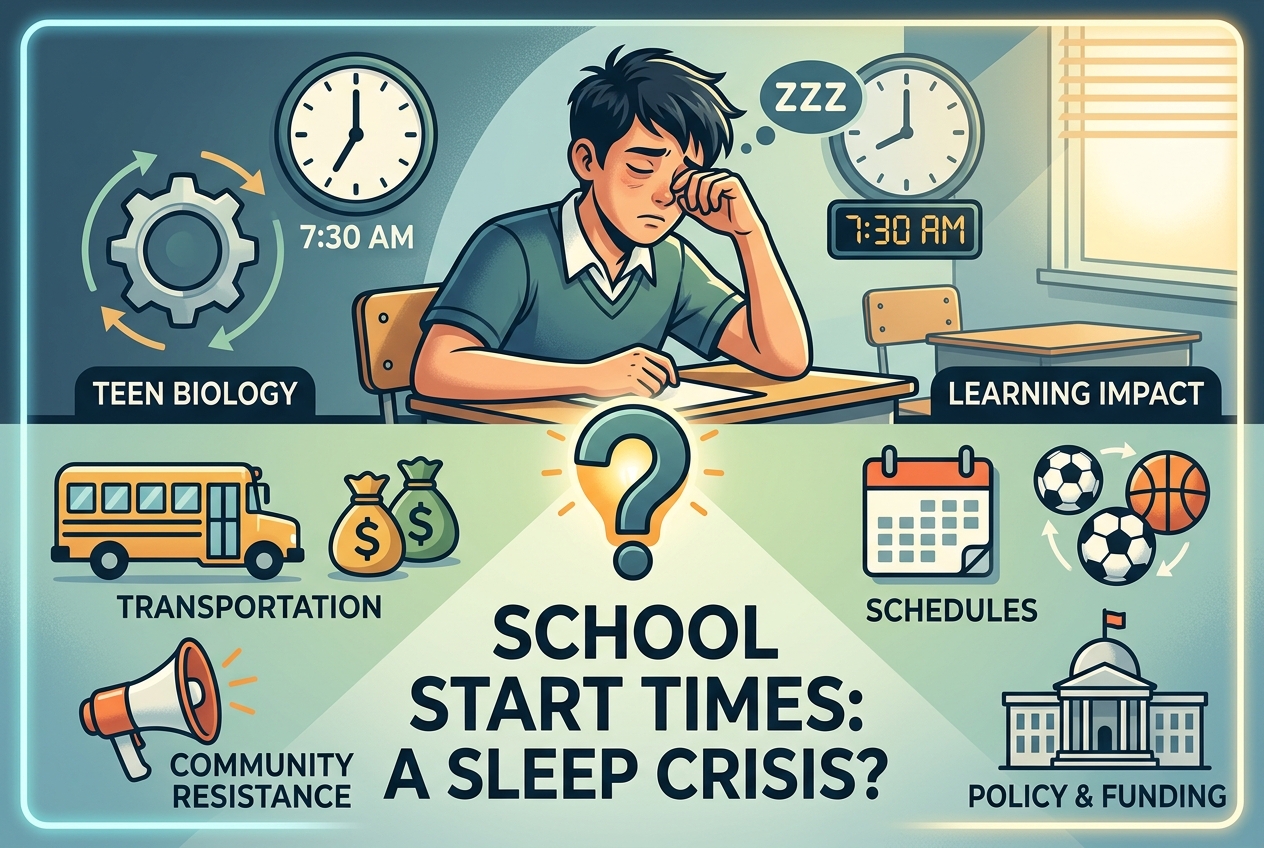
Teens Are Falling Asleep in First Period for a Reason
Teen body clocks genuinely shift later, and the science says early bells cost students sleep and learning. But the arguments here collide over whether biology should outrank bus routes, sports schedules, parent logistics, and vague laws with no exemptions. Where you land decides what you push for in your own district.
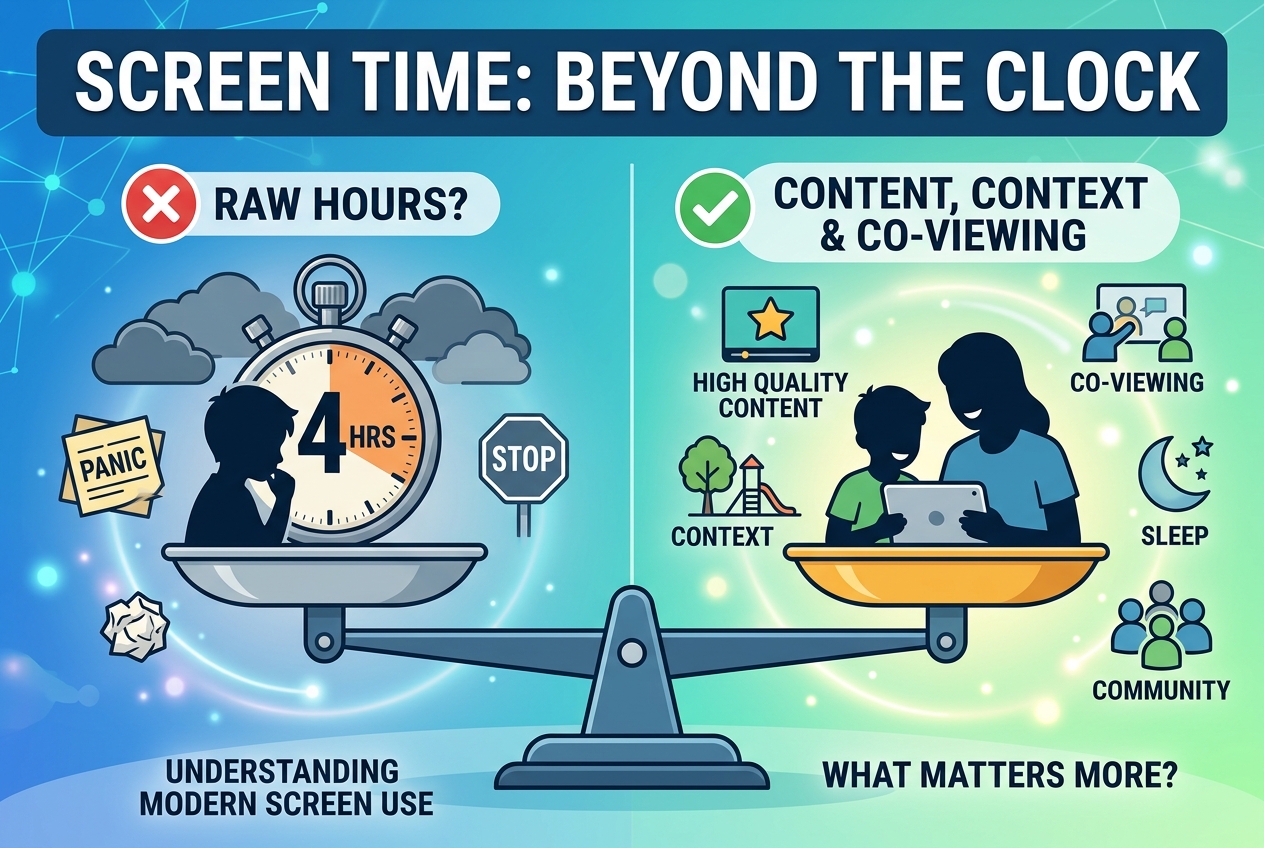
The Screen Time Panic May Be Aimed at the Wrong Target
Hour caps are the popular fix, yet much of the evidence points elsewhere. These views argue over content quality, context, and co-viewing versus raw hours, with some critiquing the research itself and others insisting sleep and community matter more than screens do. Weigh the panic against the evidence and decide what screen time means for your family.
How Much Salt Is Actually Hurting You?
Salt guidance sounds settled until you notice how much the recommendations conflict. These views split on whether global sodium targets rest on shaky intake measurements, whether one-size-fits-all limits ignore genetic differences in salt sensitivity, and whether population-wide policies have actually delivered. What you conclude changes how much the shaker on your table really matters.
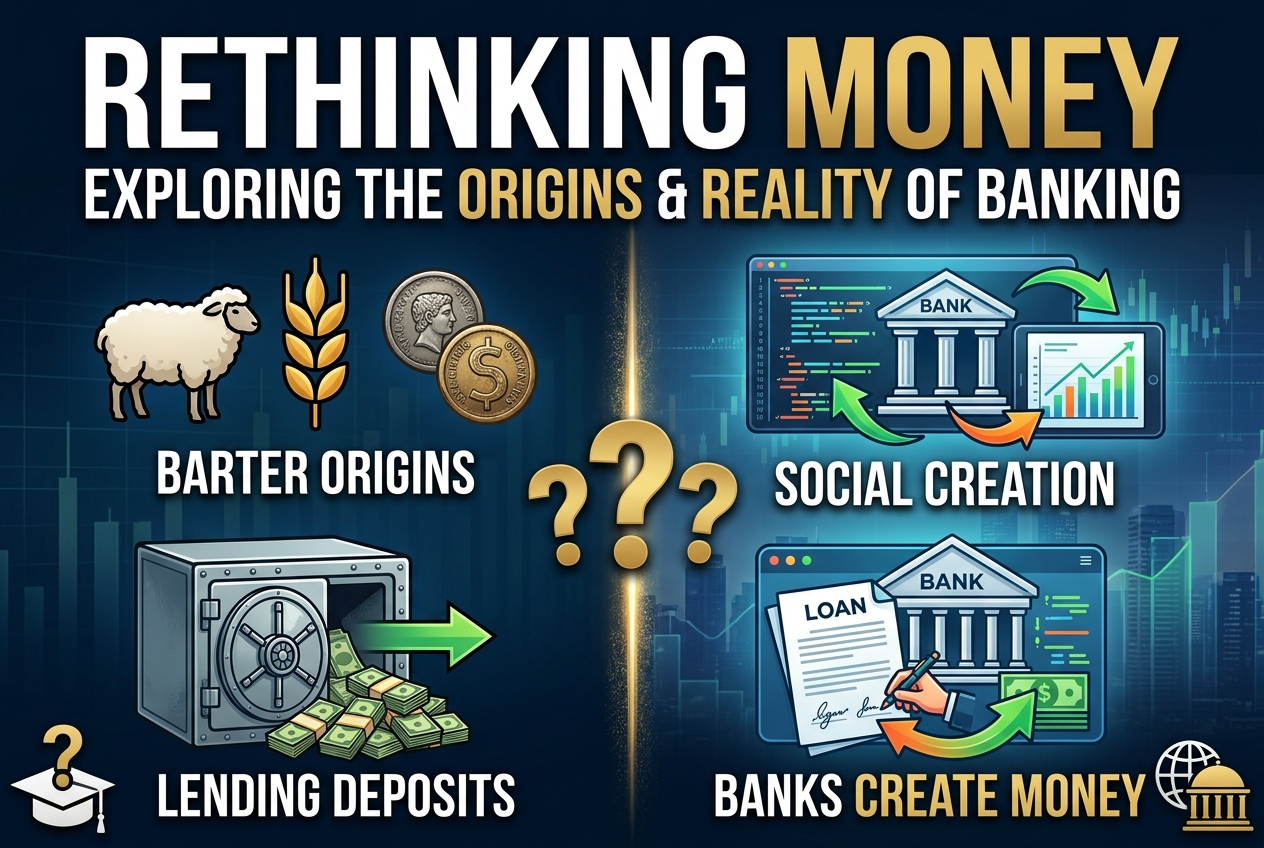
Money Didn't Start With Barter, and Banks Don't Lend Deposits
Much of what school taught about money is contested at the roots. These theories clash over whether money began as barter or as a social and political creation, whether banks lend existing deposits or create new money when they lend, and how much central banks really control the supply. Sort out which story fits history and today's economy.
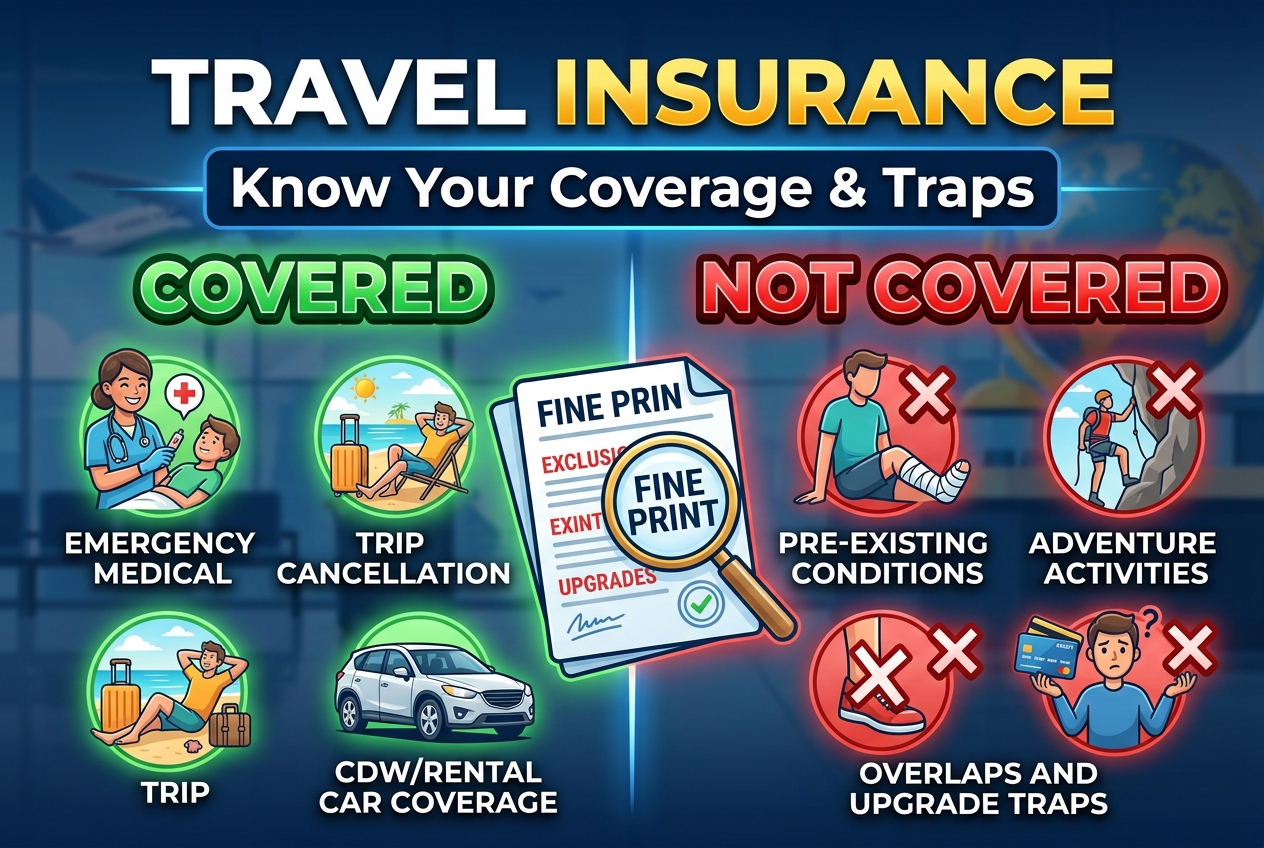
What Your Travel Insurance Actually Covers, and What It Won't
Travel insurance fine print hides upgrade traps, coverage gaps, and overlaps with protection you already have. These tips cover when to buy so events are covered, how emergency medical coverage really works, and why checking your credit card first can save you from paying twice for rental car coverage. You will know what protection you actually need before your trip.
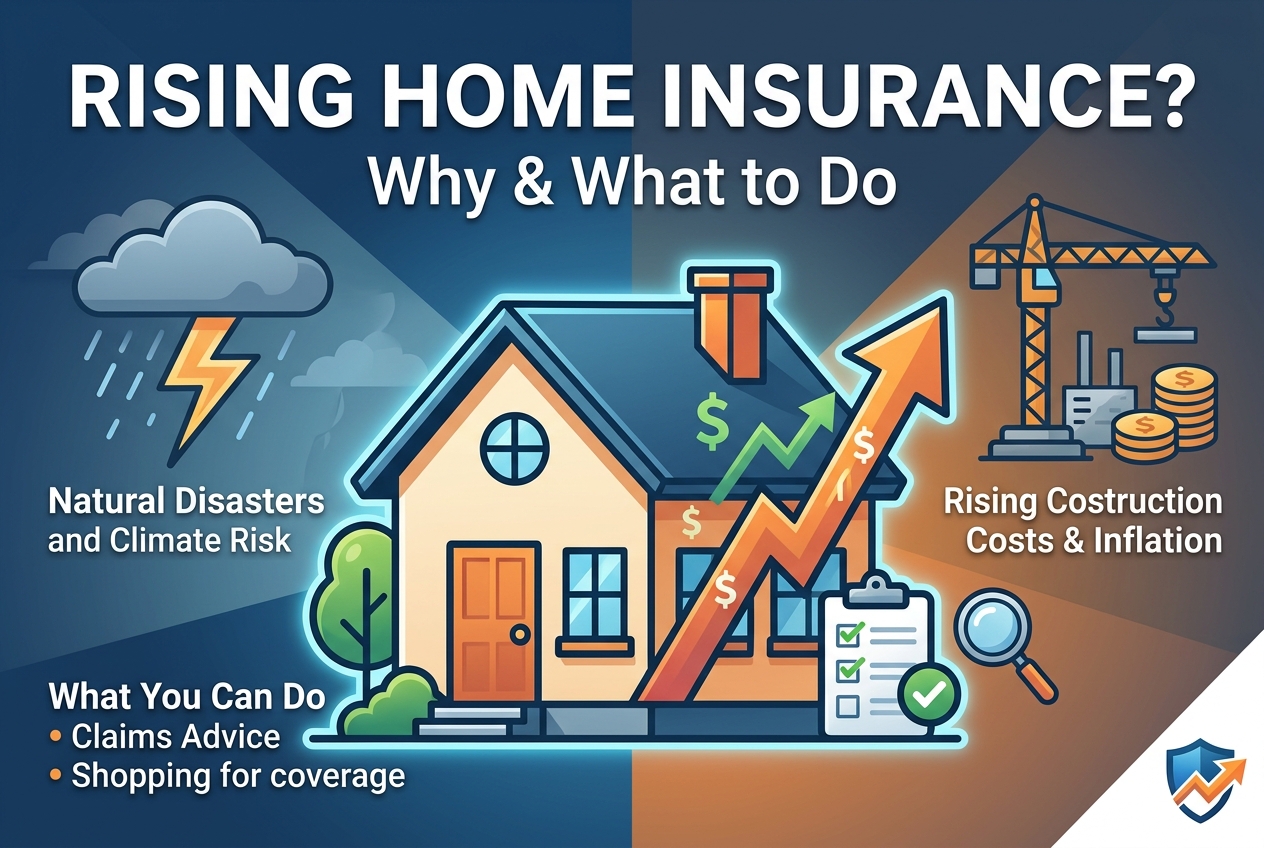
Why Your Home Insurance Costs Keep Rising and What You Can Do
Home insurance premiums are climbing due to more frequent natural disasters, rising construction costs, and changes in insurer policies. These causes differ in how they affect pricing and coverage availability, from climate-driven risks prompting higher rates and tighter rules to inflation pushing repair expenses up. Understanding these causes helps homeowners decide when to file claims, shop for coverage, or prepare for premium hikes in high-risk areas.
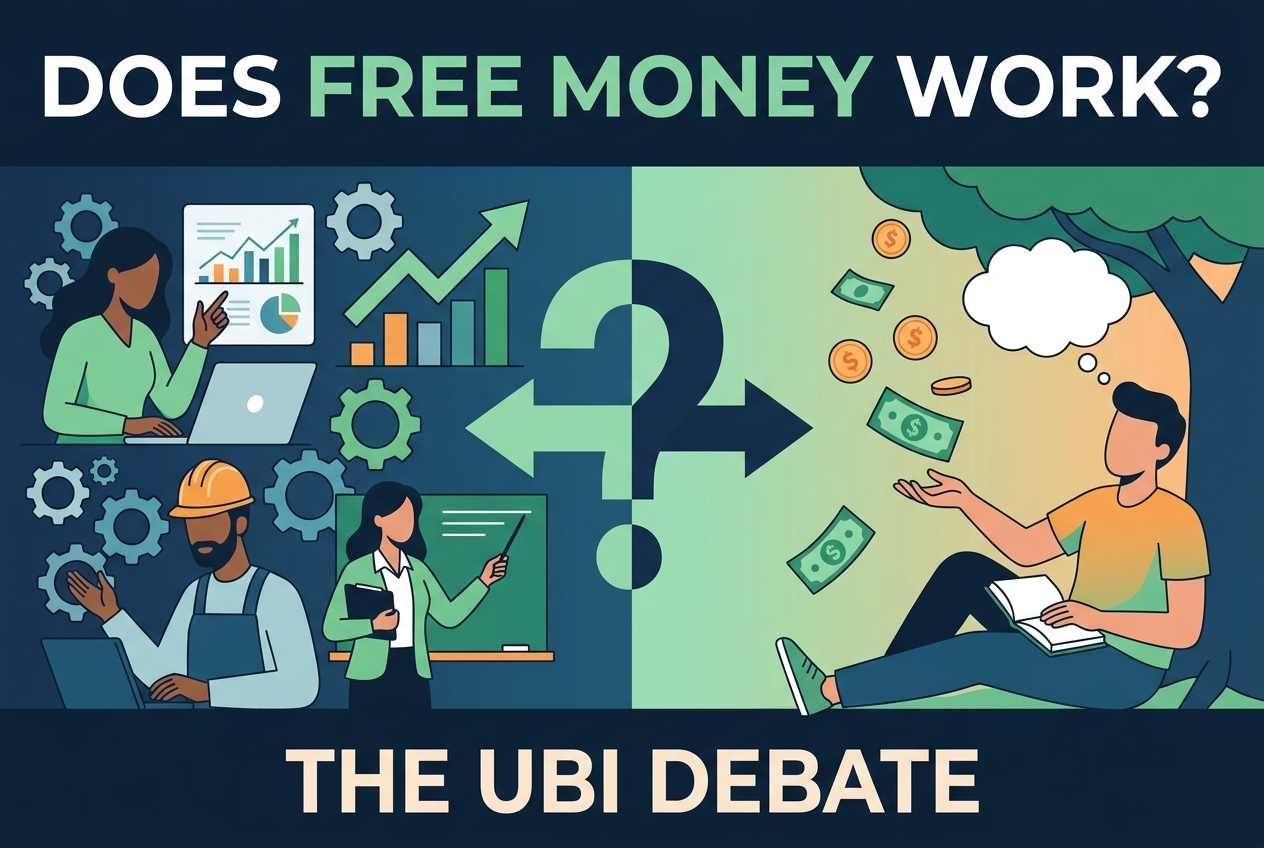
Does Free Money Make People Stop Working?
Universal basic income pilots keep testing the oldest objection: that guaranteed cash kills the will to work and inflates prices. These views split on what the trials show, with Finland and Kenya suggesting no collapse, Stockton pointing to modest work increases, and skeptics warning the results will not survive at national scale. The evidence you trust decides where you stand on free money.