
Browse the Context Marketplace
Expert-level knowledge on any topic. Each capsule guides you through what matters most.
5 capsules
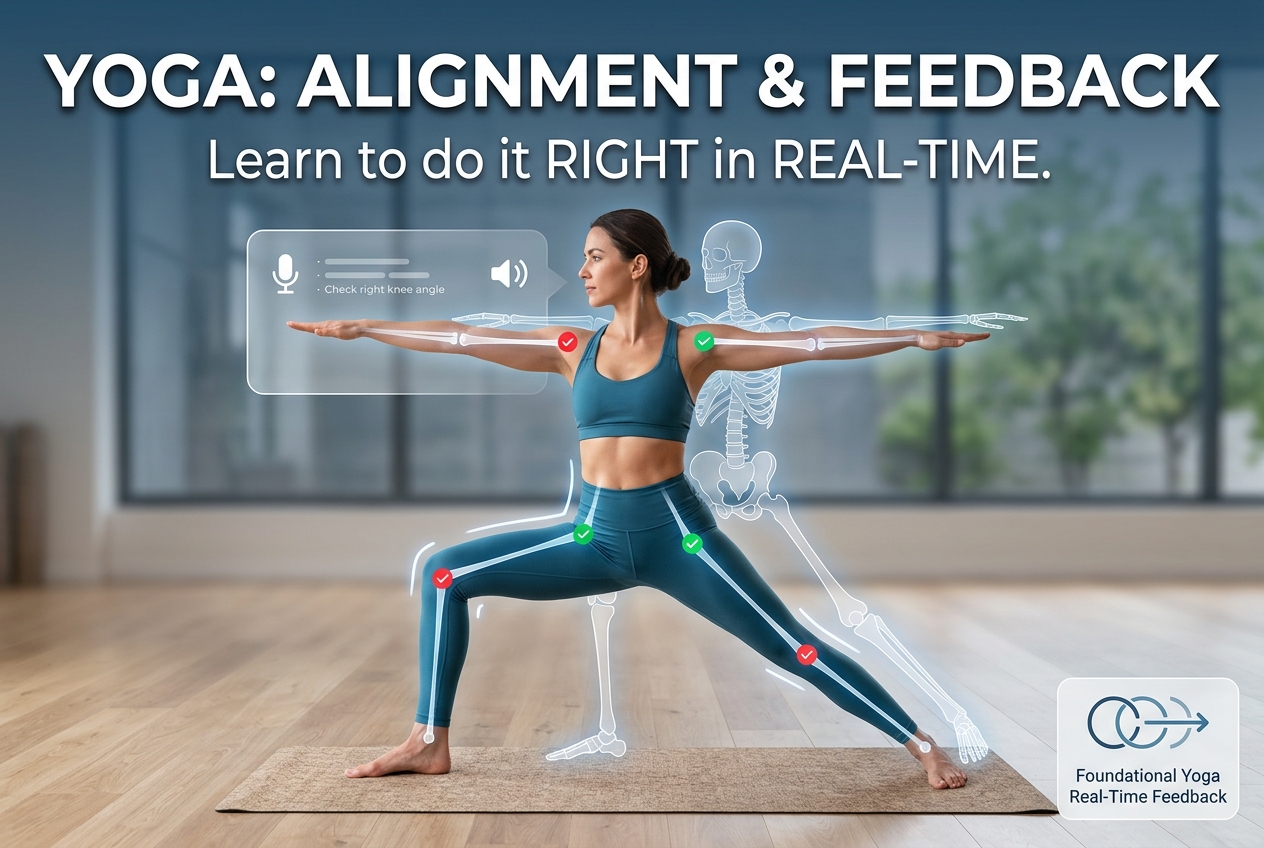
Foundational Yoga Poses with Real-Time Corrective Feedback
Yoga poses require precise alignment to avoid injury and maximize benefits. This collection offers detailed guidance on foundational poses, integrating real-time visual and voice feedback systems that compare user posture to ideal models using biomechanical joint-angle analysis. It also highlights safety precautions and modifications for common pain or injuries, helping practitioners perform poses correctly and safely.

Did Power Posing Ever Really Work?
Standing like a superhero was supposed to change your hormones, then the science wobbled. These views split on whether the original findings were biased flukes, whether stricter and larger studies could still rescue the effect, and whether personal experience counts when replication fails. Sort out which confidence boosters actually hold up before you rely on one.
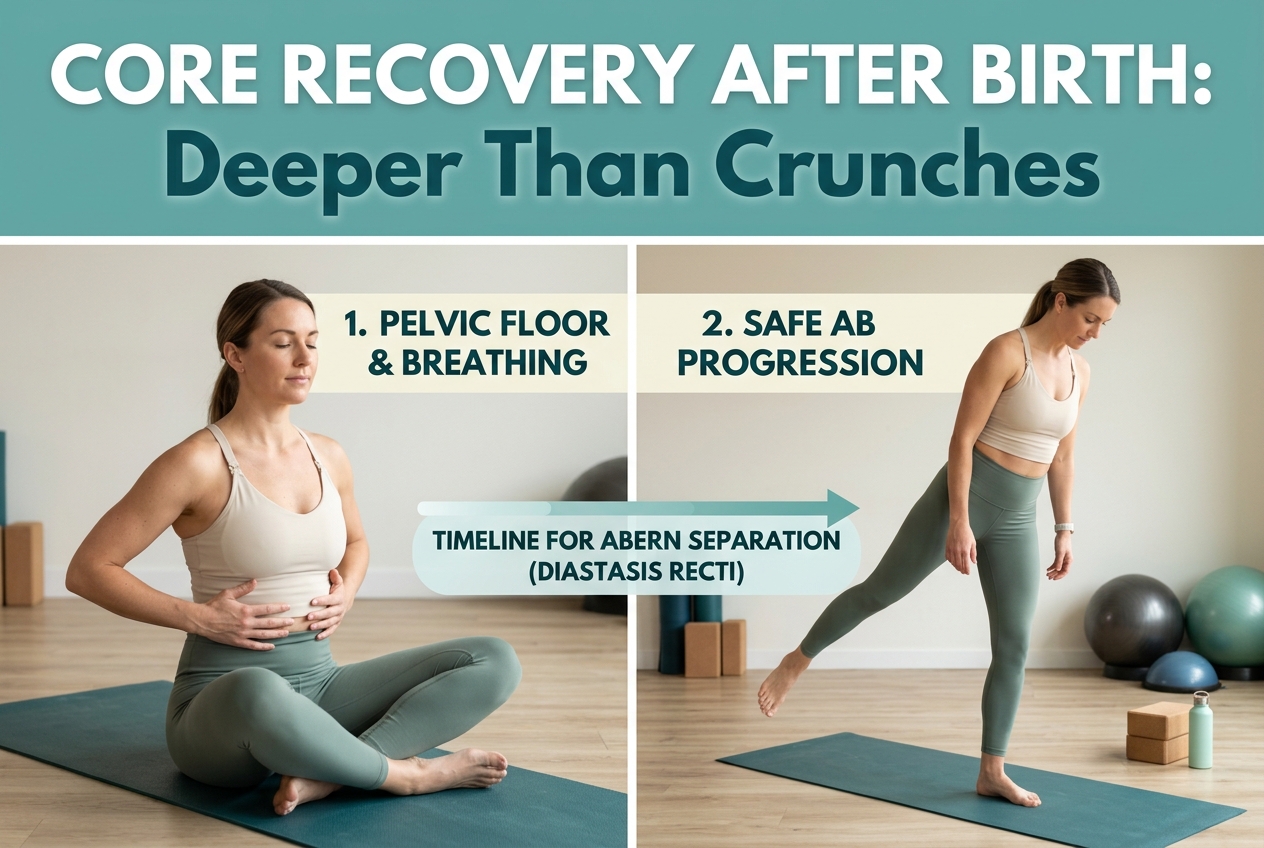
Rebuilding Your Core After Birth Starts Deeper Than Crunches
After giving birth, jumping straight into ab workouts can set recovery back. These steps sequence the comeback from breathing and pelvic floor work up to specific programming and managing abdominal separation, and they split on how cautious or assertive to be along the way. Weigh what the evidence supports and pace a recovery that fits your body.
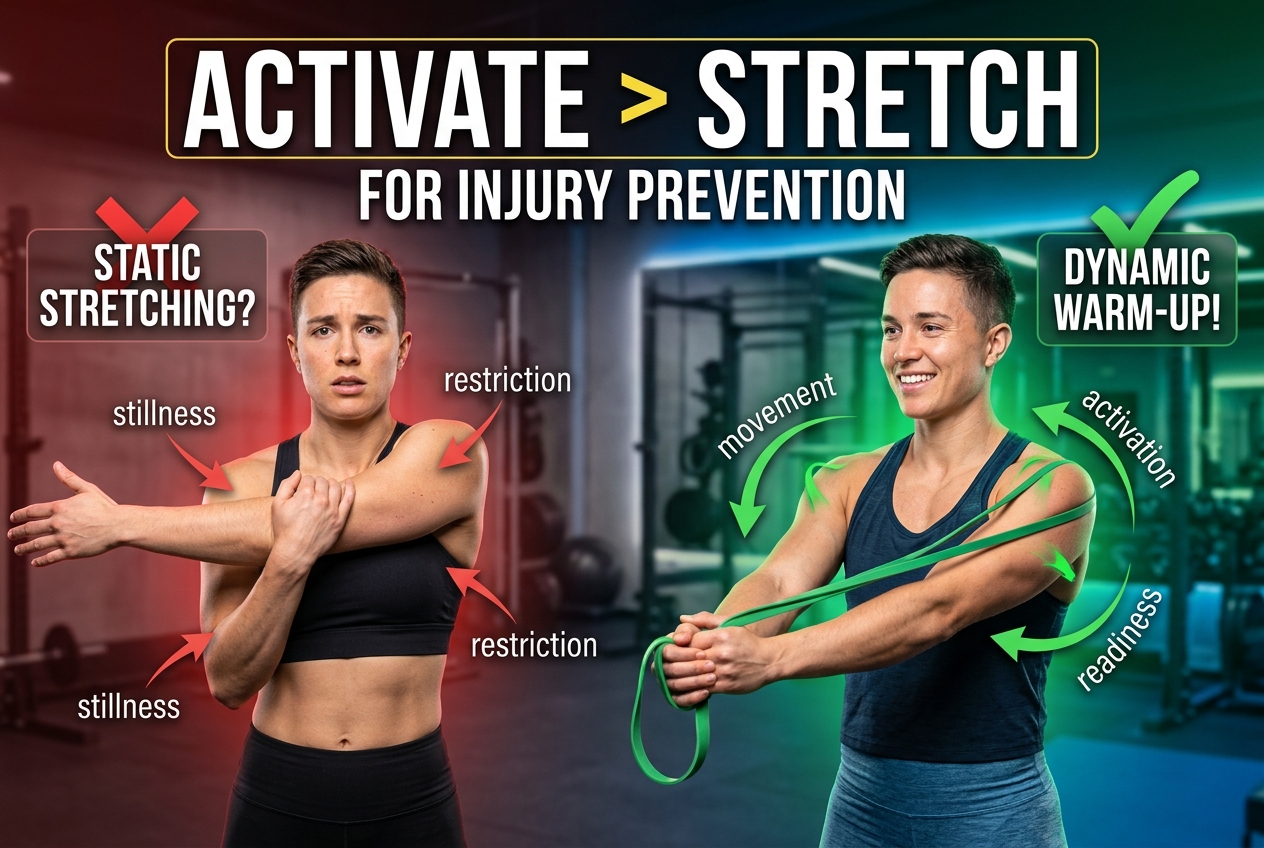
Dynamic Shoulder Warm-Ups Beat Static Stretching for Injury Prevention
Static stretching before a workout holds your shoulder muscles still exactly when they need to switch on. The case here is that dynamic warm-ups built on controlled rotations, resistance bands, and scapular activation wake up the stabilizer muscles and build the joint awareness that actually prevents injury. Trading your pre-lift stretches for controlled movement prepares your shoulders for real load.
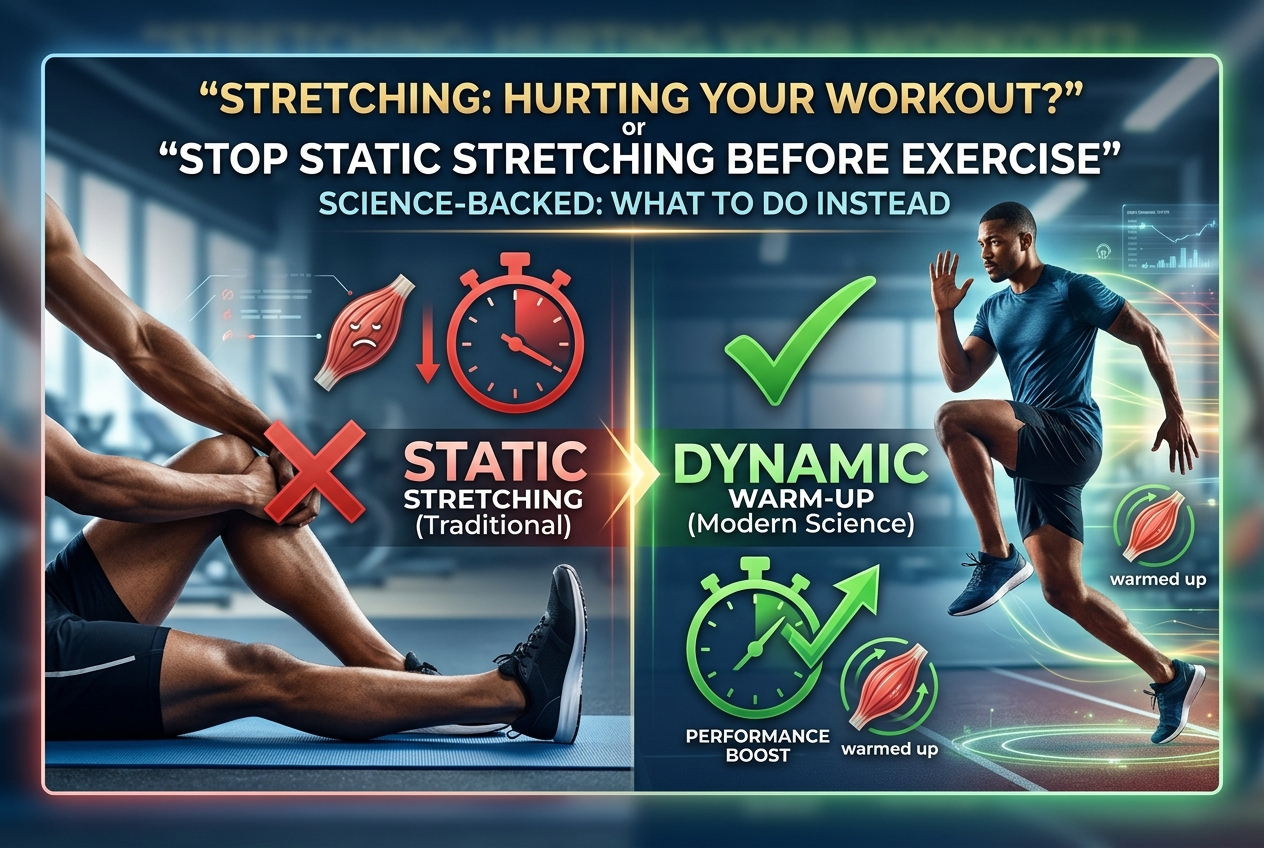
Stretching Before Exercise May Be Hurting Your Performance
The pre-workout static stretch you learned in gym class may reduce power without preventing a single injury. These recommendations split on what replaces it: dynamic movements that wake up muscles and nerves, sport-specific warm-ups, or saving static stretching for after the session when it aids flexibility and recovery. Where they differ is timing, and timing turns out to be most of the answer.