
Browse the Context Marketplace
Expert-level knowledge on any topic. Each capsule guides you through what matters most.
18 capsules
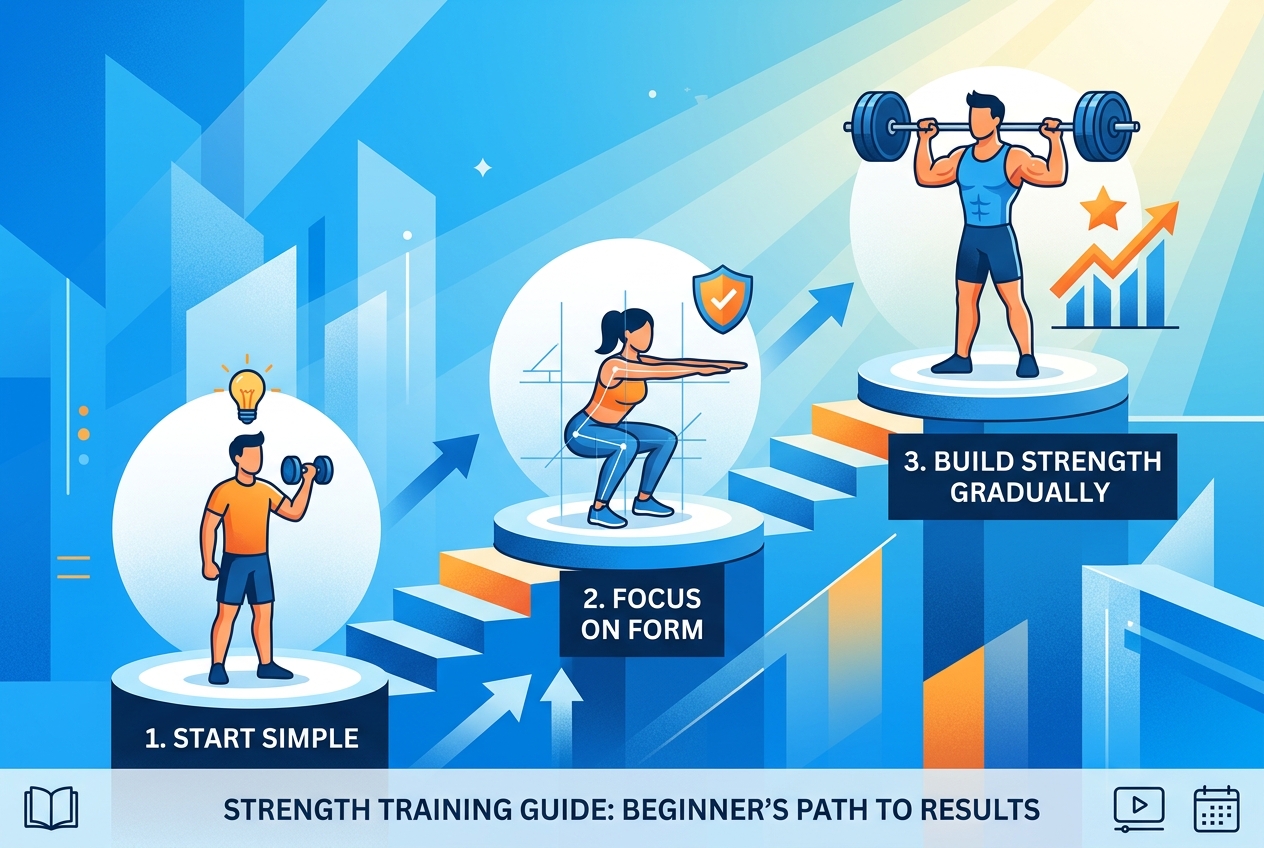
Start Simple, Focus on Form, and Build Strength Gradually
Strength training works best when you begin with manageable weights and prioritize proper technique over lifting heavy. Instead of pushing through pain or rushing progress, focus on consistent, gradual improvements and listen to your body to avoid injury. This practical approach overcomes common barriers like time constraints and fear of injury, making strength training accessible and effective for everyone.
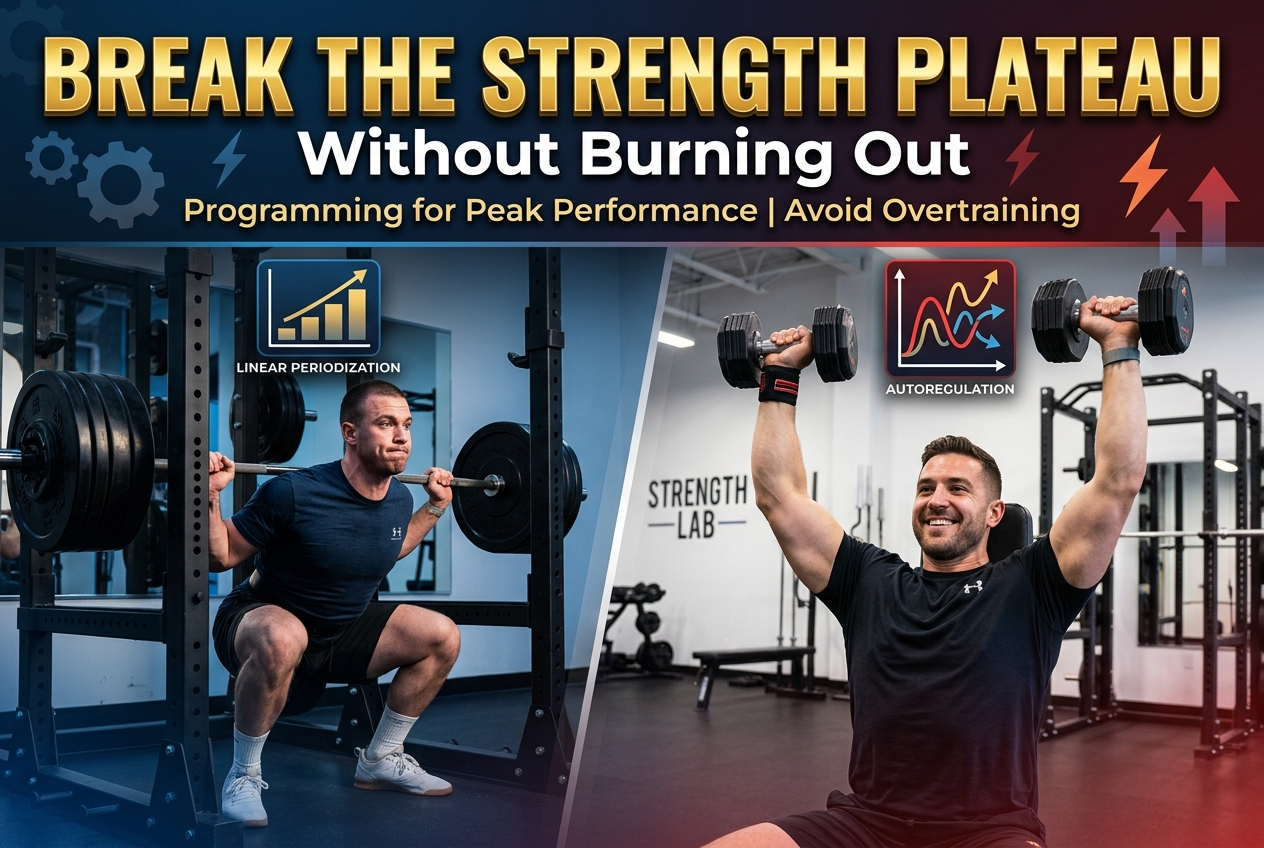
Break Through a Strength Plateau Without Burning Out
When your lifts stall, the fix depends on how you plan progress. These methods differ between steady, pre-planned changes in intensity and volume over weeks and a flexible daily approach that adjusts to how ready you feel that session. You can decide which one breaks your plateau without pushing you into injury.
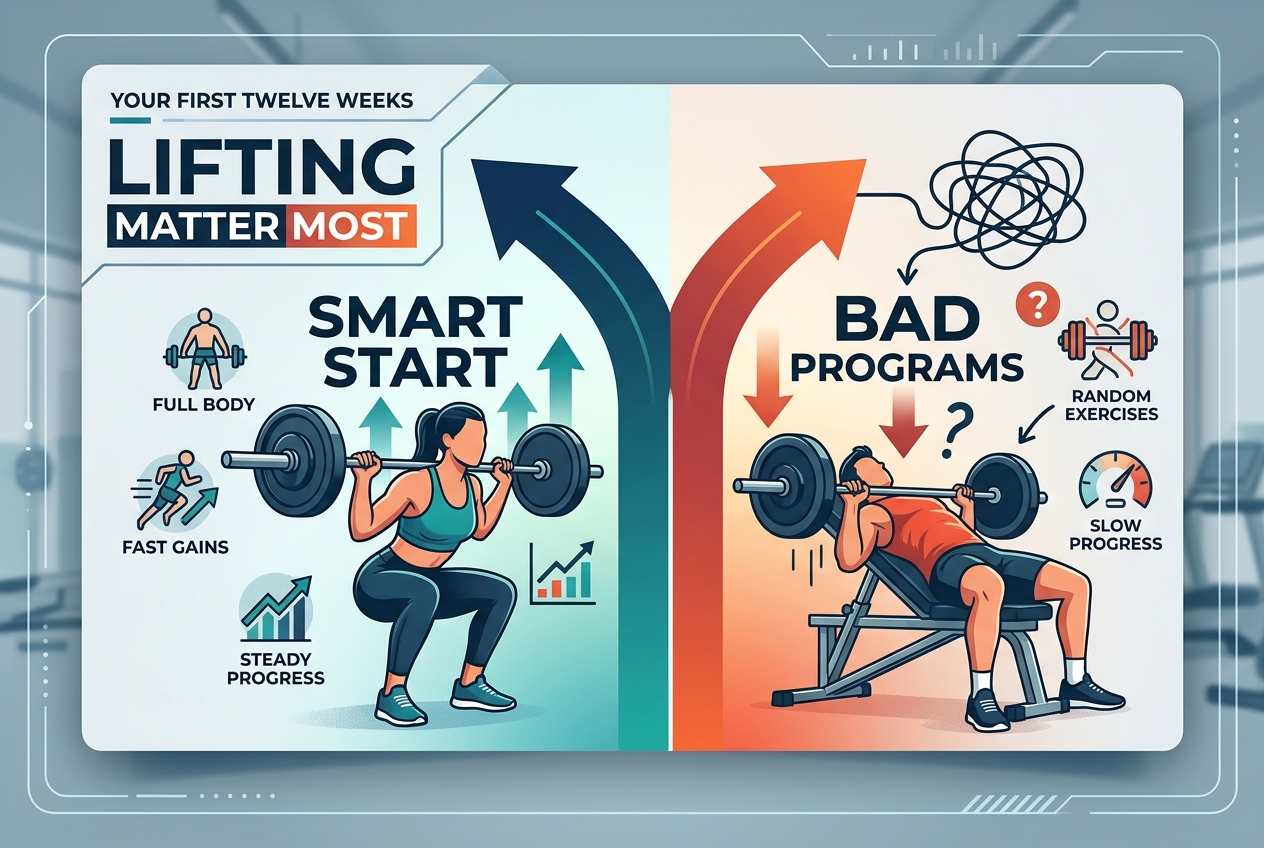
Your First Twelve Weeks of Lifting Matter Most
Beginners make their fastest strength gains early, which is exactly when bad programs waste the most. These methods differ on training frequency, full-body versus split routines, rest, and how quickly to add weight. Setting them side by side helps you pick a plan you can sustain past the honeymoon.

How to Train Safely and Effectively After 50 Without Risking Injury
Strength and fitness training after 50 requires careful attention to safety, proper technique, and listening to your body. Different guidelines emphasize warming up, avoiding breath-holding, managing joint pain, and recognizing warning signs like chest discomfort. Understanding these varied approaches helps you choose a routine that balances progress with real-world health considerations and emergency preparedness.
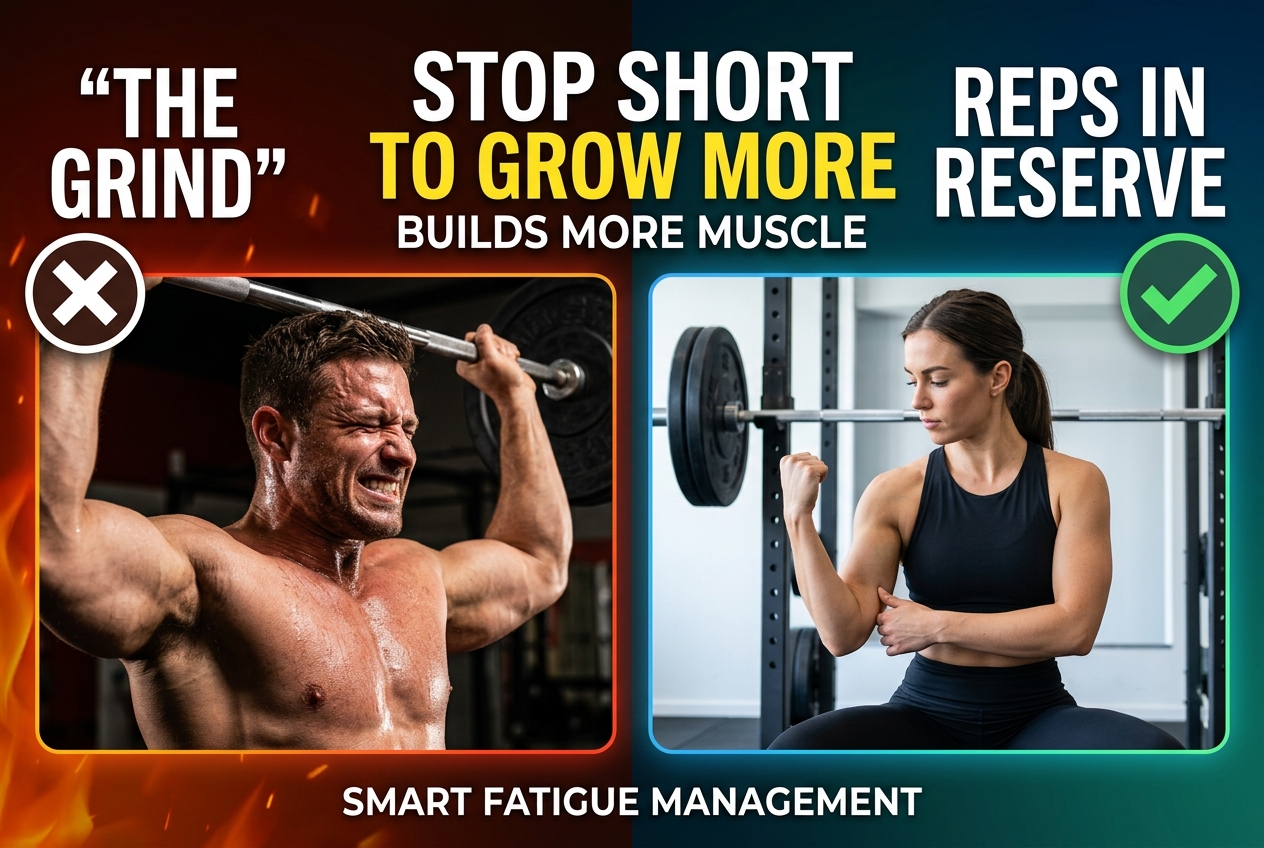
When Stopping Short Builds More Muscle Than Grinding On
Grinding every set until you physically cannot move the weight feels hardcore, but it may be quietly stalling your progress. These methods differ on how to dose effort instead: rating how hard a set feels, leaving repetitions in reserve, and protecting recovery so fatigue does not swallow your gains. Compare them and you can decide exactly when pushing to failure earns its cost and when to rack the bar early.
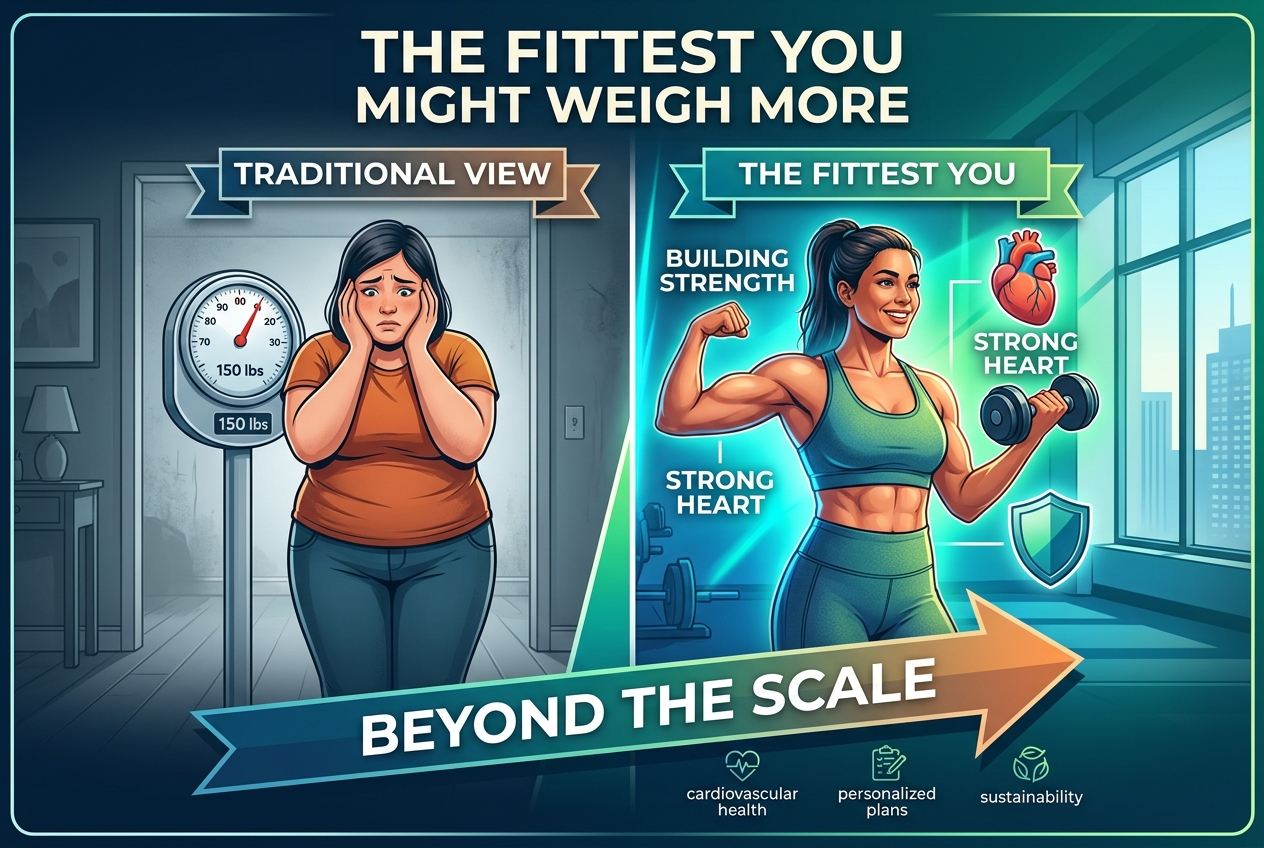
The Fittest Version of You Might Weigh More
If the bathroom scale is your only referee, you may be training for the wrong prize. These principles differ on what fitness really means: building strength gradually enough to avoid injury, valuing a strong heart over a low weight, tailoring the whole plan to your own body and life, and knowing where fitness research stops being trustworthy. Together they let you choose a path that makes you genuinely healthier, not just lighter.
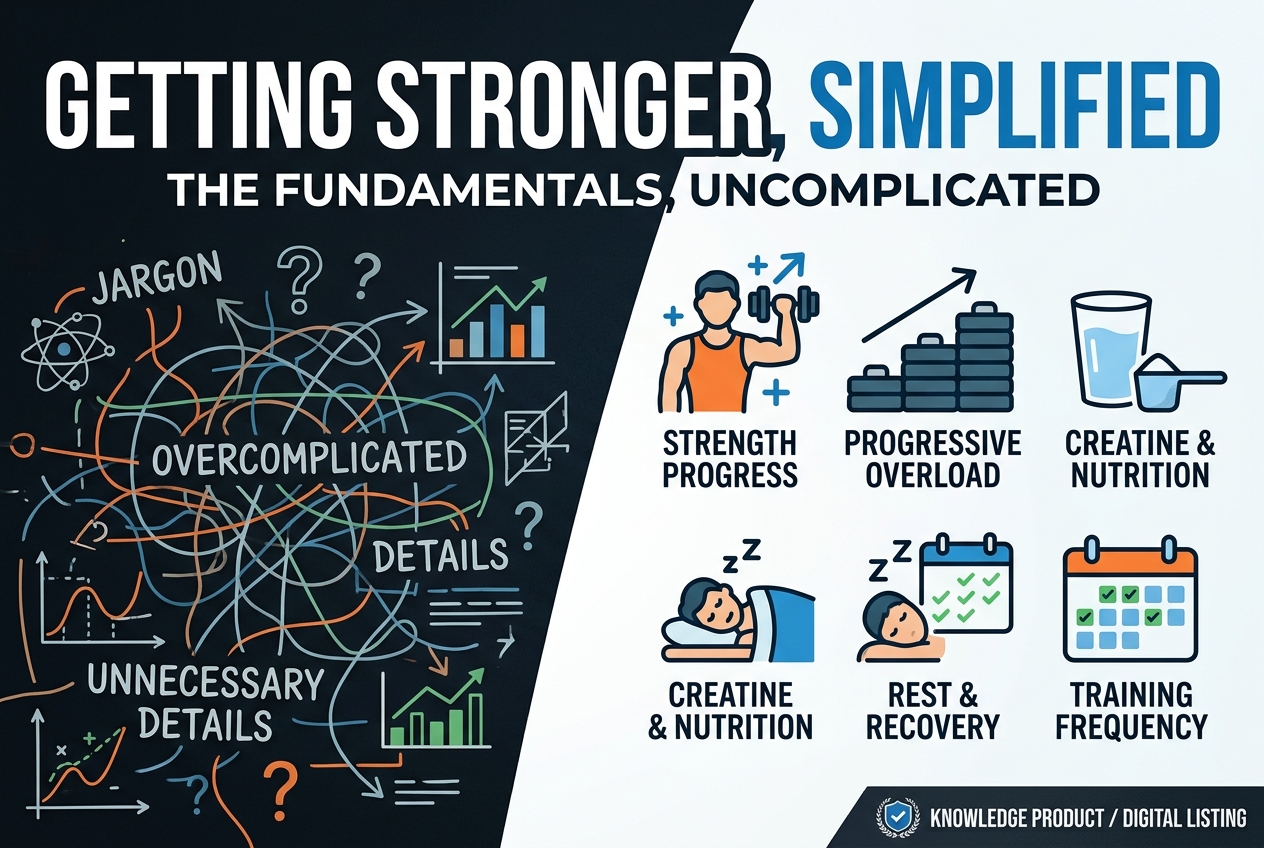
Getting Stronger Without Overcomplicating It
Strength advice gets buried under jargon, but the fundamentals are simpler than the internet makes them. These methods differ on how far you can strip training principles down, how much protein, creatine, and frequency matter, and when simple advice needs context and limits. Pick the level of detail that fits your goals and life.
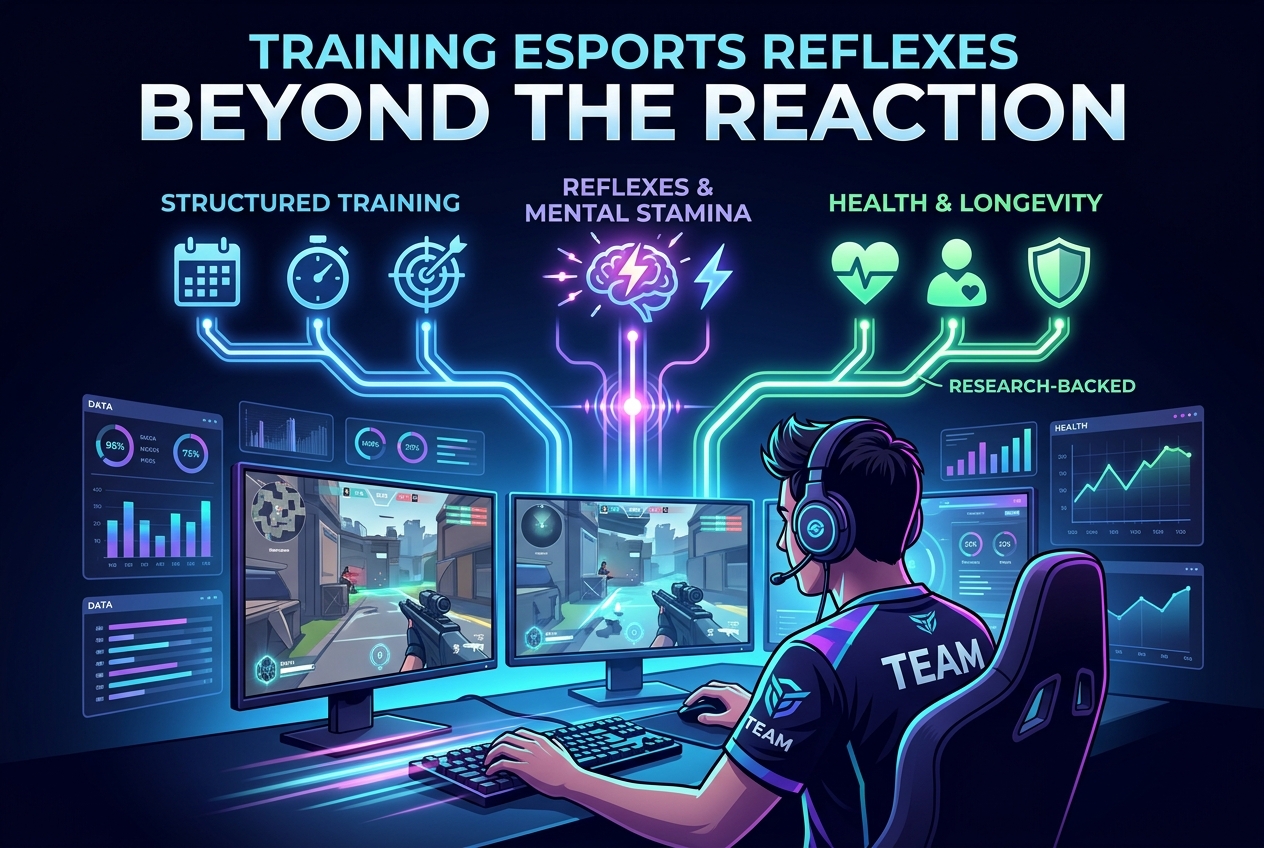
Esports Reflexes Are Trained, Not Born
At the top of competitive gaming, reaction time and mental stamina decide matches, and how to build them is contested. These methods split between structured practice regimens, long-term community health programs that protect player wellbeing, and research-driven interventions built on actual evidence. The choice shapes not just performance but how long a career lasts.
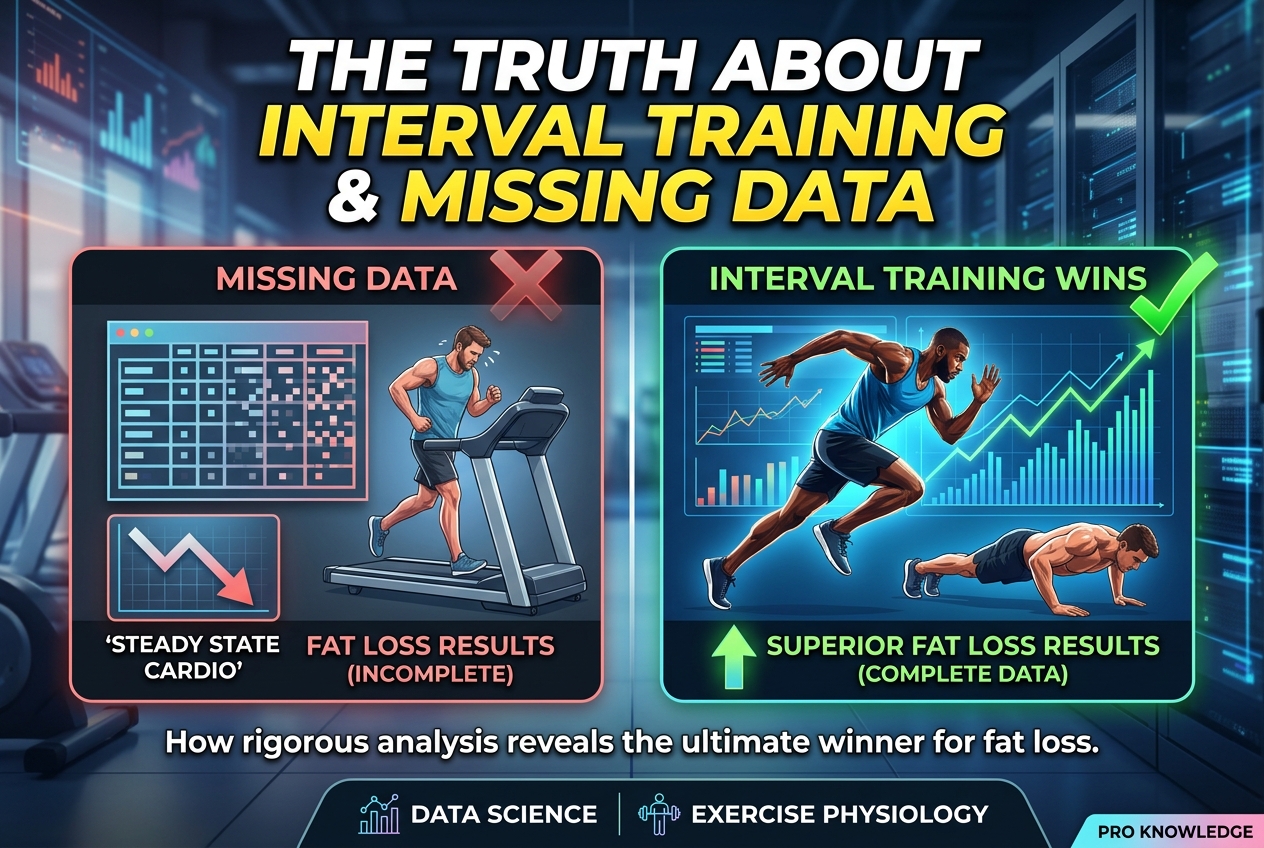
Fix the Missing Data and Interval Training Wins
The cardio-versus-intervals argument drags on partly because fat loss studies are riddled with dropouts and missing measurements. This take argues that when those gaps are filled with rigorous statistical methods instead of ignored, high intensity interval training pulls clearly ahead of steady state cardio. If you care what the evidence really says, the way researchers handle incomplete data should change which workout you trust.

When Should a Child Start Serious Ballet Training
Push ballet too early and a child risks injury, burnout, and growth-plate damage; wait too long and they may fall behind. These views differ on whether early specialization builds skill faster or whether a child-first pace that follows the body's readiness matters more. You can decide the safest path for a young dancer's health and progress.
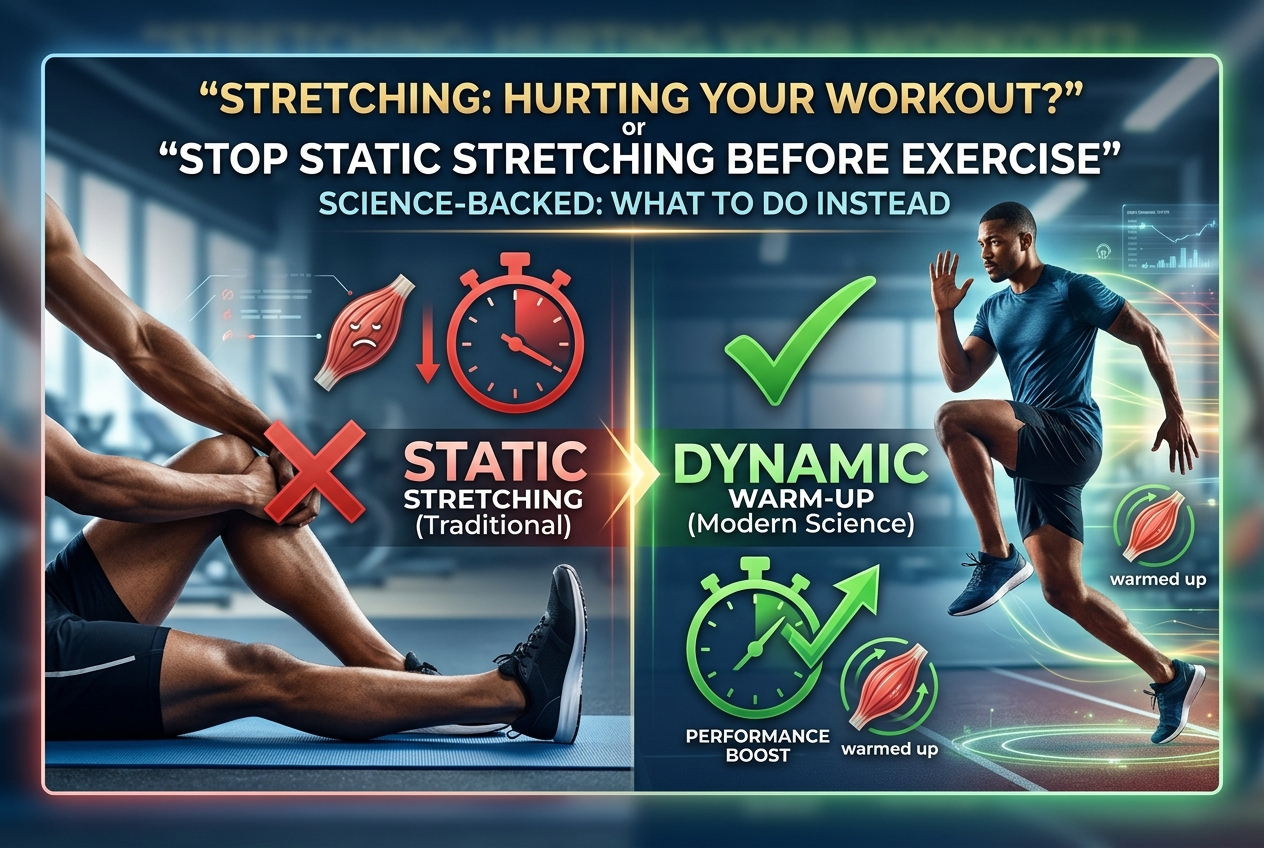
Stretching Before Exercise May Be Hurting Your Performance
The pre-workout static stretch you learned in gym class may reduce power without preventing a single injury. These recommendations split on what replaces it: dynamic movements that wake up muscles and nerves, sport-specific warm-ups, or saving static stretching for after the session when it aids flexibility and recovery. Where they differ is timing, and timing turns out to be most of the answer.

Short, Focused Learning Beats Traditional Courses for Remembering More
Day-long training sessions feel thorough and are mostly forgotten within a week. The case here is that short, focused lessons fit how memory actually works, preventing overload while lifting engagement and recall compared with traditional courses. If retention is the goal, break the training into small pieces and let repetition do the rest.