
Browse the Context Marketplace
Expert-level knowledge on any topic. Each capsule guides you through what matters most.
6 capsules
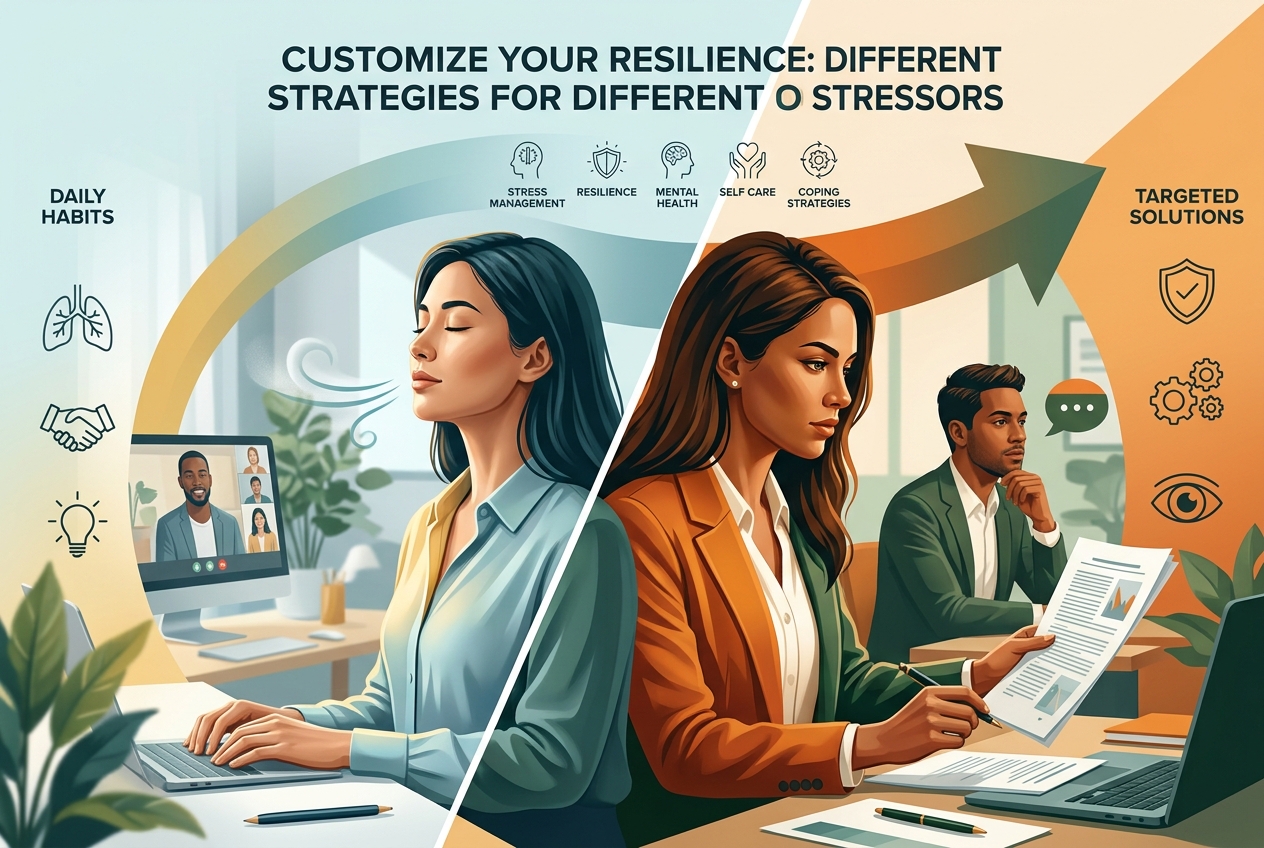
Why Handling Stress Needs Different Strategies for Different Challenges
Stress and resilience are not one-size-fits-all. Some strategies focus on practical daily habits like deep breathing and social support, while others confront harsh realities or tailor responses to specific stressors. Understanding these distinct approaches helps you choose the right way to manage stress and build resilience that fits your unique situation.
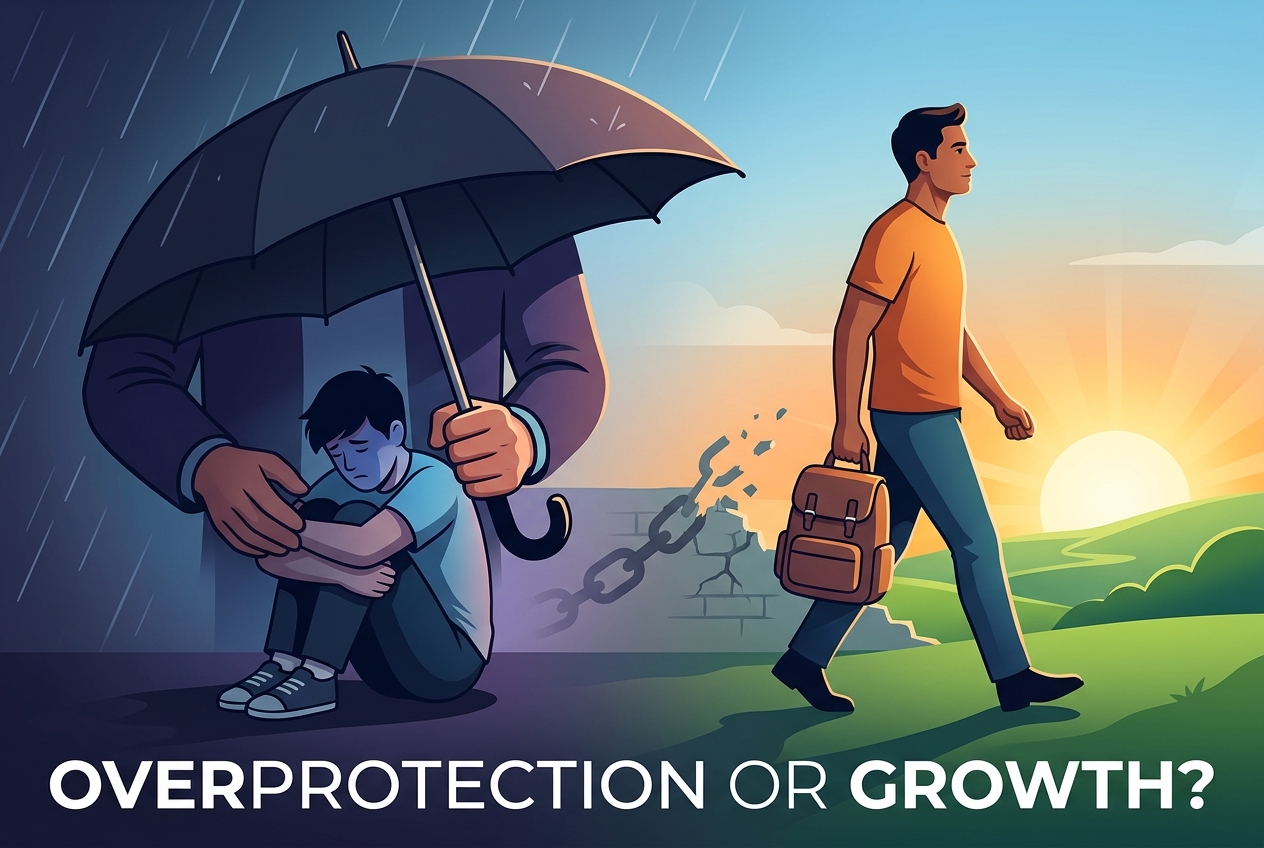
Protecting Someone From Everything Can Keep Them Broken
Shielding a struggling person from every stress feels kind, but avoidance can quietly sustain trauma and stall growth. From PTSD recovery to adolescent independence, the hard question is when protection heals and when it holds someone back.

Knowing When to Ask for Help Keeps You in Control
Many believe self-reliance means handling everything alone, but this approach overlooks the power of strategic support. By clearly communicating your needs and seeking help when challenges exceed your capacity, you maintain authority over your situation rather than losing control. Embracing help at the right time ensures you stay engaged and lead effectively through complex or emotional challenges.
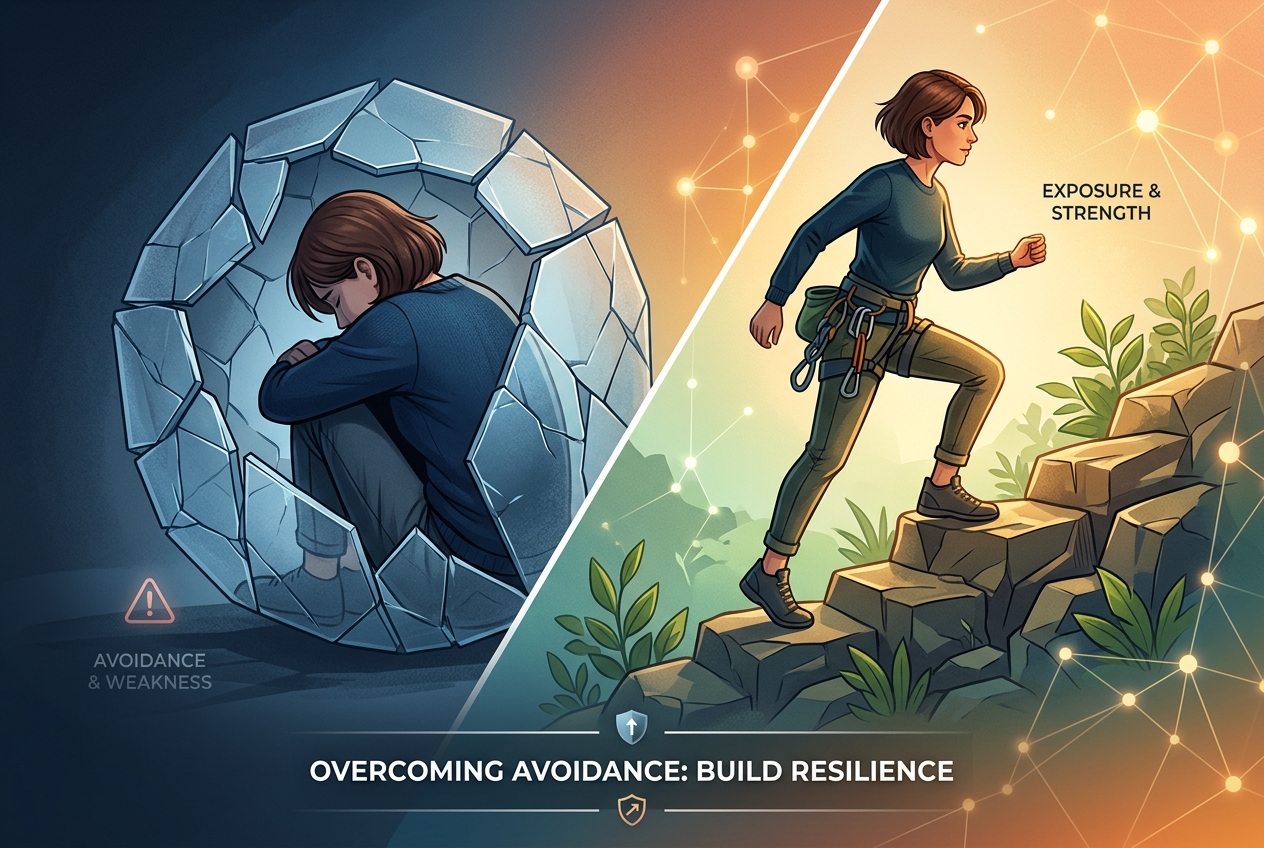
Avoiding Tough Topics Harms Mental Health More Than Facing Them
Trigger warnings and constant protection promise safety but can leave people more fragile. Drawing on exposure therapy, the argument here is that gradually confronting fears reduces anxiety and trauma symptoms in ways avoidance never will. Choosing exposure over coddling builds the emotional strength that overprotection quietly erodes.
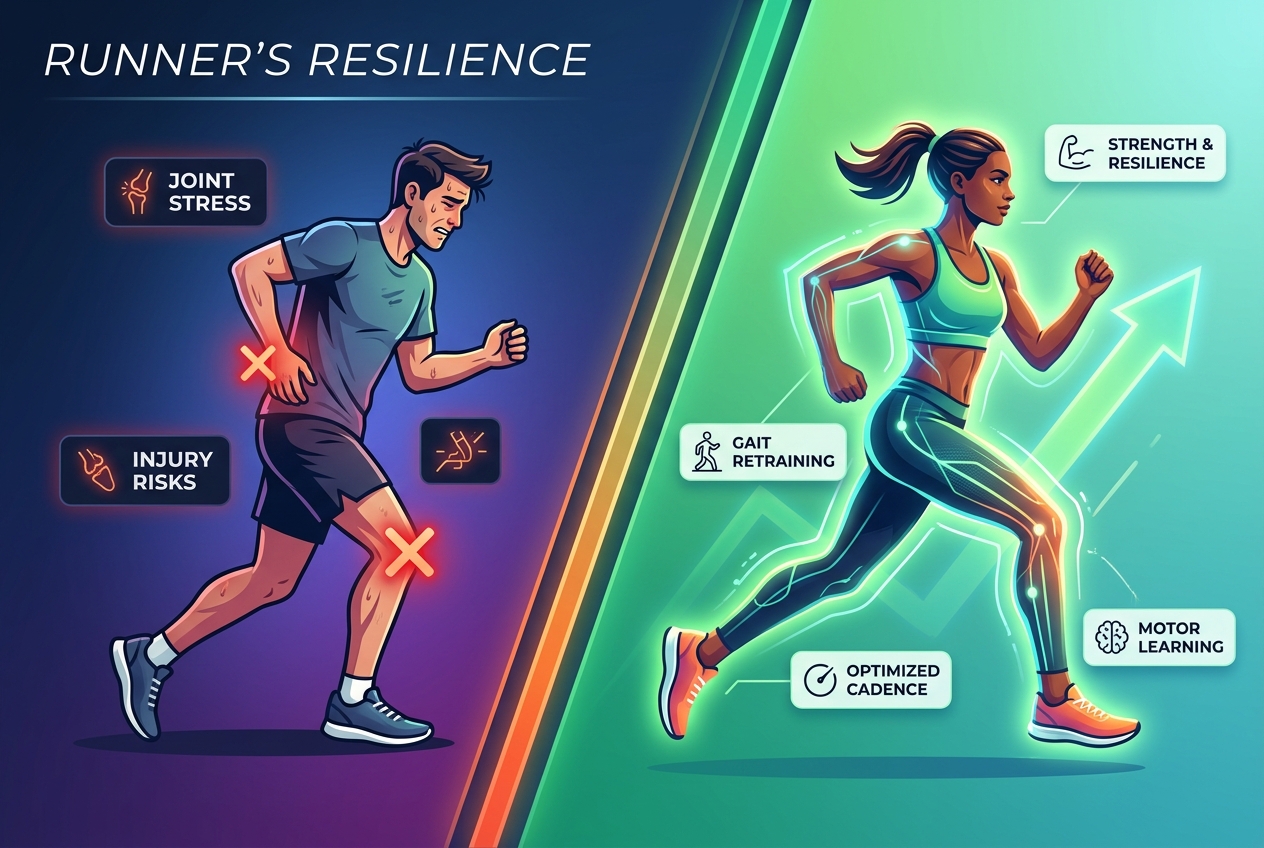
Why Runners Keep Getting Hurt, and What Actually Helps
Running injuries are common, but the best prevention is contested. These fixes range from strength training that builds resilience and raising your cadence to ease joint stress, to structured gait retraining and the argument that impact forces matter less than we think. You can decide which approach fits your stride and your injury history.
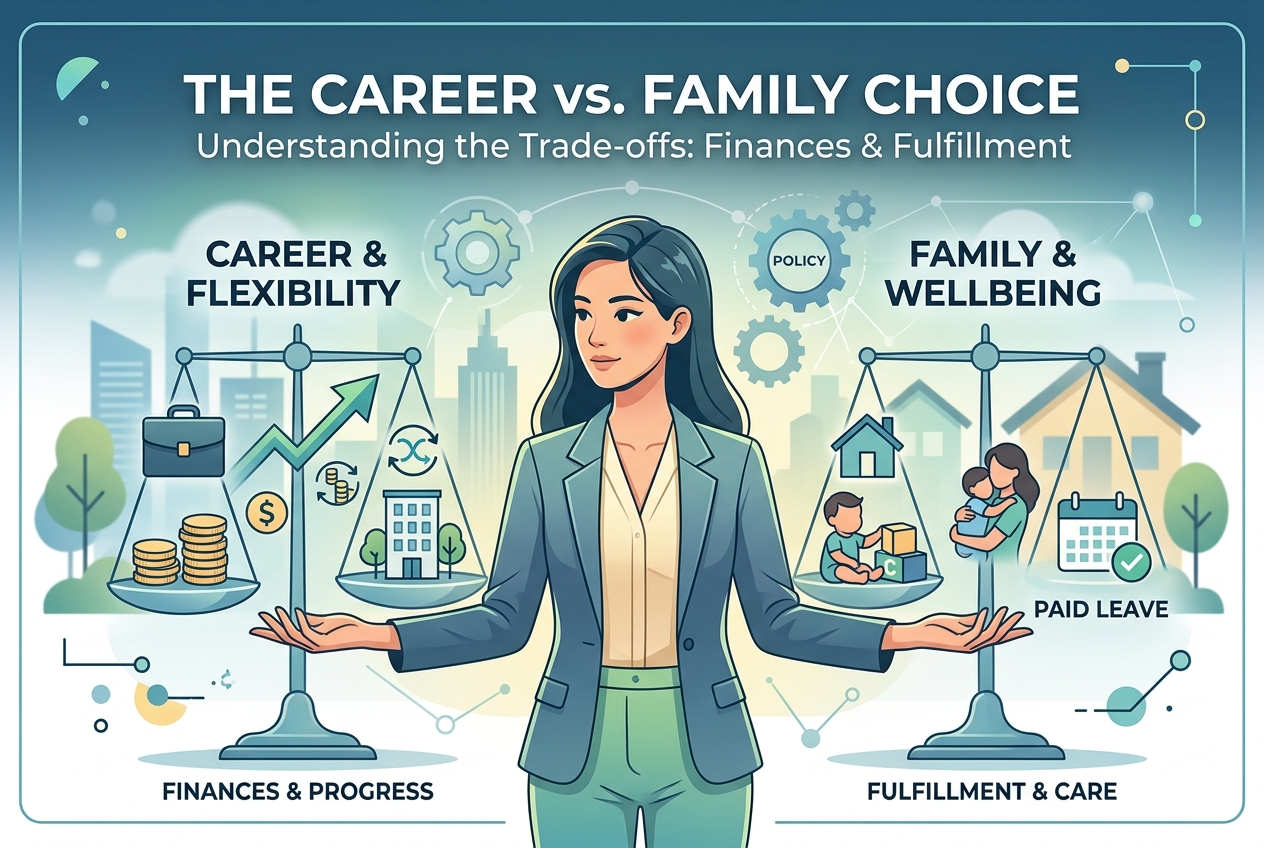
When Staying Home or Working Both Impact Family Finances and Fulfillment
Deciding between pursuing a career or staying at home to care for children involves weighing financial realities against personal and family fulfillment. Some items emphasize the hidden costs and reduced financial resilience of a second income after childcare and taxes, while others highlight the value of paid leave, flexible work, and policies that support caregiving without sacrificing career progress. Understanding these differences helps families and policymakers navigate the complex trade-offs in childcare, income, and well-being.