
Browse the Context Marketplace
Expert-level knowledge on any topic. Each capsule guides you through what matters most.
16 capsules
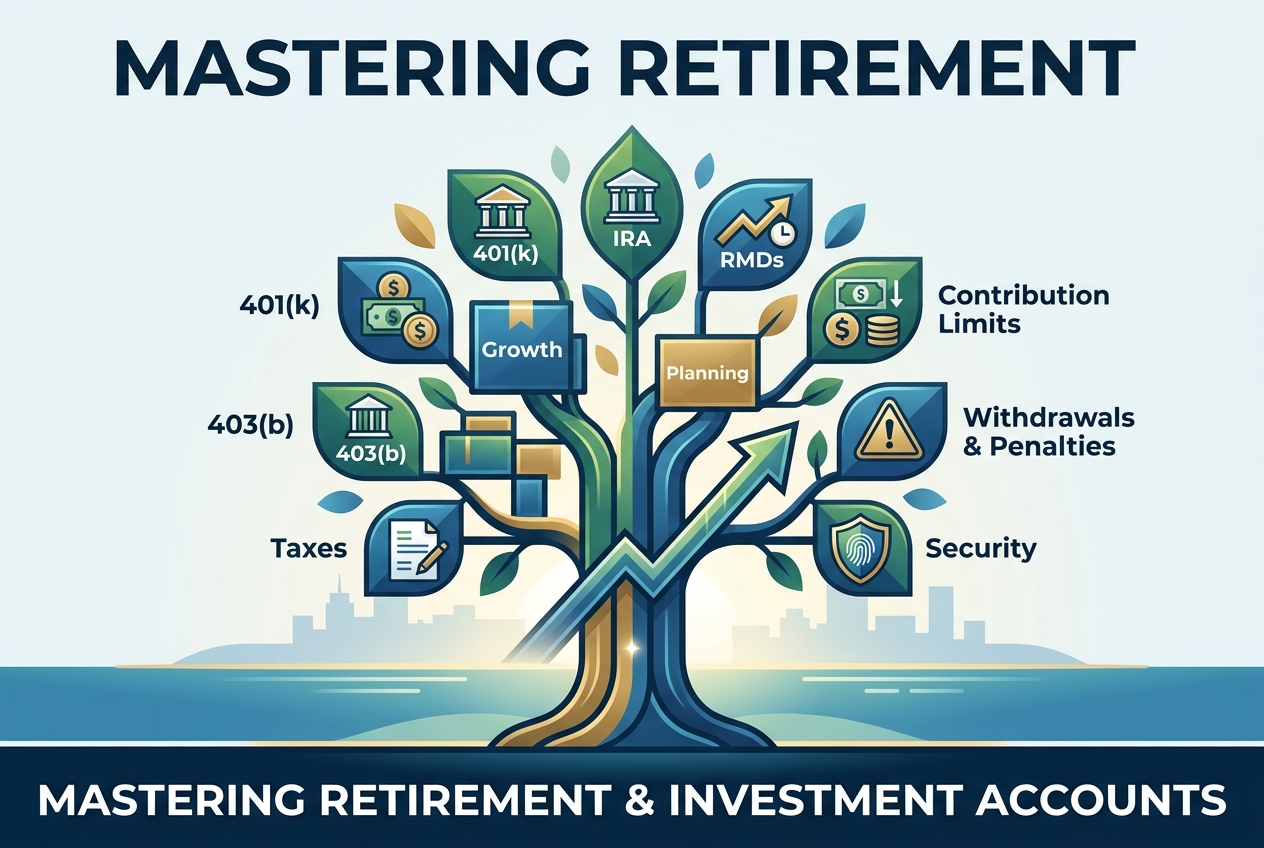
Types of Retirement and Investment Accounts and Their Rules
Retirement and investment accounts come with specific rules about contributions, withdrawals, taxes, and required distributions. This collection covers how to comply with deadlines, understand penalties for early withdrawals, and manage account safety with modern authentication. It also explains the barriers to entering the market as a custodian and how fees and account limits affect participants.
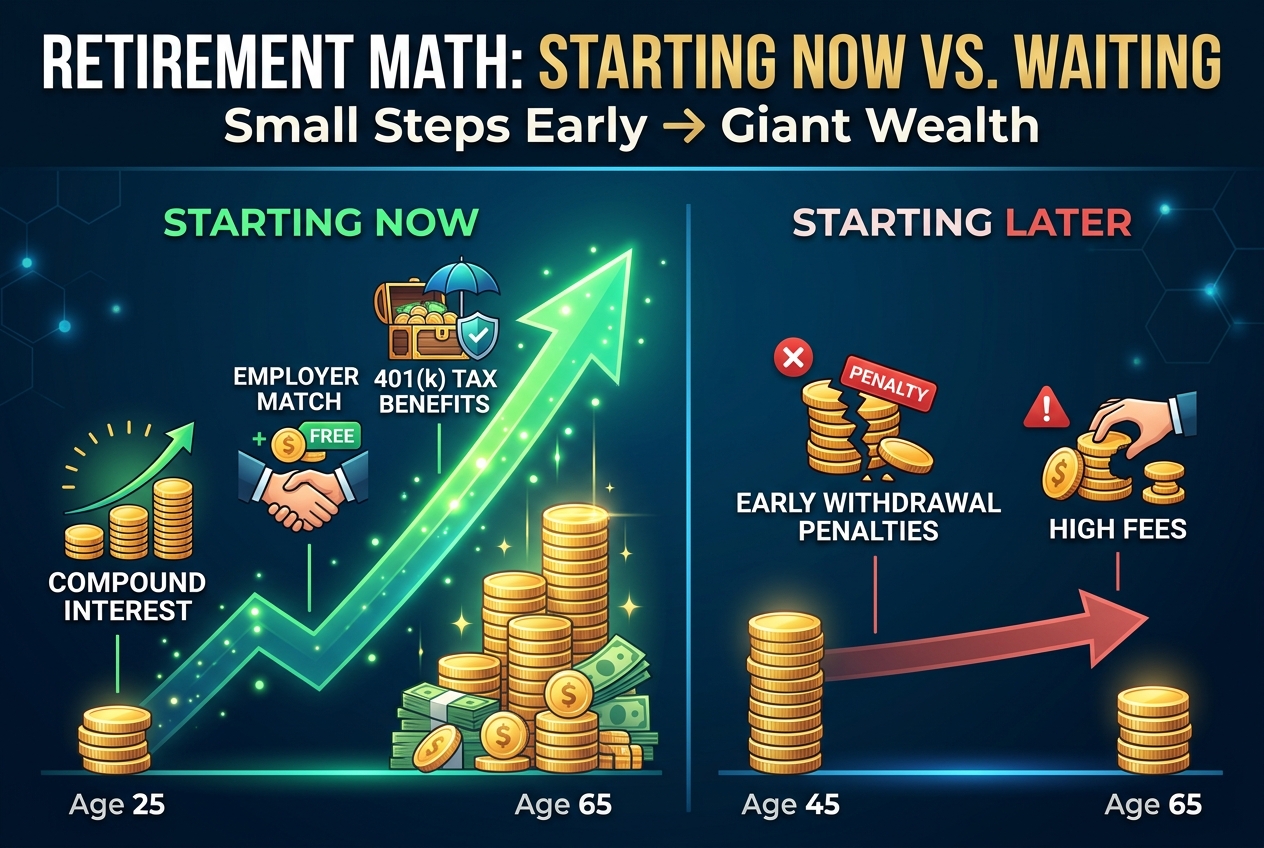
The Retirement Math That Rewards Starting Now
Every year you wait to save for retirement costs far more than the amount you skip. These strategies cover where the real money hides: compound growth from starting early, free employer matches, 401(k) tax rules, low-fee funds, and the penalties that punish early withdrawals. Together they map the moves that quietly decide how you retire.
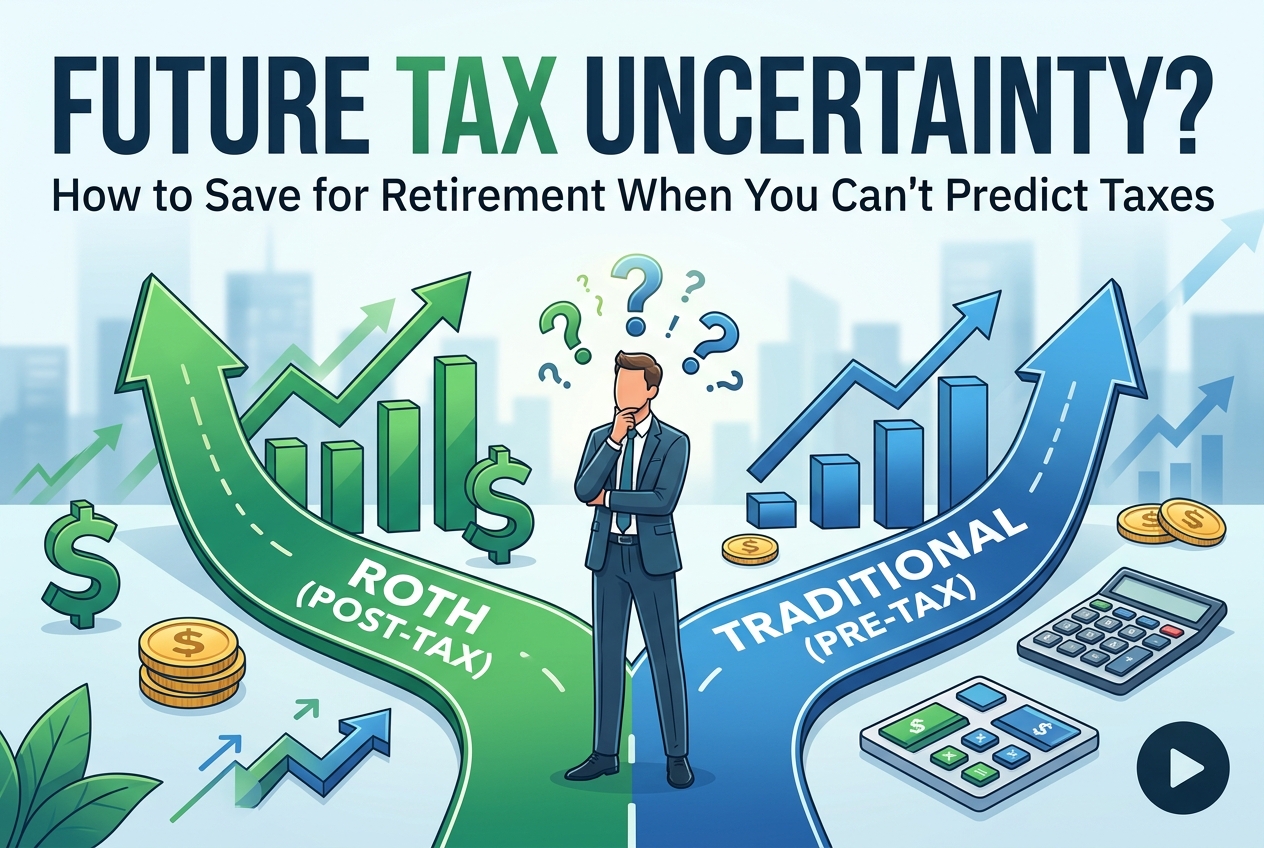
When You Can’t Predict Taxes, How Should You Save for Retirement
Choosing between Roth and traditional retirement contributions is complicated by the uncertainty of future tax rates and personal circumstances. Strategies differ on whether to focus on tax bracket predictions, use probabilistic trade-offs, adapt plans over time, maximize employer matches, or navigate IRA rules to avoid costly mistakes. Understanding these approaches helps you decide how to balance tax risks and benefits without relying on precise forecasts.

Which States Truly Stretch Your Retirement Dollars and Health
Choosing the best state to retire in means weighing tax burdens, healthcare access, climate, and overall affordability together. Some states offer no income tax or tax breaks on retirement income, boosting financial flexibility for healthcare costs, while others excel in healthcare quality or climate comfort. This landscape reveals how states differ in balancing these pillars, helping retirees find where their money, health, and lifestyle thrive best.
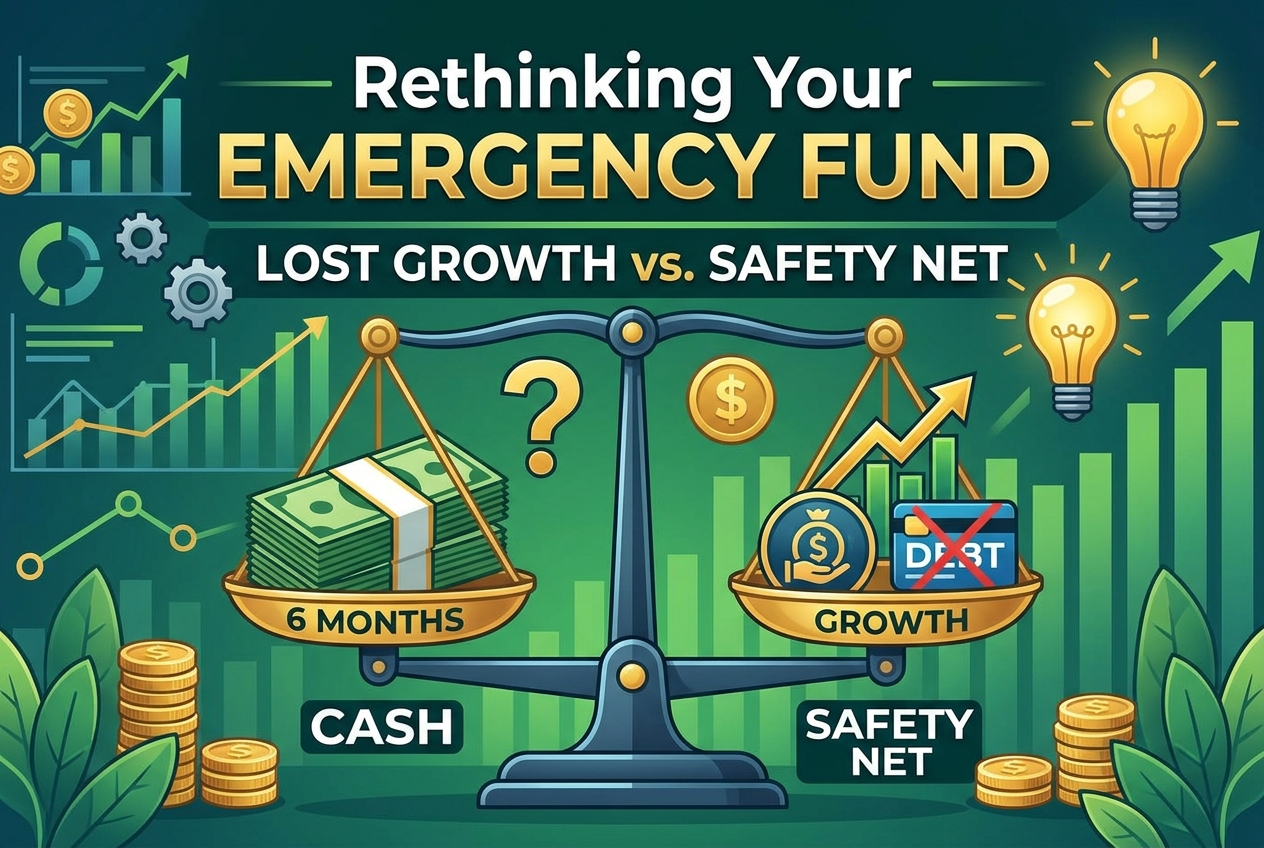
Is Six Months of Cash Just Money Sitting Idle?
The classic advice says park six months of expenses in cash before you do anything else, but that safety net has a real cost in lost growth. The options here split on whether to fund retirement or kill high-interest debt first, keep a slimmer tiered reserve in bonds, or hold the full cushion anyway. Weigh your job security and goals to decide how much cash protection you actually need.

How to Handle a Midlife Inheritance When You’re Not Working
Receiving a midlife inheritance without a career brings unique challenges and opportunities that require careful financial and emotional planning. Approaches differ on managing taxes, building emergency funds, engaging professional advisors, and deciding how much financial control to maintain, especially within marriage or trust structures. Understanding these varied strategies helps you protect your wealth, address personal goals, and navigate complex rules without relying on traditional employment.

Whole Life or Term and Invest the Difference?
Protecting your family means picking a policy you may pay into for decades, so the choice deserves real scrutiny. The options split between term insurance plus separate investing, whole life with guaranteed benefits and cash value, and a compliance-minded path focused on commissions and disclosure. Weigh simplicity and growth against guarantees to decide which fits your family and savings.

Should Couples Pool All Their Money or Keep Some Separate
Couples face a key choice in managing money together: fully joint finances, completely separate accounts, or a hybrid system blending both. These approaches differ on how to balance shared goals like emergency funds and bills with personal spending autonomy. Understanding each approach helps couples build financial stability, reduce conflict, and align their money management with their relationship dynamics.

What New Teachers Don’t Know About Money and Career Rules Can Cost Them
New teachers face hidden rules about pay raises, retirement benefits, and service credits that can dramatically affect their financial future. These rules differ on how salary increases depend on degree credits, when lane changes take effect, and the risks of leaving before retirement eligibility. Understanding these rules helps teachers make informed decisions about advanced degrees, service purchases, and career moves to maximize earnings and benefits.

When to Claim Social Security Could Change Your Lifetime Income by Millions
Deciding when to claim Social Security affects your monthly benefit, total lifetime income, and eligibility for Medicare. Different claiming ages create trade-offs involving break-even points, investment opportunity costs, and family benefits, especially for couples. Understanding these differences helps you or your parent choose the claiming age that best fits expected lifespan, health coverage needs, and financial goals.
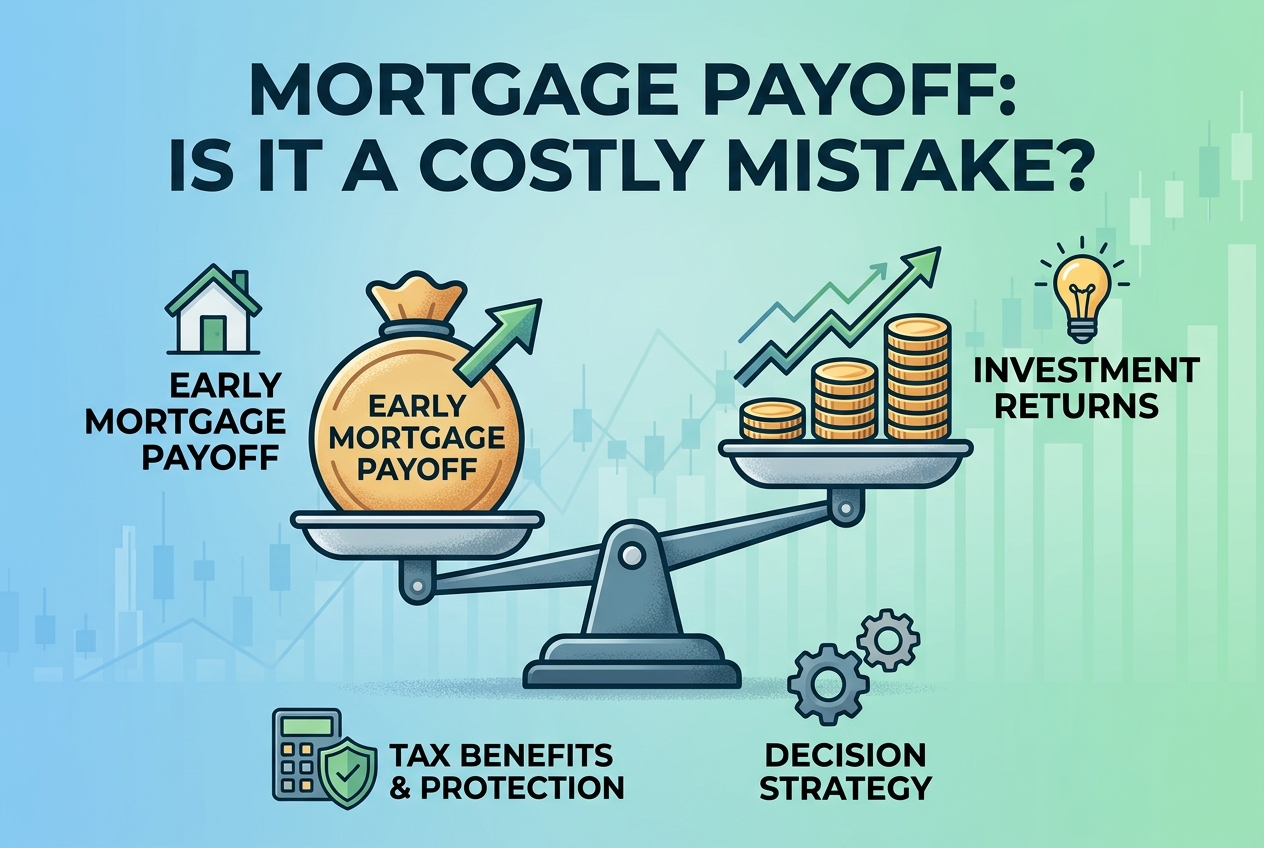
Paying Off a Cheap Mortgage Early Could Cost You
Being debt-free feels unambiguously good, but rushing to retire a low-rate mortgage can forfeit tax advantages, investment returns, and even bankruptcy protections that favor retirement accounts. The options here weigh that hard math against the genuine mental relief of owing nothing, with life-cycle models suggesting the right answer shifts with your age and situation. Decide whether your extra payment is peace of mind or money left on the table.
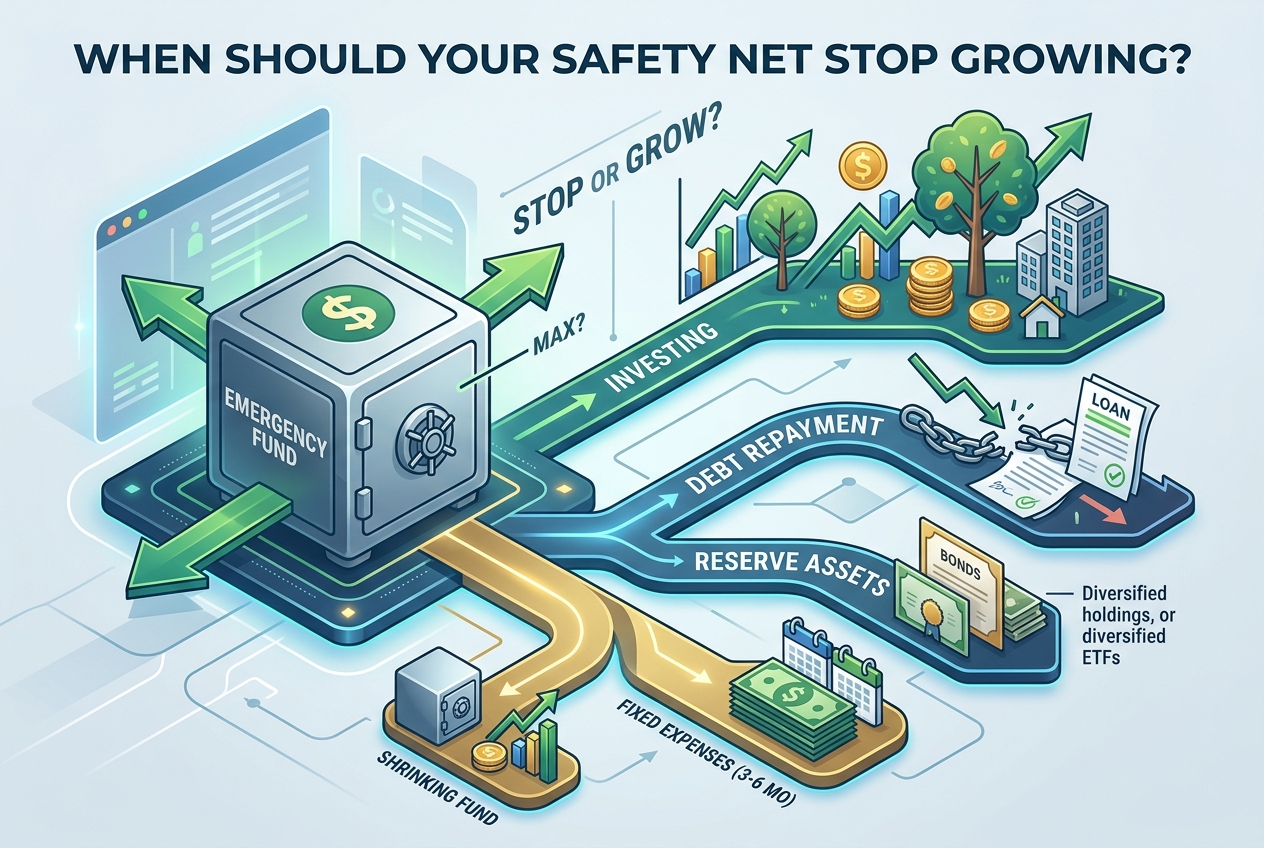
When Should Your Safety Net Stop Growing?
Every dollar you keep adding to an emergency fund is a dollar not invested, and the right stopping point is not obvious. These options range from a fixed three to six months of expenses, to shrinking the fund as your wealth grows, to paying off high-interest debt first, to investing the reserve instead of holding cash. Match them against your own stability to decide when saving turns into hoarding.