
Browse the Context Marketplace
Expert-level knowledge on any topic. Each capsule guides you through what matters most.
4 capsules
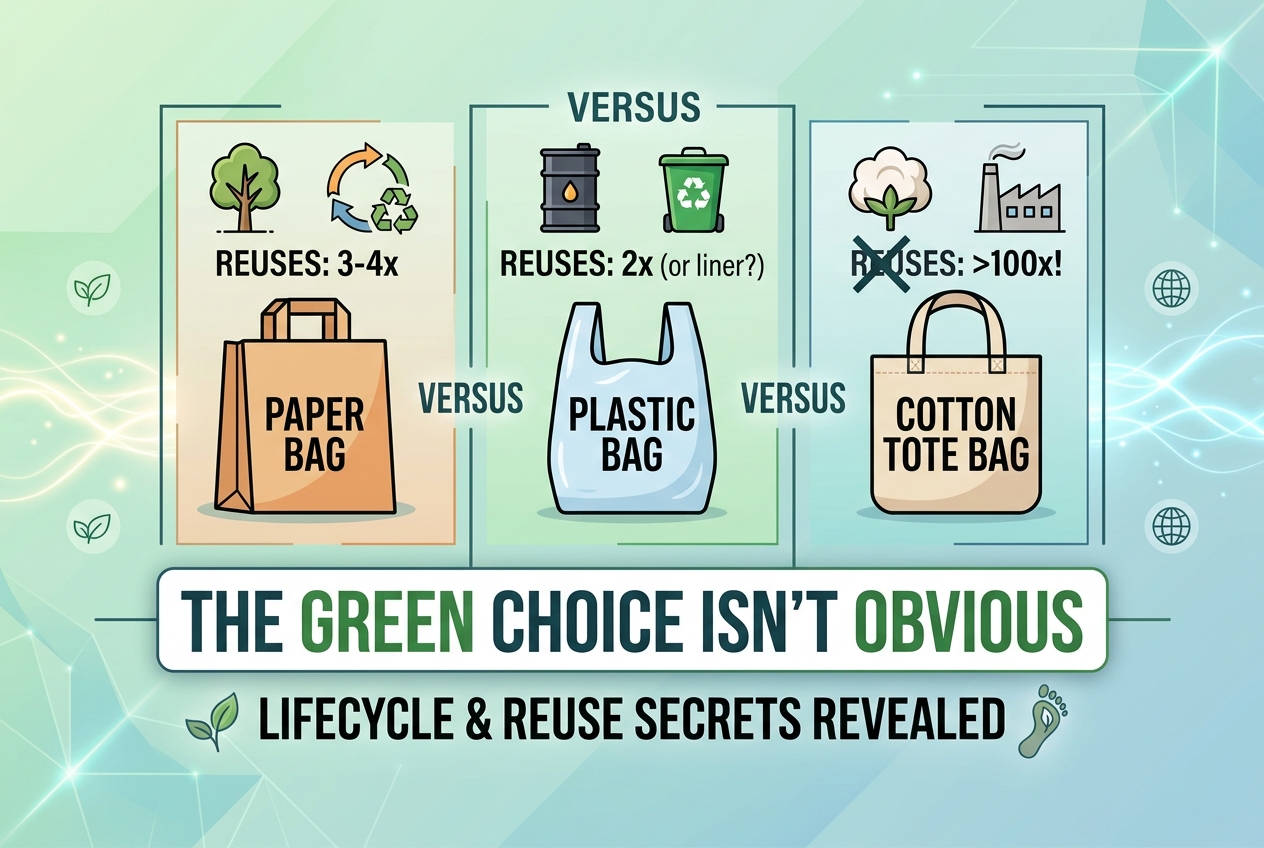
Paper, Plastic, or Cotton? The Green Choice Isn't Obvious
The bag that feels virtuous at checkout may carry the worst footprint once production and reuse are counted. The findings here collide over how many uses paper needs to beat plastic, whether reusing plastic bags as bin liners beats recycling them, and why cotton totes fare surprisingly badly. Your habits, not the material alone, decide which choice is actually greener.
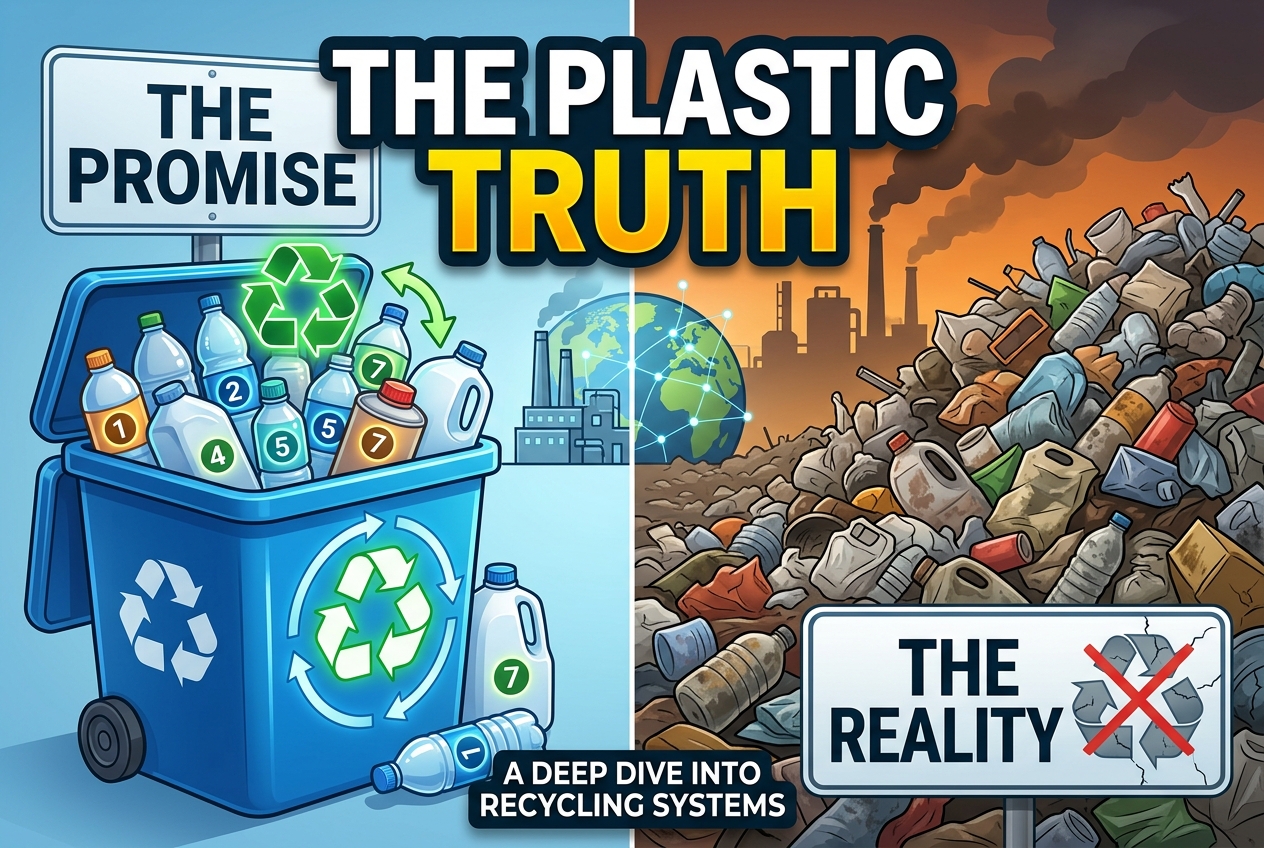
Why Most Plastic Never Actually Gets Recycled
Most plastic tossed in the recycling bin never becomes anything new, and the reasons are contested. These reasons range from misleading resin codes and the false promise of chemical recycling to the systemic changes and proven programs that do work. You can decide which fixes would genuinely improve where your plastic ends up.
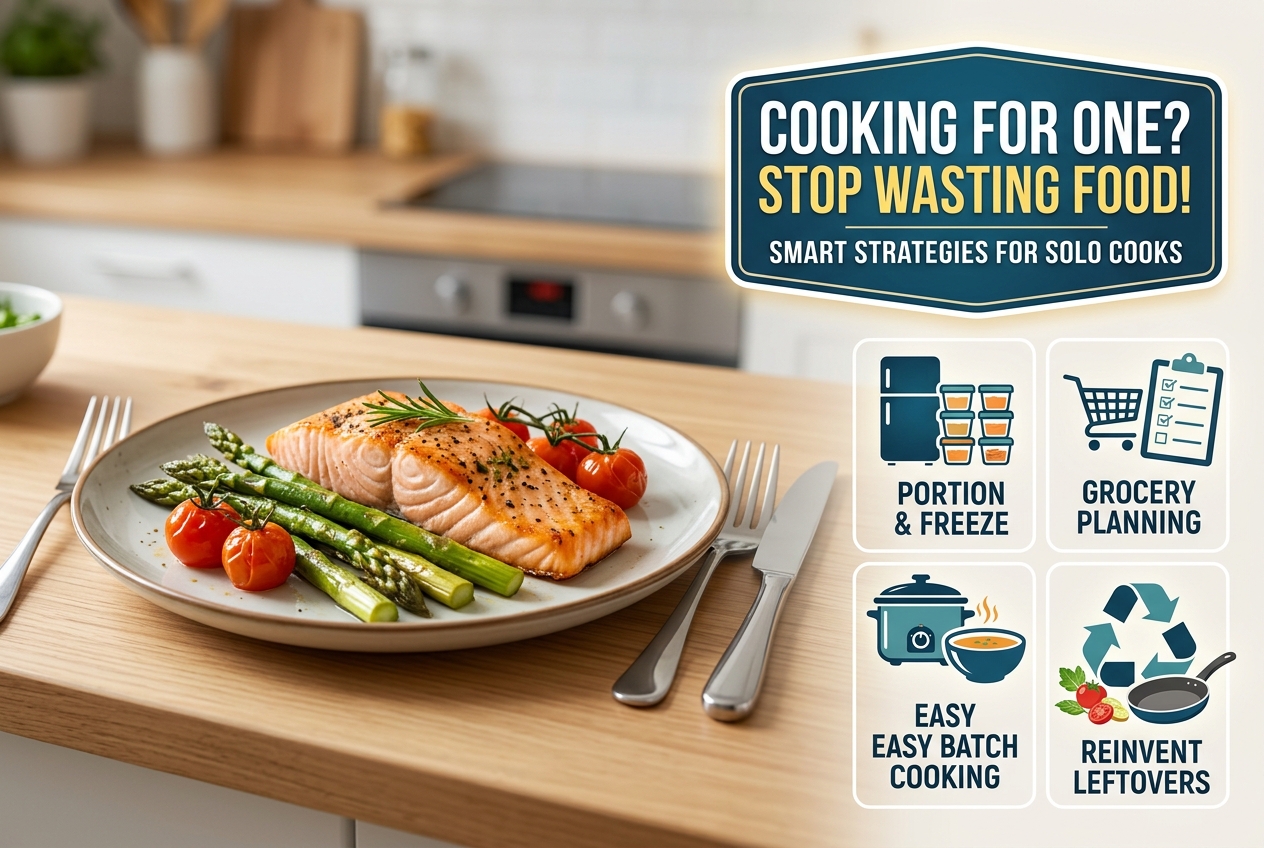
Cooking for One Doesn't Have to Mean Wasting Food
Cooking solo often means half-used groceries and leftovers that die in the fridge. The methods split on where to attack the waste: portioning and freezing single servings, planning meals against a strict grocery list, letting a slow cooker do the work, or reinventing leftovers so nothing repeats. Pick the one that fits how you actually shop and cook.

Classic Software Design Patterns and Their Core Principles
Software design patterns provide proven solutions to common programming challenges by defining reusable templates for object creation, behavior, and structure. This collection covers fundamental patterns such as those that manage object creation, enable flexible behavior changes, and facilitate communication between components, helping developers build maintainable and scalable software systems.