
Browse the Context Marketplace
Expert-level knowledge on any topic. Each capsule guides you through what matters most.
21 capsules

How to Train Safely and Effectively After 50 Without Risking Injury
Strength and fitness training after 50 requires careful attention to safety, proper technique, and listening to your body. Different guidelines emphasize warming up, avoiding breath-holding, managing joint pain, and recognizing warning signs like chest discomfort. Understanding these varied approaches helps you choose a routine that balances progress with real-world health considerations and emergency preparedness.
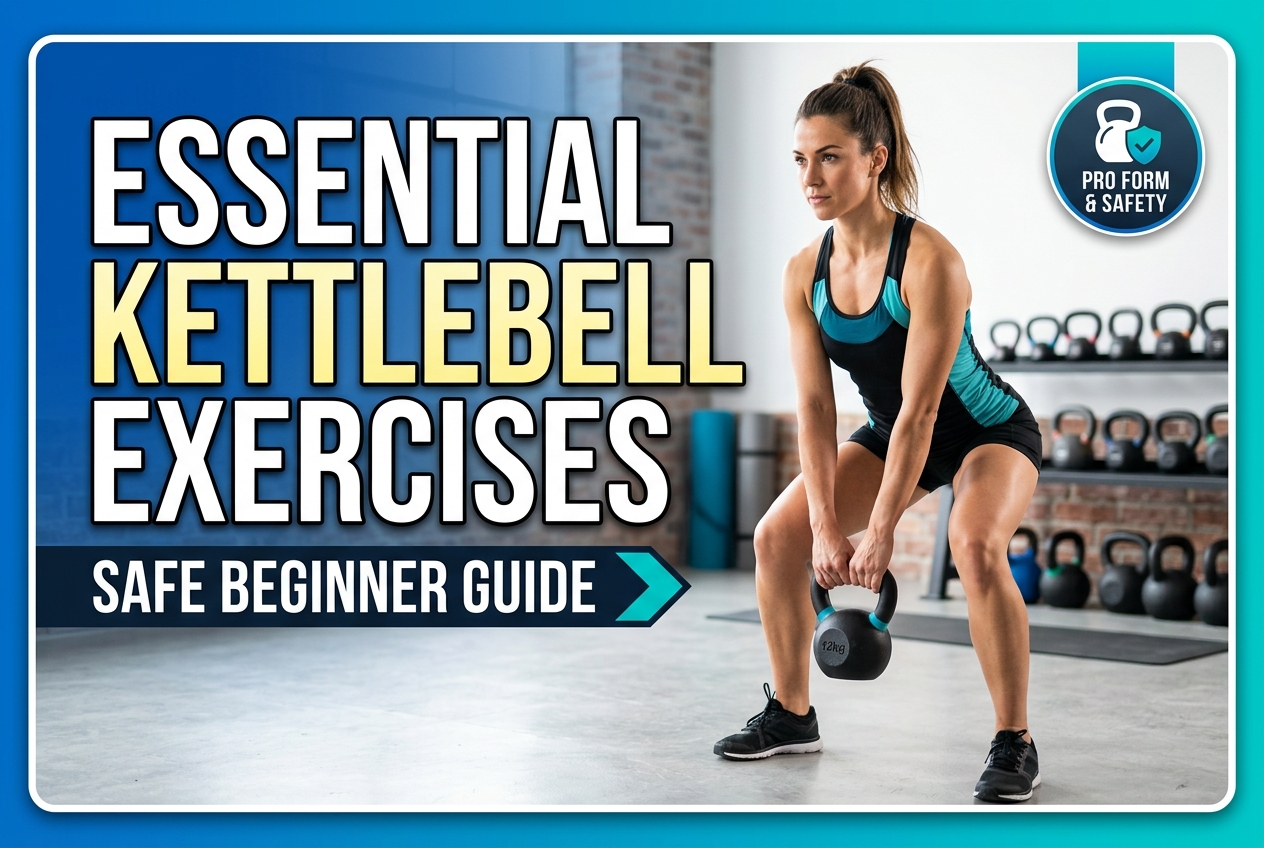
Safe and Essential Kettlebell Exercises for Beginners
Kettlebell training requires mastering fundamental exercises with proper form to prevent injury and build strength effectively. This collection presents essential kettlebell movements, detailed step-by-step techniques, and common form mistakes to avoid, emphasizing safe progression and injury prevention. It guides users to focus on correct posture, controlled movements, and gradual load increases under professional supervision.
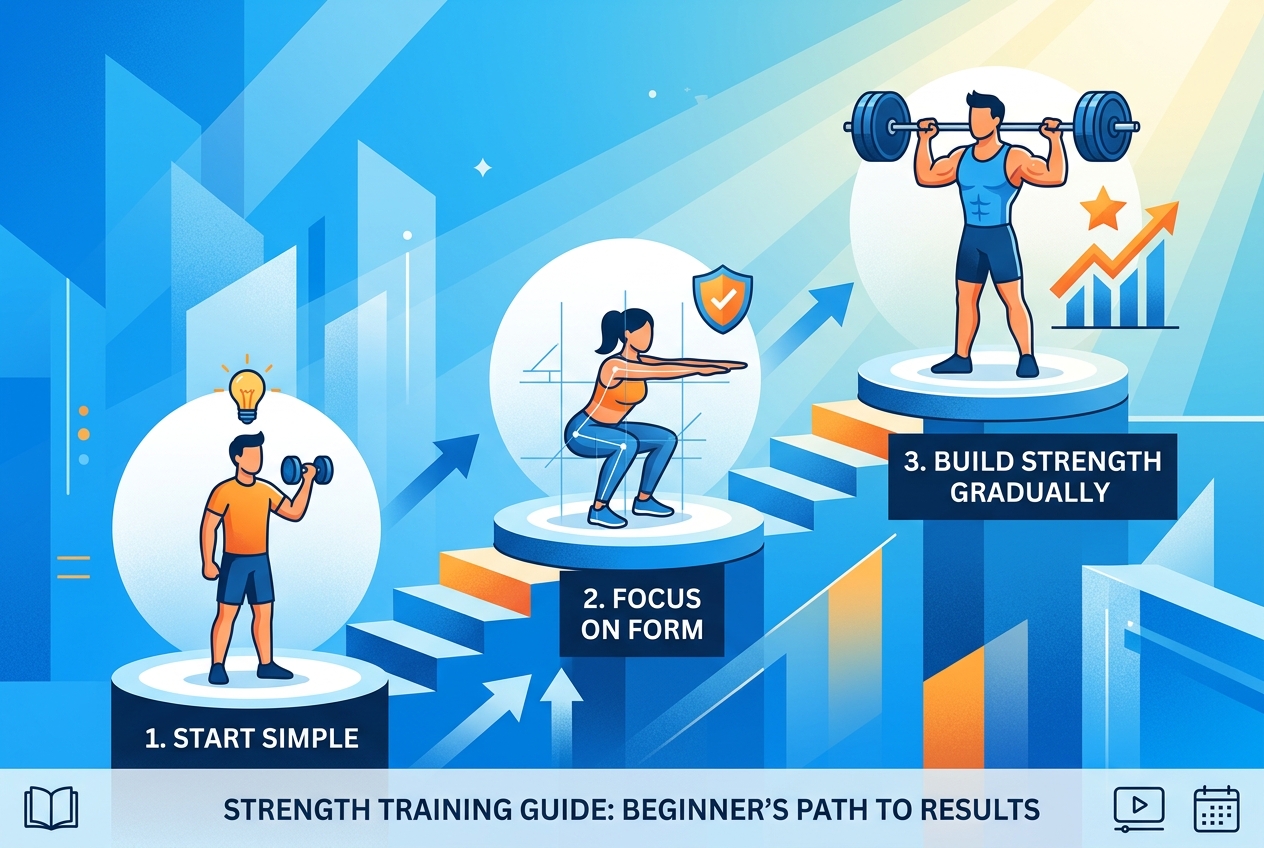
Start Simple, Focus on Form, and Build Strength Gradually
Strength training works best when you begin with manageable weights and prioritize proper technique over lifting heavy. Instead of pushing through pain or rushing progress, focus on consistent, gradual improvements and listen to your body to avoid injury. This practical approach overcomes common barriers like time constraints and fear of injury, making strength training accessible and effective for everyone.
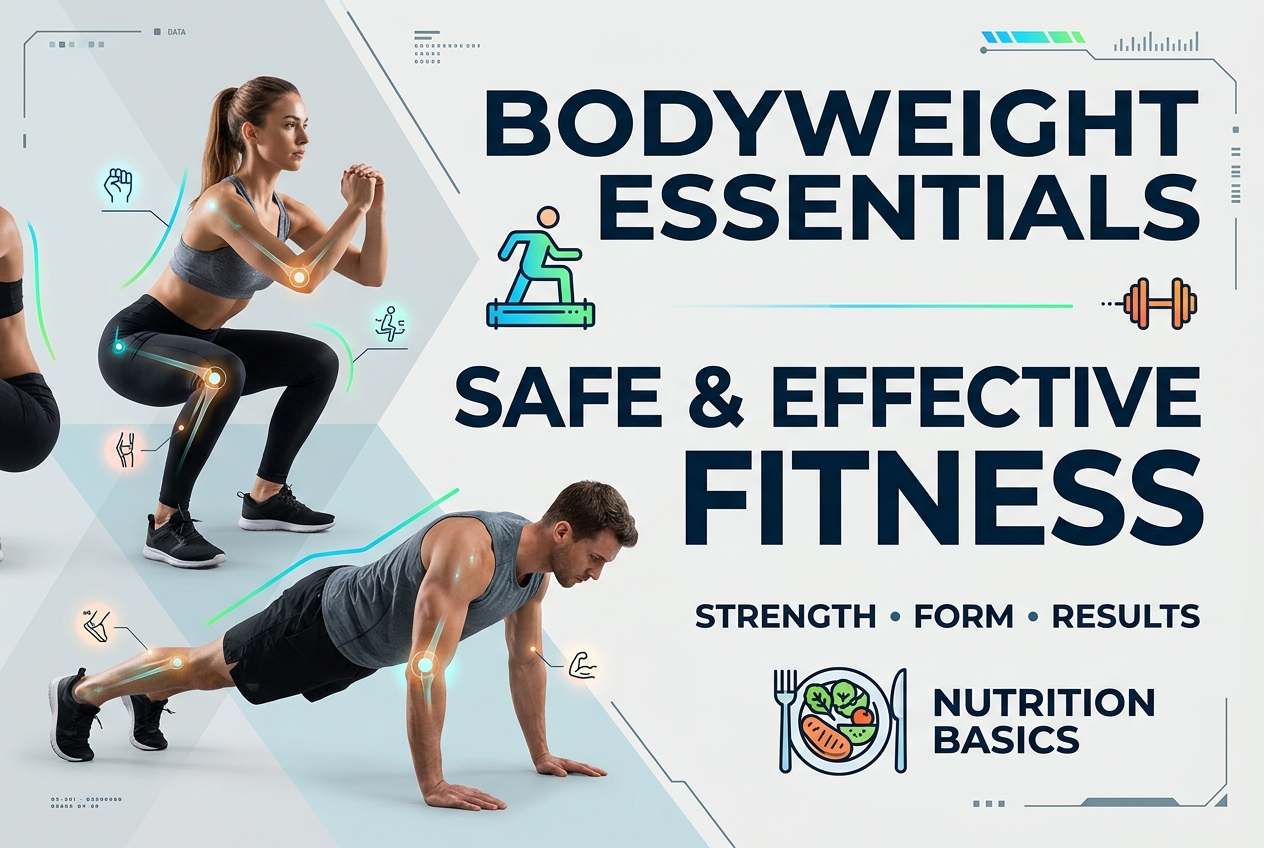
The Essential Bodyweight Exercises for Safe and Effective Fitness
Bodyweight exercises are foundational movements that build strength, stability, and mobility without equipment. This collection covers key exercises with detailed guidance on maintaining proper form, progressing safely, and avoiding injury. It also includes nutritional basics to support your training and help you achieve consistent, effective results.

What Actually Works When a Street Fight Finds You?
Real violence looks nothing like a sparring match, and the training worlds disagree about what survives contact with it. The views here range from awareness, de-escalation, and legal knowledge as the true first line, to ground fighting versus striking systems, to stress-tested training built for real threats. Your answer shapes both your safety and where you draw the ethical line on force.

Stop Fearing the Sharp Knife. Fear the Dull One.
The knife most likely to send you to the emergency room is the dull one that slips, not the sharp one you respect. These techniques differ on where safety comes from: some teach precise sharpening angles and edge upkeep, some measure how an edge actually performs, and others use gradual, controlled exposure to tame a real fear of blades. You'll be able to keep a safer edge on your knives and handle them without dread.

What New Teachers Face That No Training Warns Them About
The first year of teaching brings hidden traps beyond lesson plans, including unexpected safety threats and overwhelming administrative burdens. New teachers must navigate challenges from managing student behavior and personal safety to confronting uncomfortable truths about history and school politics. Understanding these distinct challenges helps teachers prepare for realities that formal training often overlooks.
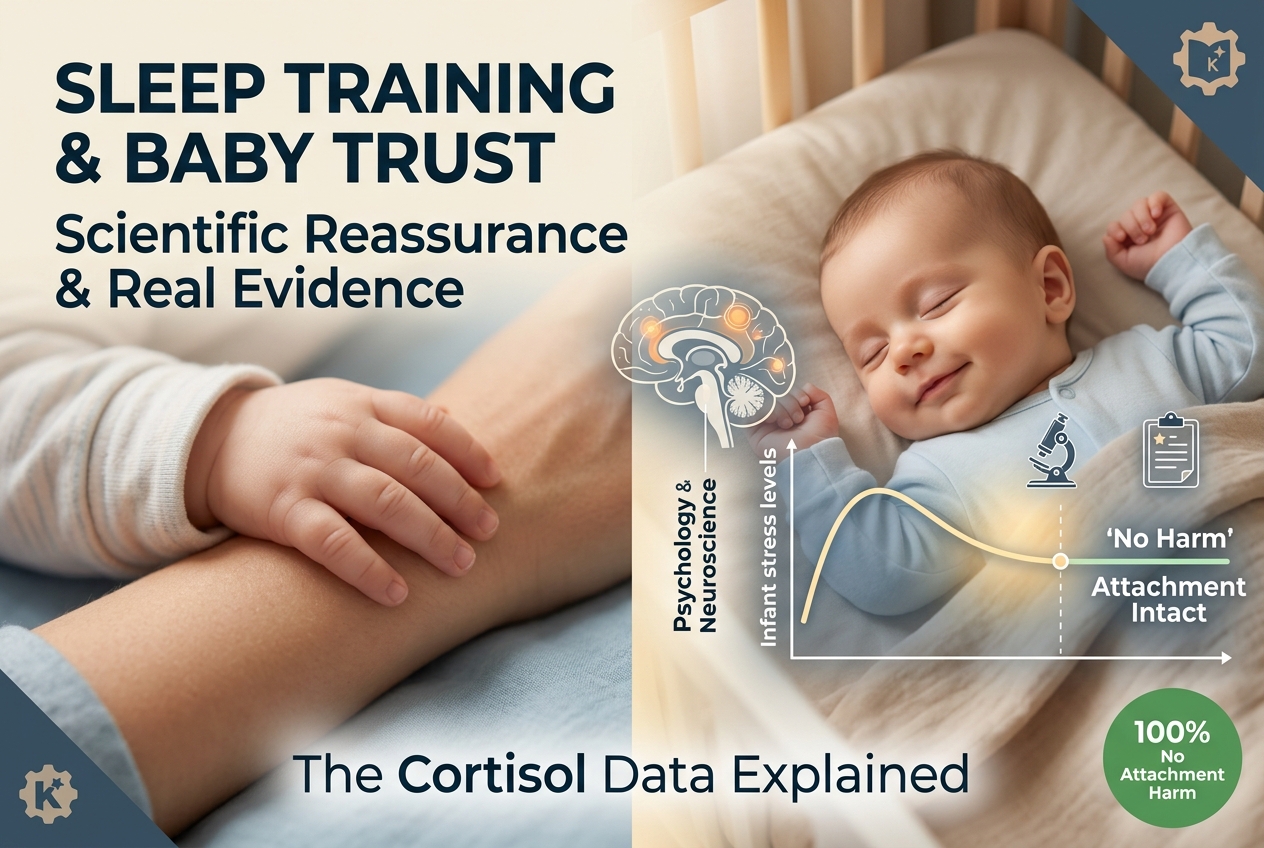
Sleep Training Won't Break Your Baby's Trust
The fear that letting a baby learn to sleep damages attachment is exactly what follow-up studies were built to test, and they keep finding no harm in bonding or stress hormones. The evidence here covers how cortisol data was measured and cleaned, why parental exhaustion carries its own risks, and where the studies' limits genuinely lie. You can weigh the reassurance and the caveats together before deciding what your family needs.
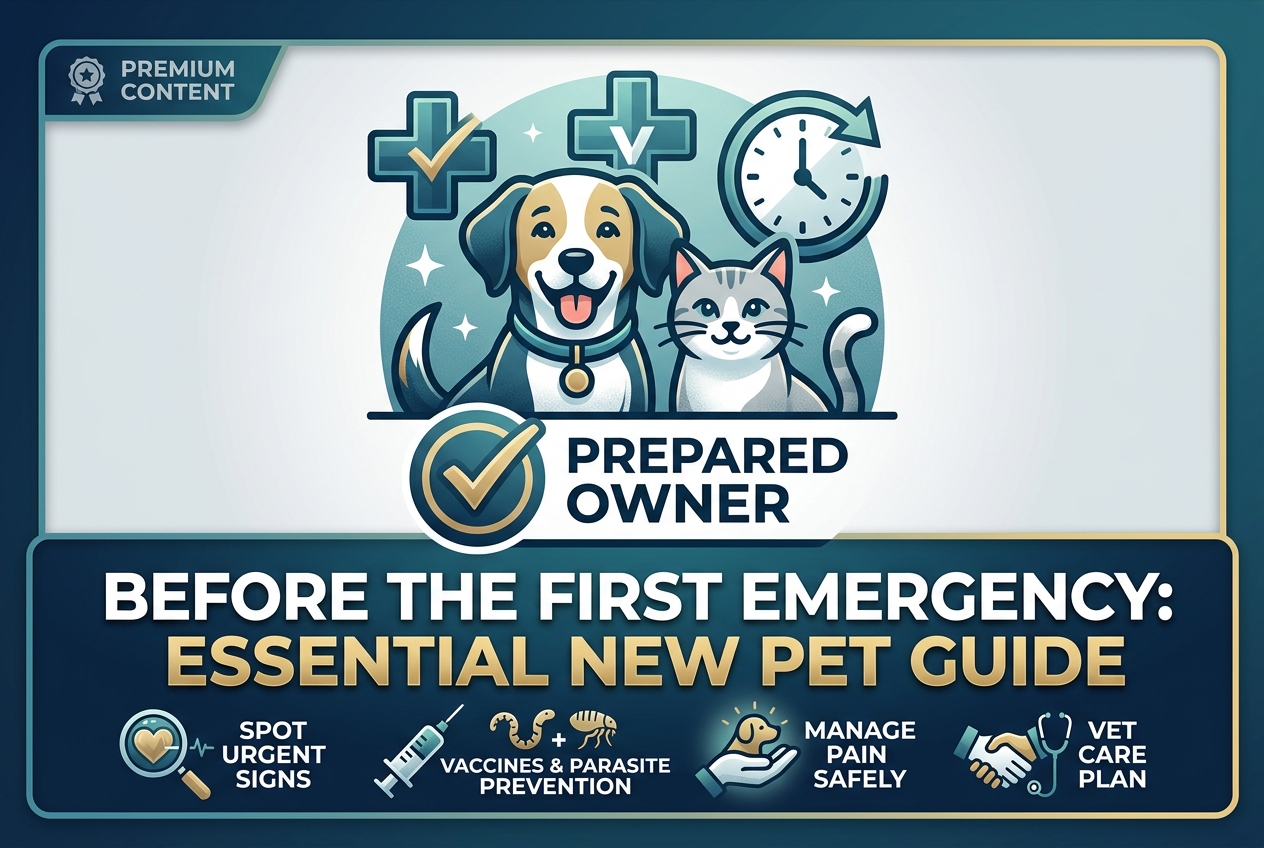
What Every New Pet Owner Should Know Before the First Emergency
A new pet can go from fine to emergency fast, and most owners learn the warning signs too late. These basics differ in emphasis: spotting urgent symptoms, keeping vaccine and parasite schedules, managing pain safely, and setting up a care plan with a vet early. Together they show where your attention matters most in the first year.
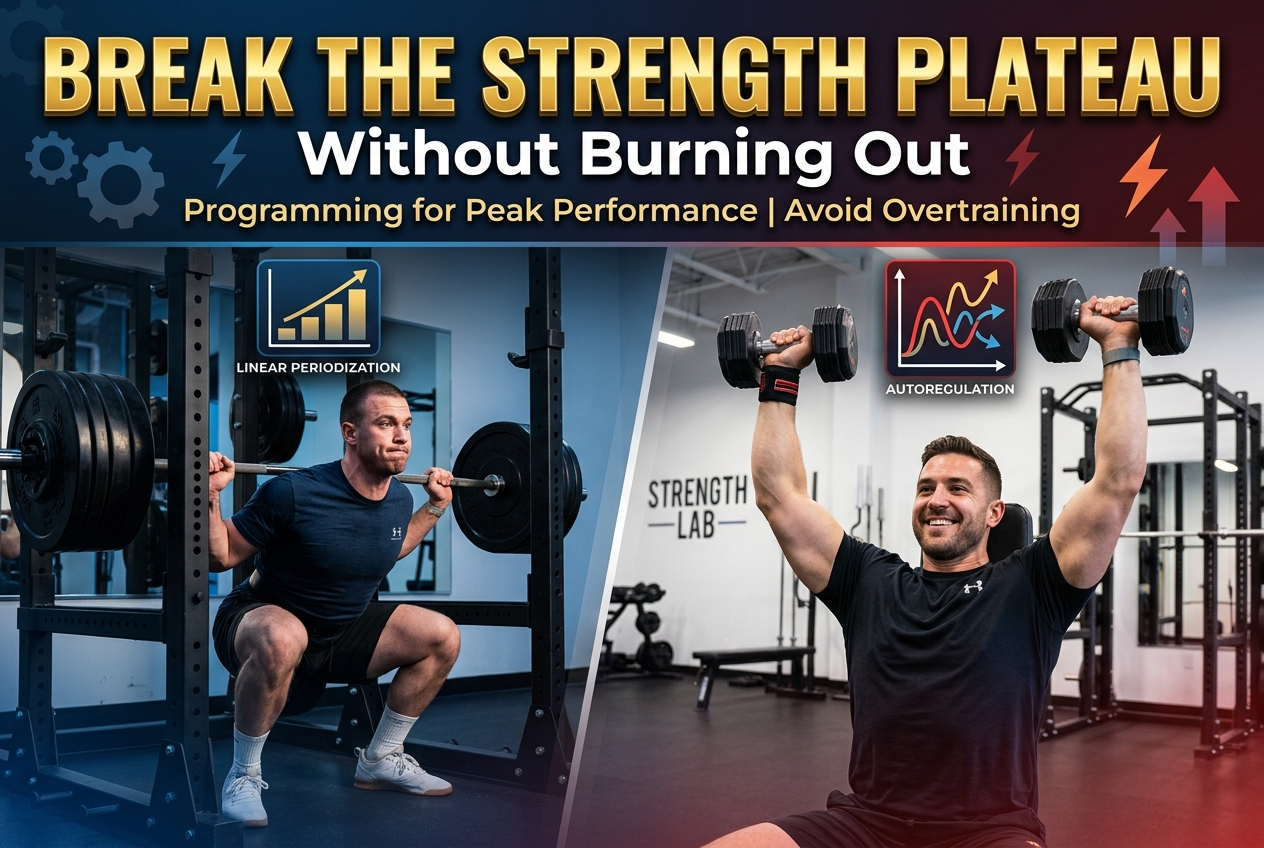
Break Through a Strength Plateau Without Burning Out
When your lifts stall, the fix depends on how you plan progress. These methods differ between steady, pre-planned changes in intensity and volume over weeks and a flexible daily approach that adjusts to how ready you feel that session. You can decide which one breaks your plateau without pushing you into injury.
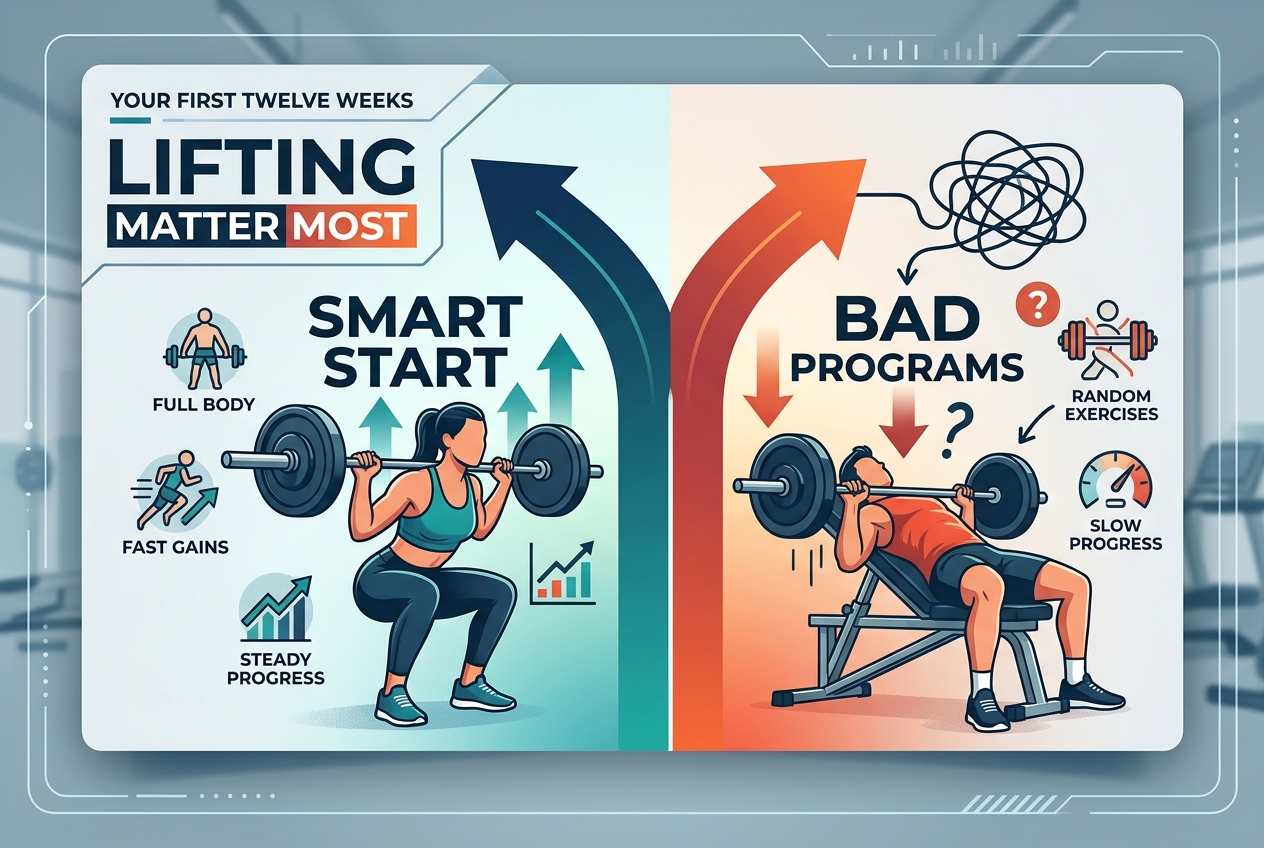
Your First Twelve Weeks of Lifting Matter Most
Beginners make their fastest strength gains early, which is exactly when bad programs waste the most. These methods differ on training frequency, full-body versus split routines, rest, and how quickly to add weight. Setting them side by side helps you pick a plan you can sustain past the honeymoon.
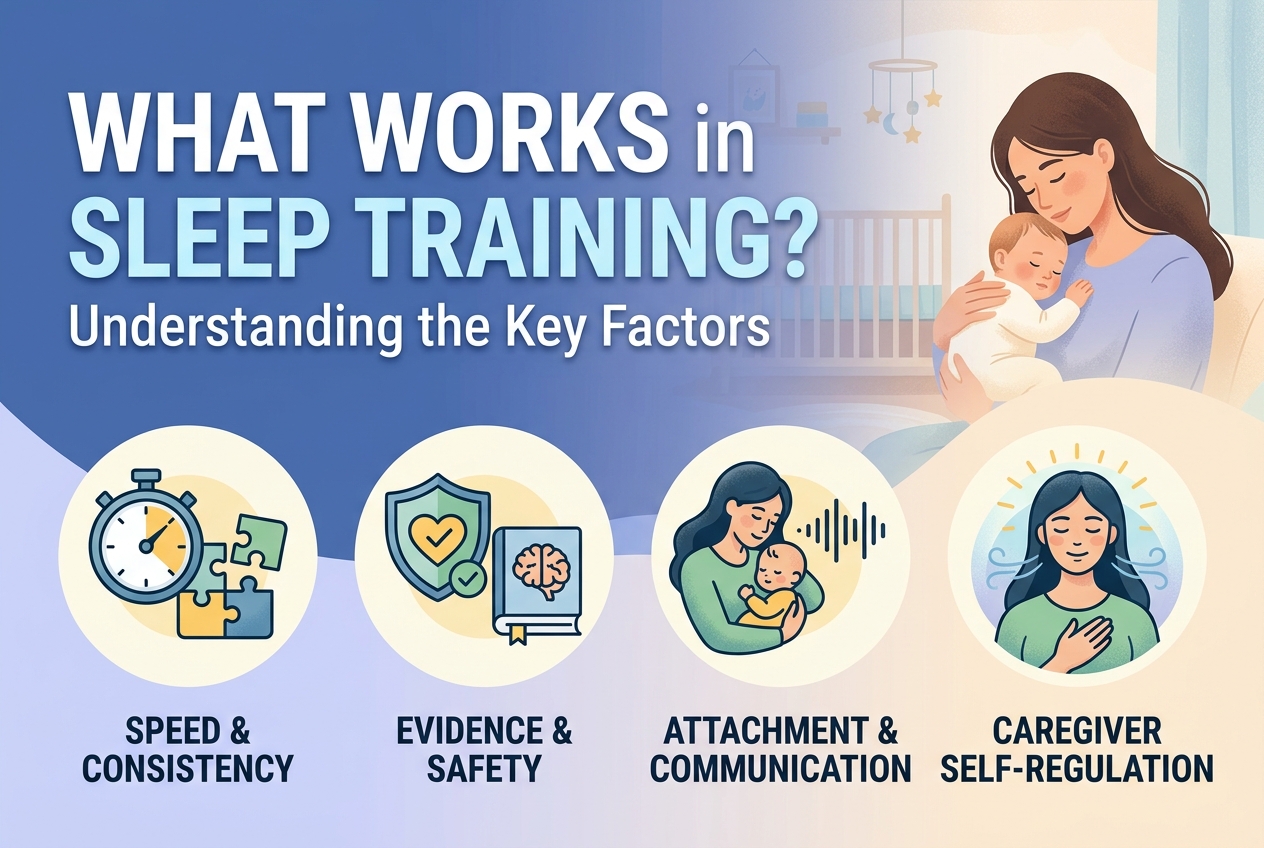
What Actually Decides Whether Sleep Training Works for Your Baby
Sleep training stirs strong feelings, and what works often comes down to a few things parents weigh differently. These considerations cover how fast and consistent a method is, safety and evidence, the role of attachment and communication, and the caregiver's own ability to stay regulated. See how each shifts the focus so you can combine what fits your family.