
Browse the Context Marketplace
Expert-level knowledge on any topic. Each capsule guides you through what matters most.
9 capsules
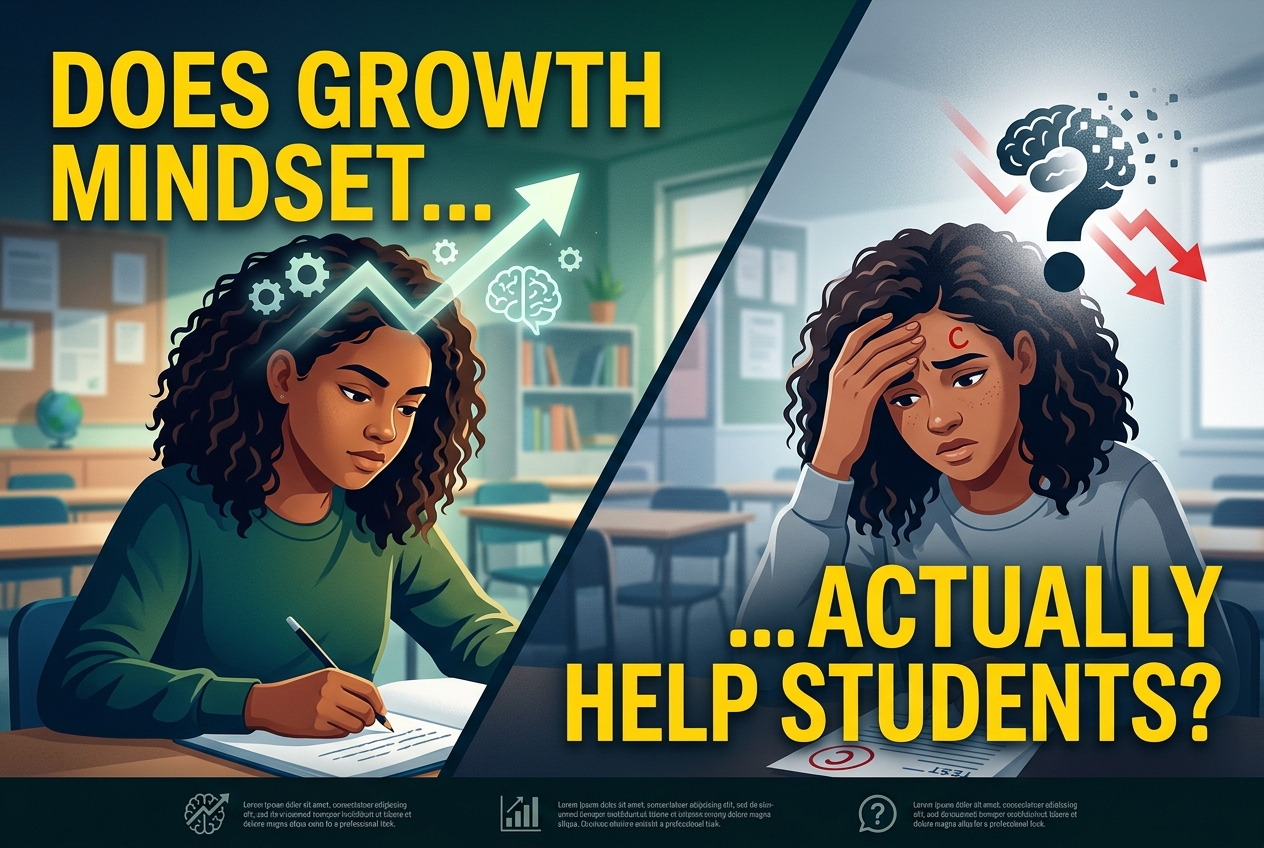
Does a Growth Mindset Actually Help Students
Telling students that effort beats talent became a classroom staple, but the results are contested. These views split between evidence that mindset programs genuinely lift grades and course choices and critiques pointing to weak studies, publication bias, and thin real-world impact. You can decide how much faith to put in mindset teaching.
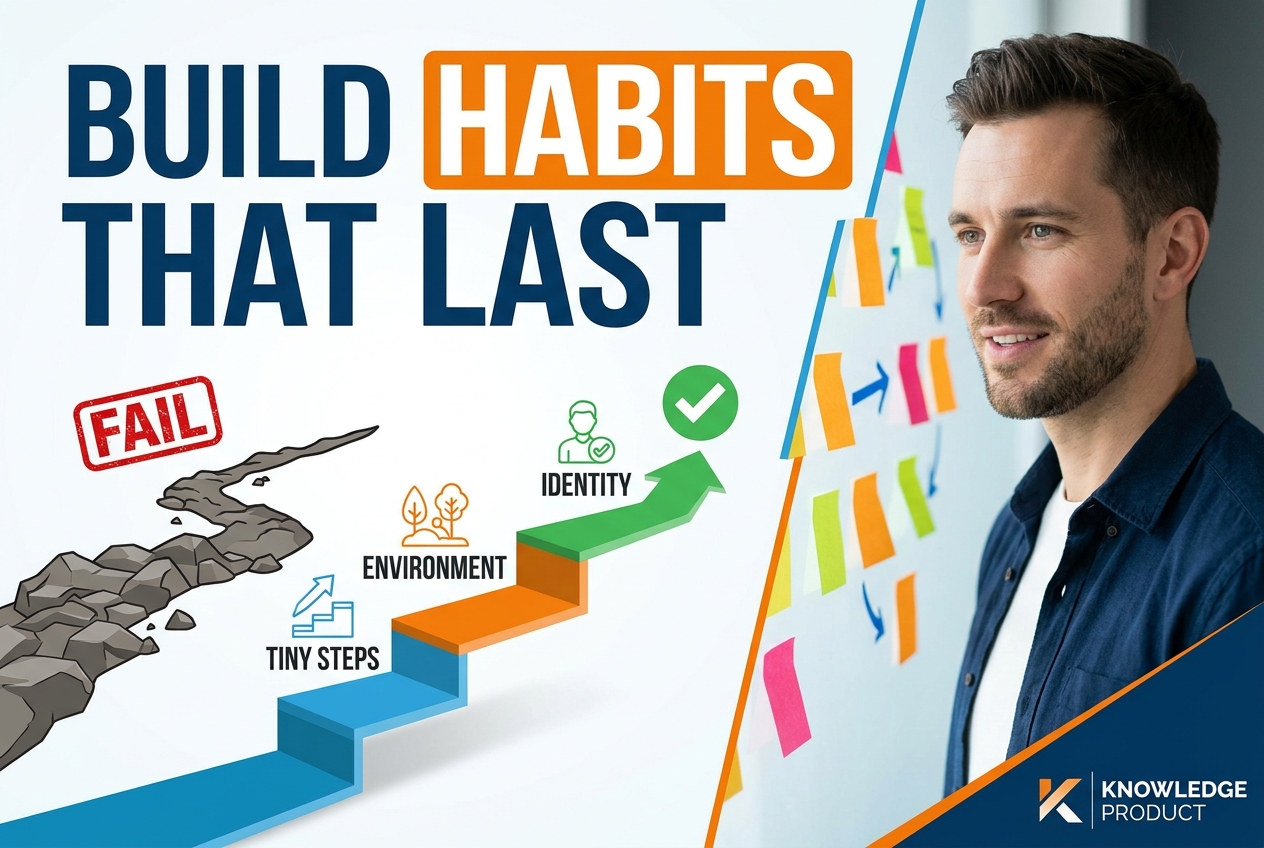
Why Most Habits Fail and How to Build Ones That Last
Building habits that truly stick requires more than just willpower. Strategies differ on whether to focus on shrinking actions to tiny steps, reshaping your environment and cues, or aligning habits with your identity and values. Understanding these distinct approaches helps you choose the right path to create lasting change tailored to your life and mindset.
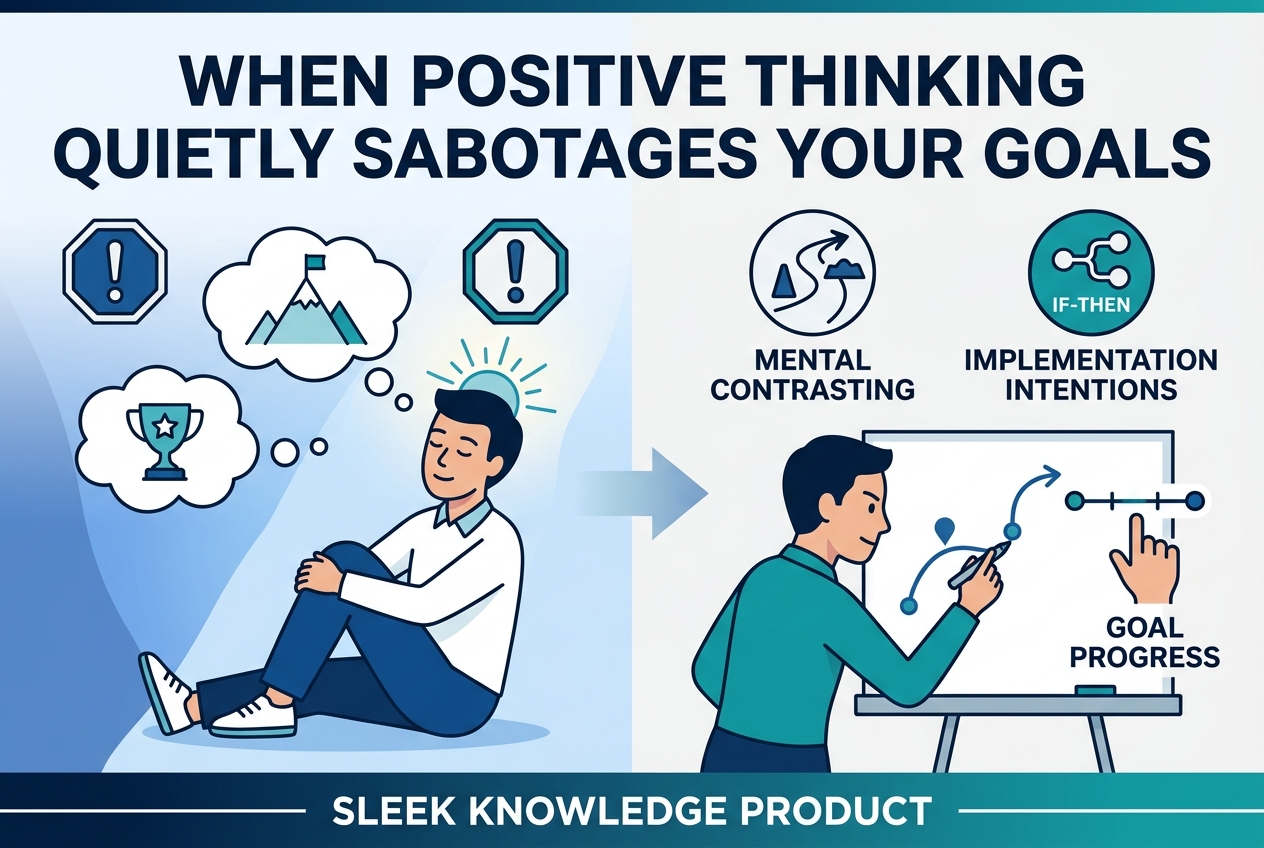
When Positive Thinking Quietly Sabotages Your Goals
Dreaming about success can actually drain the energy needed to achieve it. These methods differ on the remedy: pairing optimism with a hard look at obstacles, using if-then plans to pre-decide responses, or knowing when to adjust a goal and let go. They apply everywhere from daily habits to pain rehab, and they change how you use hope.

Knowing When to Ask for Help Keeps You in Control
Many believe self-reliance means handling everything alone, but this approach overlooks the power of strategic support. By clearly communicating your needs and seeking help when challenges exceed your capacity, you maintain authority over your situation rather than losing control. Embracing help at the right time ensures you stay engaged and lead effectively through complex or emotional challenges.

You Can’t Change Emotionally Immature Parents But You Can Save Yourself
Growing up with emotionally immature parents often means accepting that they will never meet your childhood needs or change in meaningful ways. Healing comes from lowering expectations, setting firm boundaries, and reparenting yourself rather than hoping for parental transformation. By focusing on your own recovery and emotional autonomy, you can break free from disappointment and reclaim control over your life and relationships.
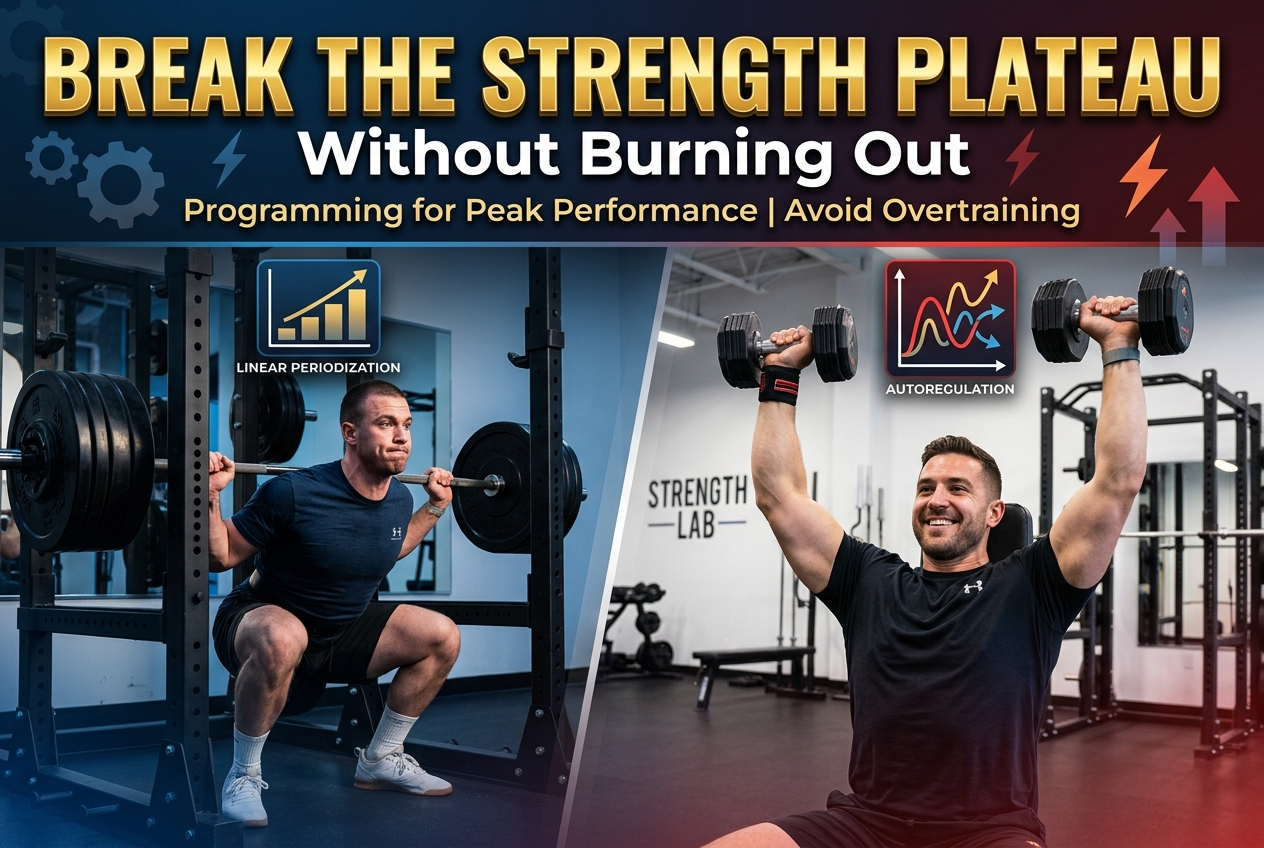
Break Through a Strength Plateau Without Burning Out
When your lifts stall, the fix depends on how you plan progress. These methods differ between steady, pre-planned changes in intensity and volume over weeks and a flexible daily approach that adjusts to how ready you feel that session. You can decide which one breaks your plateau without pushing you into injury.
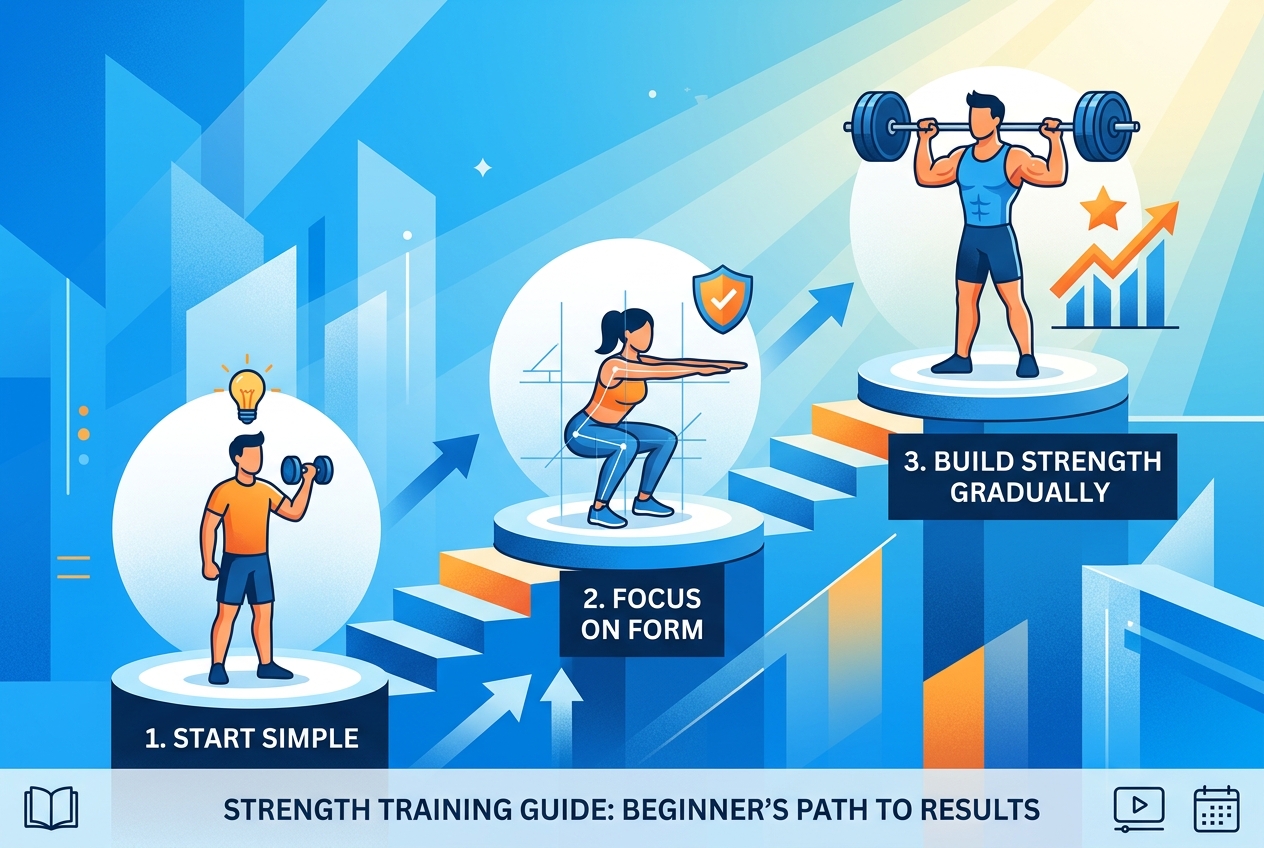
Start Simple, Focus on Form, and Build Strength Gradually
Strength training works best when you begin with manageable weights and prioritize proper technique over lifting heavy. Instead of pushing through pain or rushing progress, focus on consistent, gradual improvements and listen to your body to avoid injury. This practical approach overcomes common barriers like time constraints and fear of injury, making strength training accessible and effective for everyone.
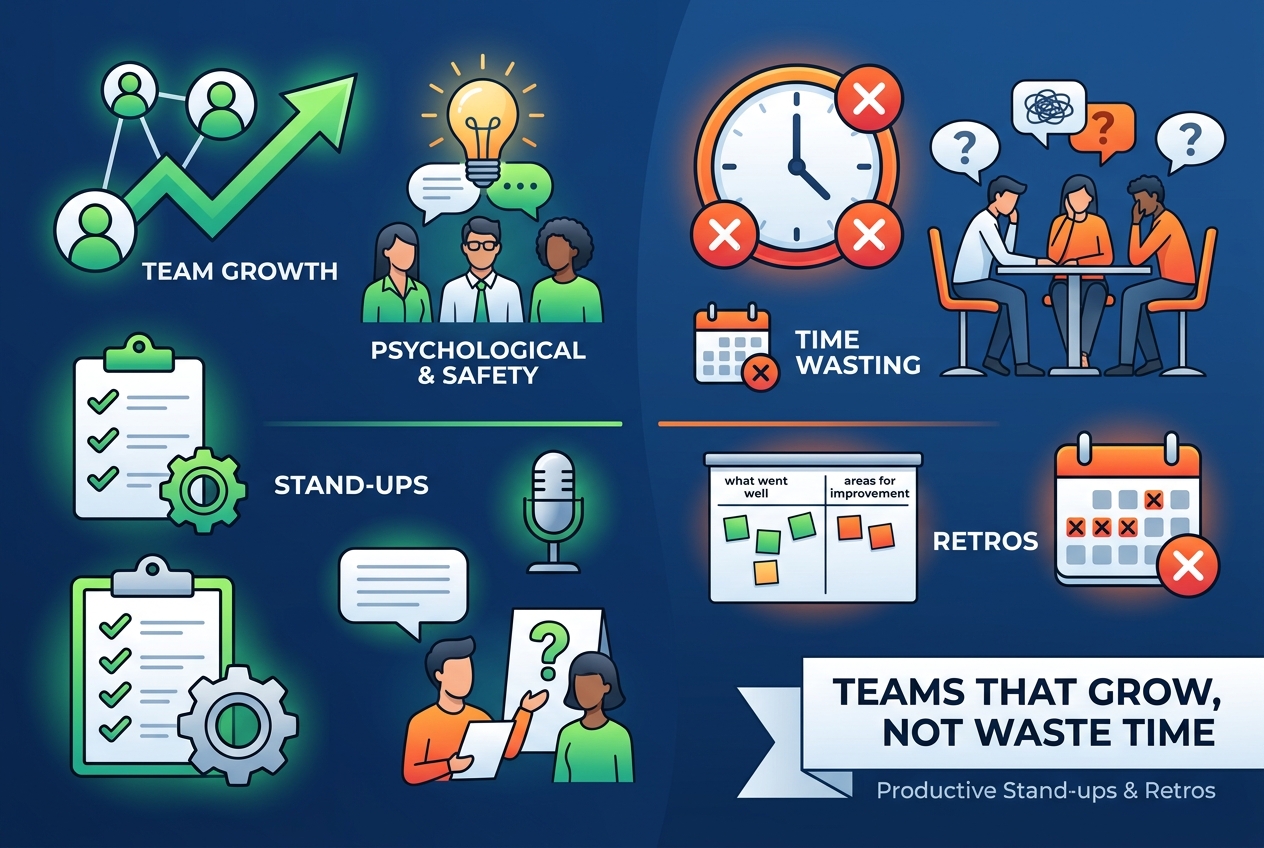
Stand-Ups and Retros That Grow Teams, Not Waste Time
Daily stand-ups and retros either build a team or burn everyone's morning. These approaches split on what keeps them honest: psychological safety first, ruthless action focus, async written updates with live time saved for connection, or strict question formats that keep things short. Weigh the structured against the lightweight and pick the rhythm your team will keep.
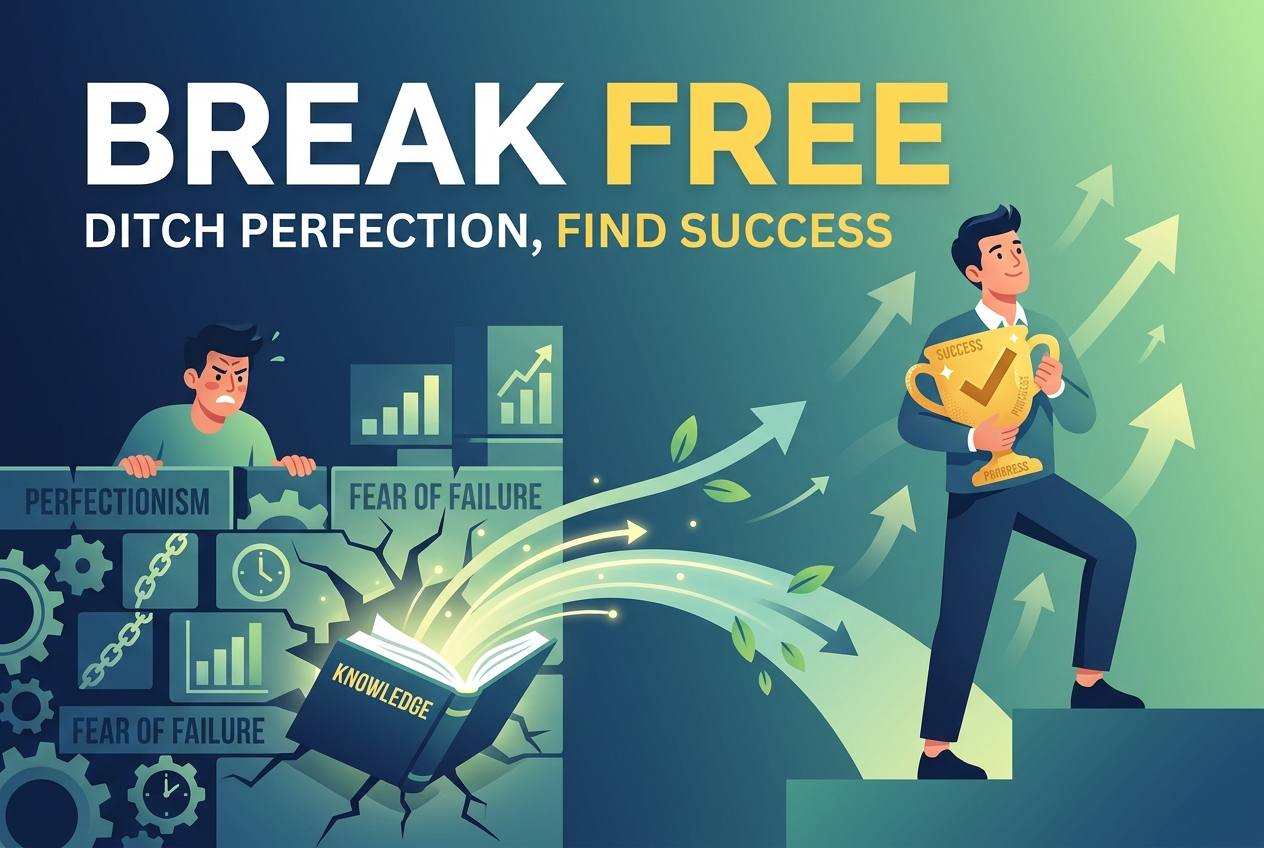
Why Trying to Be Perfect Blocks Success and How to Break Free
Perfectionism and fear of failure trap many in a cycle of unrealistic expectations and self-doubt. Different approaches offer distinct paths: some encourage embracing imperfection as natural, others promote learning from mistakes as wisdom, while some focus on accepting variability in outcomes and rejecting the myth of flawless performance. Understanding these varied perspectives helps you choose how to shift your mindset and reduce the stress that perfectionism causes.