
Browse the Context Marketplace
Expert-level knowledge on any topic. Each capsule guides you through what matters most.
52 capsules

Is a Performance Plan a Lifeline or a Paper Trail?
For the employee on one, a performance improvement plan either means the company is invested in their turnaround or quietly building a case to fire them. The approaches here differ on whether plans should be developmental or measured strictly by data, how goals should be framed to reduce conflict, and how much wellbeing and psychological safety drive real improvement. How you run one decides which message your team hears.

Outsmarting Rivals, from Ancient Battlefields to Tech Markets
Beating a rival can mean mapping their evolving needs, inventing a market they have not seen, riding network effects, or borrowing tactics from ancient generals. The strategies here disagree on the core move: build protective moats, disrupt the industry, iterate under constraints, or apply battlefield wisdom from East and West. Match the playbook to the fight you are actually in.
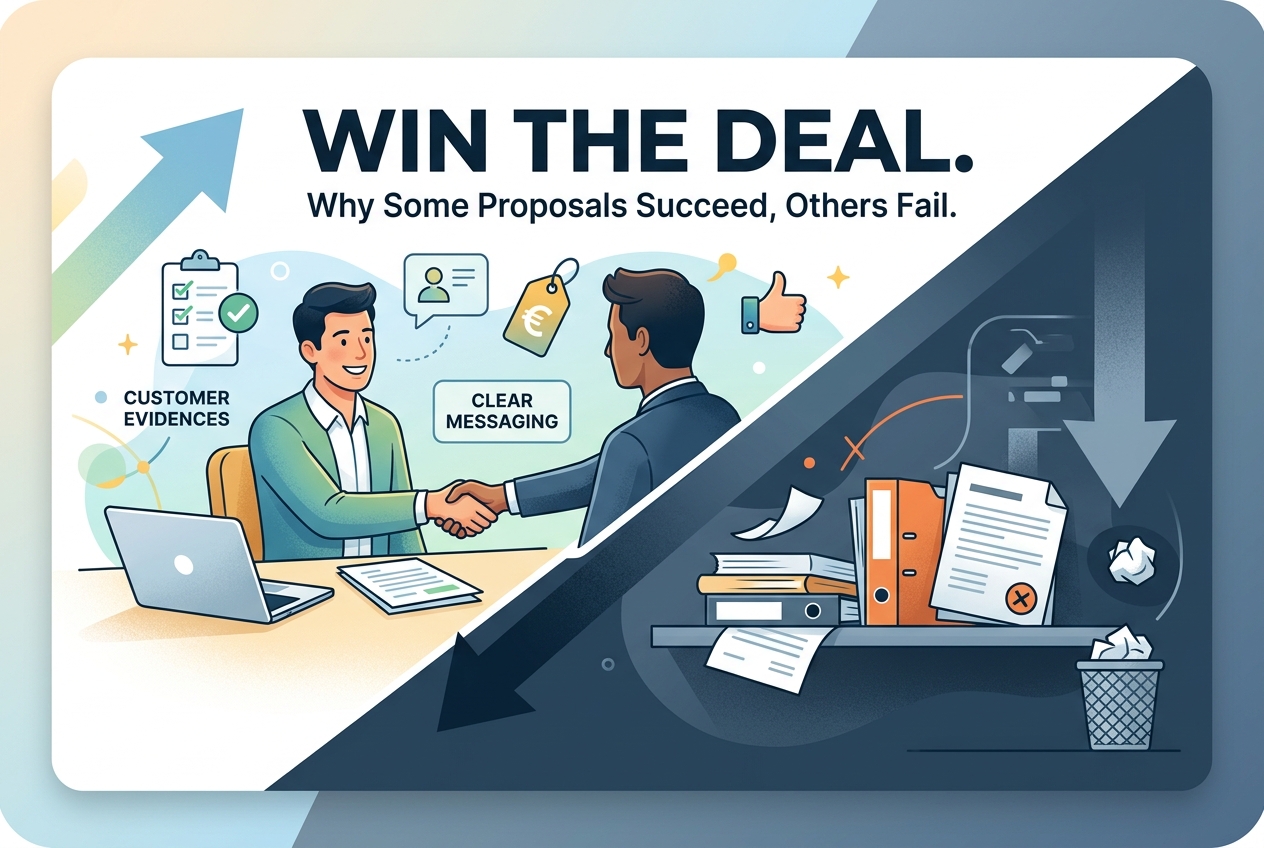
Why Some Proposals Win the Deal and Others Get Ignored
A proposal either moves the client to act or gets filed away. These approaches split on what does the moving: customer evidence and clear messaging, value-based pricing checked against cost and competition, rigorous quality reviews, or structured sales enablement. Decide which style fits how you sell and shape your next proposal around it.
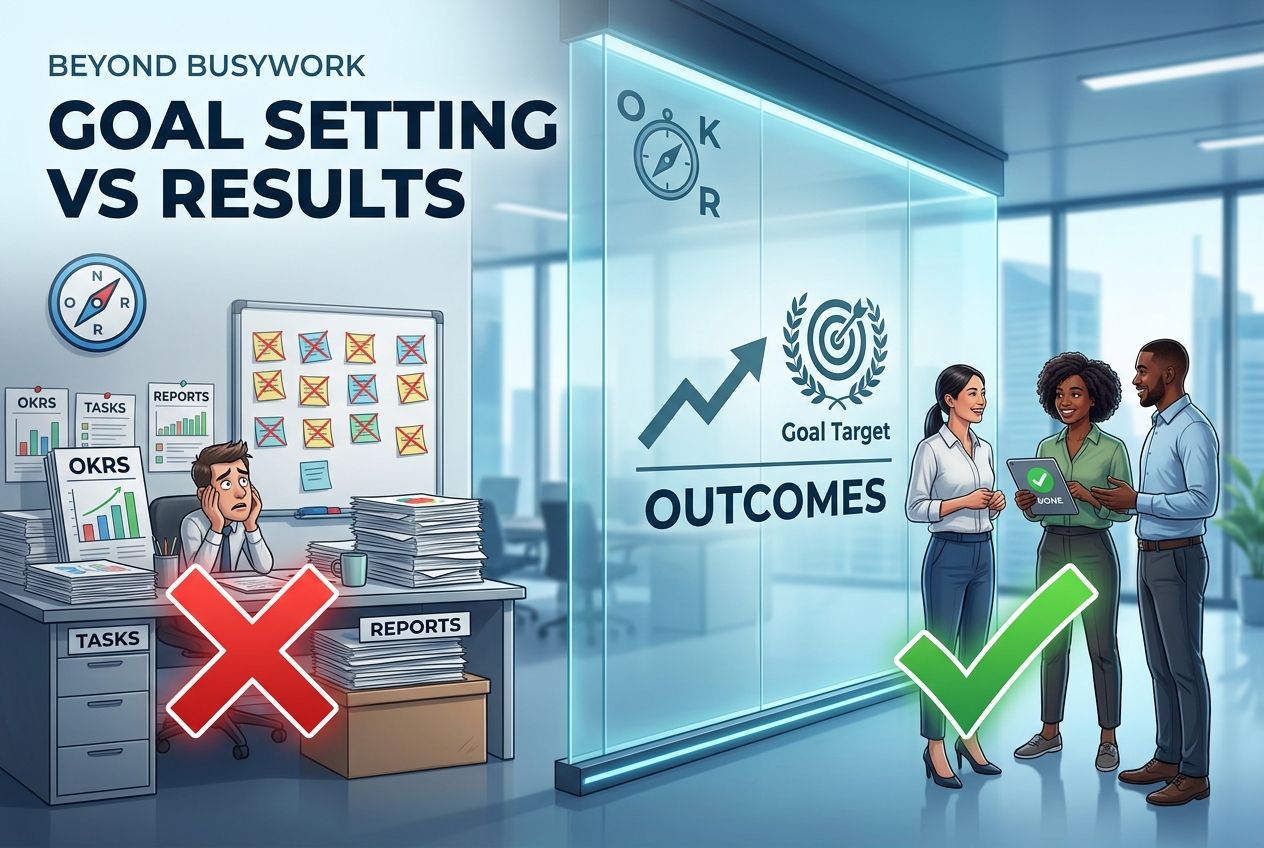
When Goal Setting Becomes the Work Instead of the Results
OKRs were meant to focus teams on outcomes and often decay into task lists nobody believes in. These approaches disagree on the cure: outcome-driven goals, strategy set before the goals, limits on cascading targets down the hierarchy, dedicated roles and training, or keeping the whole system simple and flexible. Choose the fix that matches how your organization actually loses the plot.
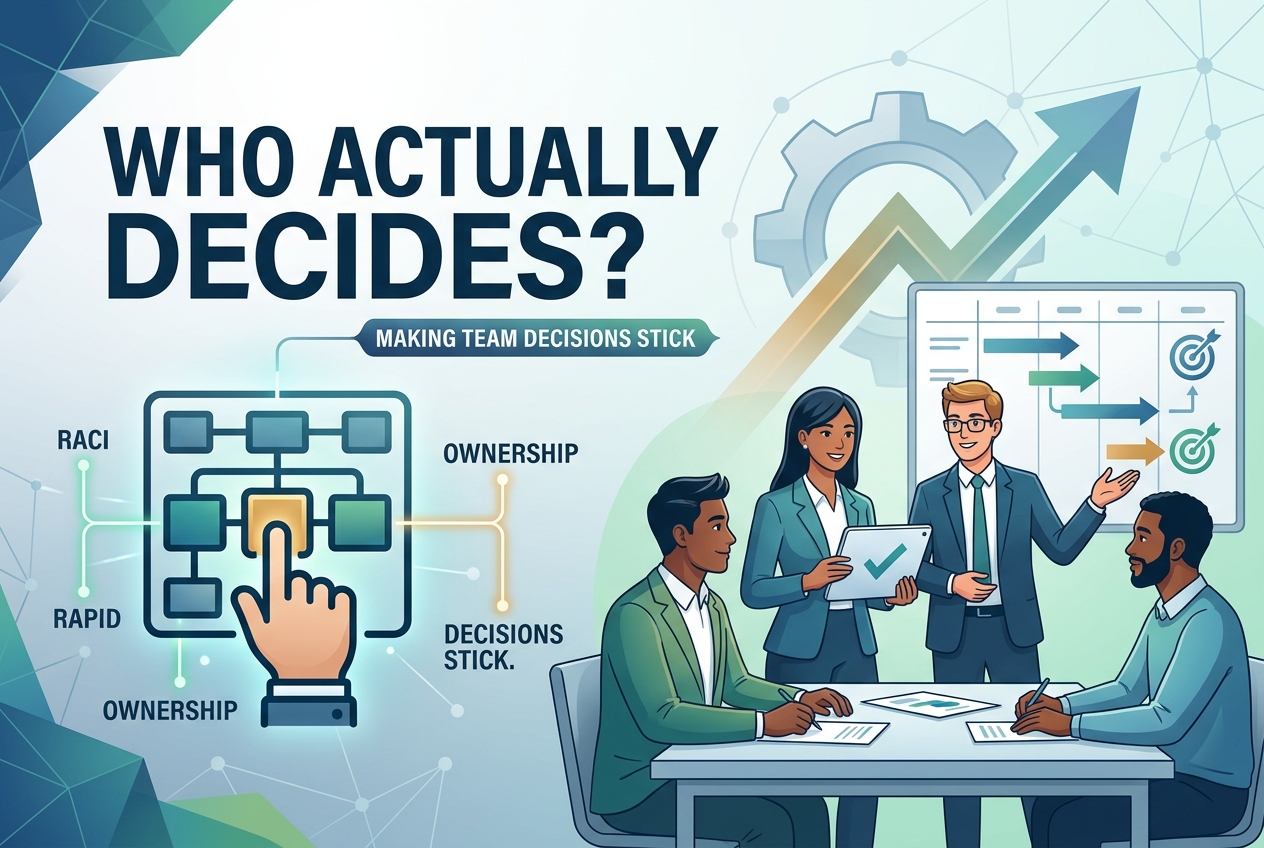
Who Actually Decides? Making Team Decisions Stick
Decisions that nobody clearly owns get relitigated, stalled, or silently ignored. The frameworks assign ownership differently, from role charts that clarify who recommends and who approves to pre-mortems that stress-test a call before it is made, and they openly trade inclusion against speed. Matching one to your team turns arguments about who decides into decisions that actually hold.

Your Pitch Deck Has Seconds to Earn a Meeting
Investors skim hundreds of decks, so yours wins or loses before you ever present. The approaches split over what earns attention: tailoring every pitch to the individual investor, leading with hard traction metrics, bottom-up market sizing, ruthless brevity, or a dead-simple business model slide. Choose the strategy that fits your startup and the investors you actually want.

Your First 90 Days Decide If a New Job Works Out
Skills alone will not carry you through a new job; the first ninety days are won by reading the informal networks and politics around you. Engage the key people early, surface the hard issues before they fester, and time your first moves with care to build influence instead of drifting into isolation. Handle this stretch well and it becomes a launchpad rather than a trial.
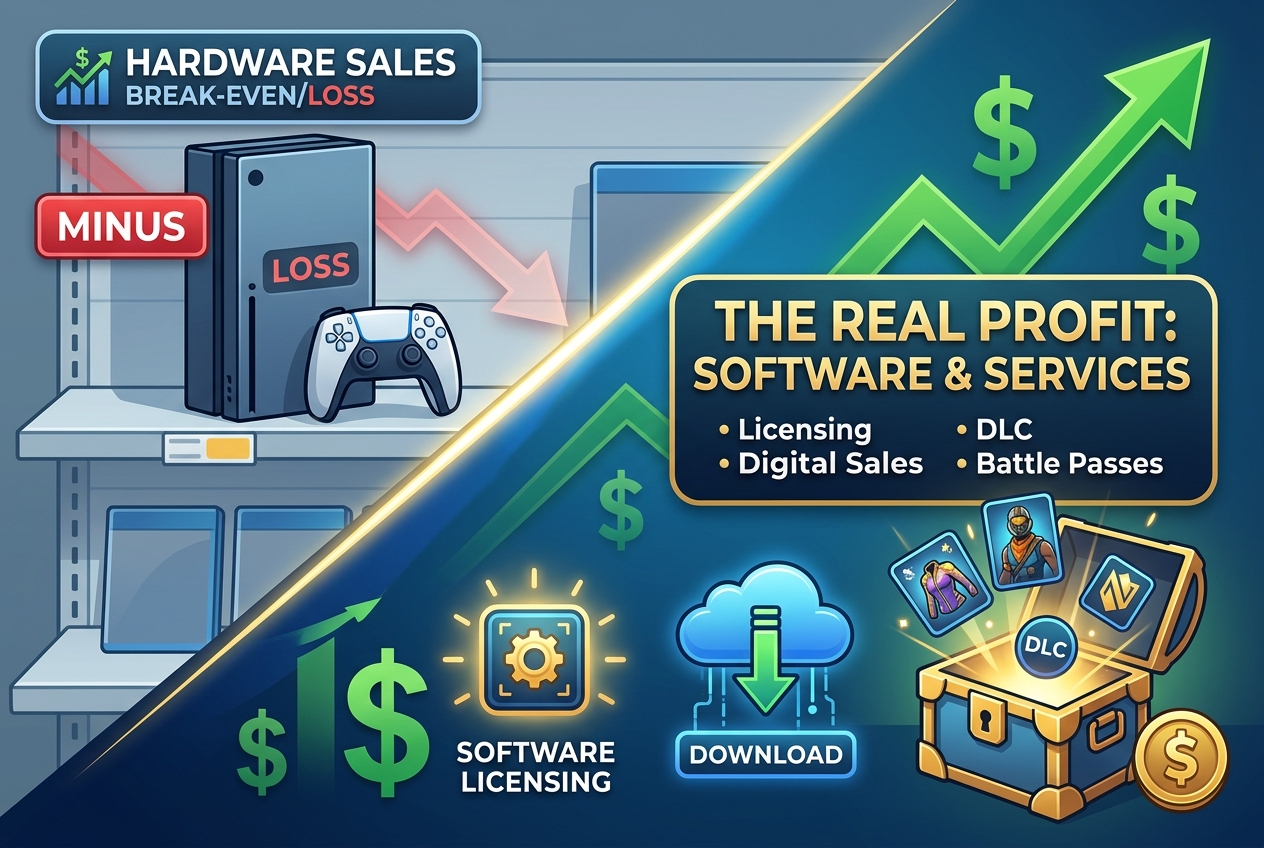
Game Makers Rely on Software Sales, Not Hardware, to Make Money
Most people assume the profit is in the console on the shelf, but makers often sell that hardware at a loss or break-even. The real money comes from software licensing, digital sales, and add-ons like downloadable content and battle passes. Seeing this reframes how games are designed and monetized long before you hit buy.

Mastering Game Speed Means Breaking the Rules and Using Every Trick
Beating games as fast as possible requires deliberately exploiting glitches, sequence breaks, and optimized routes that most casual players overlook or avoid. While mainstream play focuses on completing games normally, speedrunning embraces bending or breaking rules within community guidelines to minimize completion time. Adopting this mindset transforms gaming into a precise, strategic challenge where deep knowledge and creative tactics deliver dramatically faster results.
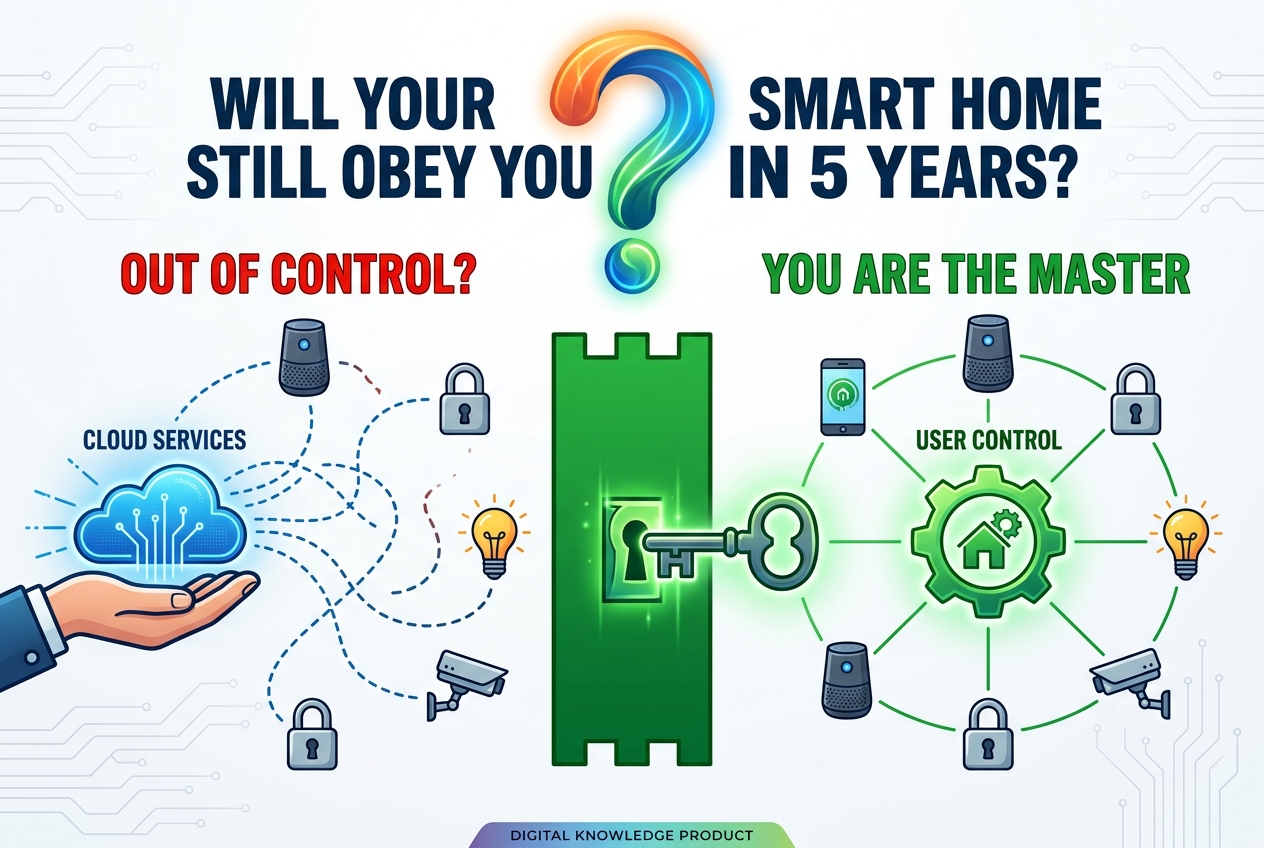
Will Your Smart Home Still Obey You in Five Years?
The smart home you set up today can slip out of your hands when companies change policies or kill cloud services. The approaches differ on where to fight: defending privacy and legal rights, buying only devices that work without the cloud, or building a durable manual core and accepting some fragile extras. Pick the strategy that keeps your house answering to you.
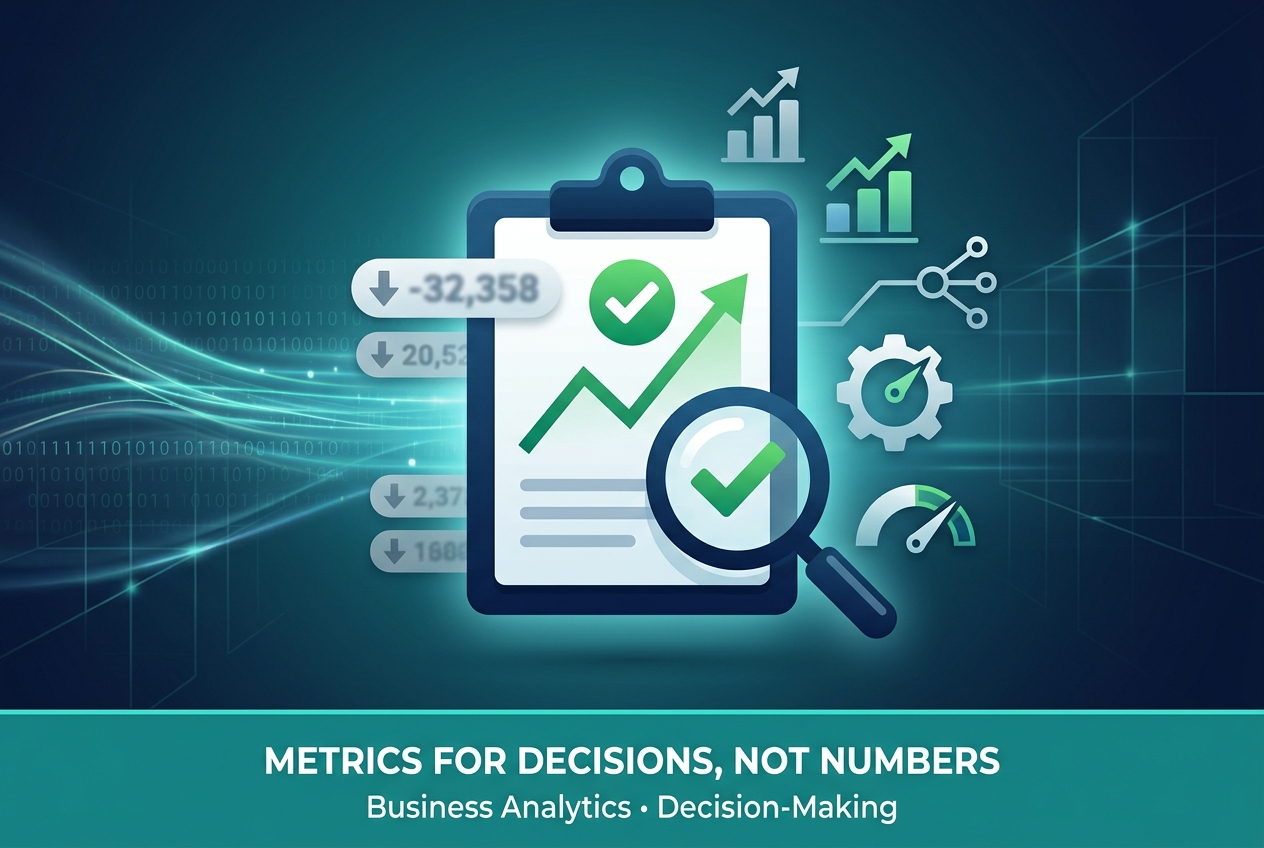
Focus on Metrics That Drive Real Decisions, Not Just Feel-Good Numbers
The numbers that look best in a deck often steer you wrong, rewarding activity that never moves the business. This take backs metrics that confirm or kill a hypothesis and shape real strategy, and warns that any number you turn into a target quietly stops meaning anything. Use cohort analysis and attribution to see what customers actually do.
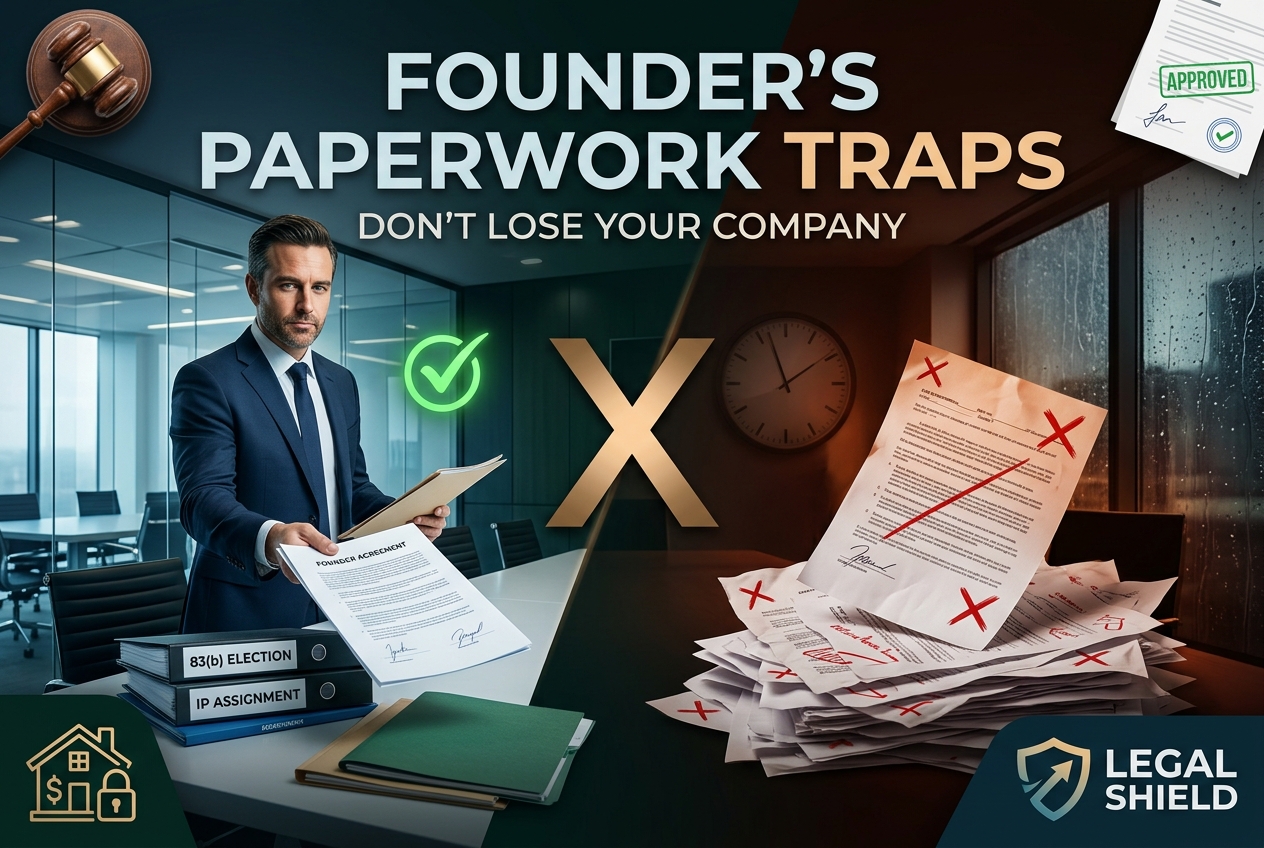
The Paperwork Mistakes That Cost Founders Their Companies
A missed signature or a late tax election can cost a founder their company years down the road. These approaches split on where the real danger lies: locking down founder agreements and early 83(b) elections, avoiding the classic filing mistakes, or bringing an experienced lawyer in from day one. How you sequence them decides how protected your equity and intellectual property really are.