
Browse the Context Marketplace
Expert-level knowledge on any topic. Each capsule guides you through what matters most.
22 capsules
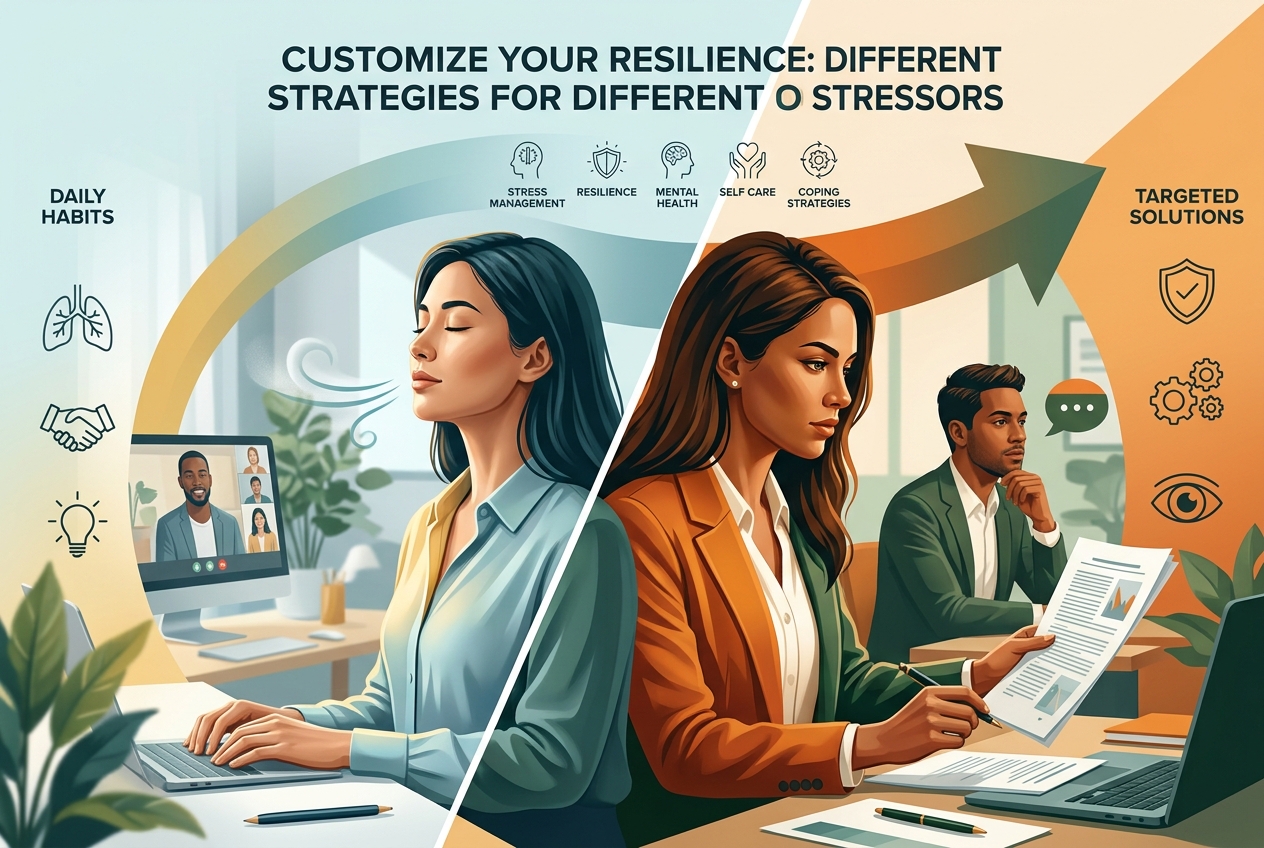
Why Handling Stress Needs Different Strategies for Different Challenges
Stress and resilience are not one-size-fits-all. Some strategies focus on practical daily habits like deep breathing and social support, while others confront harsh realities or tailor responses to specific stressors. Understanding these distinct approaches helps you choose the right way to manage stress and build resilience that fits your unique situation.
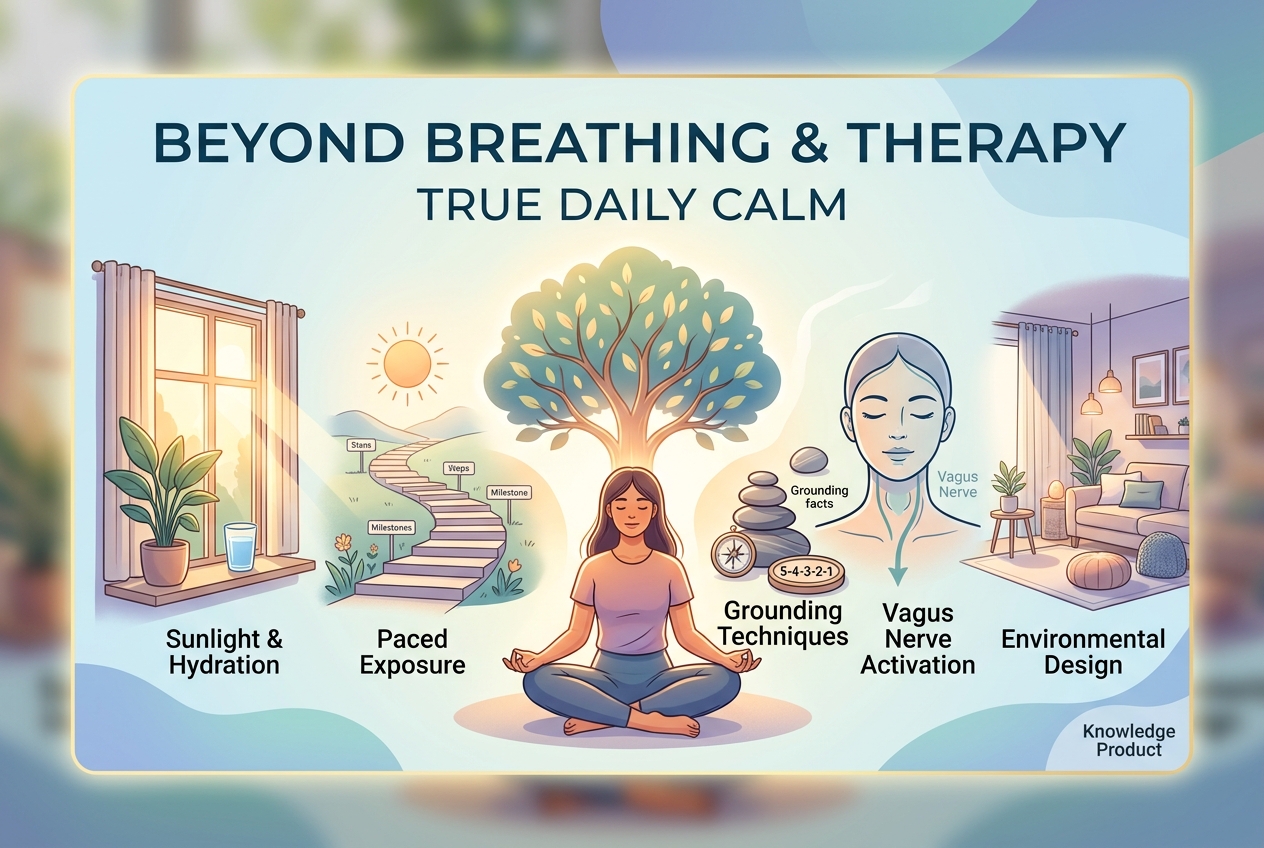
What Truly Calms Daily Anxiety Beyond Breathing and Therapy
Daily anxiety relief goes far beyond simple advice like breathing exercises or therapy visits. Different techniques focus on practical routines involving sunlight, hydration, and pacing exposure to fears, while others use grounding facts or even environmental design to reduce anxiety. Understanding these distinct approaches helps you choose methods that fit your life and build lasting calm.

Transcendental Meditation or Mindfulness, Which Does More
Transcendental Meditation and mindfulness both promise real change, but they may help different things. These claims compare where the evidence favors TM for lowering stress-related physical risk versus mindfulness for daily focus and emotional control, and where head-to-head proof runs thin. You can decide which practice fits the results you are after.
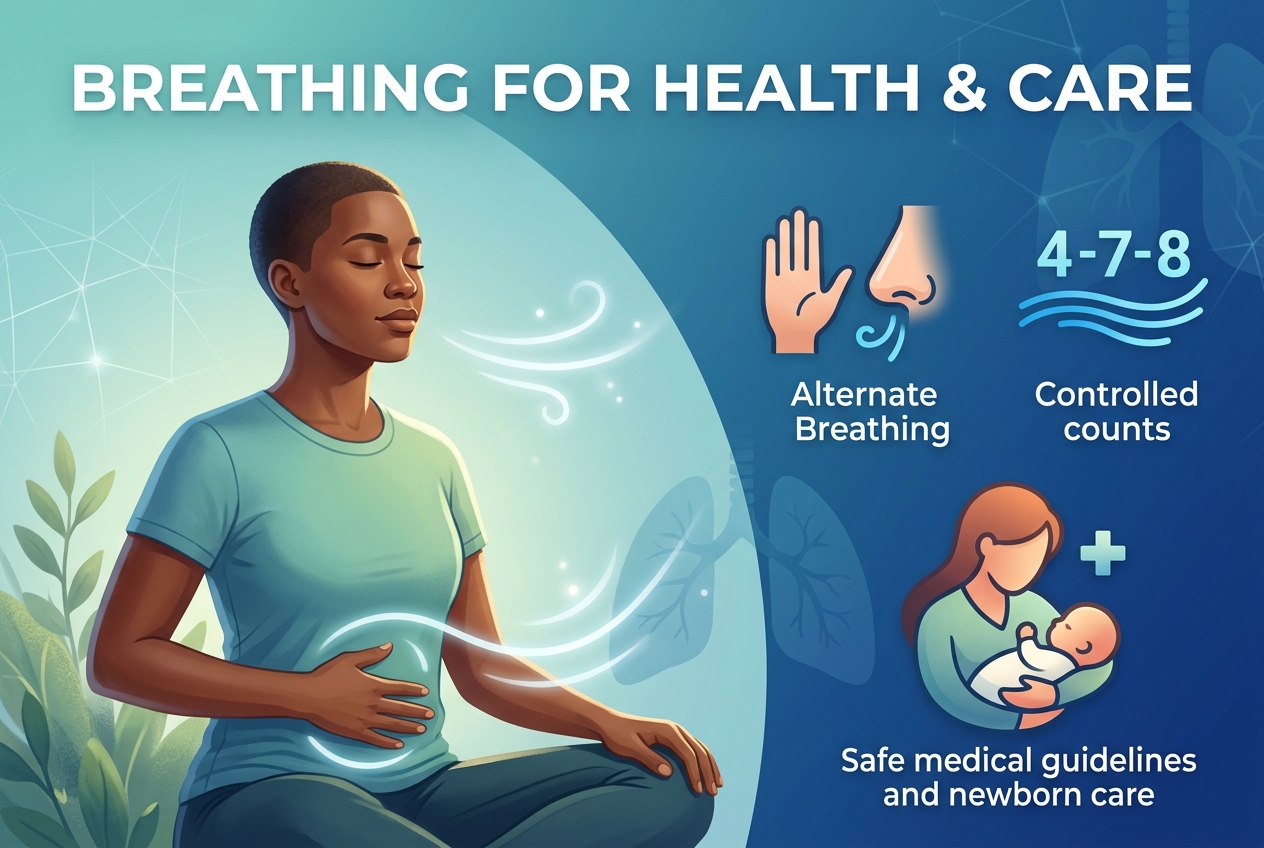
Essential Breathing Techniques for Health and Care
Breathing techniques can improve relaxation, oxygen intake, and overall well-being when practiced correctly. This collection presents clear instructions for various methods including deep diaphragmatic breathing, controlled breath counts, and alternate nostril breathing, alongside important medical guidelines and precautions. It also covers critical breathing support for newborns and highlights when to seek professional guidance for safe practice.
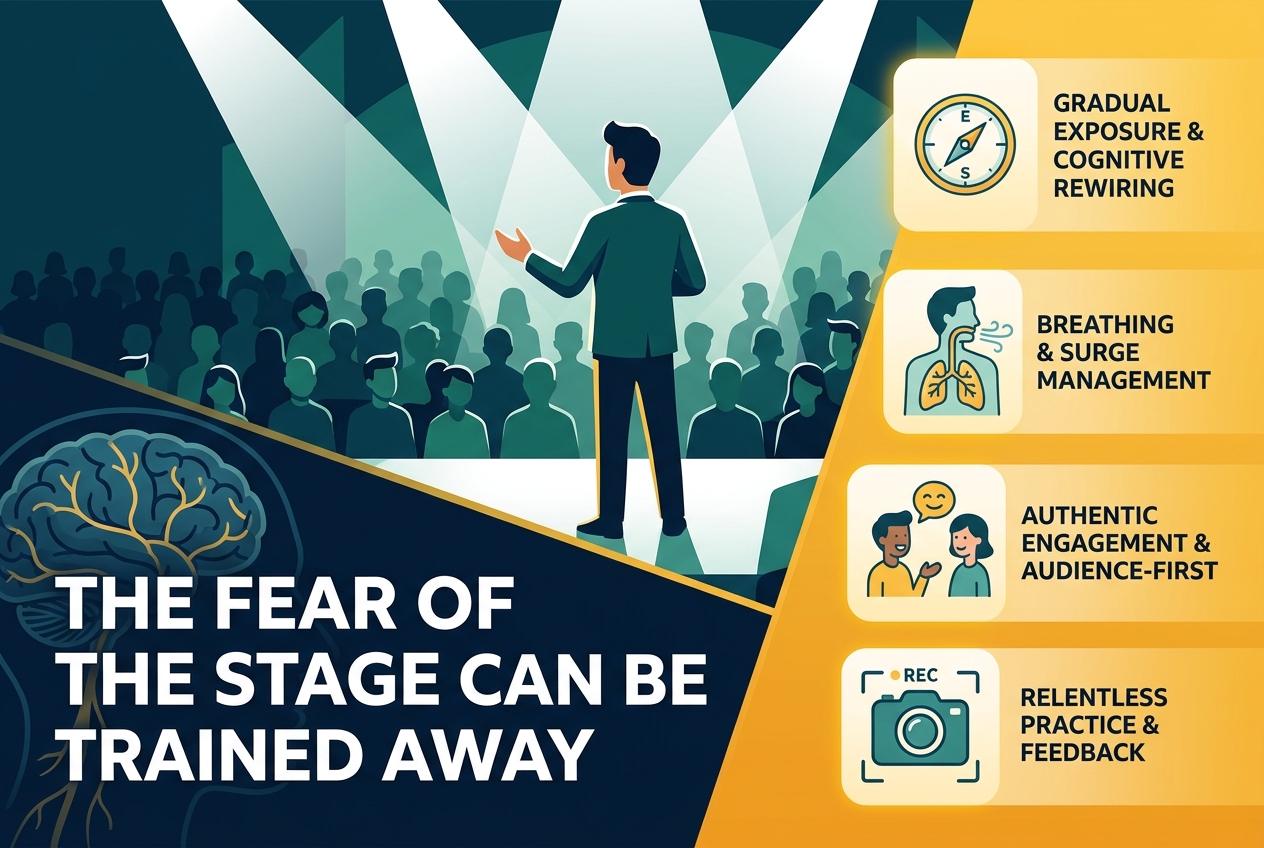
The Fear of the Stage Can Be Trained Away
Your heart pounds before a talk because your brain treats the audience as a threat. These techniques disagree on the fix: gradual exposure and rewiring negative thoughts, breathing and pacing to manage the surge, putting the audience first with authentic engagement, or relentless practice with recording and feedback. Match the technique to how your fear actually shows up and work at it deliberately.

Your Boss Is the Problem. Now What?
A bad boss can wreck your work life faster than any workload. These approaches range from cautious self-protection and tactical silence to proactive communication, empathetic managing up, and planning a clean exit. Weighing them against your own situation tells you whether to repair the relationship or leave it.

Essential Meditation Techniques for Focused Mindfulness and Inner Calm
Meditation involves various techniques to cultivate mindfulness, concentration, and emotional balance by focusing attention on breath, body sensations, thoughts, or feelings. This collection presents practical methods including breath awareness, body scanning, loving-kindness, mantra repetition, and mindful observation to help develop calmness and insight without judgment or effort to control experience. Users can apply these approaches to build a consistent meditation practice tailored to their needs and cultural context.
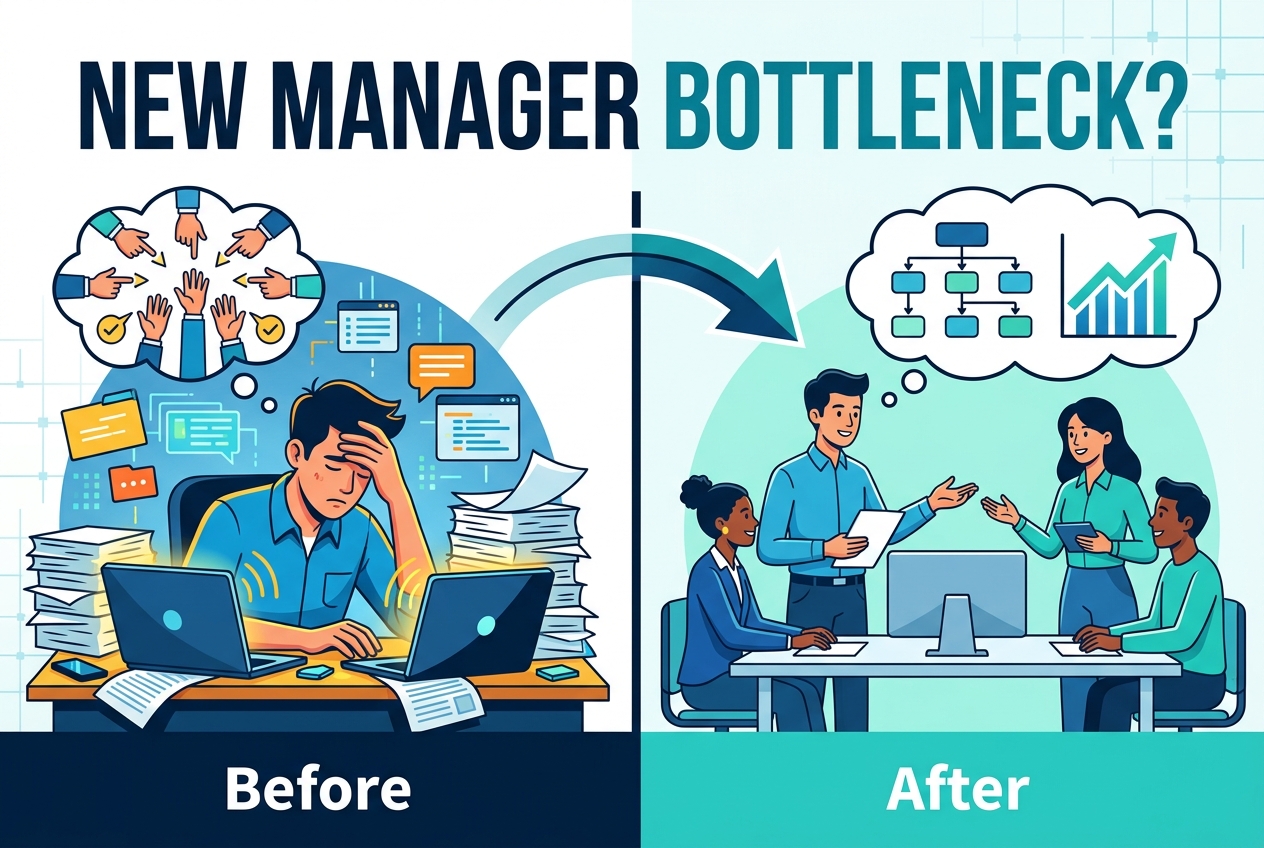
Why New Managers Can't Let Go of the Work
Moving from star performer to first-time manager means the habits that got you promoted start working against you. The approaches here split between tight delegation with regular follow-ups, building trust through psychological safety and each person's strengths, and reshaping your own identity from doer to enabler. Which one fits depends on your team, and getting it wrong turns you into the bottleneck.
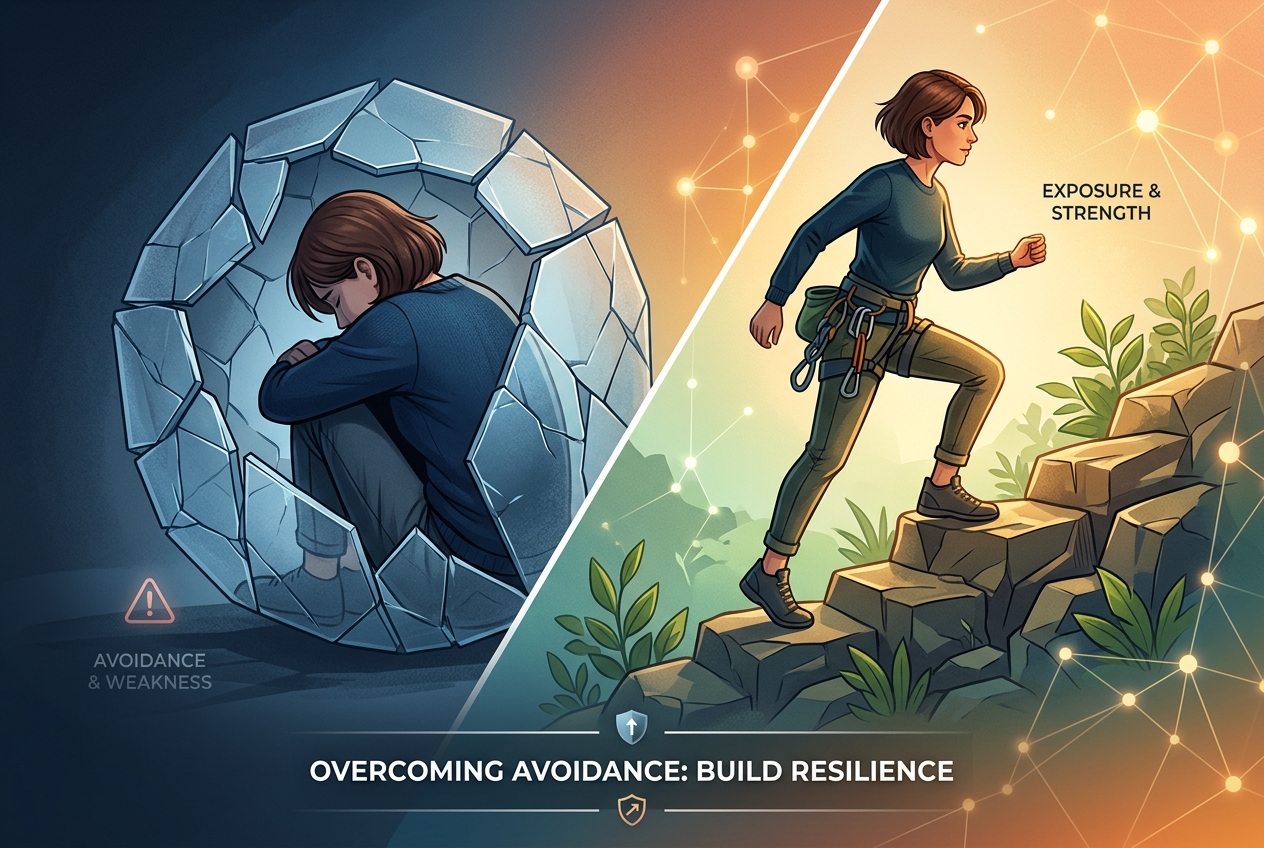
Avoiding Tough Topics Harms Mental Health More Than Facing Them
Trigger warnings and constant protection promise safety but can leave people more fragile. Drawing on exposure therapy, the argument here is that gradually confronting fears reduces anxiety and trauma symptoms in ways avoidance never will. Choosing exposure over coddling builds the emotional strength that overprotection quietly erodes.
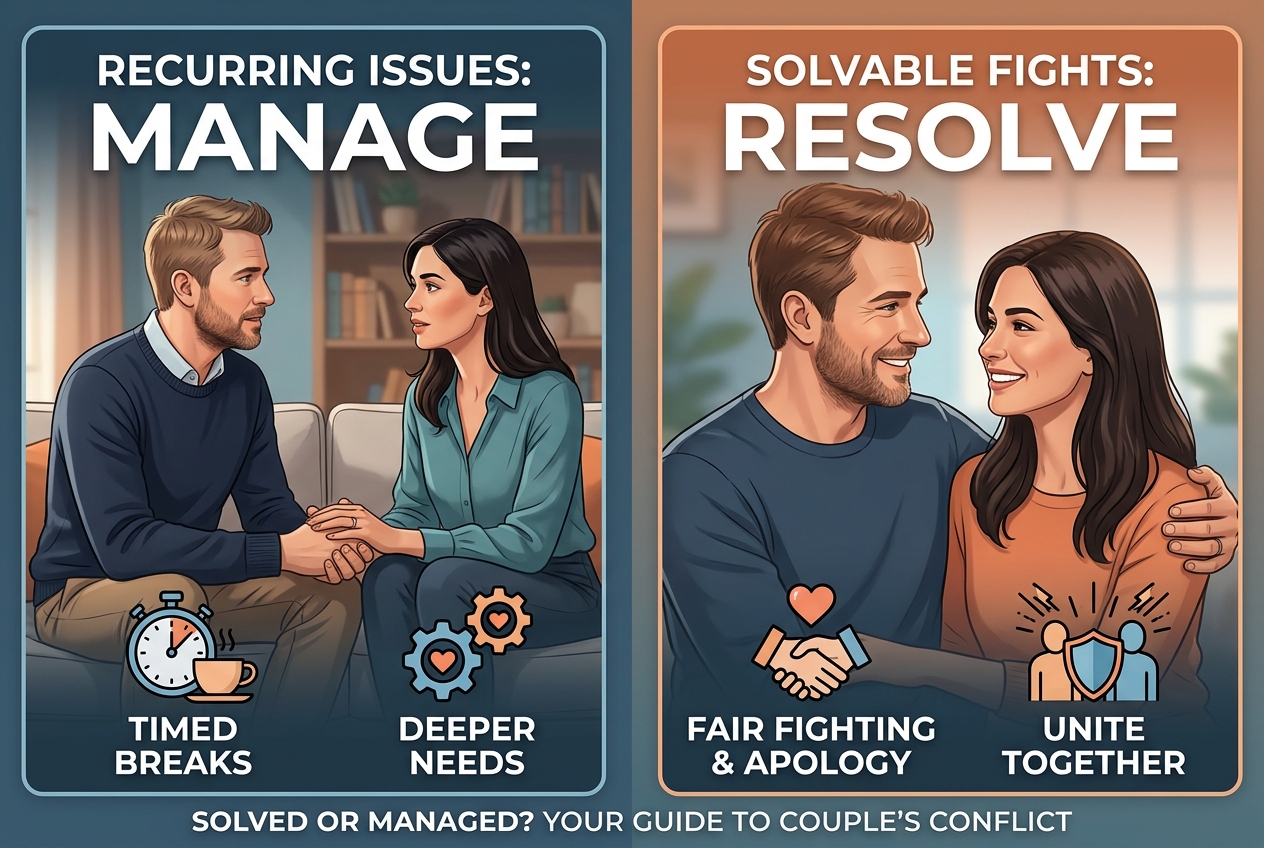
Can Every Couple's Fight Be Solved, or Just Managed?
Some fights get resolved and some just recur, and knowing which is which changes how you handle them. These approaches differ on taking timed breaks to self-soothe, treating most conflict as unmet deeper needs, fighting fairly with real apologies, and uniting against outside pressure instead of each other. Use them to find the path that fits your relationship.
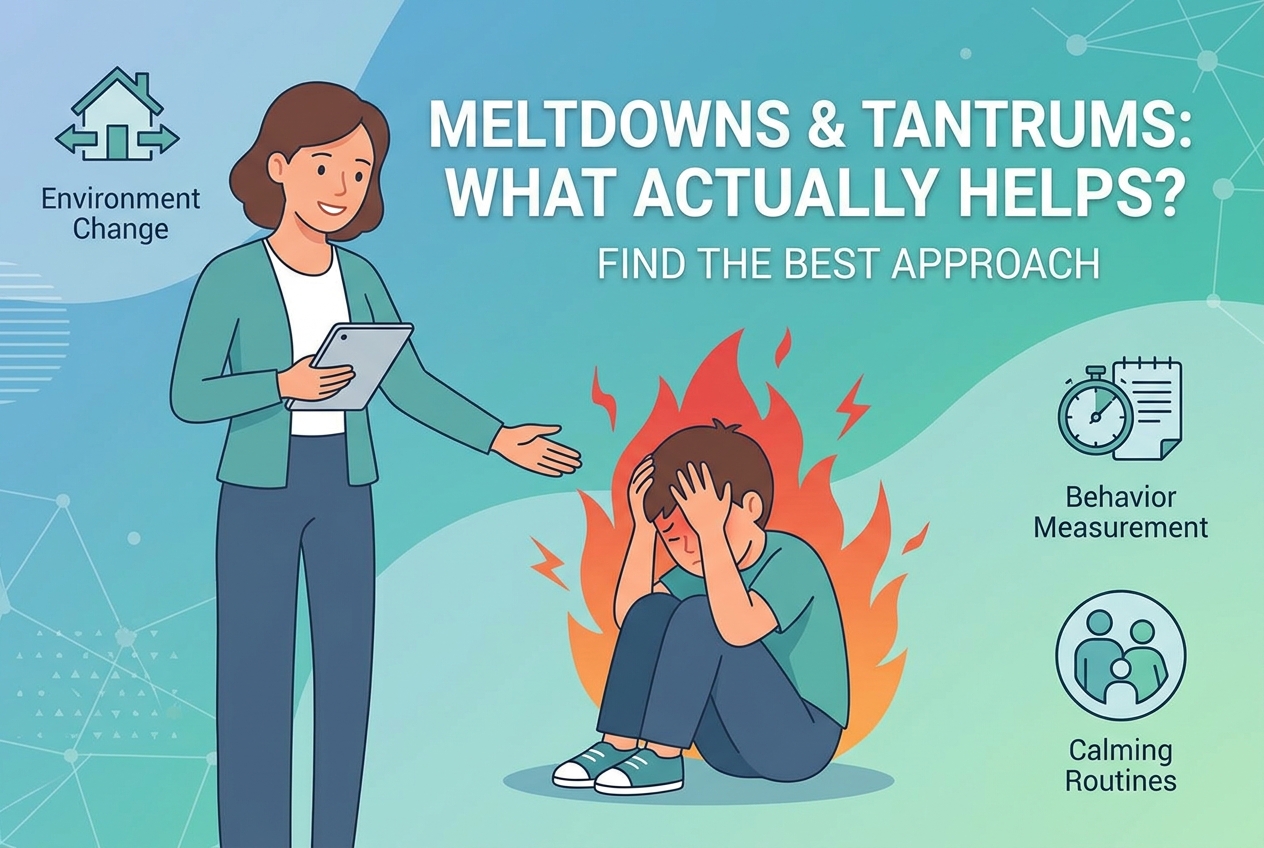
When a Meltdown Hits, What Actually Helps?
In the middle of a tantrum or meltdown, most advice feels useless. These approaches differ on where to intervene: changing the environment to prevent episodes, measuring behavior carefully to spot triggers, or leaning on practical calming routines for the whole family. Comparing them helps you pick a response that fits your child and keeps everyone steadier.

Turning Family Facts Into a Plan Everyone Can Live With
Making a family plan means juggling safety, mental health, and daily routines all at once. These recommendations part ways on where to start: clear communication and safety protocols during parenting transitions, tackling trauma and mental health first, or using structured decision tools to settle arrangements. Seeing the differences helps you choose the path that fits your family's real situation.