
Browse the Context Marketplace
Expert-level knowledge on any topic. Each capsule guides you through what matters most.
7 capsules
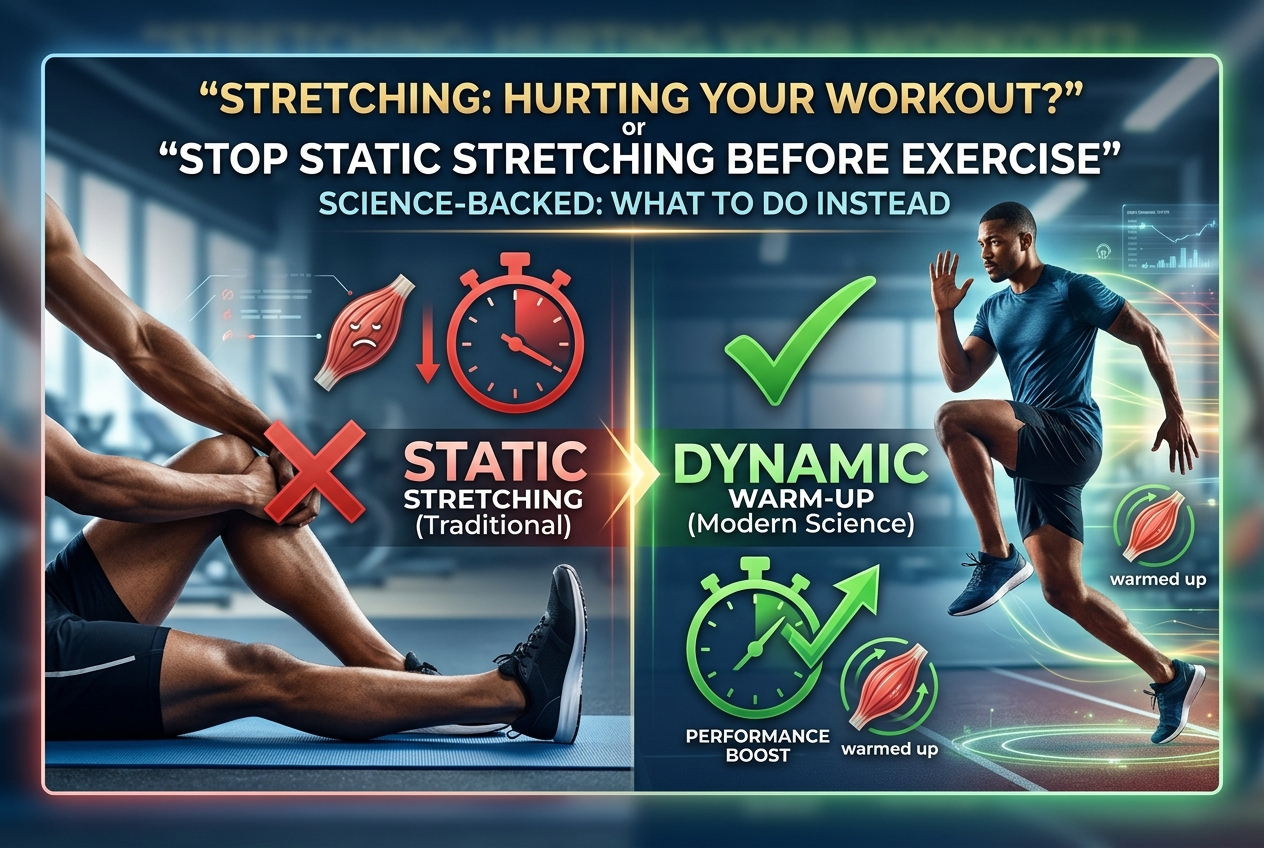
Stretching Before Exercise May Be Hurting Your Performance
The pre-workout static stretch you learned in gym class may reduce power without preventing a single injury. These recommendations split on what replaces it: dynamic movements that wake up muscles and nerves, sport-specific warm-ups, or saving static stretching for after the session when it aids flexibility and recovery. Where they differ is timing, and timing turns out to be most of the answer.
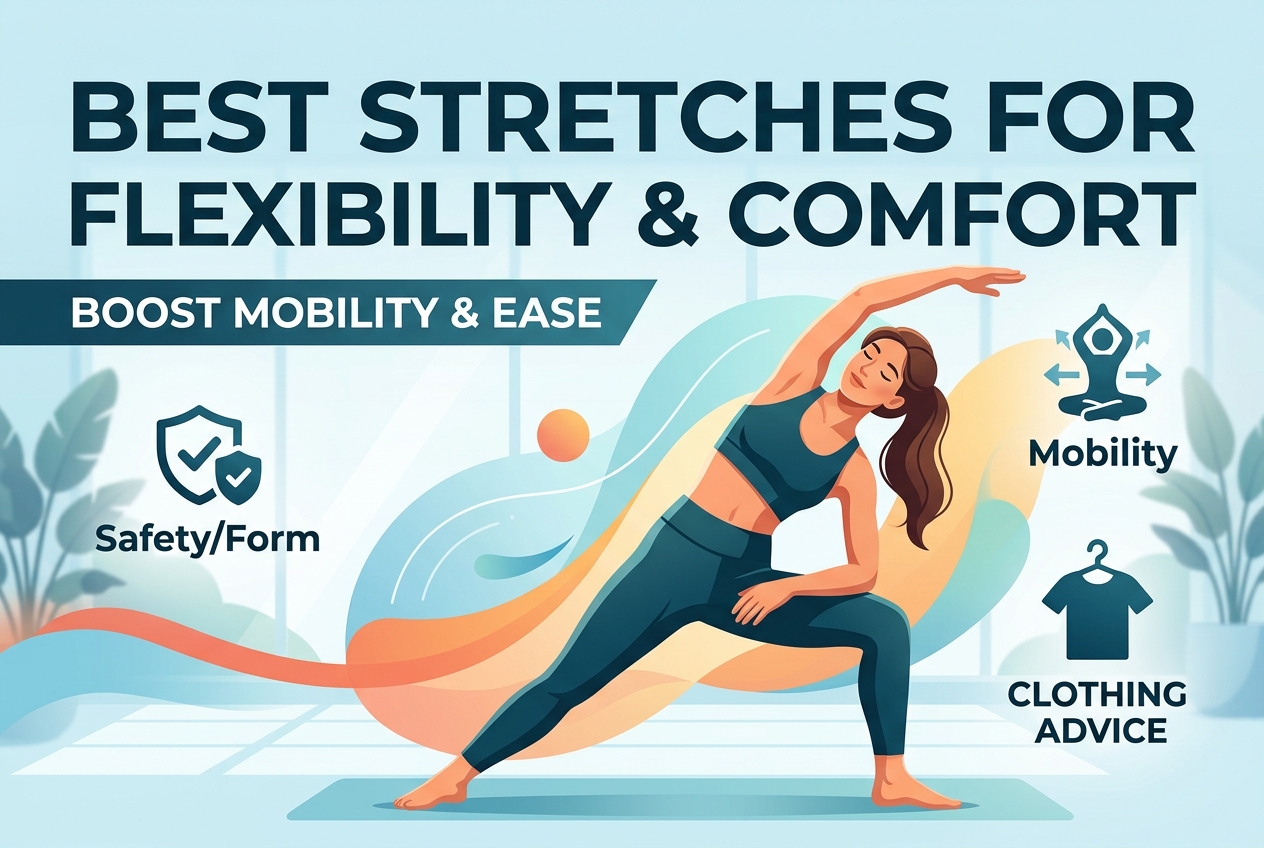
The Best Stretches for Flexibility and Comfort
Flexibility improves through a variety of stretches that target different muscle groups with attention to safety and comfort. This collection offers clear guidance on performing effective stretches like hip flexor and upper trapezius stretches, emphasizing proper form, avoiding pain, and adapting movements to support better mobility. It also includes practical advice on choosing comfortable clothing to enhance stretch performance and troubleshooting access to online stretch resources.
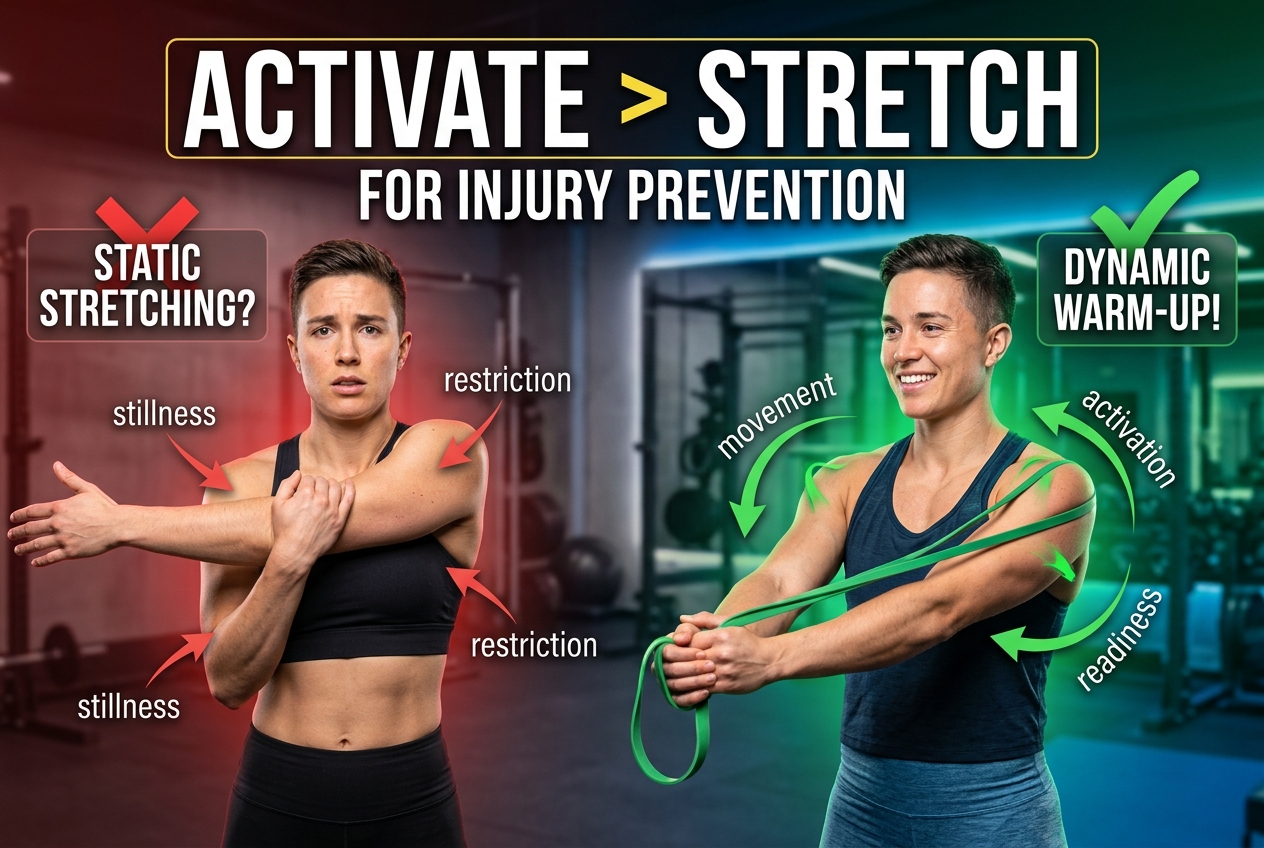
Dynamic Shoulder Warm-Ups Beat Static Stretching for Injury Prevention
Static stretching before a workout holds your shoulder muscles still exactly when they need to switch on. The case here is that dynamic warm-ups built on controlled rotations, resistance bands, and scapular activation wake up the stabilizer muscles and build the joint awareness that actually prevents injury. Trading your pre-lift stretches for controlled movement prepares your shoulders for real load.
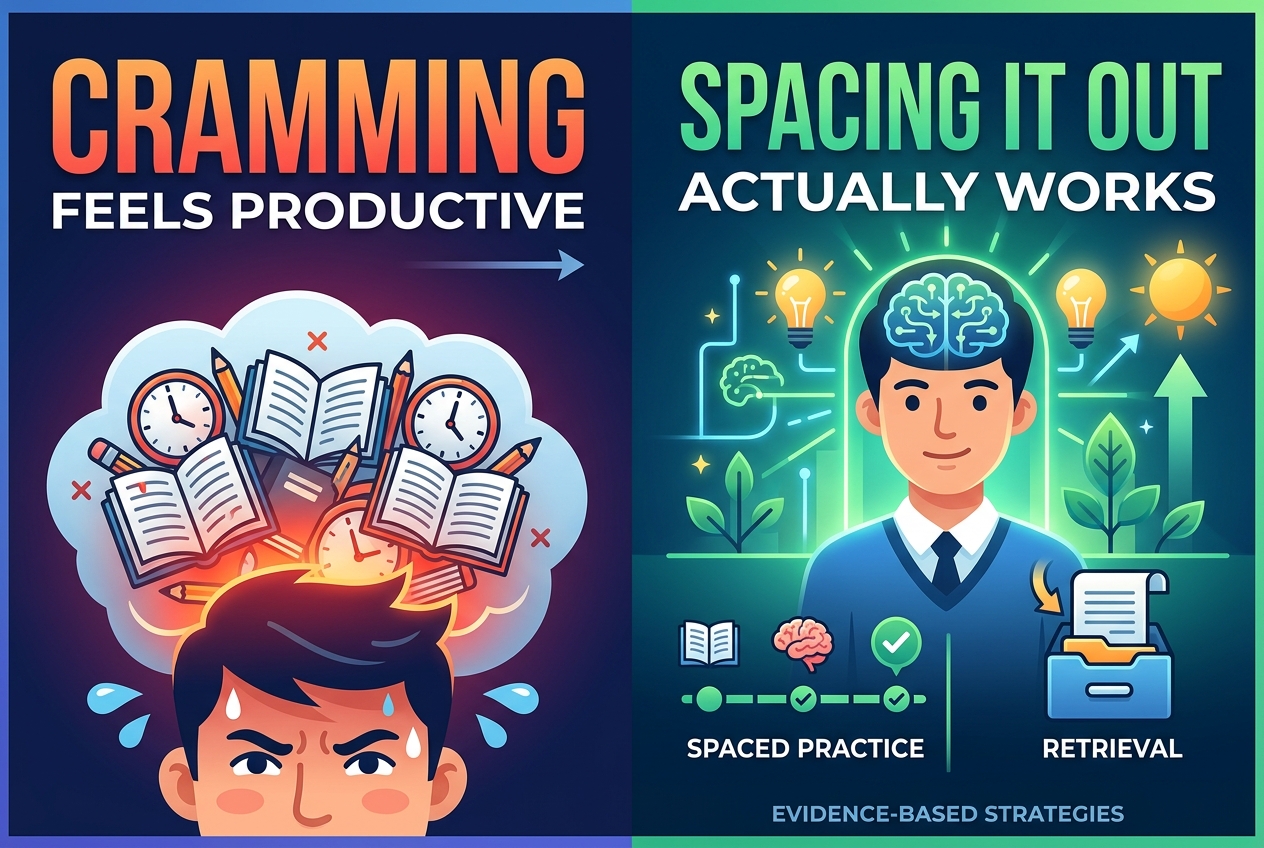
Cramming Feels Productive. Spreading It Out Actually Works
Much of what schools and parents assume about learning, including learning styles, doesn't survive testing. These strategies center on what does: spacing practice over time, recalling material instead of rereading it, and lesson designs backed by experiments. Comparing them shows where to put effort so kids actually remember what they learn.
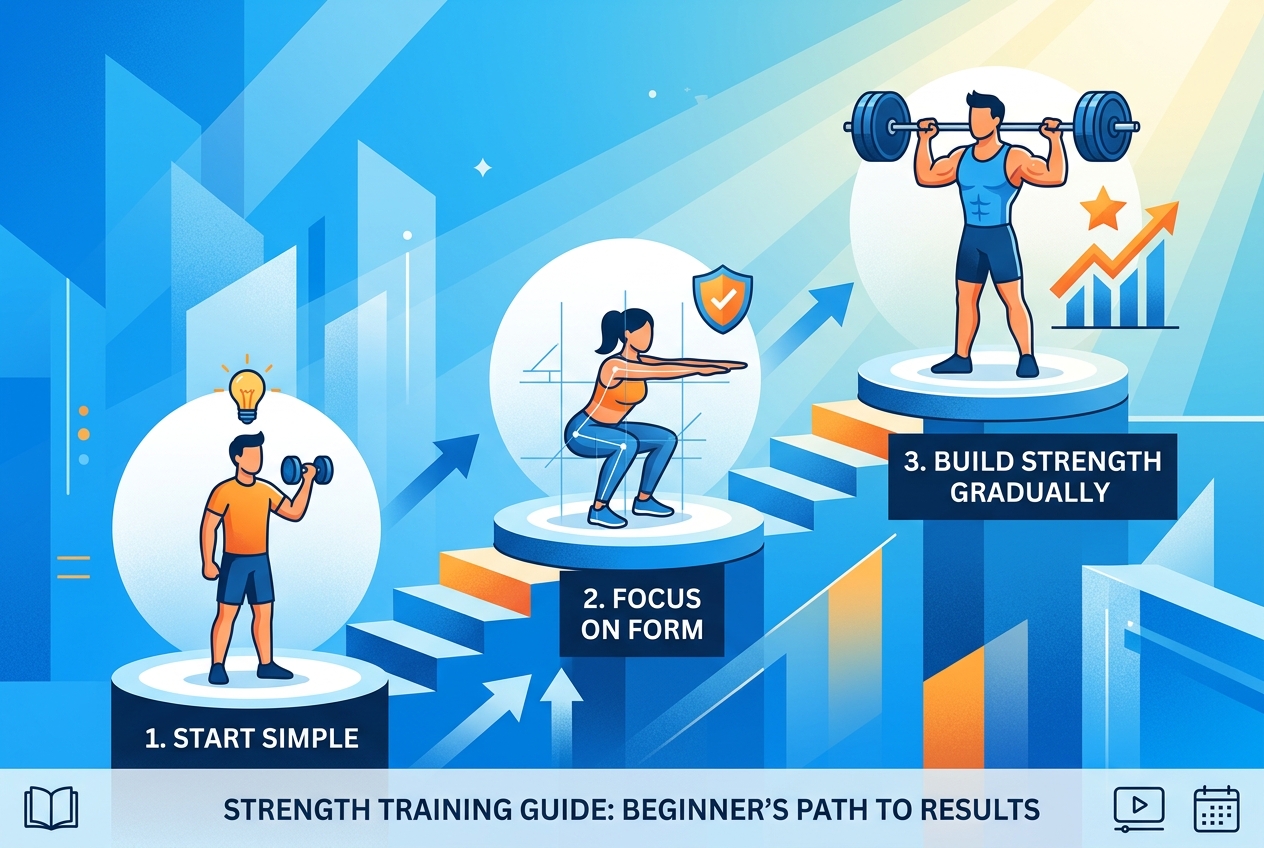
Start Simple, Focus on Form, and Build Strength Gradually
Strength training works best when you begin with manageable weights and prioritize proper technique over lifting heavy. Instead of pushing through pain or rushing progress, focus on consistent, gradual improvements and listen to your body to avoid injury. This practical approach overcomes common barriers like time constraints and fear of injury, making strength training accessible and effective for everyone.
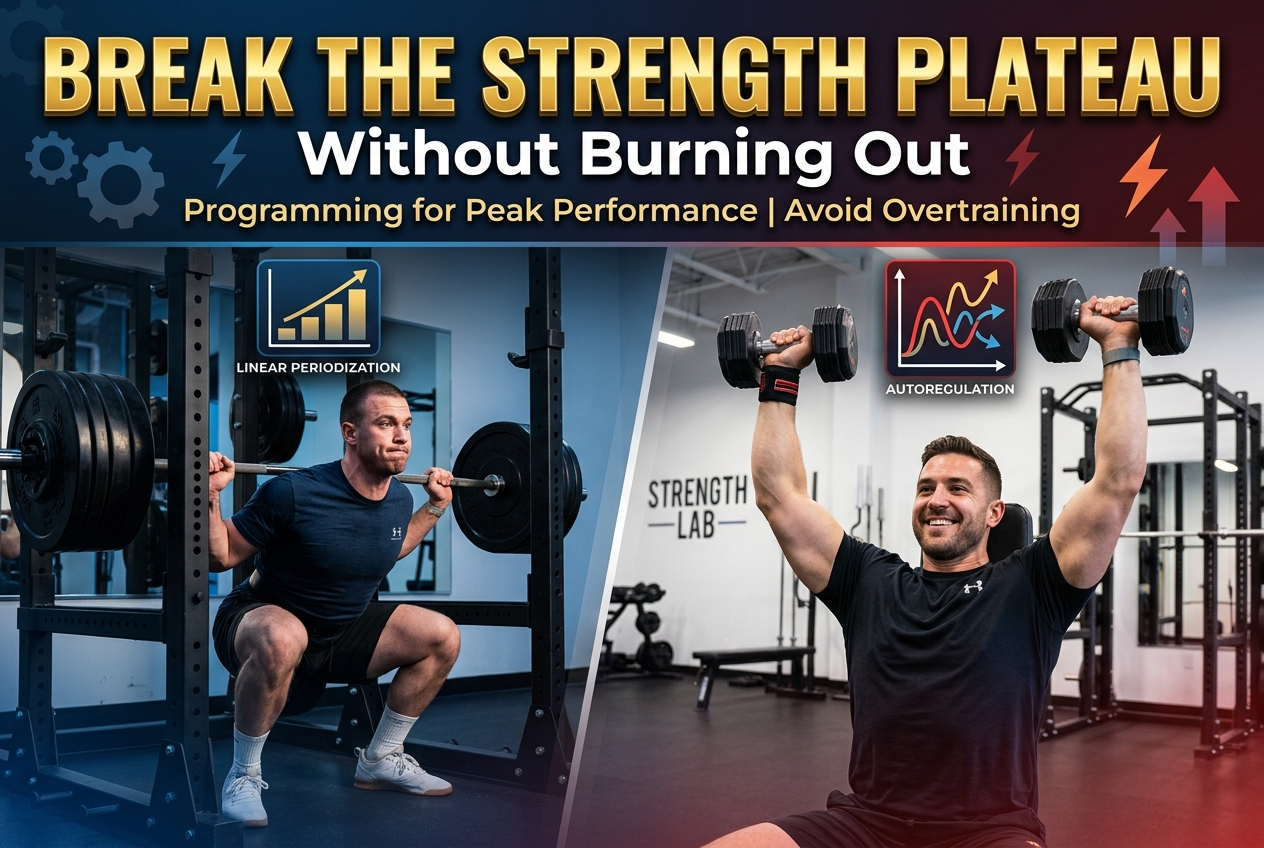
Break Through a Strength Plateau Without Burning Out
When your lifts stall, the fix depends on how you plan progress. These methods differ between steady, pre-planned changes in intensity and volume over weeks and a flexible daily approach that adjusts to how ready you feel that session. You can decide which one breaks your plateau without pushing you into injury.
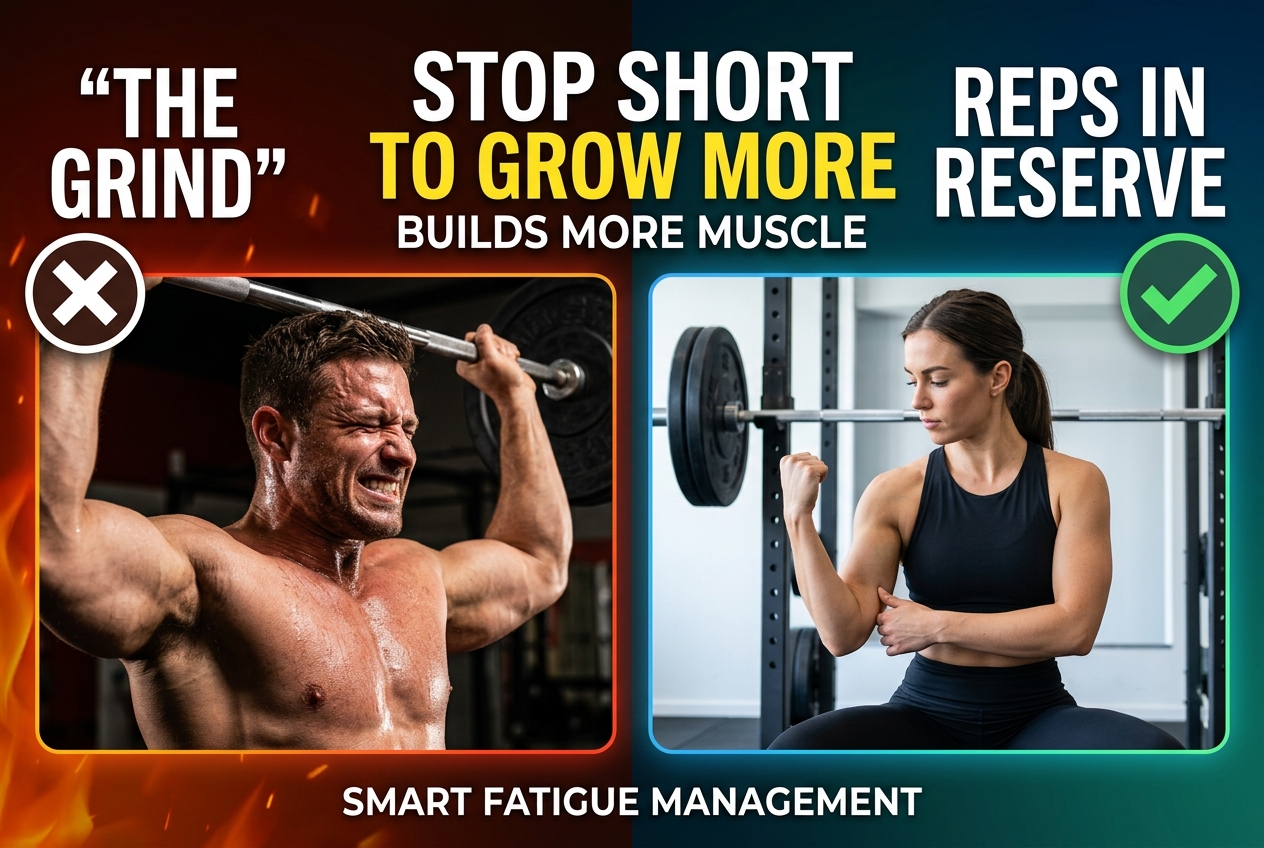
When Stopping Short Builds More Muscle Than Grinding On
Grinding every set until you physically cannot move the weight feels hardcore, but it may be quietly stalling your progress. These methods differ on how to dose effort instead: rating how hard a set feels, leaving repetitions in reserve, and protecting recovery so fatigue does not swallow your gains. Compare them and you can decide exactly when pushing to failure earns its cost and when to rack the bar early.