
Browse the Context Marketplace
Expert-level knowledge on any topic. Each capsule guides you through what matters most.
33 capsules

When Taxes Get Tricky with Freelance Work, Moving, and Crypto Sales
Filing taxes becomes complex when freelance income, moving between states, or selling stocks and cryptocurrency come into play. Different tax topics show how capital gains, residency rules, and reporting requirements vary, affecting what you owe and when. Understanding these differences helps you handle taxable events properly, avoid costly mistakes, and decide how to report income and losses across states and asset types.

The Tax Trap Waiting Inside Your Side Hustle
Side income feels like free money until the tax bill and penalties arrive. These approaches differ on what to prioritize: meticulous tracking of income, expenses, and deductions, strict quarterly estimated payments to stay penalty-free, or setting up the side work correctly from day one. Pick the approach that keeps you compliant without losing your deductions.

Where Global Business Taxes Trip Up Growing Companies
Expanding across borders means entity structures, transfer pricing, and filings like Form 5472 and FBAR that carry brutal penalties for slip-ups. These areas differ on whether to chase treaty and incentive savings or prioritize airtight compliance and proactive advice. See where they conflict so you can pick the right path for your expansion.

Making Money Online Means Mastering Taxes or Managing Honey Sales
Earning income online involves two very different business realities: one focuses on strict tax compliance and financial tracking to avoid penalties, while the other centers on the practical facts of running a beekeeping business with high honey demand. Understanding these distinct steps helps creators decide how to handle income reporting, tax payments, and business operations to build sustainable revenue streams.
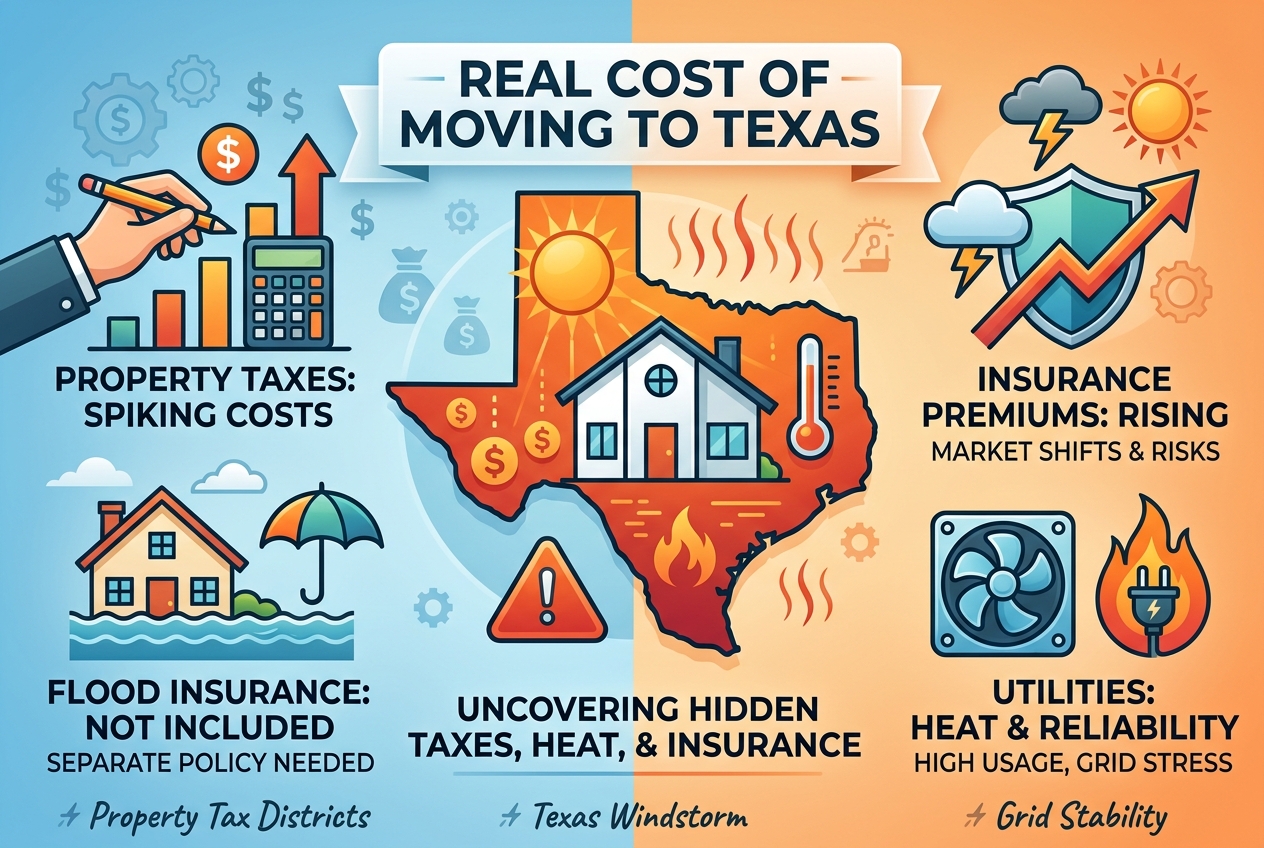
Moving to Texas Means Facing Hidden Taxes, Heat, Insurance, and Surprise Costs
Moving to Texas involves navigating a complex landscape of costs that go beyond the sticker price. Property taxes can spike dramatically, homeowners insurance often excludes flood damage requiring separate coverage, and extreme heat impacts both insurance premiums and utility reliability. Understanding these distinct costs—from flood insurance needs and tax districts to insurance market shifts and weather-related risks—helps you prepare for the real expenses of Texas living.

Why Your Paycheck Feels Smaller Than You Expect
Paychecks often surprise workers because of how taxes and benefits are withheld and calculated. The components differ on how income tax withholding is determined by forms like the W-4, how Social Security and Medicare taxes apply and cap out, and how retirement contributions affect taxable income but not all payroll taxes. Understanding these components helps you see where your money goes and decide how to manage your withholdings and benefits effectively.
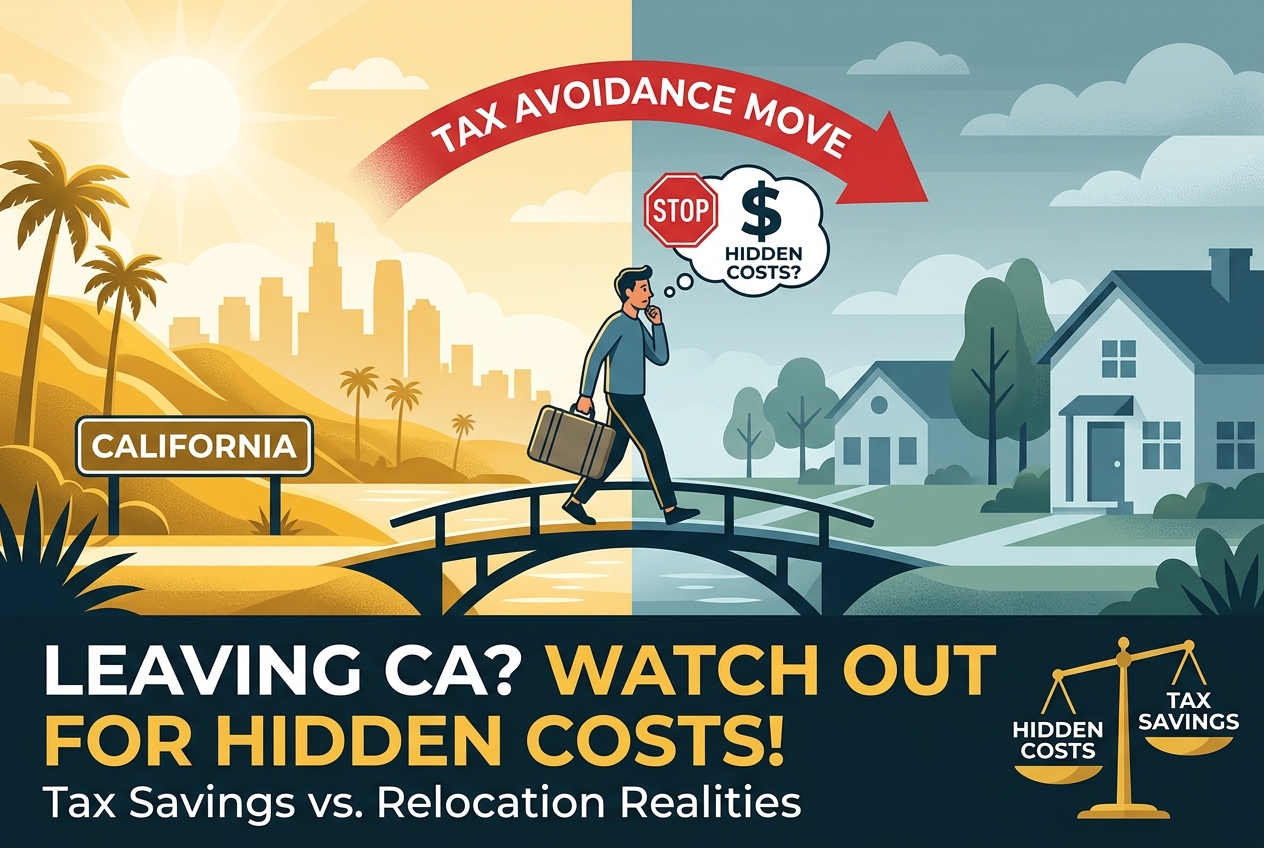
Leaving California to Avoid Income Tax Costs More Than You Think
Many consider moving out of California to escape its high state income tax, but this decision often overlooks hidden financial and personal costs. While avoiding the tax can seem appealing, the broader expenses of relocation, lifestyle changes, and potential loss of benefits can outweigh the savings. Understanding these factors helps you make a more informed choice rather than assuming a simple tax escape.
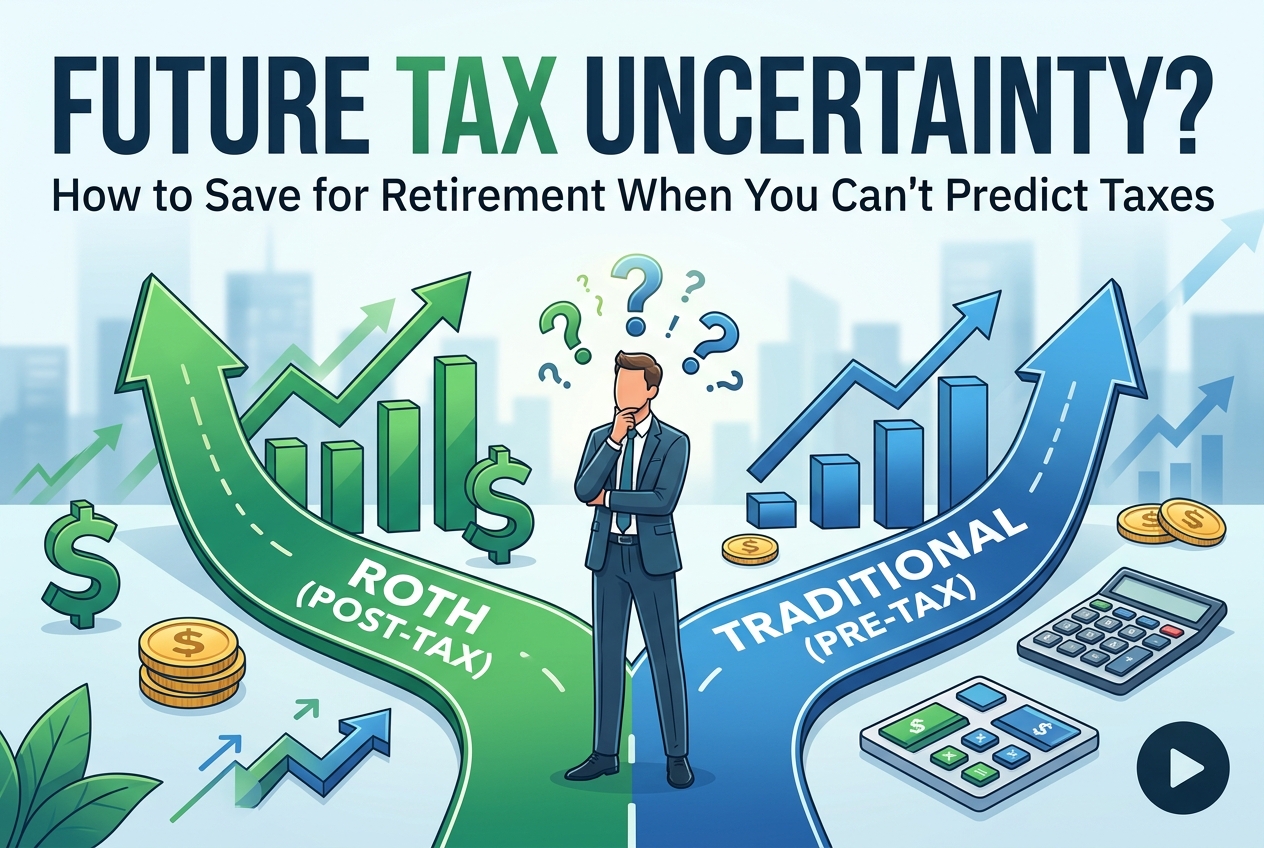
When You Can’t Predict Taxes, How Should You Save for Retirement
Choosing between Roth and traditional retirement contributions is complicated by the uncertainty of future tax rates and personal circumstances. Strategies differ on whether to focus on tax bracket predictions, use probabilistic trade-offs, adapt plans over time, maximize employer matches, or navigate IRA rules to avoid costly mistakes. Understanding these approaches helps you decide how to balance tax risks and benefits without relying on precise forecasts.

Why Inheriting Your Parents' House Can Trigger a Costly Property Tax Surprise
Inheriting a home in California under Proposition 19 involves strict requirements that can lead to unexpected property tax reassessments if not carefully followed. The requirements differ on who qualifies as eligible family members, how long the relationship must last, strict filing deadlines for exclusion claims, and ownership transfer rules including LLC interests. Understanding these distinct requirements helps you avoid losing valuable tax benefits and facing a permanent reassessment trap.
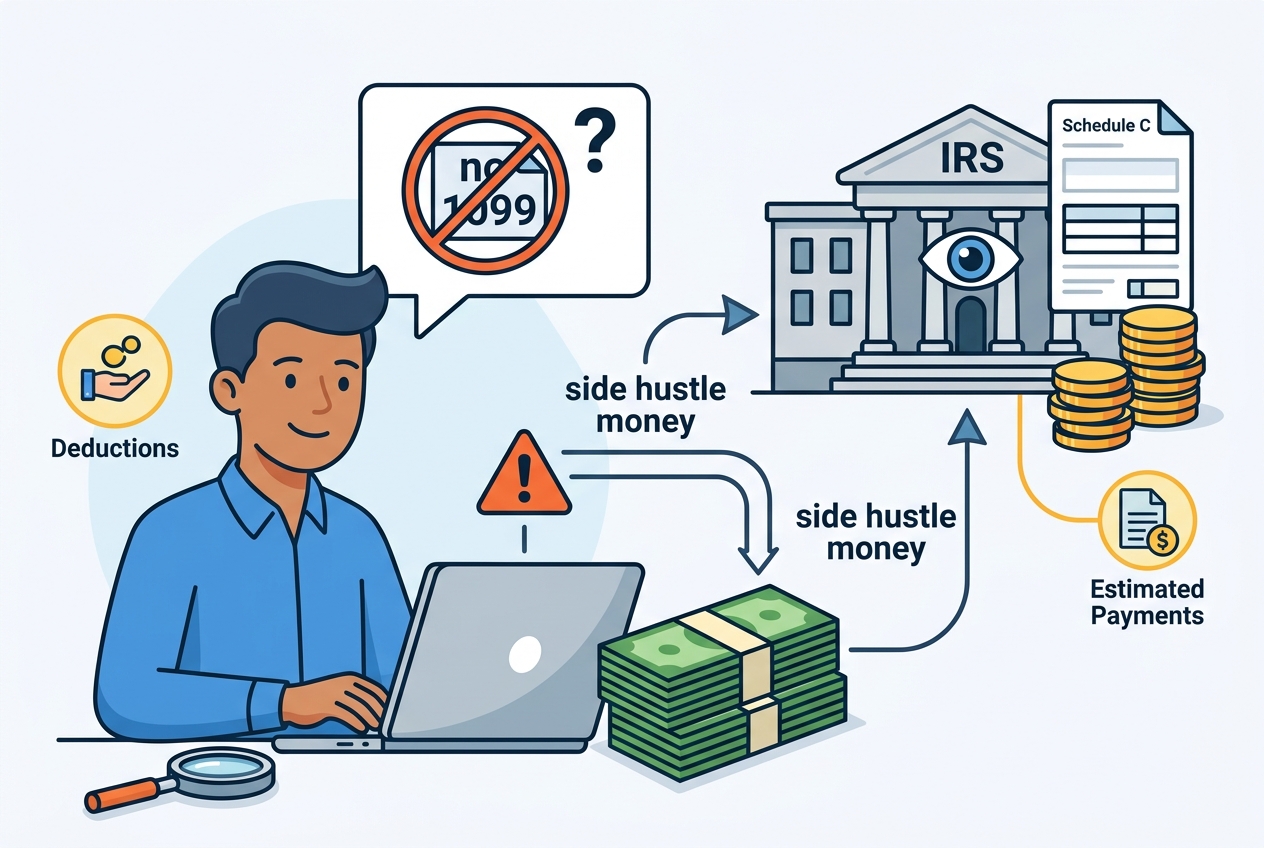
The IRS Sees Your Side Hustle Income, Even Without a 1099
Cash gigs and app payouts count as income whether or not a form arrives, and getting that wrong invites penalties. These tactics split on where to focus: sticking strictly to the ordinary-and-necessary test for deductions, maximizing every legitimate write-off, or making estimated payments and Schedule C the priority so penalties never start. Choose the mix that keeps your tax bill low without inviting an audit.

That Premium Button at the Pump Is Quietly Taxing You
If you've ever bought premium gas as a treat for a car built for regular, that extra money likely vanished. These claims differ on when higher octane actually matters: in engines designed to need it, premium prevents knock and damage, while in ordinary engines careful real-world testing finds no gain in power or mileage. You'll be able to match the right fuel to your own car and stop paying for a benefit that isn't there.

Missing the 30-Day Deadline for Startup Equity Taxes Means Losing Your Chance Forever
When employees receive startup equity, they must file a special tax election within 30 days or risk losing critical tax benefits permanently. Unlike common beliefs, there is no reliable way to file late or get an extension, so proof of timely filing is essential. This strict deadline means employees must act quickly and use official IRS channels with verified identity to protect their financial interests.