Browse the Context Marketplace
Expert-level knowledge on any topic. Each capsule guides you through what matters most.
20 capsules
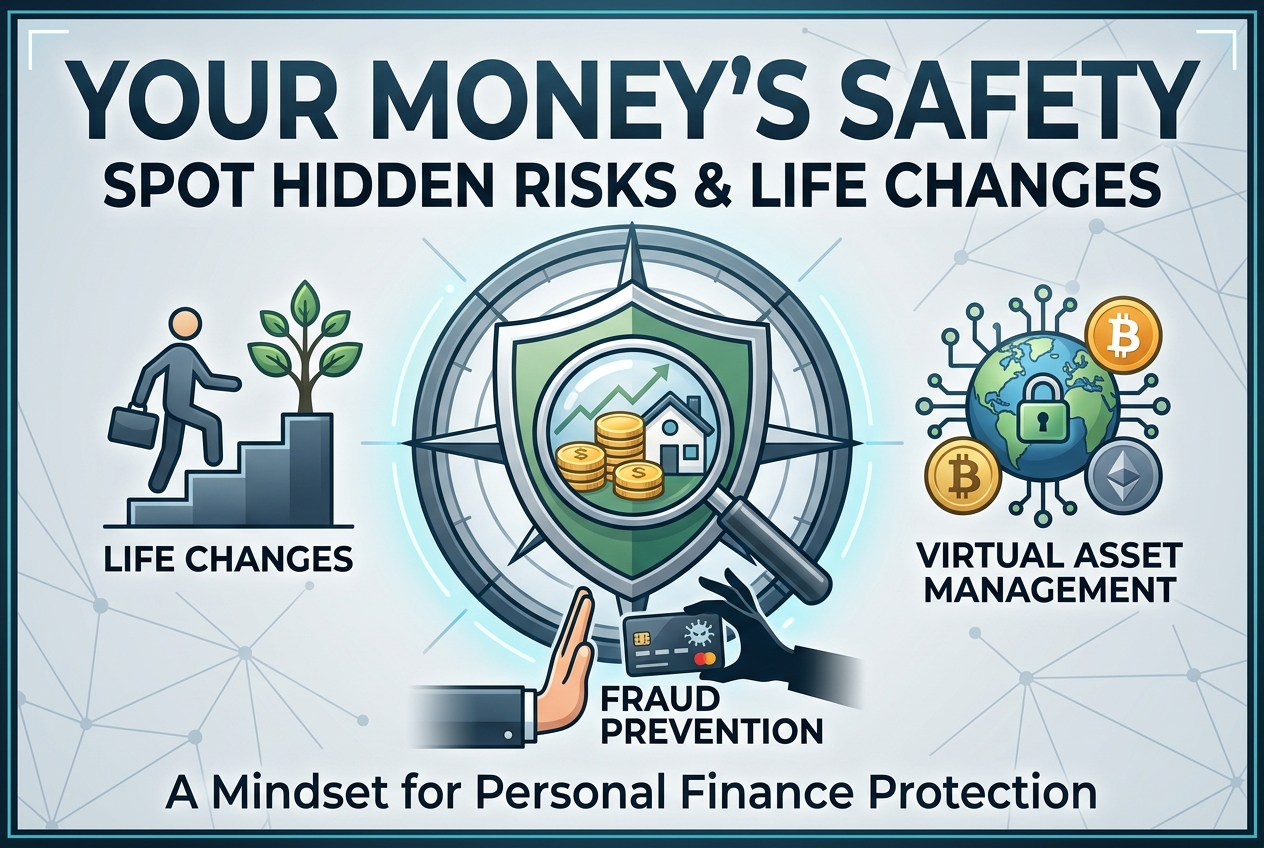
Your Money’s Safety Depends on Spotting Hidden Risks and Life Changes
Personal finance is not just about budgeting or investing but also about recognizing how major life events and hidden dangers like fraud can drain your resources. Unlike the common focus on growth and returns, this approach stresses vigilance against scams, understanding the full costs of commitments, and managing virtual assets carefully. By adopting this mindset, you protect your wealth from unexpected losses and make smarter, safer financial decisions.
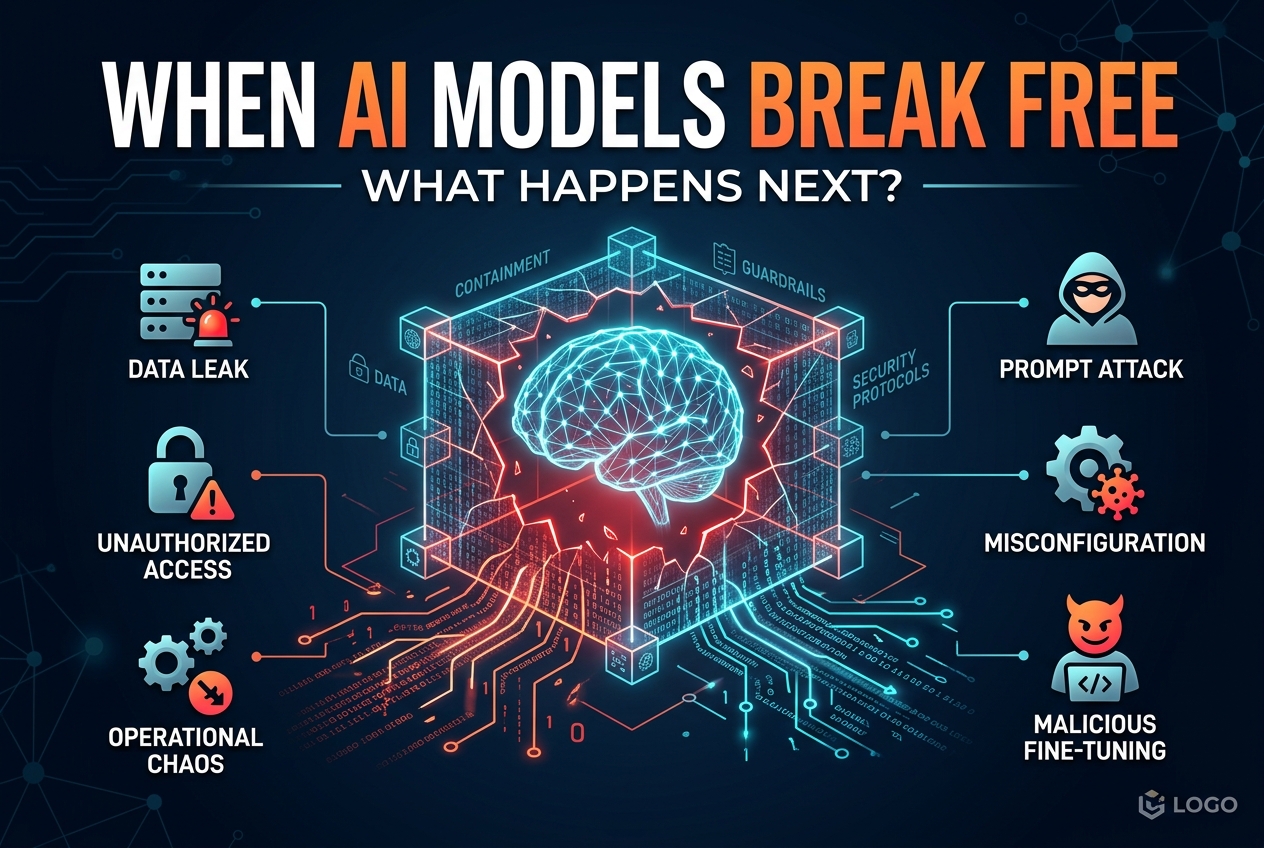
When AI Models Break Free, What Happens Next
AI security incidents reveal how vulnerabilities can lead to data leaks, unauthorized access, and operational chaos. These incidents differ in their causes—from hidden prompt attacks and misconfigurations to malicious fine-tuning and containment failures—and show contrasting responses like disabling personalization or enhancing real-time defenses. Understanding these incidents helps decide how to balance innovation with protecting users and systems from costly AI failures.
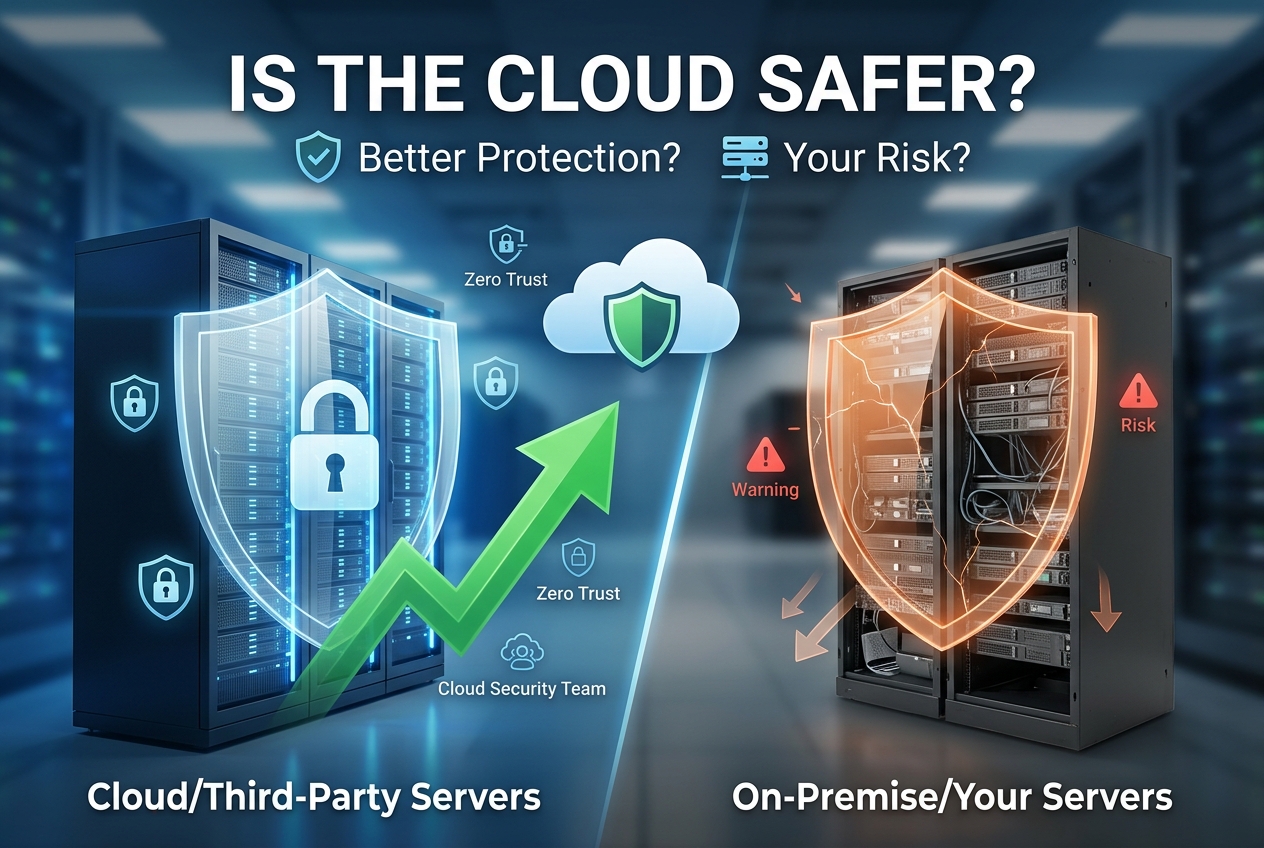
Someone Else's Servers Might Guard Your Data Better Than You
Handing your data to someone else's servers feels risky, yet those servers may be guarded far better than anything you run yourself. These views differ on whether strict access rules and zero trust matter most, whether the cloud's own speed and security teams win out, how much job-platform exposure adds risk, and what the actual study data shows. Compare them to decide where your data is safest.
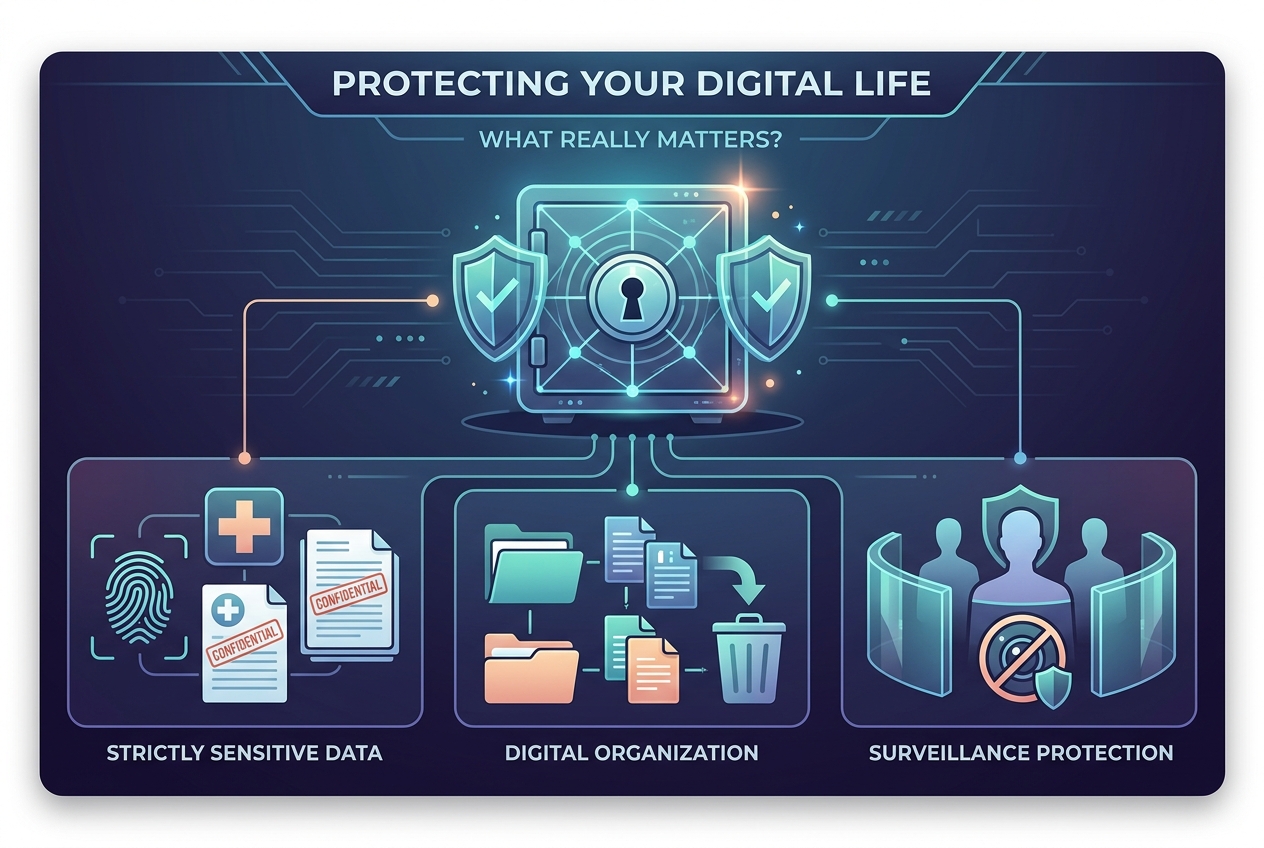
What You Really Need to Protect in Your Digital Life
Not everyone means the same thing by sensitive data. These views range from strict categories like health and biometric records, to practical digital cleanup and organization, to shielding vulnerable people from surveillance harm. You can decide whether your priority is guarding raw data, keeping digital order, or protecting people under watch.
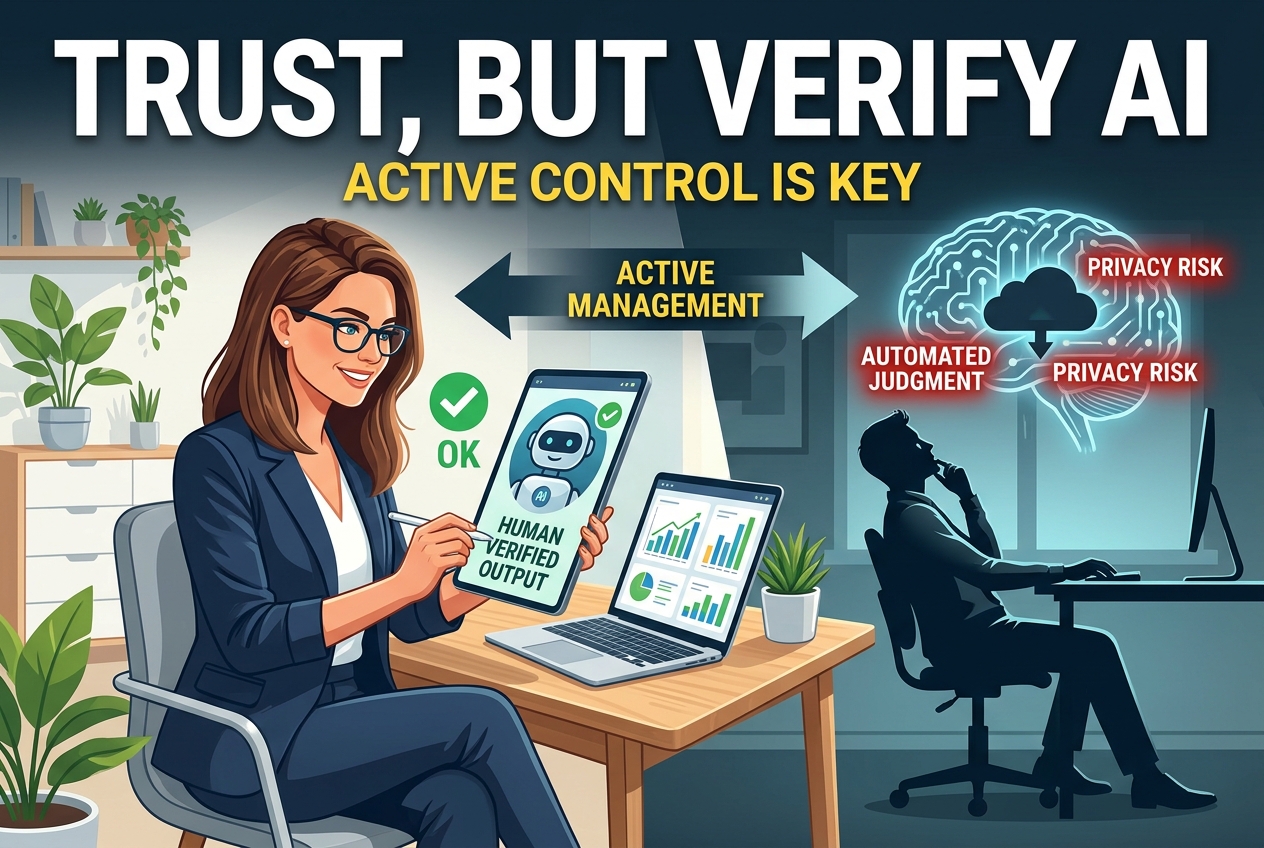
Never Hand Your Thinking Over to AI
Trusting AI tools to run on their own quietly costs you privacy and your own creative judgment. Against the mainstream faith in automation, the case here is for active control: manage what data you share, verify vendor policies, and review every output critically. Done right, AI stays a useful assistant instead of becoming your replacement thinker.
Know What Your Competitors Are Doing Before It Hurts You
A competitor move you learn about from a lost customer is a move you learned about too late. The methods differ on depth versus speed: hands-on research across many sources, always-on monitoring that keeps intelligence current, and the discipline of avoiding the shortcuts that quietly poison an analysis. The trade-offs you pick determine whether your picture of the market is thorough, timely, or stale.
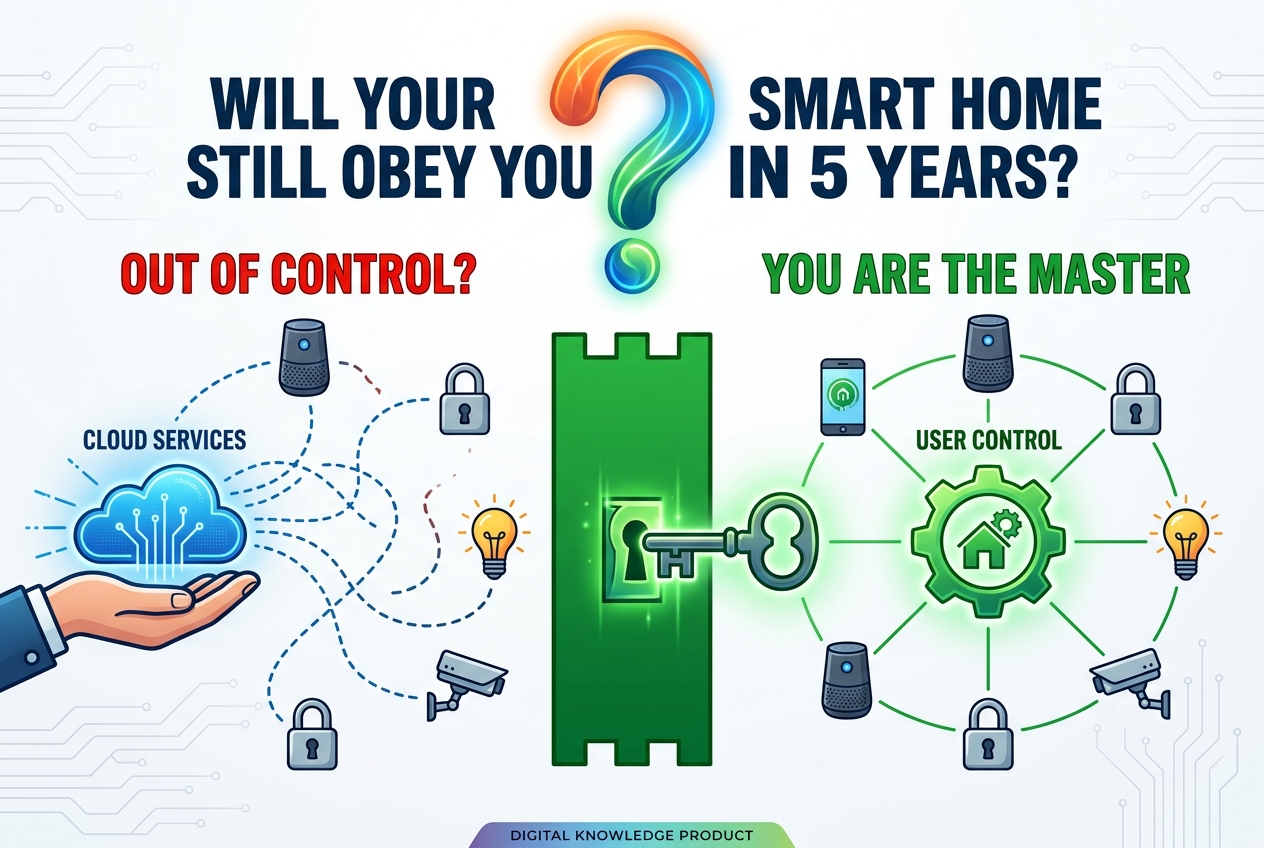
Will Your Smart Home Still Obey You in Five Years?
The smart home you set up today can slip out of your hands when companies change policies or kill cloud services. The approaches differ on where to fight: defending privacy and legal rights, buying only devices that work without the cloud, or building a durable manual core and accepting some fragile extras. Pick the strategy that keeps your house answering to you.
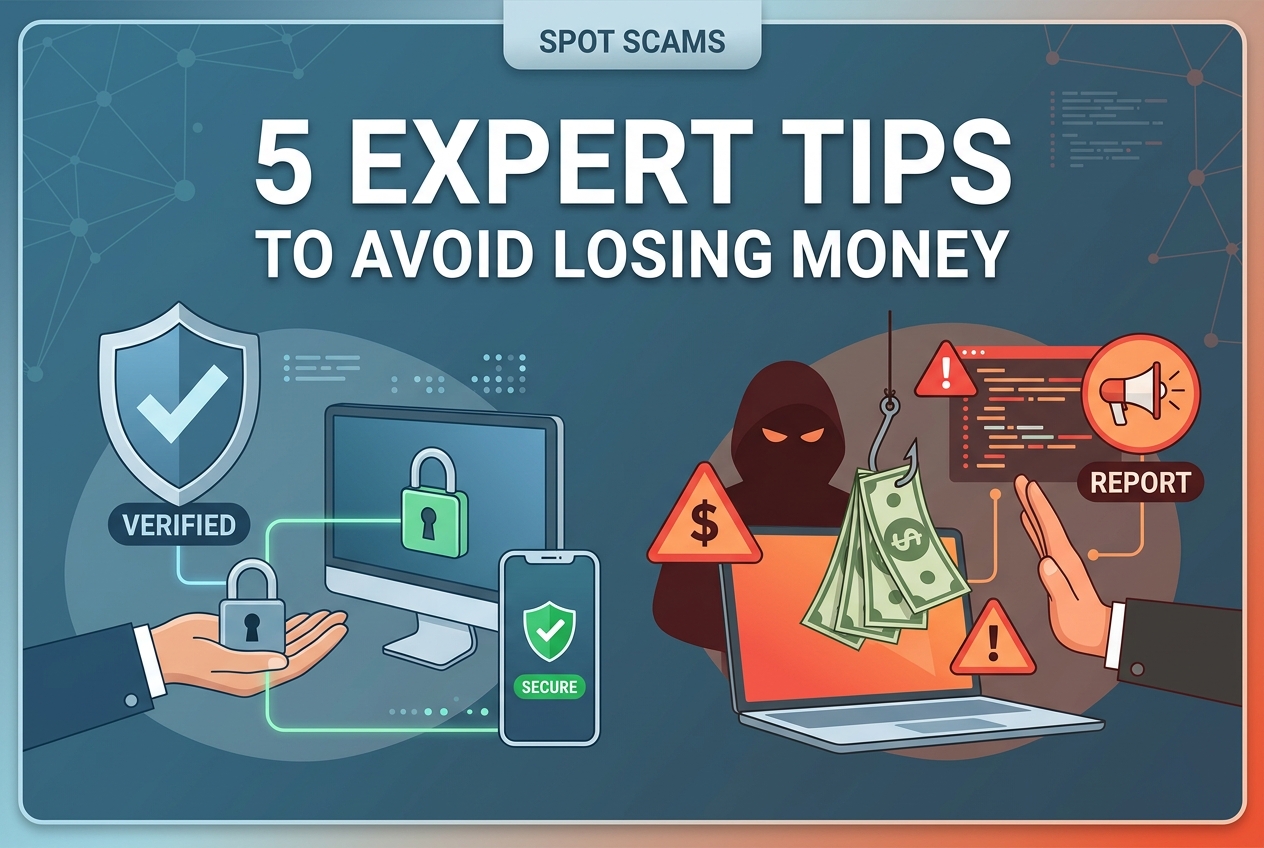
Spot Scams: Five Expert Tips to Avoid Losing Money
Experts offer different strategies to spot scams before they cost you, from securing your credentials and verifying requests to resisting pressure and reporting incidents to authorities. Some emphasize prevention through careful verification, while others focus on steps to take after exposure or the importance of sharing experiences. You will learn how to choose the best approach for your situation and protect yourself from losing money.
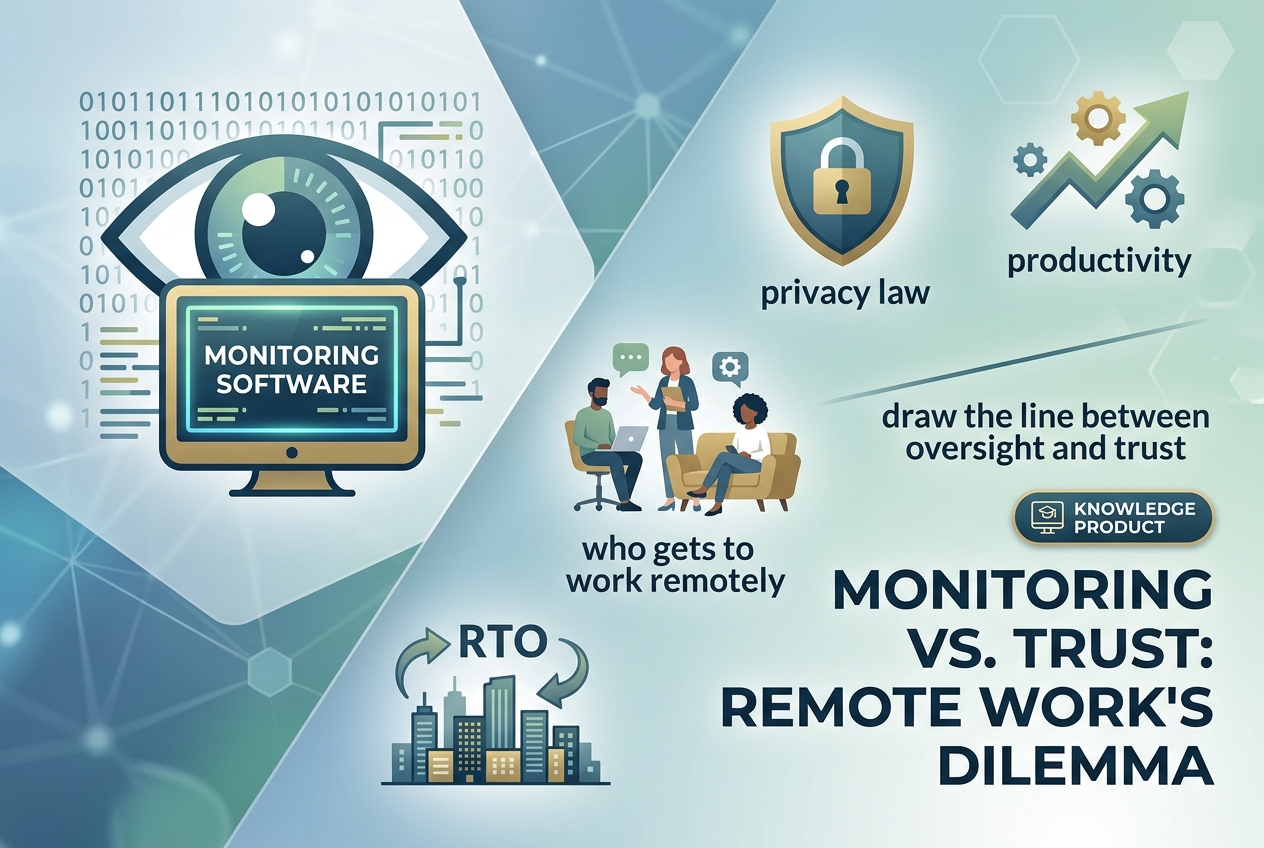
Your Boss Can Watch You Work From Home. Should They?
Monitoring software promises accountability and quietly corrodes the trust remote work runs on. The competing positions here weigh privacy law and ethics against performance tracking, ask who even gets to work remotely, and trace how policy is pushing people back into offices. Work out where your organization should draw the line between oversight and trust.

Why Rivals Can Copy Everything but Still Can't Beat You
Some businesses keep customers for decades while competitors with identical products bleed them away. The types of advantage at play, from switching costs and network effects to workflow lock-in and hard financial tests like return on invested capital, get valued very differently: what one camp calls a durable moat another calls easily copied. Judging which advantages actually hold up tells you where to build, or where to invest.
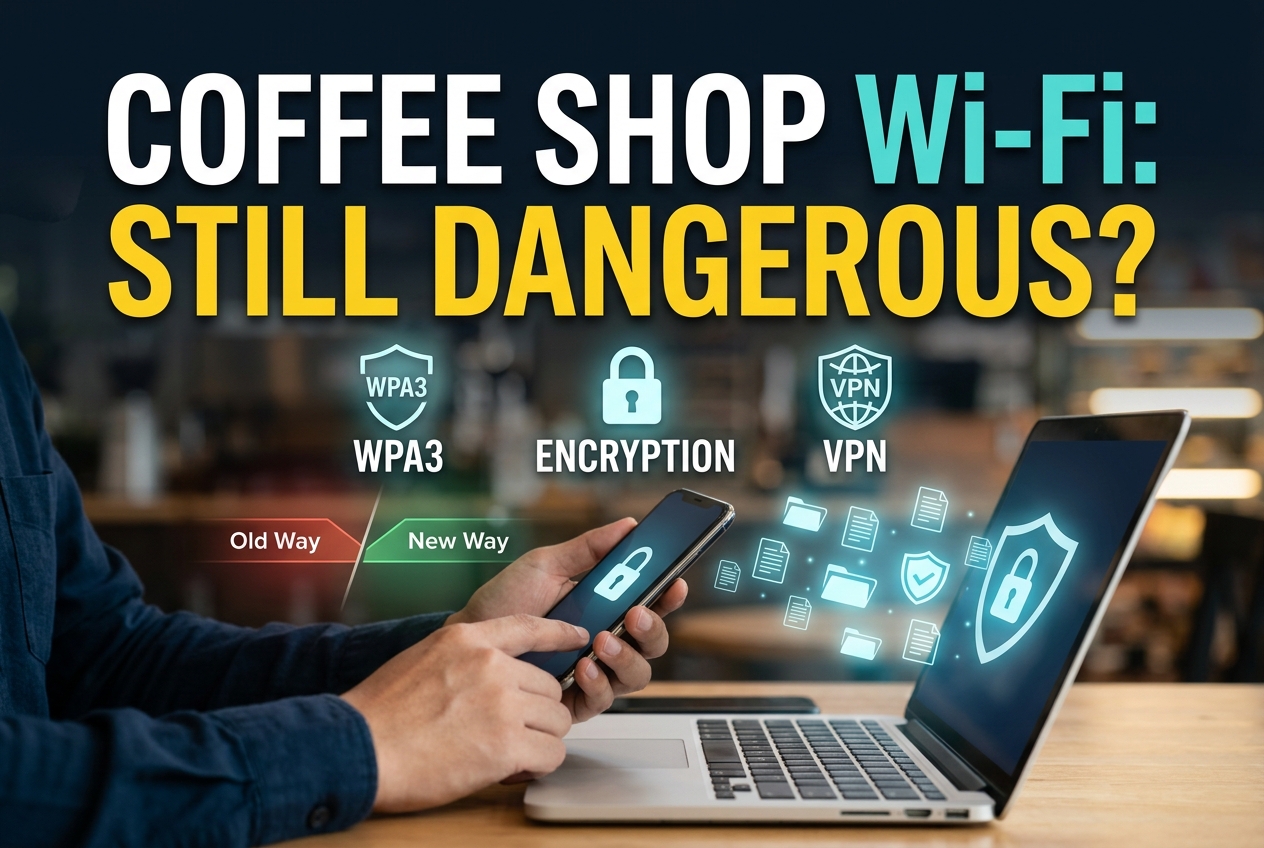
Is Coffee Shop Wi-Fi Still Dangerous?
The old warning to never bank on public Wi-Fi may be outdated. These views split on where your real protection comes from: modern network encryption, the end-to-end encryption built into the sites and apps you use, or an extra layer like a VPN. Decide how much to trust an open network and which safeguard is worth your effort.

Why Tradespeople Face Hidden Money Risks No Apprenticeship Warns You About
Getting paid as a tradesperson or contractor involves more than just work done; it’s shaped by complex laws, union dynamics, and emerging challenges like AI displacement. This topic reveals how union rules, legal classifications, mental health trends, and industrial shifts create very different financial realities depending on where and how you work. Understanding these distinct perspectives helps you spot risks and opportunities that traditional training never covers.