
Browse the Context Marketplace
Expert-level knowledge on any topic. Each capsule guides you through what matters most.
9 capsules
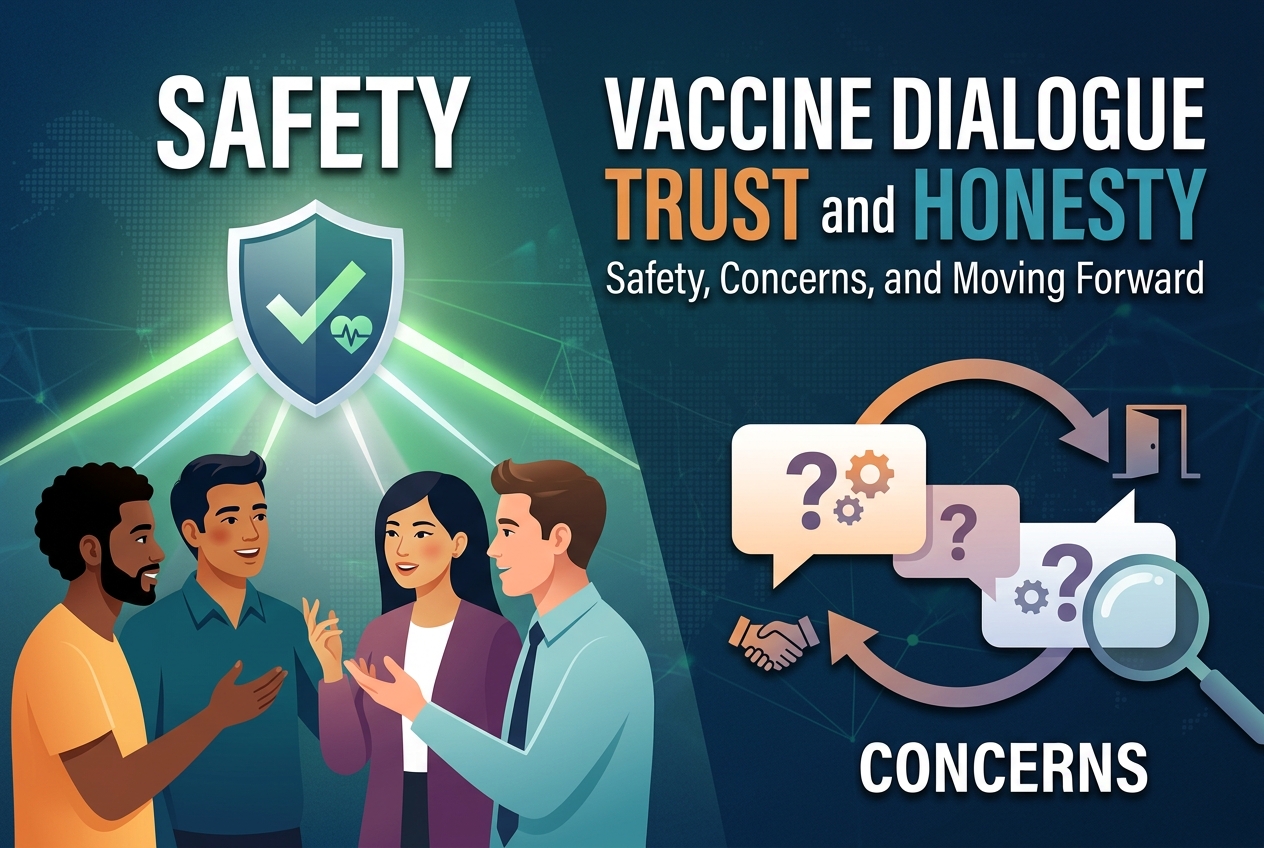
Vaccine Safety Is Real but Minority Concerns Demand Honest Dialogue
Vaccines are overwhelmingly safe and effective, backed by global safety monitoring and compensation for the rare real injuries. The harder truth is that minority communities' historical mistrust and demands for transparency deserve honest, culturally aware engagement rather than dismissal. Take this stance and you can defend vaccine benefits while genuinely addressing the concerns that fuel hesitancy.
The Fake Study That Made Millions Fear Vaccines
A single retracted study convinced a generation of parents that vaccines might cause autism, and public health is still paying for it. These claims differ on what matters most about the fraud: exposing the misconduct itself, fixing the research rules that let it slip through, or finding ways to communicate that rebuild trust instead of deepening fear. You'll come away knowing how the deception worked and what it takes to keep something like it from happening again.
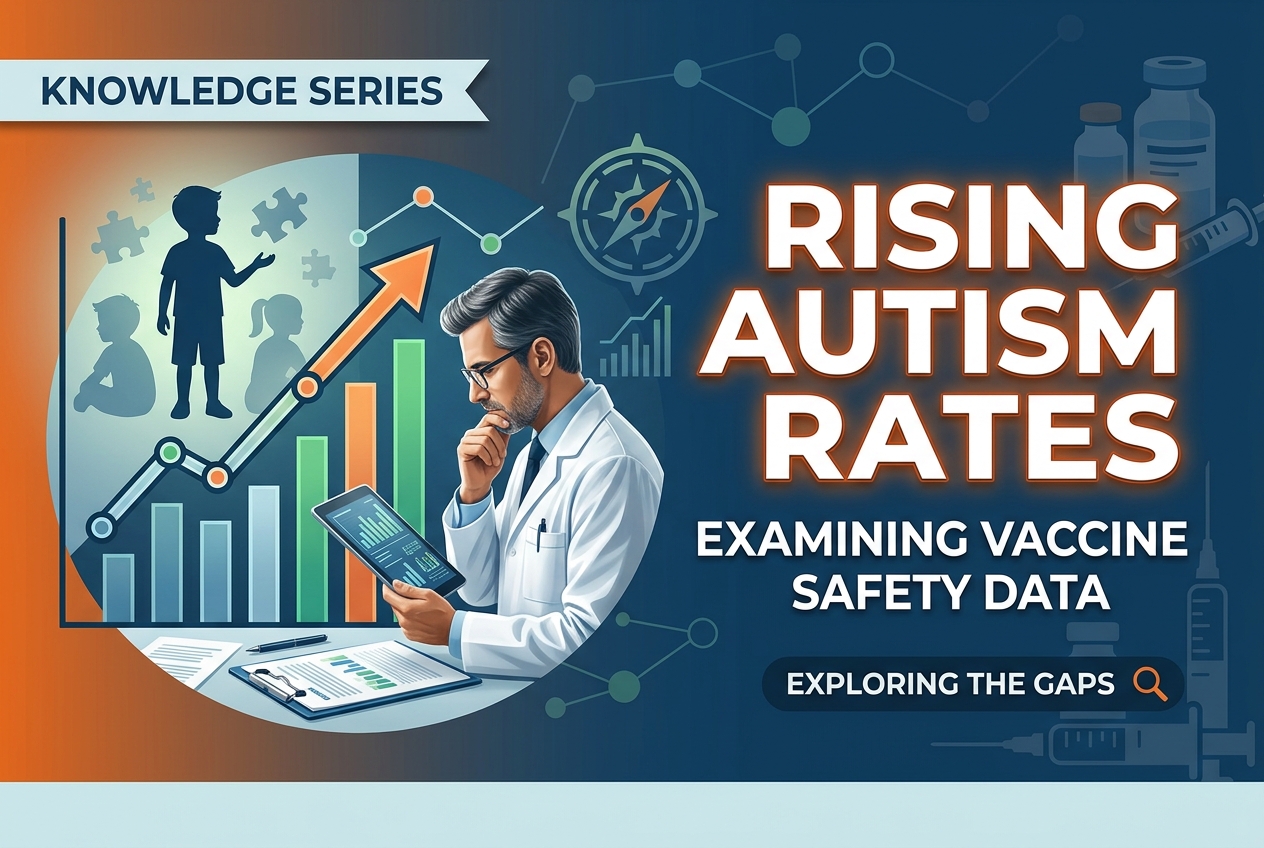
Rising Autism Rates Reveal Gaps in Vaccine Safety Assumptions
Autism and other childhood disorders have increased alongside expanding vaccine schedules, challenging the assumption that vaccines are entirely safe. Evidence and expert calls for transparency show that vaccine safety has been oversimplified, and parents deserve honest information and freedom to make informed vaccination choices. The real path forward requires open investigation and respect for individual decisions rather than dismissing concerns.
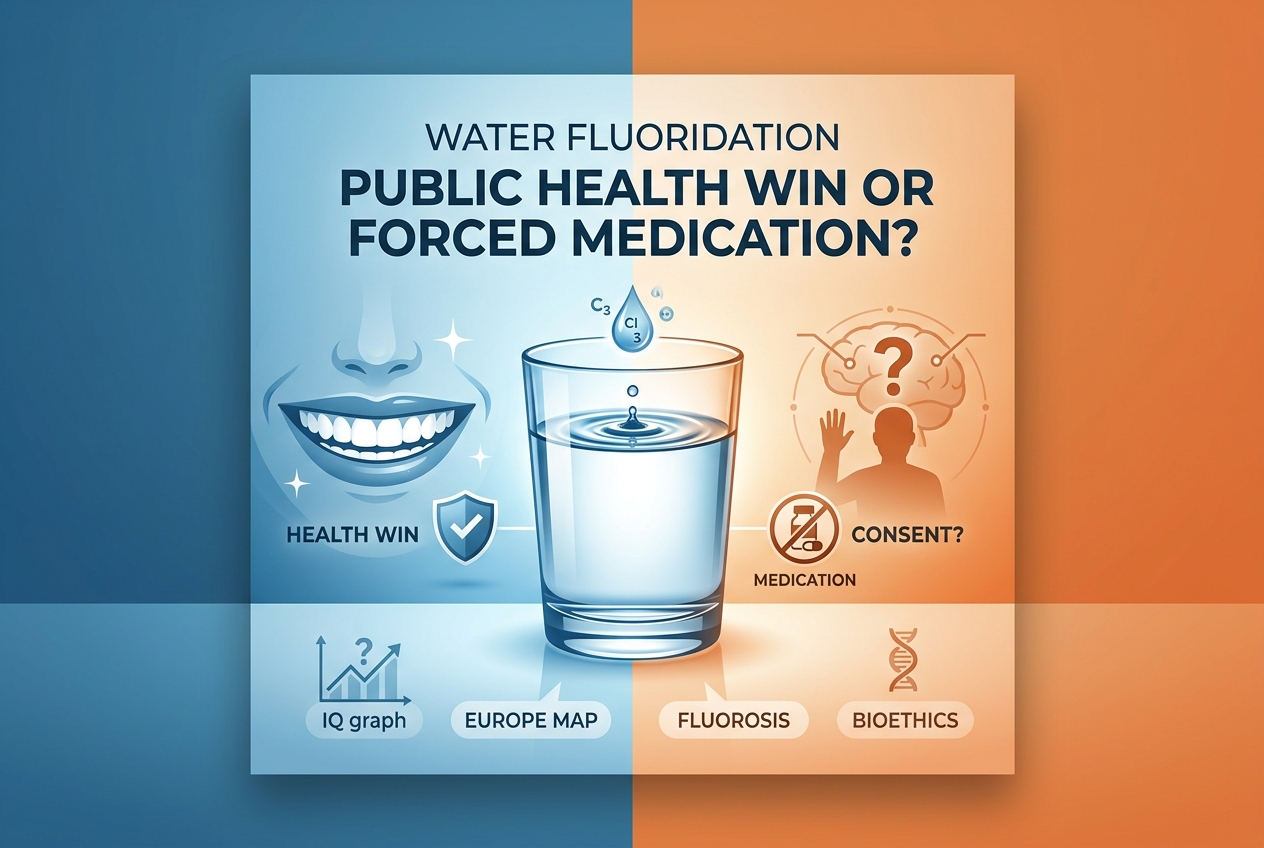
Water Fluoridation, Public Health Win or Forced Medication
Fluoride in tap water is either one of public health's great wins or mass medication without consent, depending on who you ask. These sides weigh new neurotoxicity and IQ-loss evidence, total exposure from many sources, the 0.7 mg/L level debate, and why much of Europe rejected the practice. You can weigh the science against the ethics and reach your own view.
Was the Hormone Therapy Scare Built on Misread Data?
For women weighing hormone therapy, the stakes are relief from menopause symptoms against feared risks of breast cancer and heart disease. The views split over whether the original risk data was exaggerated, how much the timing of treatment matters, and whether low-dose vaginal estrogen is safer than its warnings suggest. Sort the evidence from the alarm and decide with your doctor what fits your health.
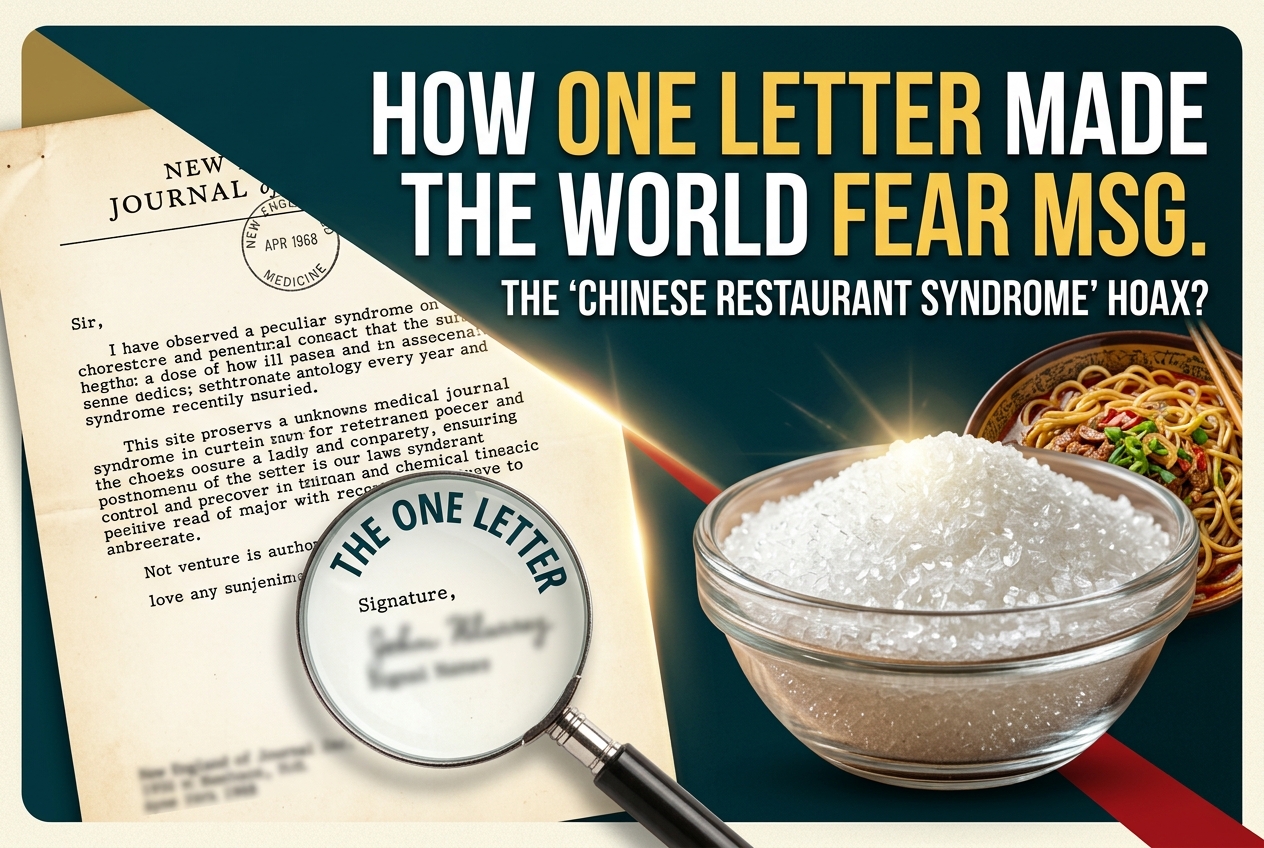
How One Letter Made the World Fear MSG
A single 1968 letter to a medical journal helped launch fifty years of fear about MSG. The views clash over whether the panic was a baseless mistake, a product of anti-Asian bias, or a warning about real health risks that science has yet to close. Trace how the scare spread and decide for yourself what belongs in your food.
The Case That GMOs Are Safe Is Stronger Than You Think
You've heard GMOs are safe, but how solid that consensus is depends on who you ask. These views range from trusting the authorities and testing behind the agreement, to comparing it to the climate consensus, to questioning whether current safety assessments go far enough. Explore them to land on your own read of the risks and rules.
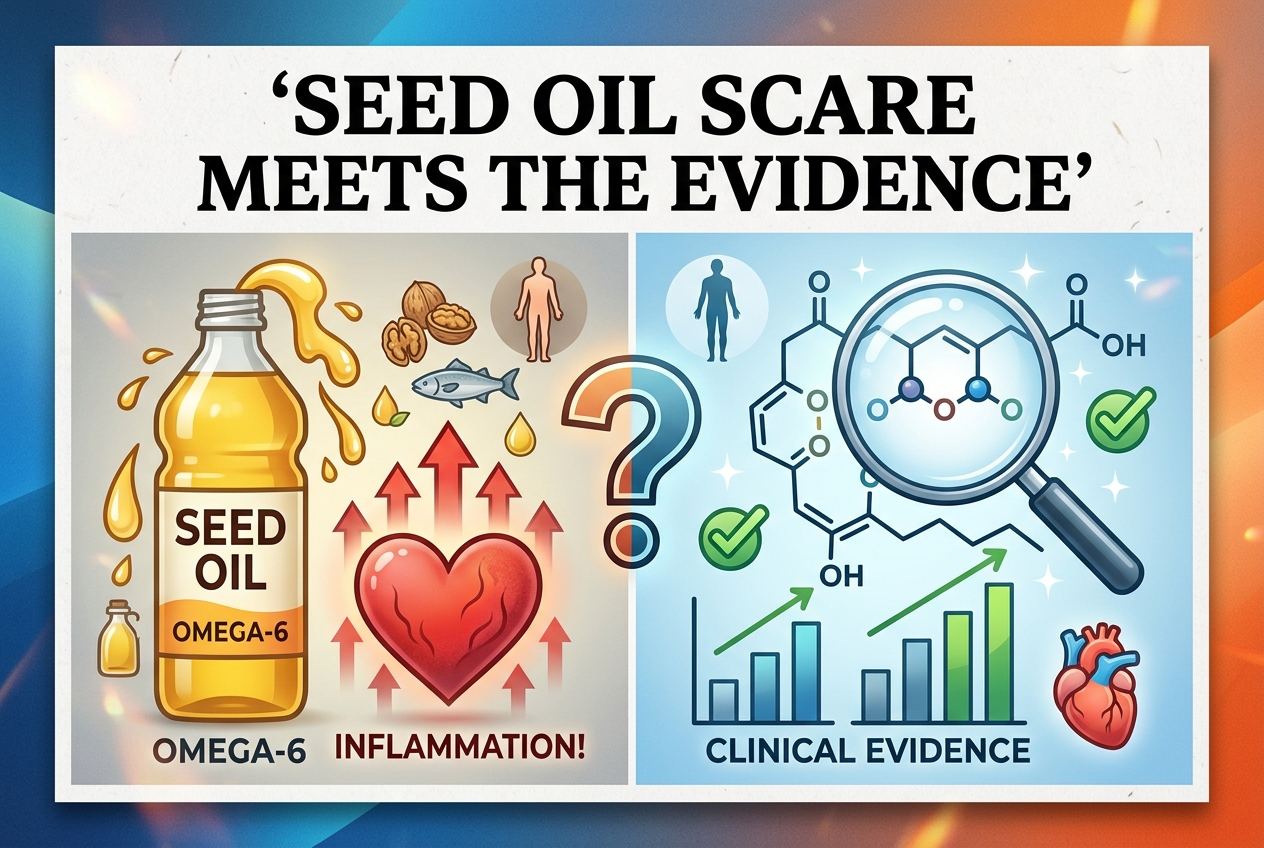
The Seed Oil Scare Meets the Evidence
Seed oils have become the internet's favorite dietary villain, blamed for driving inflammation through an unbalanced omega-6 load. Against that alarm stands evidence that questions the fear, and the two camps read the same science very differently. Hear both out before you clear your pantry or dismiss the worry.
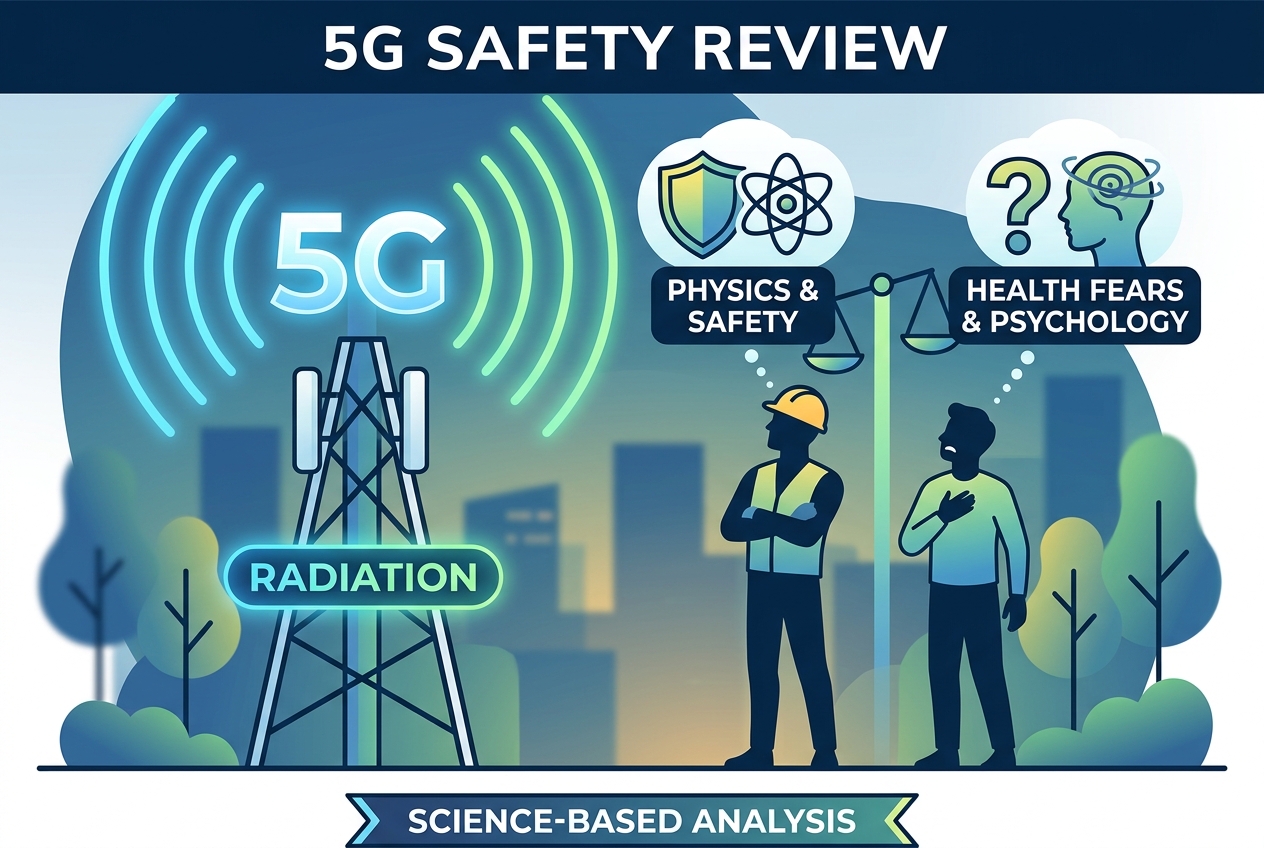
Should Anyone Actually Worry About 5G Towers?
5G towers went up alongside a wave of health fears, and the responses to those fears don't line up. Some arguments hold that basic physics rules out harm, one traces the anxiety to psychology rather than radiation, and another still counsels precaution despite thin evidence. Weighing them settles how much attention the worry deserves.