
The Essential Tools for Persuasive and Impactful Communication
Sobre esta cápsula
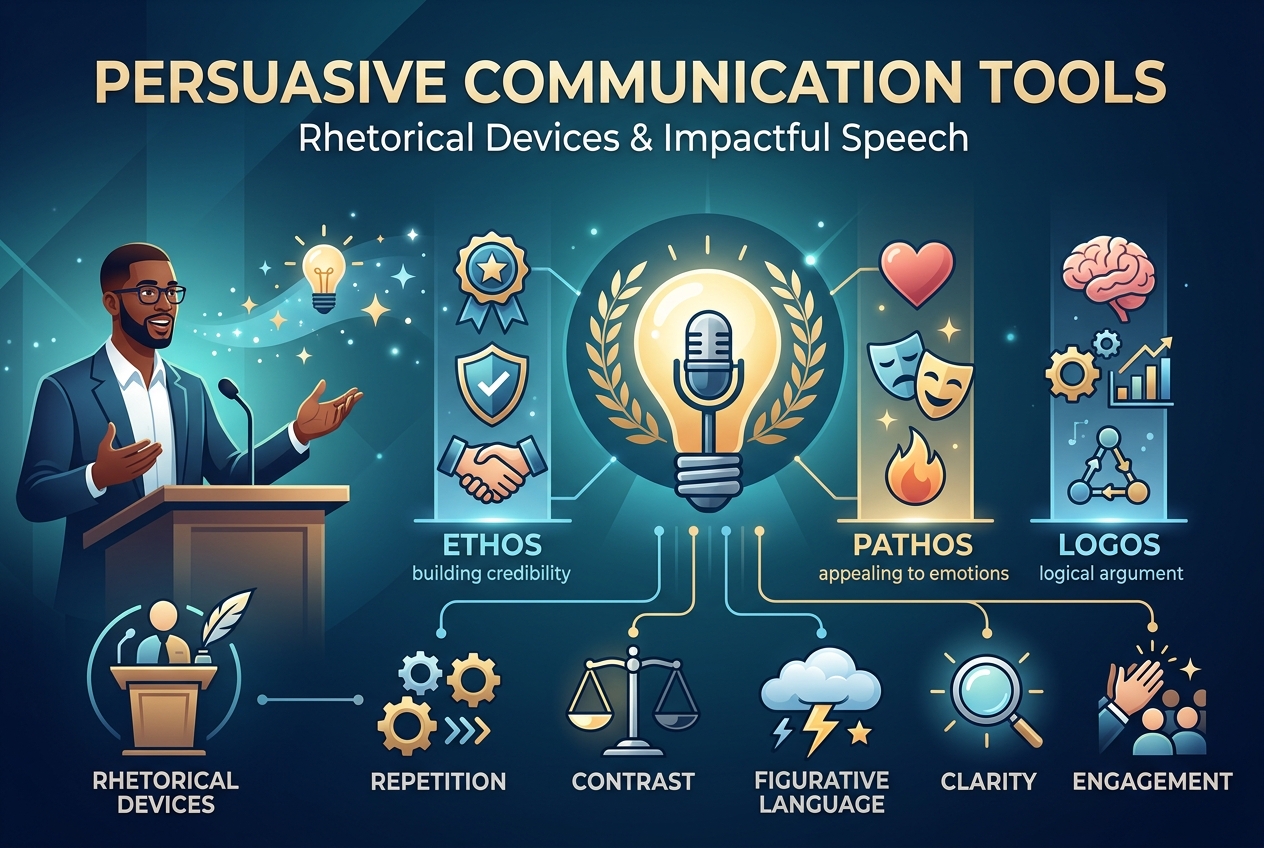
Rhetorical devices are powerful techniques that enhance how we express ideas and influence audiences. This collection presents a wide range of methods—from building credibility and appealing to emotions to using repetition, contrast, and figurative language—that help speakers and writers craft compelling arguments and memorable messages. Learn how to apply these tools effectively to engage listeners, clarify points, and enrich your communication.
Cubierto en esta cápsula
Four essential rhetorical device types
Topgolf's customer information angle.
IP camera security advisory against Russian espionage
Celebrity wedding rumor and rehearsal analysis
IA genérica vs esta cápsula
Vista previa“What are rhetorical devices and how are they used in communication?”
IA genérica
“Rhetorical devices are techniques that speakers and writers use to make communication more effective, persuasive, memorable, or emotionally powerful. They help shape how an audience understands and responds to a message.
They are used in speeches, essays, advertising, politics, literature, everyday conversation, and social media.
Common rhetorical devices
-
Metaphor: Compares two things directly.
“Time is a thief.”
Used to make an idea vivid or easier to understand. -
Simile: Compares using “like” or “as.”
“Her voice was like music.”
Used to create imagery. -
Repetition: Repeats words or phrases for emphasis.
“We will fight. We will endure. We will win.”
Used to make a point memorable. -
Rhetorical question: A question asked for effect rather than an answer.
“Who doesn’t want a better future?”
Used to guide the audience to...”
Esta cápsula
“Rhetorical devices are deliberate linguistic or structural techniques used to shape how an audience interprets, feels, remembers, and judges a message. The best ones do not decorate weak ideas; they sharpen strong ones. Use them sparingly, match them to the audience and occasion, and make sure they clarify rather than obscure the point.
They work through four main channels:
-
Credibility — ethos
You make the speaker seem trustworthy, competent, fair, and aligned with shared values.
Example: “As a nurse who has treated hundreds of patients, I’ve seen what delayed care costs families.”
Use ethos when the audience needs a reason to believe the messenger. -
Emotion — pathos
You stir feeling: empathy, urgency, anger, hope, pride, fear. But the emotional appeal must stay tied to evidence, or it becomes manipulation.
Example: “Think of the children who will...”
The Essential Tools for Persuasive and Impactful Communication
Gratis
Inicia sesión para comprarCapxuleHub Psychology
Ver perfil
Relacionadas en Psicología

¿Qué ayuda realmente cuando ocurre una crisis emocional?
En medio de una rabieta o crisis emocional, la mayoría de los consejos parecen inútiles. Estos enfoques difieren en dónde intervenir: cambiar el entorno para prevenir episodios, medir el comportamiento cuidadosamente para detectar desencadenantes, o apoyarse en rutinas prácticas de calma para toda la familia. Compararlos te ayuda a elegir una respuesta que se adapte a tu hijo y mantenga a todos más estables.
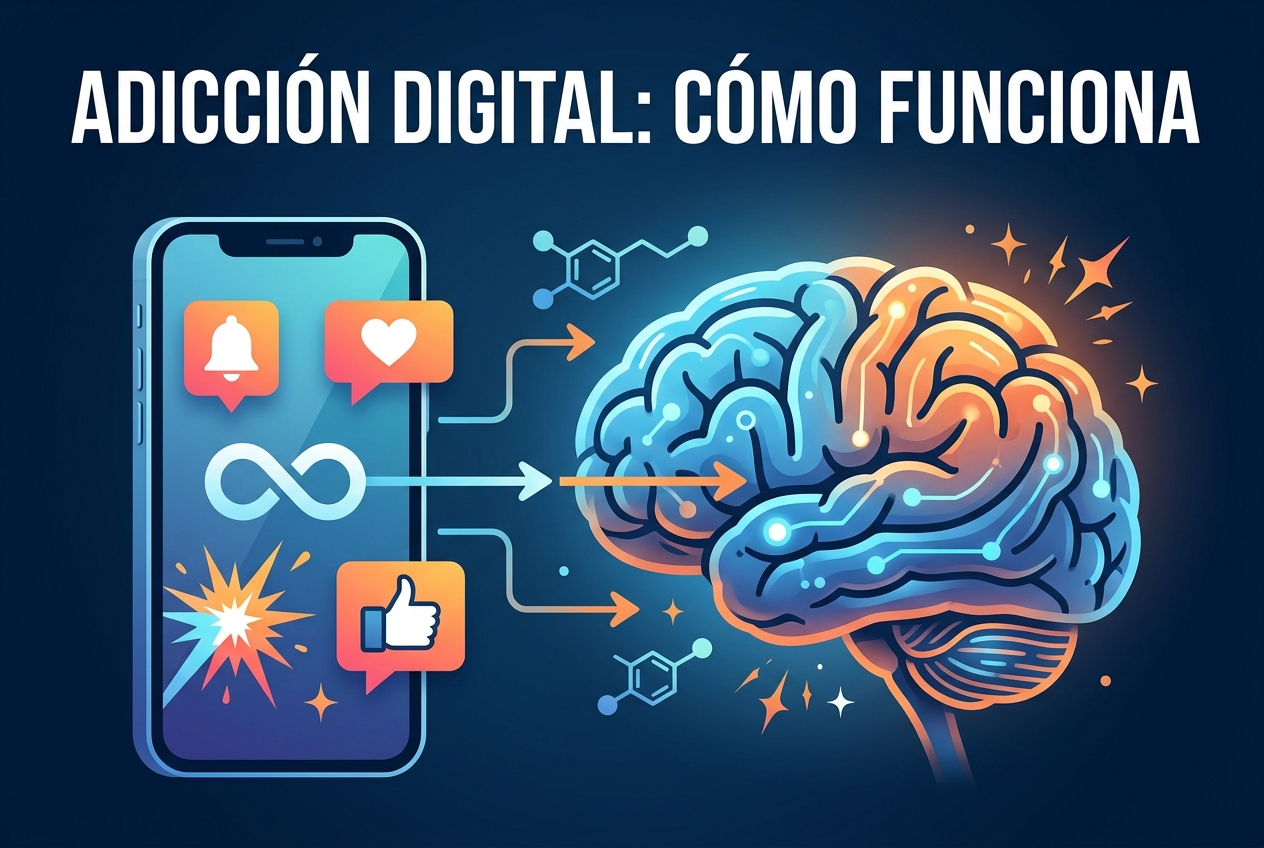
Trucos de las Redes Sociales que Engañan a Tu Cerebro para Mantenerte Enganchado y Distraído
Los feeds interminables están diseñados alrededor de recompensas impredecibles que secuestran el sistema de dopamina de tu cerebro, por eso la fuerza de voluntad rara vez rompe el hábito por sí sola. Reconocer los trucos específicos de diseño y comenzar con un período de abstinencia total es lo que realmente afloja su control. Tu capacidad de atención reducida es un resultado del diseño, no una falla personal.

¿Cuándo cruza el juego la línea hacia un trastorno real?
Muchas personas se preocupan de que su juego sea un problema, pero el umbral clínico es mucho más alto que una semana ocupada. Esta visión sostiene que un trastorno por juego implica control deteriorado, que el juego desplaza todo lo demás y que continúa a pesar de un daño real durante al menos doce meses. Usar ese estándar más estricto separa los patrones genuinamente dañinos del entusiasmo normal.

No Puedes Cambiar a Padres Emocionalmente Inmaduros Pero Puedes Salvarte a Ti Mismo
Crecer con padres emocionalmente inmaduros a menudo significa aceptar que nunca satisfarán tus necesidades infantiles ni cambiarán de manera significativa. La sanación proviene de bajar las expectativas, establecer límites firmes y reeducarte a ti mismo en lugar de esperar una transformación parental. Al enfocarte en tu propia recuperación y autonomía emocional, puedes liberarte de la decepción y recuperar el control sobre tu vida y relaciones.