CapxuleHub Education
par CapxuleHub Education · Inscrit le juin 2026
Capsules

What Gaming Actually Does to Your Kid's Brain
Parents hear both that games breed aggression and that they build sharp minds, and the research genuinely points both ways. The views split over how much violent games drive behavior, which cognitive gains are real, and how far parents should go in co-playing and setting limits. What emerges is a practical middle path: engaged parents, balanced screen time, and plenty of unstructured outdoor play.
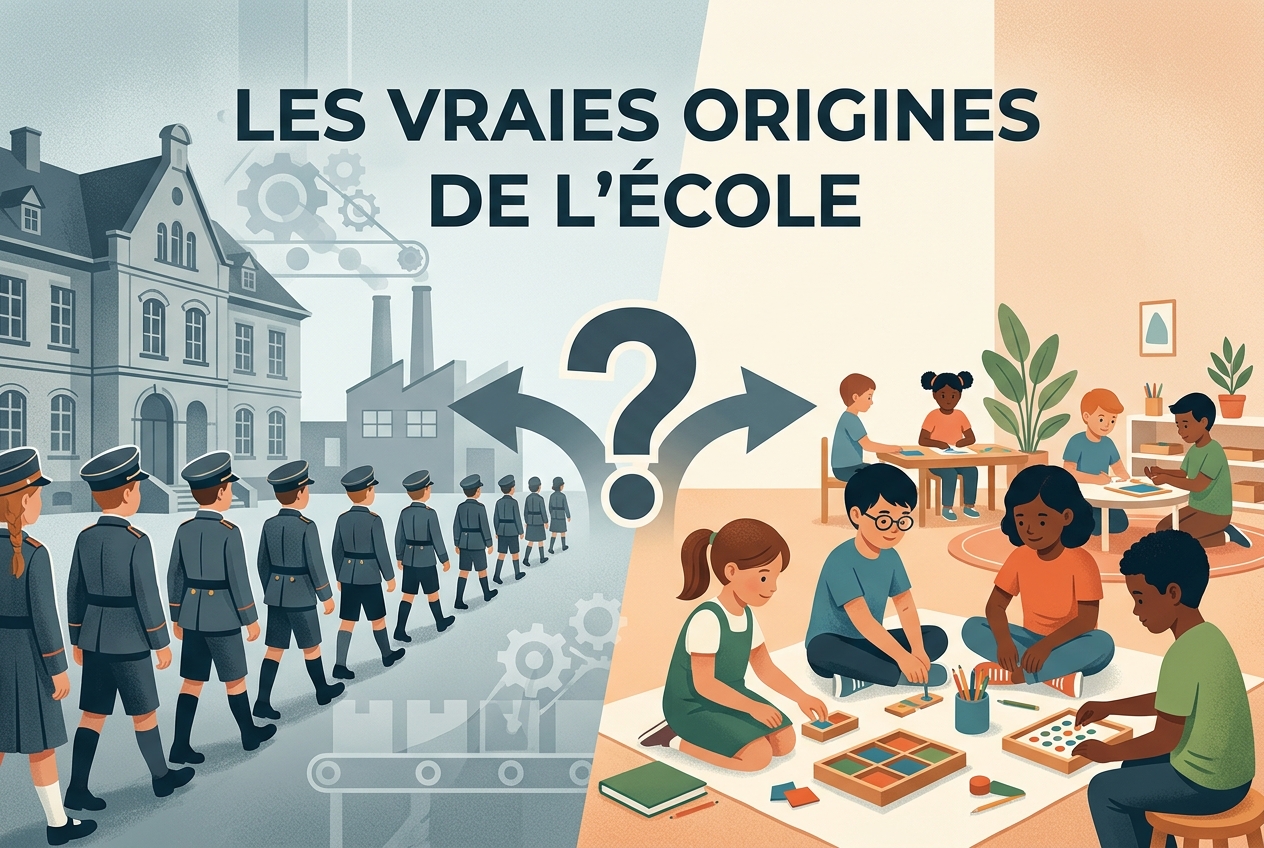
Where Compulsory School Really Came From
Everyone went through school, few ask why it exists in this shape. These arguments trace compulsory education back to the Prussian obedience model and its American champions, then clash over the factory-schooling critique, the Montessori alternative, and whether reformers or critics read the history right. Weigh the record and reach your own view of what school is for.
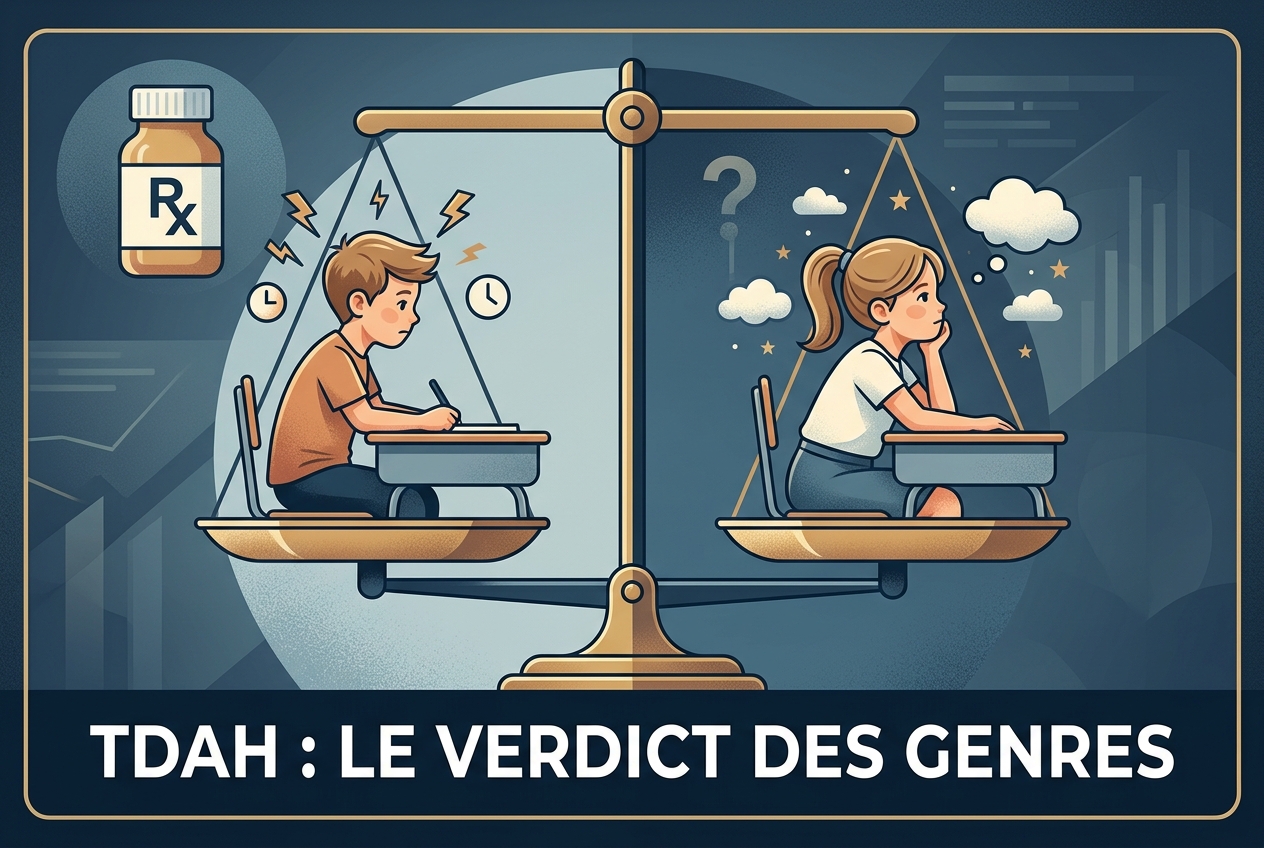
ADHD Medicates the Boys and Misses the Girls
The same disorder gets flagged in restless boys and overlooked in daydreaming girls, and both errors carry costs. These views split on where the system fails: gender bias in clinical practice, the youngest kids in class being misread as disordered, and hard questions about whether long-term medication delivers what the landmark studies promised. Weigh the overdiagnosis and underdiagnosis cases and reach your own verdict.
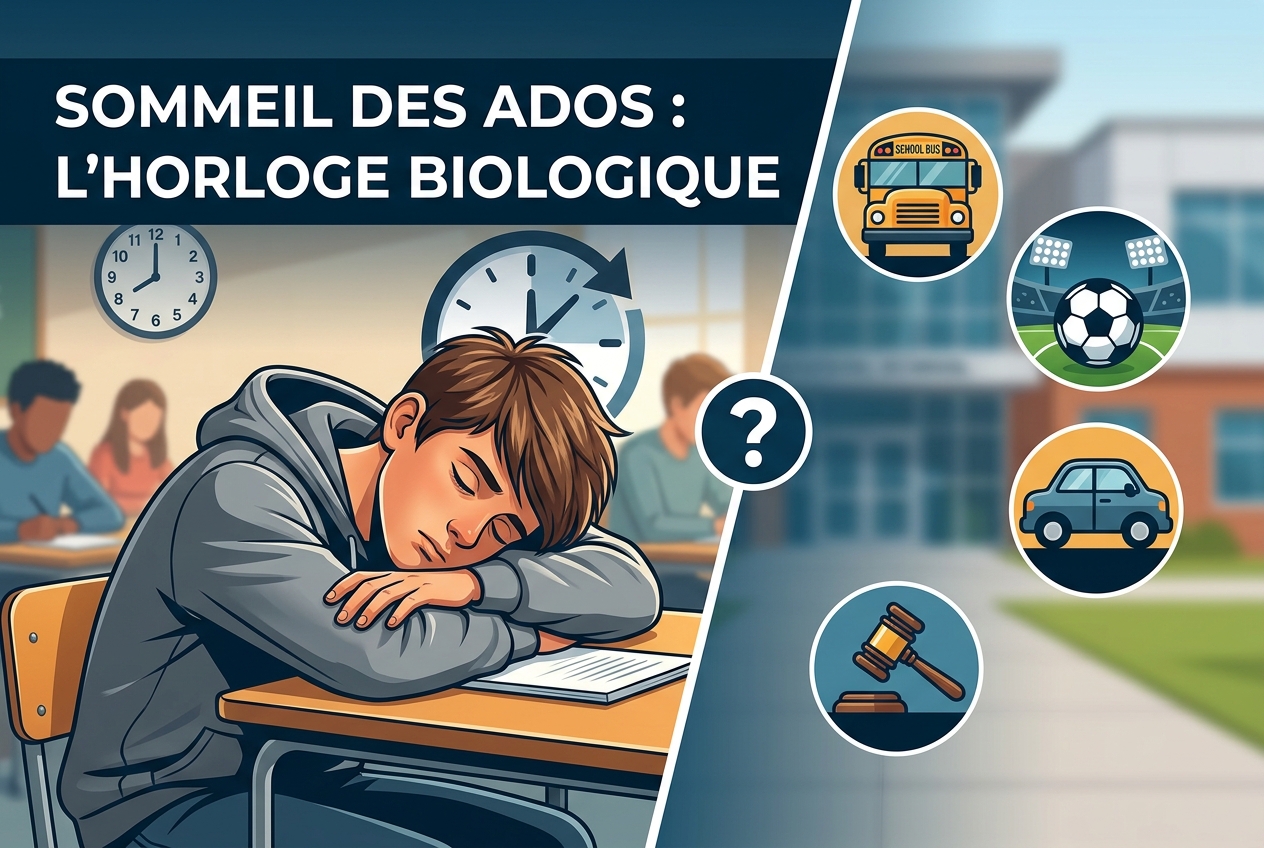
Teens Are Falling Asleep in First Period for a Reason
Teen body clocks genuinely shift later, and the science says early bells cost students sleep and learning. But the arguments here collide over whether biology should outrank bus routes, sports schedules, parent logistics, and vague laws with no exemptions. Where you land decides what you push for in your own district.
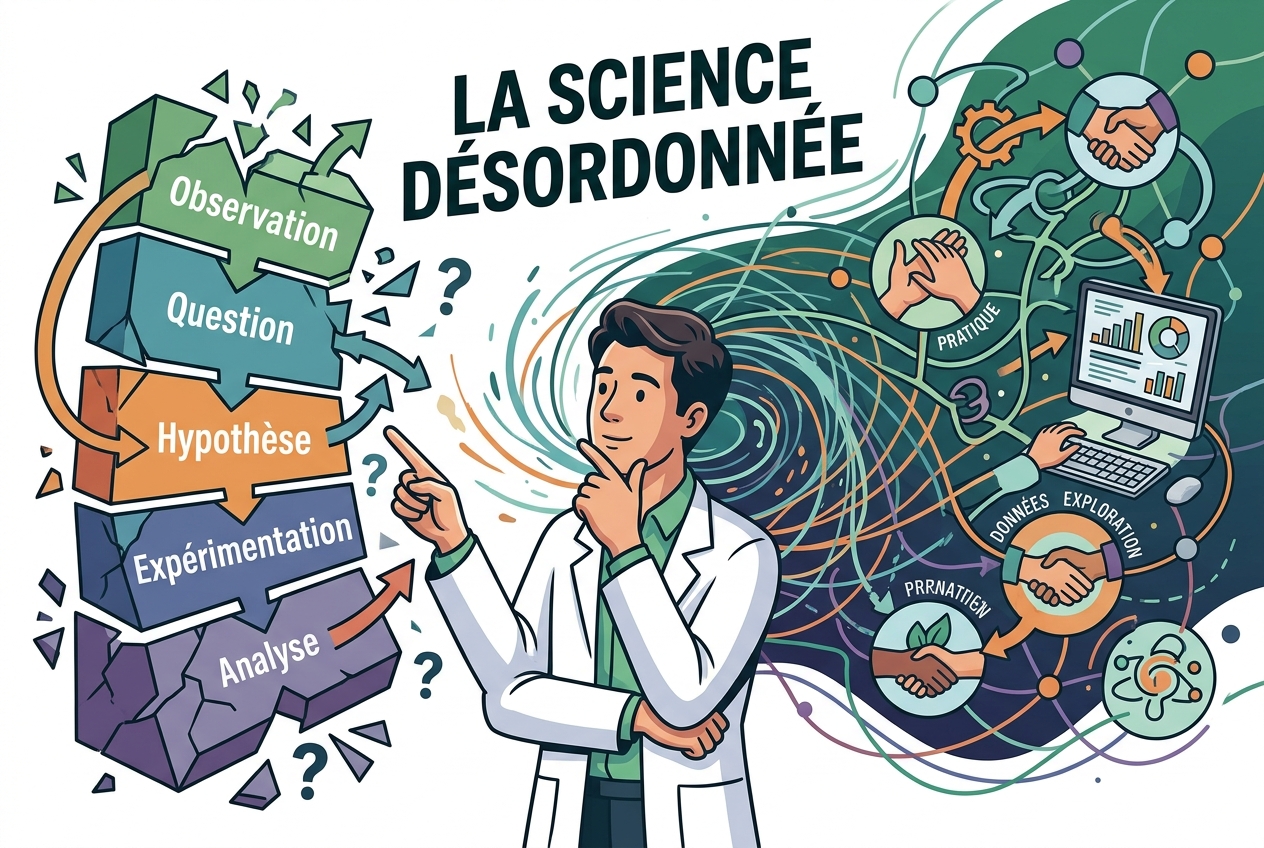
The Scientific Method You Memorized Is a Myth
That tidy step-by-step scientific method from school may never have described real research. These views clash over whether science is best taught through hands-on questions, whether its messiness is the point, and whether the textbook method is a historical invention papering over a standardized, data-driven reality. Decide how you think science actually works and how it should be learned.

Spotting the Trick in an Argument Before It Works on You
Bad arguments win every day, not because people are careless but because the tricks are hard to see mid-conversation. These techniques disagree on whether to label faulty reasoning by strict rules or read it in context, and whether arguing is really about pure logic at all or about social persuasion. Learn to catch the move and choose how to answer it.

Numbers Alone Don't Prove Truth Without Careful Context
Statistics feel like proof, which is exactly why flawed arguments and propaganda lean on them. Against the habit of taking numbers and expert endorsements at face value, the case here is to interrogate context, assumptions, and reasoning before believing any figure. Read data that way and manipulation becomes far easier to spot.
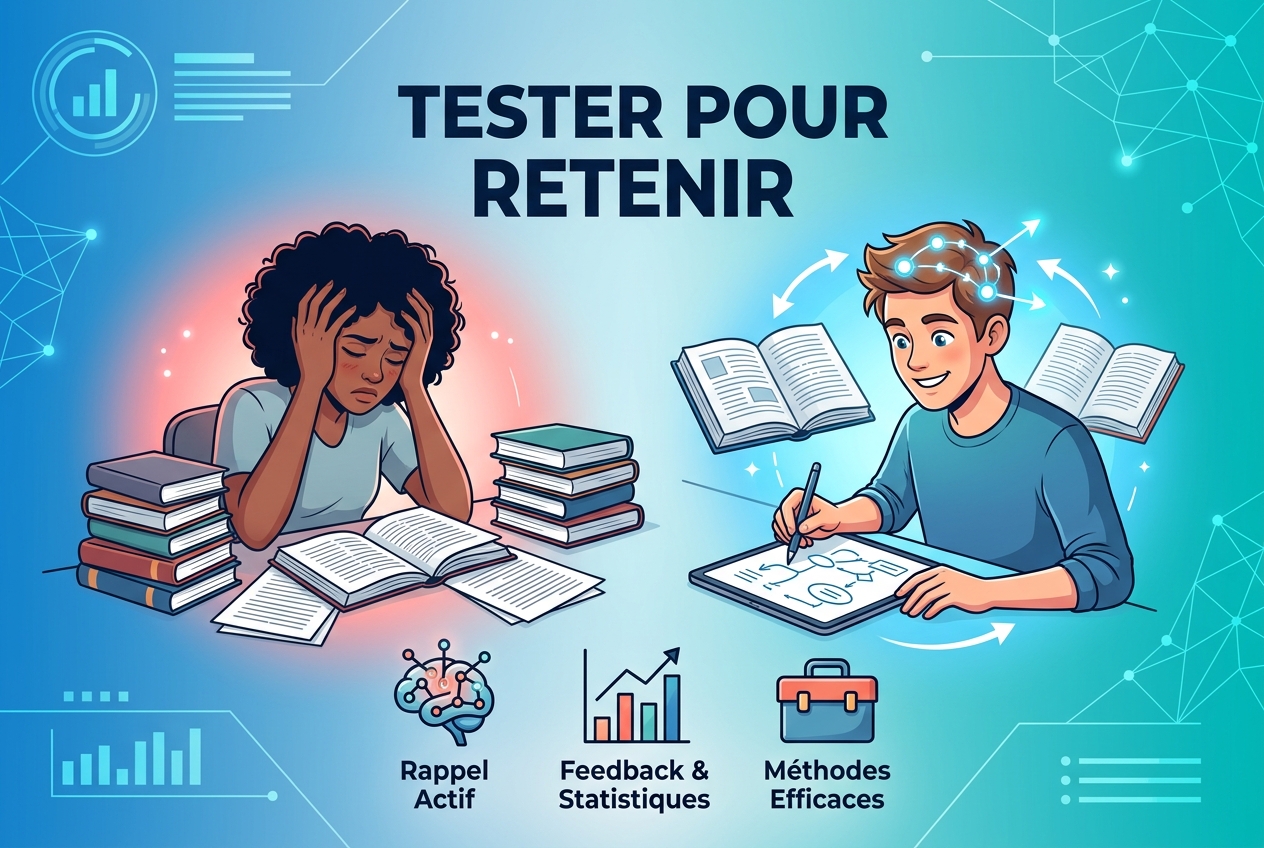
Why Quizzing Yourself Beats Reading It Again
Rereading notes feels productive, but testing yourself locks learning in far more effectively. These findings cover the memory boost from active recall and feedback, the study designs and statistics used to measure it, and debates over how widely the effect holds across learners and material. You can decide how to study for what actually sticks.

The SAT and ACT May Measure Money as Much as Merit
Whether standardized tests reward real ability or just mirror the money and schooling a student had shapes who gets into college. These views span tests as a symptom of deeper inequality, test-optional policies as a diversity fix, the legal fallout after the Court banned race-conscious admissions, and the messy trade-offs of dropping the tests at all. Explore them to form your own read on fairness.
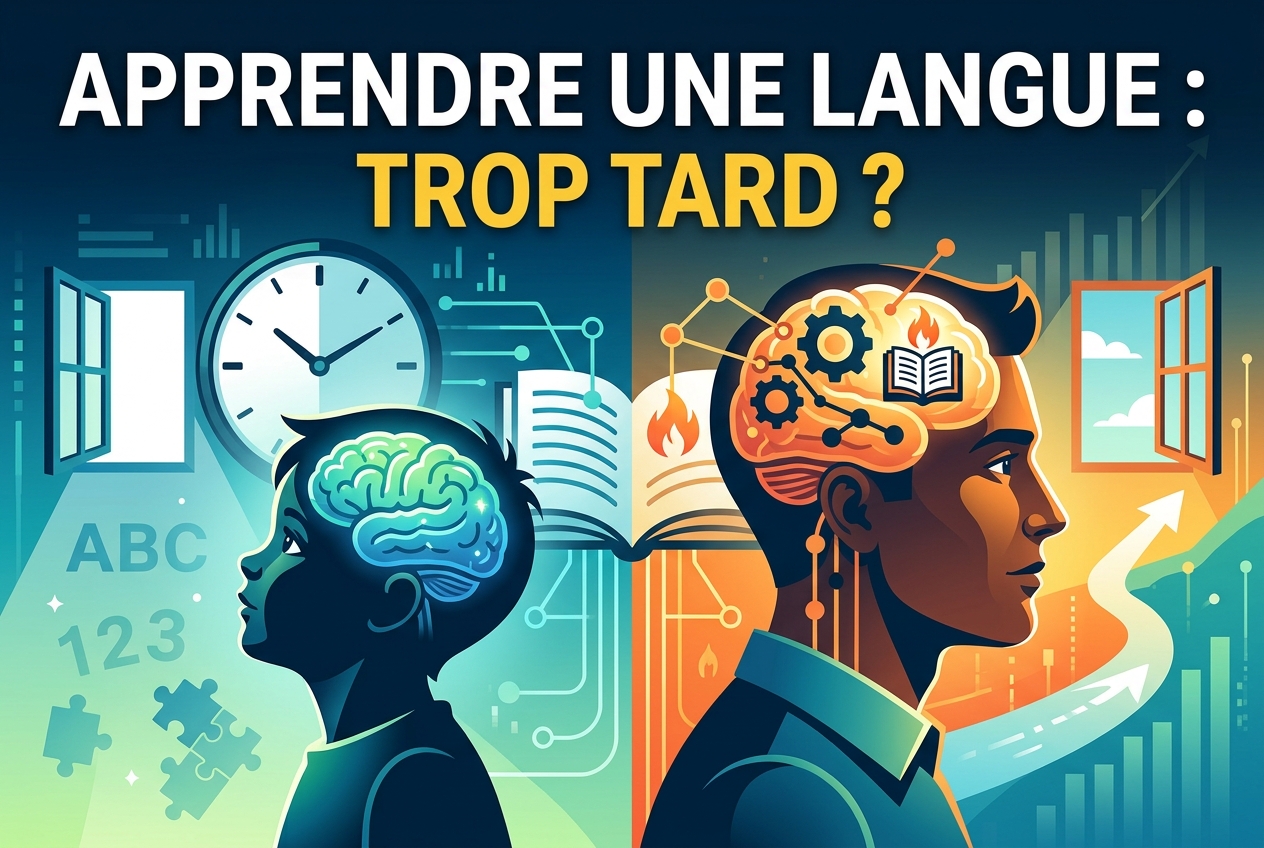
Is It Really Too Late to Learn a Language?
If you missed learning a language as a child, the big question is whether that window has truly closed. The views split between a strict early-life period for mastering sounds and grammar and evidence that adult brains stay flexible enough with the right strategies. See what the brain research actually shows and what it means for teaching kids and adults.

Which Spanish Should You Actually Learn?
The Spanish of Mexico City and the Spanish of Madrid diverge in pronouns, verb forms, vocabulary, and customs, and learners have to pick a lane. These options split on what matters most: mastering regional grammar like ustedes and voseo, prioritizing communication over accent perfection, adapting to local business culture, or refusing to sweat the dialect debate at all. Your goals, whether travel, business, or broad fluency, decide which path pays off.
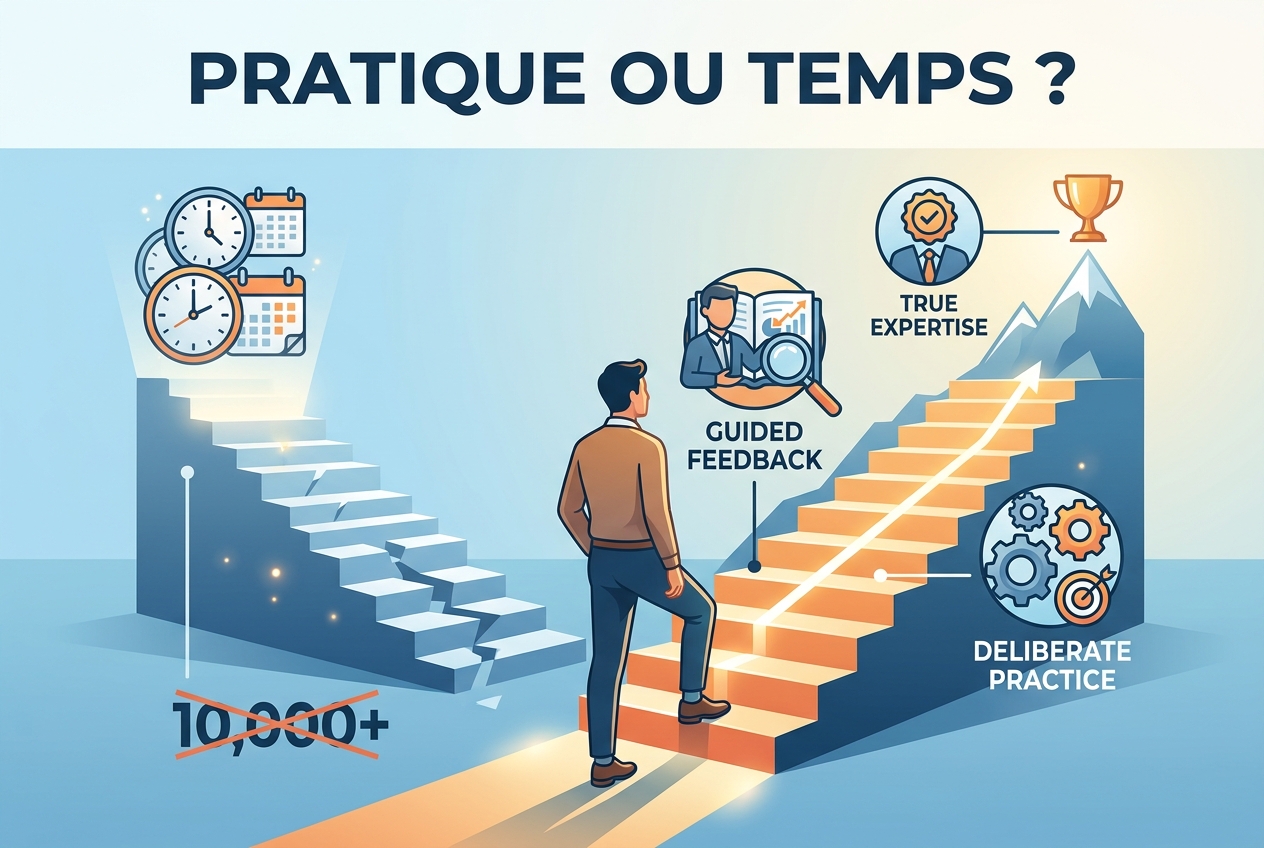
Why Just Putting in Hours Won't Make You an Expert
Logging thousands of hours does not automatically make you great at something. These arguments split between deliberate, feedback-driven practice, the warning that raw hour counts mislead, and the case that the quality and conditions of practice matter more than time. You can decide how to build real skill instead of just clocking time.
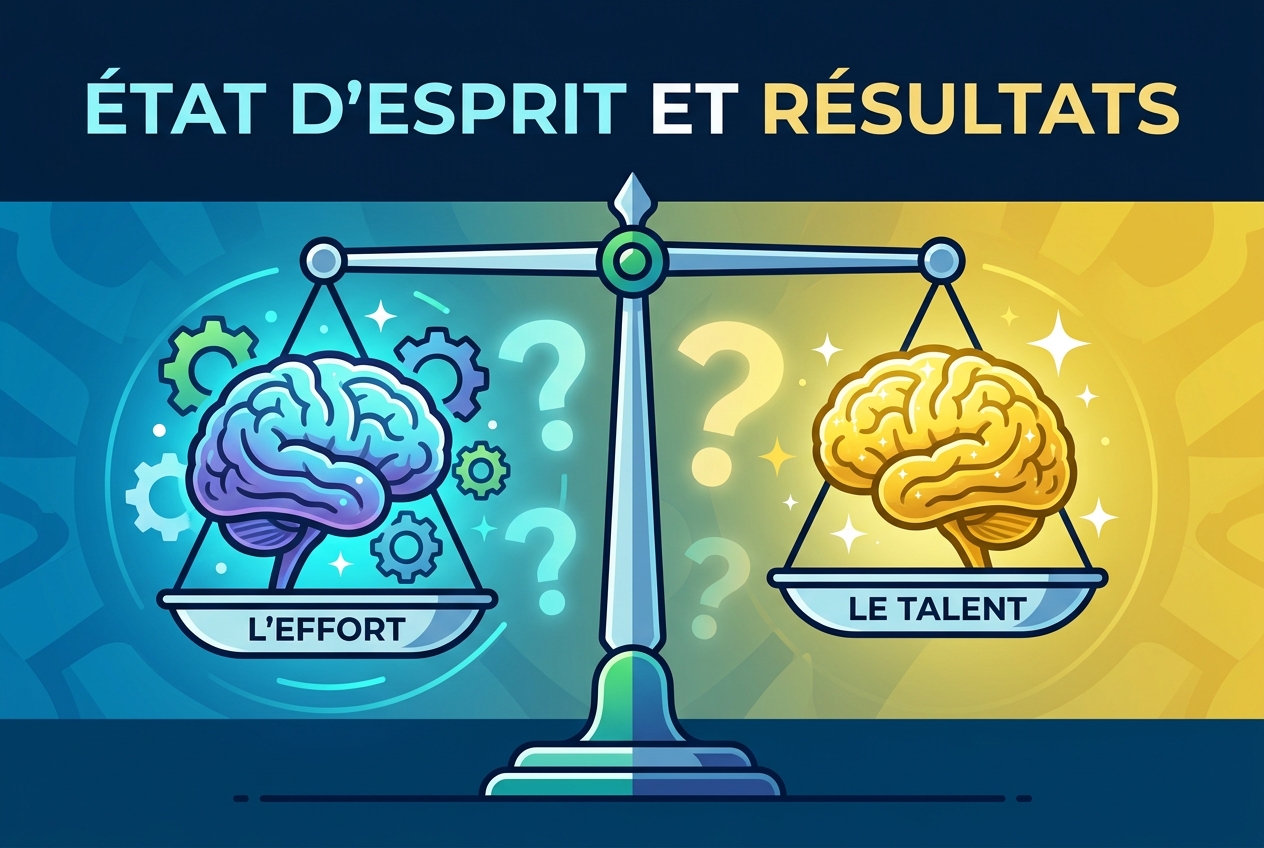
Does a Growth Mindset Actually Help Students
Telling students that effort beats talent became a classroom staple, but the results are contested. These views split between evidence that mindset programs genuinely lift grades and course choices and critiques pointing to weak studies, publication bias, and thin real-world impact. You can decide how much faith to put in mindset teaching.

Does Moving Abroad Really Beat the Classroom for Languages?
Immersion gets the glory, yet classroom learners often out-read and out-write those who moved abroad. These methods split on whether immersion's speaking fluency, the classroom's structured foundation, or a deliberate blend of both wins for your goals. Knowing what each is genuinely good at saves years of misdirected effort.

Does Homework Actually Help Young Kids Learn?
Parents enforce nightly worksheets on faith, but for elementary-age kids the evidence of benefit is thin. The views range from research suggesting homework barely works at that age to arguments that it can earn its place with the right support, including AI tools, plus disagreement over which sources on the question deserve trust. What you conclude shapes how you handle the homework battle at your own kitchen table.
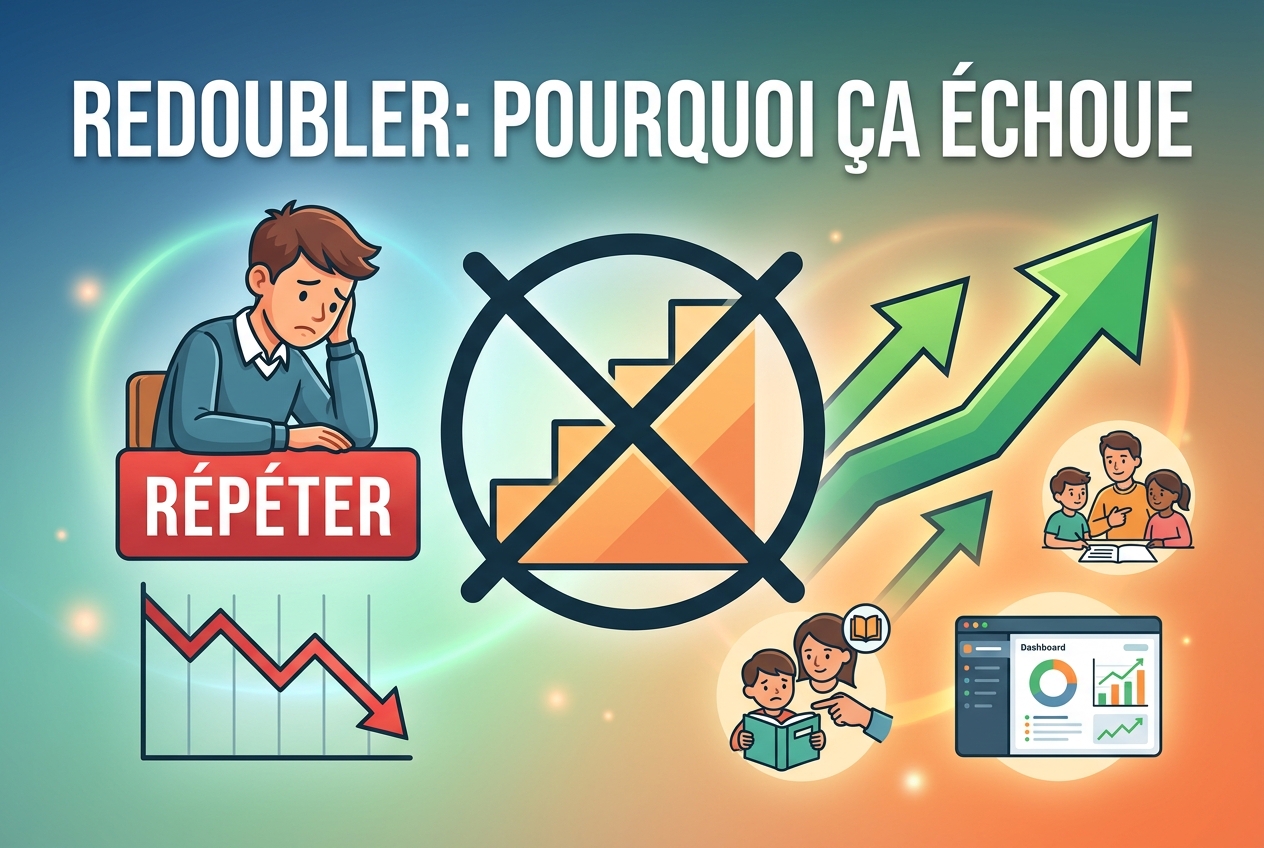
Holding a Child Back a Grade Rarely Fixes Anything
Repeating a grade feels like a second chance, but the evidence says it often makes things worse. These interventions offer what works instead: early literacy help, tutoring, and progress monitoring that catches struggles before retention is on the table. They differ on timing and method, and together they explain why strict hold-back policies backfire.
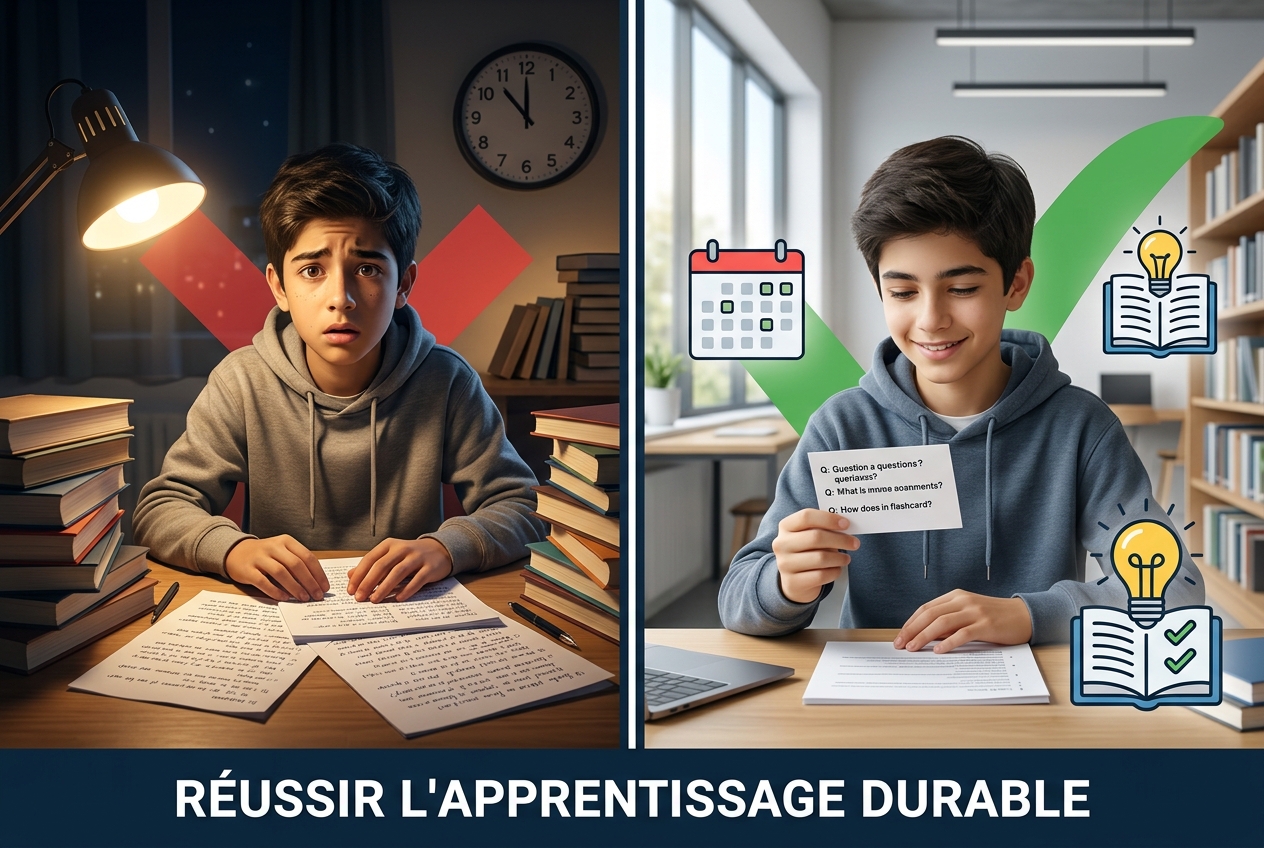
Cramming Feels Productive. Spreading It Out Actually Works
Much of what schools and parents assume about learning, including learning styles, doesn't survive testing. These strategies center on what does: spacing practice over time, recalling material instead of rereading it, and lesson designs backed by experiments. Comparing them shows where to put effort so kids actually remember what they learn.
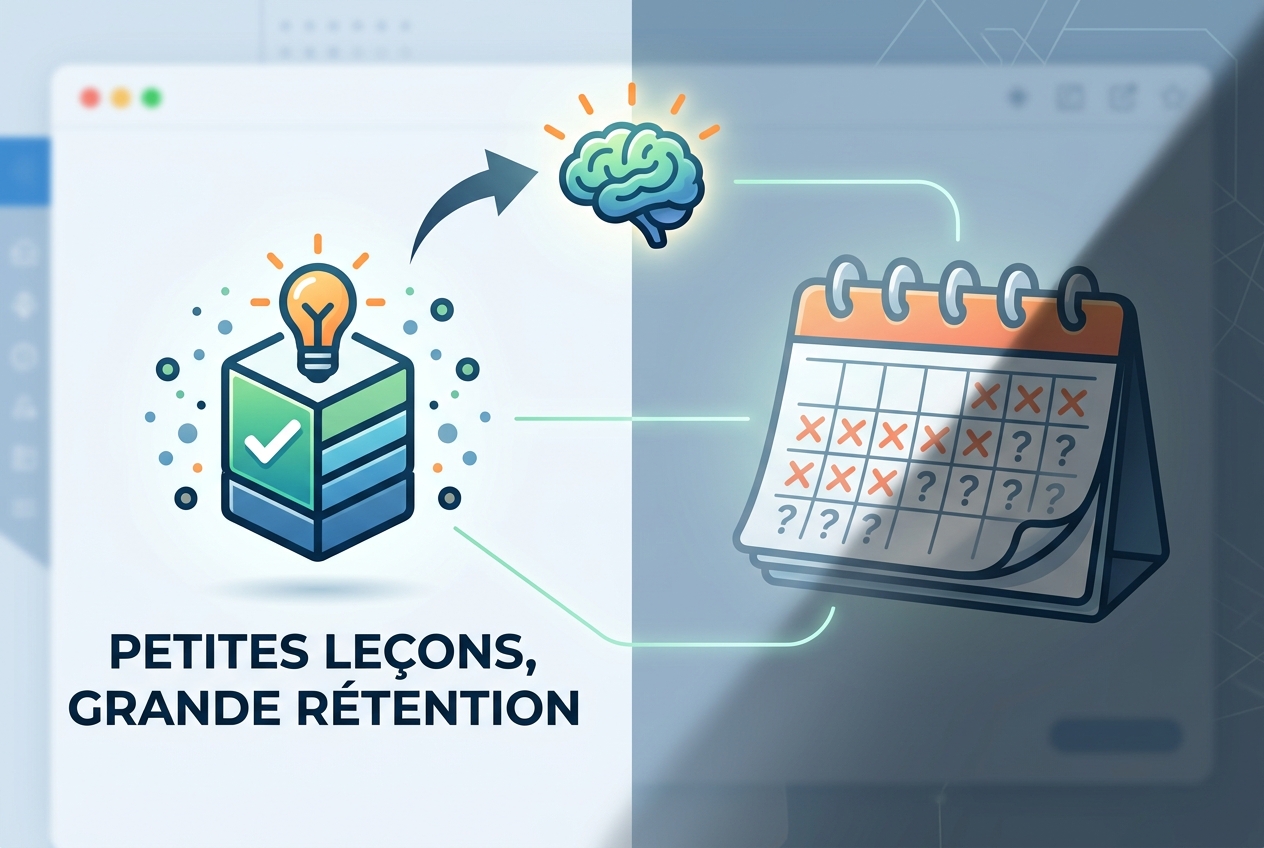
Short, Focused Learning Beats Traditional Courses for Remembering More
Day-long training sessions feel thorough and are mostly forgotten within a week. The case here is that short, focused lessons fit how memory actually works, preventing overload while lifting engagement and recall compared with traditional courses. If retention is the goal, break the training into small pieces and let repetition do the rest.

Why Buying an Online Course Doesn’t Mean You’ll Finish It
Many learners purchase online courses but fail to complete them due to distinct barriers that go beyond mere access. These include technical challenges like unreliable internet and device issues, motivational and behavioral factors affecting self-discipline, and course design elements that influence engagement and perceived value. Understanding these different barriers helps identify where interventions should focus—whether on improving technology access, addressing behavioral hurdles, or redesigning course features—to turn course purchases into meaningful completions.
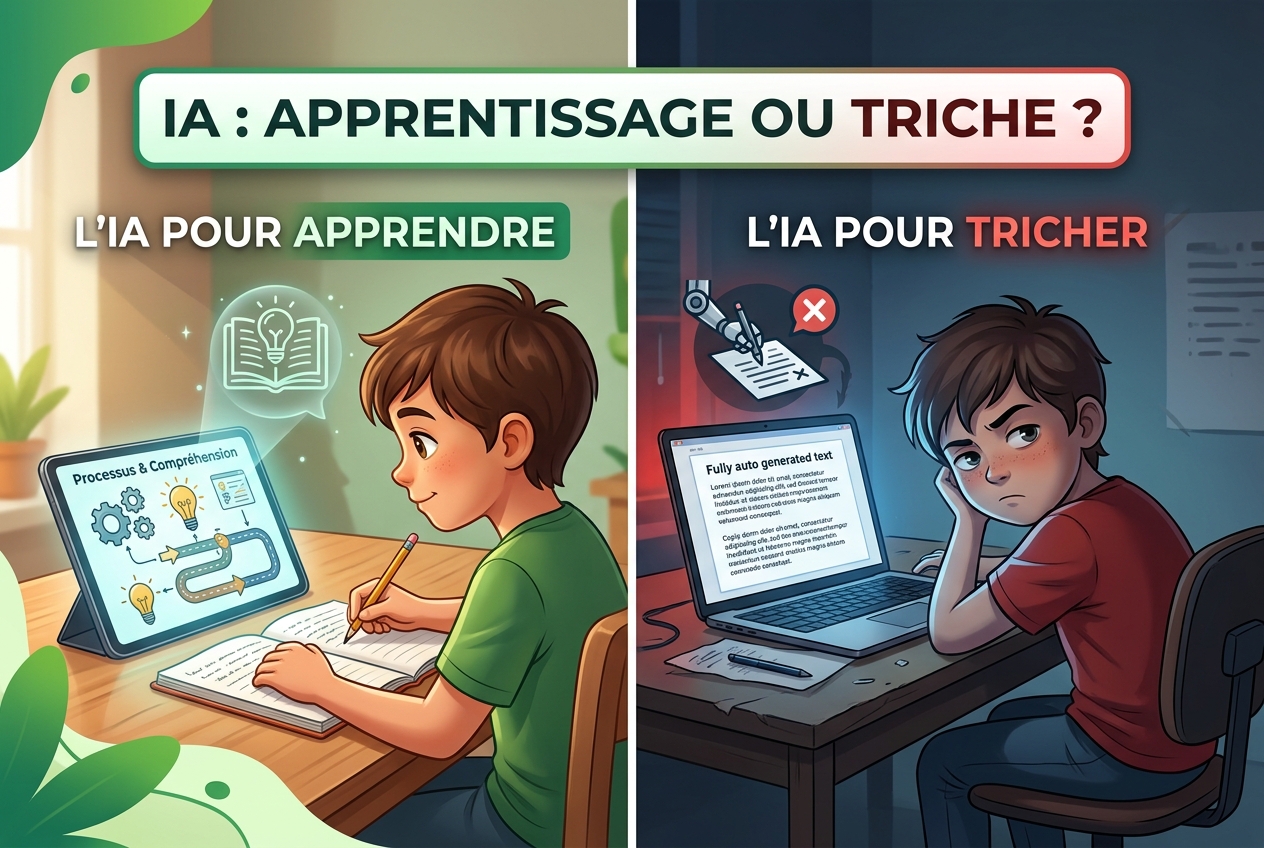
When Is AI Helping Your Kid Learn and When Is It Cheating
Using AI in schoolwork can either support genuine learning or cross into cheating depending on how it’s used. Different guidelines emphasize clear rules about acceptable AI roles, such as brainstorming or proofreading, versus replacing core thinking or writing. They also highlight the importance of parents and teachers focusing on the student’s process and understanding rather than just the final product, since AI detectors are unreliable and should not be the sole basis for punishment.
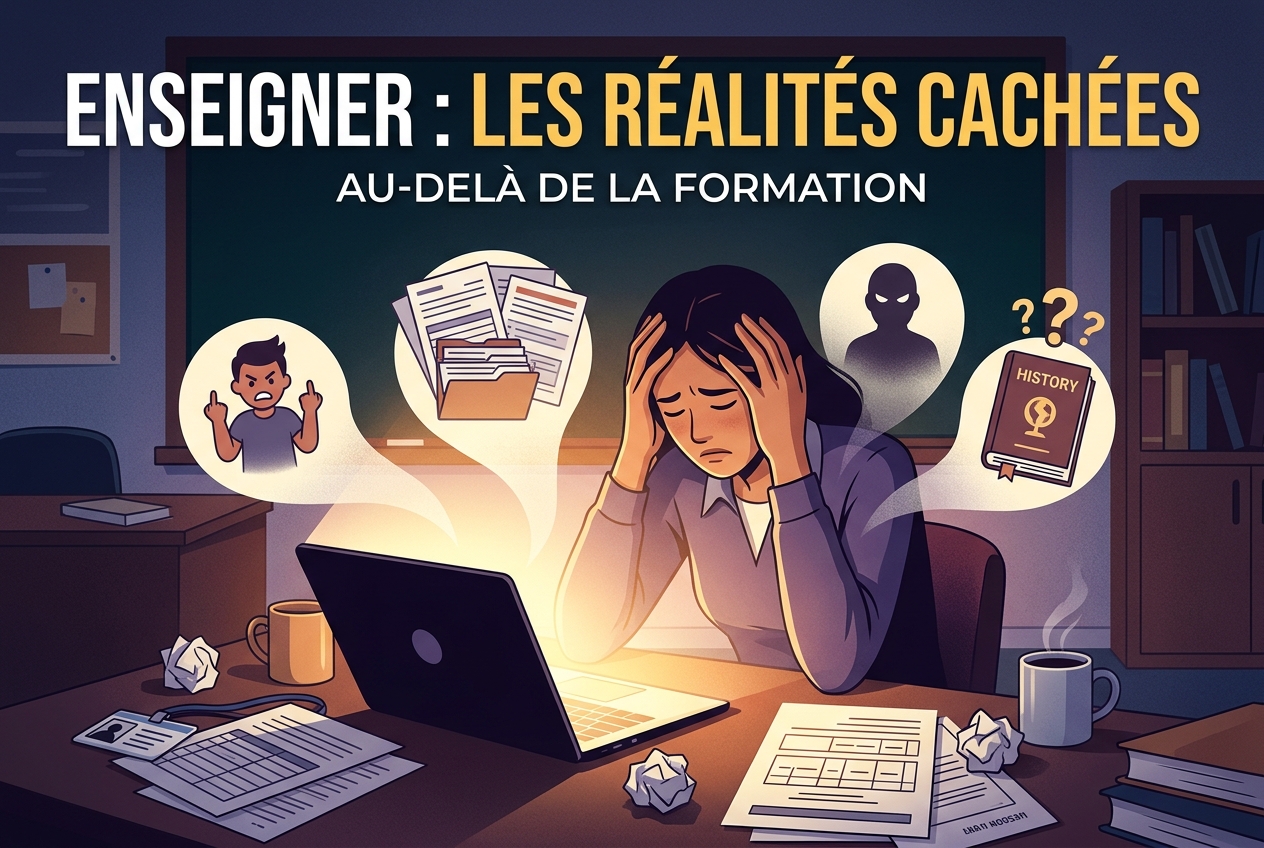
What New Teachers Face That No Training Warns Them About
The first year of teaching brings hidden traps beyond lesson plans, including unexpected safety threats and overwhelming administrative burdens. New teachers must navigate challenges from managing student behavior and personal safety to confronting uncomfortable truths about history and school politics. Understanding these distinct challenges helps teachers prepare for realities that formal training often overlooks.
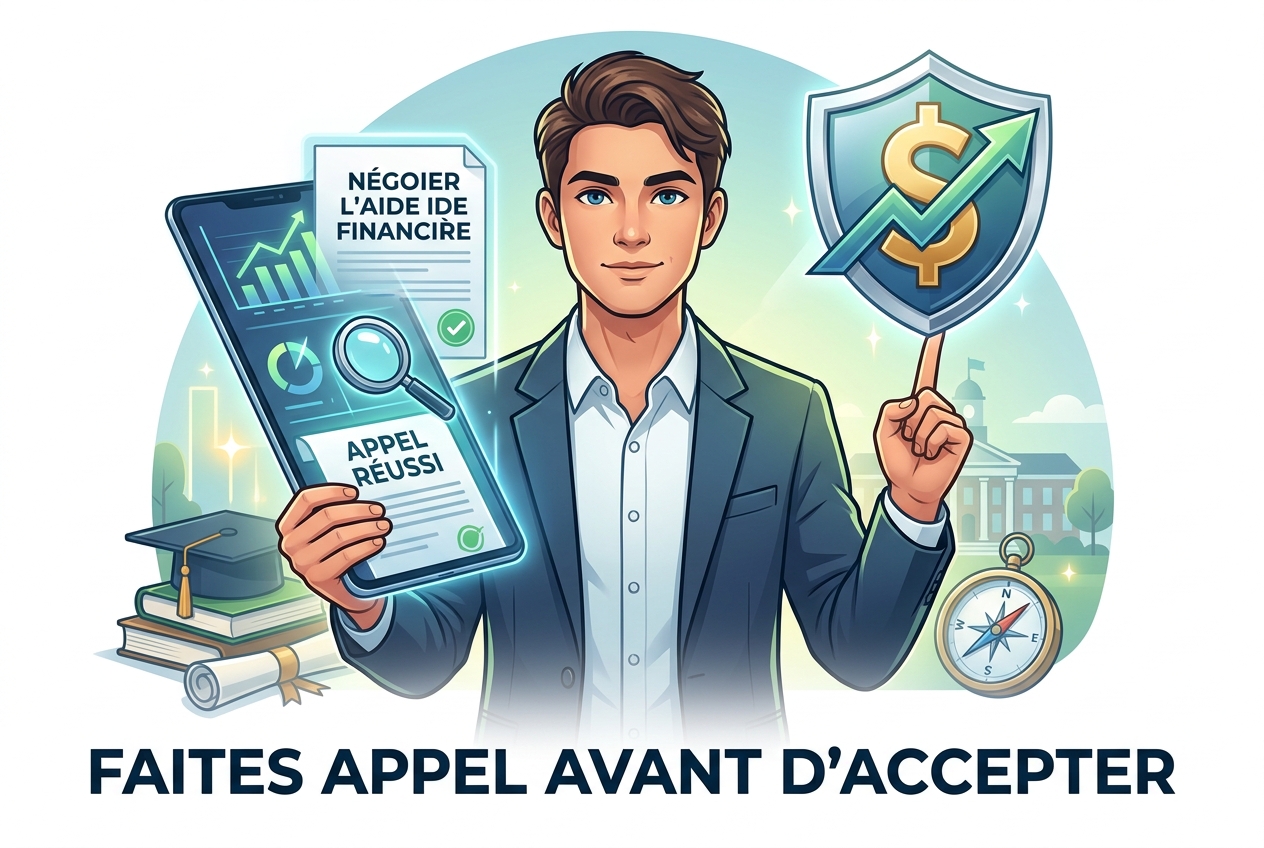
You Must Appeal Financial Aid Before Accepting to Lower Your College Costs
College financial aid offers are not final until you actively appeal with clear reasons and complete documentation, especially after major life changes. Many families miss out on additional aid by accepting the initial offer without negotiating or following up promptly with the financial aid office. By preparing a detailed appeal and contacting the right offices before enrollment deadlines, you can significantly reduce your real college price.
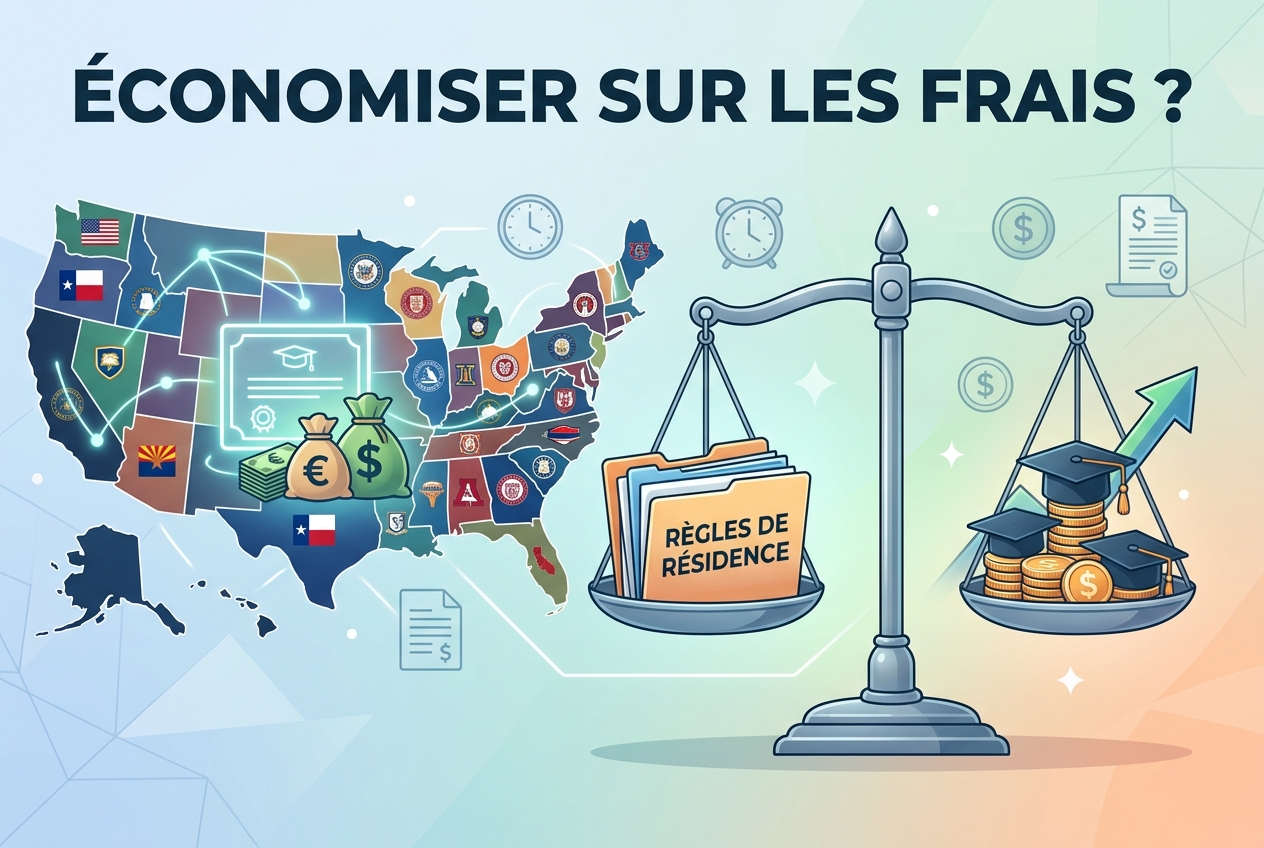
Is the Residency Math Worth It for In-State College Savings
Deciding between in-state and out-of-state college hinges on complex residency requirements that vary by state and school. These rules cover strict timelines, documentation, and legal actions needed to qualify for in-state tuition, with hidden costs and deadlines that can affect your eligibility. Understanding these differing requirements helps you weigh whether the effort to establish residency truly pays off in tuition savings or if a balanced college list with data-driven categories might serve you better.