
CapxuleHub Fitness
par CapxuleHub Fitness · Inscrit le juin 2026
Capsules
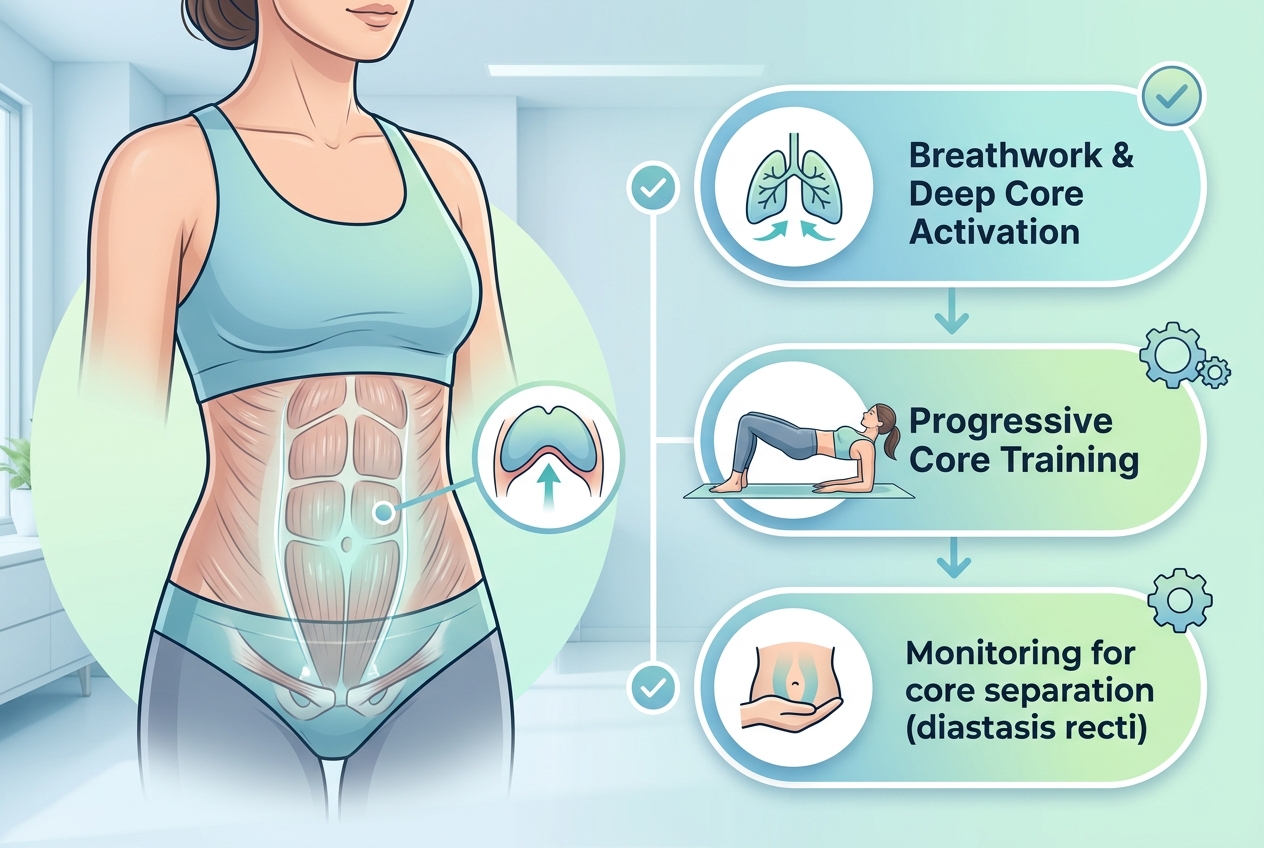
Rebuilding Your Core After Birth Starts Deeper Than Crunches
After giving birth, jumping straight into ab workouts can set recovery back. These steps sequence the comeback from breathing and pelvic floor work up to specific programming and managing abdominal separation, and they split on how cautious or assertive to be along the way. Weigh what the evidence supports and pace a recovery that fits your body.

A Real Home Gym Costs Less Than Your Membership
Building a home gym on a budget forces choices about cost, space, and versatility. These essentials disagree on the starting point: a few multi-use pieces bought gradually, adjustable dumbbells as the core investment, or a pull-up bar as the best value per dollar. Comparing them shapes a setup that matches your routine and your room.
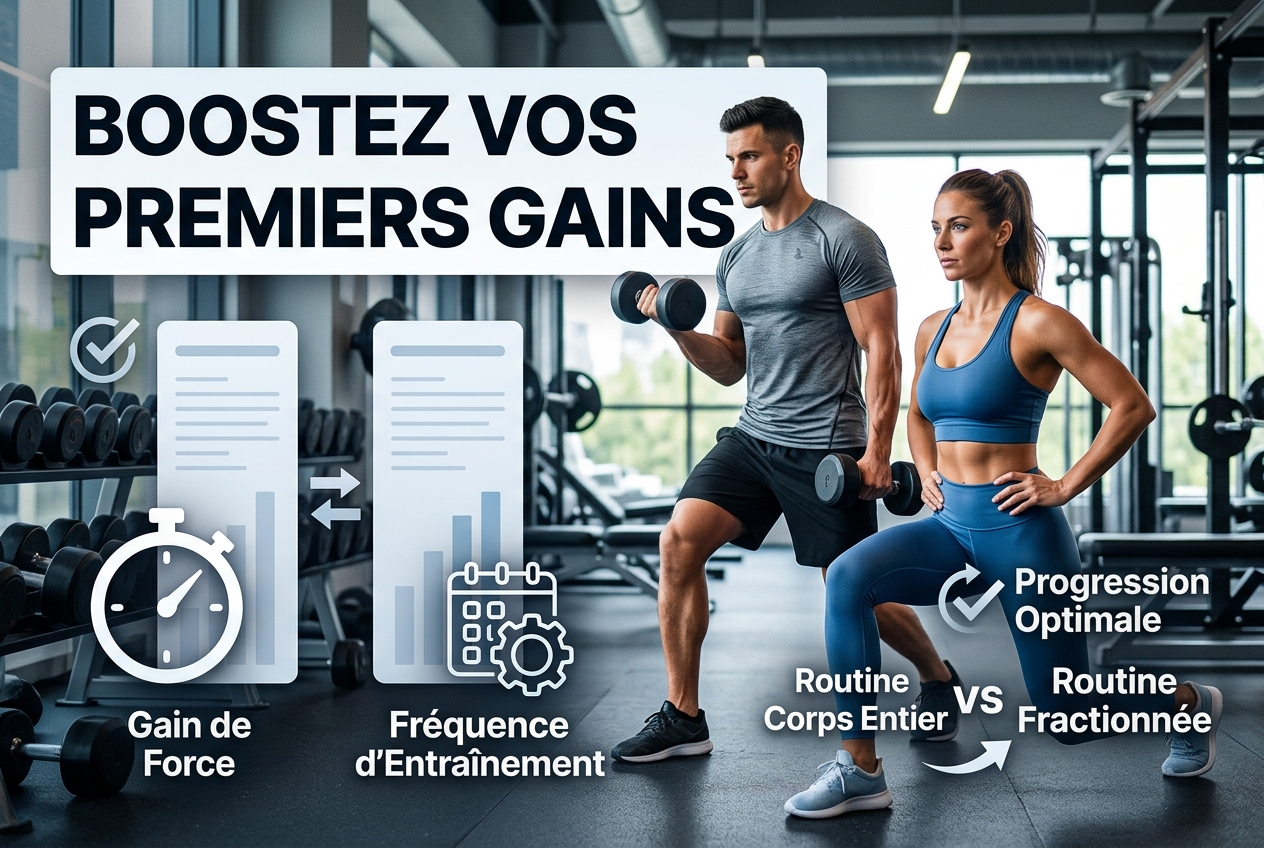
Your First Twelve Weeks of Lifting Matter Most
Beginners make their fastest strength gains early, which is exactly when bad programs waste the most. These methods differ on training frequency, full-body versus split routines, rest, and how quickly to add weight. Setting them side by side helps you pick a plan you can sustain past the honeymoon.

More Cushioning in Running Shoes May Not Save Your Knees
More cushion feels protective, but whether it actually lowers injury risk or quietly changes your stride is genuinely unsettled. These views split over cost and expert opinion, the research methods behind the claims, and the personal trade-off between cushion and stability. See where they clash so you can choose what fits your stride and mileage.

The 10,000 Steps Rule Started as a Marketing Slogan
That daily step goal on your watch traces back to a Japanese pedometer ad, not to science. The arguments here split over whether to keep a fixed target, tailor step counts to age and frailty, or drop counting entirely in favor of broader movement. Weighing them helps you settle how to measure a healthy day.

Break Through a Strength Plateau Without Burning Out
When your lifts stall, the fix depends on how you plan progress. These methods differ between steady, pre-planned changes in intensity and volume over weeks and a flexible daily approach that adjusts to how ready you feel that session. You can decide which one breaks your plateau without pushing you into injury.

How Much Walking You Actually Need to Stay Healthy
The 10,000-step target is more marketing than science, and the real advice varies. These ways cover why 7,000 to 8,000 steps may be the sweet spot, how consistent small walks reshape your body over weeks, whether adding weight with a rucksack helps, and why gentle movement protects muscle and longevity. You can decide which fits your life and goals.
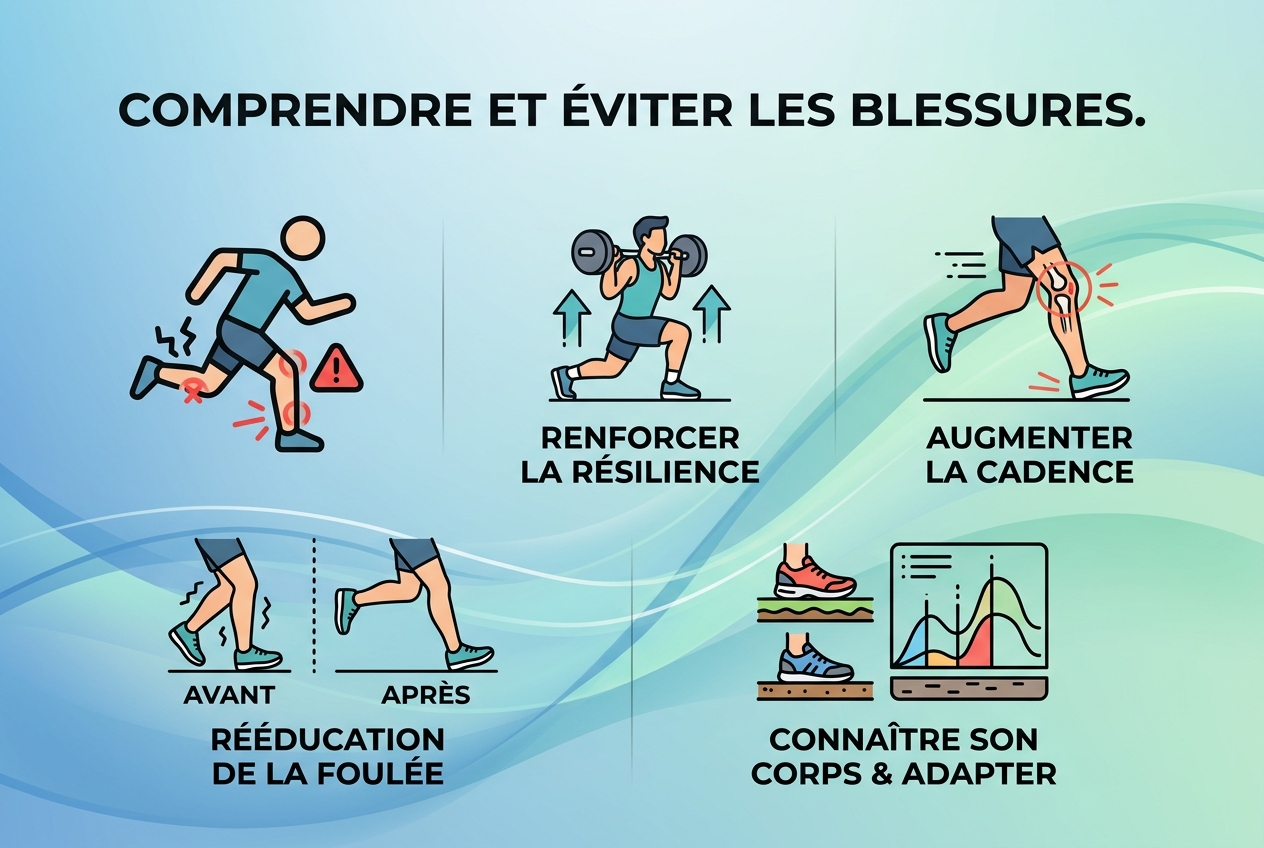
Why Runners Keep Getting Hurt, and What Actually Helps
Running injuries are common, but the best prevention is contested. These fixes range from strength training that builds resilience and raising your cadence to ease joint stress, to structured gait retraining and the argument that impact forces matter less than we think. You can decide which approach fits your stride and your injury history.

Does Where You Exercise Change What It Does for Your Mind?
Outdoor workouts are praised as a mood cure, yet much of that research is thinner than it looks. Gym, park, or living room, the setting may matter less, or more, than you think, depending on what you need exercise to do for you.
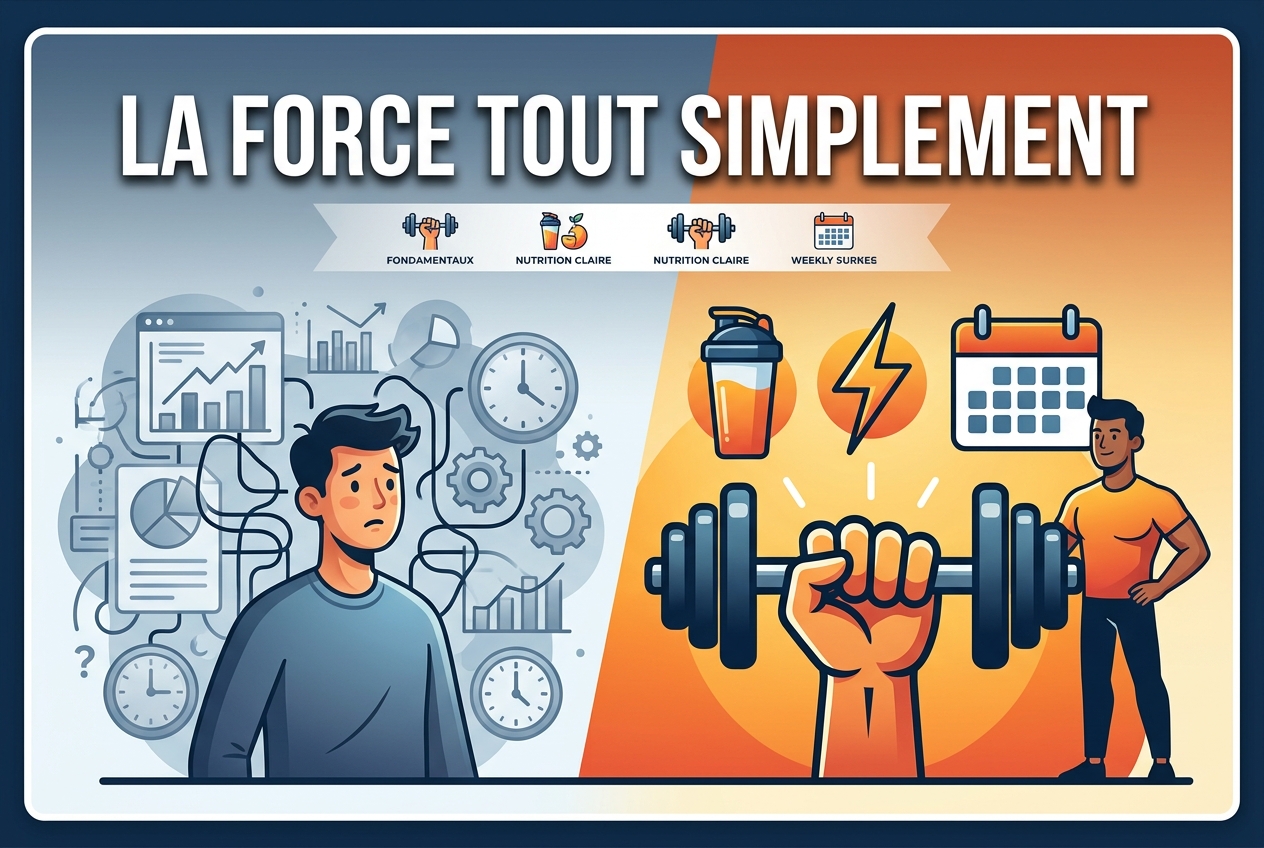
Getting Stronger Without Overcomplicating It
Strength advice gets buried under jargon, but the fundamentals are simpler than the internet makes them. These methods differ on how far you can strip training principles down, how much protein, creatine, and frequency matter, and when simple advice needs context and limits. Pick the level of detail that fits your goals and life.
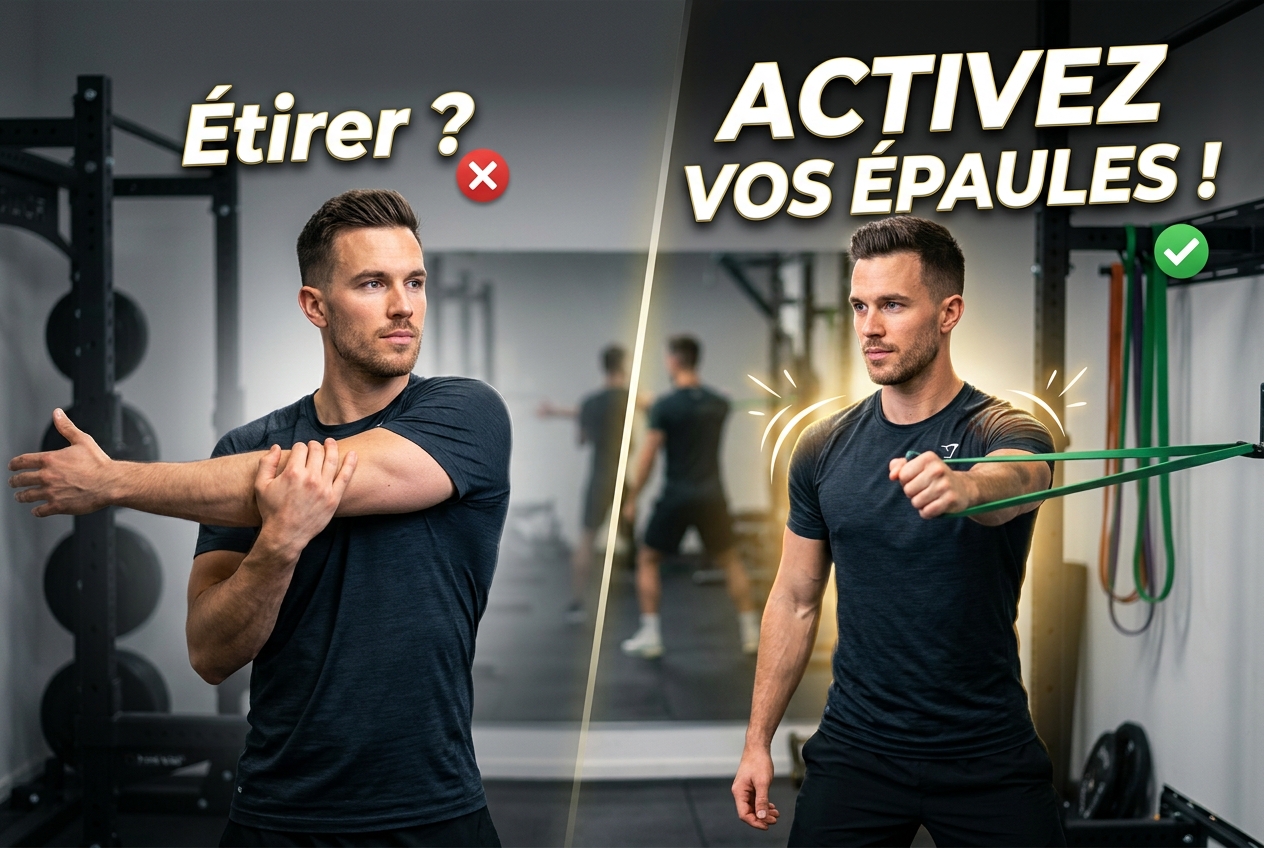
Dynamic Shoulder Warm-Ups Beat Static Stretching for Injury Prevention
Static stretching before a workout holds your shoulder muscles still exactly when they need to switch on. The case here is that dynamic warm-ups built on controlled rotations, resistance bands, and scapular activation wake up the stabilizer muscles and build the joint awareness that actually prevents injury. Trading your pre-lift stretches for controlled movement prepares your shoulders for real load.

Stretching Before Exercise May Be Hurting Your Performance
The pre-workout static stretch you learned in gym class may reduce power without preventing a single injury. These recommendations split on what replaces it: dynamic movements that wake up muscles and nerves, sport-specific warm-ups, or saving static stretching for after the session when it aids flexibility and recovery. Where they differ is timing, and timing turns out to be most of the answer.
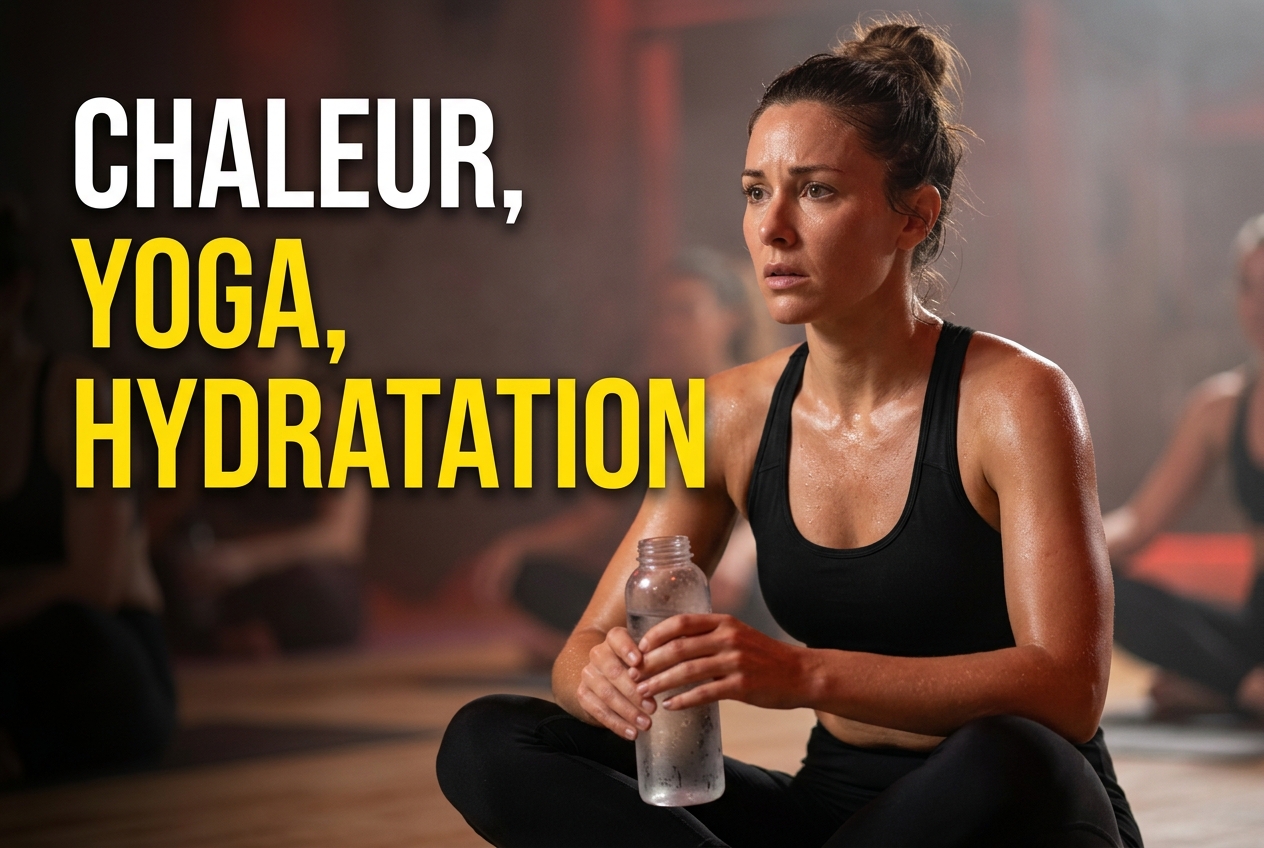
Hot Yoga Punishes Poor Hydration Faster Than You Expect
A room cranked past 100 degrees pushes your body in ways a normal class doesn't, and the safety advice isn't settled. These views differ on strict hydration schedules versus drinking to thirst, the role of electrolytes, how to catch heat-stress symptoms, and how much to trust the research behind it all. Weigh them to set your own hydration and heat plan.

What If Exercise Was Never About Losing Weight?
If the scale is your only reason to work out, the evidence may be pointing you at the wrong target. These views split on whether exercise should be judged by health gains regardless of weight, whether lasting habits come from enjoying movement rather than punishing yourself, and whether diet quietly does the real work of weight loss. Deciding what you want from exercise changes how you should do it.

Fix the Missing Data and Interval Training Wins
The cardio-versus-intervals argument drags on partly because fat loss studies are riddled with dropouts and missing measurements. This take argues that when those gaps are filled with rigorous statistical methods instead of ignored, high intensity interval training pulls clearly ahead of steady state cardio. If you care what the evidence really says, the way researchers handle incomplete data should change which workout you trust.

Why Lifting Heavy Won't Make Women Bulky
Fear of getting bulky keeps many women away from heavy weights, but the biology says otherwise. These explanations cover how hormones like testosterone limit muscle size, what sex-difference research actually shows, and why heavy training is both safe and effective. You can decide how to approach strength work without the bulk worry holding you back.

Sore Again? What Your Body Needs Might Not Be Rest
Push through the soreness or back off entirely, and either choice can go wrong. These approaches disagree on what protects you most: sleep as the foundation, careful pacing to avoid overuse, active rehabilitation over passive rest, nutrition, or knowing when to stop self-diagnosing and see a professional. Find the recovery approach that matches your body and your training goals.
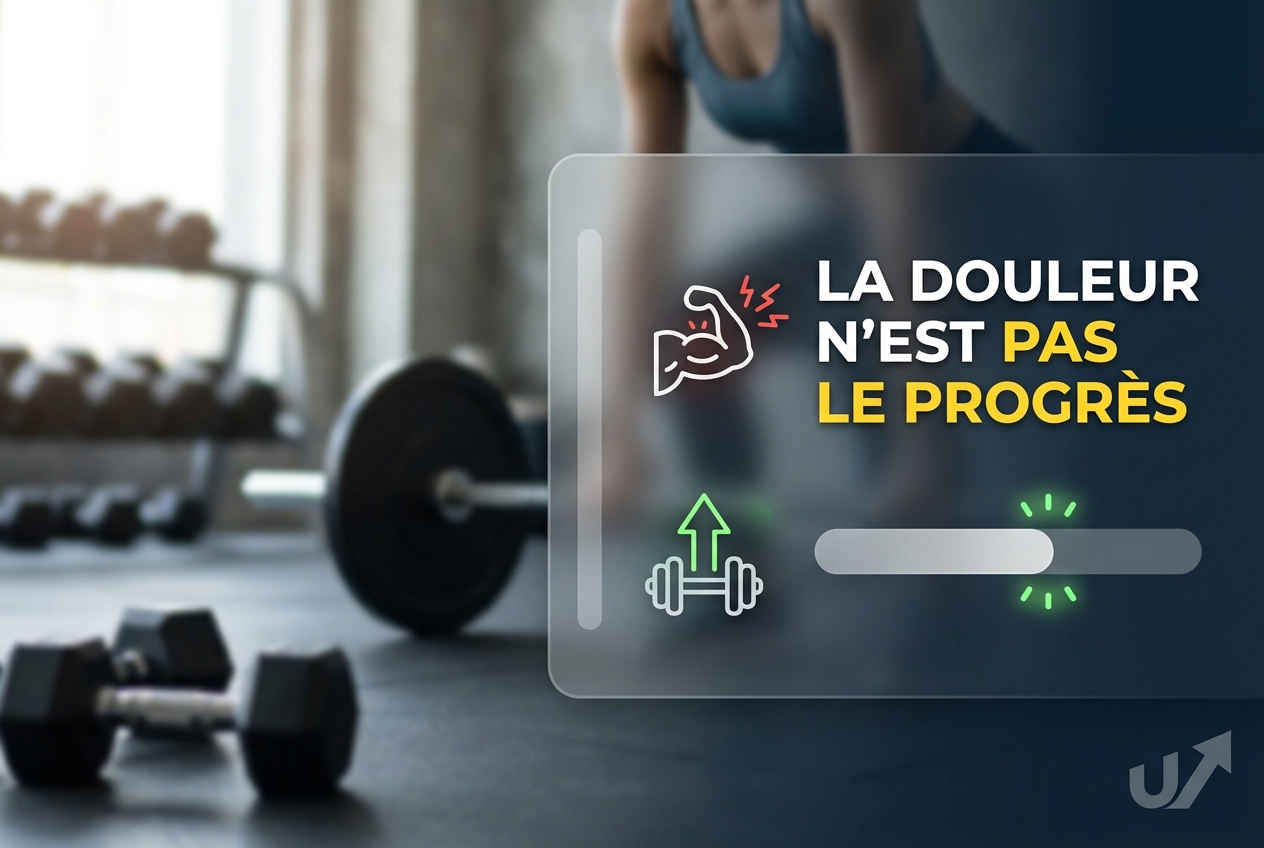
Sore Muscles Don't Prove Your Workout Worked
If you judge workouts by how much you ache the next day, you may be chasing the wrong signal. These claims separate soreness from actual progress, pointing to strength gains as the real markers, debunking the idea that soreness equals growth, and showing how fitness influencers keep the myth alive. Use them to decide what to track instead of pain.
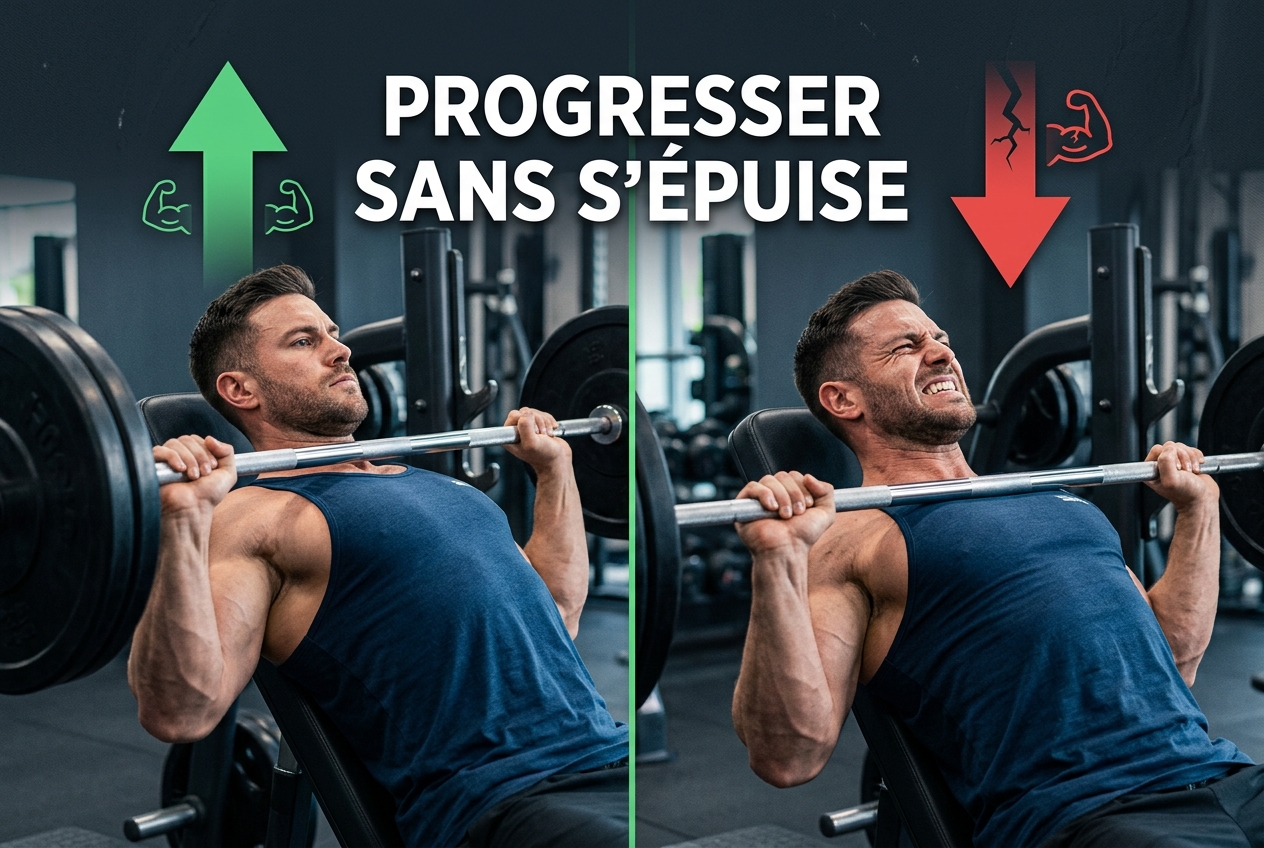
When Stopping Short Builds More Muscle Than Grinding On
Grinding every set until you physically cannot move the weight feels hardcore, but it may be quietly stalling your progress. These methods differ on how to dose effort instead: rating how hard a set feels, leaving repetitions in reserve, and protecting recovery so fatigue does not swallow your gains. Compare them and you can decide exactly when pushing to failure earns its cost and when to rack the bar early.

You Can't Outrun Your Fork
If you're sweating through cardio sessions and the scale won't move, the problem probably starts in the kitchen. These strategies differ on where fat loss is really won: some put calorie control and protein ahead of exercise, others credit sleep and stress, and others stick to official activity guidelines or adapt around real-life constraints. You'll be able to decide what role cardio should actually play in a plan you can sustain.
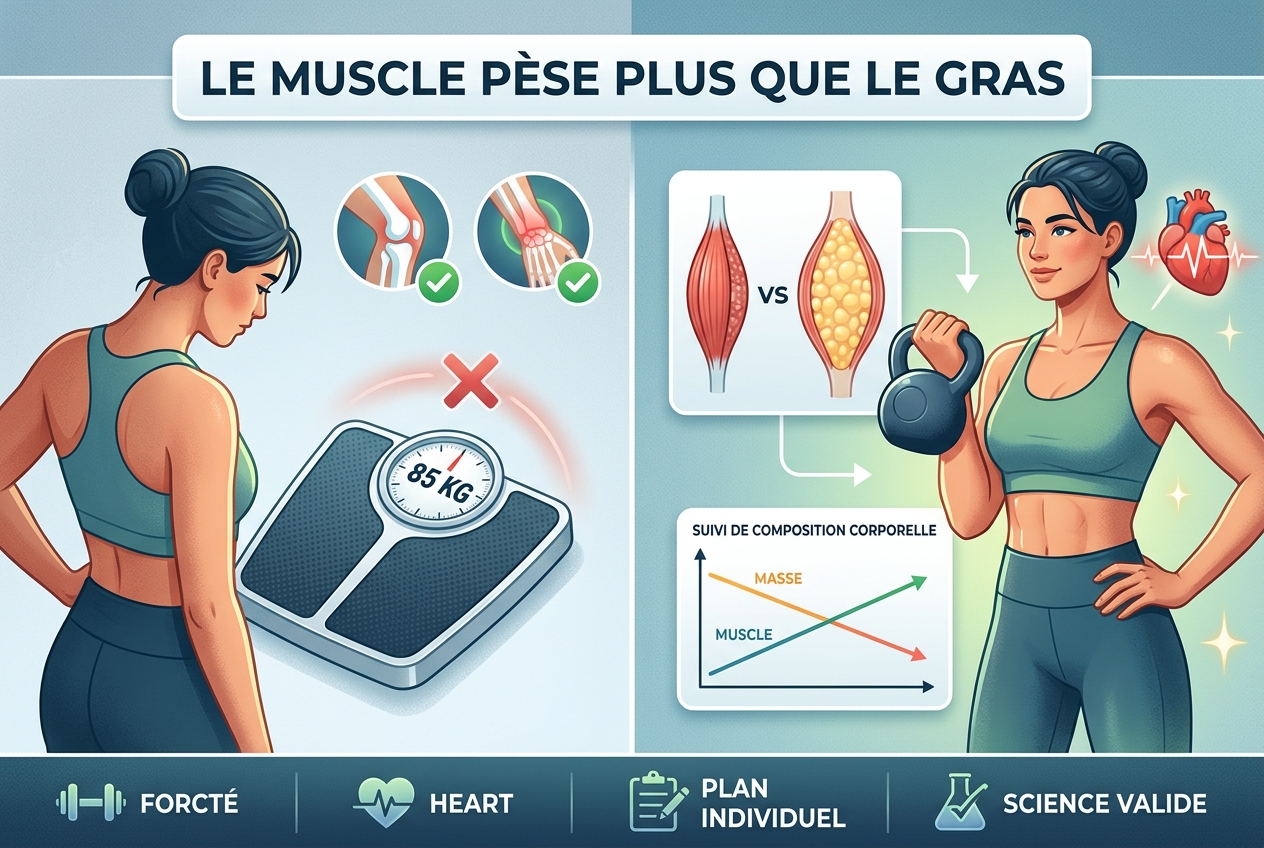
The Fittest Version of You Might Weigh More
If the bathroom scale is your only referee, you may be training for the wrong prize. These principles differ on what fitness really means: building strength gradually enough to avoid injury, valuing a strong heart over a low weight, tailoring the whole plan to your own body and life, and knowing where fitness research stops being trustworthy. Together they let you choose a path that makes you genuinely healthier, not just lighter.

The Ice Bath Hype Is Colder Than the Evidence
Ice baths are everywhere in fitness culture, but the science behind them is shakier than the enthusiasm. These claims differ on whether cold water after lifting actually blunts muscle growth, whether the recovery and weight loss benefits hold up, and how strong the underlying evidence really is. You'll be able to decide if, when, and how a cold plunge belongs in your routine.

Getting Off the Couch Shouldn't Land You in Physical Therapy
Most people who abandon a new running plan are stopped by injury, not laziness. These approaches differ on how to protect you on the way to the finish line: some build in strict recovery days, some start with medical clearance, and others rely on gradual walk-run pacing and listening to your body. You'll be able to choose a path from inactivity to race day that builds endurance without breaking you.

Creatine for Women Over 40, Why Access and Accuracy Matter
Women over 40 face unique challenges when considering creatine supplementation, from ensuring proper dosing technique to navigating restricted access to reliable information. The pitfalls range from misinformation due to security blocks and unclear labeling to the importance of verified science and expert guidance. Understanding these differences helps women make informed choices about creatine use that align with their health goals and safety.

How to Train Safely and Effectively After 50 Without Risking Injury
Strength and fitness training after 50 requires careful attention to safety, proper technique, and listening to your body. Different guidelines emphasize warming up, avoiding breath-holding, managing joint pain, and recognizing warning signs like chest discomfort. Understanding these varied approaches helps you choose a routine that balances progress with real-world health considerations and emergency preparedness.

Who Really Keeps Your Workout Fees Gym Owners or Trainers
When you pay for personal training, the split between gym owners and trainers shapes who earns what and who controls your sessions. Models differ on client ownership, fee distribution, and trainer independence, revealing why some trainers earn more by managing their own clients and schedules while others work under gym policies that limit their take-home pay. Understanding these models helps trainers and clients see the real economics behind personal training fees and the trade-offs between convenience, control, and income.

How to Keep Muscle Strong While Losing Weight
Losing weight without losing muscle requires more than just cutting calories. The strategies differ on how to balance diet, strength training intensity, and protein intake to protect muscle mass. Some focus on steady, moderate calorie deficits combined with progressive strength training, while others emphasize the timing and type of exercise or prioritize protein to support muscle repair. Understanding these approaches helps you choose the best path to lose fat while keeping your strength and muscle intact.