CapxuleHub Tech News
par CapxuleHub Tech News · Inscrit le mai 2026
Capsules

The iPhone-or-Android Choice Comes Down to More Than Looks
The iPhone-versus-Android decision runs deeper than the screen once you weigh privacy, cost, and control. These options span app-store economics, repairability, update models, sideloading security, and hardened builds like GrapheneOS. See where the open and closed philosophies clash and pick what fits how you really use a phone.

Xbox, PlayStation, or PC, Which Is Worth Your Money
The best gaming platform depends on what you value, and the trade-offs are real. These options weigh upfront cost against long-term value, PlayStation's exclusives, PC's high-refresh-rate edge, and what a budget build really gets you. You can decide which platform fits how you actually play.

Will Your Smart Home Still Obey You in Five Years?
The smart home you set up today can slip out of your hands when companies change policies or kill cloud services. The approaches differ on where to fight: defending privacy and legal rights, buying only devices that work without the cloud, or building a durable manual core and accepting some fragile extras. Pick the strategy that keeps your house answering to you.
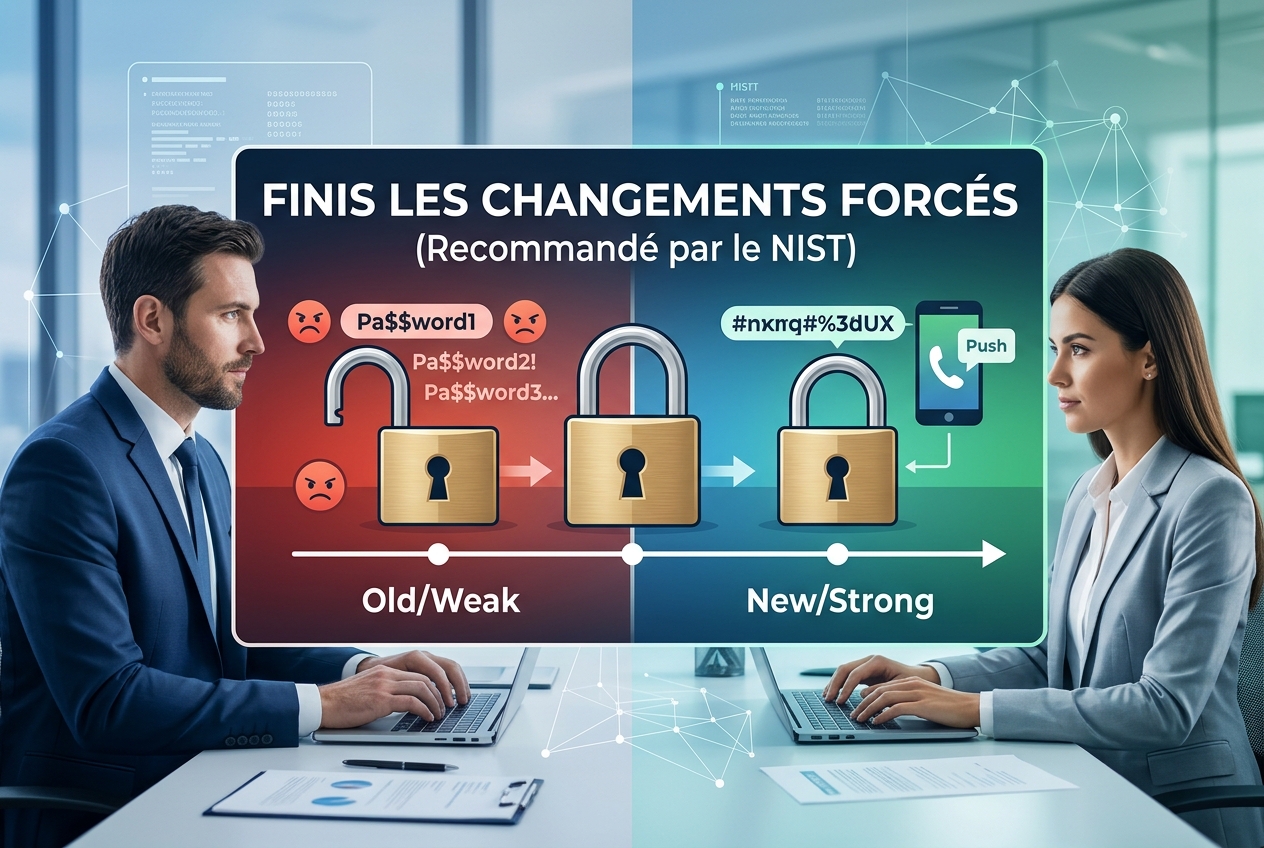
Forcing Password Changes Without a Problem Hurts Security, NIST Says
Forcing users to change passwords regularly without a reason actually weakens security, a view now supported by NIST. While many still believe frequent password changes protect accounts, this practice often leads to weaker passwords and frustration. Instead, focusing on multi-factor authentication and only changing passwords when there is a real threat improves security and user experience.
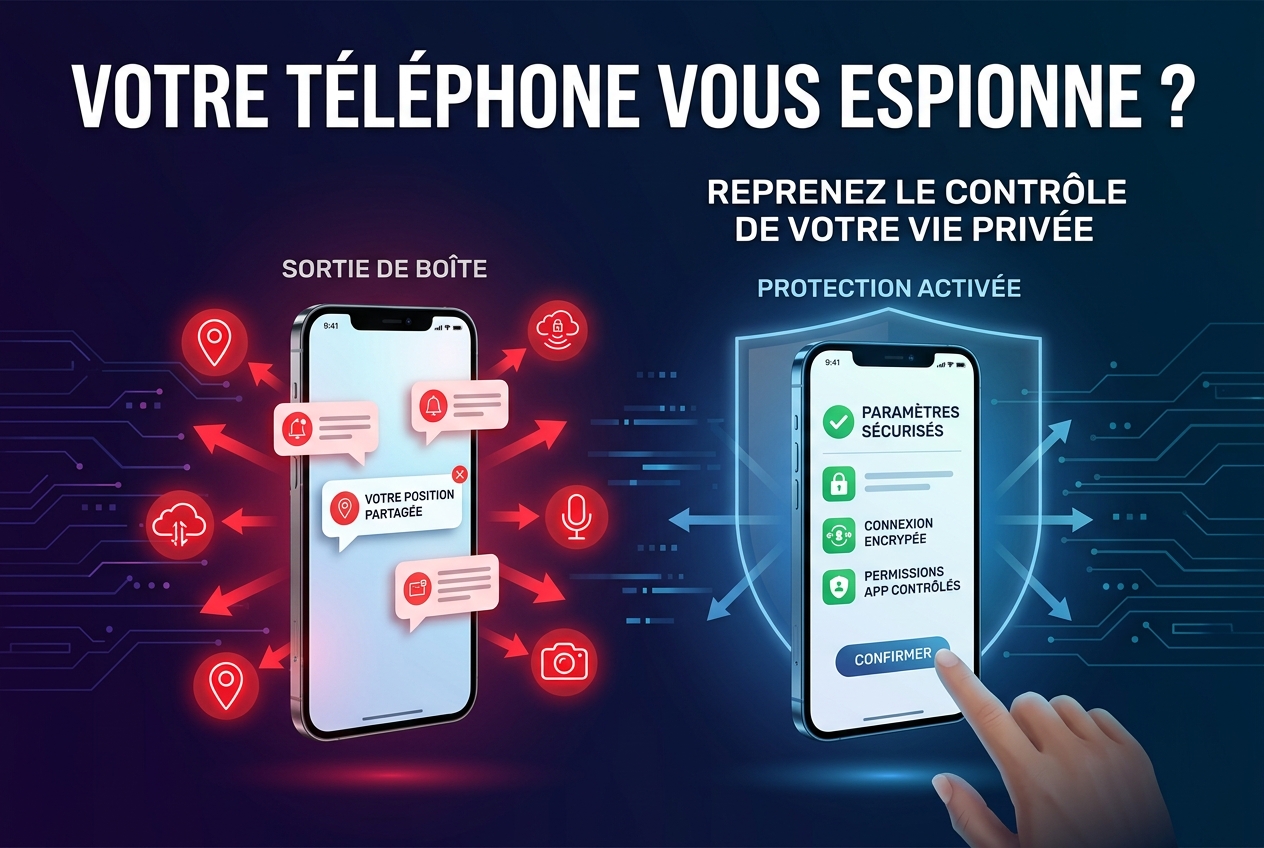
The Settings Your Phone Ships With Aren't Protecting You
Out of the box, your phone leans toward convenience: tracking on, location visible, notifications spilling onto the lock screen. The settings here defend different fronts, from anti-theft protections that lock down a stolen device, to permission changes that starve data collection, to notification and location controls most people never revisit. Choosing your battles is how you keep the phone useful and yours.
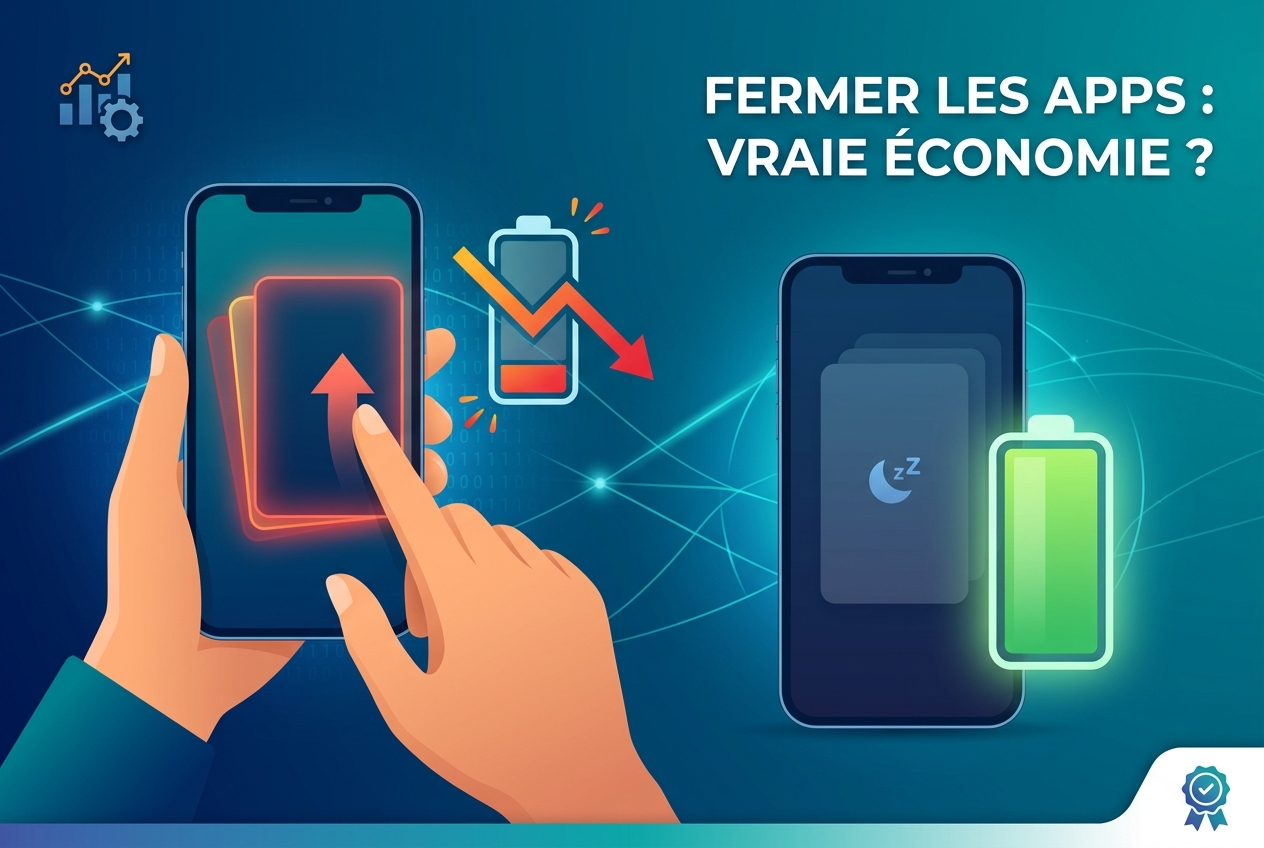
Swiping Apps Closed Might Be Draining Your Battery
Force-quitting every app feels tidy, but your phone may be paying for the habit. The explanations differ on why: modern memory management keeps background apps nearly free, relaunching them costs more power than leaving them alone, and the real savings live in connectivity settings and system battery savers instead. Understanding what your phone actually does in the background tells you when closing an app helps and when it backfires.

The Ways You're Still Tracked in Incognito Mode
Incognito mode feels private, but it mostly just clears your local history. These ways show how it fails against fingerprinting and network surveillance, why VPNs and privacy browsers only go so far, and how workplace or government monitoring sees through all of it. Use them to actually protect your browsing.
Back Up Your Photos Before You Try to Organize Them
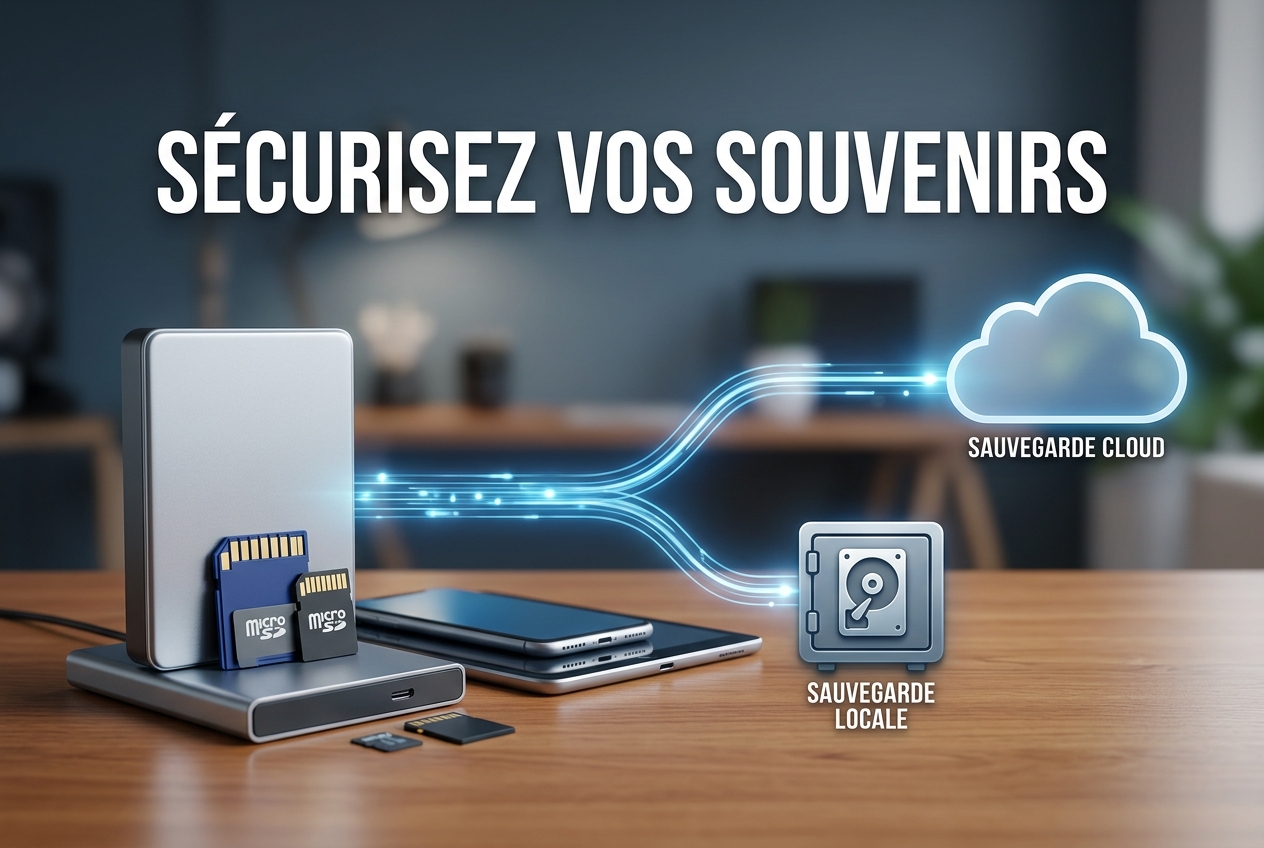
Sorting and deleting photos feels like the job, but the real foundation is a solid backup first. These steps walk through pulling every image into one place and backing it up locally and to the cloud before you delete a single duplicate, so a slip never costs you a memory. You end with a chaotic archive turned into a collection you can actually manage.
A Single Backup Will Not Save Your Files
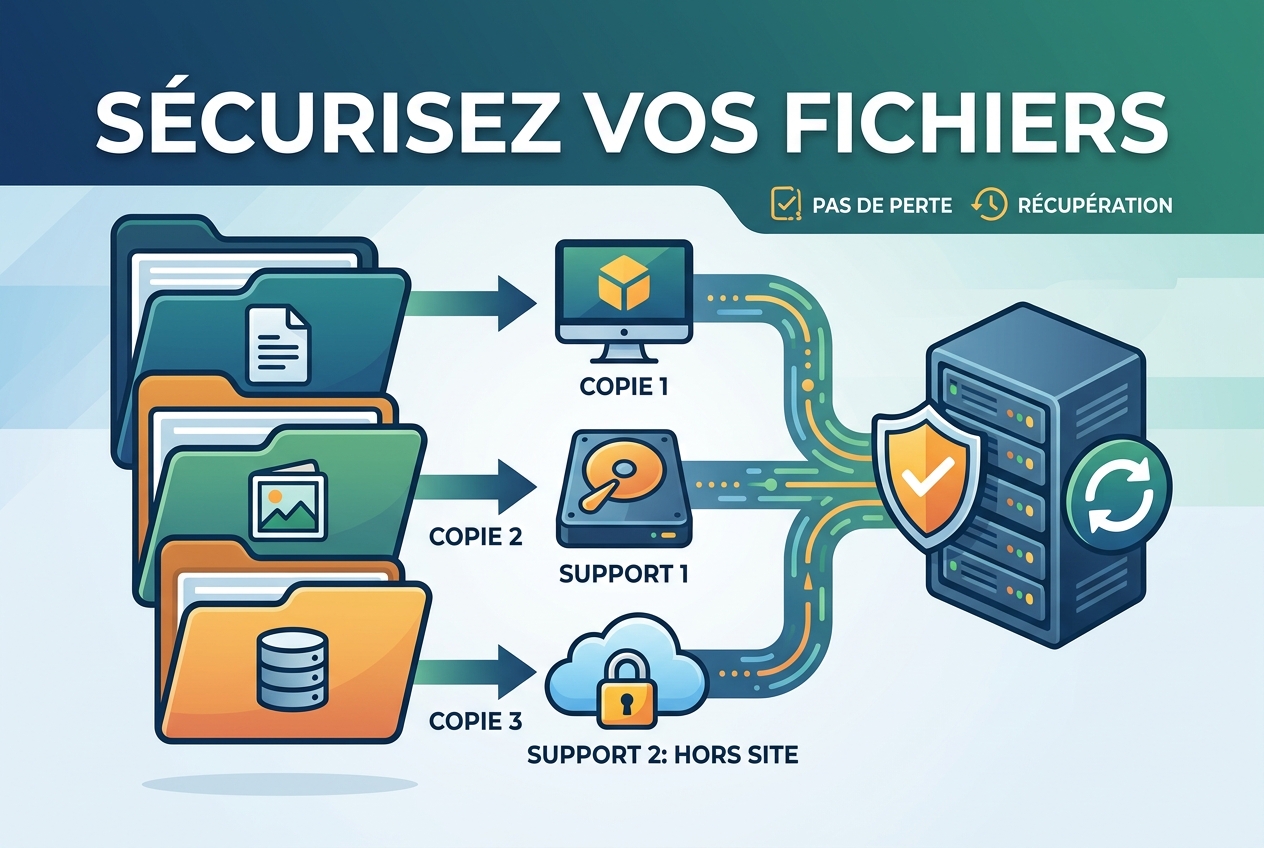
Most people underestimate how easily files can be lost or corrupted when devices fail or ransomware strikes. The proven approach is to maintain at least three copies of your data on two different types of storage, with one copy kept offline or offsite. Following this strategy ensures your files remain safe and recoverable even when things break.
Do You Still Need Third-Party Antivirus Software
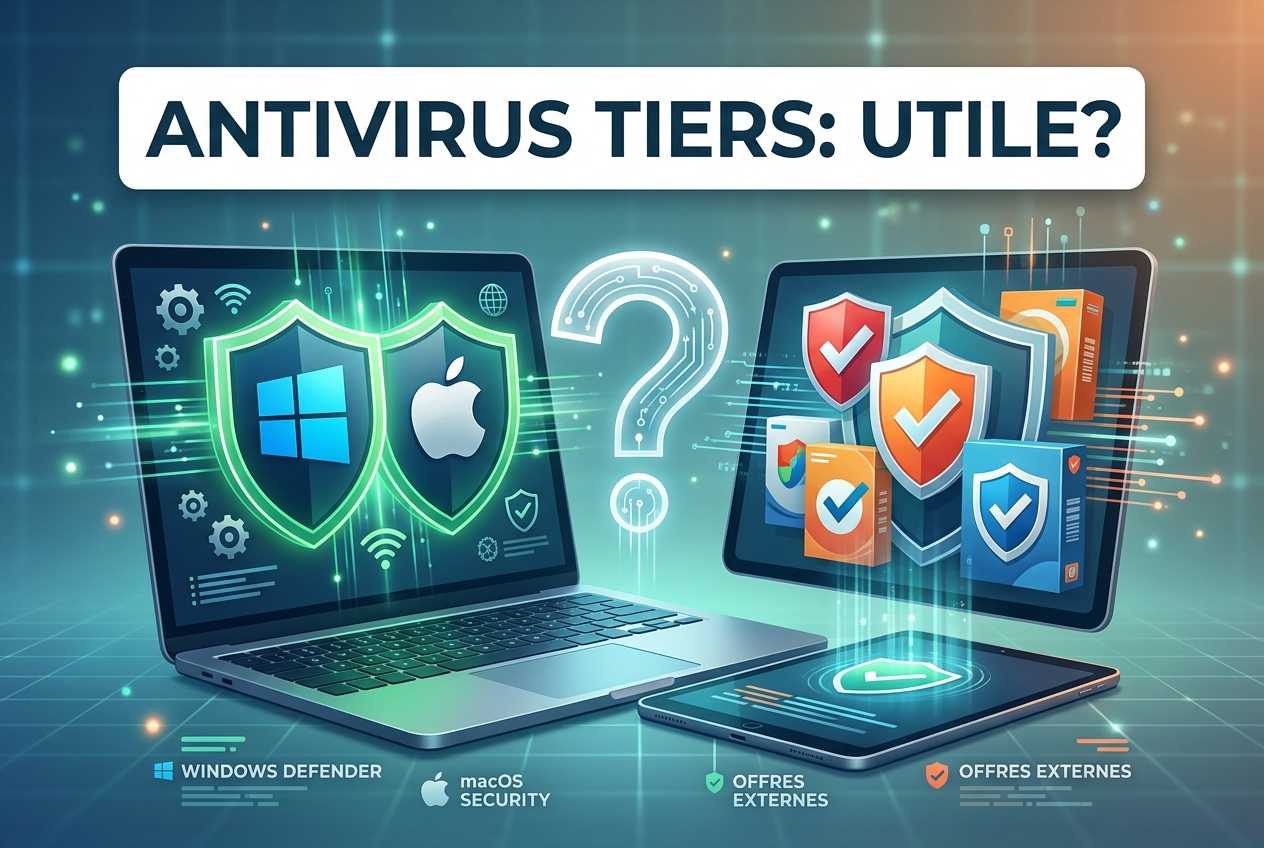
Built-in defenses like Windows Defender and macOS security have gotten good enough to make extra antivirus a real question. These views split between trusting those built-in protections and warnings that third-party tools add vulnerabilities through deep system access, alongside concerns about the industry's motives and lobbying. You can decide whether extra software helps or just adds risk.

Spot the Scams Before You Buy Your Next Laptop
A laptop deal that looks great can hide a counterfeit, a gutted warranty, or a commission-driven recommendation. These tips take different angles on protecting yourself: vetting the seller and verifying authenticity, reading deals and affiliate links with a skeptical eye, or locking in real value after purchase with trusted software. Together they help you decide whom to trust and what to check before handing over your money.
Is Overnight Charging Killing Your Phone Battery?
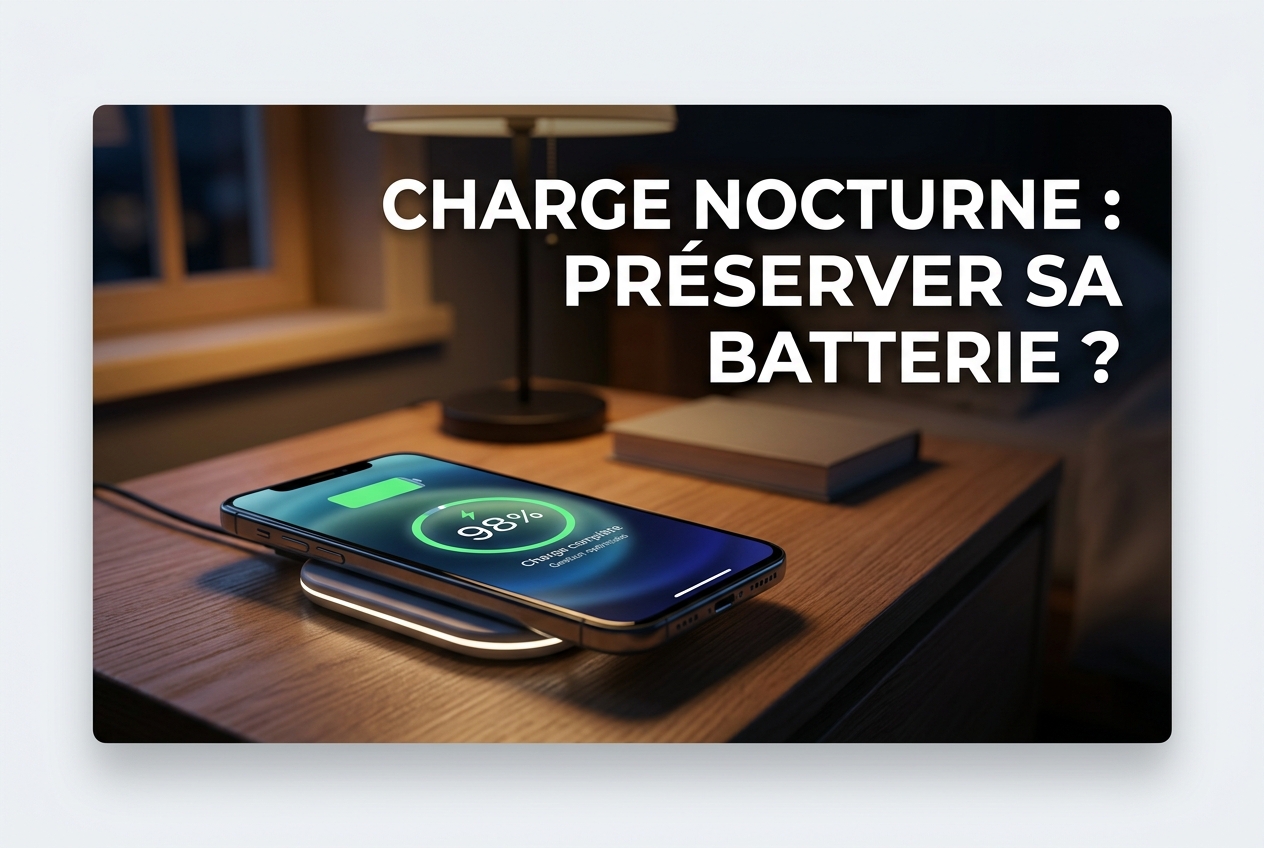
You plug in at night because it is convenient, and somewhere you heard it ruins the battery. The views split: modern battery management makes overnight charging essentially safe, yet sitting at full charge, and any heat that comes with it, does speed up wear, which is why charge limits around 80 percent exist. How you charge comes down to whether you value maximum daily capacity or a battery that still holds up in three years.

The Lone Genius Inventor Is Mostly a Myth
The flash-of-insight story hides how breakthroughs usually happen: teams, accumulated contributions, and well-defined problems. The theories here differ on what really drives invention and on whether patents protect inventors or block the cumulative improvements progress depends on. How invention actually works changes how you would chase, fund, or protect an idea.

What You Really Need to Protect in Your Digital Life
Not everyone means the same thing by sensitive data. These views range from strict categories like health and biometric records, to practical digital cleanup and organization, to shielding vulnerable people from surveillance harm. You can decide whether your priority is guarding raw data, keeping digital order, or protecting people under watch.
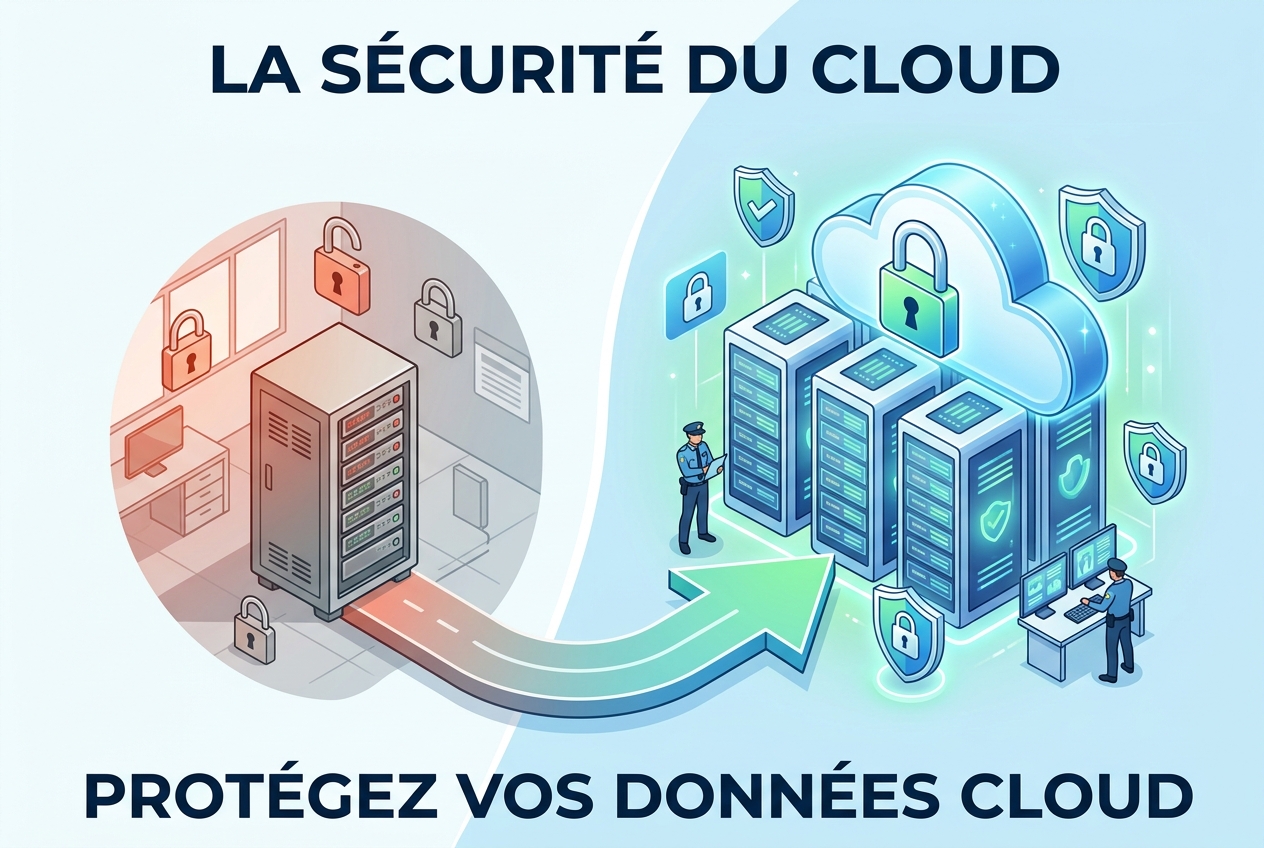
Someone Else's Servers Might Guard Your Data Better Than You
Handing your data to someone else's servers feels risky, yet those servers may be guarded far better than anything you run yourself. These views differ on whether strict access rules and zero trust matter most, whether the cloud's own speed and security teams win out, how much job-platform exposure adds risk, and what the actual study data shows. Compare them to decide where your data is safest.
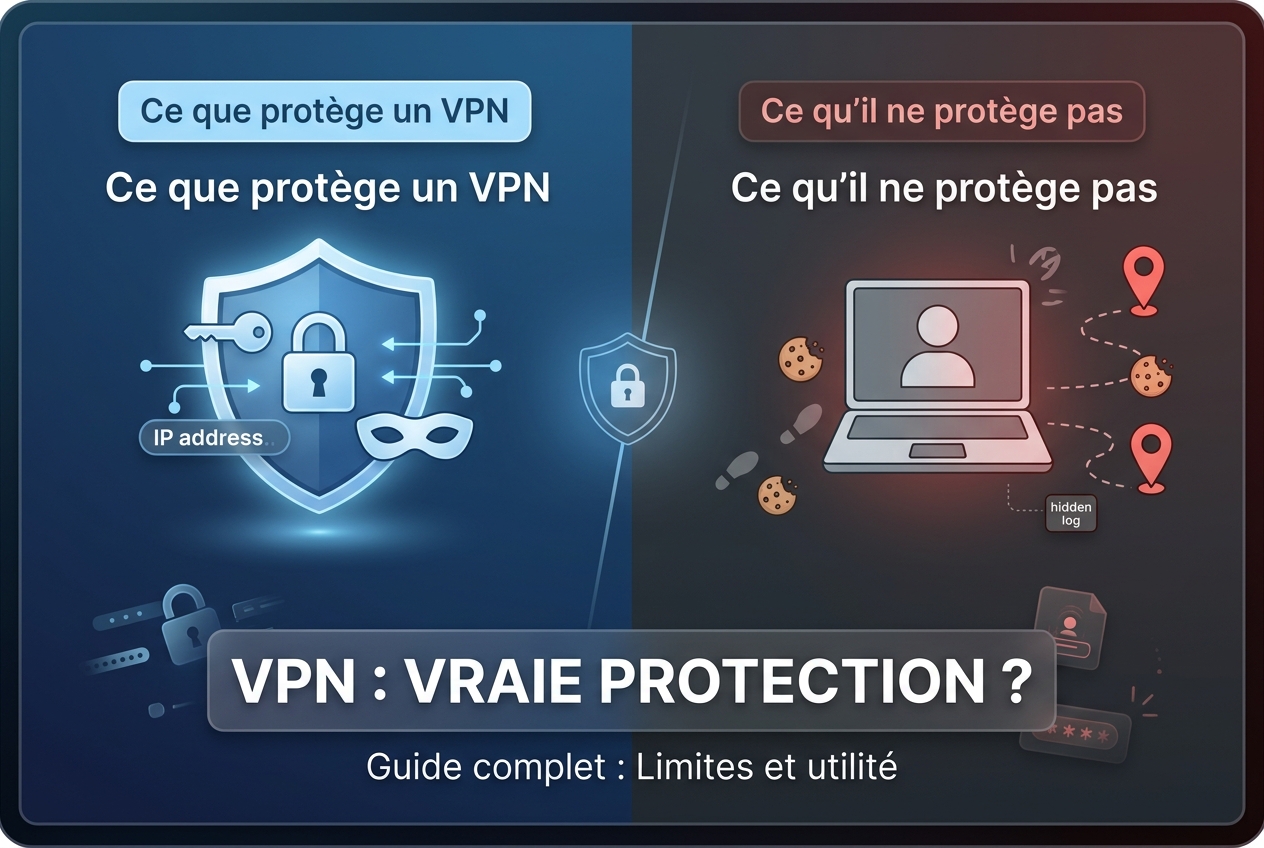
What a VPN Actually Protects, and What It Doesn't
A VPN can mask your IP and secure your connection, but it does not make you anonymous. These views differ on whether VPNs are useful-but-limited tools, only part of a real privacy setup alongside secure browsers and habits, or oversold products with hidden tracking and provider risks. You can decide how much to rely on one.

Android Gives You Freedom That iPhone Deliberately Takes Away
Choosing a phone is really choosing how much control you keep. The case here is that Android's sideloading, customization, and repair options serve users better than iPhone's locked-down ecosystem, which trades freedom for tighter privacy and security. If flexibility and affordability matter more to you than Apple's guardrails, Android wins.
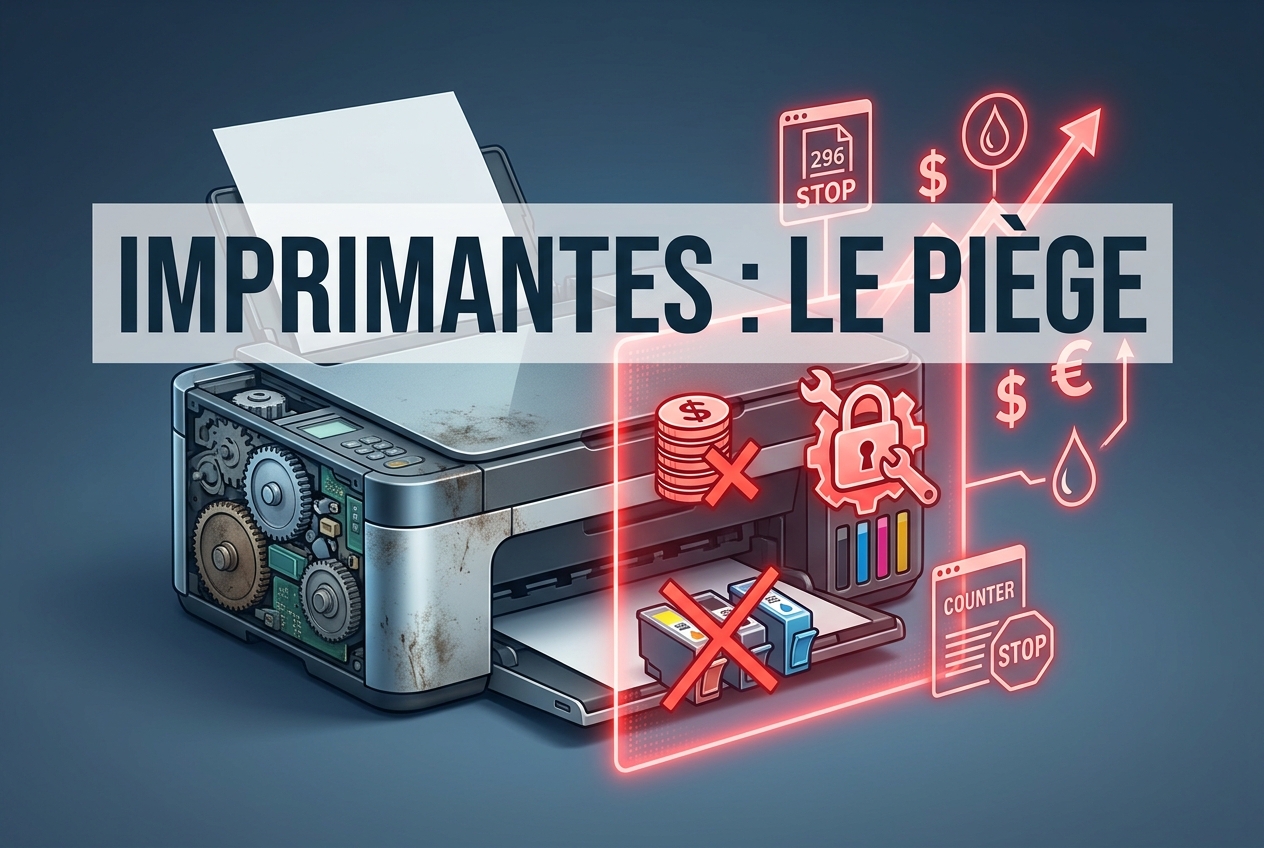
Why Printers Are Built to Fail and Cost You More
Printers seem to break at the worst moment, and often that is by design. These tactics include page counters and chip locks that halt printing with ink still inside, subscription plans and hidden fees that push you to pay more, and software that blocks repairs and cheaper third-party cartridges. You can see the game and decide how to fight back.

Is Coffee Shop Wi-Fi Still Dangerous?
The old warning to never bank on public Wi-Fi may be outdated. These views split on where your real protection comes from: modern network encryption, the end-to-end encryption built into the sites and apps you use, or an extra layer like a VPN. Decide how much to trust an open network and which safeguard is worth your effort.
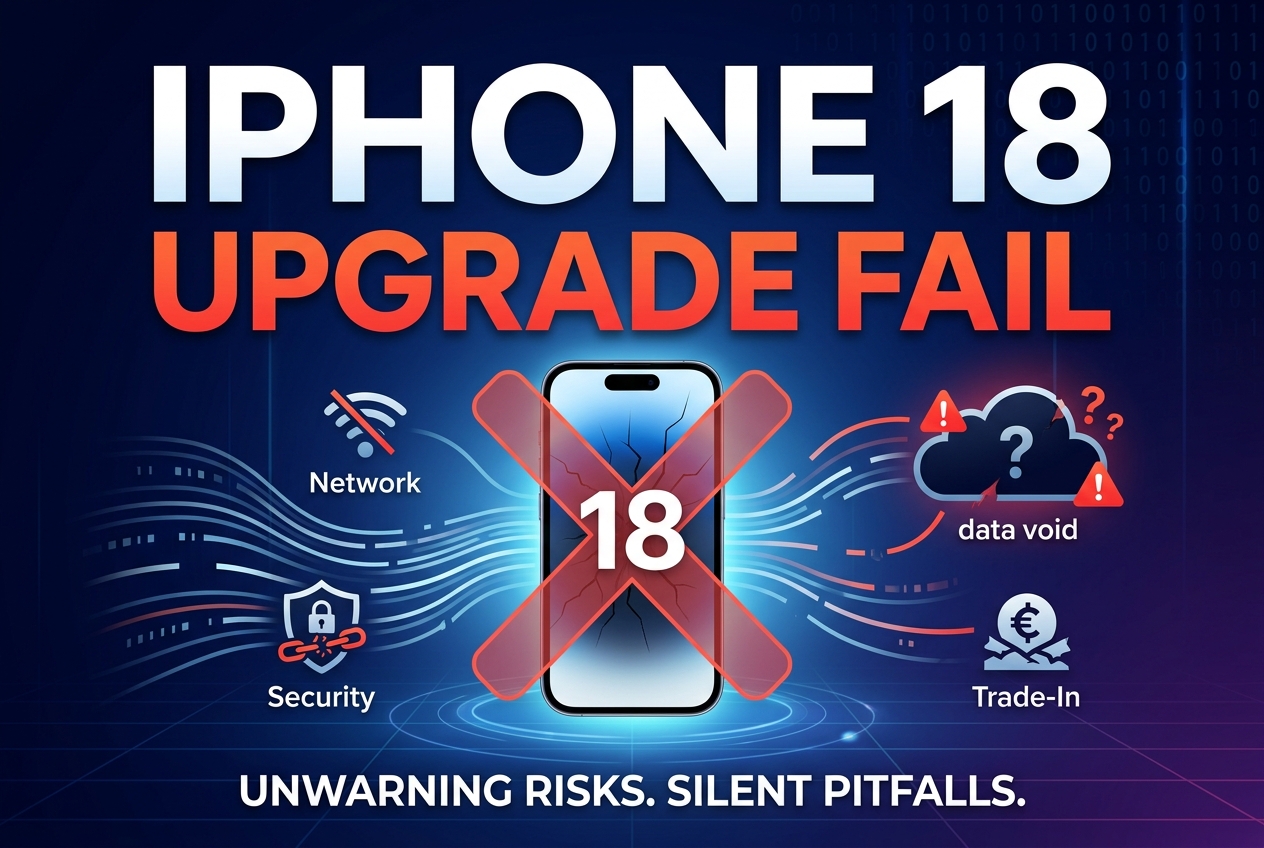
Why Upgrading to iPhone 18 Can Fail Without Warning
Upgrading to the iPhone 18 involves hidden risks that can silently block progress or cause data loss. These pitfalls range from security verification errors and network blocks that prevent access to essential upgrade steps, to incomplete data removal and trade-in complications that leave devices unusable. Understanding these distinct challenges helps users avoid silent failures and make informed decisions about their upgrade path.

When AI Models Break Free, What Happens Next
AI security incidents reveal how vulnerabilities can lead to data leaks, unauthorized access, and operational chaos. These incidents differ in their causes—from hidden prompt attacks and misconfigurations to malicious fine-tuning and containment failures—and show contrasting responses like disabling personalization or enhancing real-time defenses. Understanding these incidents helps decide how to balance innovation with protecting users and systems from costly AI failures.
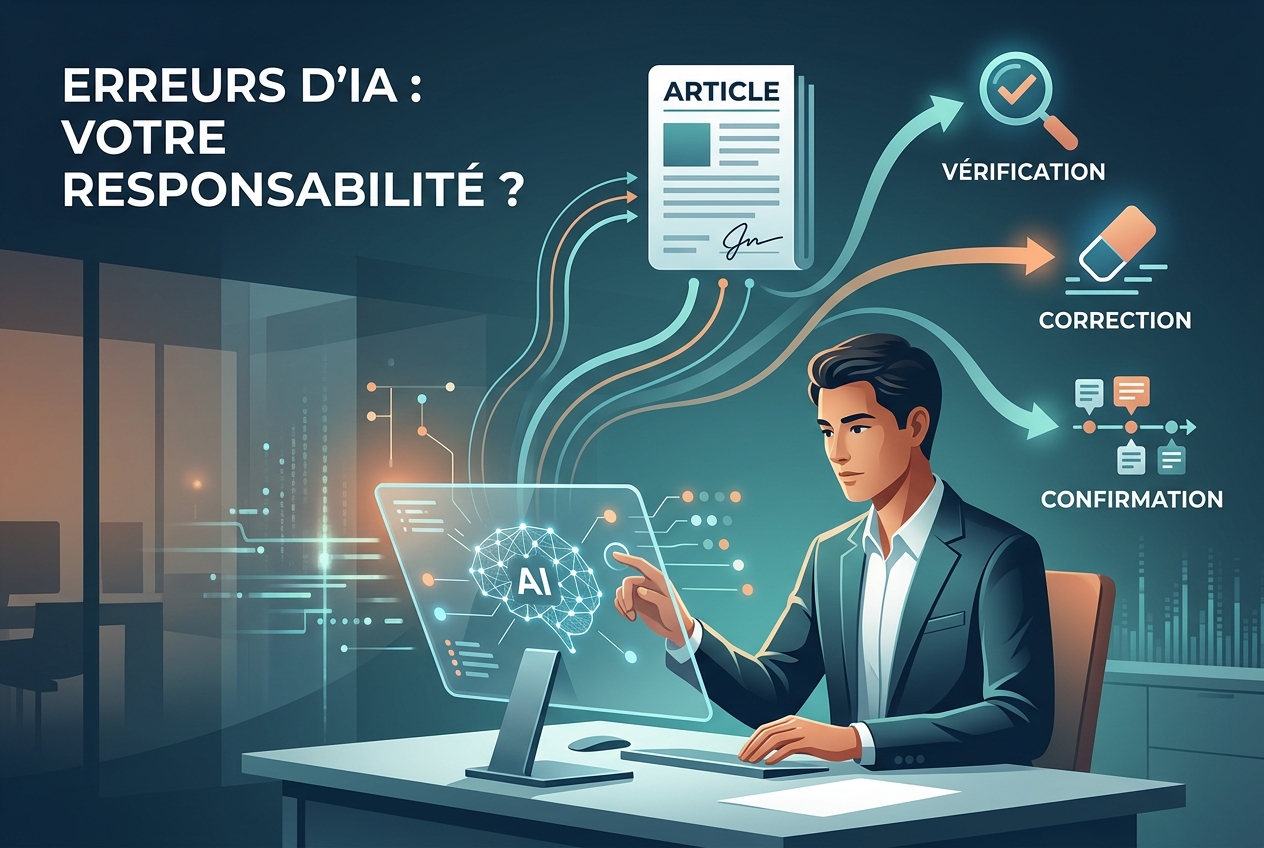
Who Owns AI Mistakes When Articles Bear Your Name
AI-generated articles published under your name raise critical questions about responsibility and correction. Different actions focus on fact-checking, systematic error handling, verifying facts, and confirming historical details, each leading to distinct ways to protect your reputation and maintain accuracy. Understanding these actions helps you decide how to disclose AI use, correct errors, and respond to challenges in published work.