
Common Mental Shortcuts That Influence Our Decisions

About this Capsule
People often rely on mental shortcuts that shape how they judge situations, estimate risks, and make choices. These shortcuts include biases like anchoring on the first number heard, fearing losses more than valuing gains, overestimating abilities, and favoring information that confirms existing beliefs. Recognizing these common patterns helps explain why decisions sometimes stray from rational thinking.
Covered in this capsule
The single-metric trap.
Examples of cognitive biases in context
Perceived risk vs. actual risk
Language affects interpretation of negation
Common Mental Shortcuts That Influence Our Decisions
Free
Sign in to buyCapxuleHub Psychology
View profile
Related in Psychology

You Can’t Change Emotionally Immature Parents But You Can Save Yourself
Growing up with emotionally immature parents often means accepting that they will never meet your childhood needs or change in meaningful ways. Healing comes from lowering expectations, setting firm boundaries, and reparenting yourself rather than hoping for parental transformation. By focusing on your own recovery and emotional autonomy, you can break free from disappointment and reclaim control over your life and relationships.
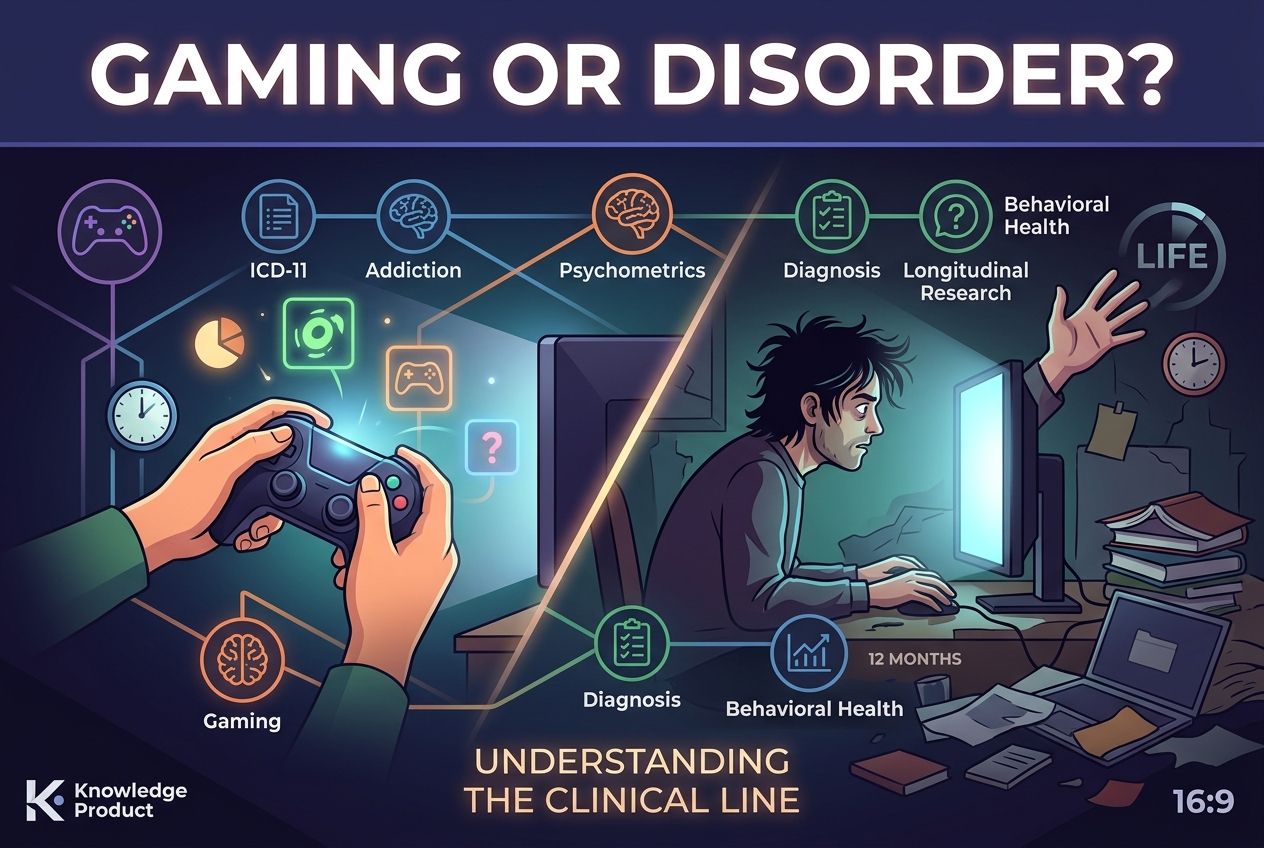
When Does Gaming Cross the Line Into a Real Disorder?
Plenty of people worry their gaming is a problem, but the clinical bar is far higher than a busy week. This view holds that a gaming disorder means impaired control, gaming crowding out everything else, and continuing despite real harm for at least twelve months. Using that stricter standard separates genuinely harmful patterns from normal enthusiasm.
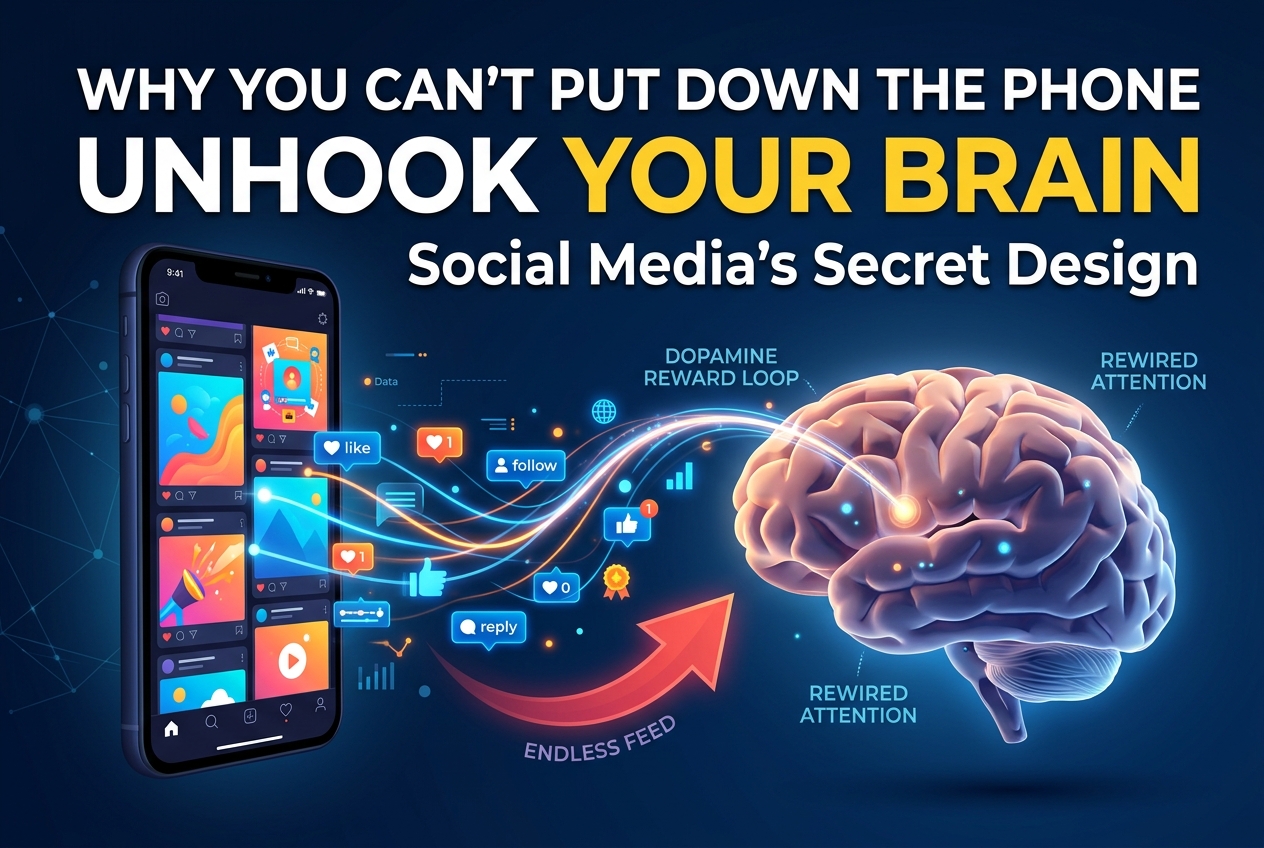
Social Media Tricks Your Brain to Keep You Hooked and Distracted
Endless feeds are engineered around unpredictable rewards that hijack your brain's dopamine system, which is why willpower alone rarely breaks the habit. Recognizing the specific design tricks, and starting with a period of full abstinence, is what actually loosens their grip. Your shrinking attention span is a design outcome, not a personal failing.
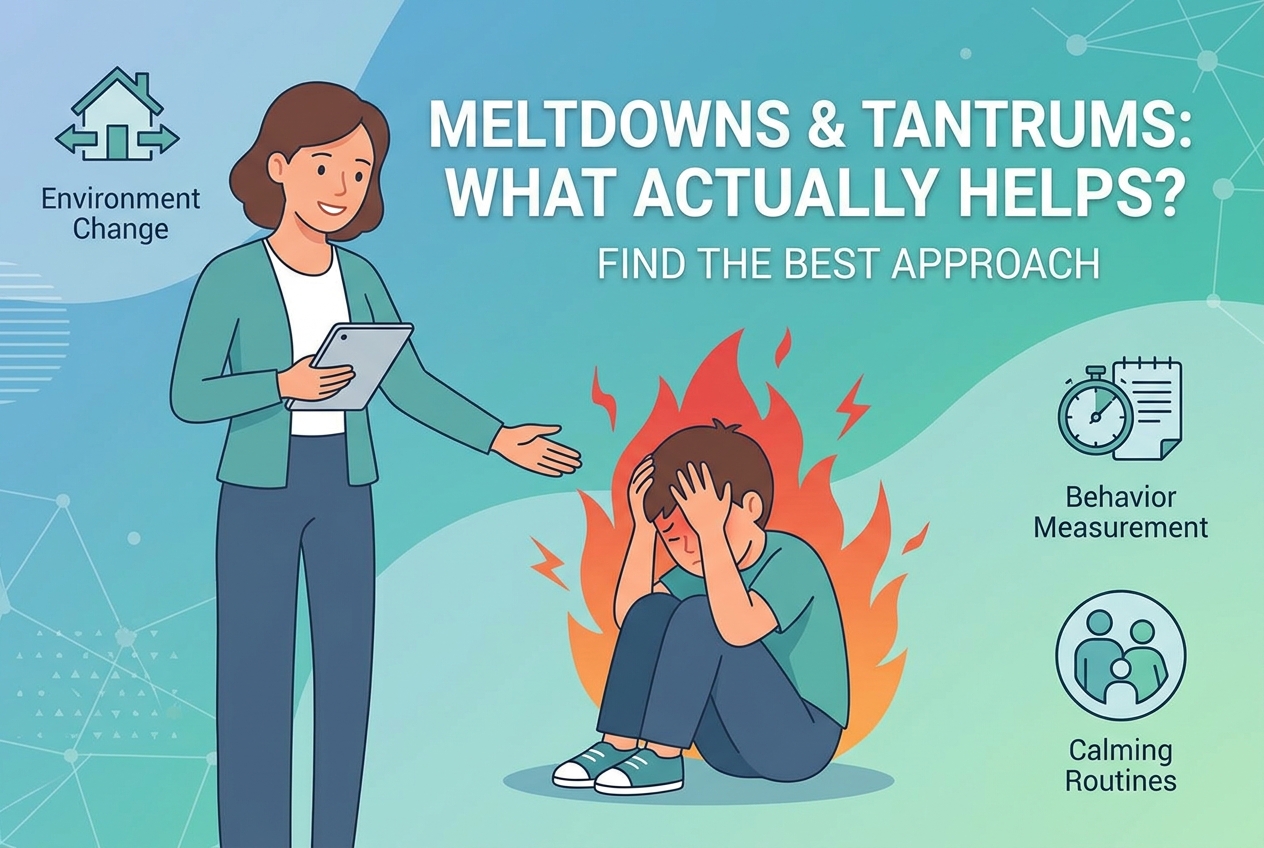
When a Meltdown Hits, What Actually Helps?
In the middle of a tantrum or meltdown, most advice feels useless. These approaches differ on where to intervene: changing the environment to prevent episodes, measuring behavior carefully to spot triggers, or leaning on practical calming routines for the whole family. Comparing them helps you pick a response that fits your child and keeps everyone steadier.