Browse the Context Marketplace
Expert-level knowledge on any topic. Each capsule guides you through what matters most.
3 capsules
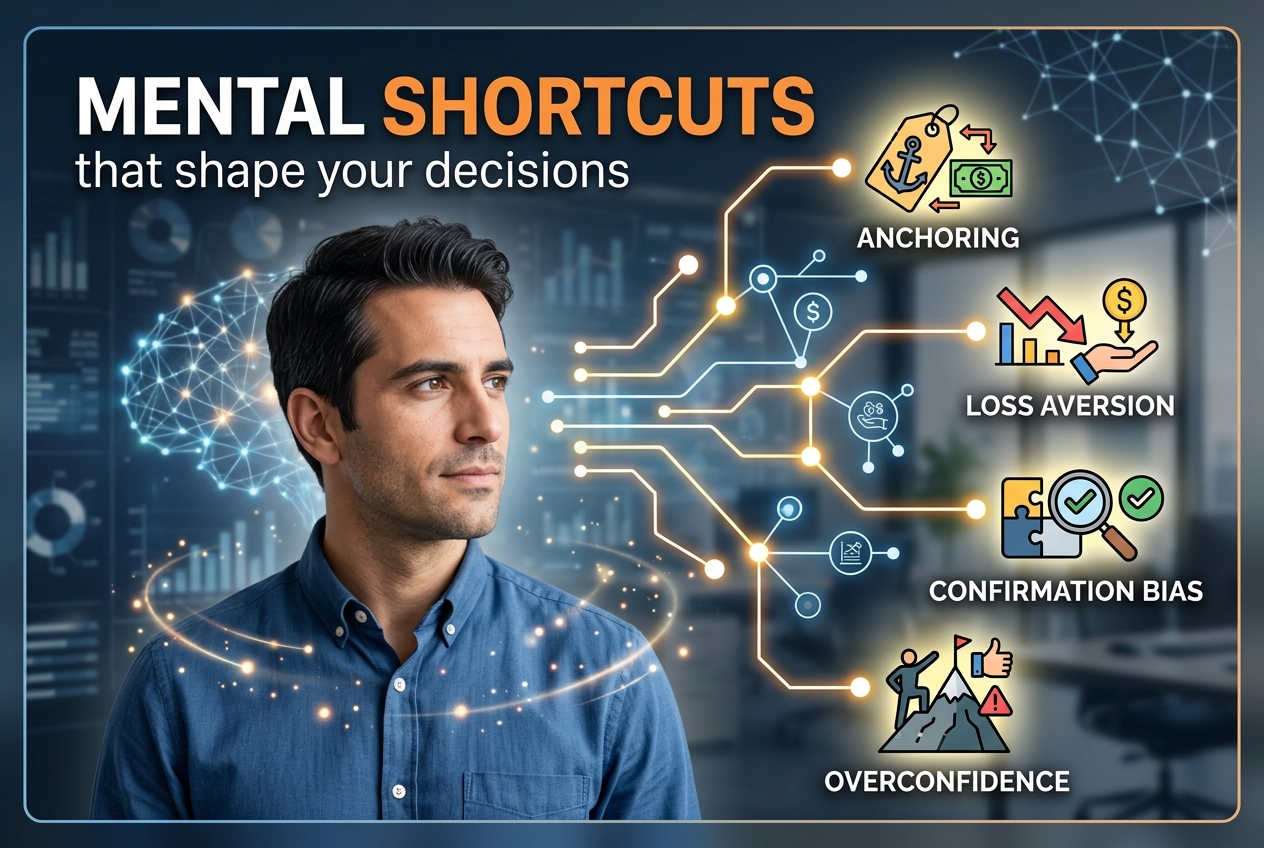
Common Mental Shortcuts That Influence Our Decisions
People often rely on mental shortcuts that shape how they judge situations, estimate risks, and make choices. These shortcuts include biases like anchoring on the first number heard, fearing losses more than valuing gains, overestimating abilities, and favoring information that confirms existing beliefs. Recognizing these common patterns helps explain why decisions sometimes stray from rational thinking.
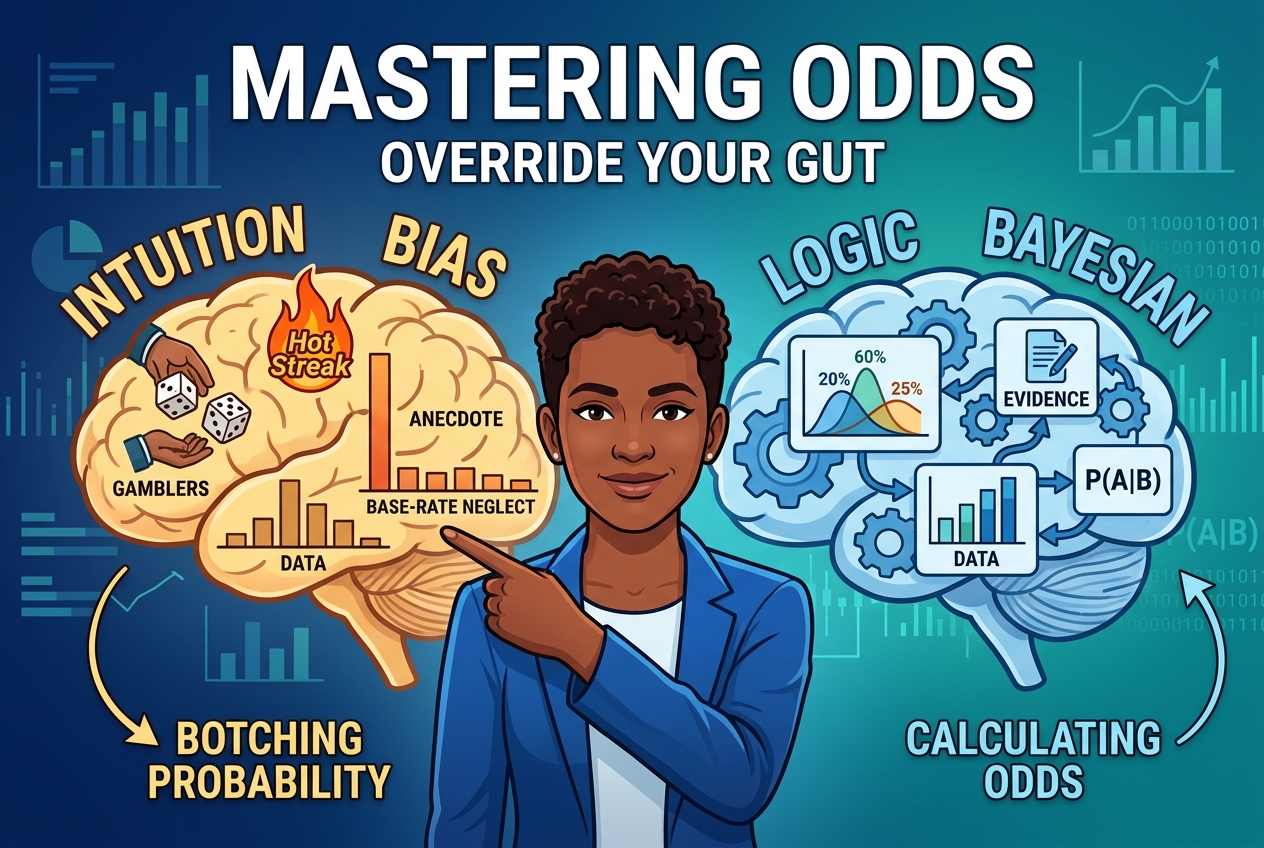
Why Your Gut Is Terrible at Judging the Odds
Human instinct routinely botches probability, from the gambler's fallacy to ignoring base rates. These reasons range from stubborn cognitive biases and how badly we encode randomness to systematic fixes like Bayesian updating that override the guesswork. You can decide which explanations and tools help you think more clearly about chance.
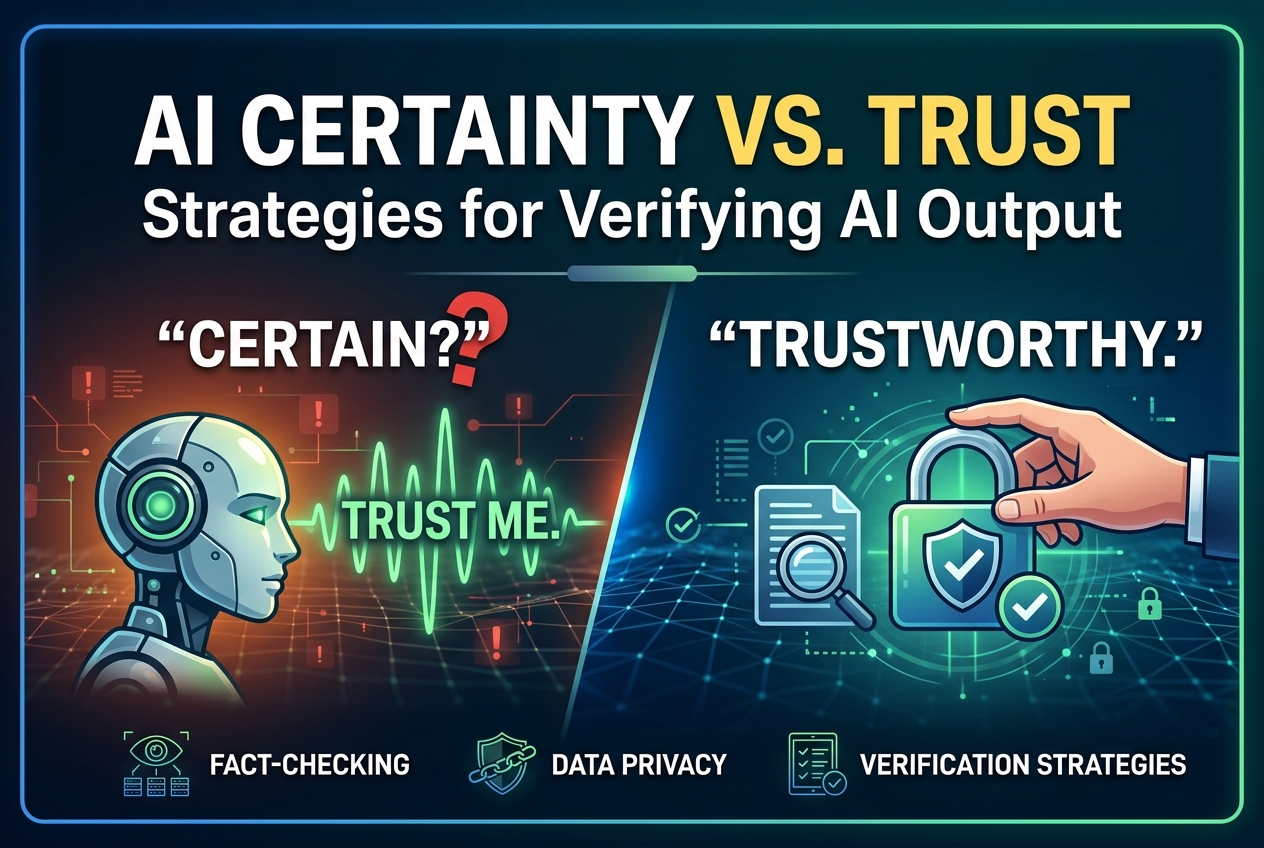
When AI Sounds Certain, Should You Trust It Without Question
AI can confidently deliver answers that are wrong or misleading, making it essential to verify its outputs carefully. Different strategies emphasize trusting only verifiable facts, using structured prompts with constraints, and applying strict privacy-safe aggregation rules to avoid exposing sensitive data. This landscape helps you decide when to treat AI responses as starting points for fact-checking and when to rely on secure, verified information sources.