
Browse the Context Marketplace
Expert-level knowledge on any topic. Each capsule guides you through what matters most.
151 capsules
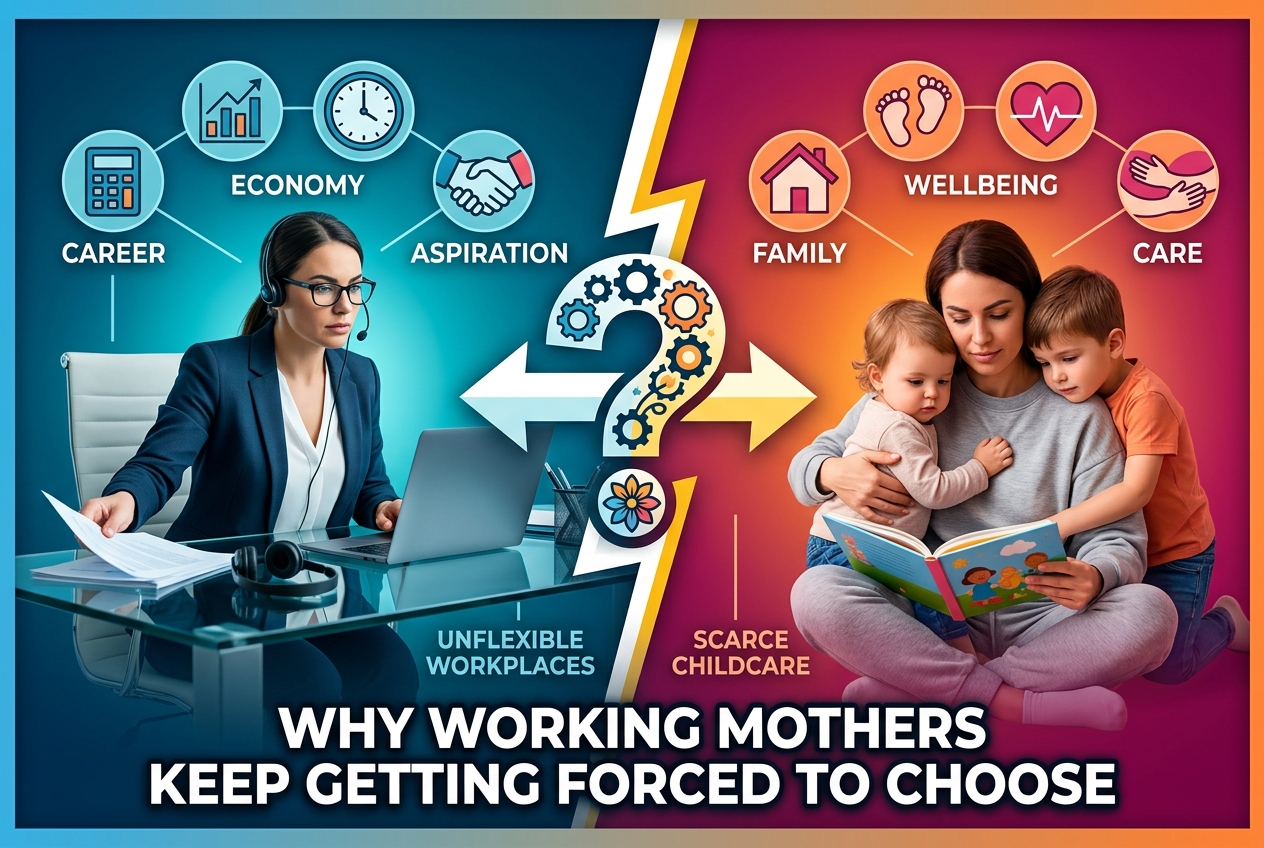
Why Working Mothers Keep Getting Forced to Choose
For millions of mothers, the choice between career and children is not a choice but a bind built by inflexible workplaces and scarce childcare. The views range from systemic readings, unpaid care work and the case for public investment, to personal ones about identity, mental health, and self-compassion. See where the data and lived experience meet and reach your own view.
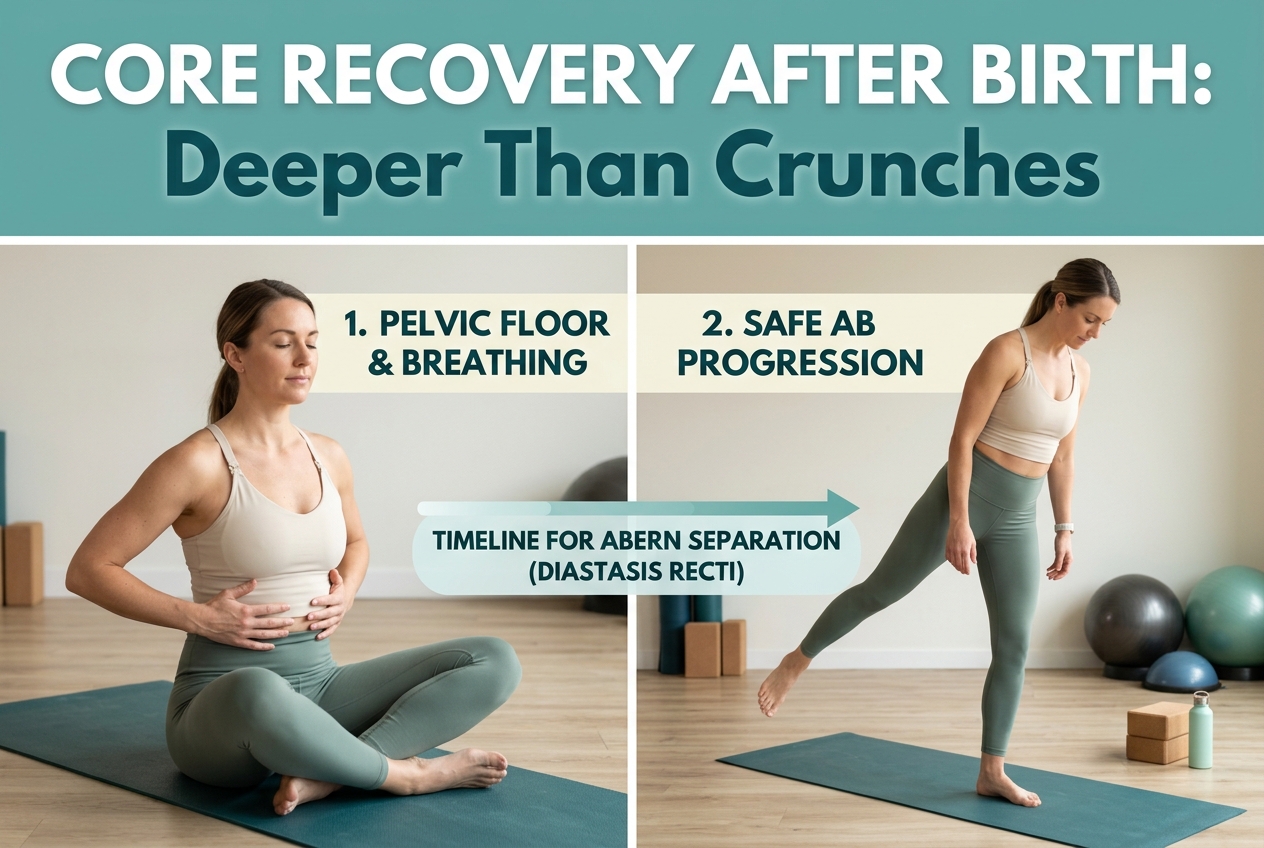
Rebuilding Your Core After Birth Starts Deeper Than Crunches
After giving birth, jumping straight into ab workouts can set recovery back. These steps sequence the comeback from breathing and pelvic floor work up to specific programming and managing abdominal separation, and they split on how cautious or assertive to be along the way. Weigh what the evidence supports and pace a recovery that fits your body.
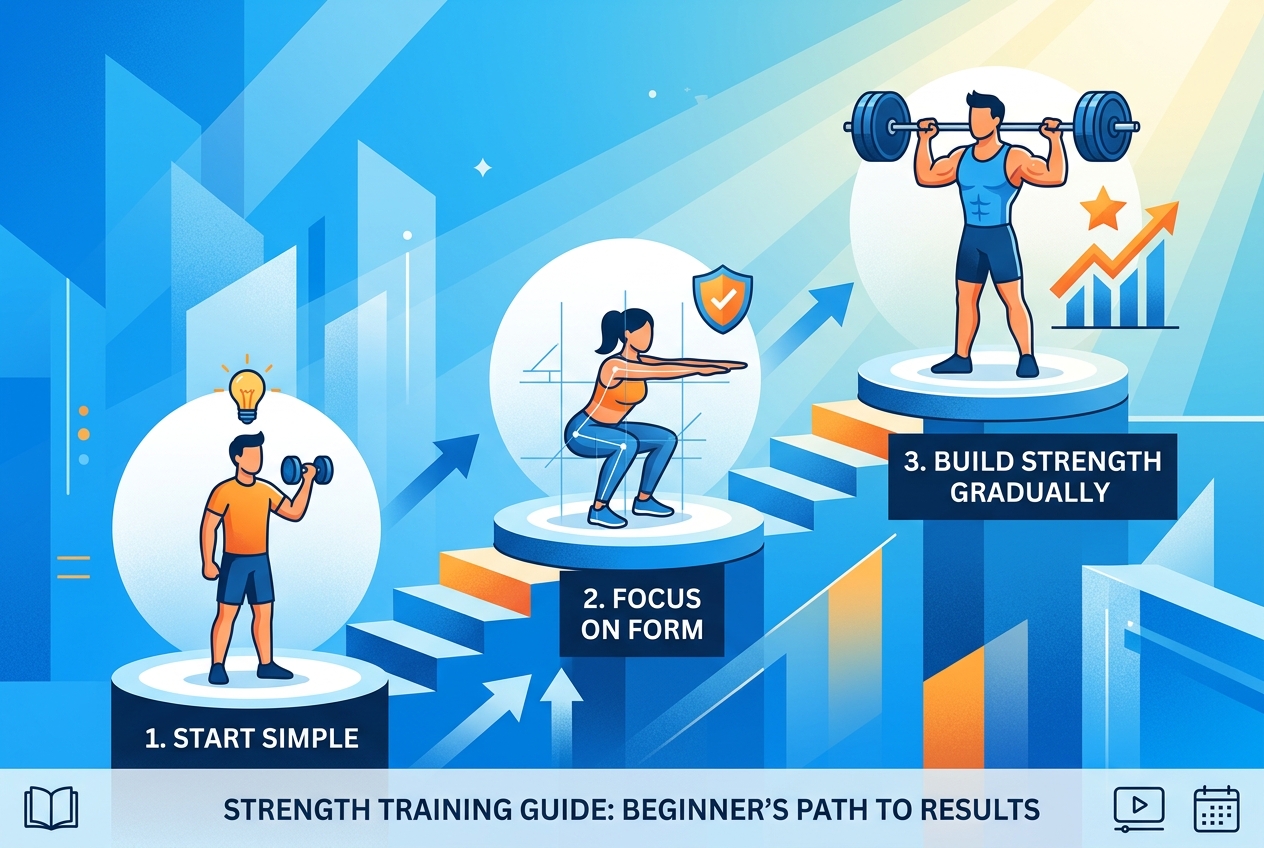
Start Simple, Focus on Form, and Build Strength Gradually
Strength training works best when you begin with manageable weights and prioritize proper technique over lifting heavy. Instead of pushing through pain or rushing progress, focus on consistent, gradual improvements and listen to your body to avoid injury. This practical approach overcomes common barriers like time constraints and fear of injury, making strength training accessible and effective for everyone.
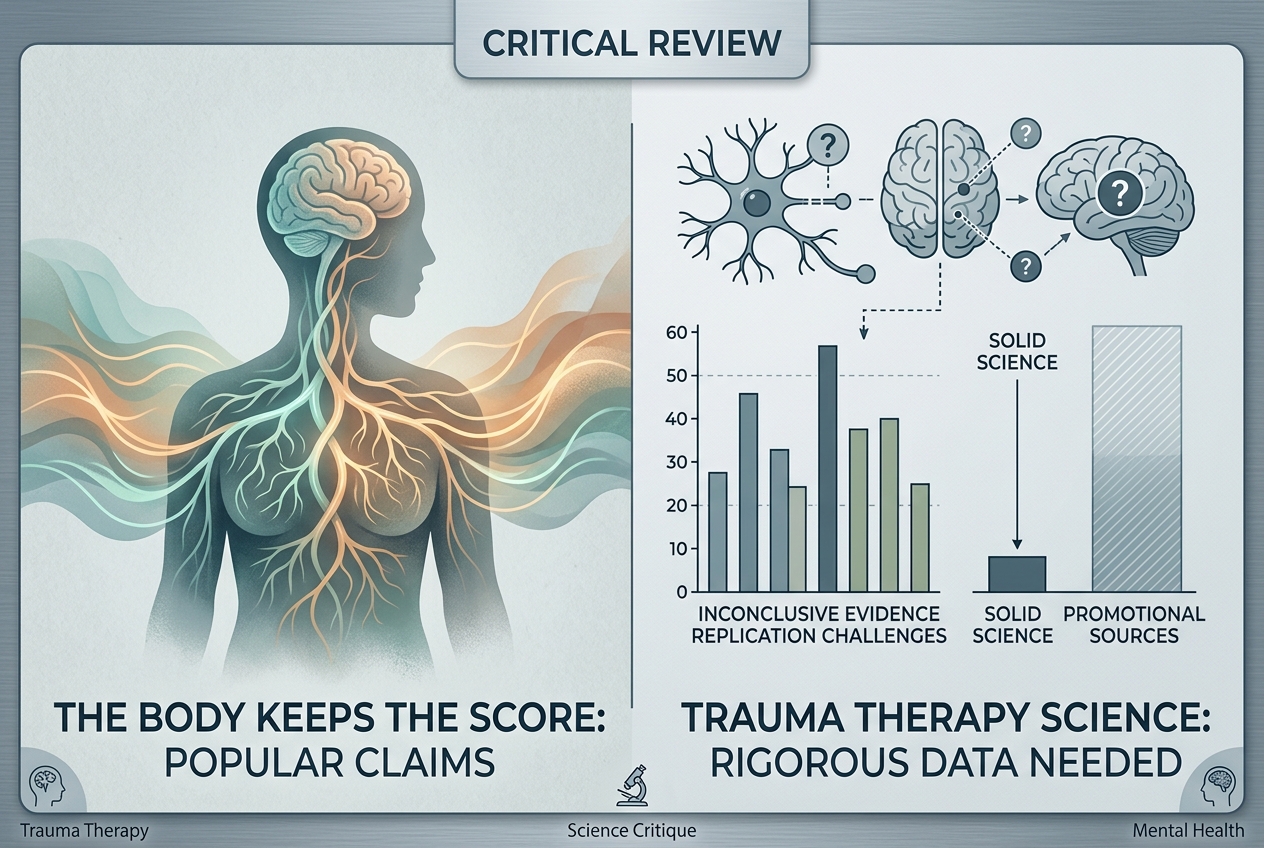
The Body Keeps the Score Overstates Trauma Therapy Science and Hinders True Progress
Many popular claims about trauma therapy based on The Body Keeps the Score rely on limited or promotional sources rather than solid scientific evidence. This leads to confusion between compelling body-memory ideas and the actual, often inconclusive, research on trauma treatment effectiveness. Recognizing these gaps helps avoid uncritical acceptance and encourages demand for rigorous data that can truly improve trauma therapy outcomes.
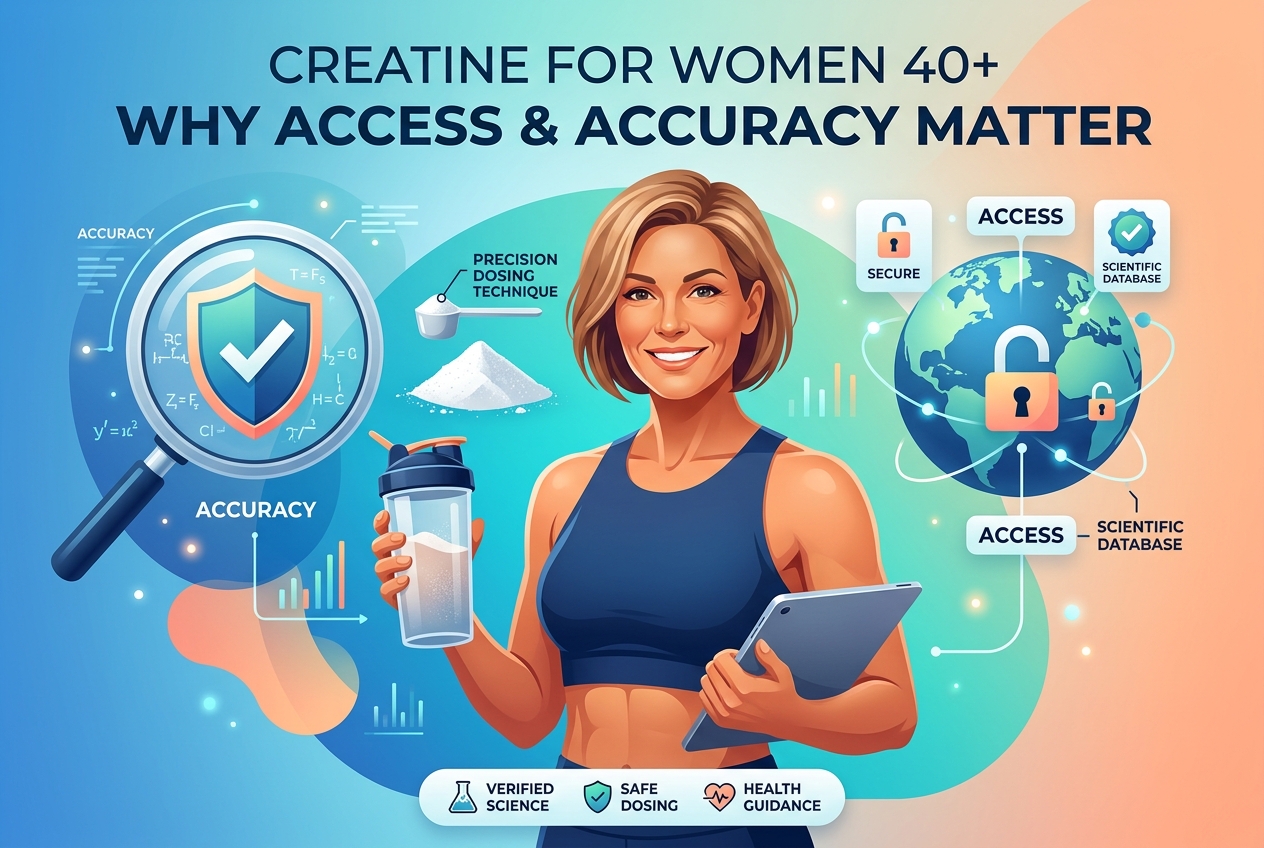
Creatine for Women Over 40, Why Access and Accuracy Matter
Women over 40 face unique challenges when considering creatine supplementation, from ensuring proper dosing technique to navigating restricted access to reliable information. The pitfalls range from misinformation due to security blocks and unclear labeling to the importance of verified science and expert guidance. Understanding these differences helps women make informed choices about creatine use that align with their health goals and safety.
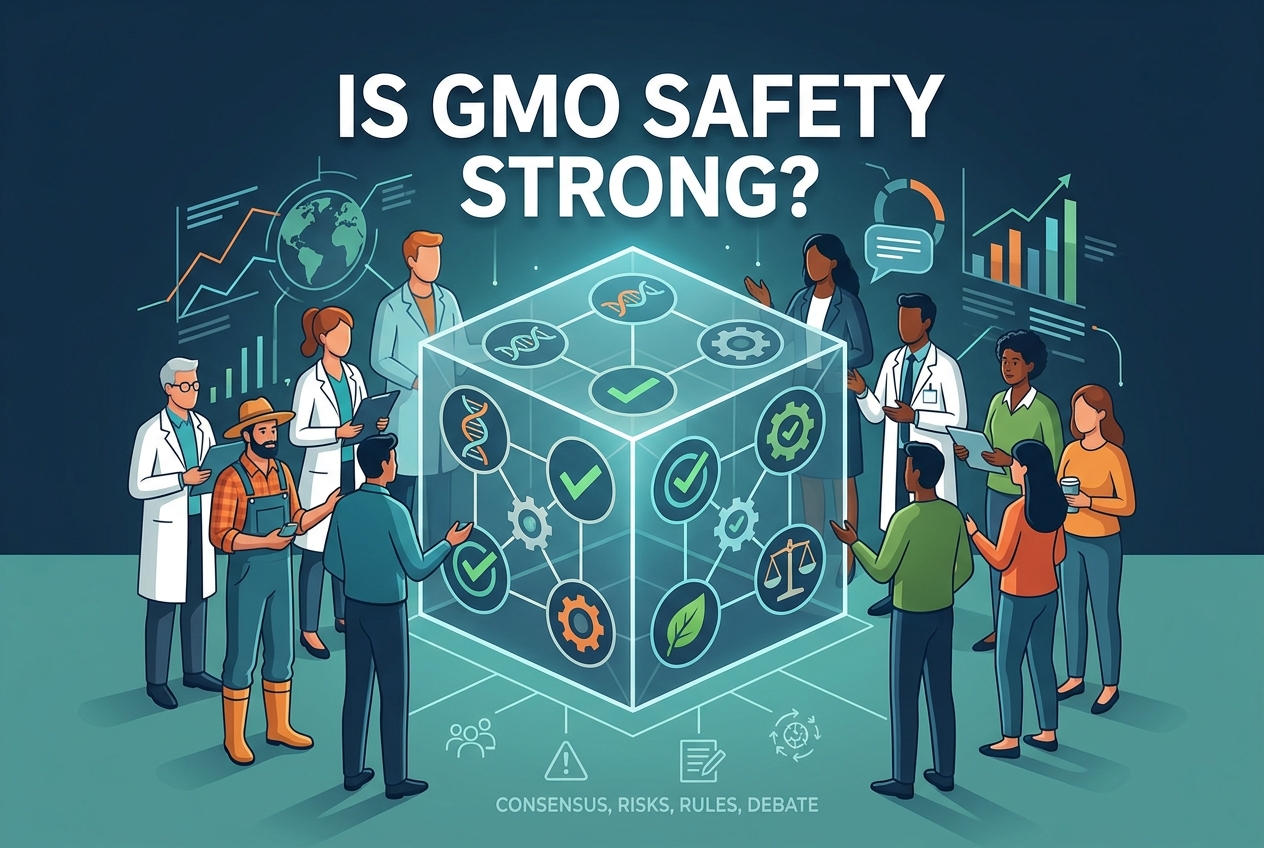
The Case That GMOs Are Safe Is Stronger Than You Think
You've heard GMOs are safe, but how solid that consensus is depends on who you ask. These views range from trusting the authorities and testing behind the agreement, to comparing it to the climate consensus, to questioning whether current safety assessments go far enough. Explore them to land on your own read of the risks and rules.
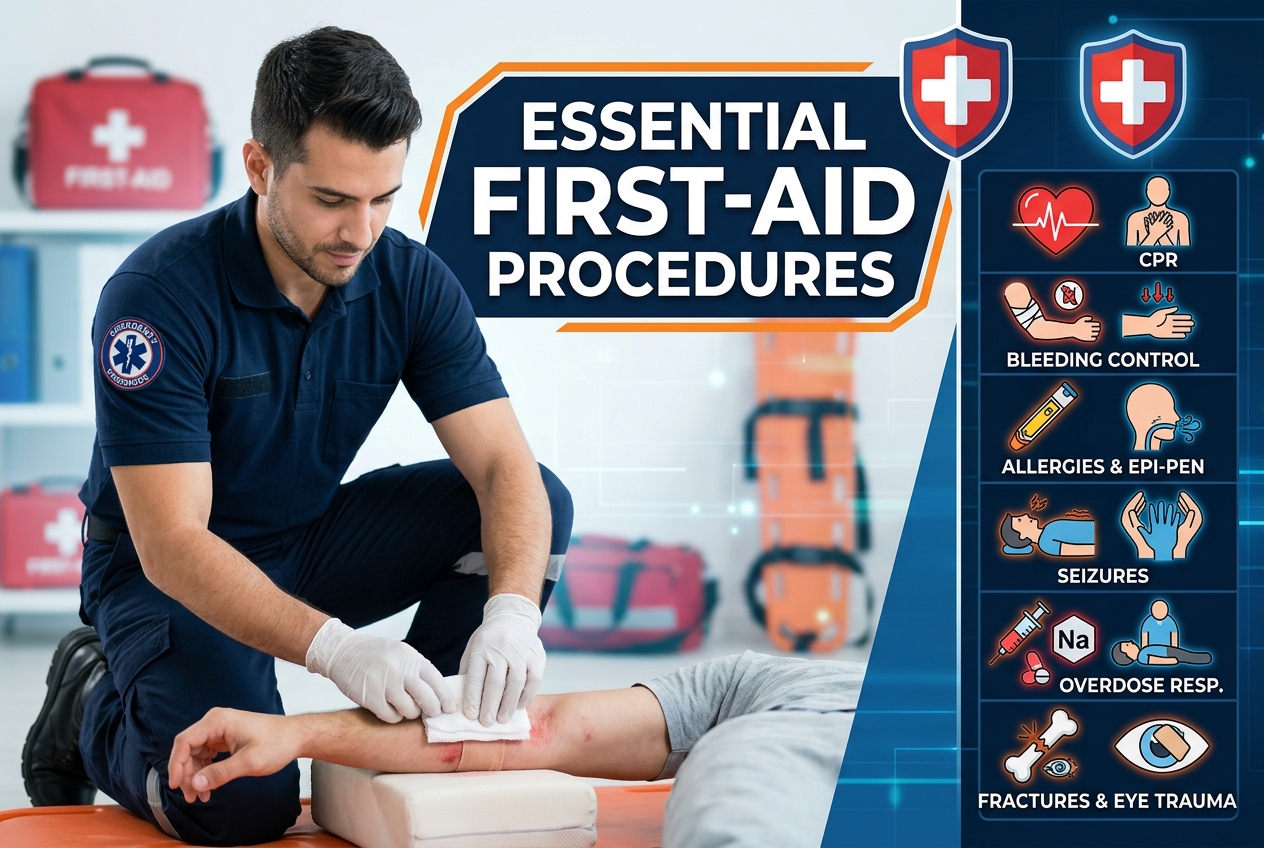
Essential First-Aid Procedures for Common Emergencies
First-aid knowledge is crucial for responding effectively to emergencies such as severe bleeding, seizures, allergic reactions, opioid overdoses, and injuries involving broken bones or eye trauma. This collection provides clear guidelines on when to call emergency services, how to perform CPR, safely remove ticks, use epinephrine auto-injectors, and apply pressure to control bleeding. It also covers important safety precautions like avoiding harmful actions such as putting objects in a seizure victim’s mouth or attempting to realign broken bones.

Adopt or Buy? Where Your Pet Comes From Matters
Where you get your pet decides more than price; it can mean supporting a rescue or unknowingly funding a puppy mill. The approaches divide between adopting to save a life and sourcing carefully from ethical breeders, with practical advice on vetting sources and putting agreements in writing. Thinking it through first gets you a healthy animal and a choice you can stand behind.
Sore Again? What Your Body Needs Might Not Be Rest
Push through the soreness or back off entirely, and either choice can go wrong. These approaches disagree on what protects you most: sleep as the foundation, careful pacing to avoid overuse, active rehabilitation over passive rest, nutrition, or knowing when to stop self-diagnosing and see a professional. Find the recovery approach that matches your body and your training goals.
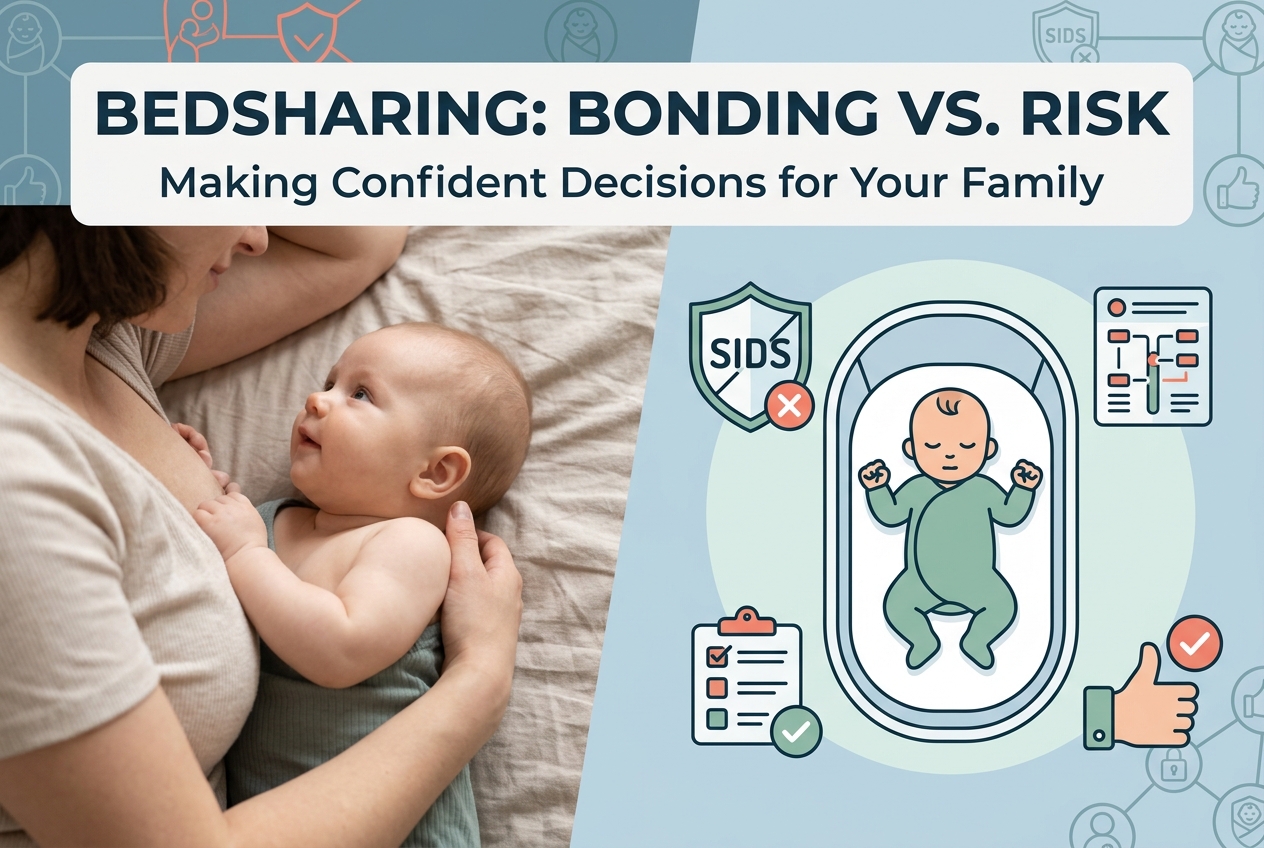
Should You Share a Bed With Your Baby?
Bedsharing pits the real bonding and breastfeeding benefits of closeness against the risk of SIDS and sleep-related harm. These views weigh a harm-reduction approach that respects cultural practice, rigorous safe-sleep education, and individualized, nonjudgmental decisions for each family. Explore them to make a choice you can feel confident about.
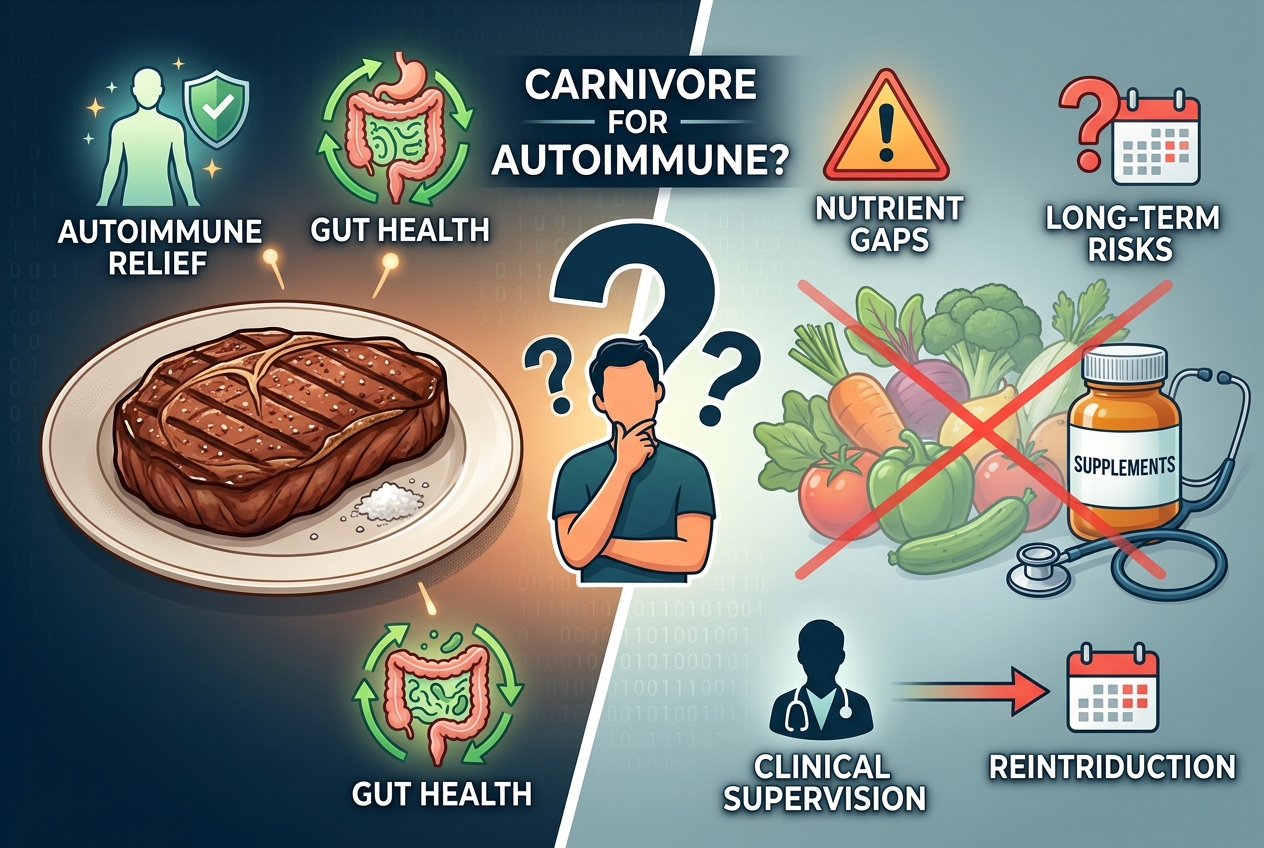
Can Eating Only Meat Calm an Autoimmune Disease?
People with autoimmune conditions report dramatic relief on all-meat elimination diets, while clinicians warn about nutrient gaps and missing long-term evidence. The views run from gut-health arguments for cutting plant foods entirely to insistence that elimination diets stay diagnostic, temporary, and supervised, with systematic reintroduction at the end. Weighing the enthusiasm against the warnings helps you judge whether the experiment is worth the risk for you.
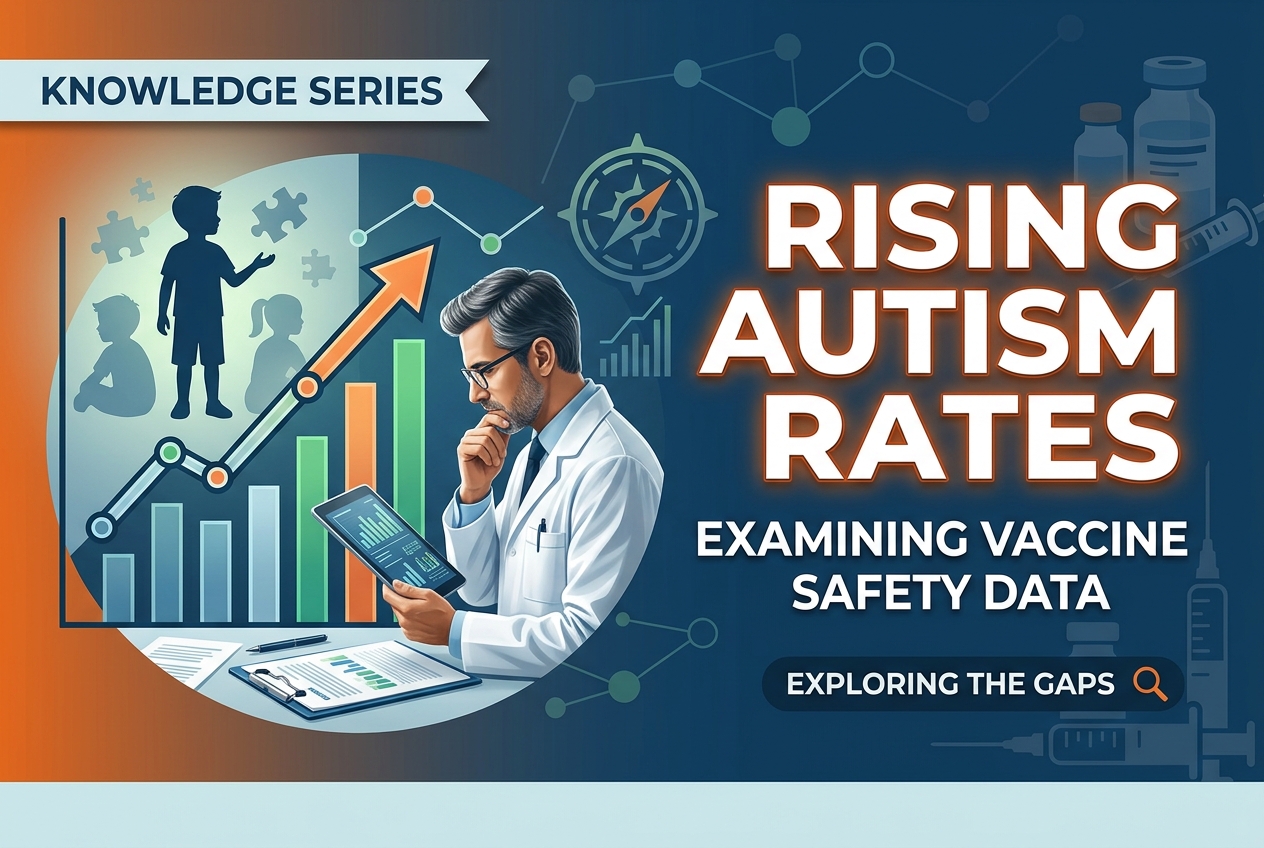
Rising Autism Rates Reveal Gaps in Vaccine Safety Assumptions
Autism and other childhood disorders have increased alongside expanding vaccine schedules, challenging the assumption that vaccines are entirely safe. Evidence and expert calls for transparency show that vaccine safety has been oversimplified, and parents deserve honest information and freedom to make informed vaccination choices. The real path forward requires open investigation and respect for individual decisions rather than dismissing concerns.