
Browse the Context Marketplace
Expert-level knowledge on any topic. Each capsule guides you through what matters most.
17 capsules
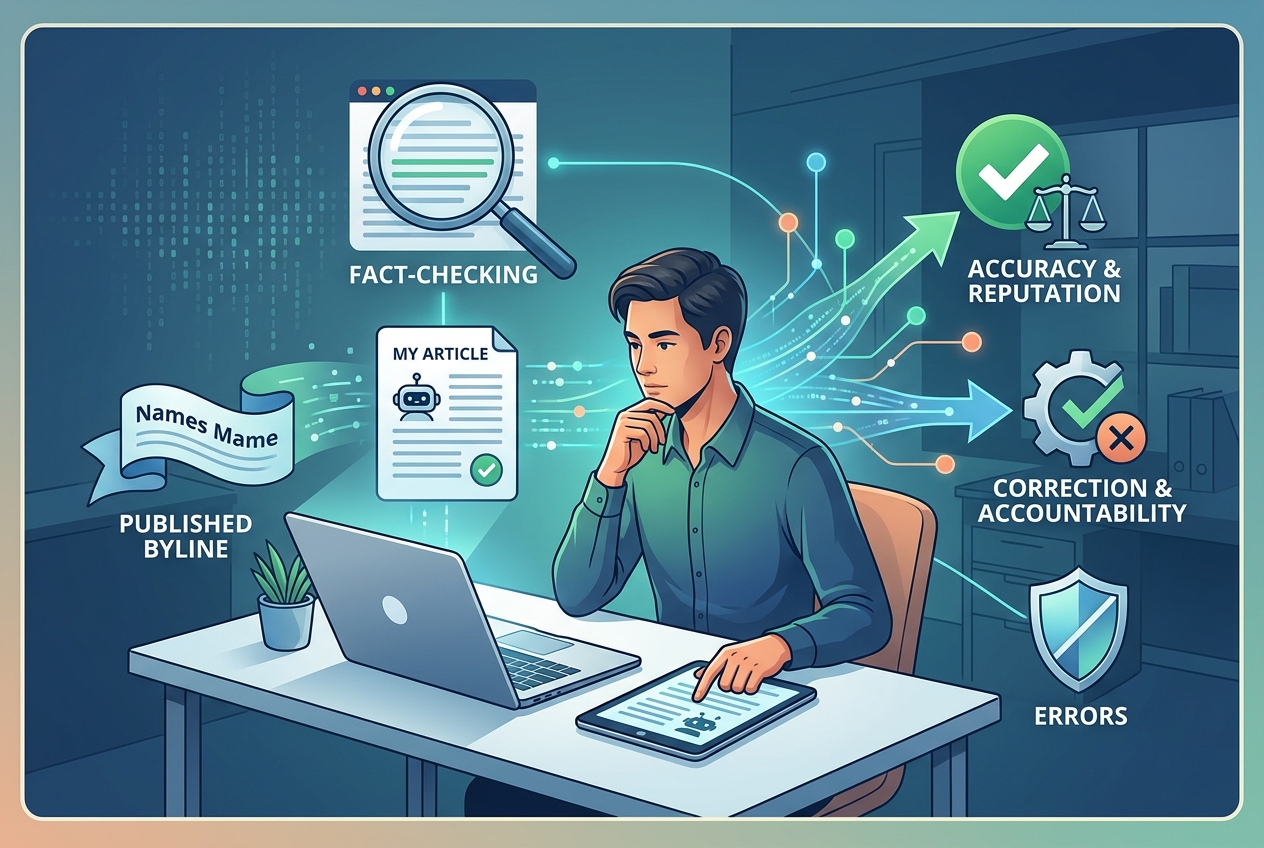
Who Owns AI Mistakes When Articles Bear Your Name
AI-generated articles published under your name raise critical questions about responsibility and correction. Different actions focus on fact-checking, systematic error handling, verifying facts, and confirming historical details, each leading to distinct ways to protect your reputation and maintain accuracy. Understanding these actions helps you decide how to disclose AI use, correct errors, and respond to challenges in published work.

Which AI subscriptions actually save you time and money
AI subscriptions differ widely in how much they save you time, fit your workflow, and justify their cost. Some, like Perplexity Pro, limit advanced features that impact research value, while others offer multi-model flexibility or enterprise options. By auditing your usage against clear time-saving and usability criteria, you can decide which subscription truly earns its place in your routine.

Turn One Post Into Ten Only With Human-AI Teamwork
Most people think simply reposting the same content everywhere saves time, but this risks SEO penalties and wasted effort. The best way is to combine AI tools with human creativity to tailor content for each platform, track real business results, and avoid duplicate content problems. Following this approach saves time, boosts reach, and improves marketing impact.
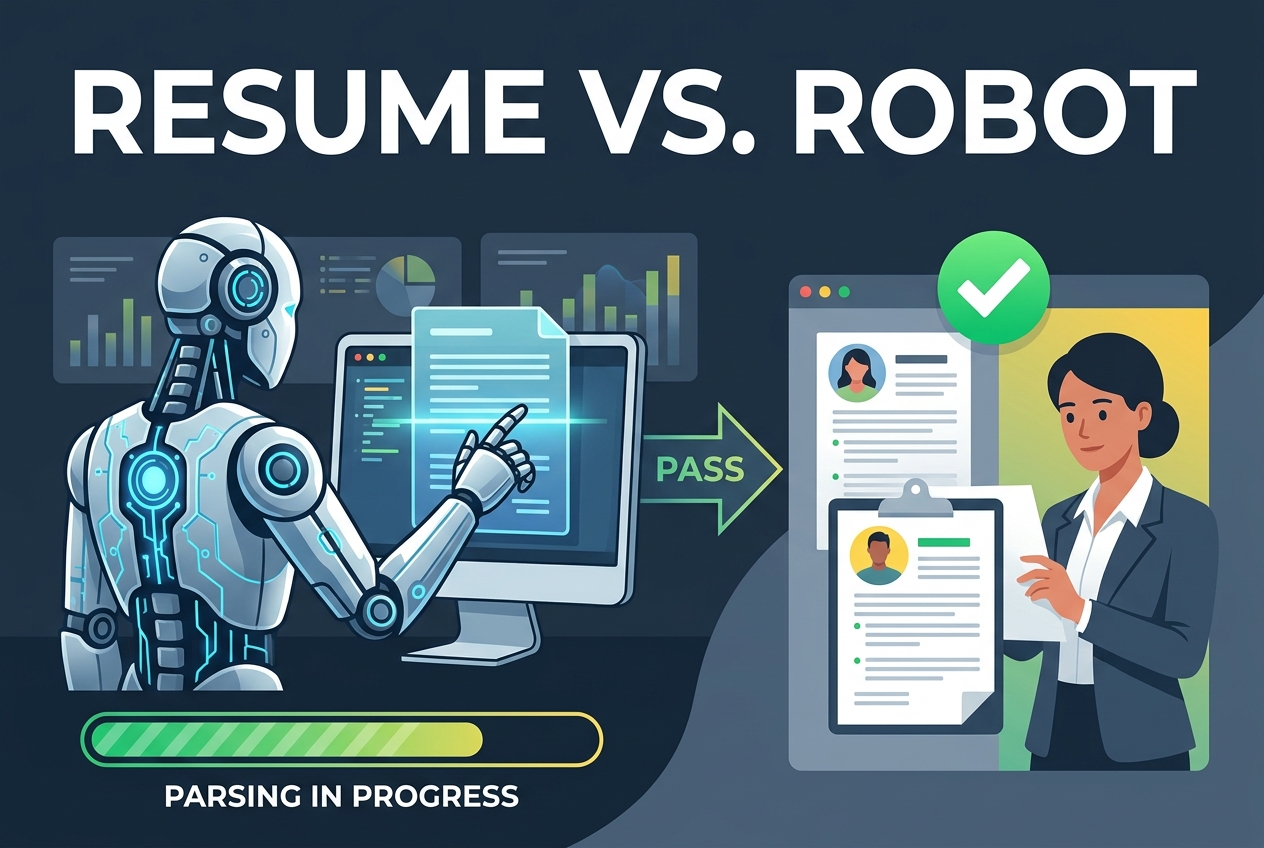
A Robot Reads Your Resume Before Any Human Does
Your resume has to survive parsing software before a recruiter ever sees your name. These tactics split on how far to bend to the machine: strict formatting rules to avoid parsing errors, running your file through the same software recruiters use, or writing for the human reader first and trusting clean structure to pass. The balance you strike decides whether you get filtered out or called back.

Families Should Not Bear the Burden of AI Voice Cloning Scams Alone
AI voice cloning scams exploit families by impersonating loved ones to steal money, shifting the responsibility of defense onto victims through codewords and verification steps. This approach fails because law enforcement and regulatory resources are underfunded and constrained, leaving families vulnerable. Strengthening coordinated state-level identity theft centers and improving enforcement capacity are essential to protect families rather than expecting them to act as the first line of defense.