
Browse the Context Marketplace
Expert-level knowledge on any topic. Each capsule guides you through what matters most.
18 capsules
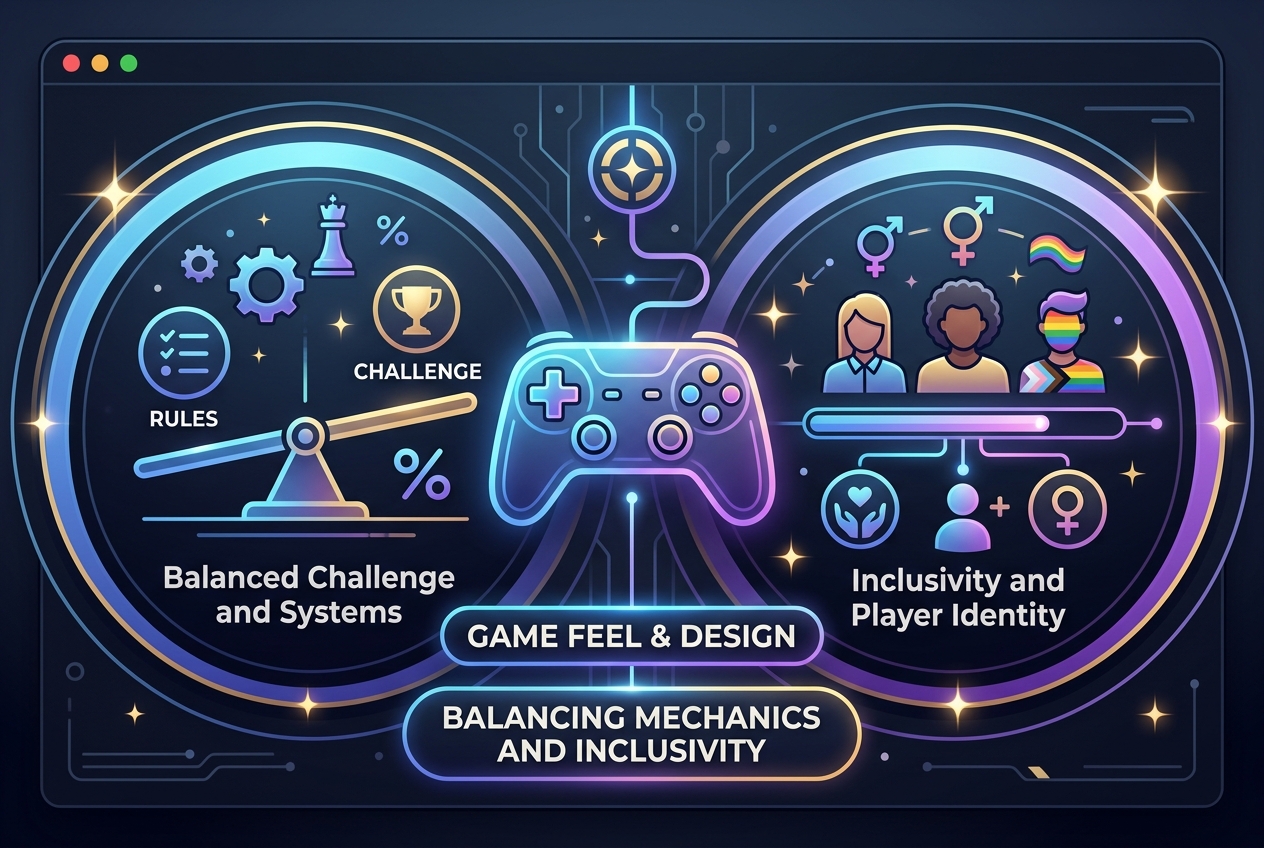
What Actually Makes a Game Feel Good to Play
A game feels rewarding when its rules manage power, fairness, and meaningful choice well. These approaches differ on what matters most: one focuses on balanced challenge and clear rules, the other on which player identities games leave out, like queerness getting overlooked next to gender and race. You can weigh which lens shapes a more satisfying, inclusive experience.
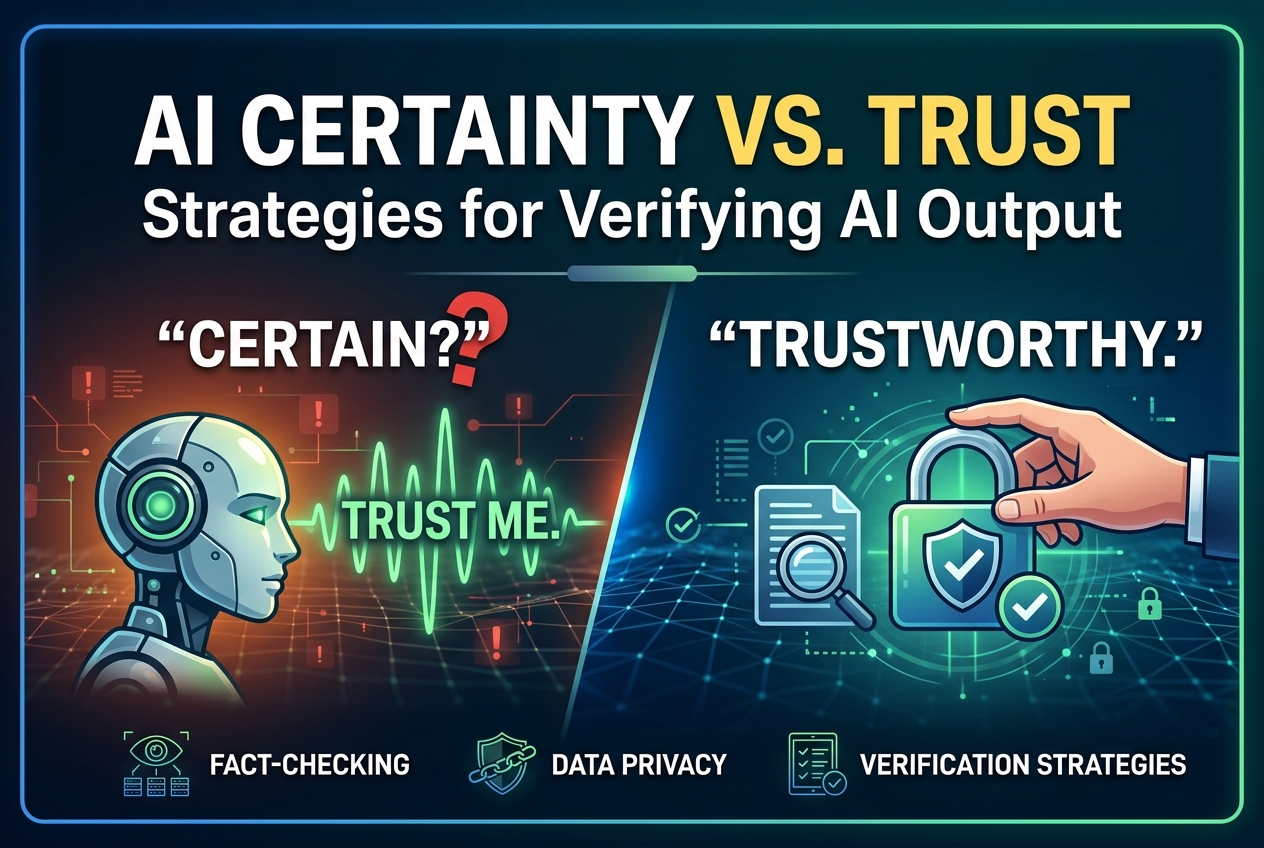
When AI Sounds Certain, Should You Trust It Without Question
AI can confidently deliver answers that are wrong or misleading, making it essential to verify its outputs carefully. Different strategies emphasize trusting only verifiable facts, using structured prompts with constraints, and applying strict privacy-safe aggregation rules to avoid exposing sensitive data. This landscape helps you decide when to treat AI responses as starting points for fact-checking and when to rely on secure, verified information sources.
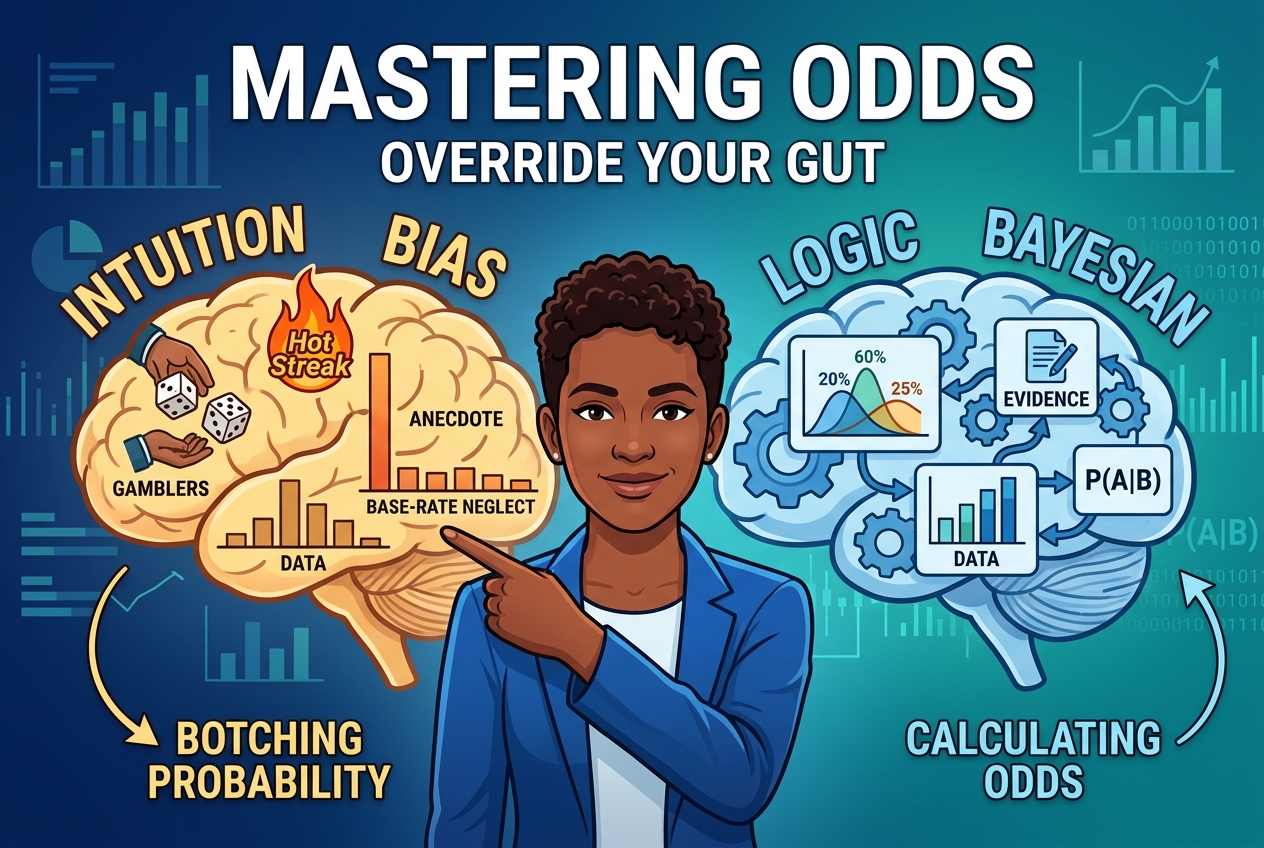
Why Your Gut Is Terrible at Judging the Odds
Human instinct routinely botches probability, from the gambler's fallacy to ignoring base rates. These reasons range from stubborn cognitive biases and how badly we encode randomness to systematic fixes like Bayesian updating that override the guesswork. You can decide which explanations and tools help you think more clearly about chance.
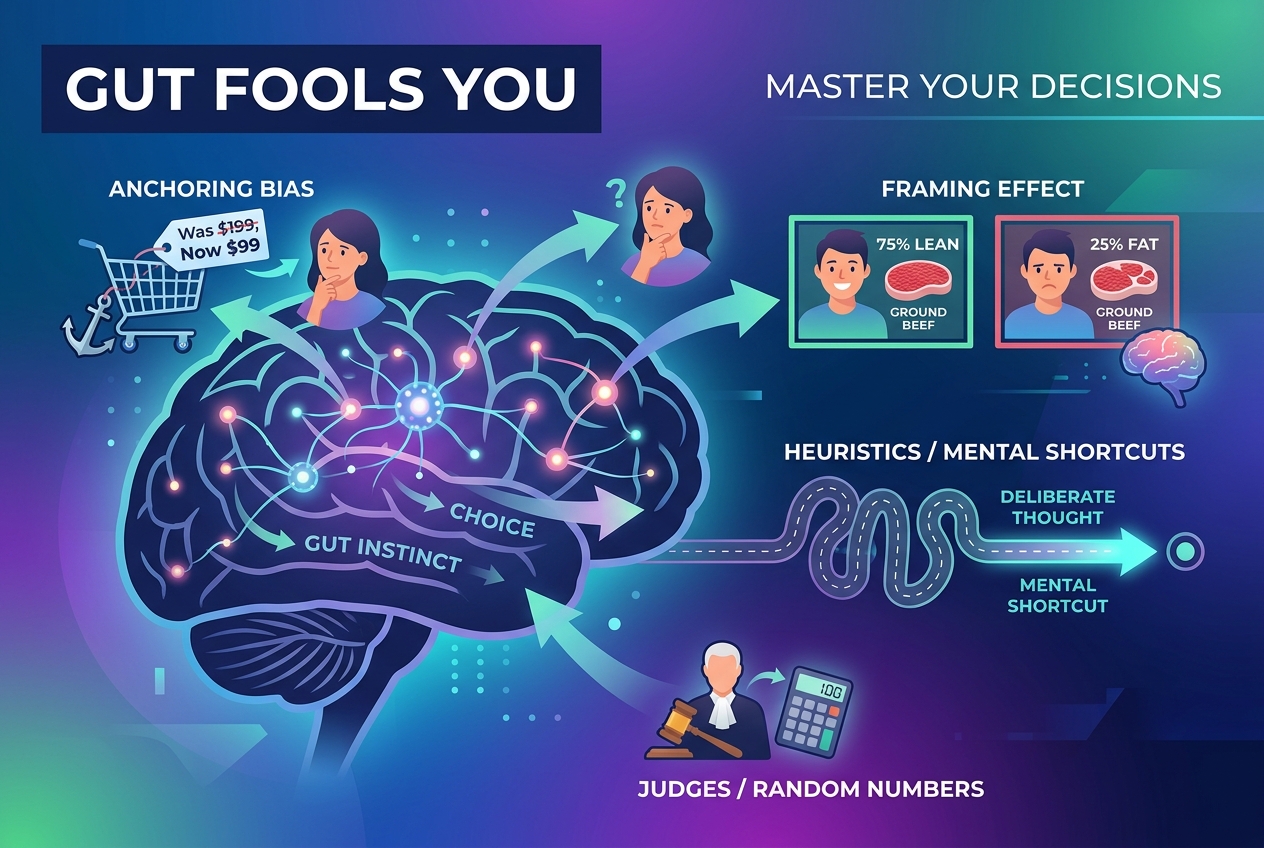
How Your Gut Quietly Fools You Every Day
From judges swayed by random numbers to shoppers anchored by the first price they see, mental shortcuts steer choices you think are rational. These views differ on whether biases are stubborn and mostly unconscious or something you can catch and counter in the moment. You can decide when to trust your instinct and when to question it.
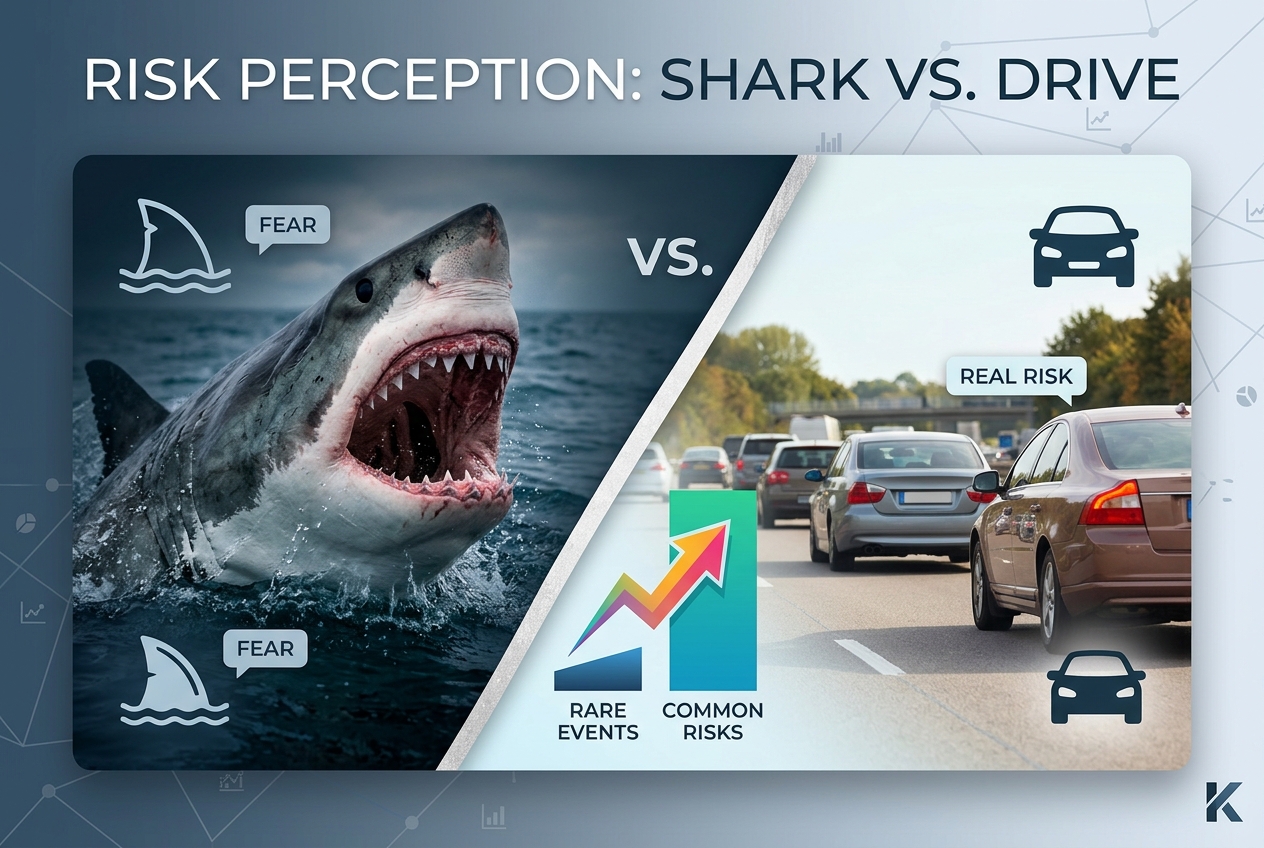
The Shark Scares You More Than the Drive There
Shark attacks, plane crashes, and sinister strangers grip your imagination far more than the everyday hazards that actually hurt people. These claims differ on how deep the distortion goes: some say rare, vivid dangers fully hijack your sense of risk, while others argue that leaning on data and oversight can pull your judgment back in line. Weigh them and you can start reacting to real threats instead of memorable ones.
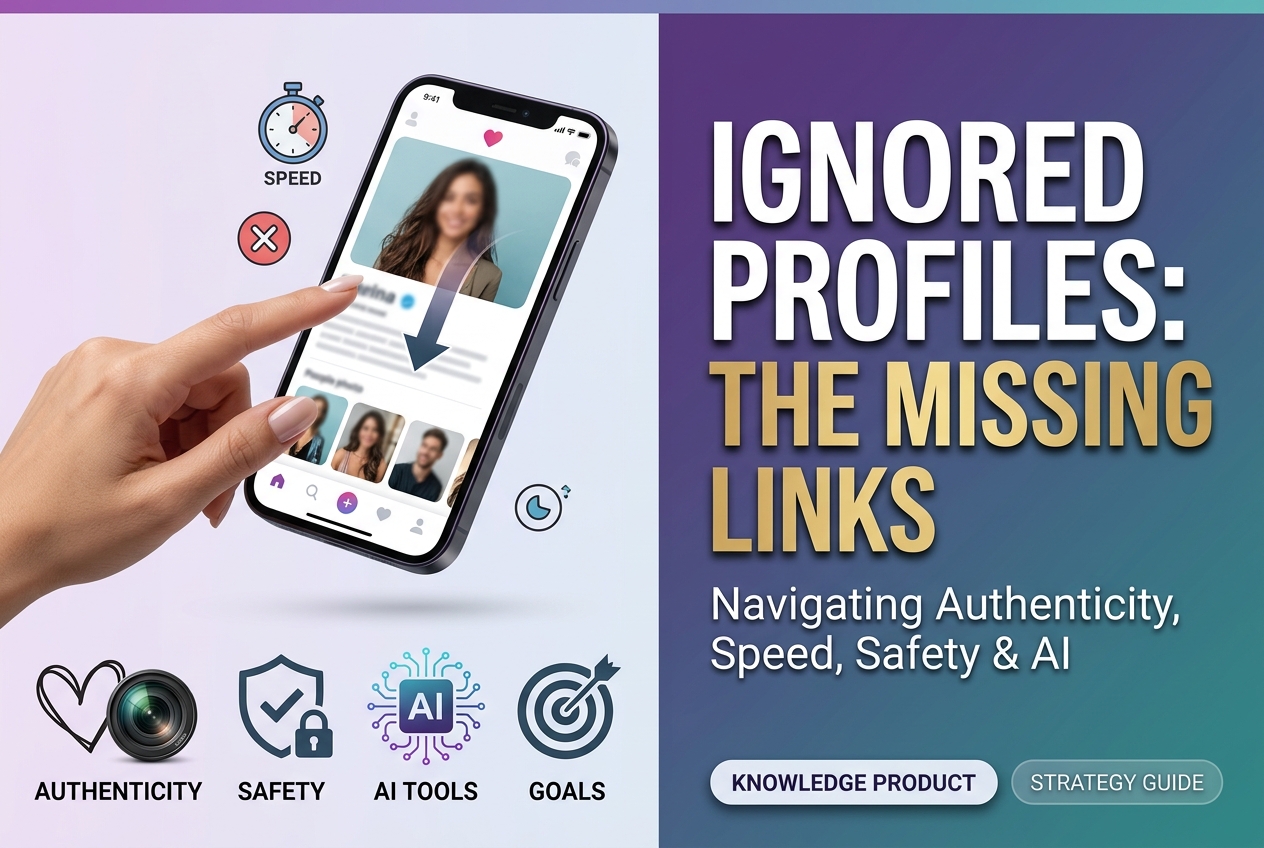
Why Good Profiles Get Ignored on Dating Apps
Dating apps reward some habits and quietly punish others, and the advice here doesn't all point one way. These tips pull between deciding fast so matches don't go cold, polishing a profile that still feels authentic, guarding your safety and boundaries, and letting AI tools shape your presentation. Weigh them against what you actually want from the apps.