
Browse the Context Marketplace
Expert-level knowledge on any topic. Each capsule guides you through what matters most.
18 capsules
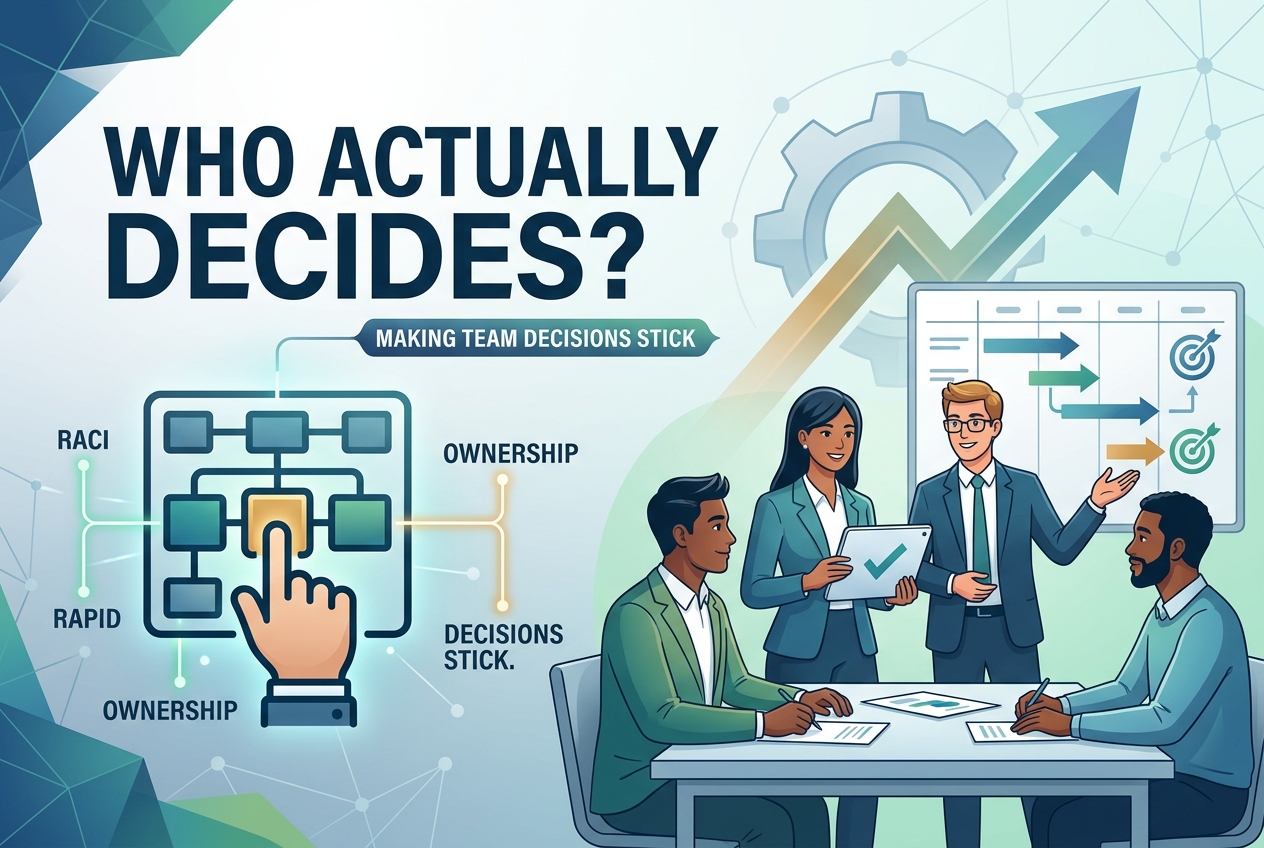
Who Actually Decides? Making Team Decisions Stick
Decisions that nobody clearly owns get relitigated, stalled, or silently ignored. The frameworks assign ownership differently, from role charts that clarify who recommends and who approves to pre-mortems that stress-test a call before it is made, and they openly trade inclusion against speed. Matching one to your team turns arguments about who decides into decisions that actually hold.

Common Mental Shortcuts That Influence Our Decisions
People often rely on mental shortcuts that shape how they judge situations, estimate risks, and make choices. These shortcuts include biases like anchoring on the first number heard, fearing losses more than valuing gains, overestimating abilities, and favoring information that confirms existing beliefs. Recognizing these common patterns helps explain why decisions sometimes stray from rational thinking.
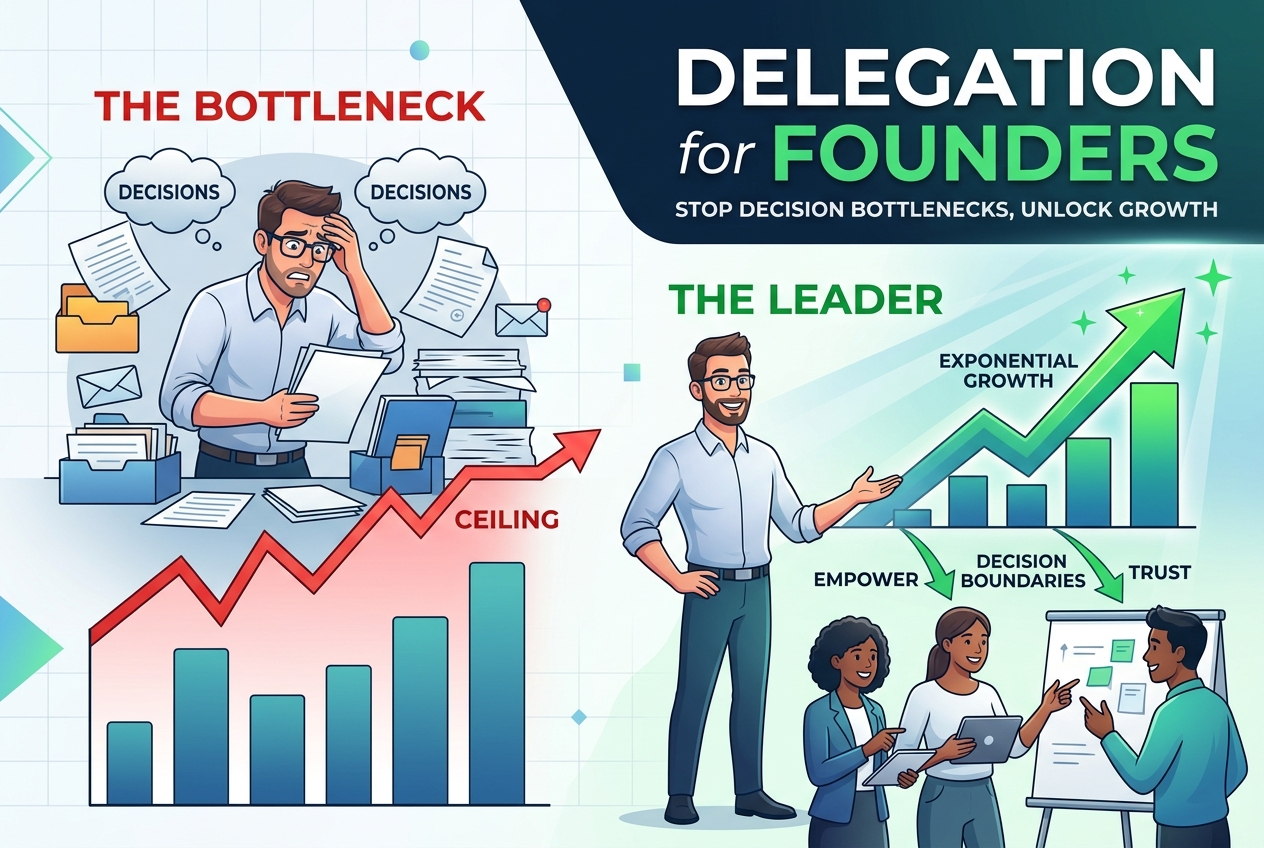
Founders Who Won't Delegate Decisions Cap Their Own Growth
Many founders will hand off tasks but cling to every decision, and that reflex quietly caps how far the company can grow. The stronger move is to define outcomes and decision boundaries, then push real authority down to the people closest to the work. Do that with clear feedback and coaching and you free yourself for the calls only you can make.
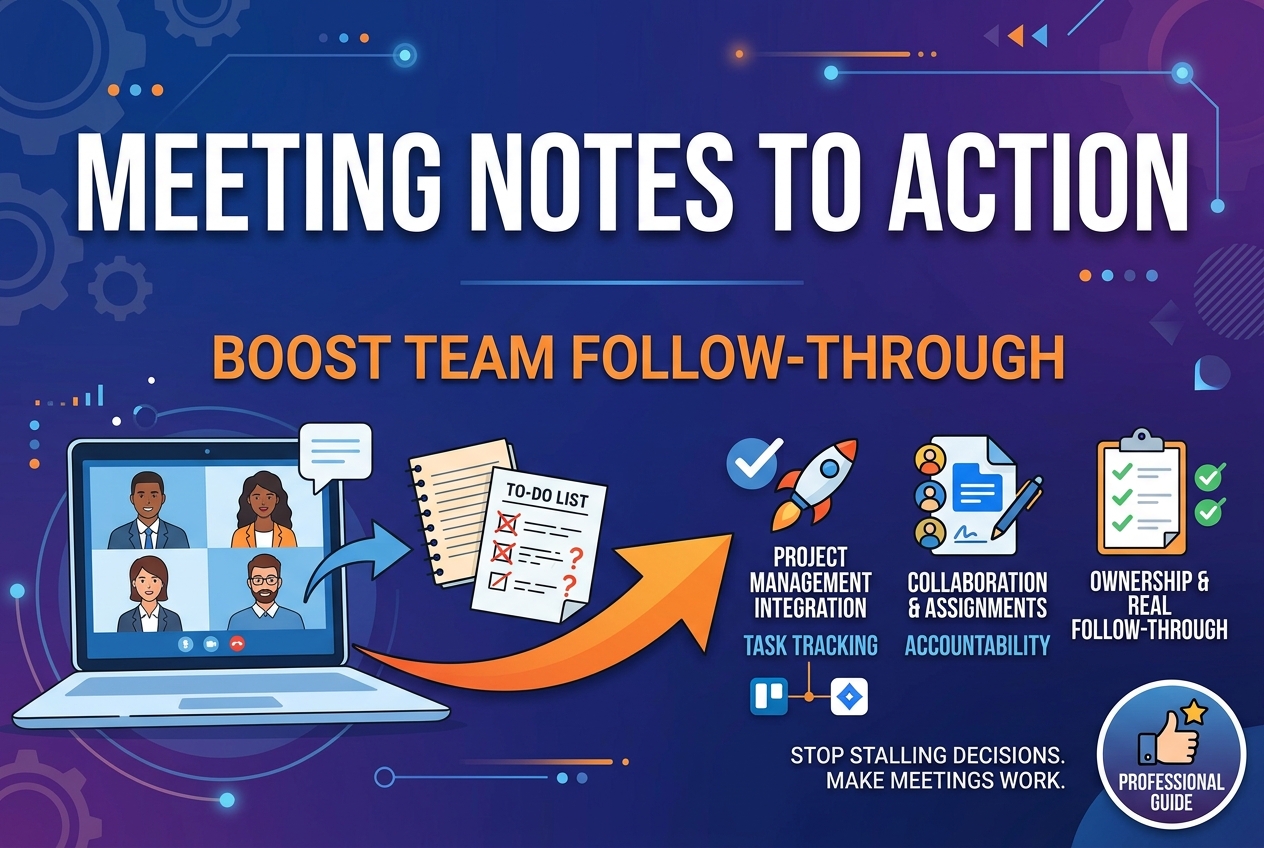
Methods for Turning Meeting Notes Into Real Follow-Through
Most meeting notes get typed up and never touched again, which is why decisions stall. These methods differ on capturing only decisions and owners in the room, wiring notes into tools like Jira or Trello, collaborating in a shared live doc, or systematically converting notes to tasks in batches. Pick the one that makes your meetings actually lead to action.
Focus on Metrics That Drive Real Decisions, Not Just Feel-Good Numbers
The numbers that look best in a deck often steer you wrong, rewarding activity that never moves the business. This take backs metrics that confirm or kill a hypothesis and shape real strategy, and warns that any number you turn into a target quietly stops meaning anything. Use cohort analysis and attribution to see what customers actually do.
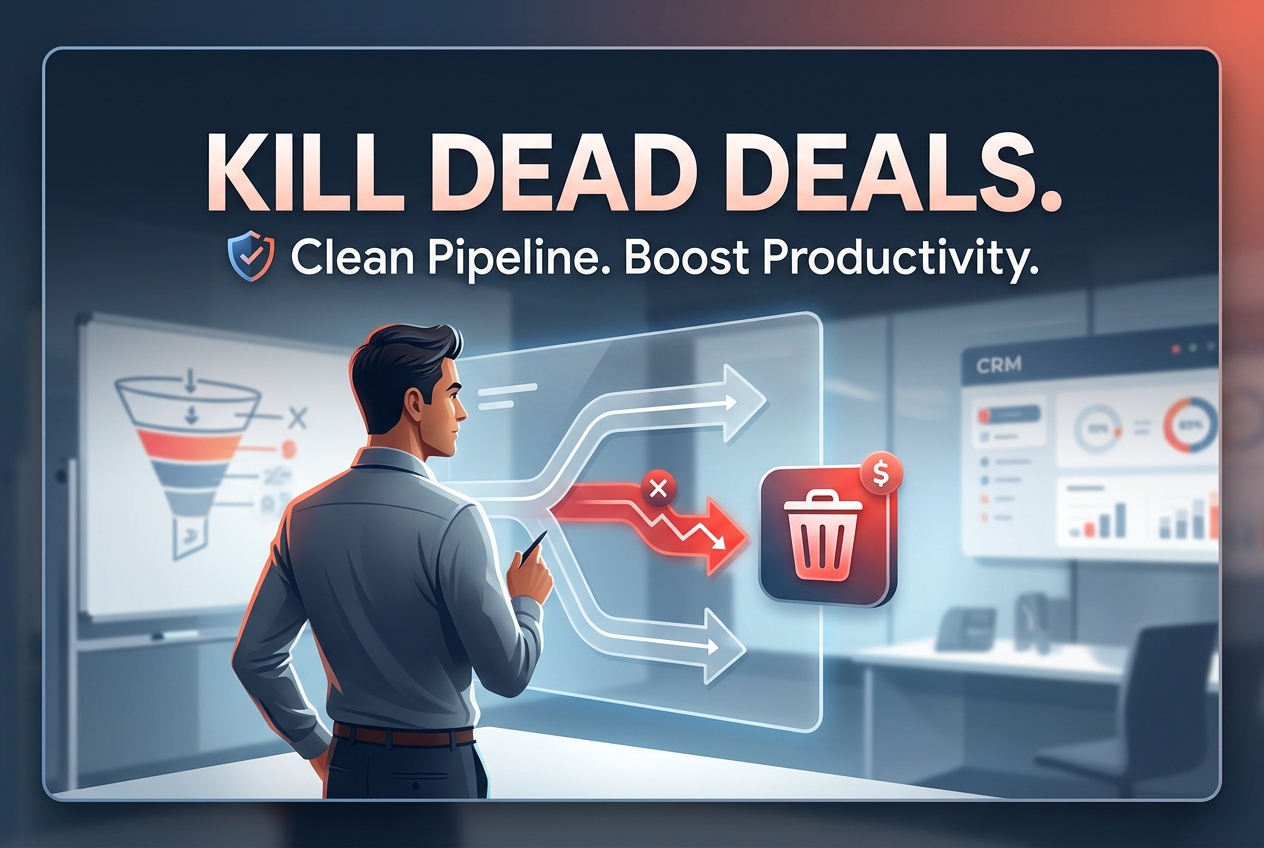
Knowing When to Kill a Sales Deal That's Going Nowhere
Dead deals clog the pipeline and waste a seller's time, but spotting them is contested. These approaches range from strict qualification rules and disciplined CRM hygiene to AI risk alerts and simply having the honest conversation that ends a bad deal early. You can pick the method that keeps your pipeline clean and productive.
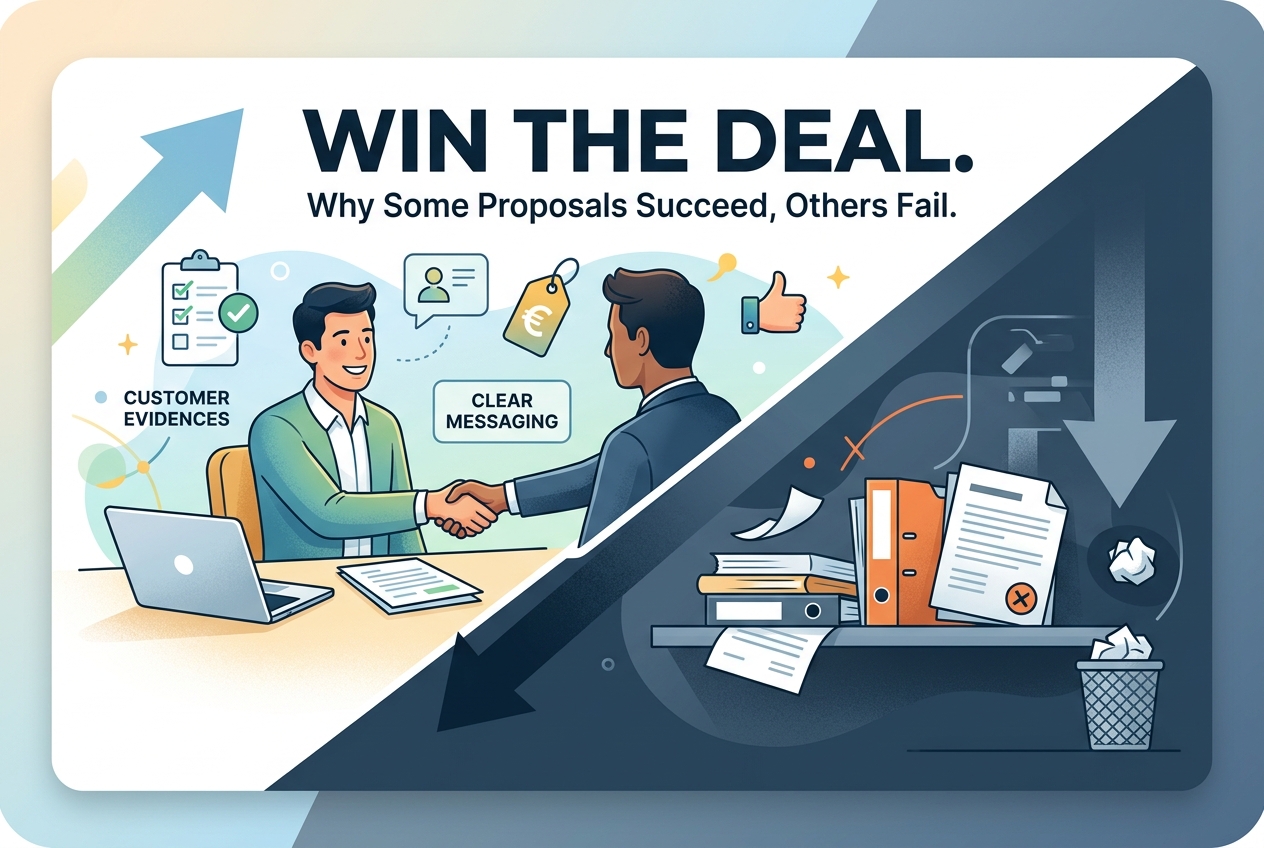
Why Some Proposals Win the Deal and Others Get Ignored
A proposal either moves the client to act or gets filed away. These approaches split on what does the moving: customer evidence and clear messaging, value-based pricing checked against cost and competition, rigorous quality reviews, or structured sales enablement. Decide which style fits how you sell and shape your next proposal around it.
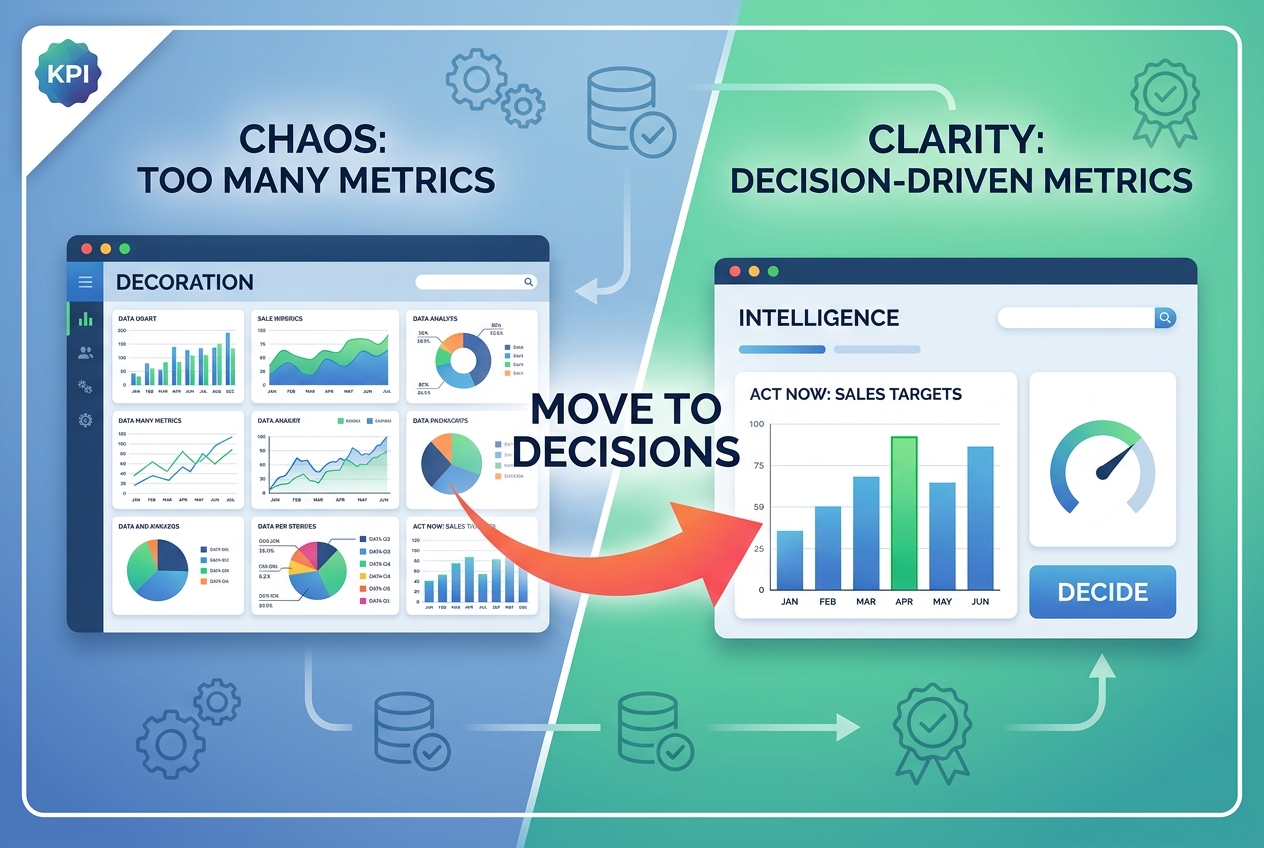
Most Dashboards Decorate. Yours Should Decide
A dashboard full of charts nobody acts on is decoration, not intelligence. These approaches split between ruthless simplicity around a few decision-linked metrics and comprehensive data integration with automation for real-time accuracy, with governance and data quality contested in between. Build the dashboard around the decisions it must drive, then choose your side.
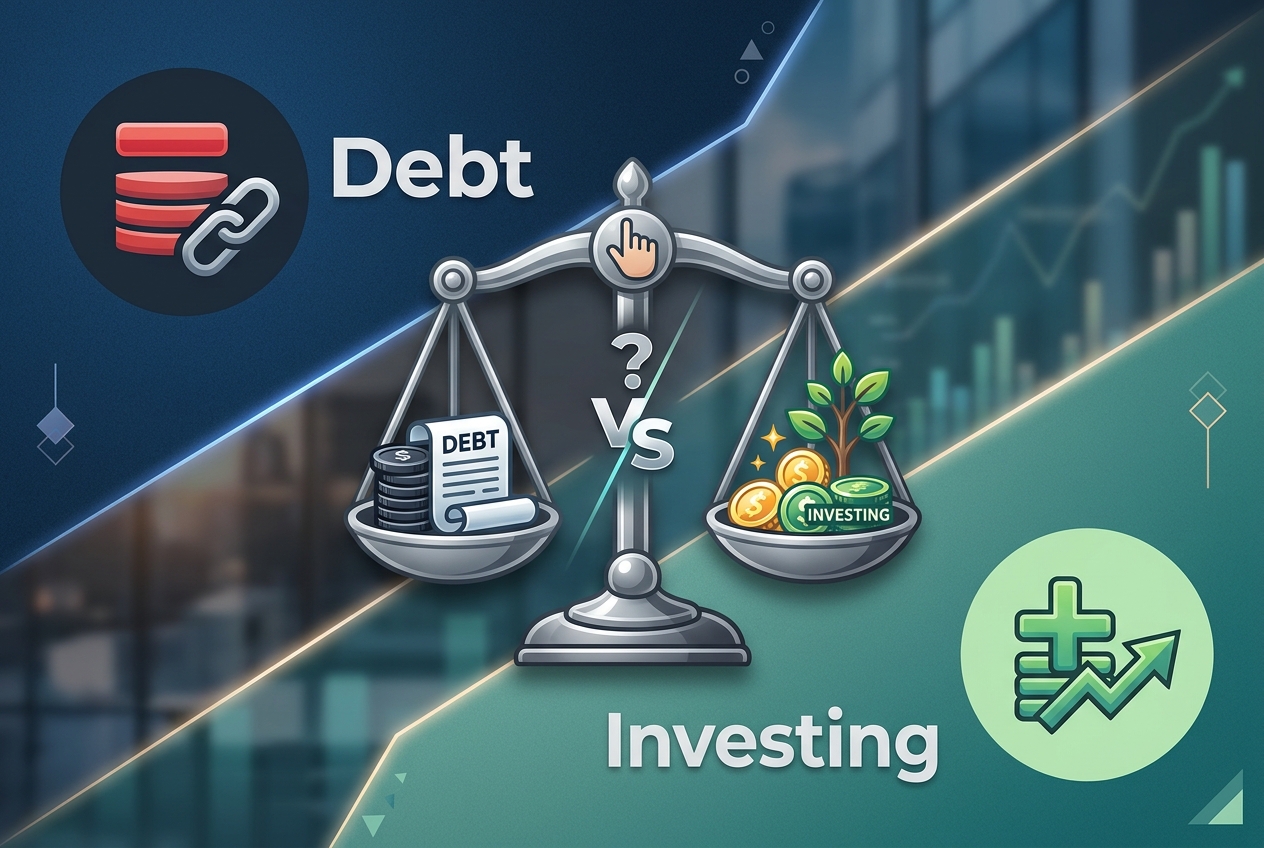
Should You Pay Debt or Invest First When Both Compete for Your Money
Deciding whether to pay off debt or invest first depends on factors like guaranteed savings from reducing debt interest versus uncertain investment returns, employer retirement match opportunities, and specific loan rules such as federal student loan forgiveness programs. Some strategies prioritize capturing every dollar of employer match before tackling debt, while others focus on teamwork and system clarity in managing finances. Understanding these differences helps you choose the approach that fits your goals and financial situation.
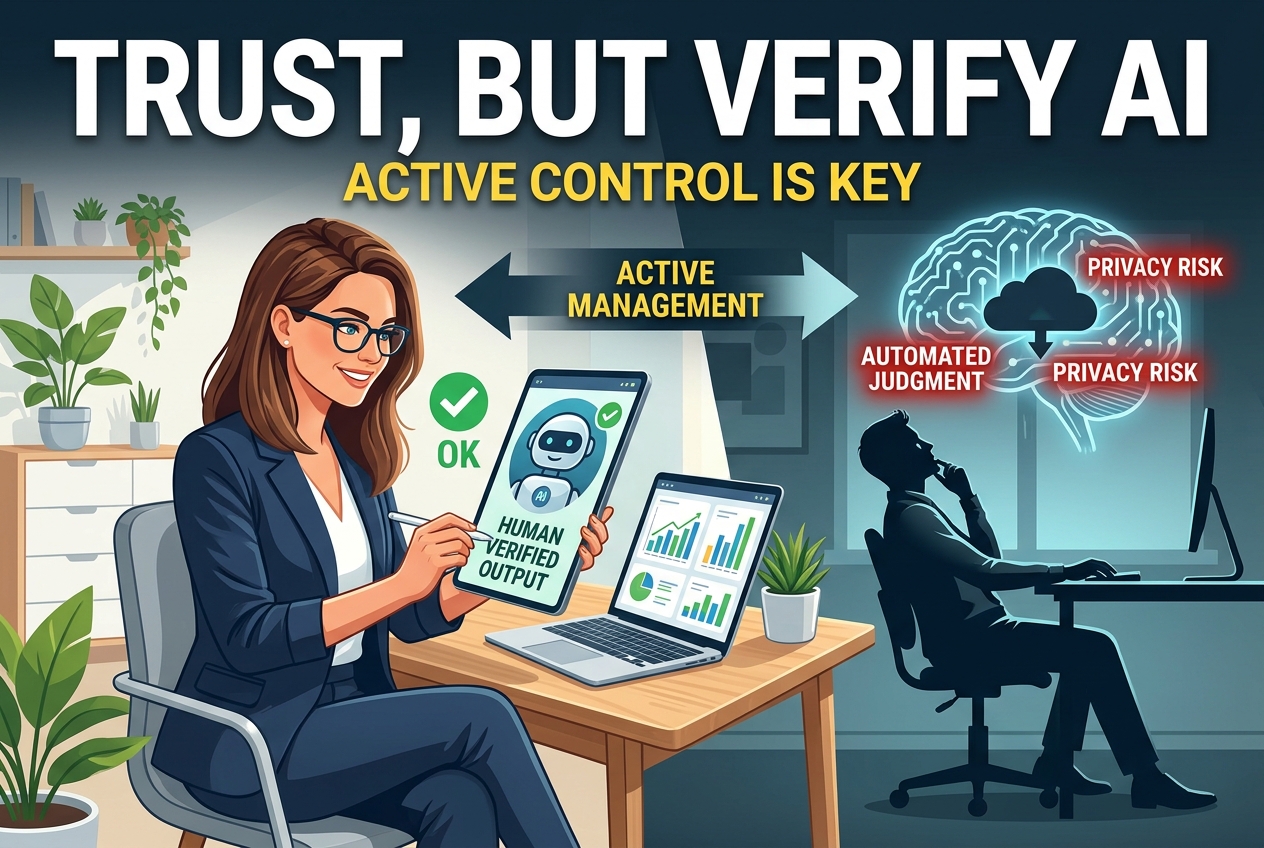
Never Hand Your Thinking Over to AI
Trusting AI tools to run on their own quietly costs you privacy and your own creative judgment. Against the mainstream faith in automation, the case here is for active control: manage what data you share, verify vendor policies, and review every output critically. Done right, AI stays a useful assistant instead of becoming your replacement thinker.

Knowing When to Ask for Help Keeps You in Control
Many believe self-reliance means handling everything alone, but this approach overlooks the power of strategic support. By clearly communicating your needs and seeking help when challenges exceed your capacity, you maintain authority over your situation rather than losing control. Embracing help at the right time ensures you stay engaged and lead effectively through complex or emotional challenges.

The Store Decided What You Would Buy Before You Walked In
Layout, pricing, scent, and social cues in a supermarket are engineered choices, not accidents. These tactics split on how deep the influence runs: subtle nudges through aisle design and pricing, emotional and identity triggers, or effects so measurable that researchers track shoppers' biometric reactions in real time. Seeing the machinery is the first step to deciding how much of your cart is really yours.