
Browse the Context Marketplace
Expert-level knowledge on any topic. Each capsule guides you through what matters most.
29 capsules
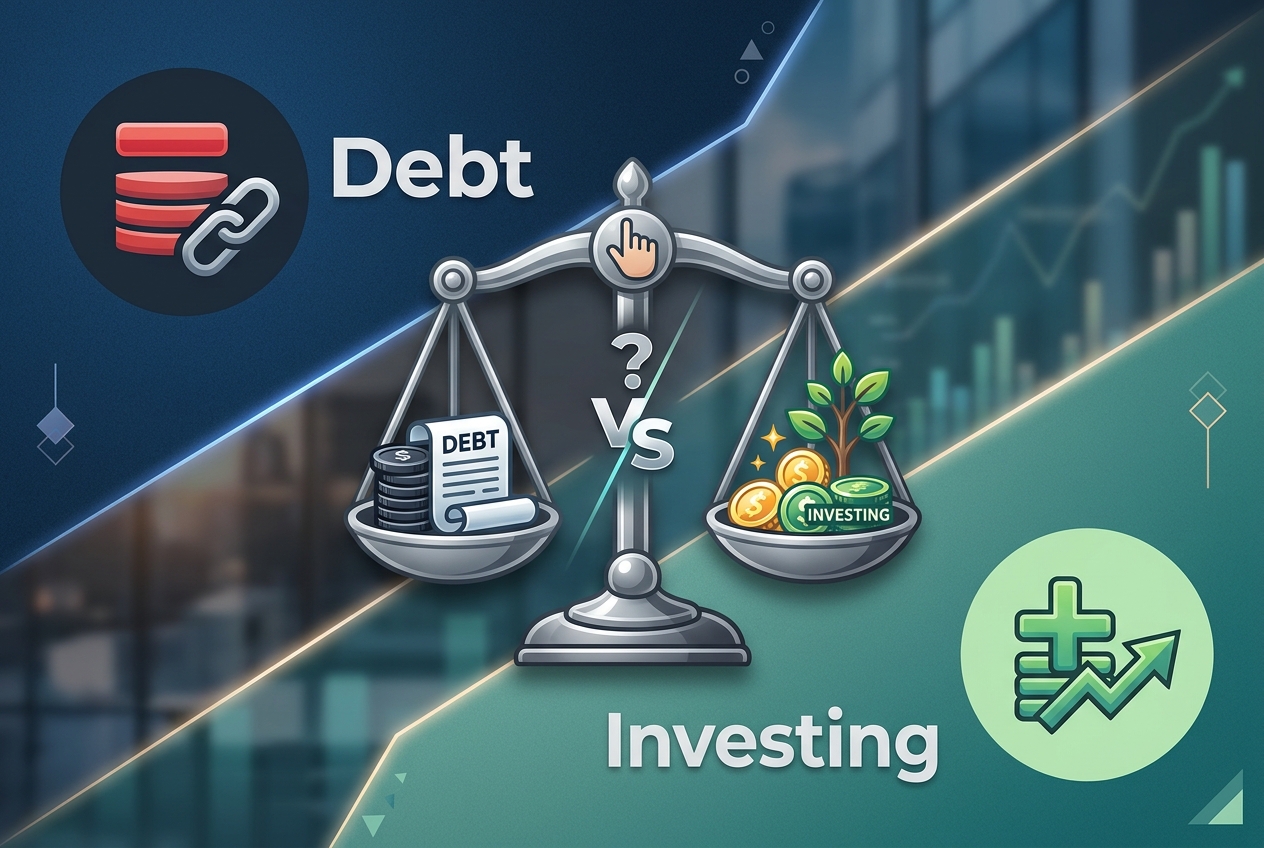
Should You Pay Debt or Invest First When Both Compete for Your Money
Deciding whether to pay off debt or invest first depends on factors like guaranteed savings from reducing debt interest versus uncertain investment returns, employer retirement match opportunities, and specific loan rules such as federal student loan forgiveness programs. Some strategies prioritize capturing every dollar of employer match before tackling debt, while others focus on teamwork and system clarity in managing finances. Understanding these differences helps you choose the approach that fits your goals and financial situation.
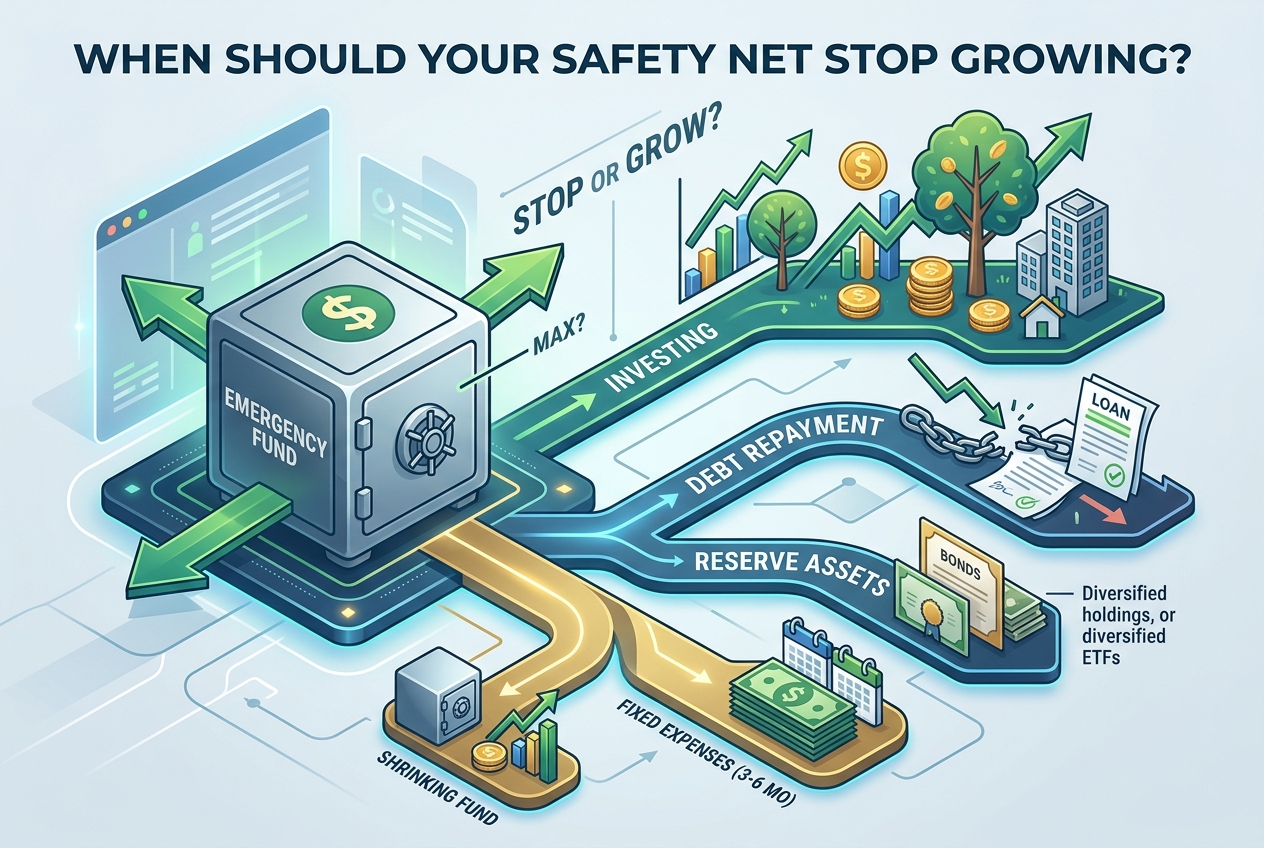
When Should Your Safety Net Stop Growing?
Every dollar you keep adding to an emergency fund is a dollar not invested, and the right stopping point is not obvious. These options range from a fixed three to six months of expenses, to shrinking the fund as your wealth grows, to paying off high-interest debt first, to investing the reserve instead of holding cash. Match them against your own stability to decide when saving turns into hoarding.
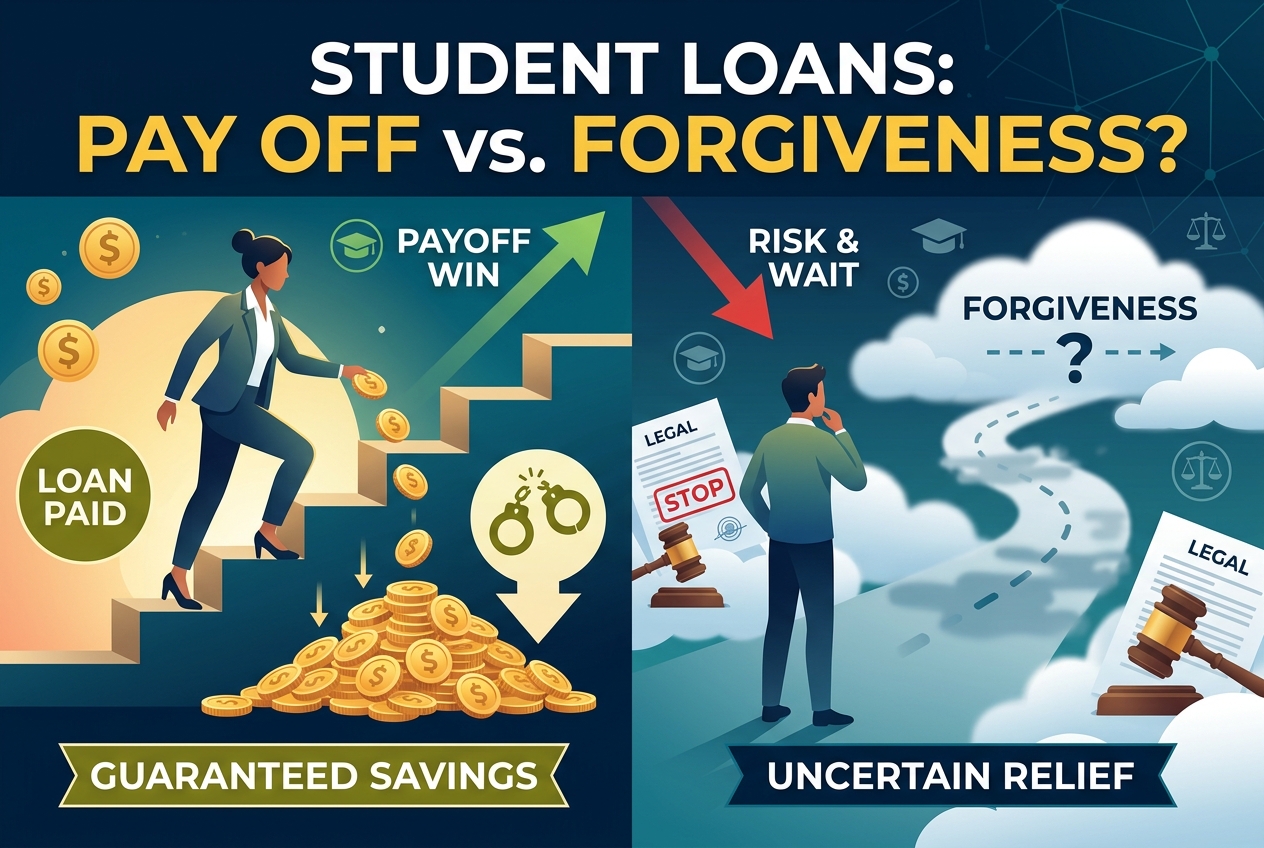
When Paying Off Student Loans Beats Betting on Forgiveness
Student loan borrowers face a complex landscape where aggressive repayment, income-driven plans, and hopes for forgiveness collide. Legal challenges have halted popular forgiveness programs, forcing borrowers to weigh guaranteed savings from paying down debt against uncertain relief options. Understanding how these strategies differ in risk, cost, and timeline helps borrowers choose the best path amid ongoing policy changes.
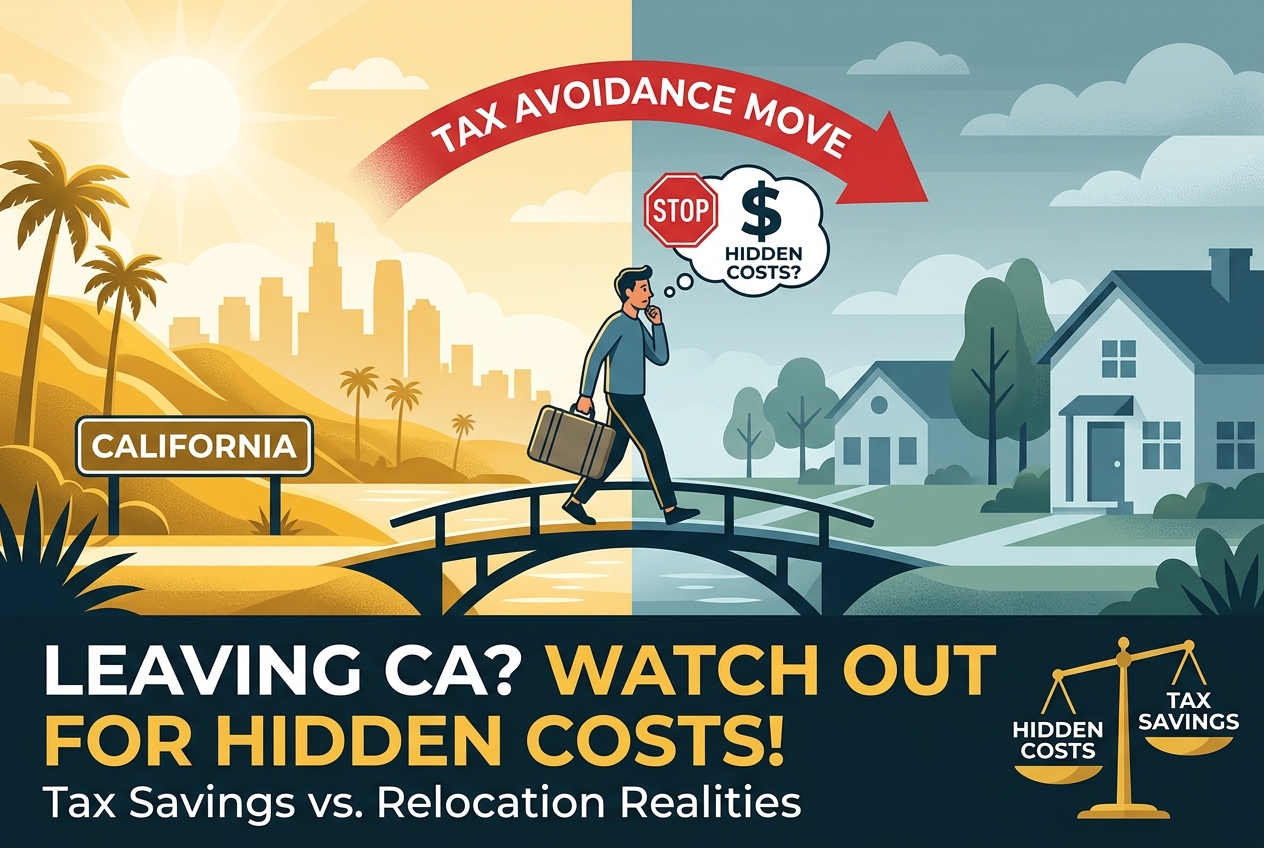
Leaving California to Avoid Income Tax Costs More Than You Think
Many consider moving out of California to escape its high state income tax, but this decision often overlooks hidden financial and personal costs. While avoiding the tax can seem appealing, the broader expenses of relocation, lifestyle changes, and potential loss of benefits can outweigh the savings. Understanding these factors helps you make a more informed choice rather than assuming a simple tax escape.
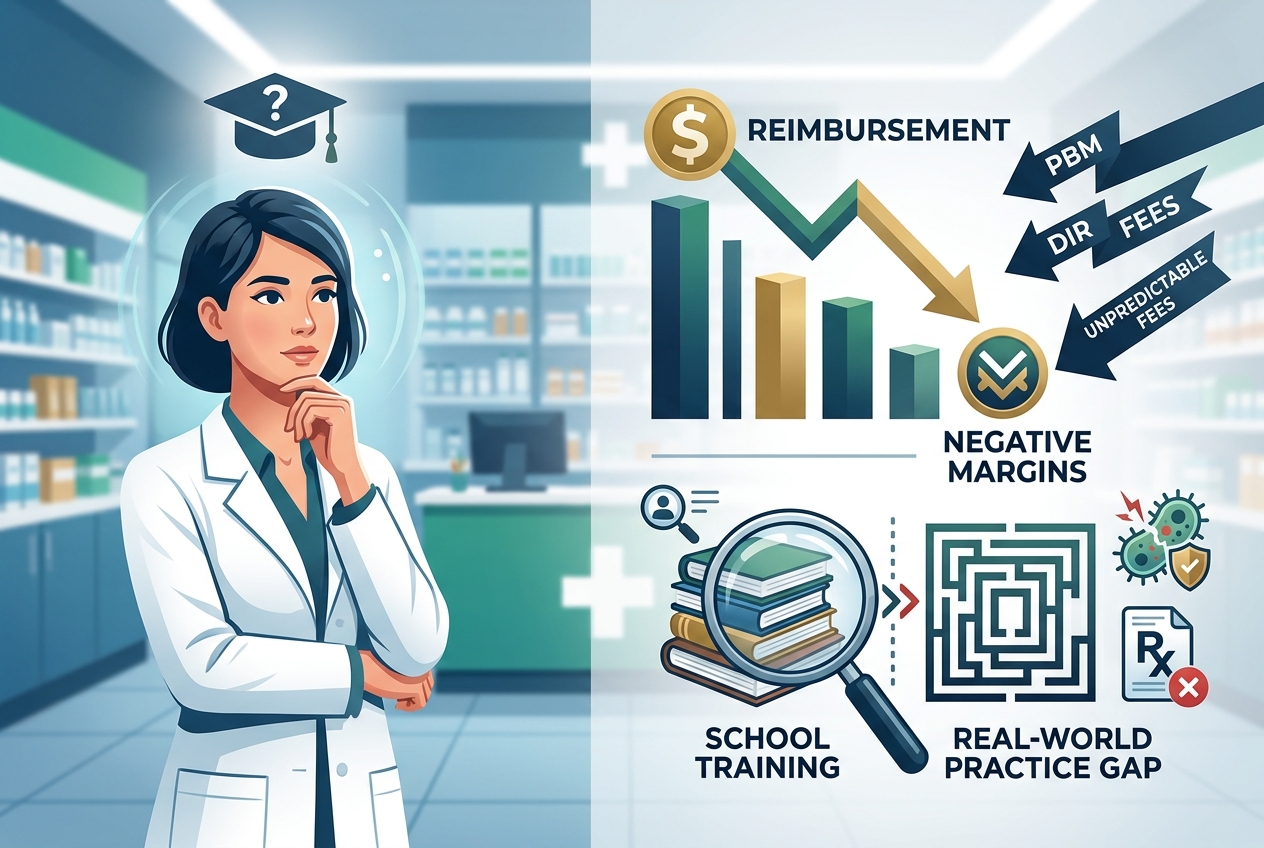
Why Pharmacy School Misses the Real Financial Struggles Pharmacists Face
Pharmacists often encounter hidden financial challenges that pharmacy school does not prepare them for, such as opaque reimbursement systems controlled by pharmacy benefit managers and unpredictable fees that can push pharmacies into negative profit margins. This knowledge capsule reveals how these challenges differ—from job hunting realities and practice gaps to antibiotic resistance pressures—and equips pharmacists to understand where these issues impact their daily work and financial stability.
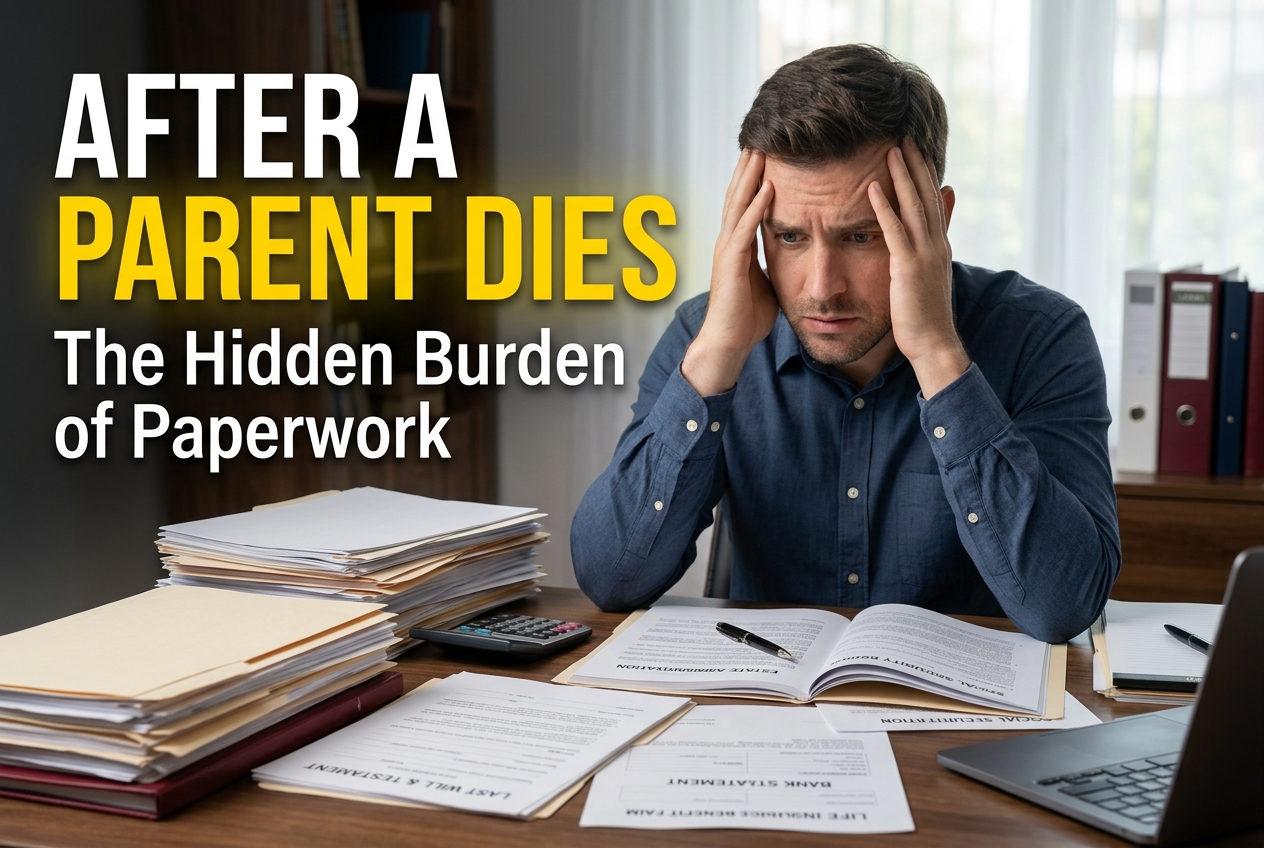
Nobody Warns You How Much Paperwork Follows a Parent’s Death
After a parent dies, the overwhelming administrative tasks consume the first weeks, leaving little time to grieve. Unlike common expectations that focus on emotional loss, the reality is a flood of paperwork, calls, and legal duties that must be handled promptly to settle estates, notify agencies, and manage finances. Preparing for this hidden burden changes how you approach the immediate aftermath, ensuring you can navigate the practical demands without being blindsided.

When Paying Off Your Mortgage Early Makes More Sense Than Investing
Deciding whether to pay down your mortgage early or invest the same money depends on comparing your mortgage interest rate to expected investment returns, your risk tolerance, and your financial goals. Some strategies favor paying off debt when mortgage rates are high for a guaranteed return, while others prioritize investing when rates are low to maximize growth and liquidity. This collection reveals how different approaches weigh guaranteed savings against uncertain market gains, helping you choose the best path based on your age, mortgage rate, and comfort with debt.
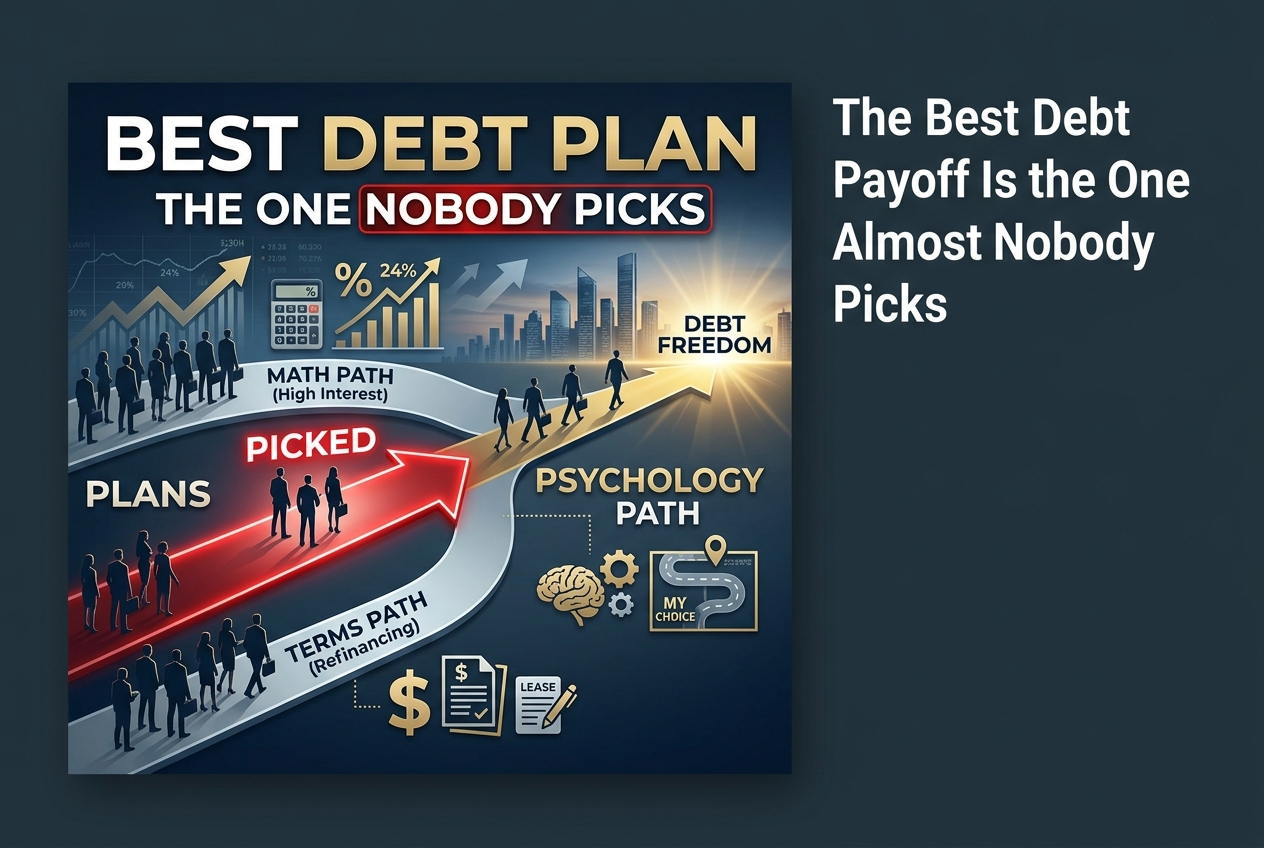
The Best Debt Payoff Plan Is the One Almost Nobody Picks
Getting out of debt is as much a psychology problem as a math problem, and the plan that performs best is the one people choose least. These strategies differ on what to attack first: the highest interest rates, better terms won through prepayments and leases, or a payoff order matched to how your mind naturally makes decisions. You'll see the real cost of each route and pick the one you will actually follow to the end.
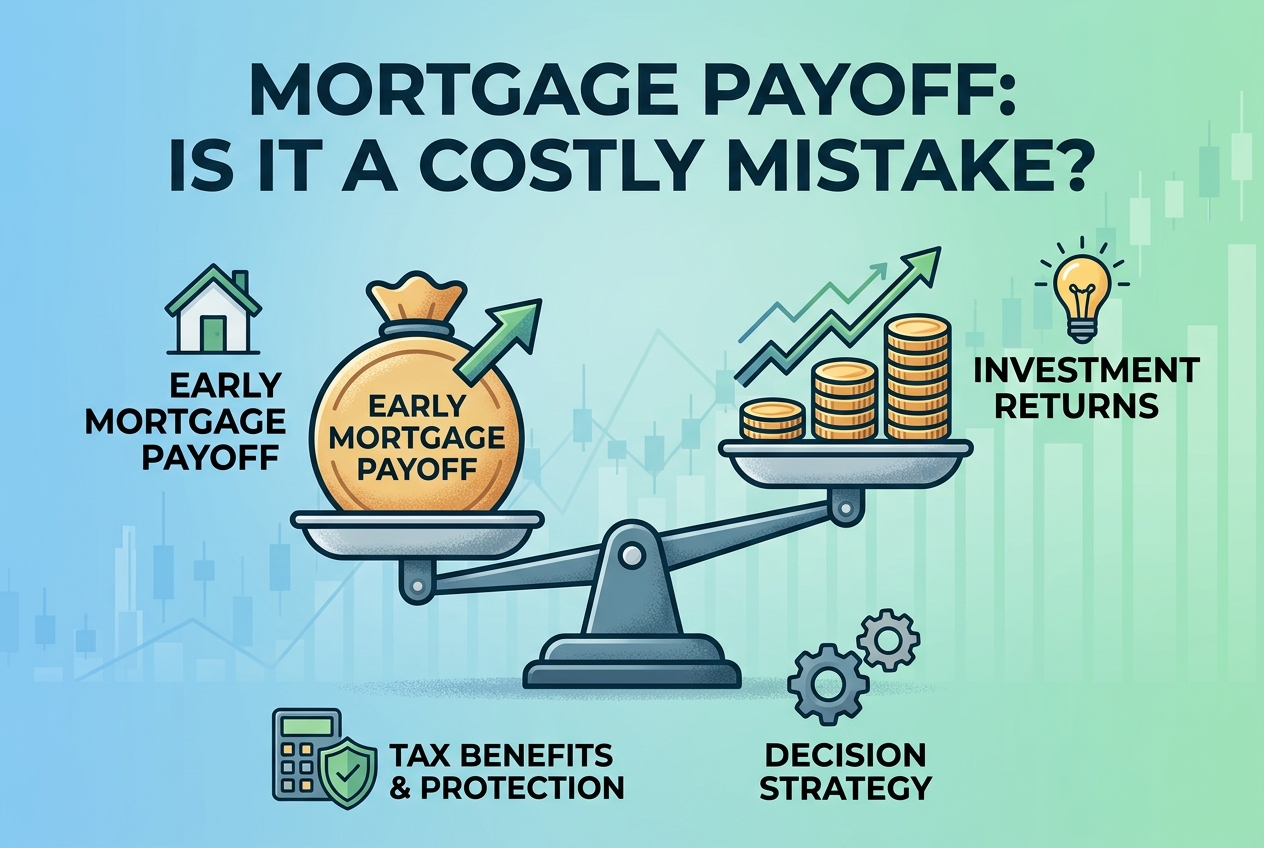
Paying Off a Cheap Mortgage Early Could Cost You
Being debt-free feels unambiguously good, but rushing to retire a low-rate mortgage can forfeit tax advantages, investment returns, and even bankruptcy protections that favor retirement accounts. The options here weigh that hard math against the genuine mental relief of owing nothing, with life-cycle models suggesting the right answer shifts with your age and situation. Decide whether your extra payment is peace of mind or money left on the table.
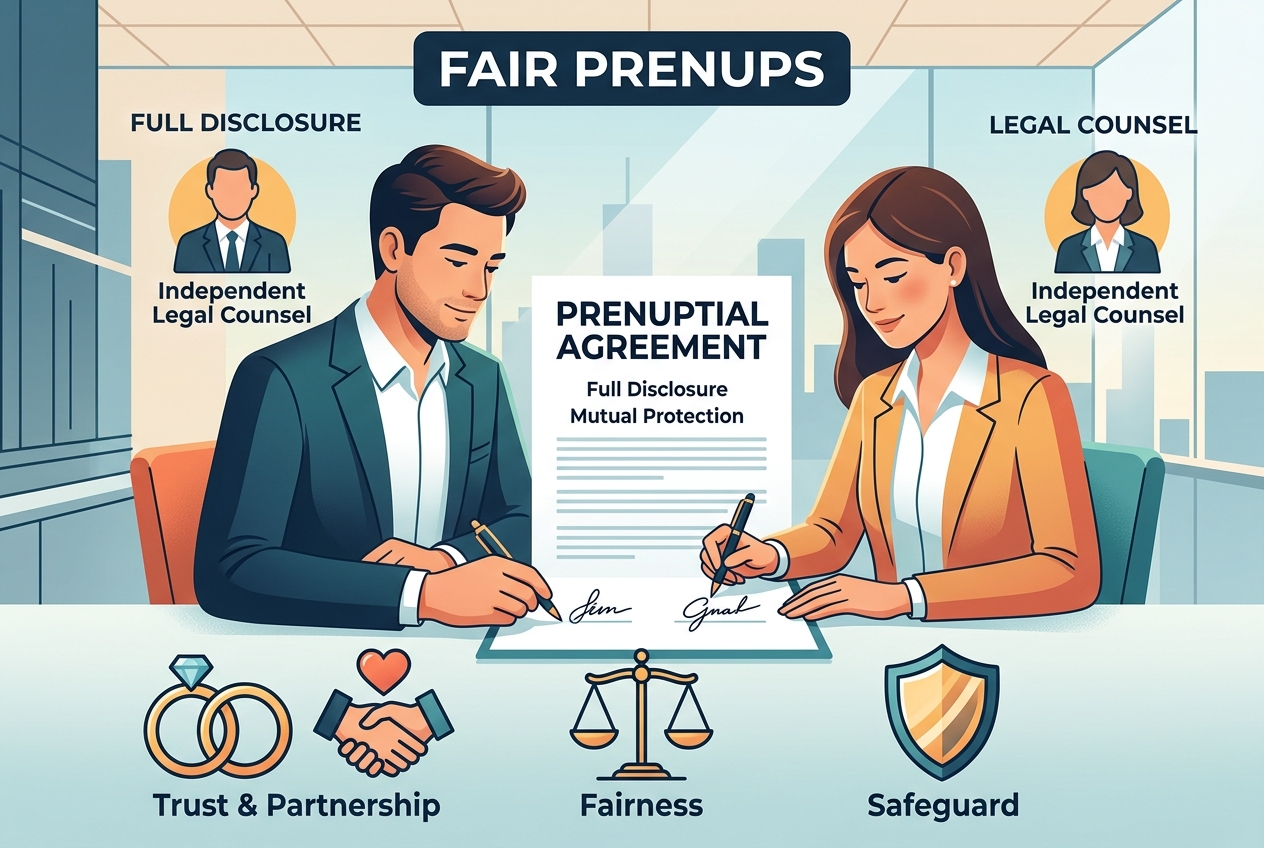
When a Prenup Truly Safeguards Both Partners
A prenuptial agreement can be a foundation of trust and fairness when both partners fully disclose their finances and each has independent legal counsel. The approaches differ on how to balance fairness, transparency, and legal protection to create an agreement that genuinely protects both sides without coercion or one-sided terms. Understanding these differences helps couples decide how to build a partnership agreement that supports their shared future.
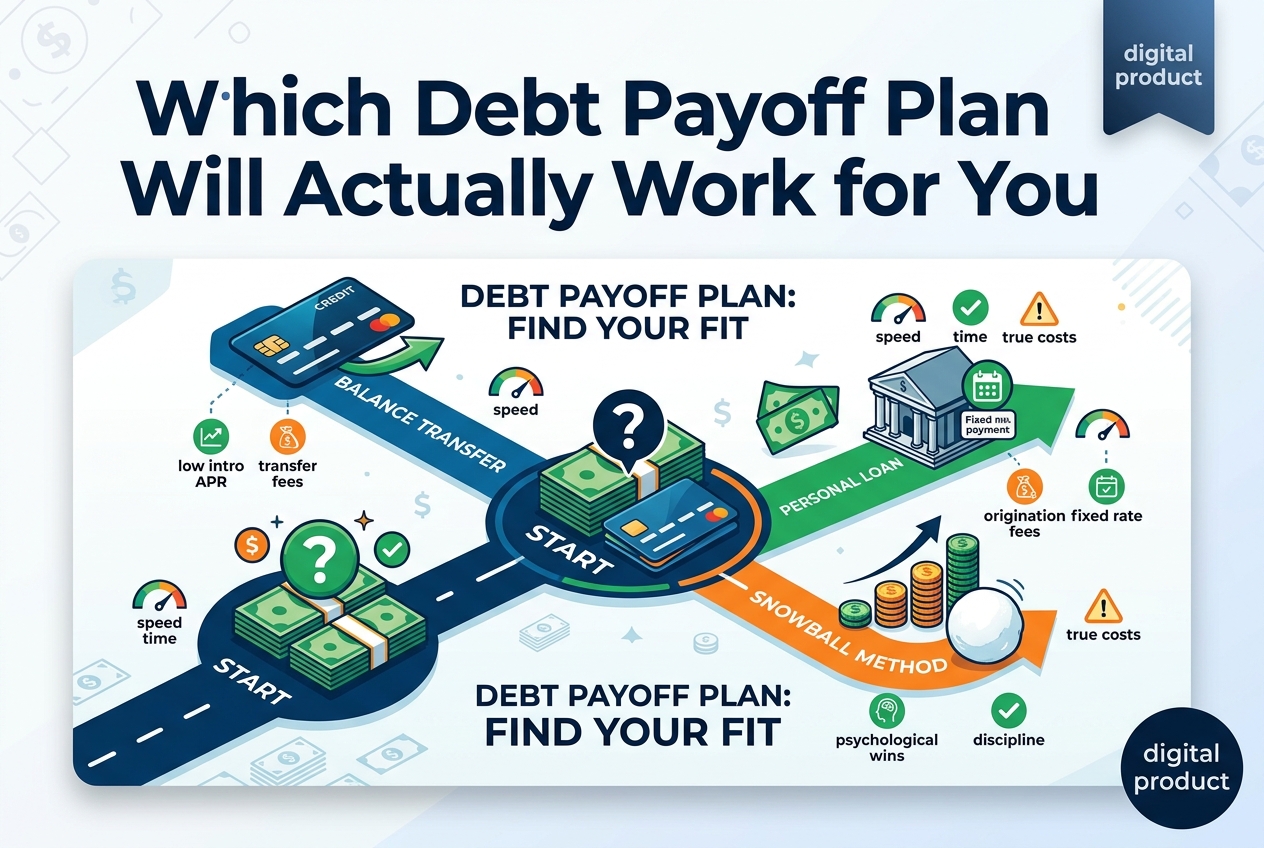
Which Debt Payoff Plan Will Actually Work for You
Choosing how to consolidate debt means weighing true costs, personal habits, and timing. Options like balance transfers, personal loans, or the snowball method differ in fees, discipline required, and risk of overspending. Understanding these differences helps you pick the option you can realistically follow through on to clear debt without adding new burdens.
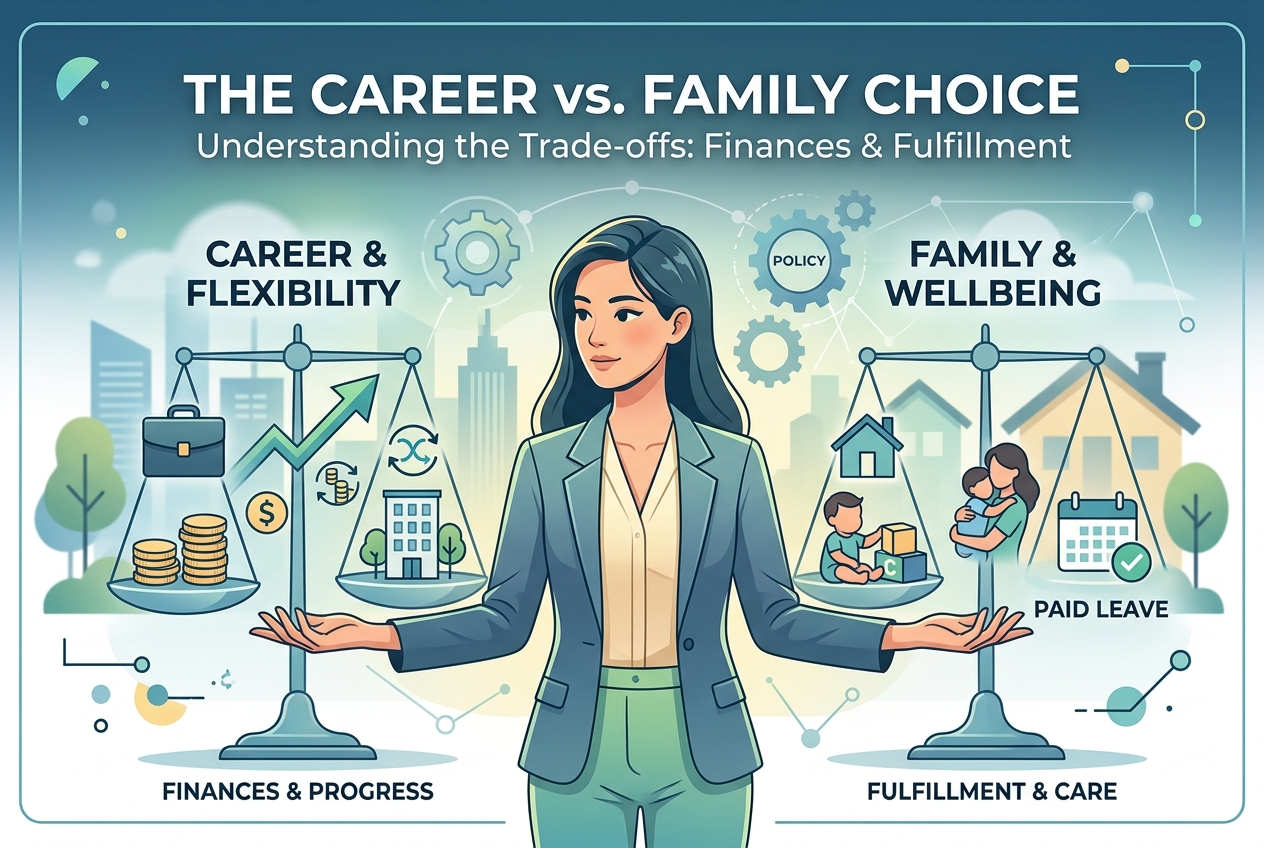
When Staying Home or Working Both Impact Family Finances and Fulfillment
Deciding between pursuing a career or staying at home to care for children involves weighing financial realities against personal and family fulfillment. Some items emphasize the hidden costs and reduced financial resilience of a second income after childcare and taxes, while others highlight the value of paid leave, flexible work, and policies that support caregiving without sacrificing career progress. Understanding these differences helps families and policymakers navigate the complex trade-offs in childcare, income, and well-being.