
Browse the Context Marketplace
Expert-level knowledge on any topic. Each capsule guides you through what matters most.
18 capsules
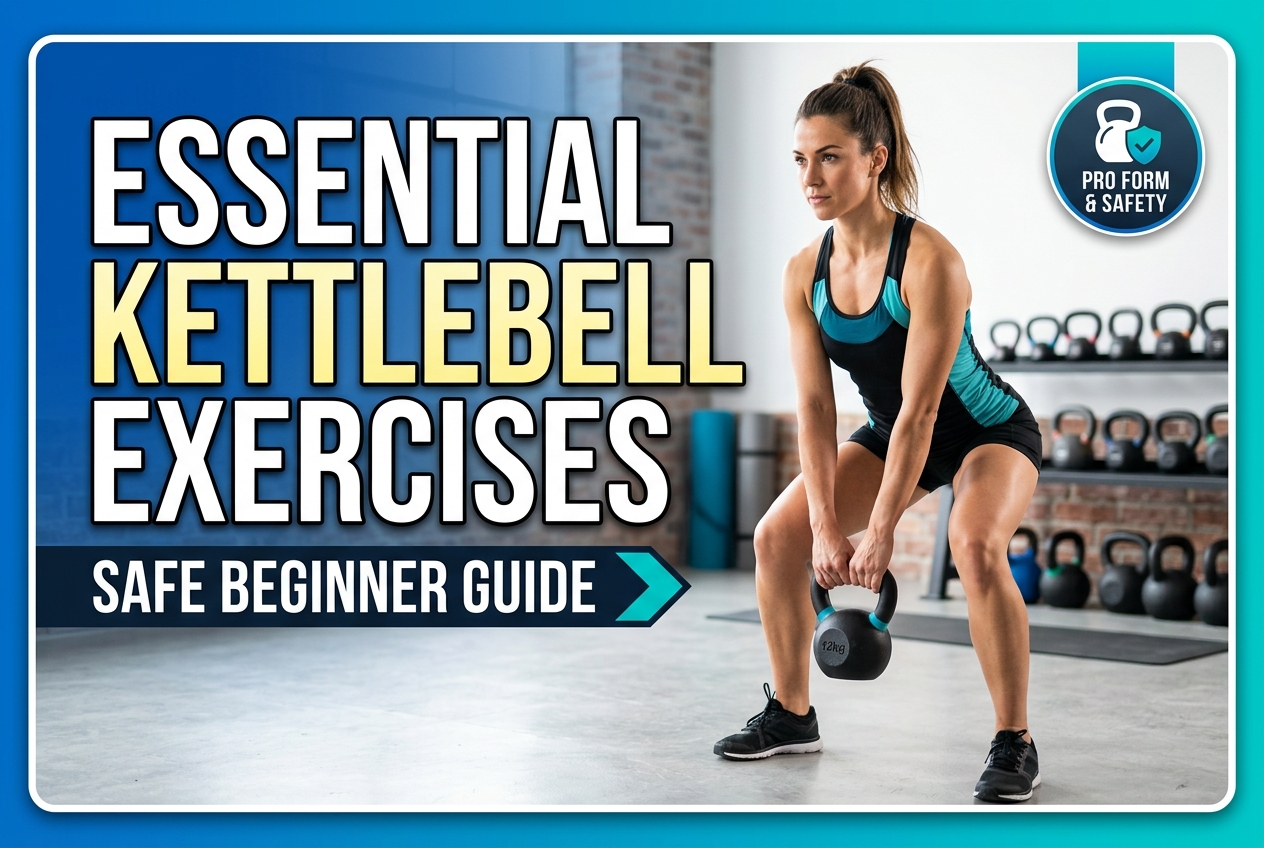
Safe and Essential Kettlebell Exercises for Beginners
Kettlebell training requires mastering fundamental exercises with proper form to prevent injury and build strength effectively. This collection presents essential kettlebell movements, detailed step-by-step techniques, and common form mistakes to avoid, emphasizing safe progression and injury prevention. It guides users to focus on correct posture, controlled movements, and gradual load increases under professional supervision.

When Youth Sports Stop Being Good for Kids
The same competitive pressure that builds discipline can also grind kids down and strain whole families. Where the benefits end and the damage begins is fiercely contested, and the answer decides how far you let the season take over.

Fast Fingerpicking Starts Painfully Slow
The fingerstyle players who sound effortless mostly got there through slow, relaxed repetition, careful hand position, and even nail care, yet a rival school says feel and improvisation matter more than exact replication. The techniques here split between engineering your hands for speed, endurance, and injury-free playing and freeing them for personal interpretation. Your practice hours will follow whichever side you believe.
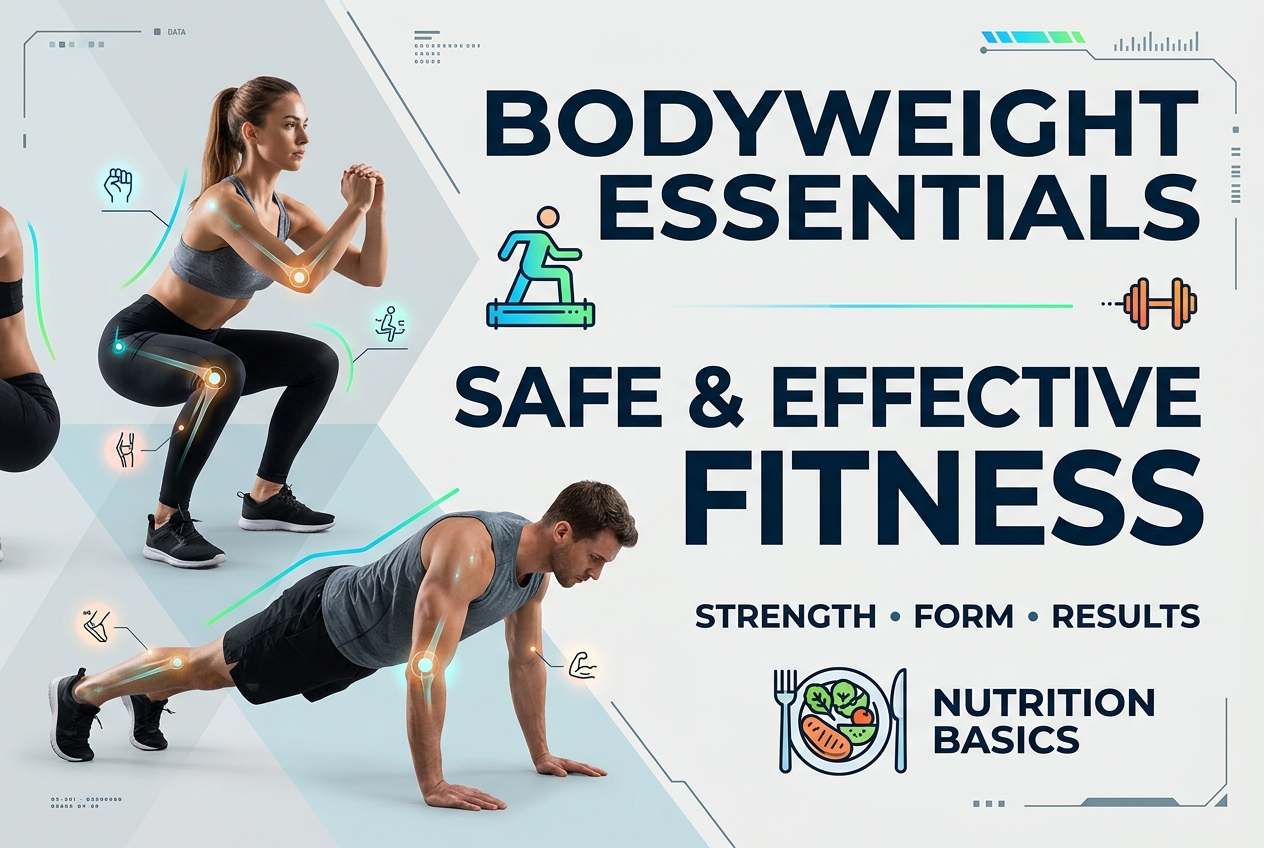
The Essential Bodyweight Exercises for Safe and Effective Fitness
Bodyweight exercises are foundational movements that build strength, stability, and mobility without equipment. This collection covers key exercises with detailed guidance on maintaining proper form, progressing safely, and avoiding injury. It also includes nutritional basics to support your training and help you achieve consistent, effective results.
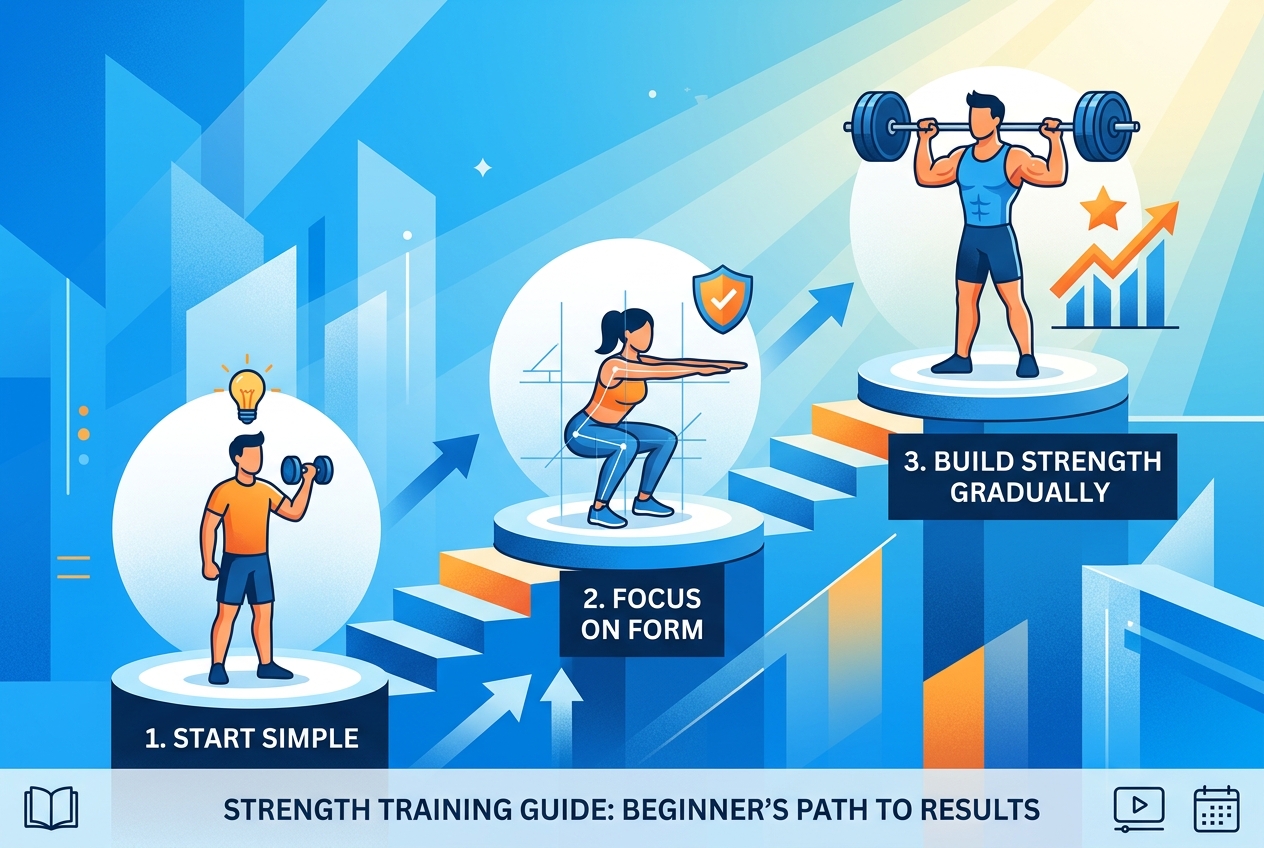
Start Simple, Focus on Form, and Build Strength Gradually
Strength training works best when you begin with manageable weights and prioritize proper technique over lifting heavy. Instead of pushing through pain or rushing progress, focus on consistent, gradual improvements and listen to your body to avoid injury. This practical approach overcomes common barriers like time constraints and fear of injury, making strength training accessible and effective for everyone.
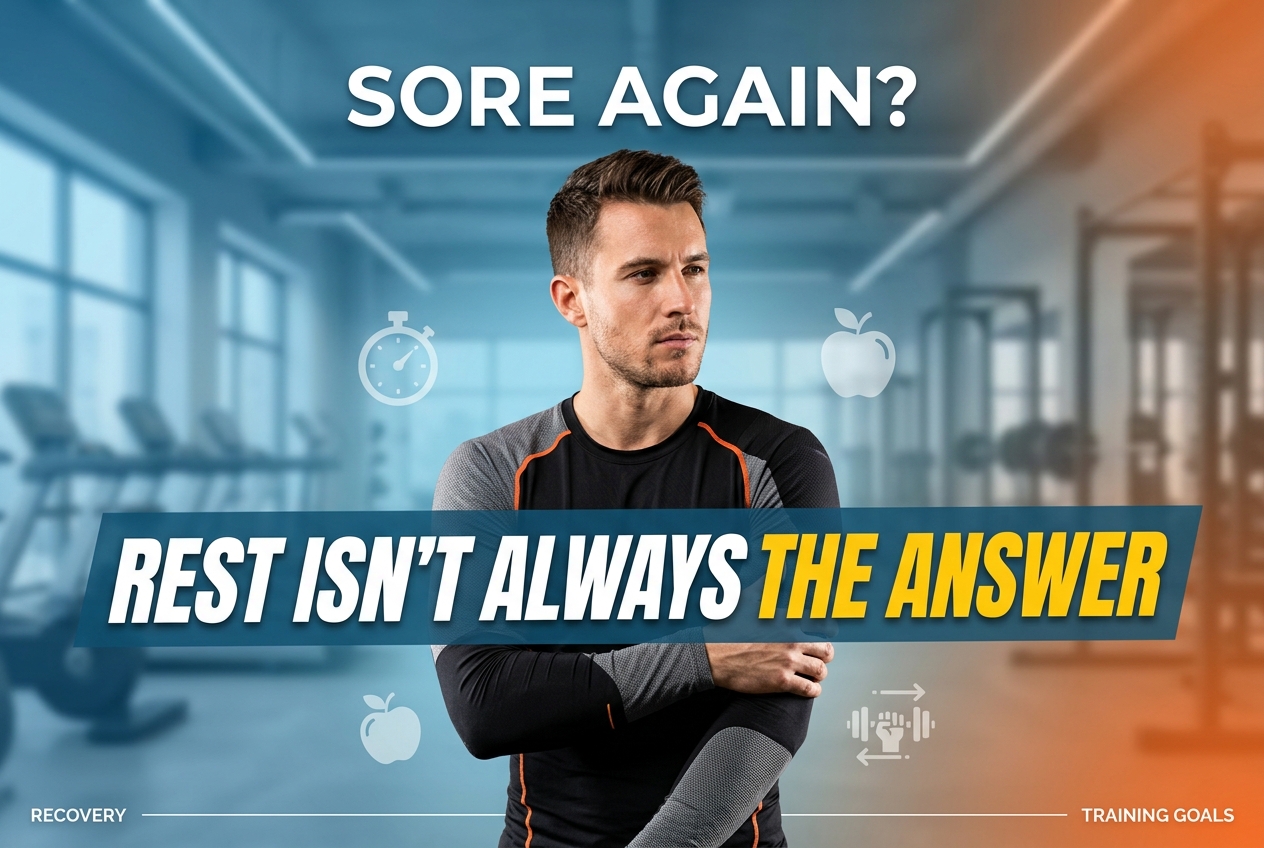
Sore Again? What Your Body Needs Might Not Be Rest
Push through the soreness or back off entirely, and either choice can go wrong. These approaches disagree on what protects you most: sleep as the foundation, careful pacing to avoid overuse, active rehabilitation over passive rest, nutrition, or knowing when to stop self-diagnosing and see a professional. Find the recovery approach that matches your body and your training goals.