
Browse the Context Marketplace
Expert-level knowledge on any topic. Each capsule guides you through what matters most.
21 capsules
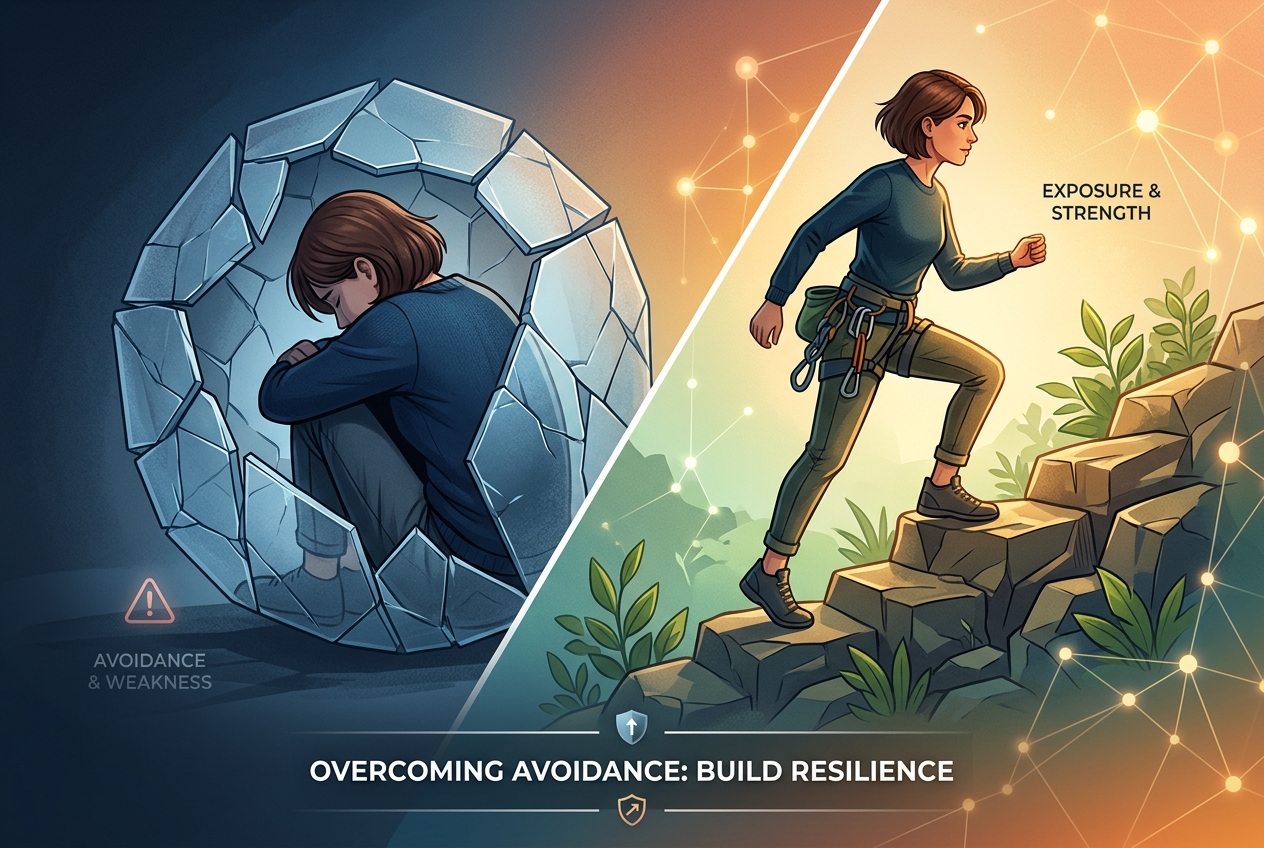
Avoiding Tough Topics Harms Mental Health More Than Facing Them
Trigger warnings and constant protection promise safety but can leave people more fragile. Drawing on exposure therapy, the argument here is that gradually confronting fears reduces anxiety and trauma symptoms in ways avoidance never will. Choosing exposure over coddling builds the emotional strength that overprotection quietly erodes.
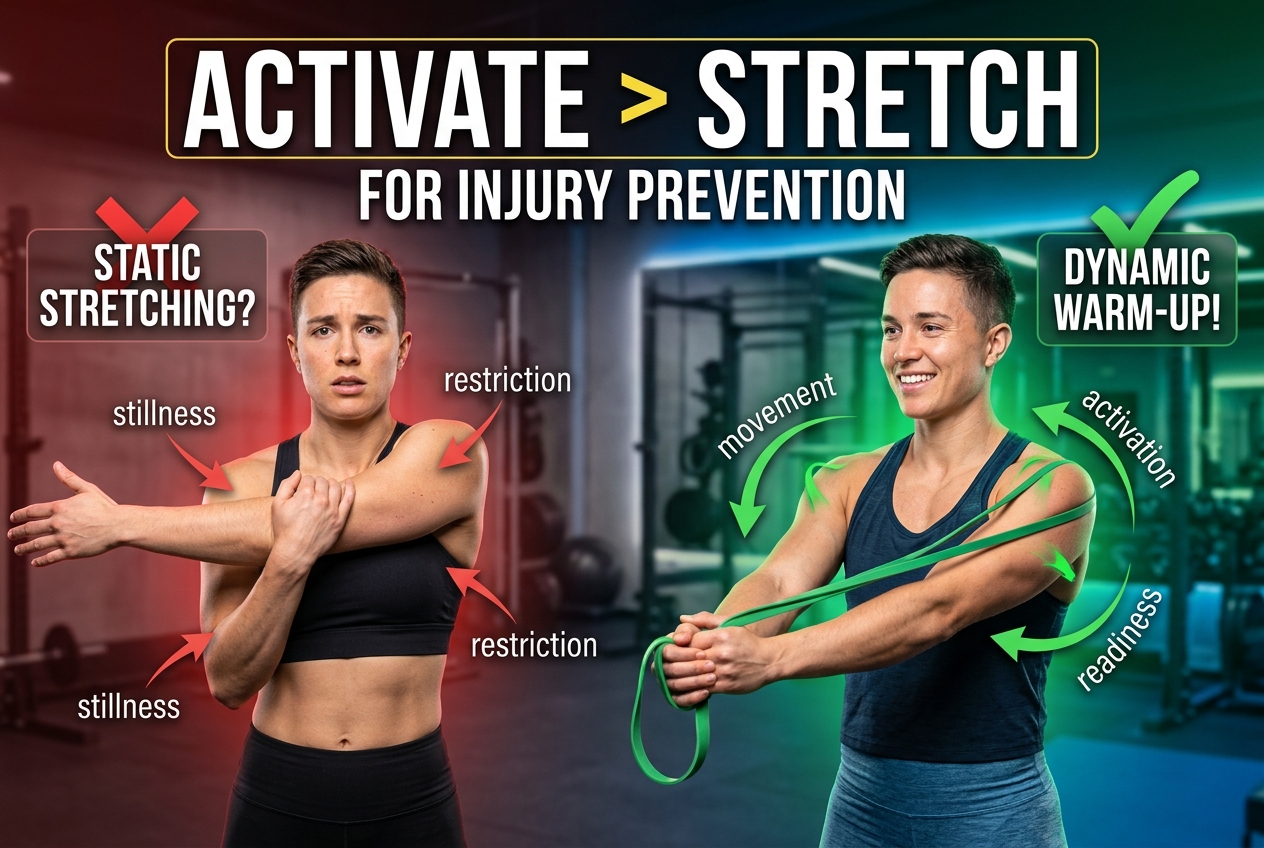
Dynamic Shoulder Warm-Ups Beat Static Stretching for Injury Prevention
Static stretching before a workout holds your shoulder muscles still exactly when they need to switch on. The case here is that dynamic warm-ups built on controlled rotations, resistance bands, and scapular activation wake up the stabilizer muscles and build the joint awareness that actually prevents injury. Trading your pre-lift stretches for controlled movement prepares your shoulders for real load.
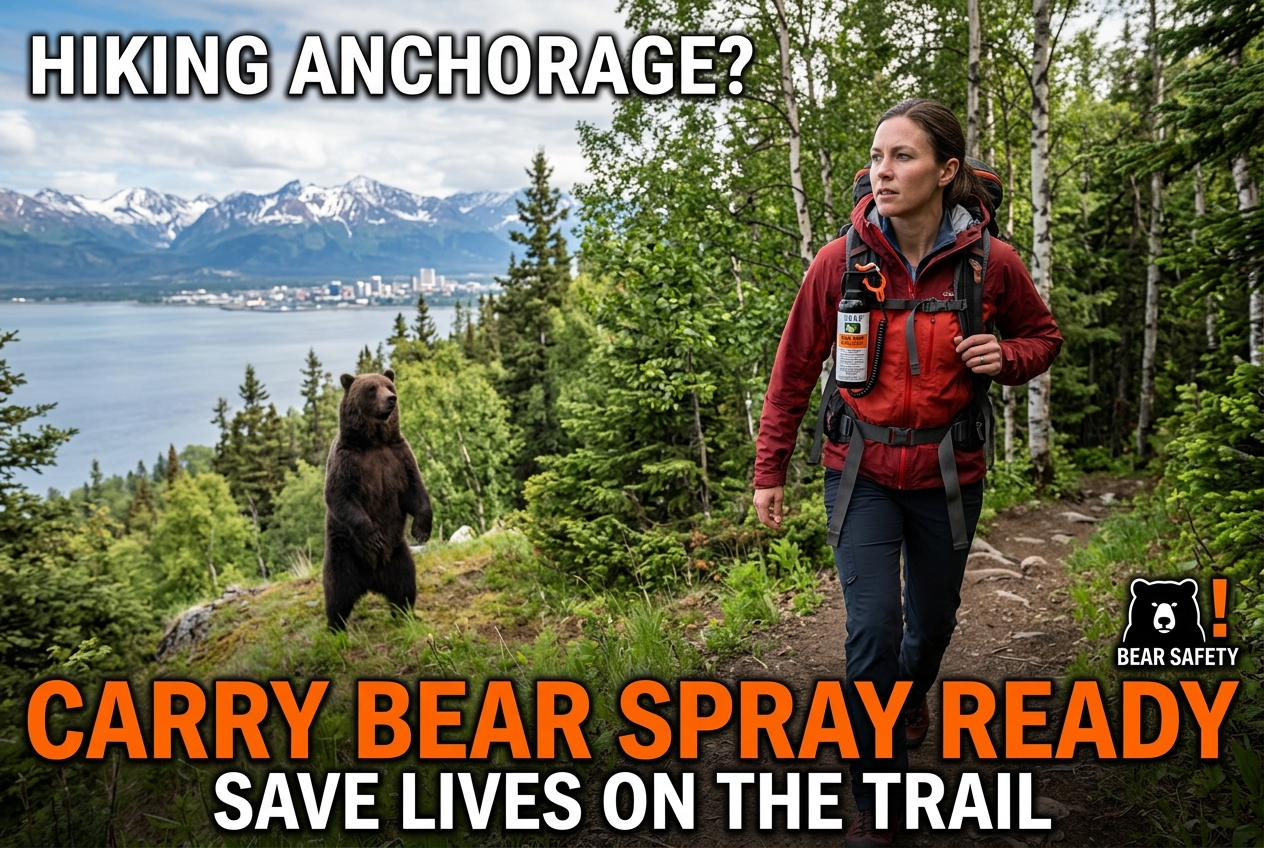
Carrying Bear Spray Ready Saves Lives When Hiking in Anchorage
Hiking in Anchorage, Alaska, requires constant bear awareness and preparedness to prevent dangerous encounters. The key safety practice is to carry bear spray in an easily accessible spot and know how to use it immediately if a bear charges, rather than running or turning your back. Following these guidelines drastically improves your chances of safely managing bear encounters in the wild.
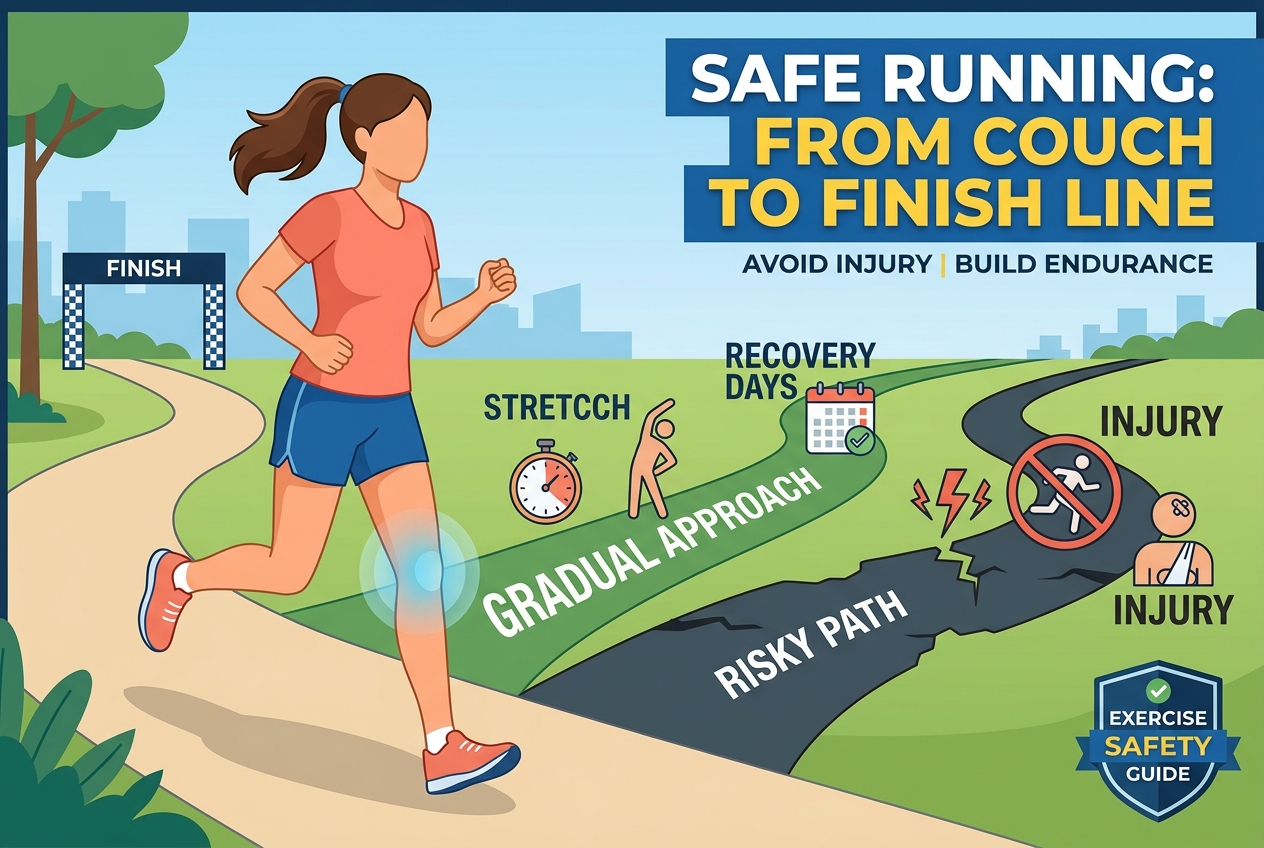
Getting Off the Couch Shouldn't Land You in Physical Therapy
Most people who abandon a new running plan are stopped by injury, not laziness. These approaches differ on how to protect you on the way to the finish line: some build in strict recovery days, some start with medical clearance, and others rely on gradual walk-run pacing and listening to your body. You'll be able to choose a path from inactivity to race day that builds endurance without breaking you.
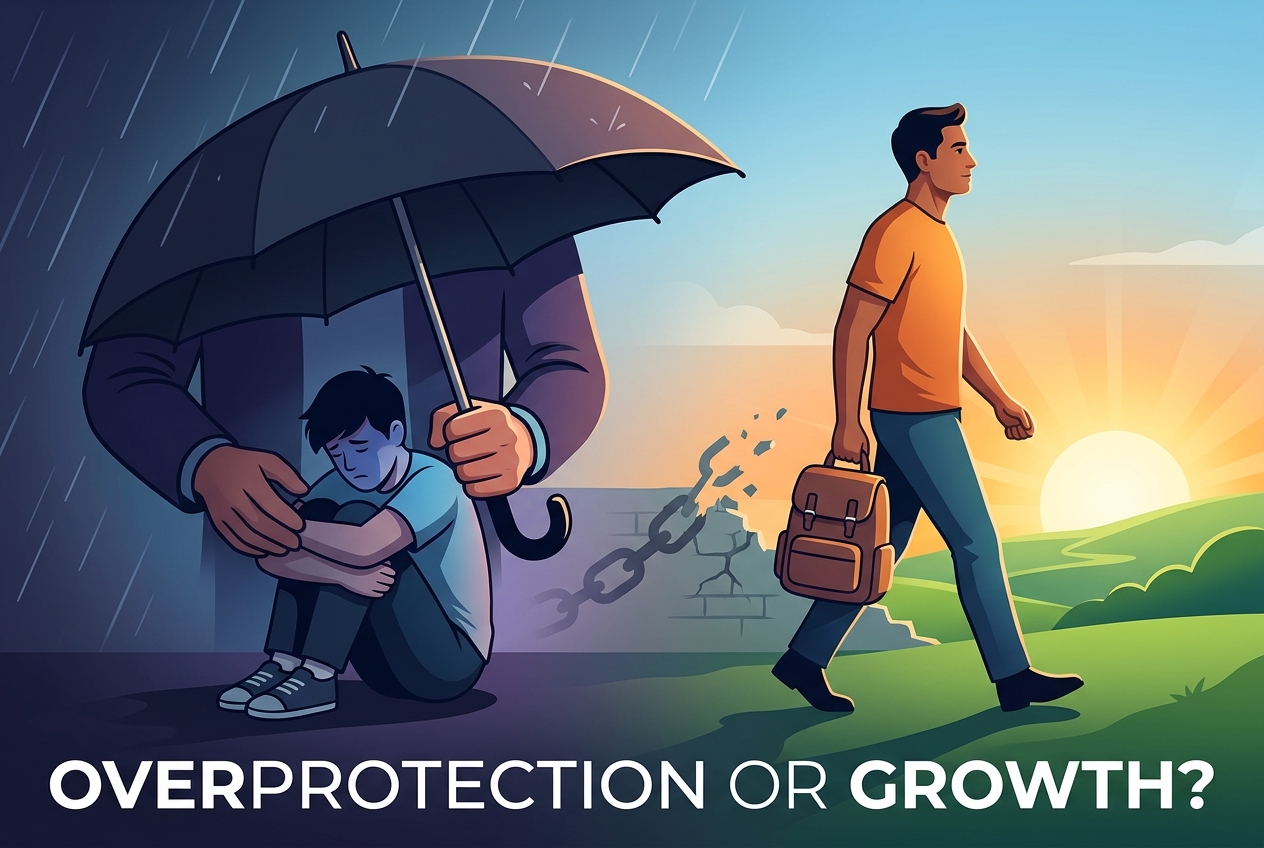
Protecting Someone From Everything Can Keep Them Broken
Shielding a struggling person from every stress feels kind, but avoidance can quietly sustain trauma and stall growth. From PTSD recovery to adolescent independence, the hard question is when protection heals and when it holds someone back.
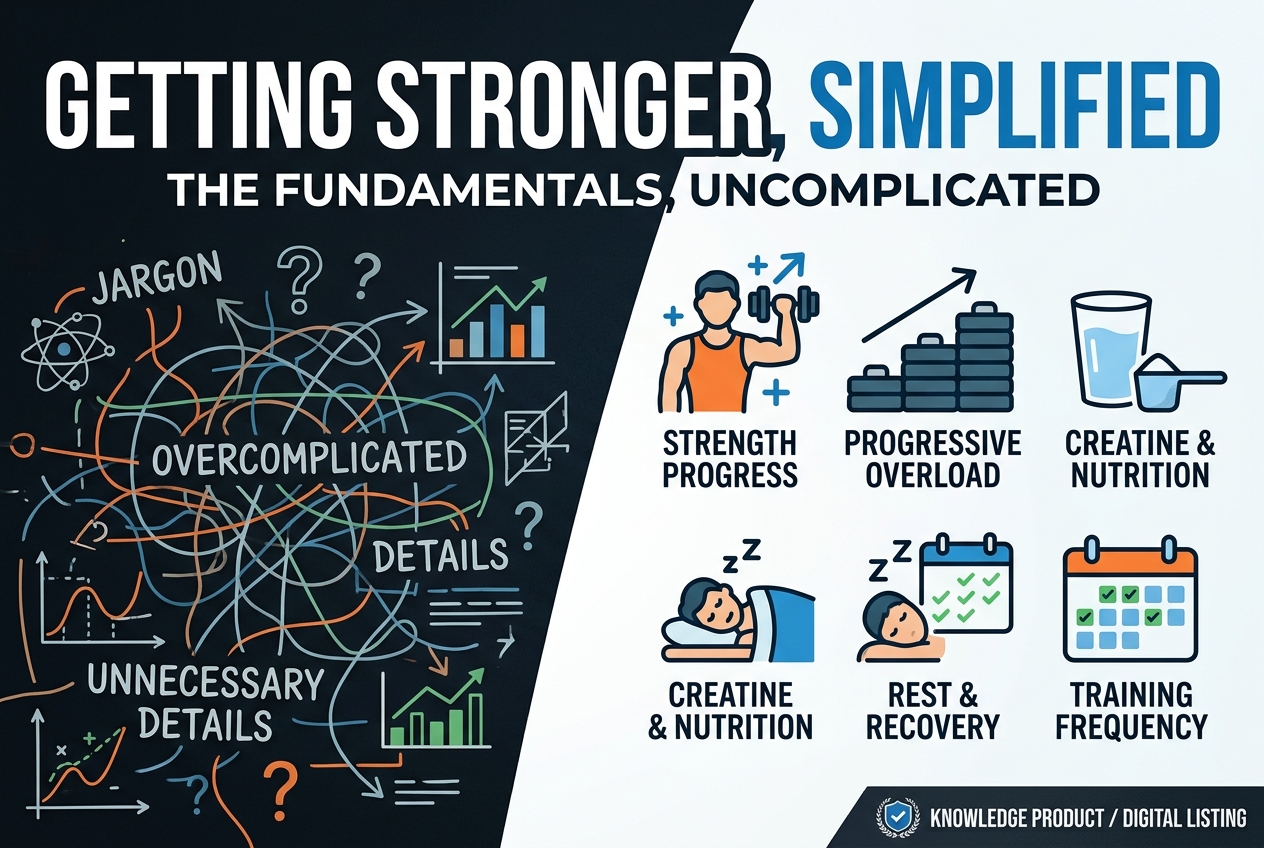
Getting Stronger Without Overcomplicating It
Strength advice gets buried under jargon, but the fundamentals are simpler than the internet makes them. These methods differ on how far you can strip training principles down, how much protein, creatine, and frequency matter, and when simple advice needs context and limits. Pick the level of detail that fits your goals and life.

Turning Family Facts Into a Plan Everyone Can Live With
Making a family plan means juggling safety, mental health, and daily routines all at once. These recommendations part ways on where to start: clear communication and safety protocols during parenting transitions, tackling trauma and mental health first, or using structured decision tools to settle arrangements. Seeing the differences helps you choose the path that fits your family's real situation.
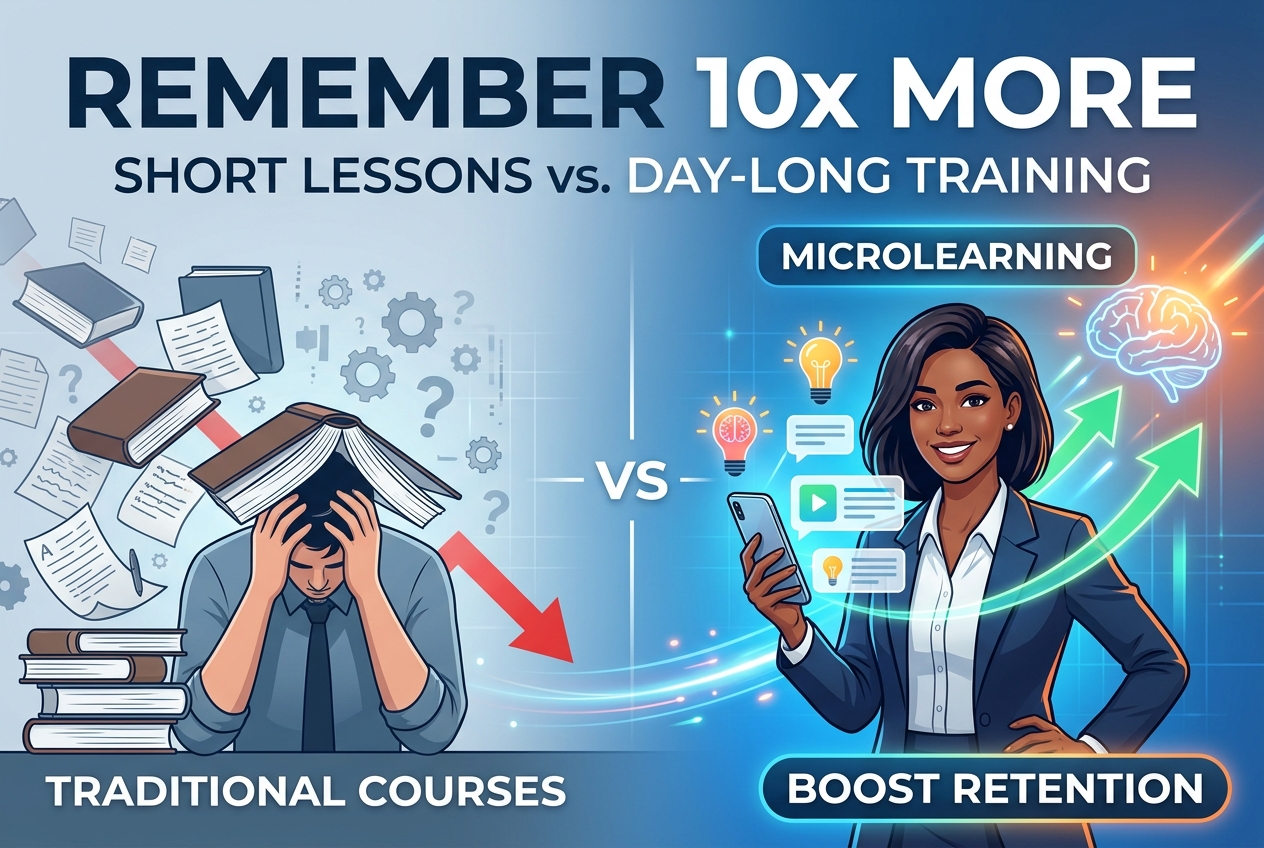
Short, Focused Learning Beats Traditional Courses for Remembering More
Day-long training sessions feel thorough and are mostly forgotten within a week. The case here is that short, focused lessons fit how memory actually works, preventing overload while lifting engagement and recall compared with traditional courses. If retention is the goal, break the training into small pieces and let repetition do the rest.
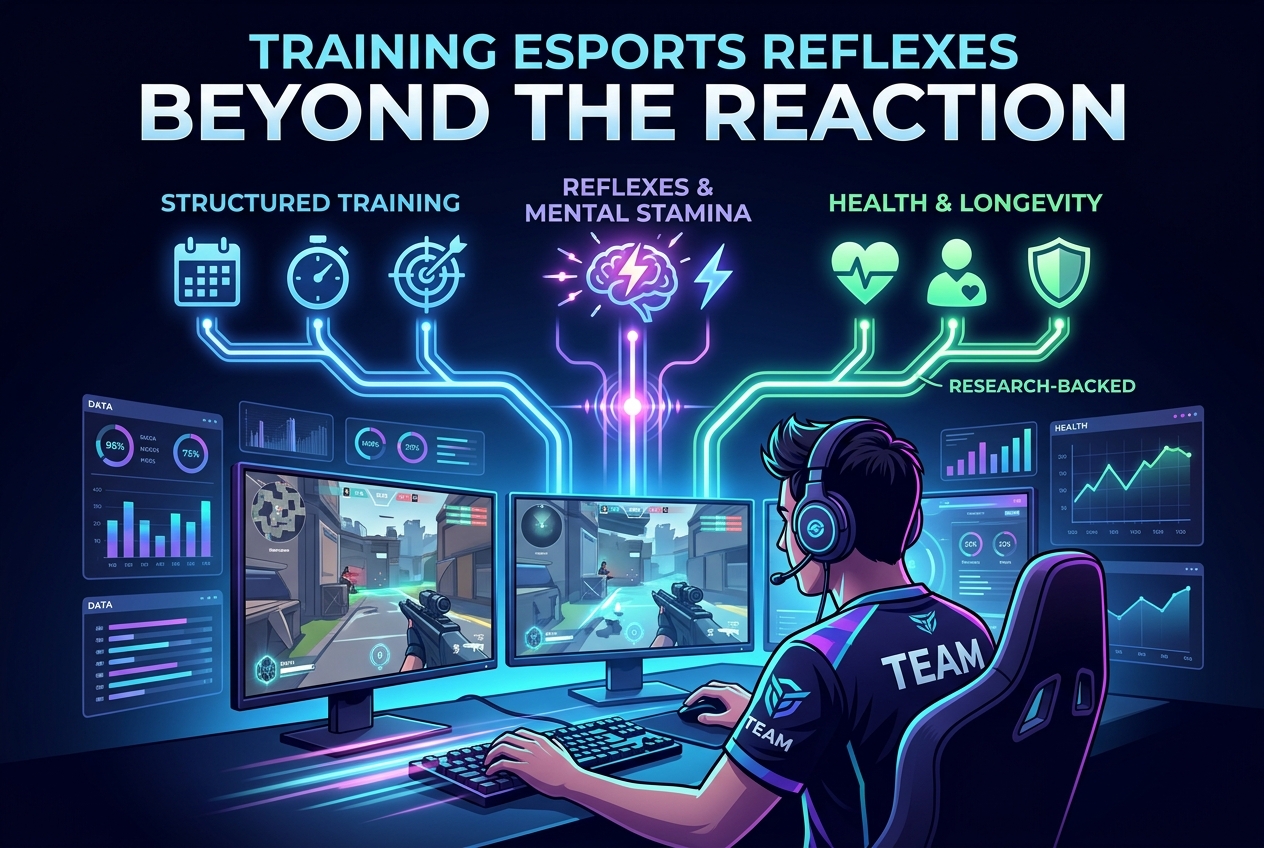
Esports Reflexes Are Trained, Not Born
At the top of competitive gaming, reaction time and mental stamina decide matches, and how to build them is contested. These methods split between structured practice regimens, long-term community health programs that protect player wellbeing, and research-driven interventions built on actual evidence. The choice shapes not just performance but how long a career lasts.