
Browse the Context Marketplace
Expert-level knowledge on any topic. Each capsule guides you through what matters most.
601 capsules

Does Willpower Actually Run Out
The idea that self-control drains like a battery shaped years of advice, and now it is under fire. These views range from failed replications of the depletion studies and sharper testing methods to the argument that culture and environment shape self-control far more than inner grit. You can decide how to actually strengthen your own discipline.

Not Every Customer Deserves Your Sales Team's Attention
Chasing every prospect spreads a sales team thin over accounts that were never going to buy. These approaches pick targets differently: financial signals, sales and marketing alignment, fast-growing regulated industries, or data-driven scoring refined over time. Decide how your business should choose its best customers before spending to win them.

Holding Enough Stock Without Drowning in It
Too little stock loses sales, too much ties up cash, and where to land is a constant tension. These approaches differ on centralizing inventory across channels, using reorder-point and safety-stock formulas, culling dead SKUs, and planning for seasonal swings. Weigh the trade-offs to protect both service and cash flow.

The Weekly One-on-One Is Where Managers Quietly Fail
A one-on-one can be the most valuable half hour on a manager's calendar or a status update nobody needed. These approaches clash over who should lead the meeting, whether trust and open dialogue or structured agendas with follow-up drive growth, and what role coaching, culture, and data play. Pick the approach that turns your recurring meeting into actual performance.

When Paying Off Student Loans Beats Betting on Forgiveness
Student loan borrowers face a complex landscape where aggressive repayment, income-driven plans, and hopes for forgiveness collide. Legal challenges have halted popular forgiveness programs, forcing borrowers to weigh guaranteed savings from paying down debt against uncertain relief options. Understanding how these strategies differ in risk, cost, and timeline helps borrowers choose the best path amid ongoing policy changes.

First-Time Home Buying Works Best When You Follow a Clear Step-by-Step Timeline
Buying your first home is not just about costs but about following a precise process that starts with knowing why you want to buy and ends with closing and moving in. Many buyers focus too much on price and overlook the importance of pre-approval, setting a backward timeline from the move-in date, and preparing for inspections and negotiations. By adopting a timeline-driven approach, you can act quickly, avoid surprises, and secure the right home with confidence.
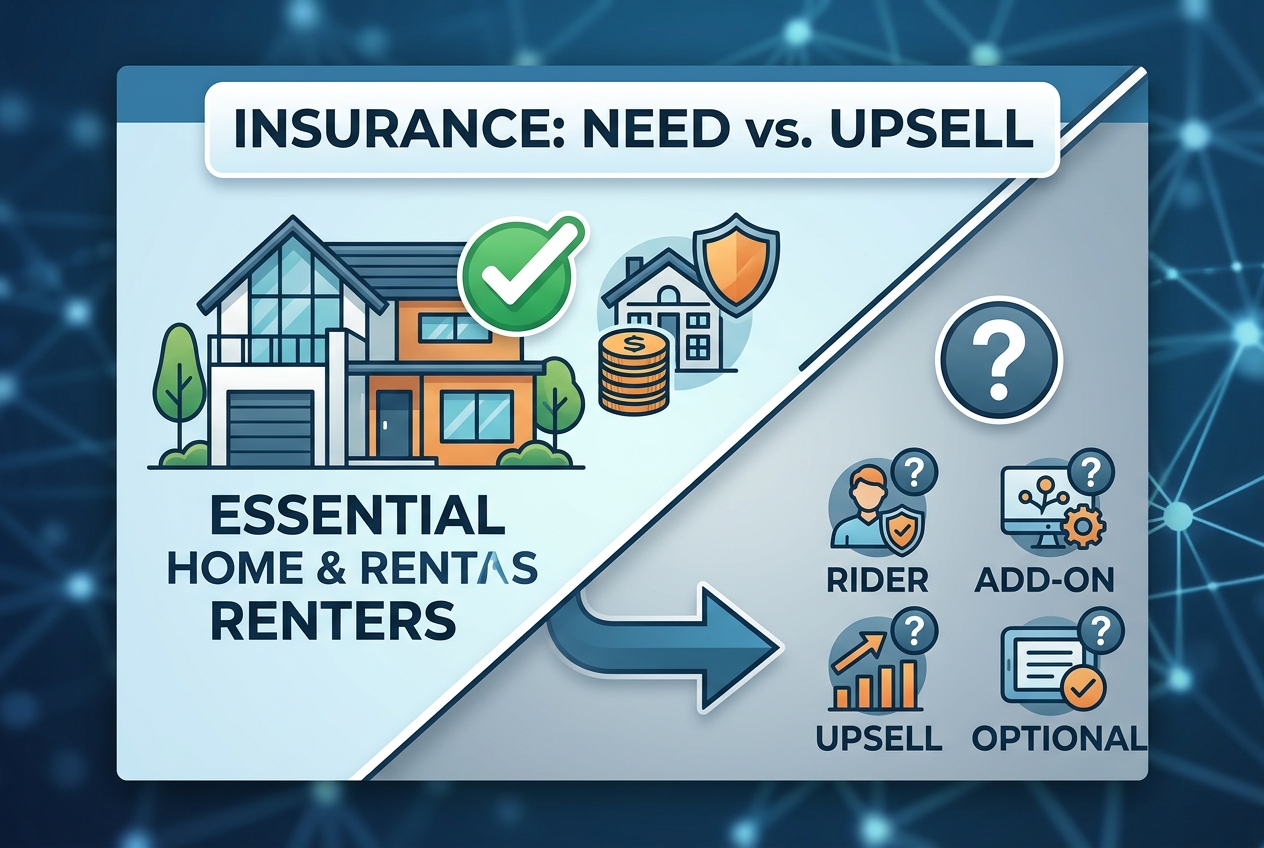
What Home and Renters Insurance Coverages Do You Really Need and When Is It Just an Upsell
Home and renters insurance coverages differ sharply between essential protections against sudden damage and optional extras that may not be cost-effective. This coverage landscape helps you distinguish necessary policies like rebuild cost and liability from upsells such as riders or add-ons that only pay off under specific risks. Understanding these differences empowers you to choose coverage that matches your living situation and financial priorities without paying for unnecessary extras.

When Taxes Get Tricky with Freelance Work, Moving, and Crypto Sales
Filing taxes becomes complex when freelance income, moving between states, or selling stocks and cryptocurrency come into play. Different tax topics show how capital gains, residency rules, and reporting requirements vary, affecting what you owe and when. Understanding these differences helps you handle taxable events properly, avoid costly mistakes, and decide how to report income and losses across states and asset types.

Leaving California to Avoid Income Tax Costs More Than You Think
Many consider moving out of California to escape its high state income tax, but this decision often overlooks hidden financial and personal costs. While avoiding the tax can seem appealing, the broader expenses of relocation, lifestyle changes, and potential loss of benefits can outweigh the savings. Understanding these factors helps you make a more informed choice rather than assuming a simple tax escape.

When Insurance Disappears, What Does Buying a Home in Fire or Flood Zones Really Require
Buying a home in wildfire or flood-prone areas demands navigating two very different sets of requirements that reflect practical safety measures and evolving climate risks. One approach focuses on compliance with defensible space rules, elevation standards, and mandatory flood insurance tied to federal loans. The other addresses the shrinking insurance market, pushing buyers toward fallback options like the California FAIR Plan and private flood policies. Understanding these contrasting requirements helps homebuyers decide how to protect their investment and meet lender mandates amid rising disaster risks.

What Law Firms Don’t Tell New Lawyers About Making Money
Law firms’ revenue depends on more than just billable hours—hidden factors like realization rates, client payment struggles, and self-promotion efforts shape actual income. Facts about firm size and scale, lawyers’ side income sources, and global problem resolution data reveal sharply different realities about how firms earn and collect money. Understanding these facts helps new lawyers see where firms truly make or lose revenue and what that means for their careers.
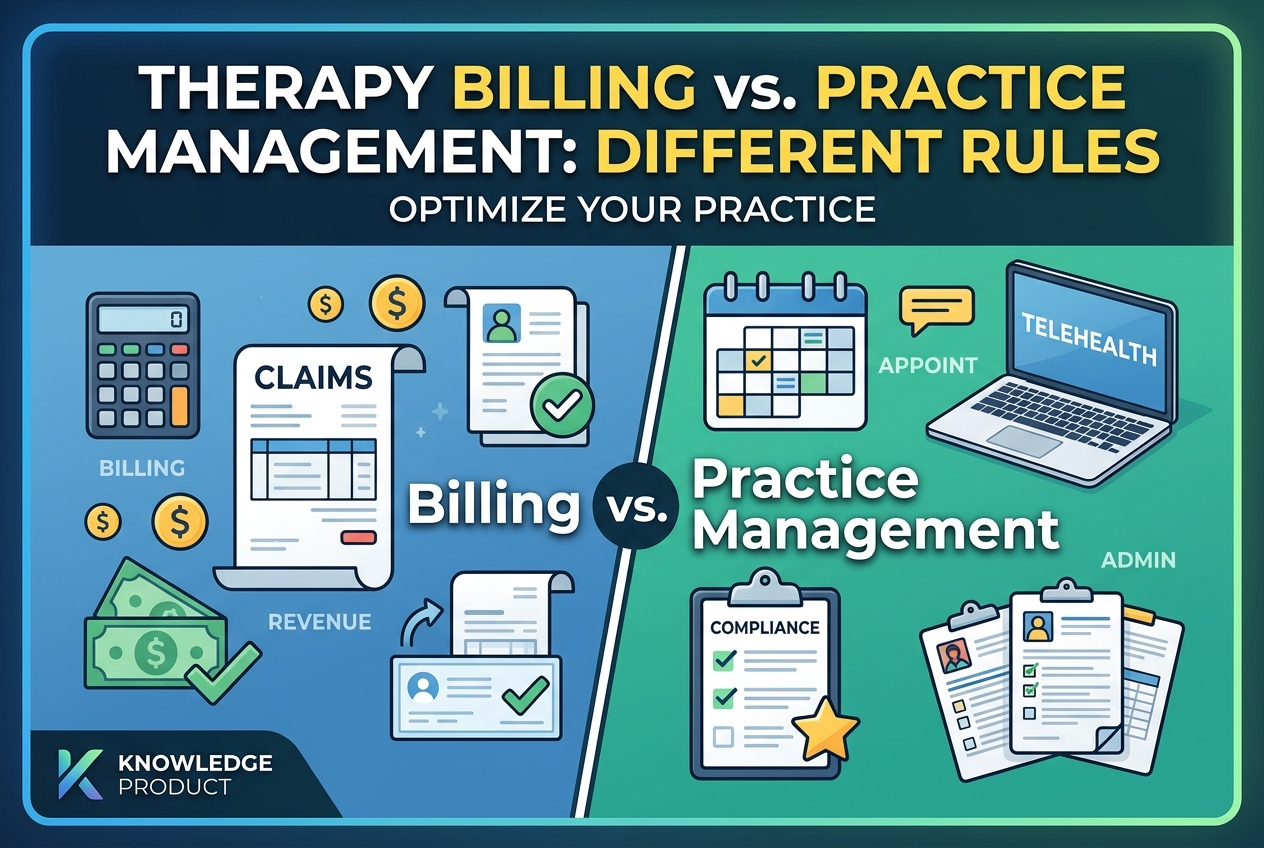
Why Therapy Billing and Practice Management Demand Different Rules
Therapists and counselors face distinct requirements when managing private practices, from handling insurance claims and billing procedures to meeting telehealth regulations and business management challenges. These requirements differ significantly in how they impact revenue flow, compliance, and client interactions, guiding practitioners on whether to prioritize centralized billing systems, strict cancellation policies, or up-to-date credentialing processes. Understanding these varied demands helps clinicians choose the right approach to optimize their practice’s financial health and legal compliance.