
Browse the Context Marketplace
Expert-level knowledge on any topic. Each capsule guides you through what matters most.
601 capsules

Why Pharmacy School Misses the Real Financial Struggles Pharmacists Face
Pharmacists often encounter hidden financial challenges that pharmacy school does not prepare them for, such as opaque reimbursement systems controlled by pharmacy benefit managers and unpredictable fees that can push pharmacies into negative profit margins. This knowledge capsule reveals how these challenges differ—from job hunting realities and practice gaps to antibiotic resistance pressures—and equips pharmacists to understand where these issues impact their daily work and financial stability.

Why Buying a Home in Hawaii Could Cost More Than You Think
Owning a home in Hawaii comes with hidden costs that vary dramatically depending on whether you buy leasehold or fee simple property. Leasehold ownership carries risks like losing access when the lease expires, financing challenges, and potential eviction without compensation, while fee simple offers full ownership but with its own expenses. Understanding these different costs helps you avoid surprises and make an informed decision about the true price of paradise.

Why Inheriting Your Parents' House Can Trigger a Costly Property Tax Surprise
Inheriting a home in California under Proposition 19 involves strict requirements that can lead to unexpected property tax reassessments if not carefully followed. The requirements differ on who qualifies as eligible family members, how long the relationship must last, strict filing deadlines for exclusion claims, and ownership transfer rules including LLC interests. Understanding these distinct requirements helps you avoid losing valuable tax benefits and facing a permanent reassessment trap.

Form Your LLC in Your Home State to Avoid Hidden Costs and Hassles
Many small business owners believe forming an LLC in Delaware or Wyoming offers tax or privacy advantages, but this often backfires when the business operates in their home state. Forming out of state usually triggers foreign qualification fees, extra compliance, and legal complexities that outweigh any perceived benefits. Choosing your home state for LLC formation simplifies filings, reduces costs, and aligns with where your business actually operates, making it the smarter choice for most entrepreneurs.
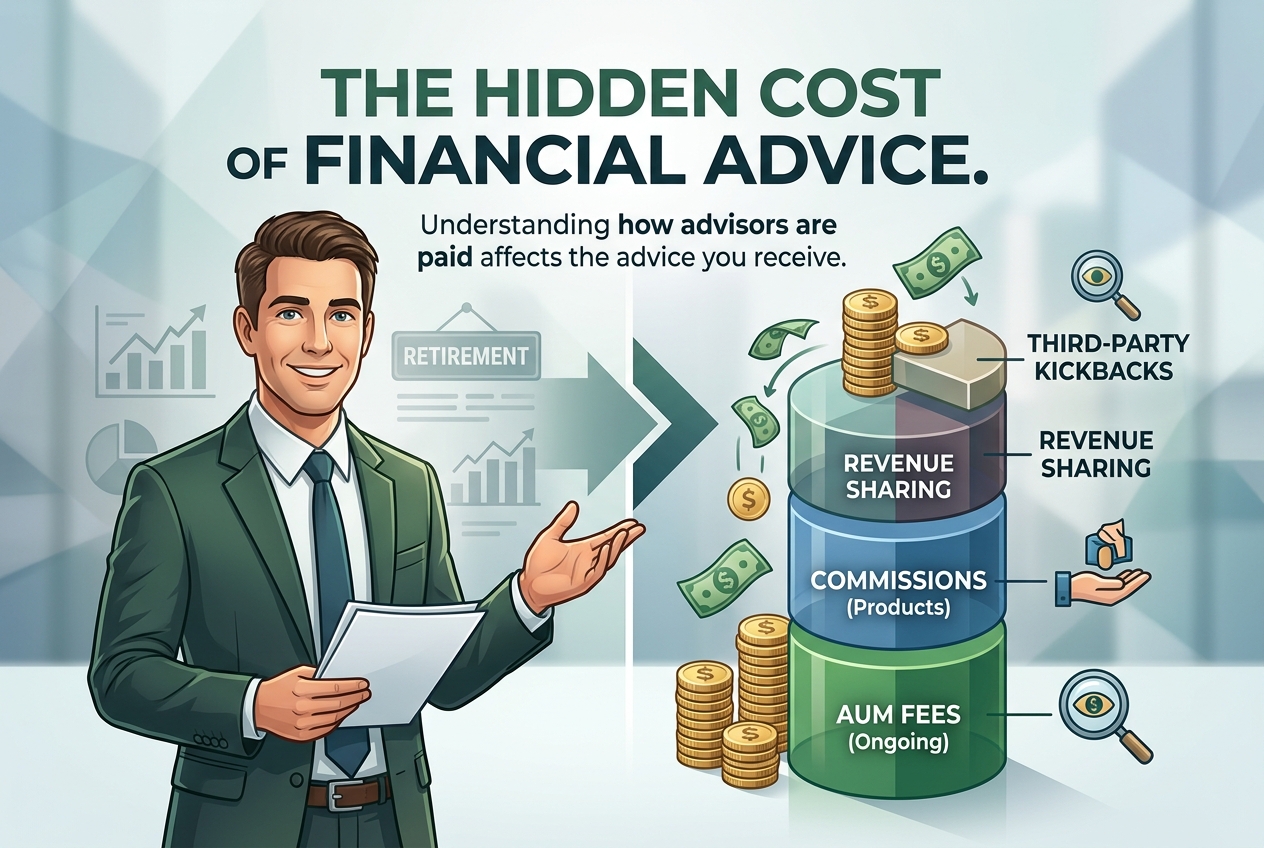
What Your Financial Advisor Isn’t Telling You About Their Pay
Financial advisors get paid in ways that can affect the advice they give, often without clients fully realizing the costs involved. Conflicts arise depending on whether advisors charge fees based on assets, earn commissions hidden in product prices, or operate under different regulatory models like RIAs or broker-dealers. Understanding these conflicts helps clients ask the right questions and make informed decisions about the true cost and incentives behind their financial advice.
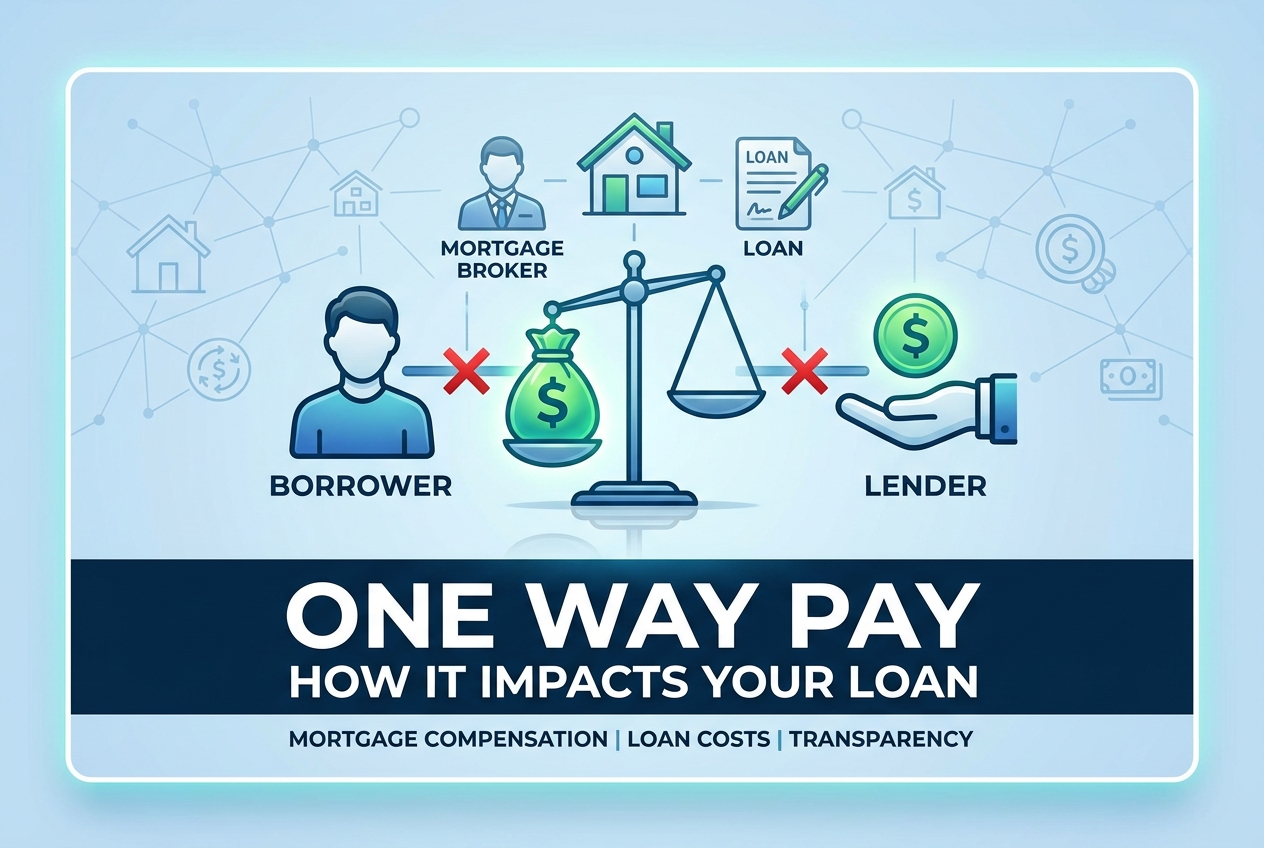
Mortgage Brokers Get Paid One Way Only, and That Affects Your Loan Cost
Mortgage brokers and loan officers are paid either by the lender or the borrower, but never both for the same loan, which directly impacts your loan pricing and fees. Unlike common belief, their compensation cannot depend on the loan's interest rate or steering you toward certain products, ensuring more transparent and fair practices. Understanding this payment structure helps you make smarter choices about fees and loan terms, especially when deciding how long you plan to stay in your home.
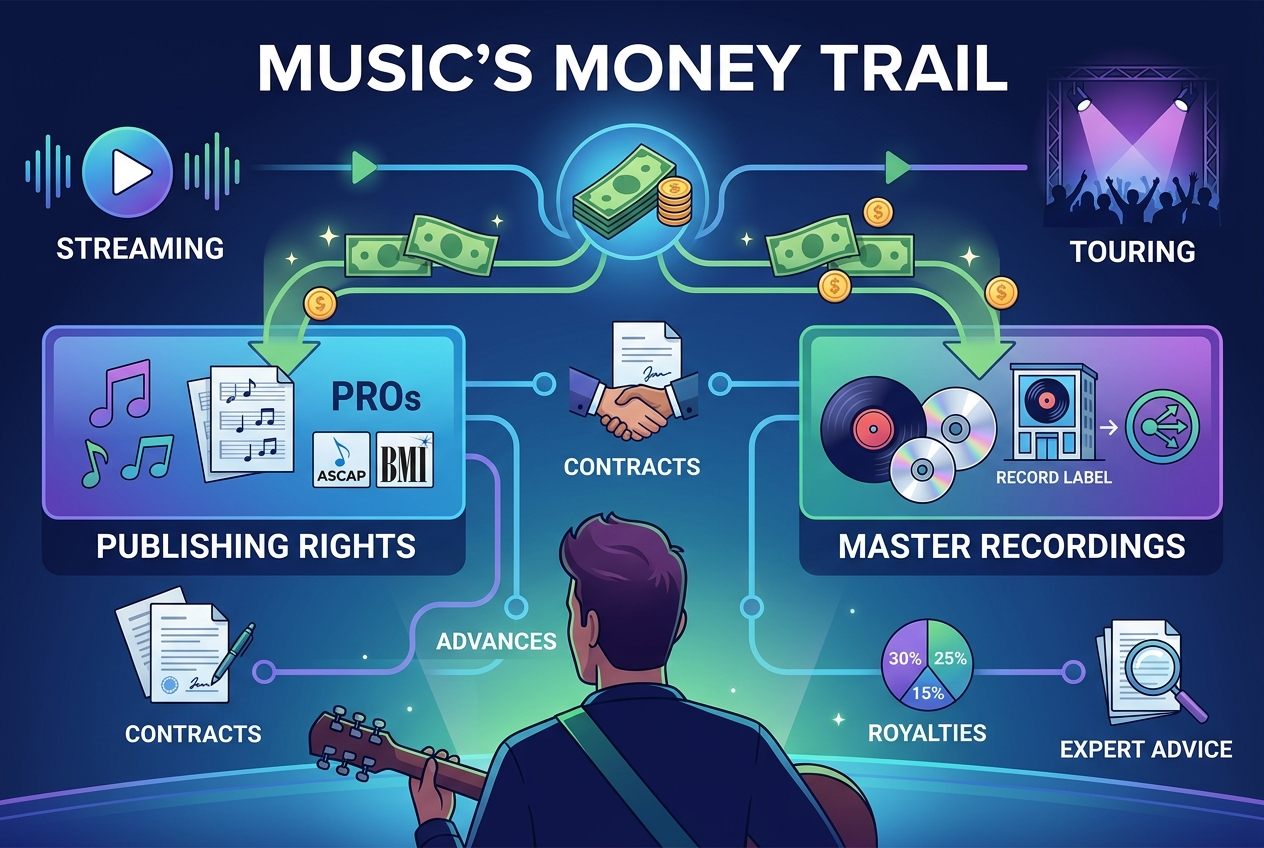
Who Really Gets Paid When Your Music Makes Money
Music income comes from different rights like publishing and master recordings, each handled and paid differently. This set of options shows how contracts, royalties, advances, and ownership can vary widely, and why artists must carefully weigh deals, streaming income, and touring earnings with expert advice. Understanding these choices helps musicians protect their money, rights, and control over their work.

Missing the 30-Day Deadline for Startup Equity Taxes Means Losing Your Chance Forever
When employees receive startup equity, they must file a special tax election within 30 days or risk losing critical tax benefits permanently. Unlike common beliefs, there is no reliable way to file late or get an extension, so proof of timely filing is essential. This strict deadline means employees must act quickly and use official IRS channels with verified identity to protect their financial interests.

Who Really Keeps Your Workout Fees Gym Owners or Trainers
When you pay for personal training, the split between gym owners and trainers shapes who earns what and who controls your sessions. Models differ on client ownership, fee distribution, and trainer independence, revealing why some trainers earn more by managing their own clients and schedules while others work under gym policies that limit their take-home pay. Understanding these models helps trainers and clients see the real economics behind personal training fees and the trade-offs between convenience, control, and income.

What Nobody Tells You About Running a Daycare Business
Running a daycare or in-home childcare involves navigating hidden legal, safety, and staffing challenges that often go unspoken. The requirements differ sharply between home-based and center-based care, especially around licensing, liability insurance, staff background checks, and reporting serious incidents. Understanding these distinct requirements helps providers make informed decisions to protect children, comply with regulations, and sustain their business.

Why Academia’s Pay and Job Security Leave Many Adjuncts Struggling
Academic jobs often promise prestige but hide deep economic challenges, especially for adjunct faculty who face low pay, delayed wages, and no benefits. The claims reveal contrasting views on tenure security, grant funding, and the systemic reliance on underpaid, temporary instructors, exposing a cycle where many educators endure poverty and instability despite decades of service. Understanding these differing perspectives helps reveal why adjuncts remain trapped in precarious roles while institutions benefit from their labor.
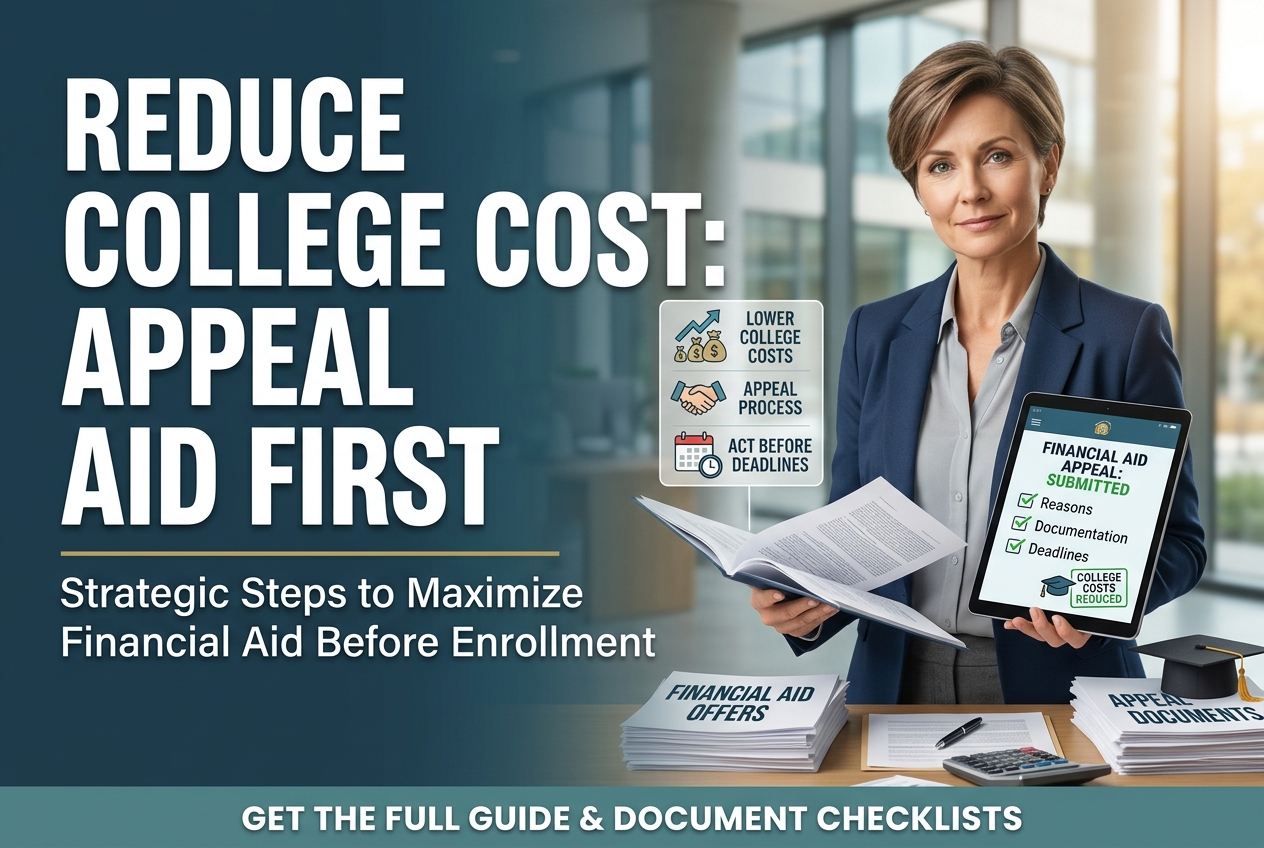
You Must Appeal Financial Aid Before Accepting to Lower Your College Costs
College financial aid offers are not final until you actively appeal with clear reasons and complete documentation, especially after major life changes. Many families miss out on additional aid by accepting the initial offer without negotiating or following up promptly with the financial aid office. By preparing a detailed appeal and contacting the right offices before enrollment deadlines, you can significantly reduce your real college price.