
Browse the Context Marketplace
Expert-level knowledge on any topic. Each capsule guides you through what matters most.
5 capsules

Common Mental Shortcuts That Influence Our Decisions
People often rely on mental shortcuts that shape how they judge situations, estimate risks, and make choices. These shortcuts include biases like anchoring on the first number heard, fearing losses more than valuing gains, overestimating abilities, and favoring information that confirms existing beliefs. Recognizing these common patterns helps explain why decisions sometimes stray from rational thinking.
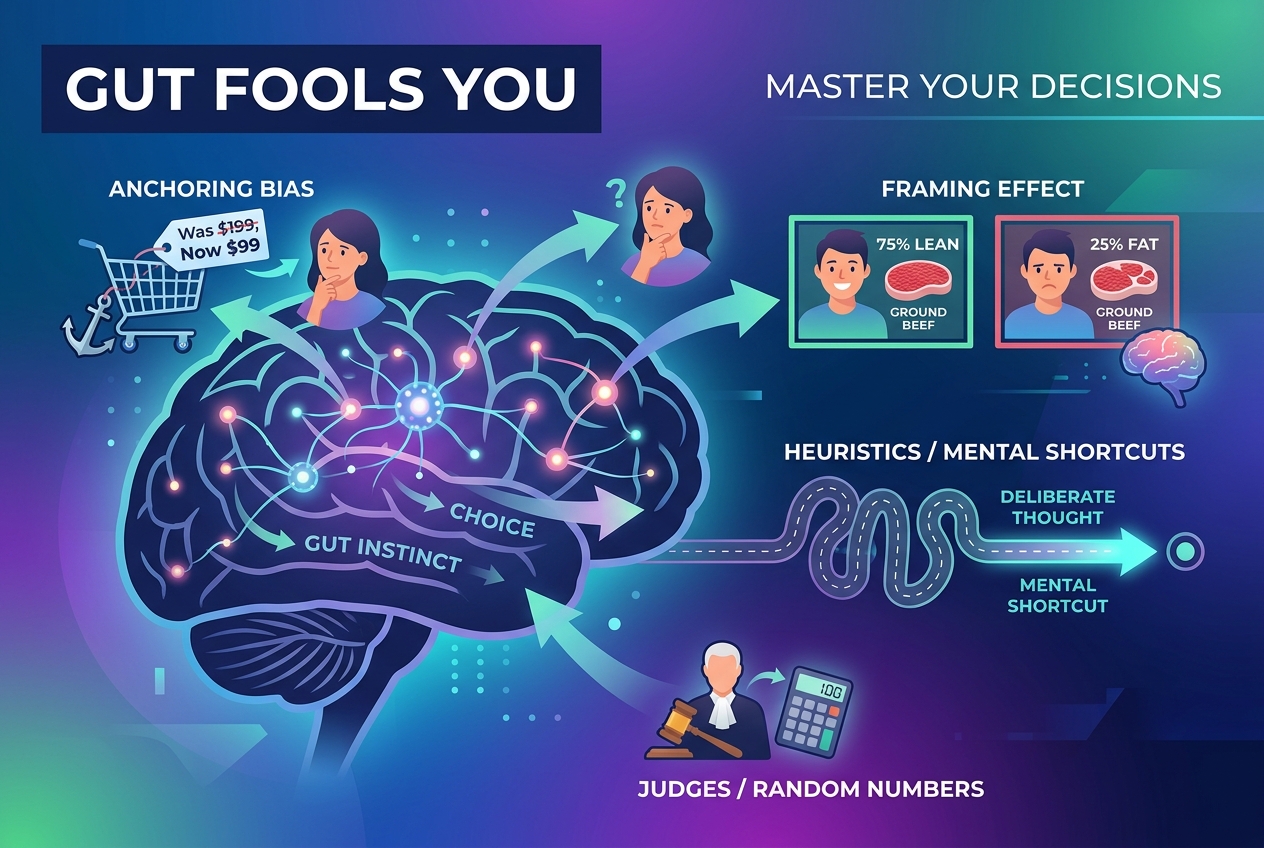
How Your Gut Quietly Fools You Every Day
From judges swayed by random numbers to shoppers anchored by the first price they see, mental shortcuts steer choices you think are rational. These views differ on whether biases are stubborn and mostly unconscious or something you can catch and counter in the moment. You can decide when to trust your instinct and when to question it.
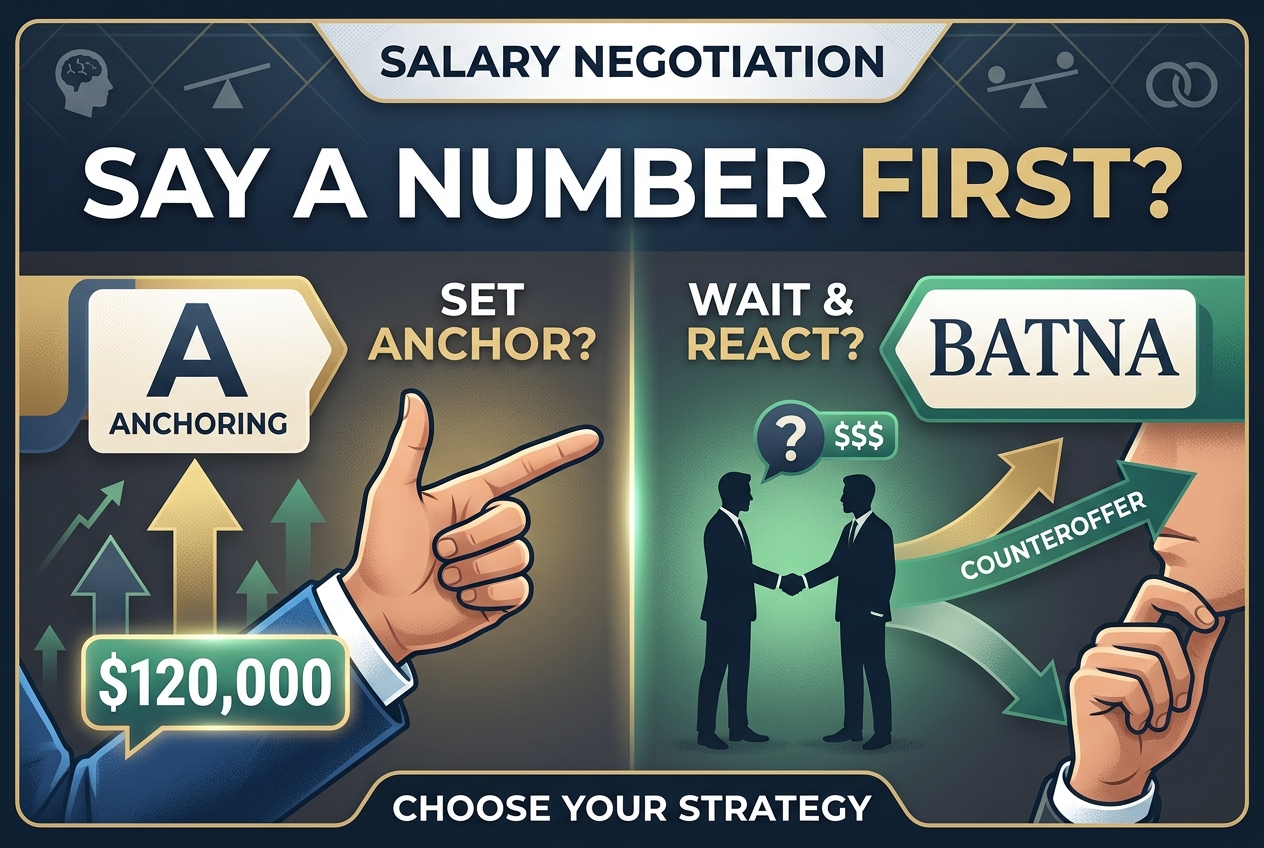
Should You Say a Salary Number First?
Name a number first and you might anchor the whole negotiation in your favor, or lowball yourself out of thousands. These tactics split on whether to set a high anchor or wait for the employer's offer, and on how competing offers, counteroffers, and psychological pressure shape the outcome. Walk in knowing which move fits your leverage.
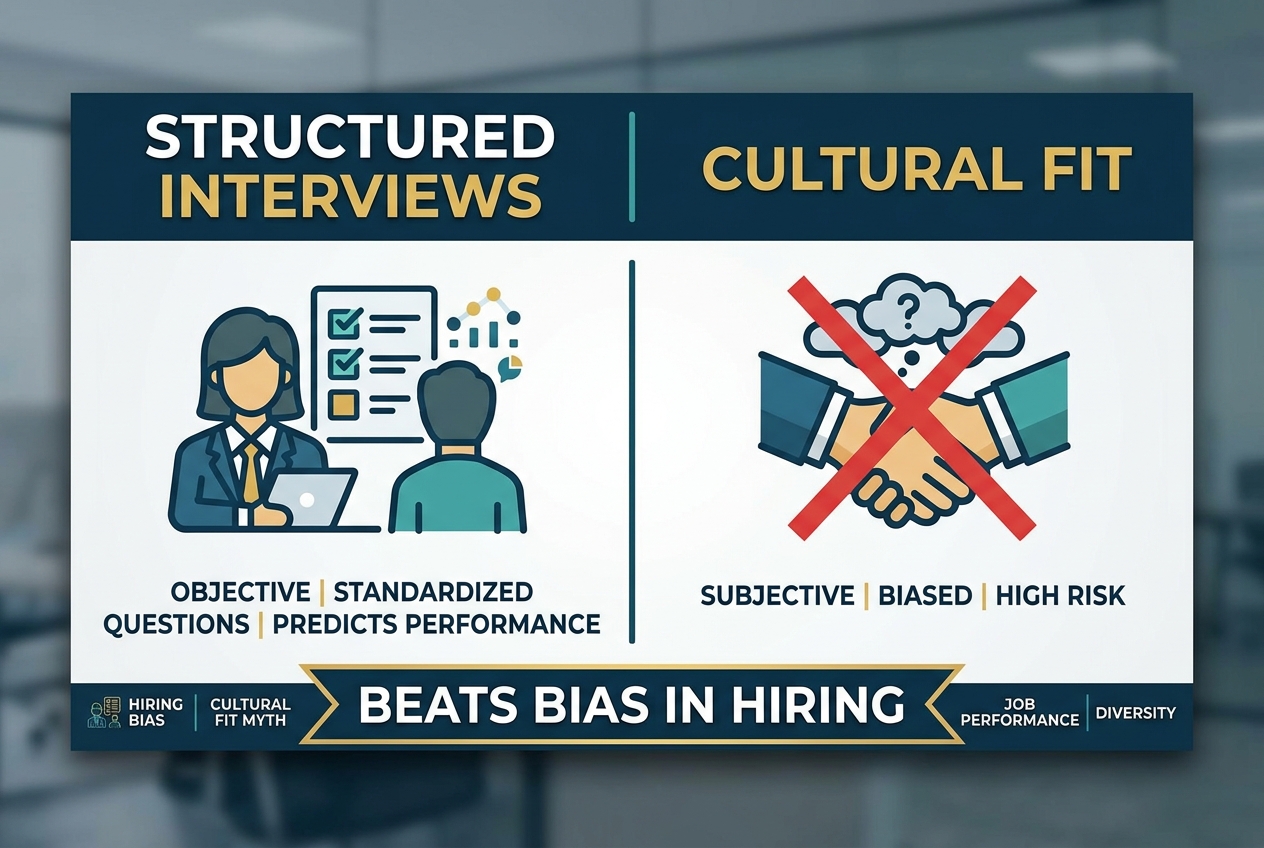
Structured Interviews Beat 'Cultural Fit' Bias in Hiring
Structured interviews with standardized questions and scoring are proven to predict job performance far better than unstructured interviews that rely on subjective cultural fit judgments. The common practice of hiring for cultural fit often masks bias and discrimination, disadvantaging diverse candidates. By focusing on objective, job-related criteria through structured interviews, employers can reduce bias and make fairer, more accurate hiring decisions.
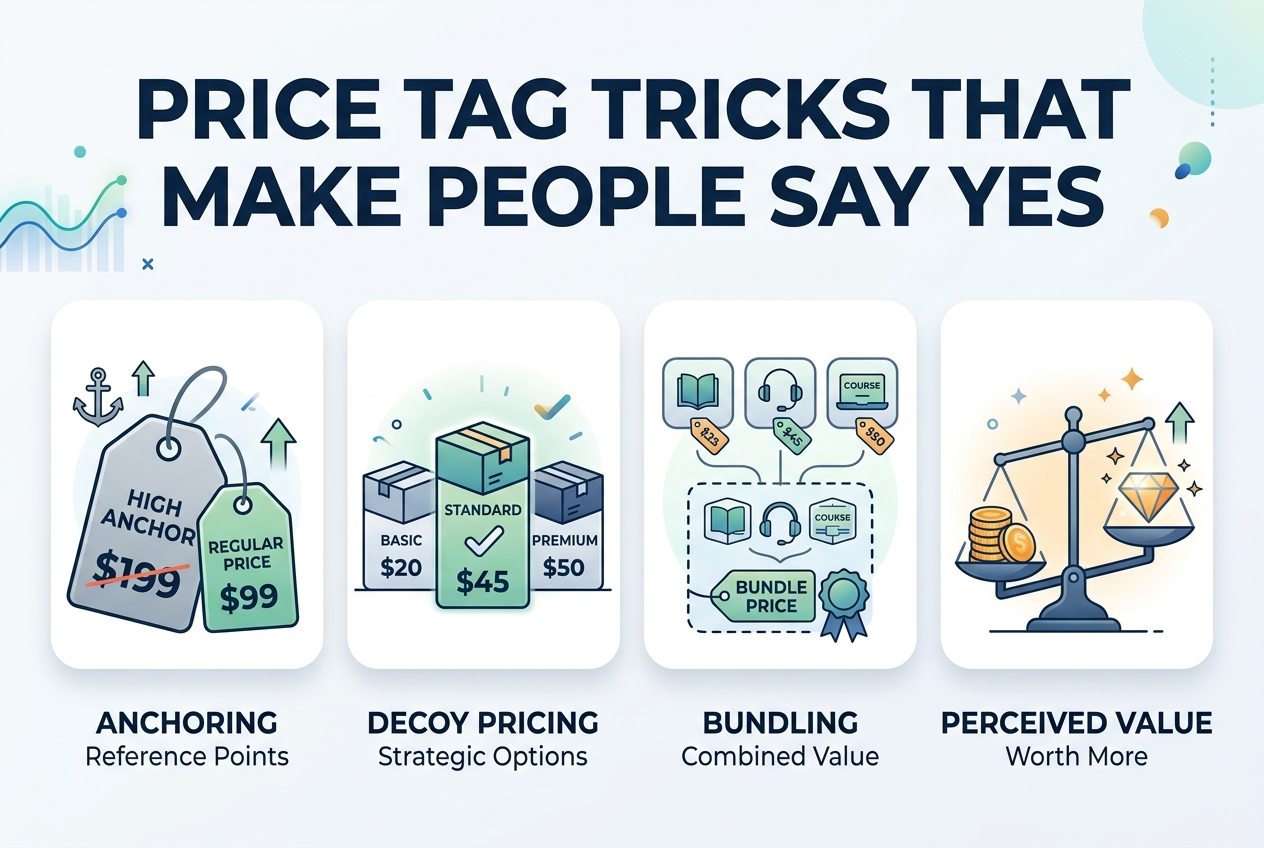
The Price Tag Tricks That Make People Say Yes
The same product can feel expensive or like a steal depending on how the price is framed. These tactics range from high anchors and decoy options to bundles, and they clash on how aggressively you can push perception before you erode customer trust. Pick the moves that lift your offer's perceived value without crossing your own ethical line.