
Browse the Context Marketplace
Expert-level knowledge on any topic. Each capsule guides you through what matters most.
3 capsules
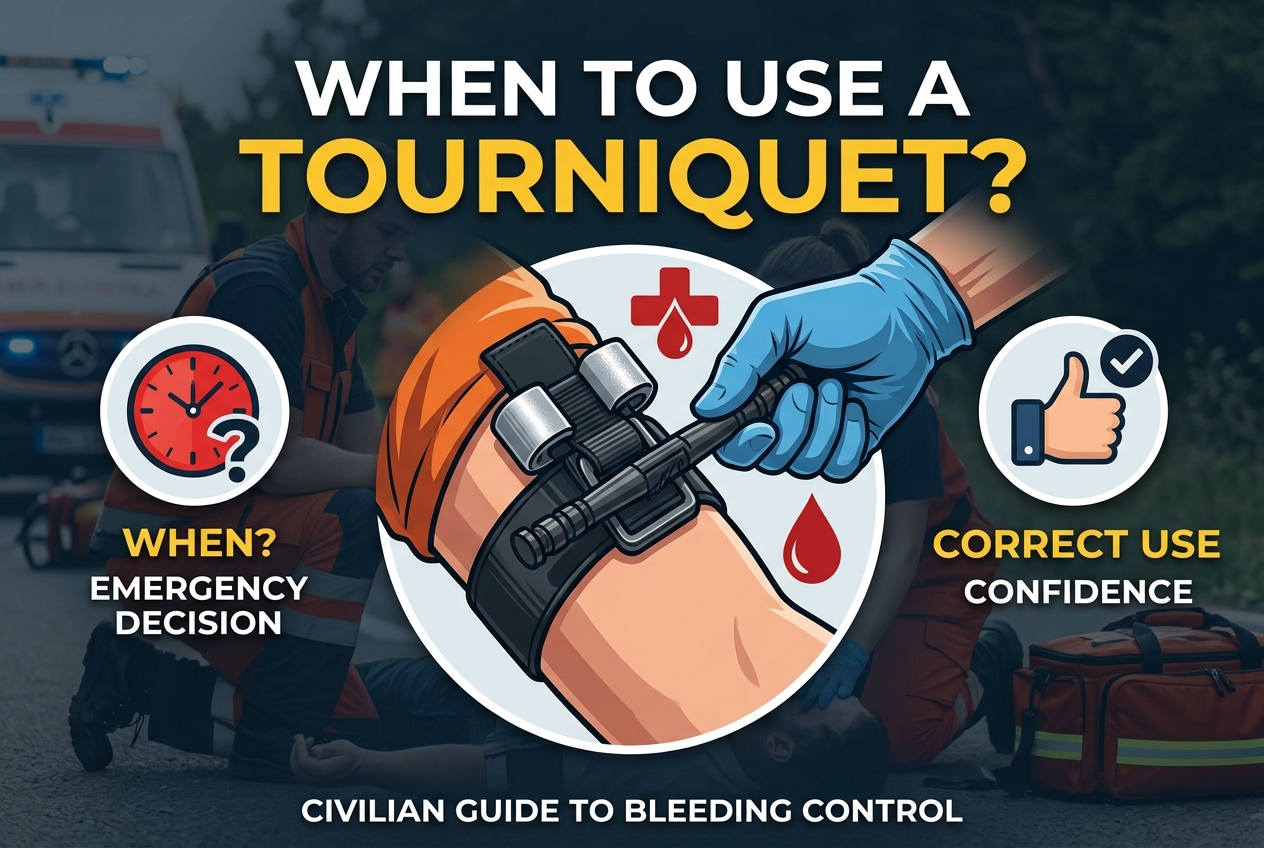
When Should a Civilian Reach for a Tourniquet?
In a bleeding emergency the difference between hesitation and a correctly placed tourniquet can be a life. These views differ on when a civilian should apply one, how strong the evidence really is, how to give clear consistent instructions, and how to adapt when supplies are scarce. Understanding them helps you act with confidence if it ever comes to it.
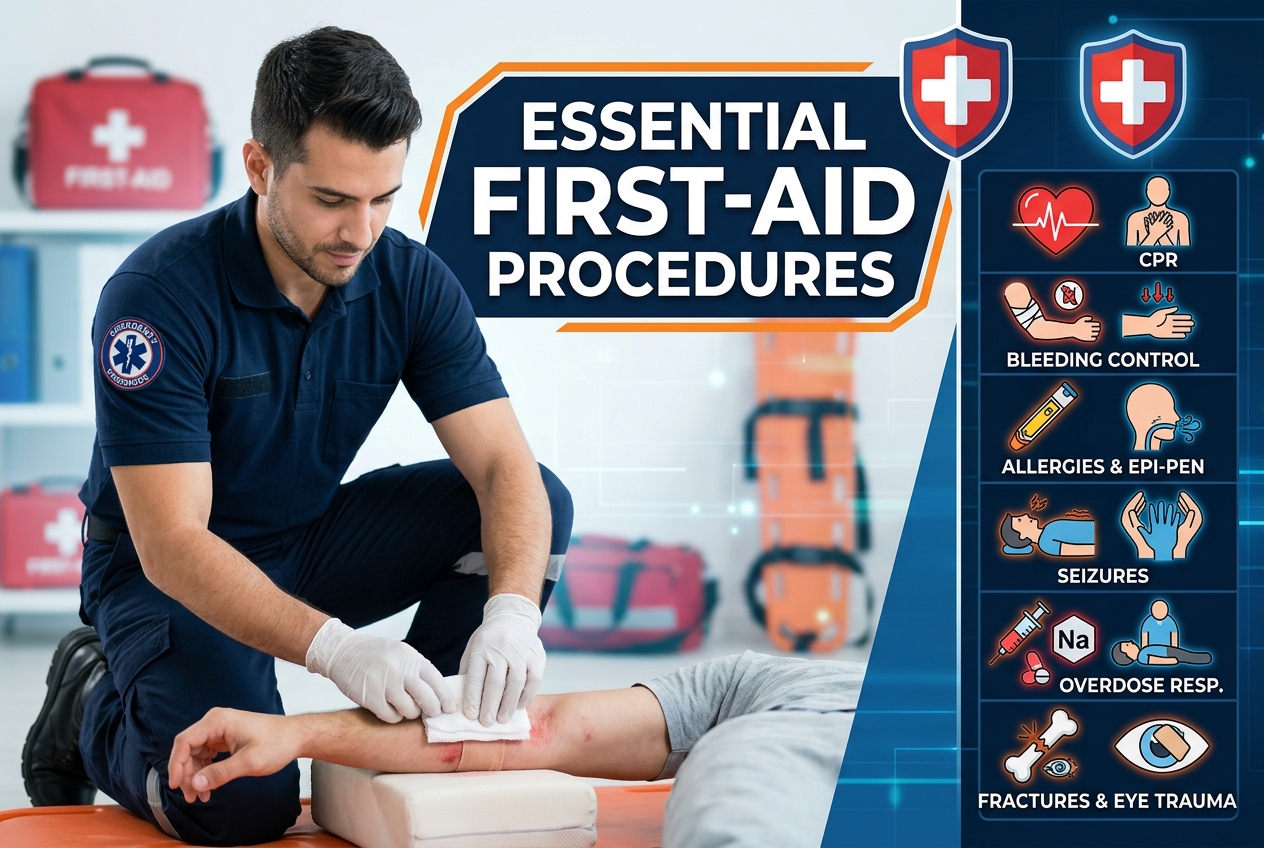
Essential First-Aid Procedures for Common Emergencies
First-aid knowledge is crucial for responding effectively to emergencies such as severe bleeding, seizures, allergic reactions, opioid overdoses, and injuries involving broken bones or eye trauma. This collection provides clear guidelines on when to call emergency services, how to perform CPR, safely remove ticks, use epinephrine auto-injectors, and apply pressure to control bleeding. It also covers important safety precautions like avoiding harmful actions such as putting objects in a seizure victim’s mouth or attempting to realign broken bones.
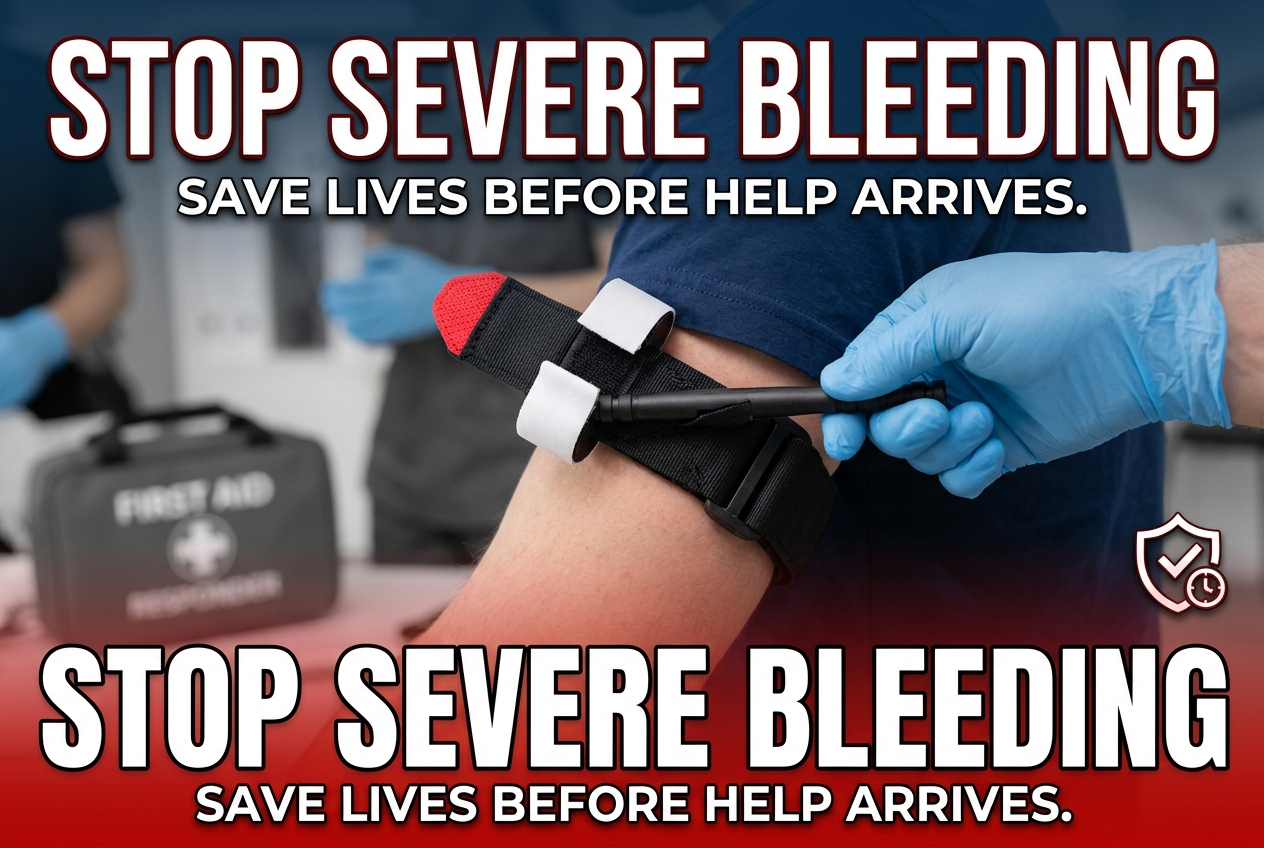
Stop Severe Bleeding Before Help Arrives
When someone is bleeding badly, the minutes before help arrives decide whether they live. These steps walk through when to reach for a tourniquet, where to place it, how tight and how long, and which old first-aid myths actually cost lives. You will know exactly what to do instead of freezing.