
Browse the Context Marketplace
Expert-level knowledge on any topic. Each capsule guides you through what matters most.
7 capsules

The Most Important Chess Openings and Their Key Moves
Chess openings set the stage for the entire game by establishing control and positioning. This collection catalogs essential openings such as the Sicilian Defense, Queen's Gambit, Nimzo-Indian Defense, and others, detailing their defining moves and strategic ideas. Players can use this resource to recognize, study, and apply these foundational openings in their own games.

You Can Find Purpose and Joy After Inheriting Without a Career
Inheriting money without a career can feel terrifying and leave you unsure of your identity and purpose. Instead of seeing work only as a job, you can reinvent yourself by pursuing meaningful activities like volunteering, mentoring, and creative hobbies that reconnect you with who you are beyond money. Embracing late-life reinvention and seeking financial guidance helps transform inherited wealth from a safety net into a foundation for a fulfilling and joyful life.

Building Wealth with Rental Homes Means Fixing, Renting, and Refinancing Fast
Building wealth with rental homes means mastering the BRRRR strategy: fix, rent, and refinance fast to recycle your capital and grow your portfolio efficiently. While many believe slow, steady property appreciation is key, this approach leverages quick market cycles and active management to accelerate wealth. Readers who adopt this mindset can unlock faster growth and greater control over their real estate investments.

Your Stock Options Can Expire Worthless the Day You Quit
Leave a job with unexercised options and a short deadline can erase years of paper wealth. These strategies split on the biggest threat: post-termination exercise windows, tax bills triggered by bad timing, or the concentration risk of betting your savings on one company. Knowing which risk applies to you decides when to exercise, sell, or walk away.
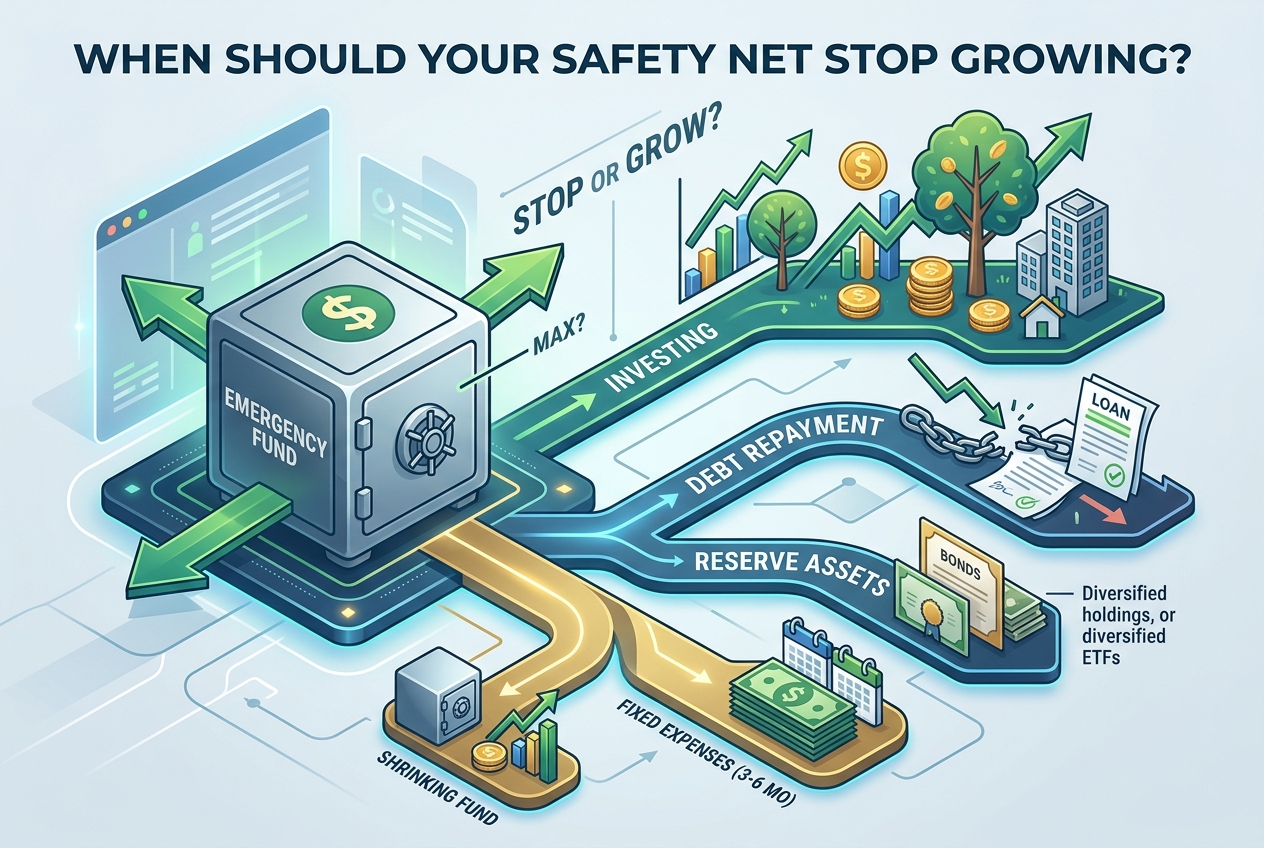
When Should Your Safety Net Stop Growing?
Every dollar you keep adding to an emergency fund is a dollar not invested, and the right stopping point is not obvious. These options range from a fixed three to six months of expenses, to shrinking the fund as your wealth grows, to paying off high-interest debt first, to investing the reserve instead of holding cash. Match them against your own stability to decide when saving turns into hoarding.
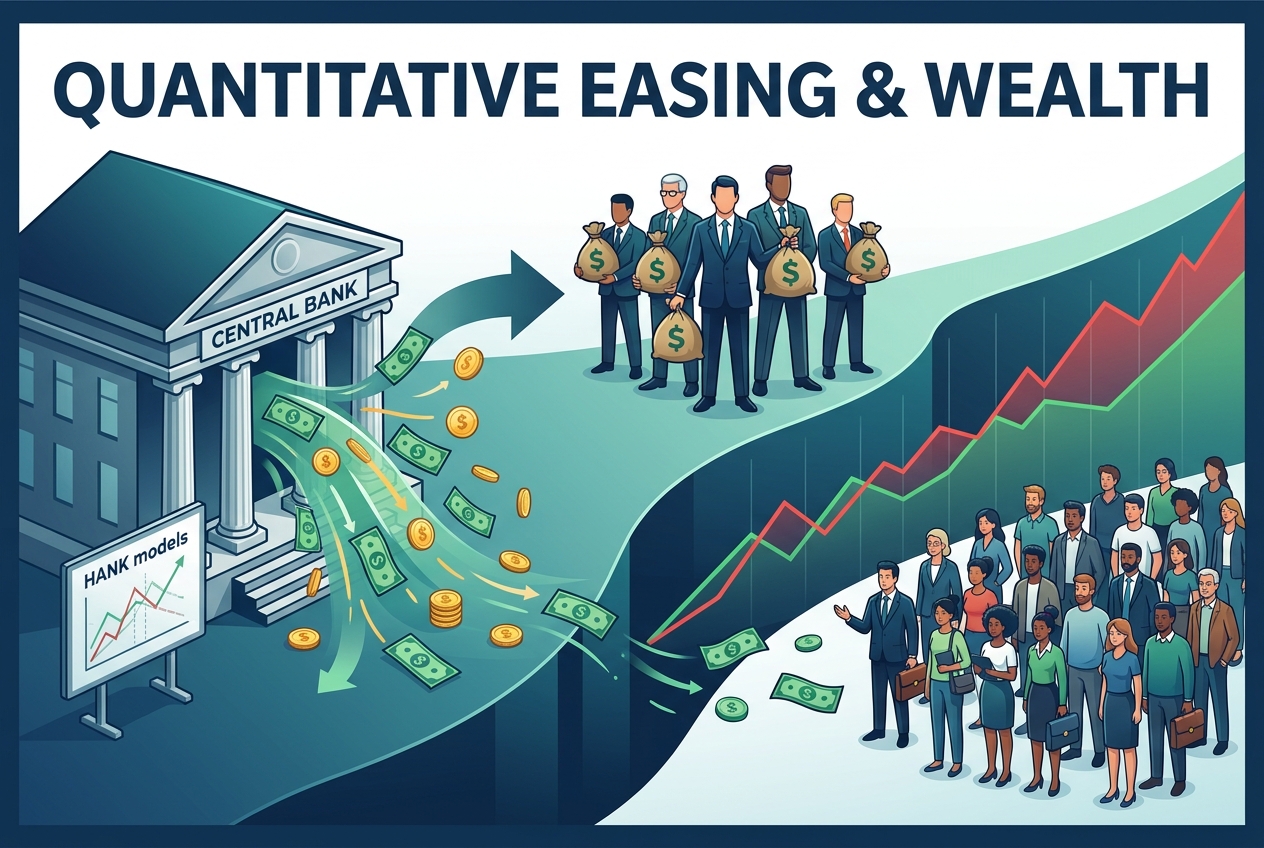
How Quantitative Easing Quietly Makes the Rich Richer
When central banks pump money in, the first hands to touch it may gain most, widening the gap. These reasons span asset-price channels, the Cantillon effect, Gini-coefficient evidence, and the models economists use to measure it all. See where critics and defenders of central banking clash and weigh the case yourself.

The Mortgage Is the Smallest Part of the Buying Decision
The rent-versus-buy question is rarely settled by comparing rent to a mortgage payment. These options run the decision through opportunity cost, hidden expenses, the flexibility renting preserves, and the case for ownership alongside sharp skepticism about its supposed benefits. Put your numbers and your life plans through them and see which side the math actually favors.