
The Most Important Chess Openings and Their Key Moves
About this Capsule
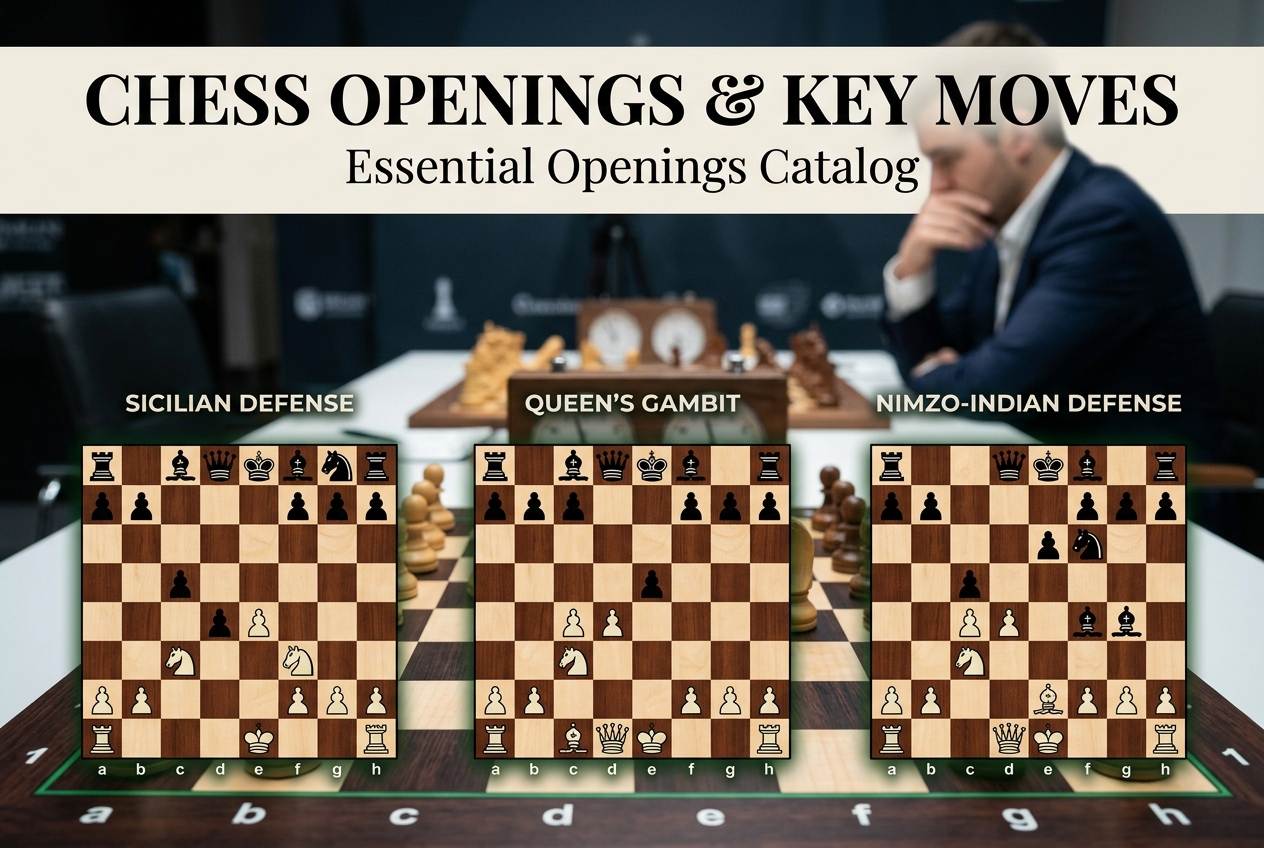
Chess openings set the stage for the entire game by establishing control and positioning. This collection catalogs essential openings such as the Sicilian Defense, Queen's Gambit, Nimzo-Indian Defense, and others, detailing their defining moves and strategic ideas. Players can use this resource to recognize, study, and apply these foundational openings in their own games.
Covered in this capsule
Search tips for chess openings database.
Compliance with technical and regulatory rules
Items tagged as fact, constraint, instruction, preference.
The Most Important Chess Openings and Their Key Moves
Free
Sign in to buyCapxuleHub Creative
View profile
Related in Creative

The Ethics of Baiting Wildlife for the Perfect Photo
Getting a stunning animal photo can quietly harm the animal and its habitat. These views differ on whether baiting and intrusive flashes disrupt natural behavior, how to balance the monitoring and awareness camera traps provide against that harm, and how strict ethical guidelines protect local wildlife from exploitation. You can decide how to shoot wildlife responsibly.

Beginner Rubik's Cube Solving Algorithms Collection
This collection presents a curated catalog of beginner-level Rubik's cube solving algorithms from multiple approaches. It includes foundational move sequences and strategies designed to help new solvers understand and apply step-by-step methods for solving the cube. The collection also supports building solver applications and addresses common challenges such as security checks and algorithm verification.

When Should a Child Start Serious Ballet Training
Push ballet too early and a child risks injury, burnout, and growth-plate damage; wait too long and they may fall behind. These views differ on whether early specialization builds skill faster or whether a child-first pace that follows the body's readiness matters more. You can decide the safest path for a young dancer's health and progress.
What Actually Makes a Game Feel Good to Play
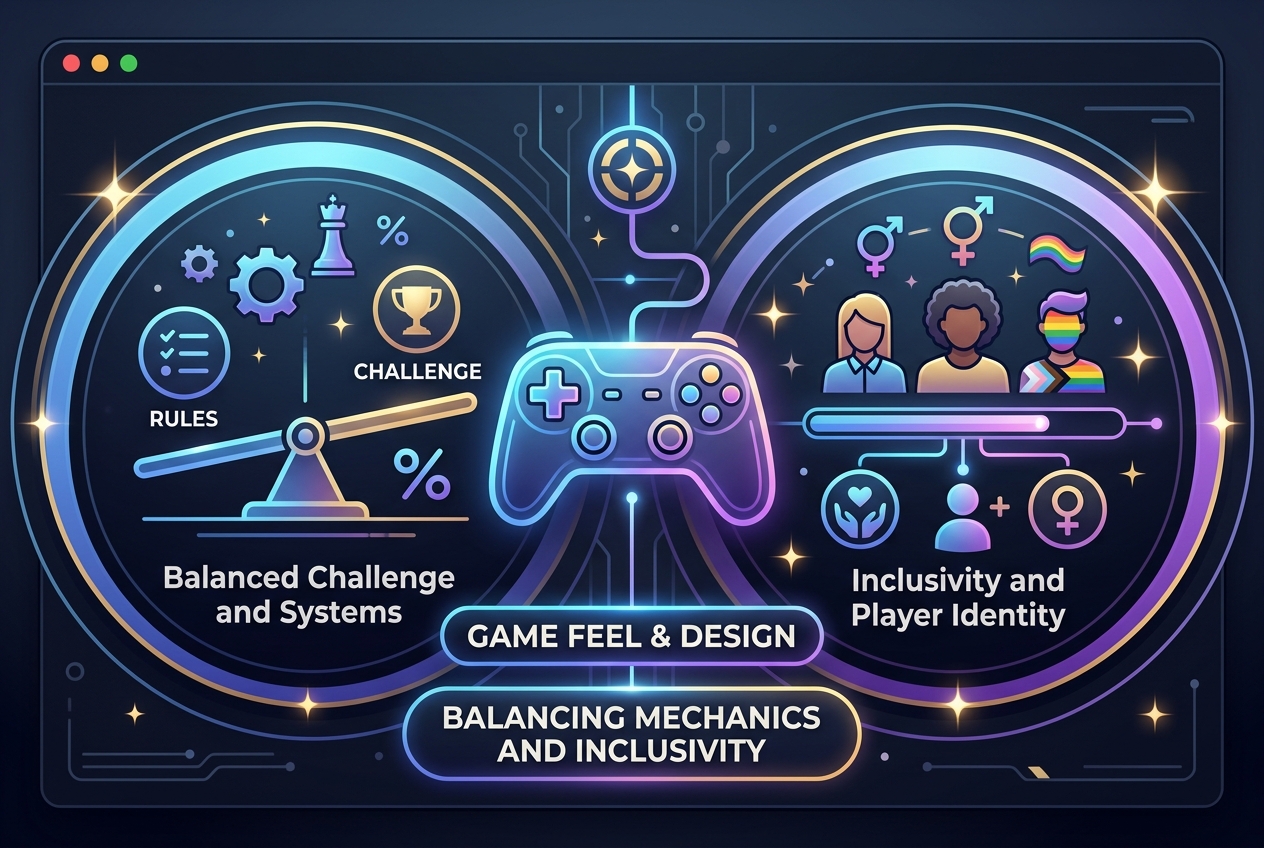
A game feels rewarding when its rules manage power, fairness, and meaningful choice well. These approaches differ on what matters most: one focuses on balanced challenge and clear rules, the other on which player identities games leave out, like queerness getting overlooked next to gender and race. You can weigh which lens shapes a more satisfying, inclusive experience.