
Browse the Context Marketplace
Expert-level knowledge on any topic. Each capsule guides you through what matters most.
8 capsules
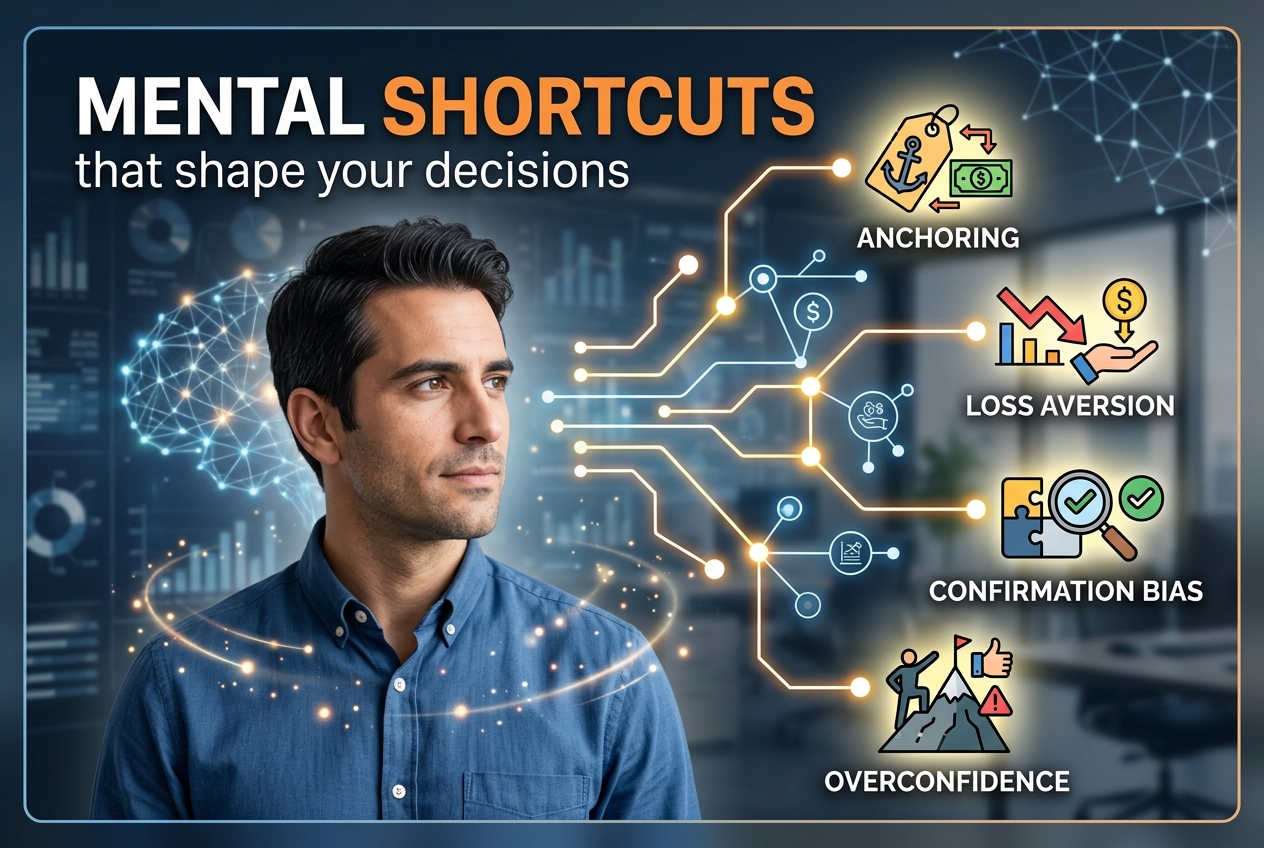
Common Mental Shortcuts That Influence Our Decisions
People often rely on mental shortcuts that shape how they judge situations, estimate risks, and make choices. These shortcuts include biases like anchoring on the first number heard, fearing losses more than valuing gains, overestimating abilities, and favoring information that confirms existing beliefs. Recognizing these common patterns helps explain why decisions sometimes stray from rational thinking.
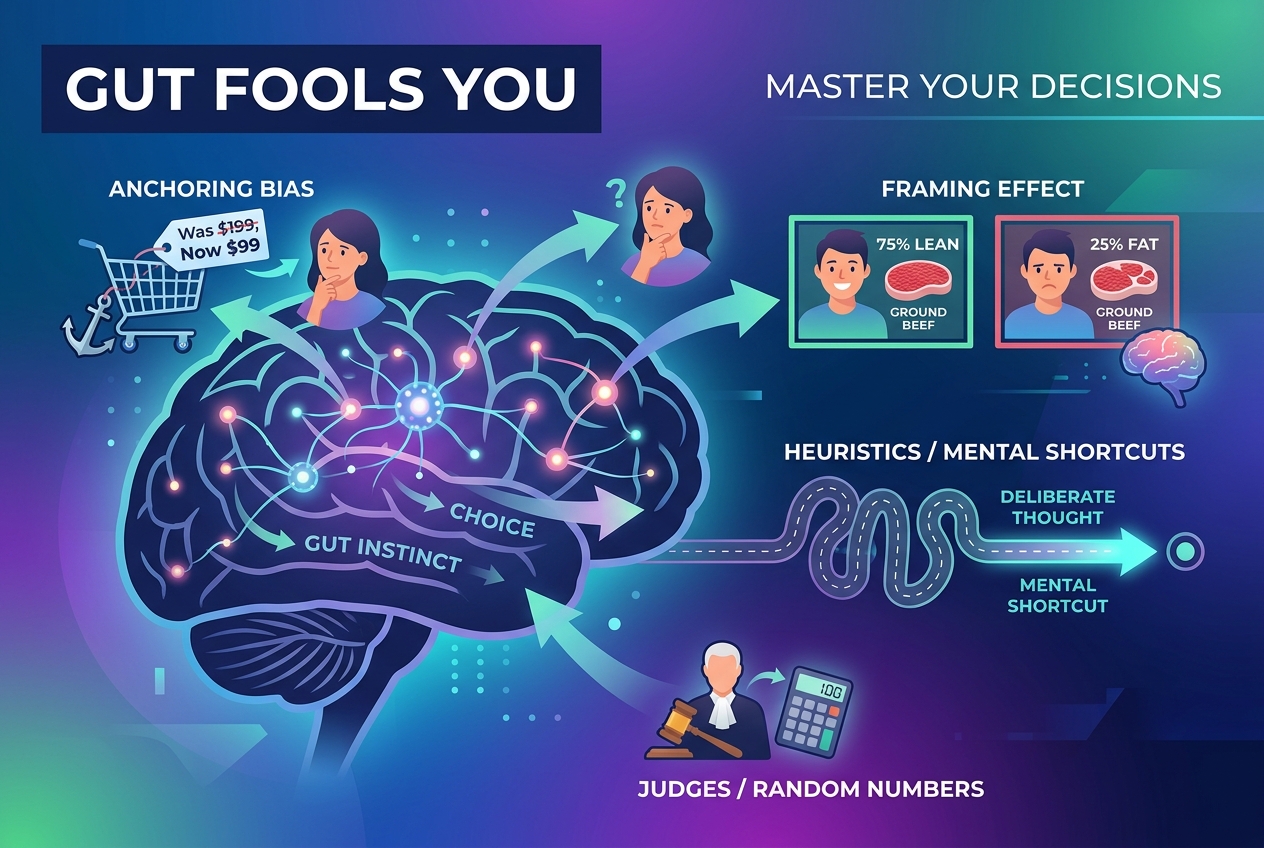
How Your Gut Quietly Fools You Every Day
From judges swayed by random numbers to shoppers anchored by the first price they see, mental shortcuts steer choices you think are rational. These views differ on whether biases are stubborn and mostly unconscious or something you can catch and counter in the moment. You can decide when to trust your instinct and when to question it.
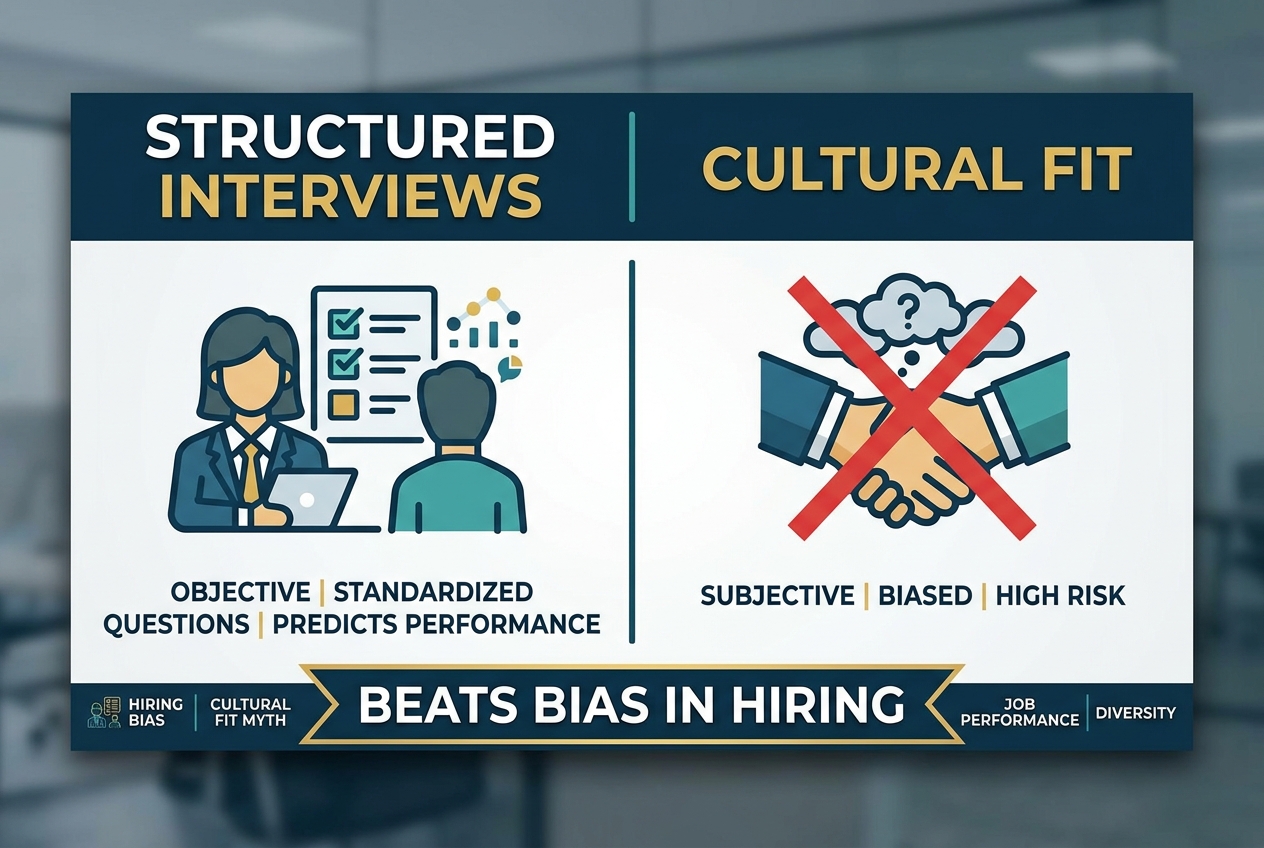
Structured Interviews Beat 'Cultural Fit' Bias in Hiring
Structured interviews with standardized questions and scoring are proven to predict job performance far better than unstructured interviews that rely on subjective cultural fit judgments. The common practice of hiring for cultural fit often masks bias and discrimination, disadvantaging diverse candidates. By focusing on objective, job-related criteria through structured interviews, employers can reduce bias and make fairer, more accurate hiring decisions.
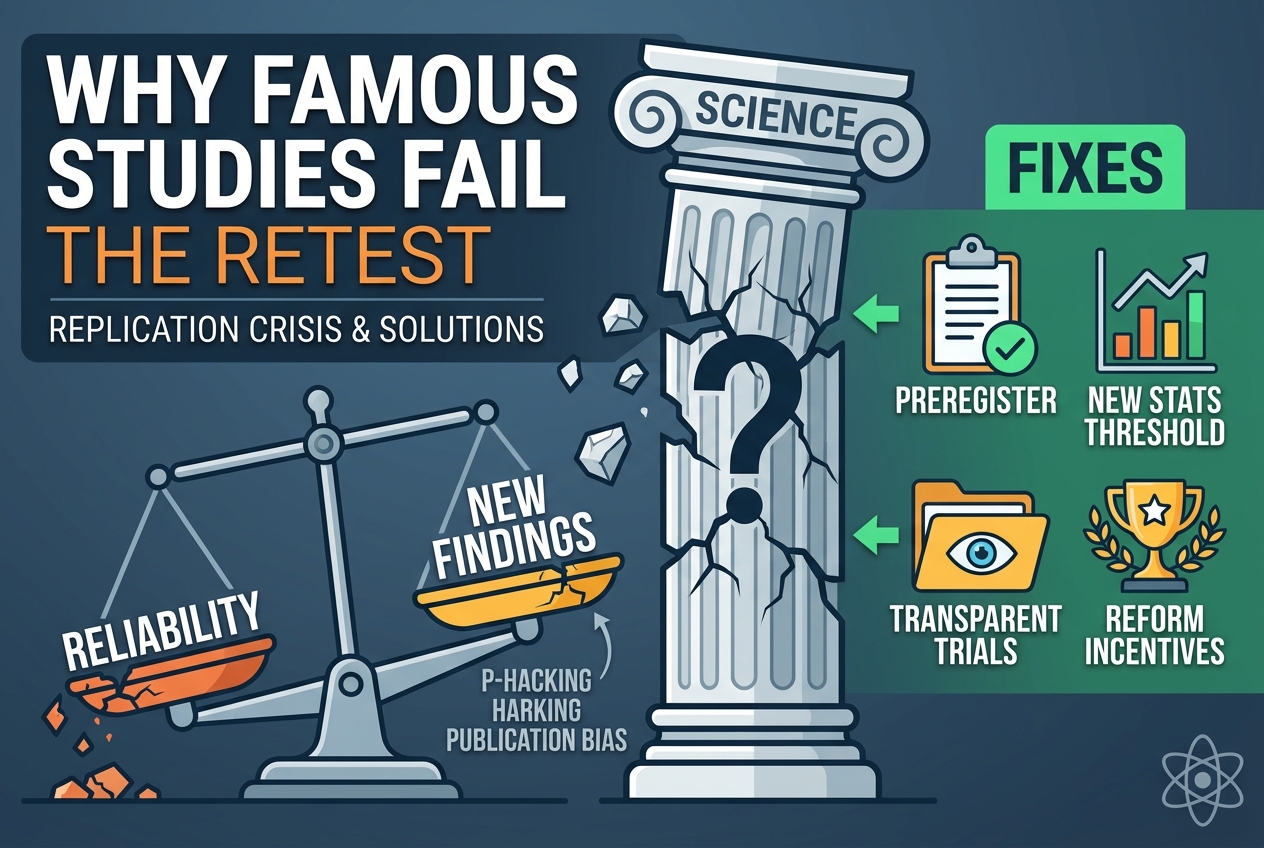
Why So Many Famous Studies Fail the Retest
Findings you have read as fact keep collapsing when other scientists rerun the experiments. These reasons split on the cure: preregistering studies to stop cherry-picked results, rethinking the statistical threshold that decides what counts as a discovery, forcing trial transparency, or reforming the career incentives that reward flashy findings over solid ones. Where the optimists and skeptics part ways is whether science can fix itself at all.

Spotting the Trick in an Argument Before It Works on You
Bad arguments win every day, not because people are careless but because the tricks are hard to see mid-conversation. These techniques disagree on whether to label faulty reasoning by strict rules or read it in context, and whether arguing is really about pure logic at all or about social persuasion. Learn to catch the move and choose how to answer it.
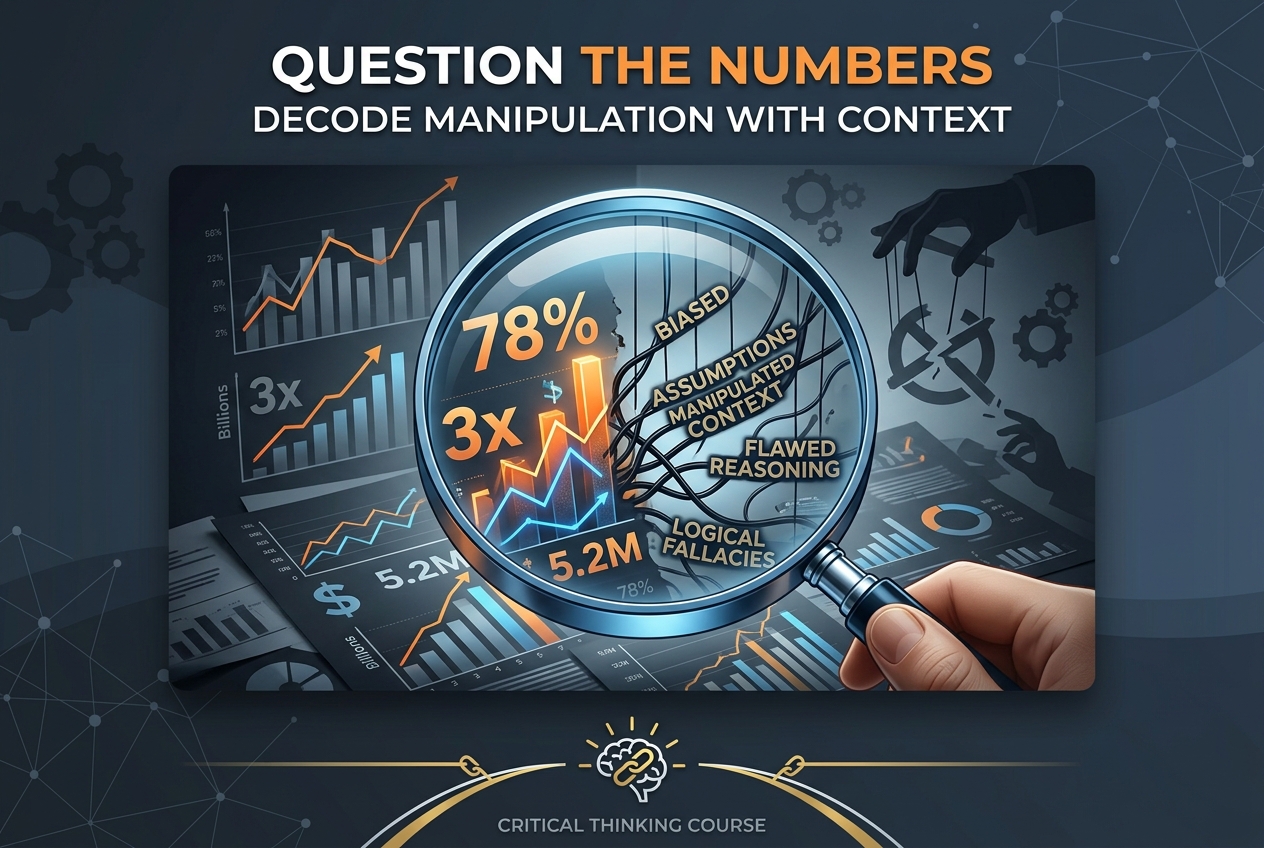
Numbers Alone Don't Prove Truth Without Careful Context
Statistics feel like proof, which is exactly why flawed arguments and propaganda lean on them. Against the habit of taking numbers and expert endorsements at face value, the case here is to interrogate context, assumptions, and reasoning before believing any figure. Read data that way and manipulation becomes far easier to spot.
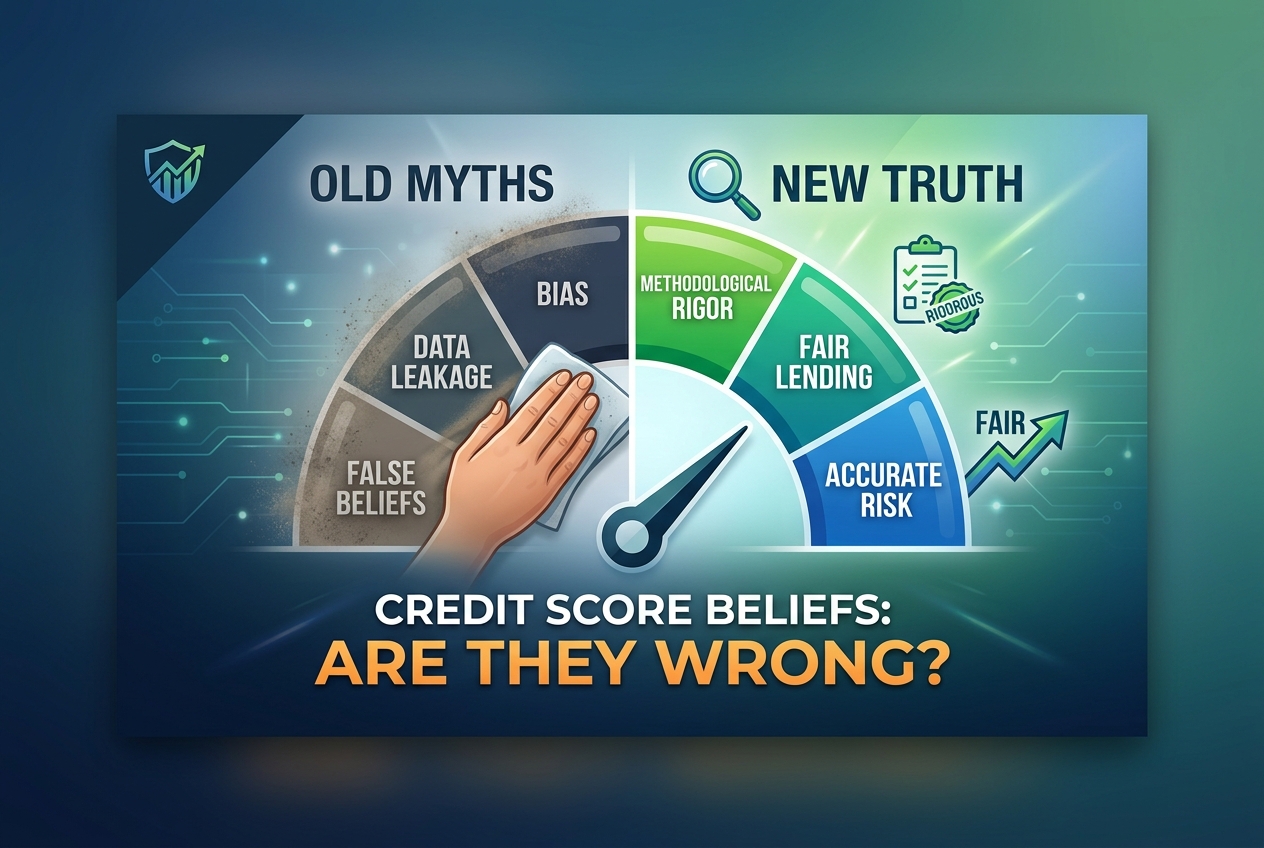
Most Credit Score Beliefs Are Wrong and Cost You Money
Common beliefs about credit scores often rely on flawed studies that overlook critical methodological issues like data leakage and sample bias. By demanding rigorous, transparent research and understanding the true factors behind credit scoring, consumers and lenders can avoid costly mistakes and promote fairer, more accurate credit decisions. Embracing these insights helps you challenge myths that lead to unfair lending and financial loss.
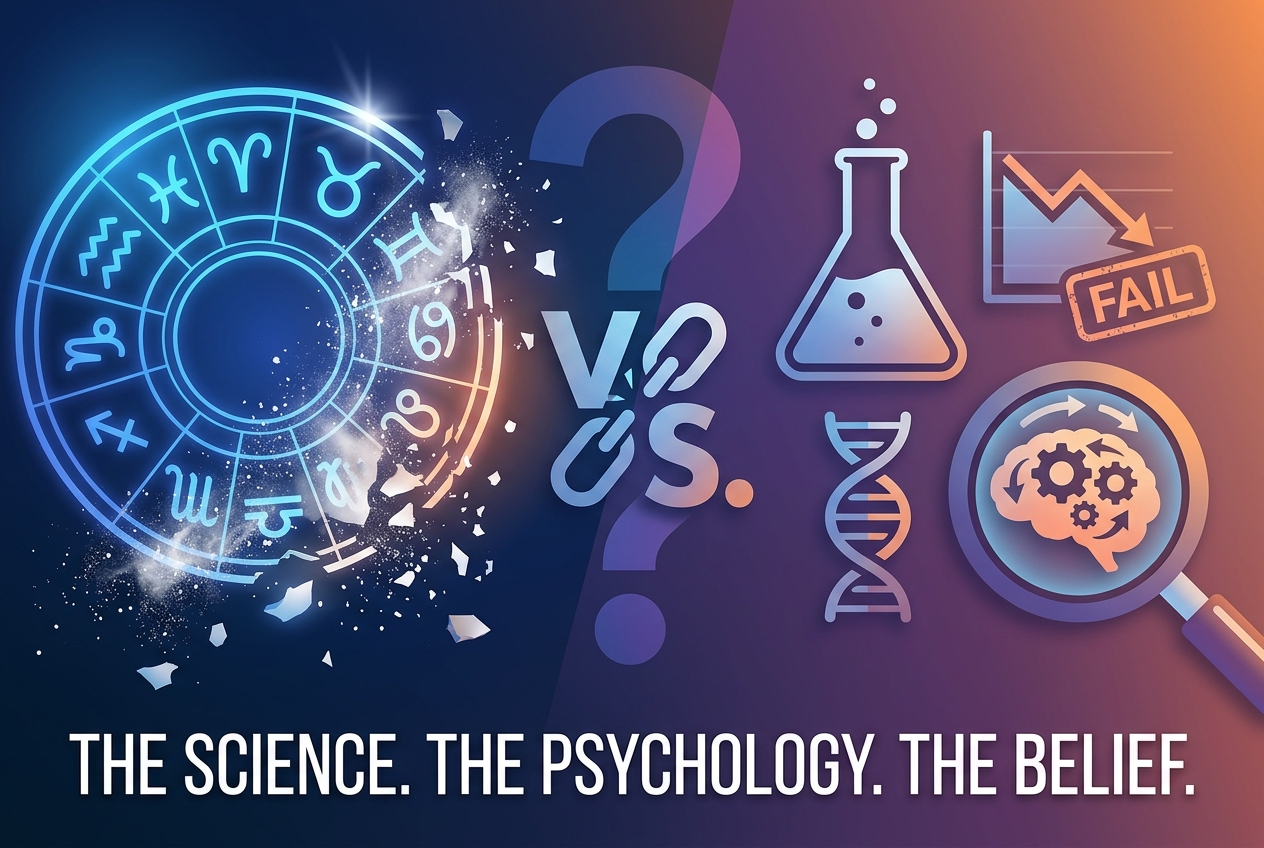
Why Astrology Fails Every Test and Still Won't Die
Astrology keeps failing rigorous tests of predictive power, yet millions still organize their lives around it. These views span the science that debunks it, the cognitive biases that sustain belief, and the case for horoscopes as tools for self-reflection rather than prediction. Weighing them shows what astrology can't do and what it still does for people anyway.