
Browse the Context Marketplace
Expert-level knowledge on any topic. Each capsule guides you through what matters most.
23 capsules
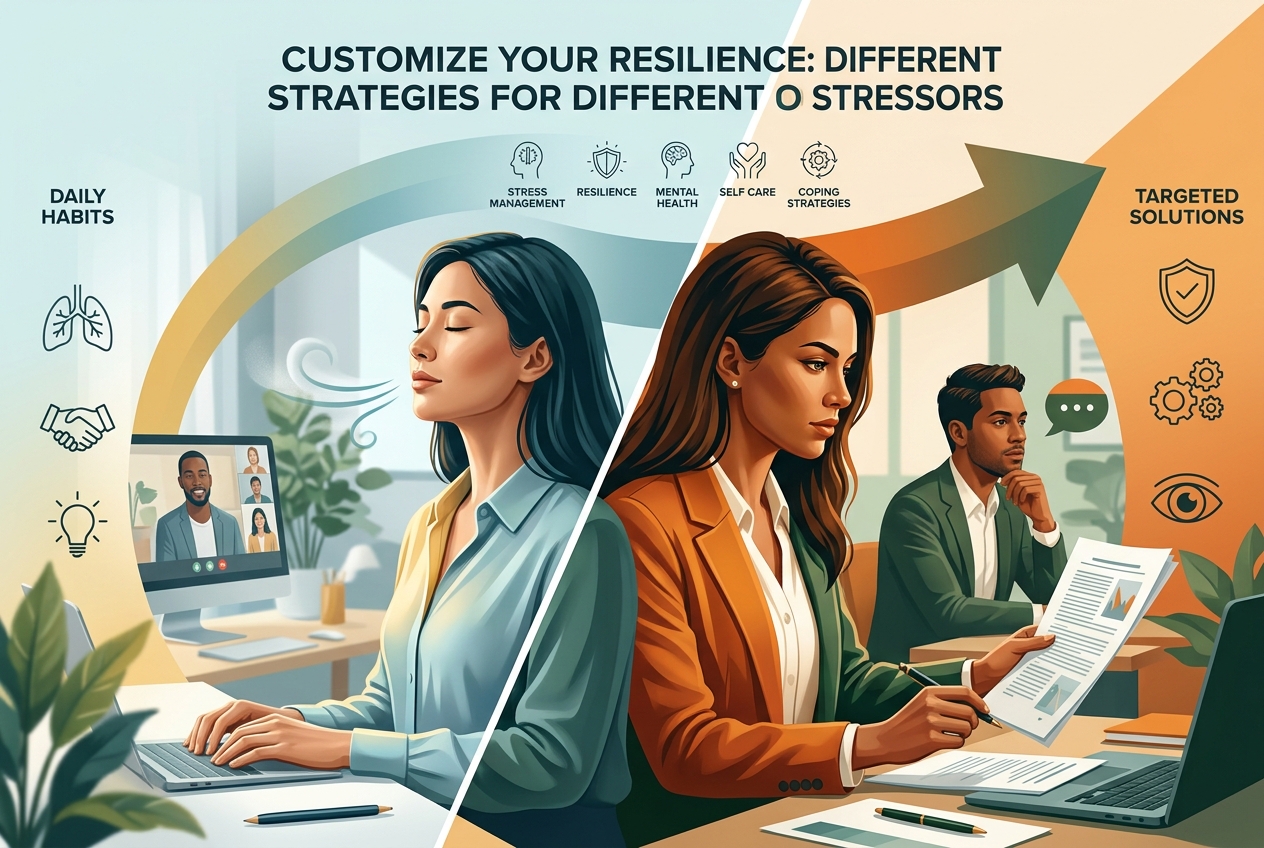
Why Handling Stress Needs Different Strategies for Different Challenges
Stress and resilience are not one-size-fits-all. Some strategies focus on practical daily habits like deep breathing and social support, while others confront harsh realities or tailor responses to specific stressors. Understanding these distinct approaches helps you choose the right way to manage stress and build resilience that fits your unique situation.
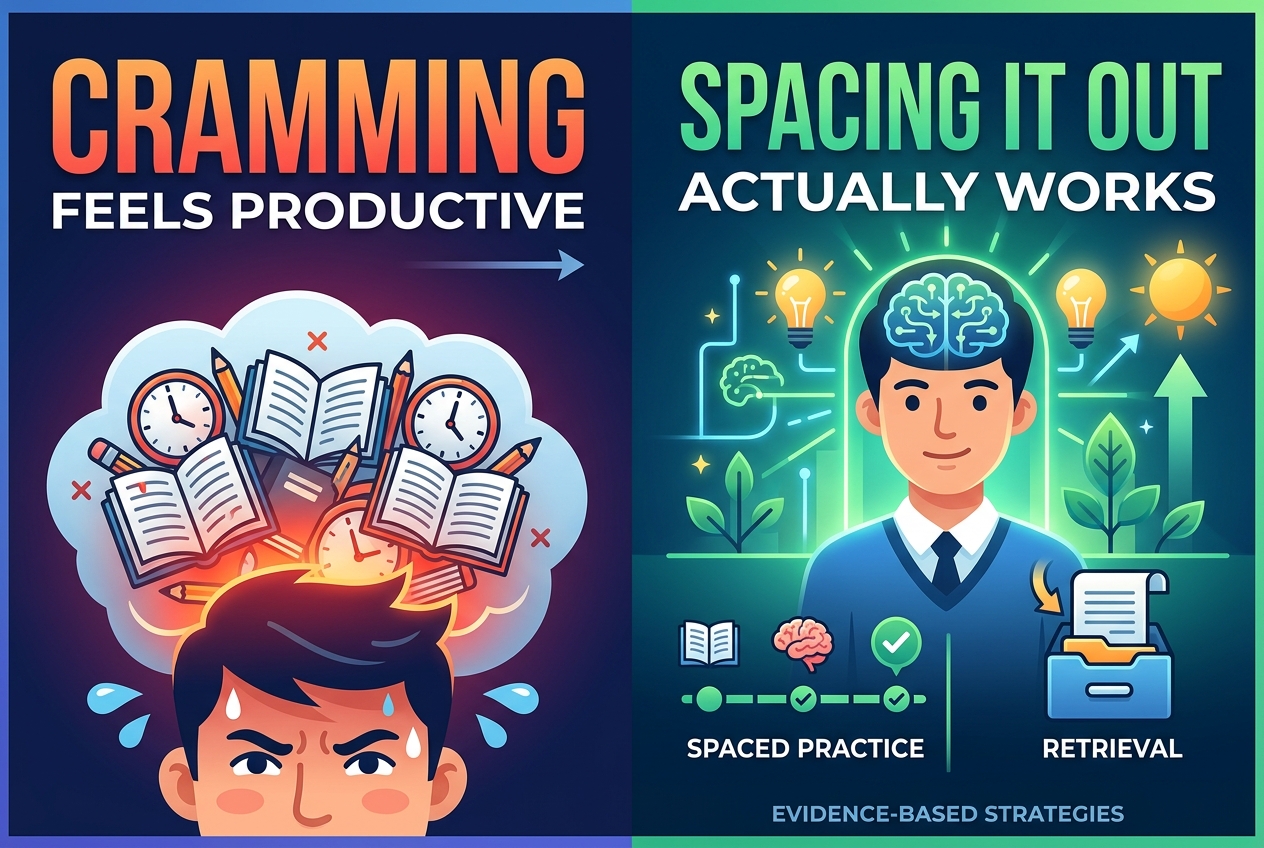
Cramming Feels Productive. Spreading It Out Actually Works
Much of what schools and parents assume about learning, including learning styles, doesn't survive testing. These strategies center on what does: spacing practice over time, recalling material instead of rereading it, and lesson designs backed by experiments. Comparing them shows where to put effort so kids actually remember what they learn.
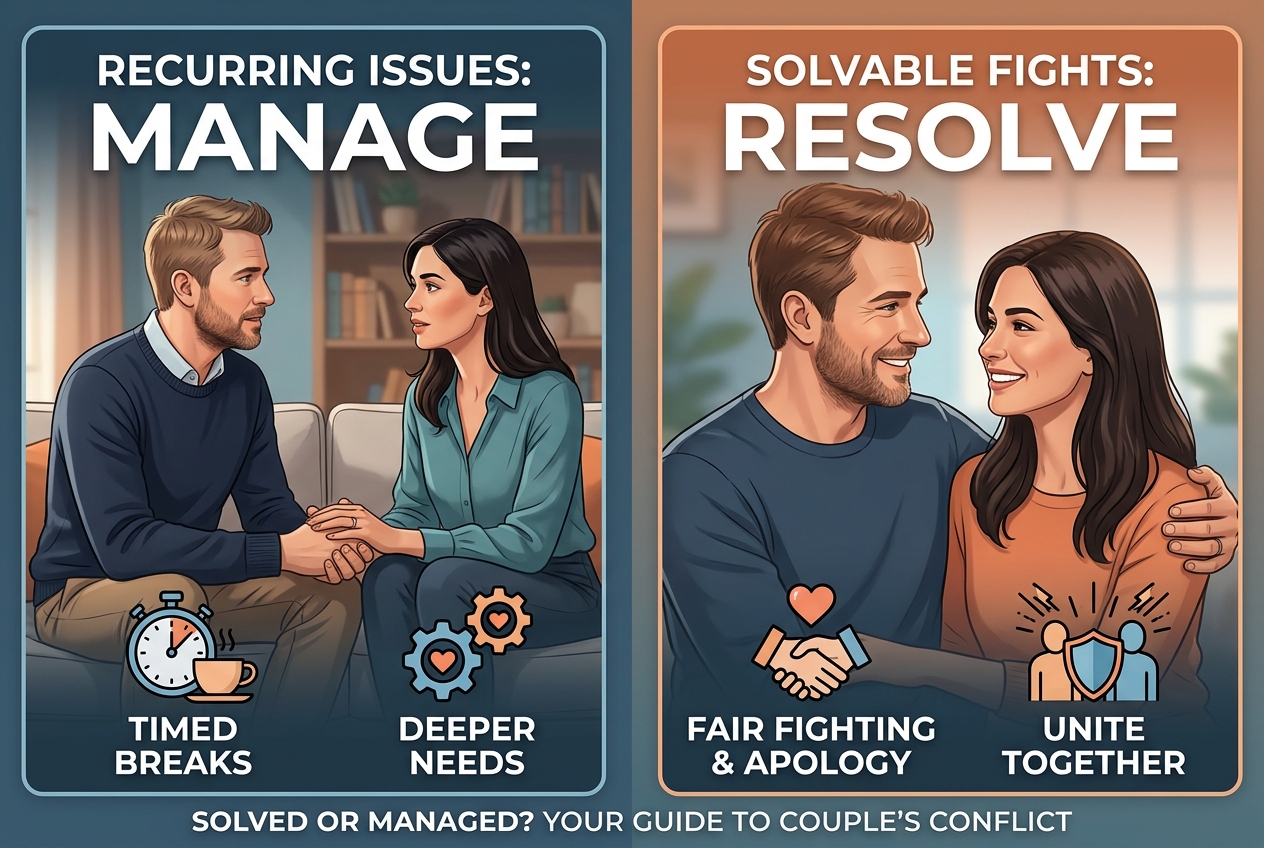
Can Every Couple's Fight Be Solved, or Just Managed?
Some fights get resolved and some just recur, and knowing which is which changes how you handle them. These approaches differ on taking timed breaks to self-soothe, treating most conflict as unmet deeper needs, fighting fairly with real apologies, and uniting against outside pressure instead of each other. Use them to find the path that fits your relationship.

Common Mental Shortcuts That Influence Our Decisions
People often rely on mental shortcuts that shape how they judge situations, estimate risks, and make choices. These shortcuts include biases like anchoring on the first number heard, fearing losses more than valuing gains, overestimating abilities, and favoring information that confirms existing beliefs. Recognizing these common patterns helps explain why decisions sometimes stray from rational thinking.
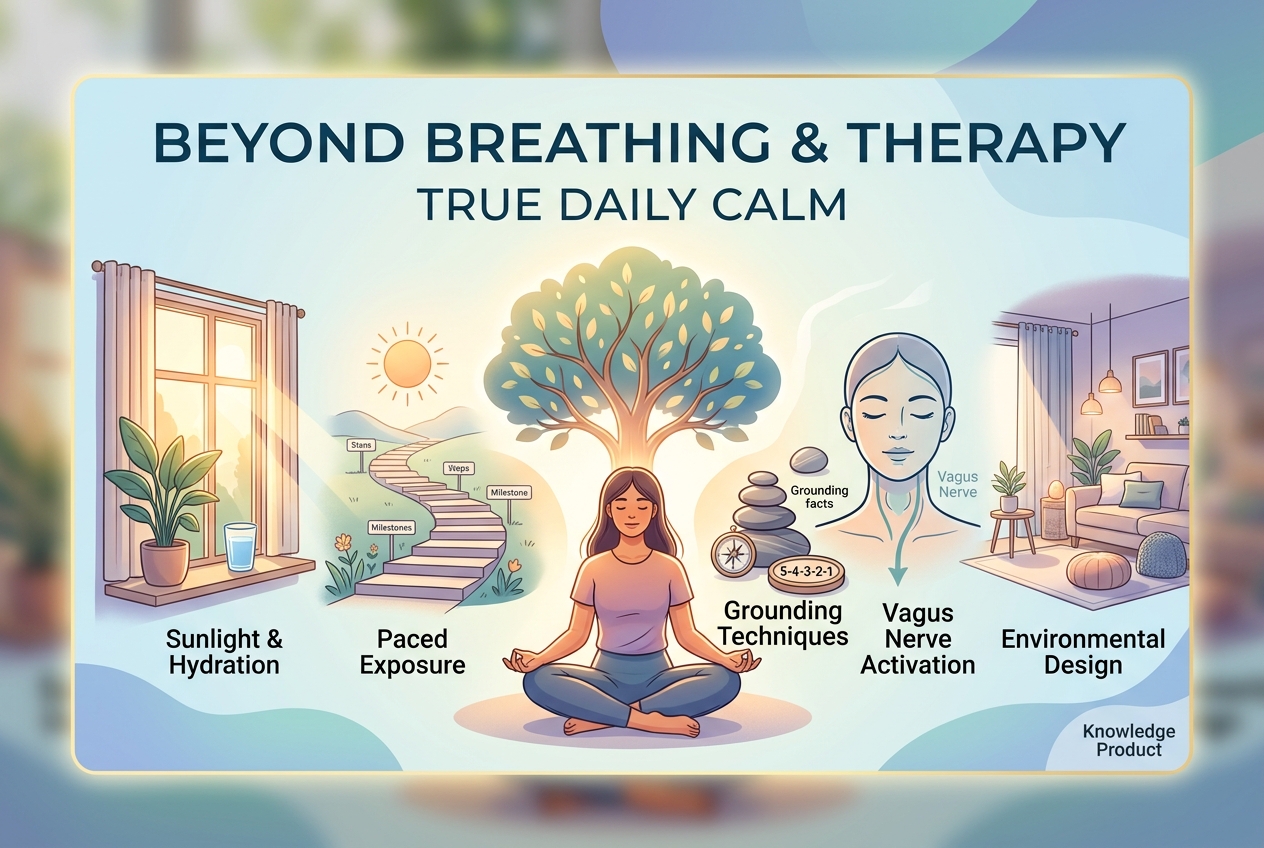
What Truly Calms Daily Anxiety Beyond Breathing and Therapy
Daily anxiety relief goes far beyond simple advice like breathing exercises or therapy visits. Different techniques focus on practical routines involving sunlight, hydration, and pacing exposure to fears, while others use grounding facts or even environmental design to reduce anxiety. Understanding these distinct approaches helps you choose methods that fit your life and build lasting calm.
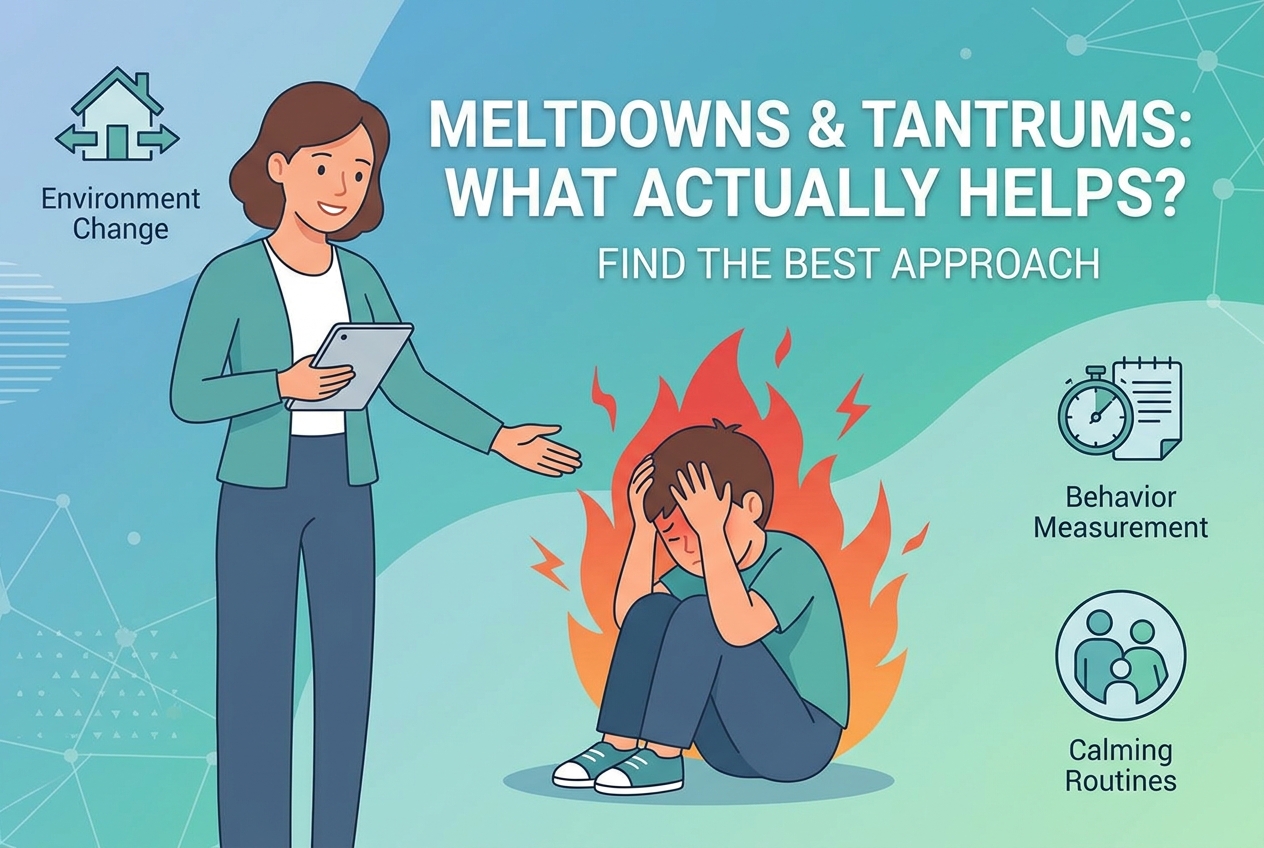
When a Meltdown Hits, What Actually Helps?
In the middle of a tantrum or meltdown, most advice feels useless. These approaches differ on where to intervene: changing the environment to prevent episodes, measuring behavior carefully to spot triggers, or leaning on practical calming routines for the whole family. Comparing them helps you pick a response that fits your child and keeps everyone steadier.
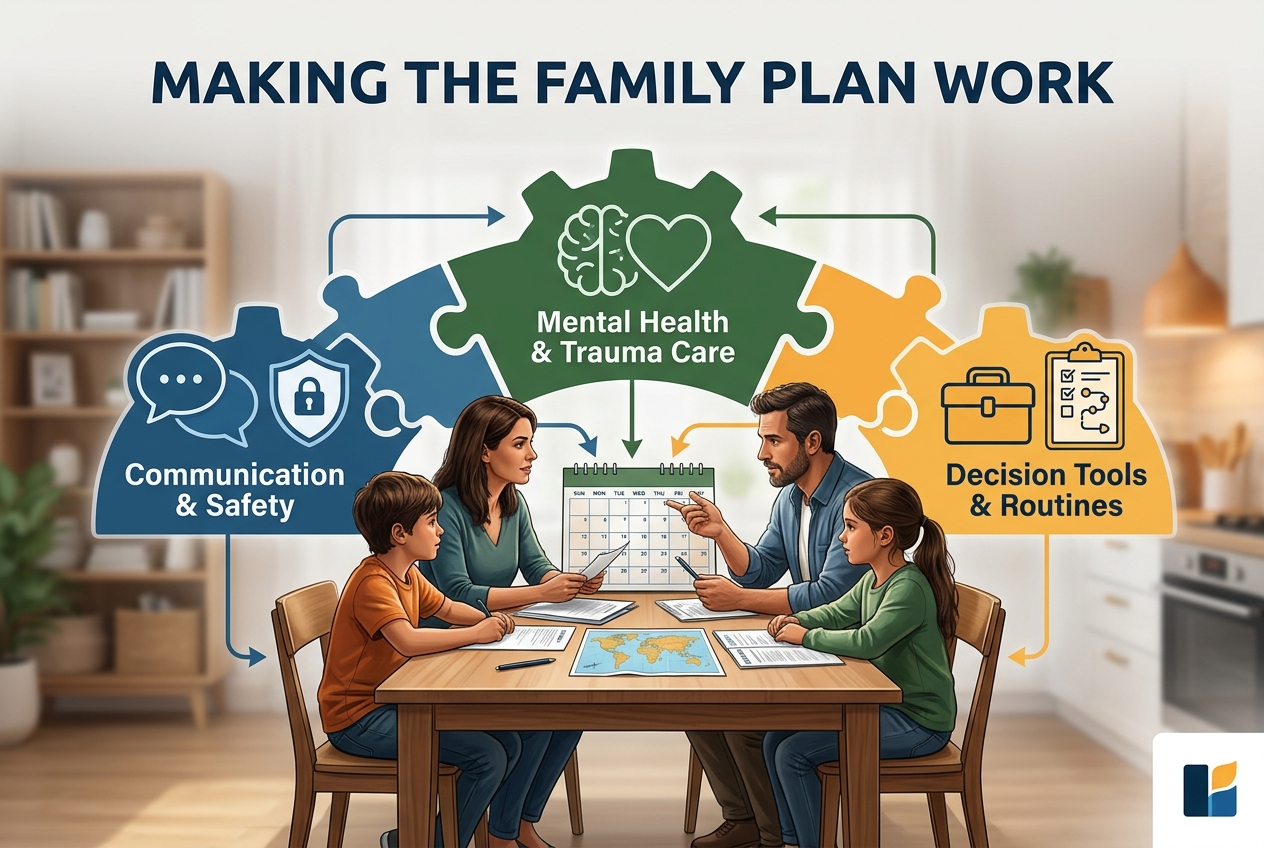
Turning Family Facts Into a Plan Everyone Can Live With
Making a family plan means juggling safety, mental health, and daily routines all at once. These recommendations part ways on where to start: clear communication and safety protocols during parenting transitions, tackling trauma and mental health first, or using structured decision tools to settle arrangements. Seeing the differences helps you choose the path that fits your family's real situation.
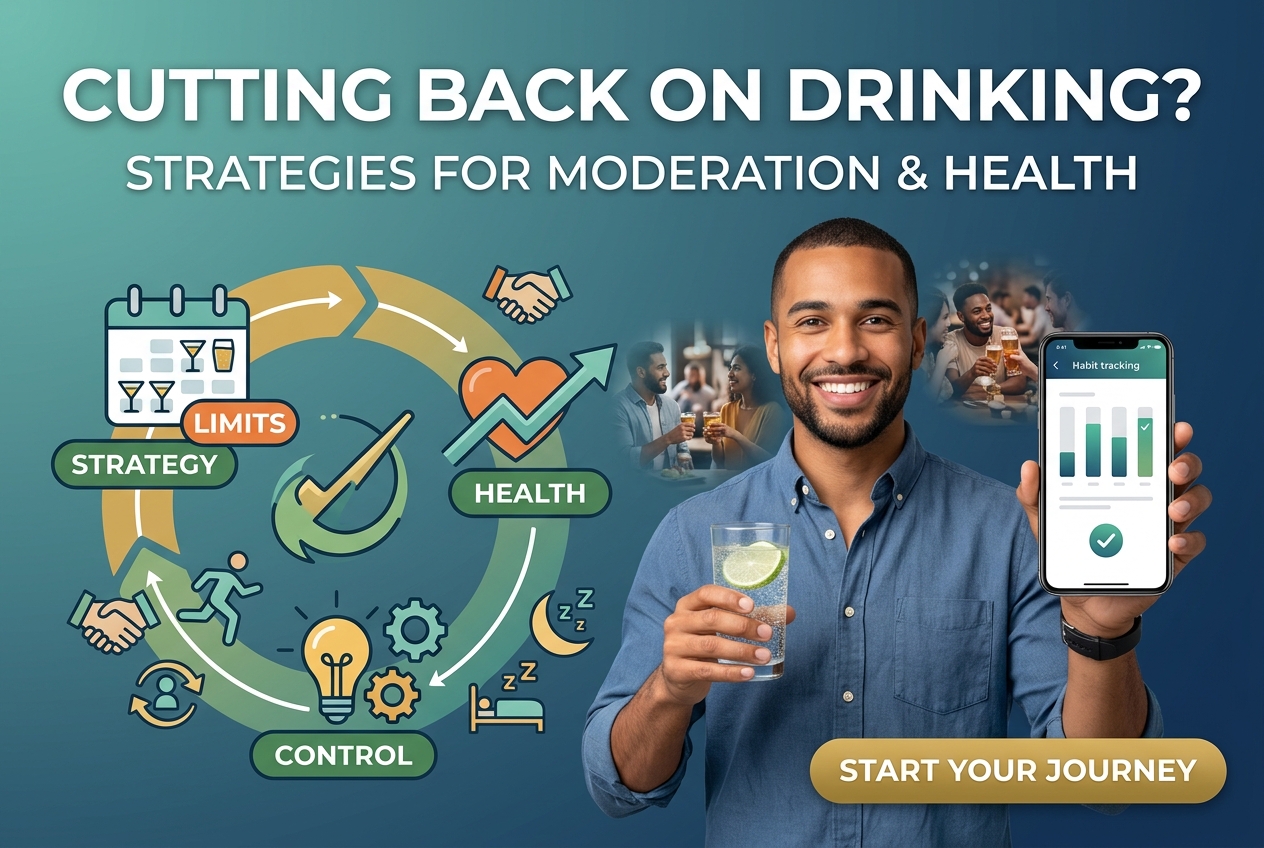
Can You Cut Back on Drinking Without Quitting Alcohol Completely
Cutting back on drinking offers a range of strategies that differ on how much to reduce, whether to quit temporarily, and how to handle social and physical challenges. Some approaches focus on moderation with tracking and pacing, others emphasize social support or trial abstinence periods, while a strict view holds that complete abstinence is the only safe option. Understanding these strategies helps you decide how to improve health, manage cravings, and reshape your relationship with alcohol without necessarily quitting entirely.

Knowing When to Ask for Help Keeps You in Control
Many believe self-reliance means handling everything alone, but this approach overlooks the power of strategic support. By clearly communicating your needs and seeking help when challenges exceed your capacity, you maintain authority over your situation rather than losing control. Embracing help at the right time ensures you stay engaged and lead effectively through complex or emotional challenges.
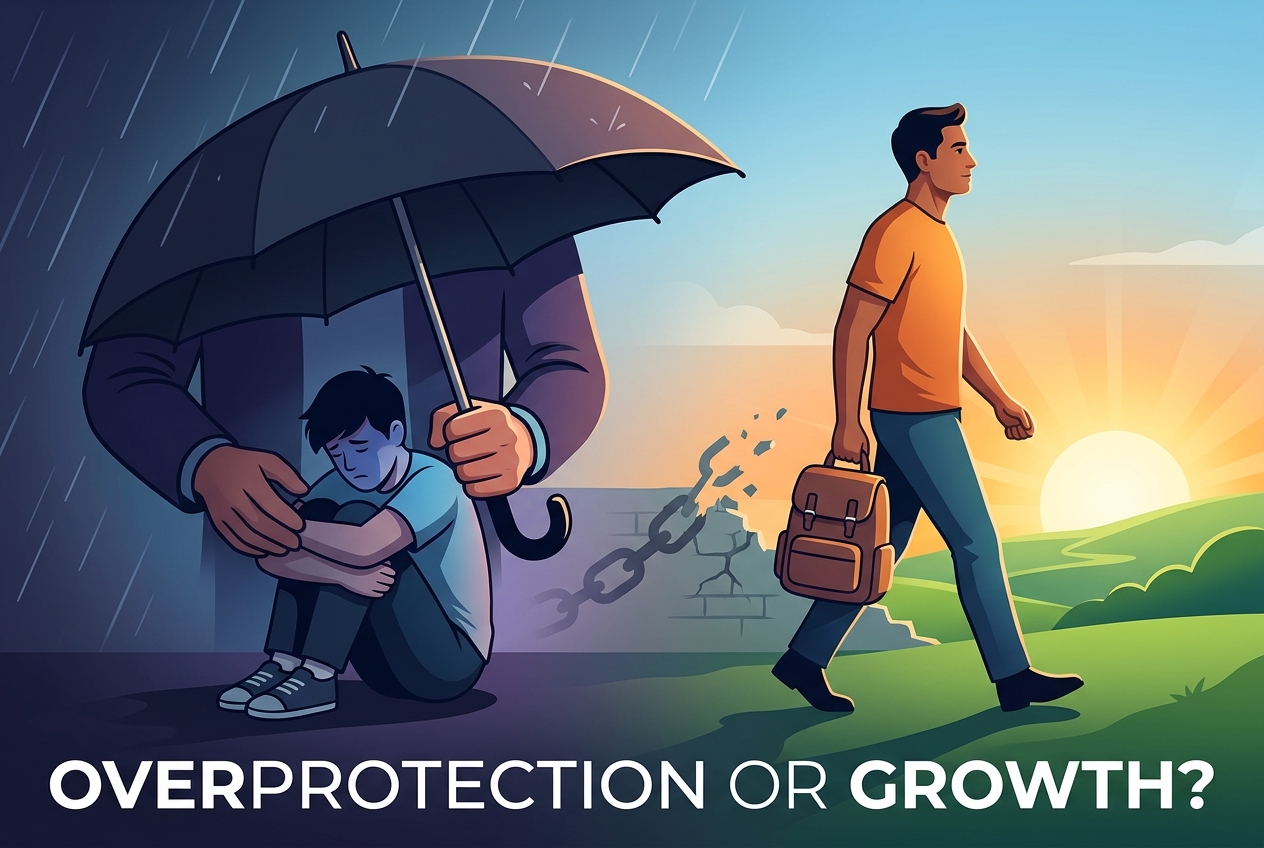
Protecting Someone From Everything Can Keep Them Broken
Shielding a struggling person from every stress feels kind, but avoidance can quietly sustain trauma and stall growth. From PTSD recovery to adolescent independence, the hard question is when protection heals and when it holds someone back.
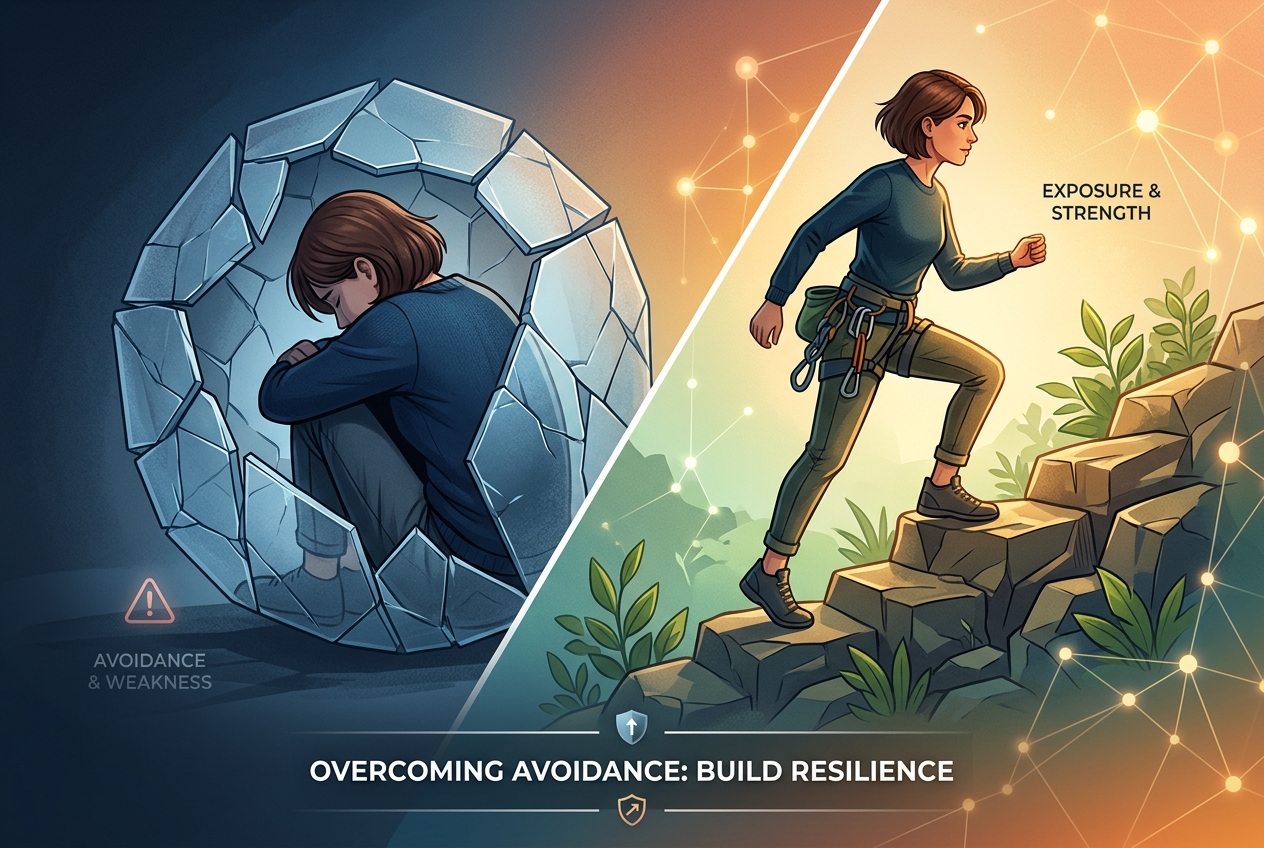
Avoiding Tough Topics Harms Mental Health More Than Facing Them
Trigger warnings and constant protection promise safety but can leave people more fragile. Drawing on exposure therapy, the argument here is that gradually confronting fears reduces anxiety and trauma symptoms in ways avoidance never will. Choosing exposure over coddling builds the emotional strength that overprotection quietly erodes.
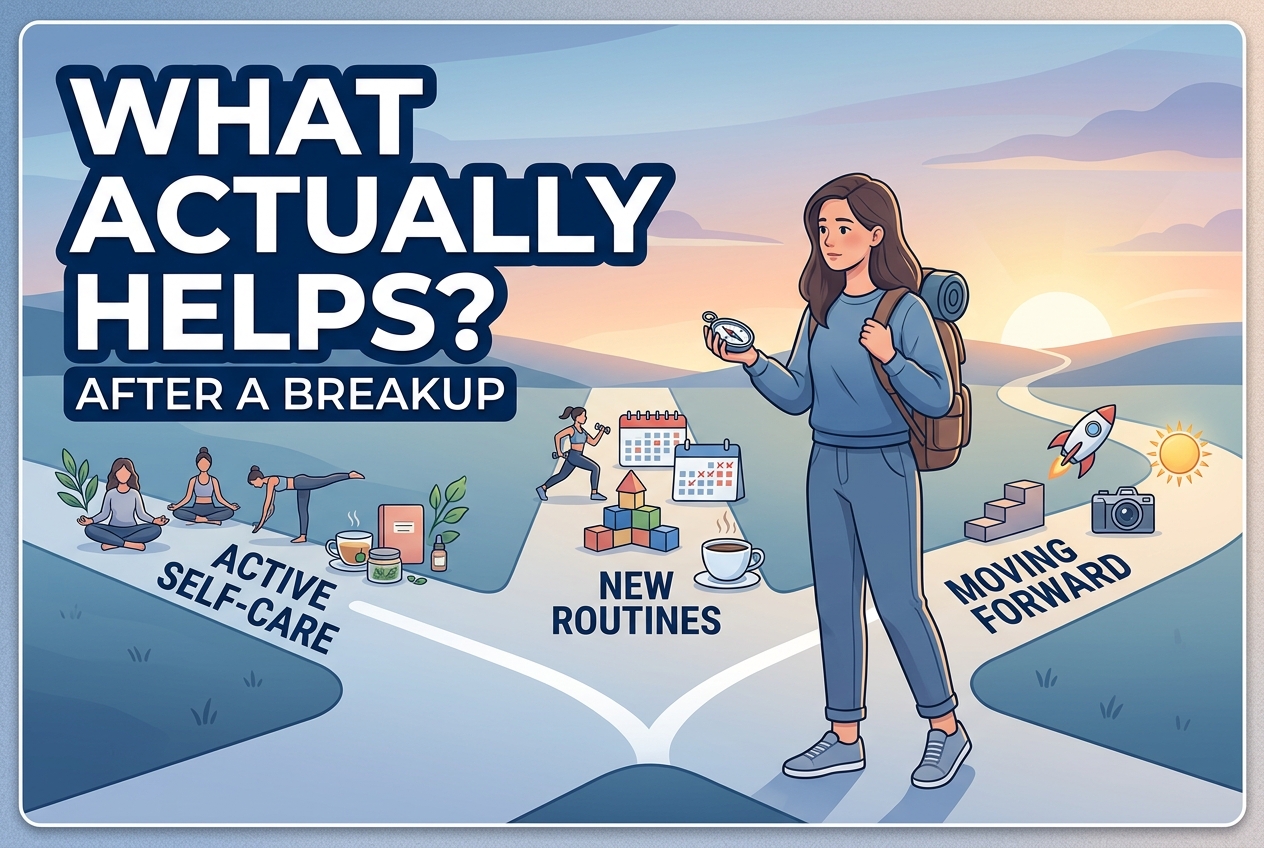
What Actually Helps You Get Over a Breakup?
A breakup can leave you unsure whether to sit with the pain or push yourself into action. These strategies part ways on where healing starts: some center on active self-care and steadying your emotions, others on removing reminders and building new routines, others on interrupting the loop of replaying what happened or taking small concrete steps forward. Comparing them helps you choose the path that fits how you actually grieve.