
Browse the Context Marketplace
Expert-level knowledge on any topic. Each capsule guides you through what matters most.
5 capsules
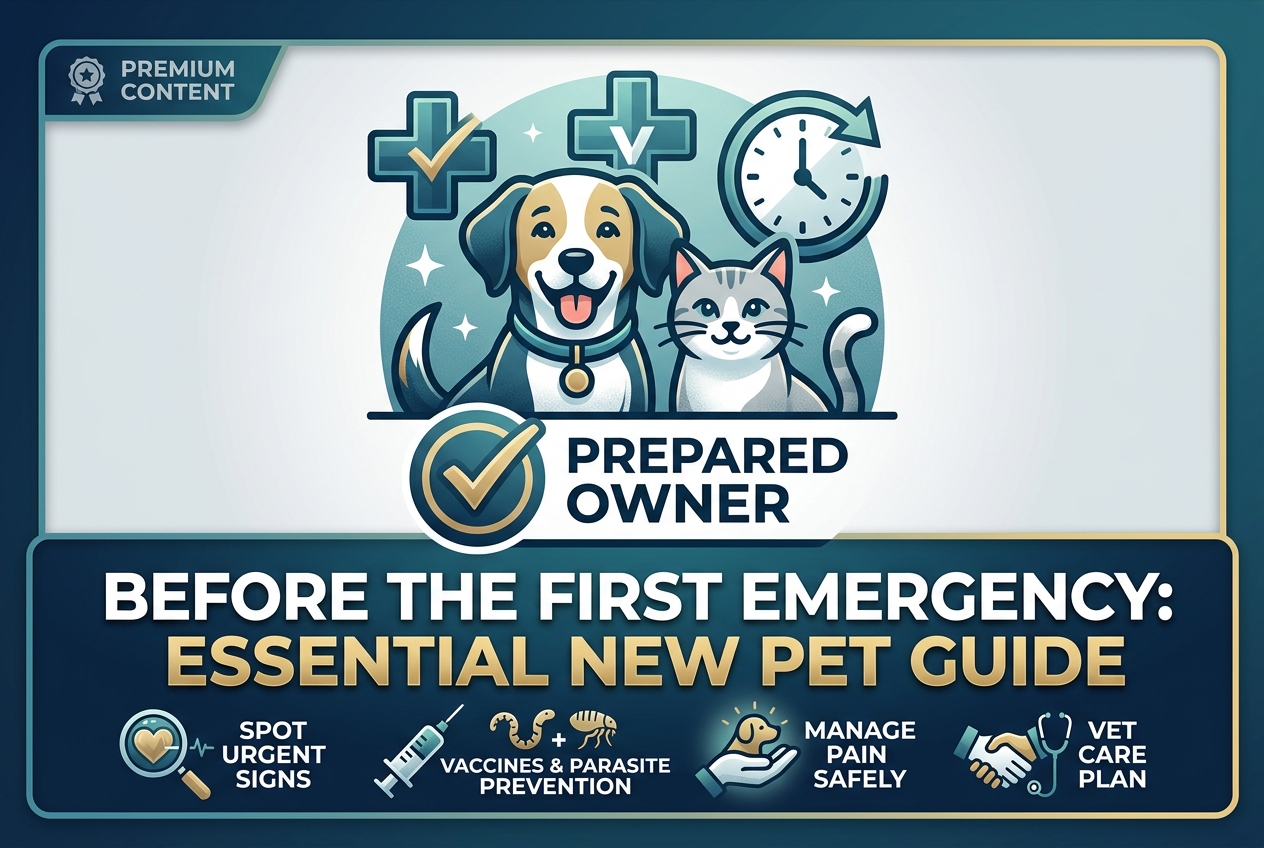
What Every New Pet Owner Should Know Before the First Emergency
A new pet can go from fine to emergency fast, and most owners learn the warning signs too late. These basics differ in emphasis: spotting urgent symptoms, keeping vaccine and parasite schedules, managing pain safely, and setting up a care plan with a vet early. Together they show where your attention matters most in the first year.
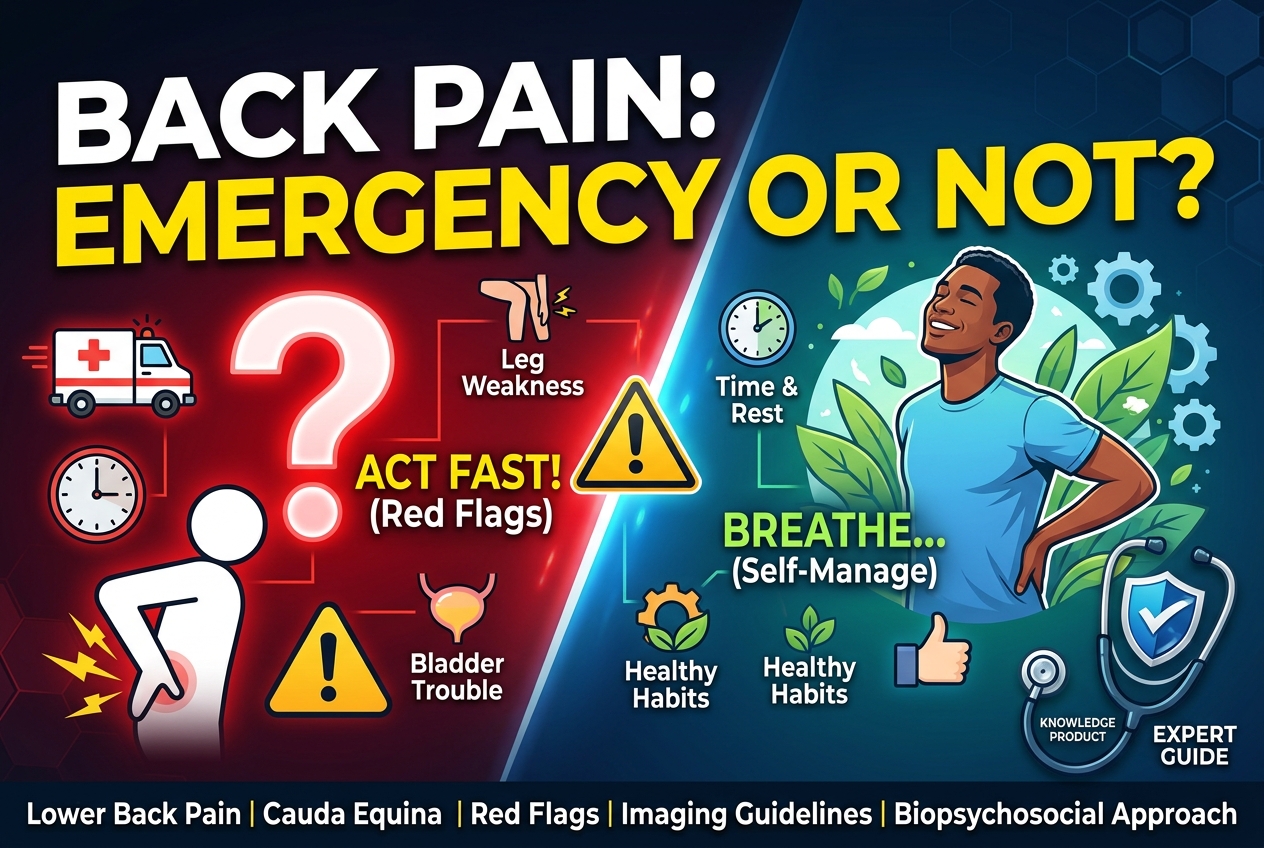
When Back Pain Is an Emergency and When It Isn't
Most back pain is harmless, but a few symptoms mean the emergency room, and confusing the two is costly either way. These approaches split on triage: acting fast on red flags like leg weakness or bladder trouble, waiting out time-based windows, or weighing psychological and lifestyle factors before imaging and surgery. Knowing the differences tells you when to rush and when to breathe.
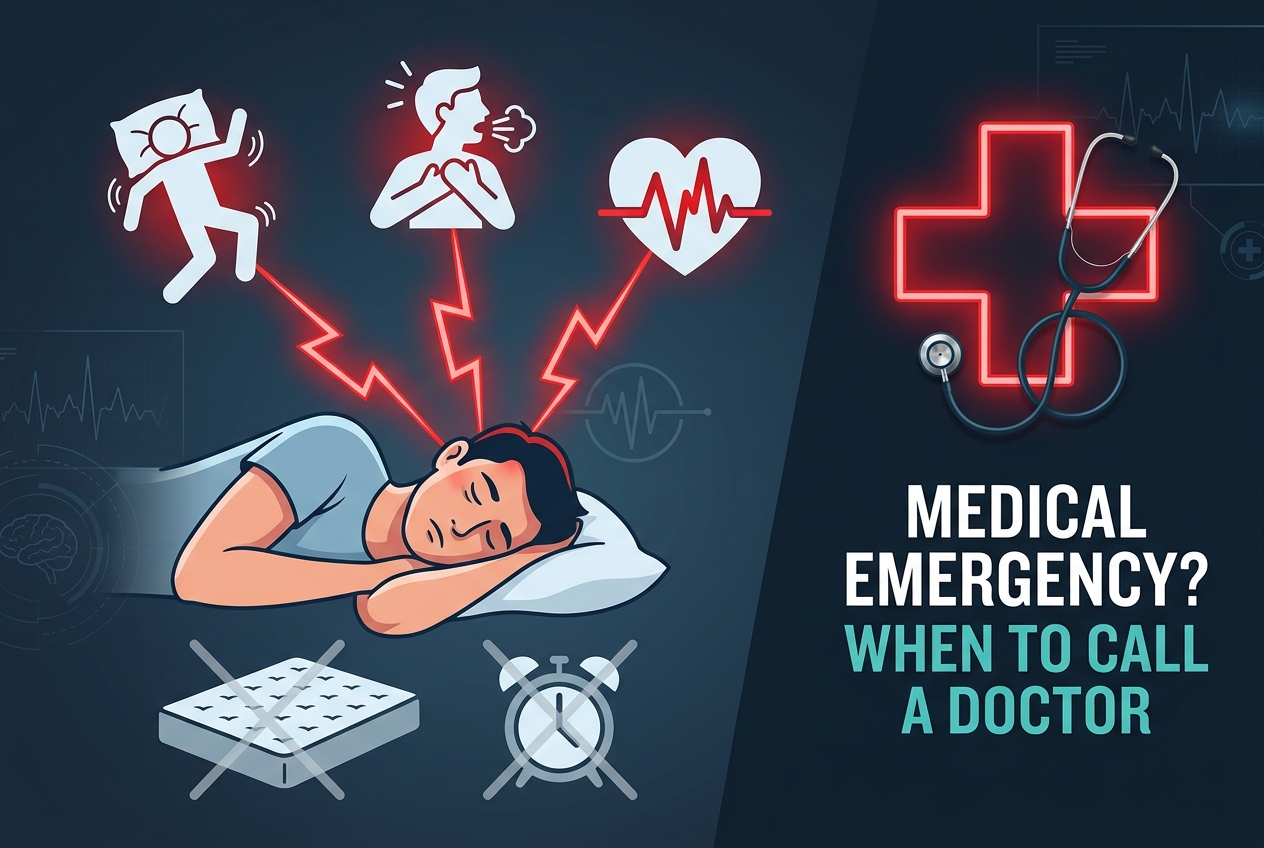
Some Sleep Problems Are Medical Emergencies in Disguise
Acting out dreams, gasping awake, or violent nighttime behavior can signal something a mattress upgrade won't fix. These approaches split on where to draw the line for professional help: catching life-threatening red flags immediately, weighing the irreversible damage of delayed treatment, or demanding transparent evidence on treatment risks before starting. Knowing which lens you're using decides how fast you pick up the phone.
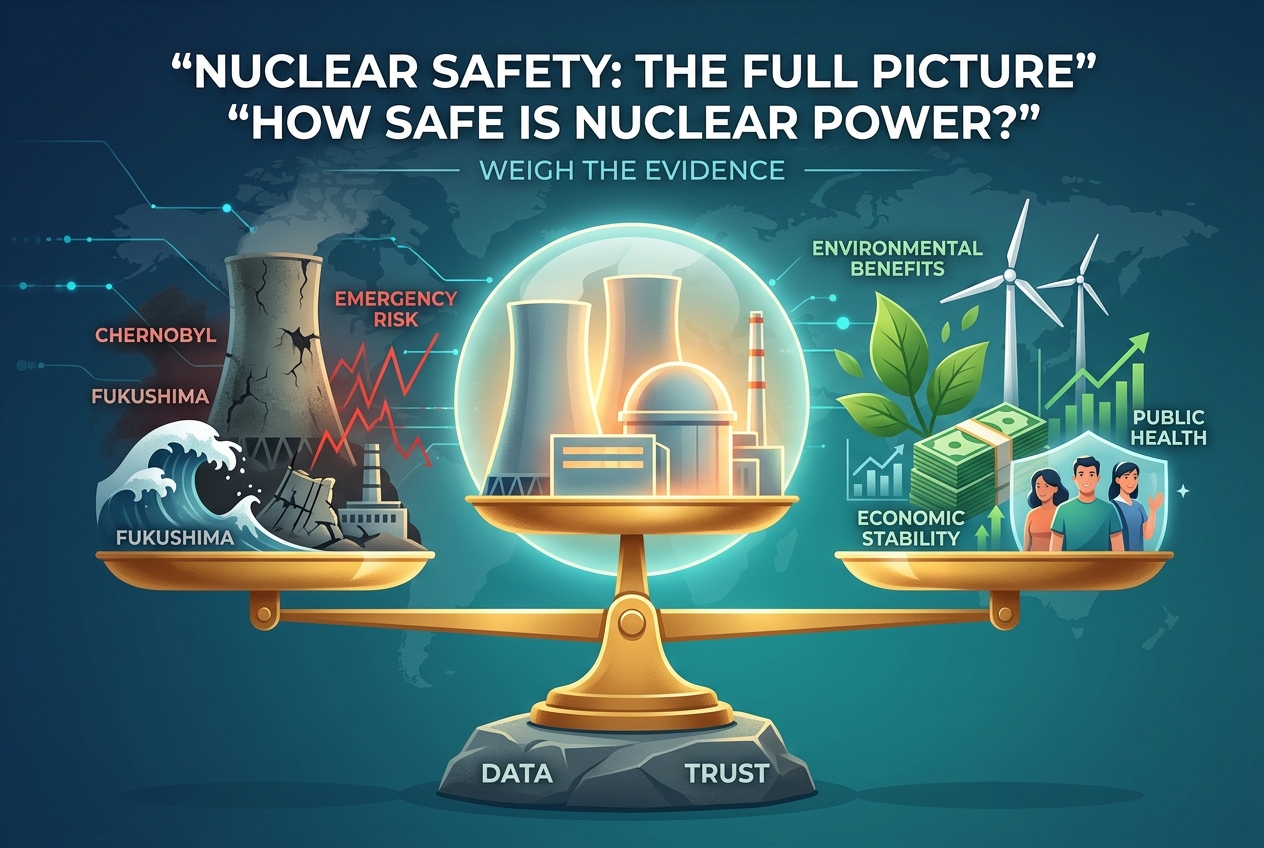
How Safe Is Nuclear Power, Really
Nuclear safety gets argued from very different starting points. These views cover lessons drawn from Chernobyl and Fukushima to harden emergency systems, the case that nuclear is safer than many economic and environmental threats we already accept, and hard questions about how trustworthy safety assurances really are. You can weigh them and decide what nuclear safety means to you.
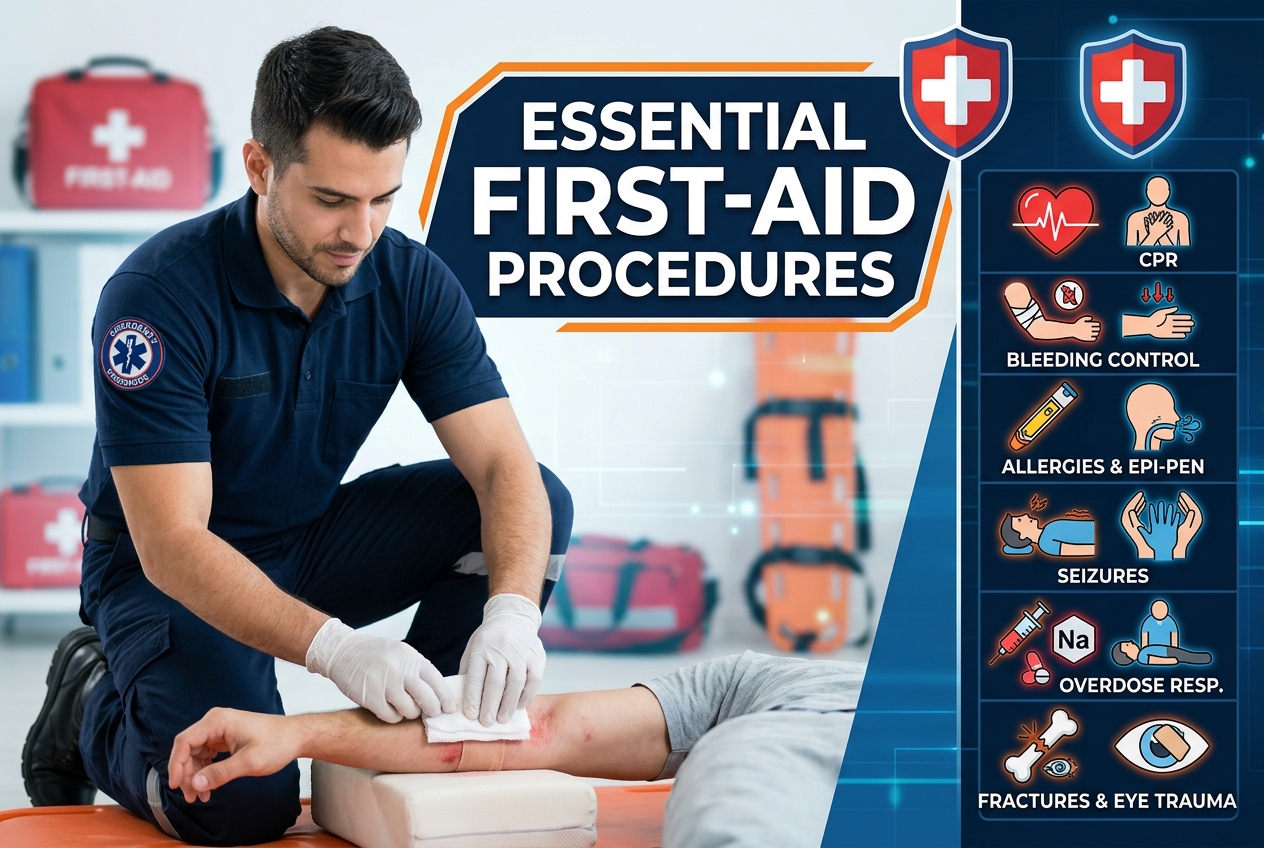
Essential First-Aid Procedures for Common Emergencies
First-aid knowledge is crucial for responding effectively to emergencies such as severe bleeding, seizures, allergic reactions, opioid overdoses, and injuries involving broken bones or eye trauma. This collection provides clear guidelines on when to call emergency services, how to perform CPR, safely remove ticks, use epinephrine auto-injectors, and apply pressure to control bleeding. It also covers important safety precautions like avoiding harmful actions such as putting objects in a seizure victim’s mouth or attempting to realign broken bones.