
Browse the Context Marketplace
Expert-level knowledge on any topic. Each capsule guides you through what matters most.
5 capsules
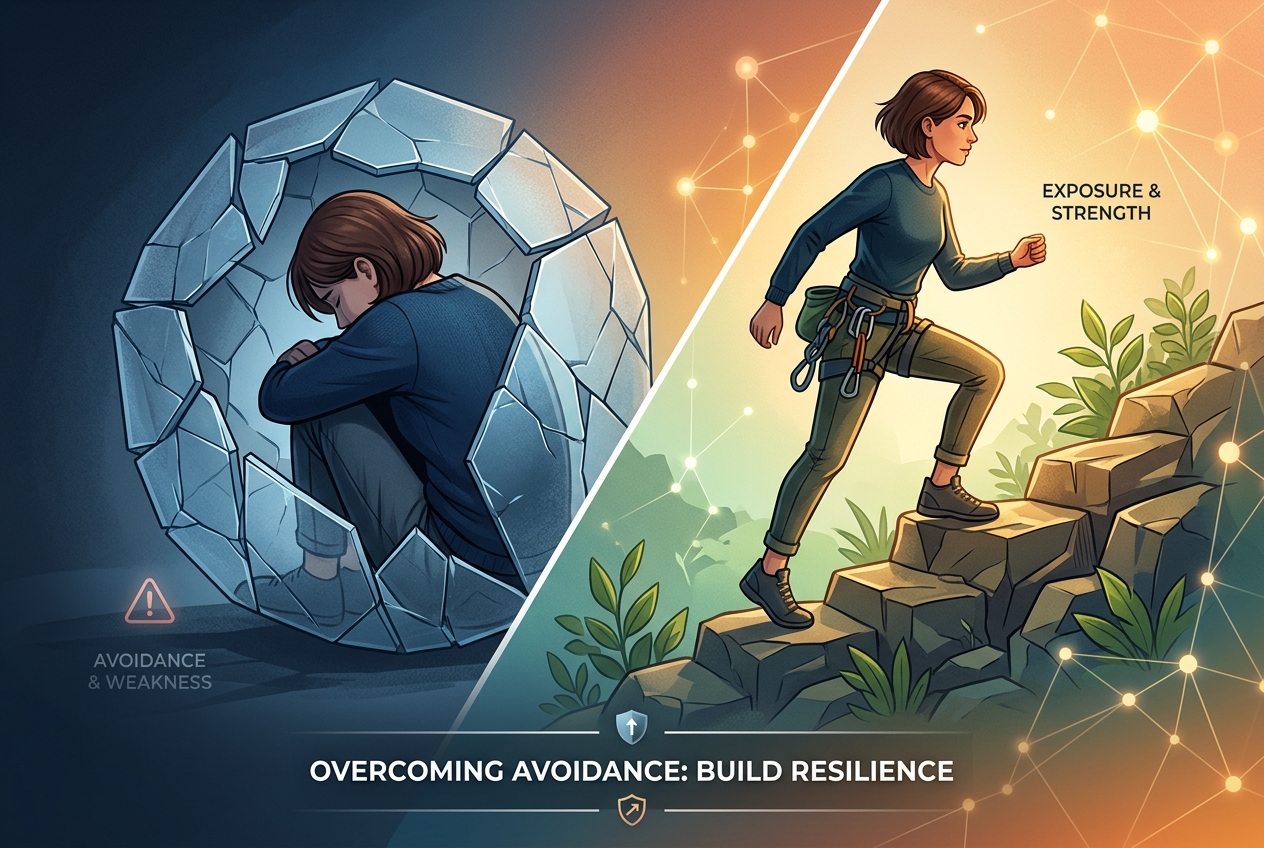
Avoiding Tough Topics Harms Mental Health More Than Facing Them
Trigger warnings and constant protection promise safety but can leave people more fragile. Drawing on exposure therapy, the argument here is that gradually confronting fears reduces anxiety and trauma symptoms in ways avoidance never will. Choosing exposure over coddling builds the emotional strength that overprotection quietly erodes.
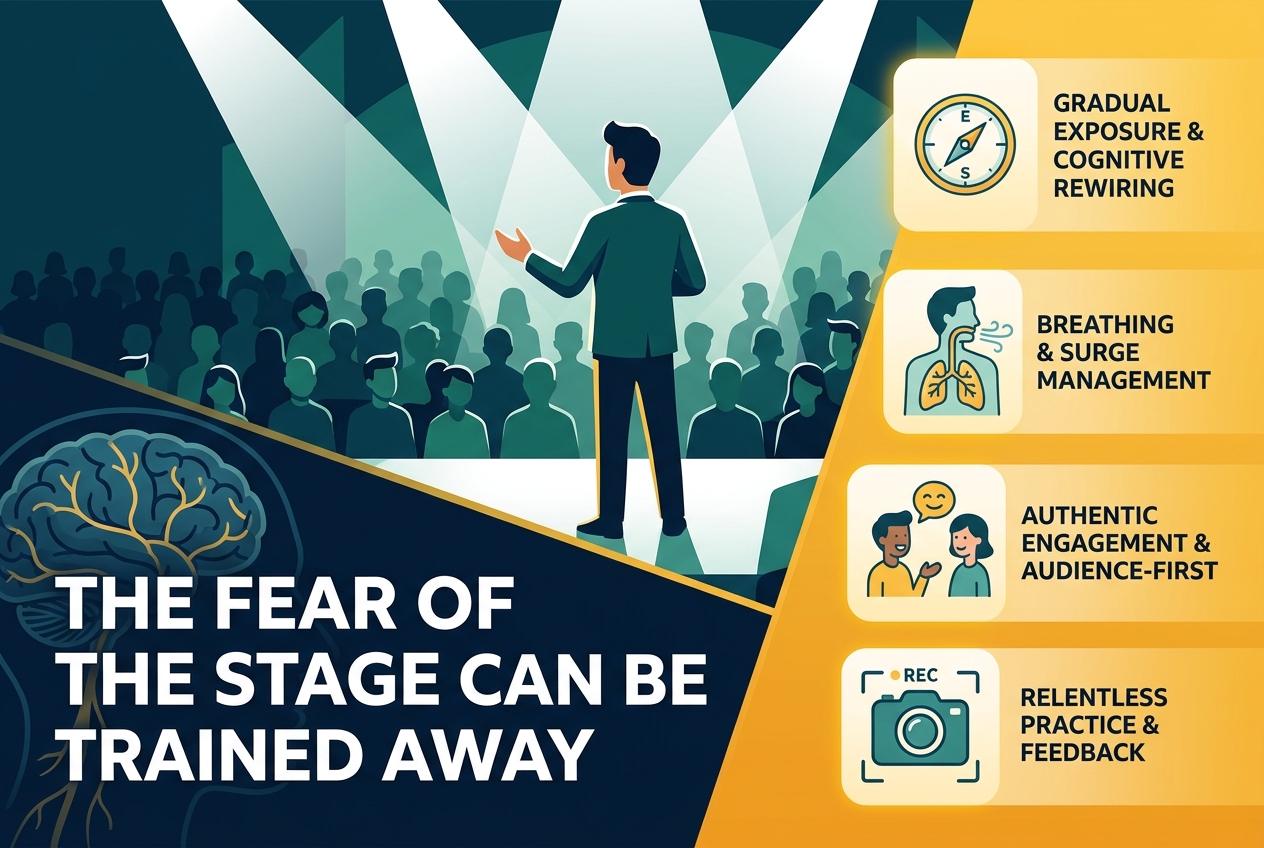
The Fear of the Stage Can Be Trained Away
Your heart pounds before a talk because your brain treats the audience as a threat. These techniques disagree on the fix: gradual exposure and rewiring negative thoughts, breathing and pacing to manage the surge, putting the audience first with authentic engagement, or relentless practice with recording and feedback. Match the technique to how your fear actually shows up and work at it deliberately.
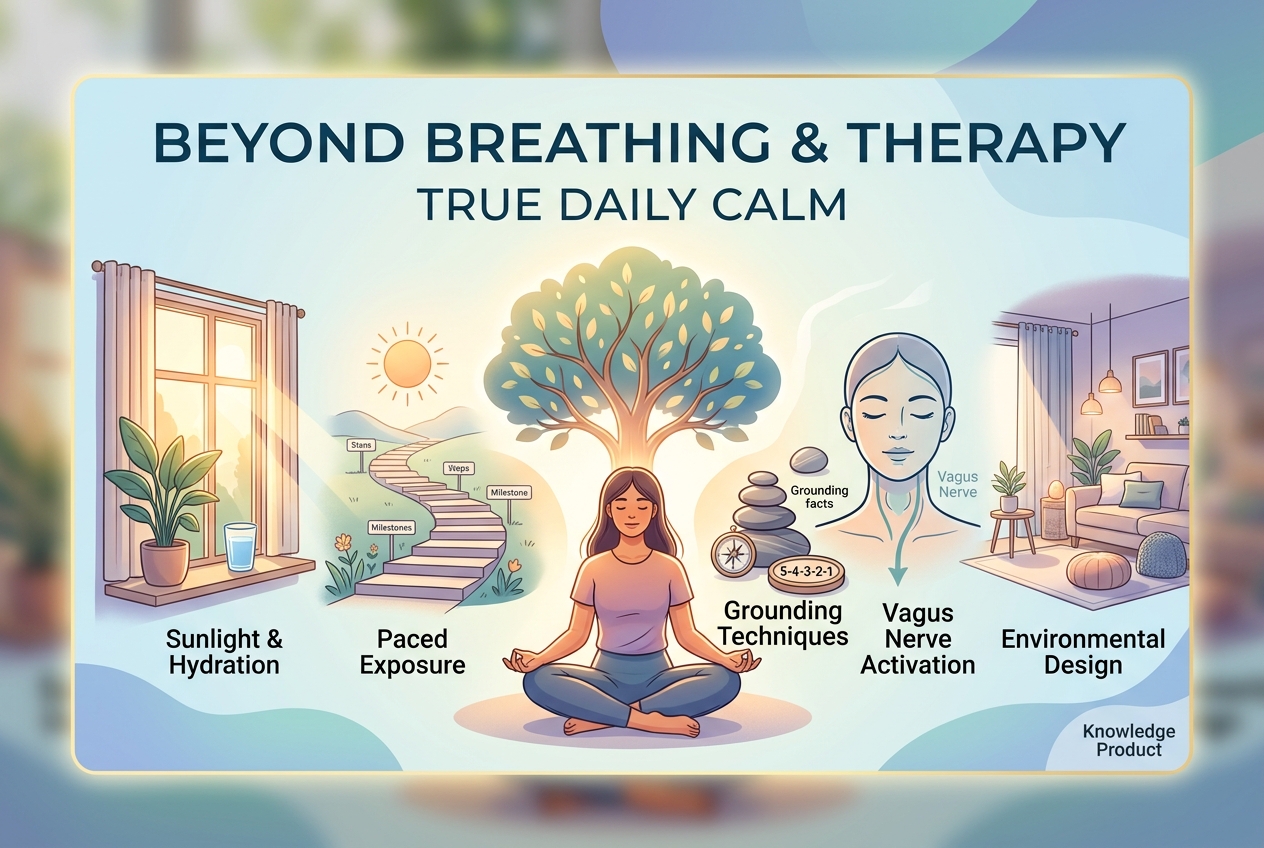
What Truly Calms Daily Anxiety Beyond Breathing and Therapy
Daily anxiety relief goes far beyond simple advice like breathing exercises or therapy visits. Different techniques focus on practical routines involving sunlight, hydration, and pacing exposure to fears, while others use grounding facts or even environmental design to reduce anxiety. Understanding these distinct approaches helps you choose methods that fit your life and build lasting calm.

Stop Fearing the Sharp Knife. Fear the Dull One.
The knife most likely to send you to the emergency room is the dull one that slips, not the sharp one you respect. These techniques differ on where safety comes from: some teach precise sharpening angles and edge upkeep, some measure how an edge actually performs, and others use gradual, controlled exposure to tame a real fear of blades. You'll be able to keep a safer edge on your knives and handle them without dread.
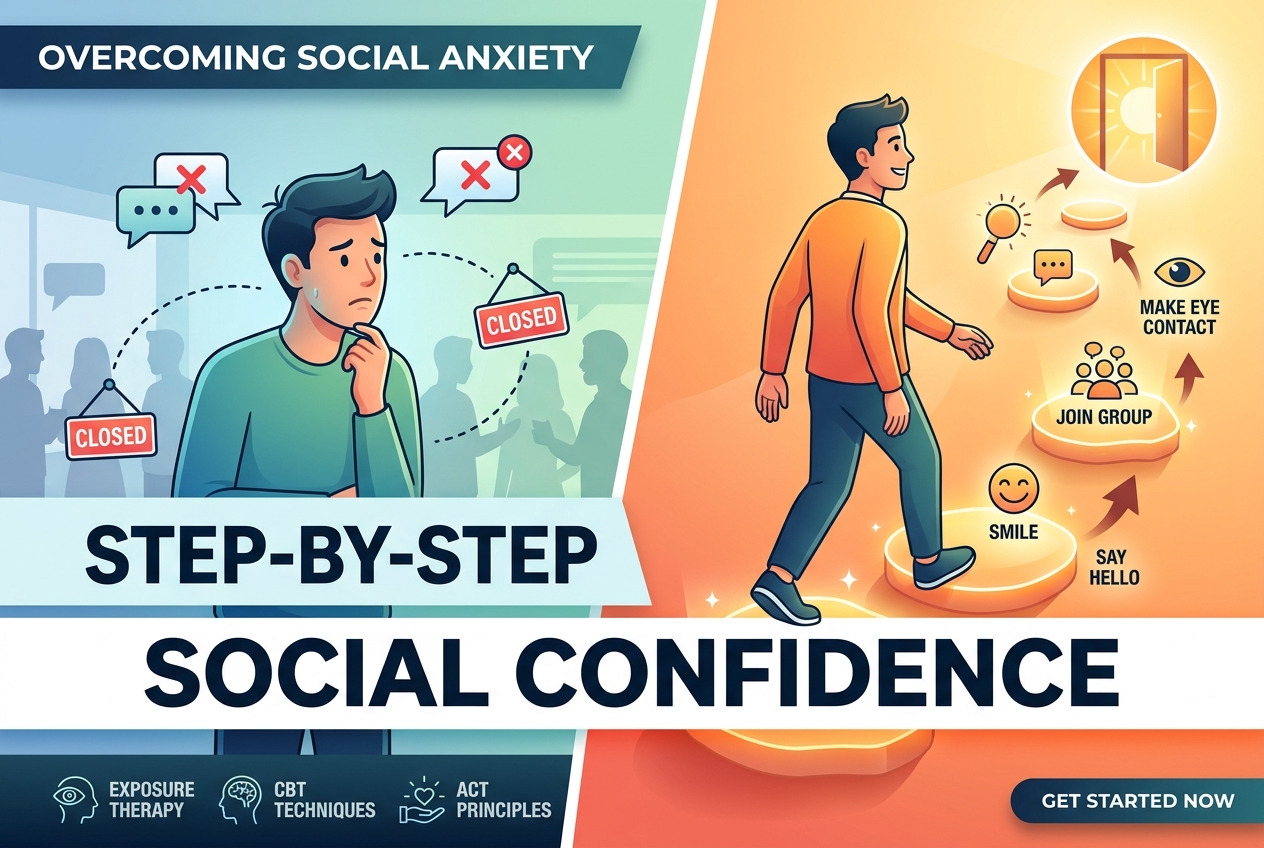
Facing Social Fears Step-by-Step Beats Avoiding Them
Social anxiety traps many in fear of judgment, leading to avoidance that worsens isolation. This approach champions gradually facing social fears through carefully planned exposure combined with changing negative thoughts and reducing safety behaviors. By stepping into anxiety-provoking situations bit by bit and accepting uncomfortable feelings without escape, you build real confidence and freedom in social settings.