
Browse the Context Marketplace
Expert-level knowledge on any topic. Each capsule guides you through what matters most.
7 capsules
What Every New Pet Owner Should Know Before the First Emergency
A new pet can go from fine to emergency fast, and most owners learn the warning signs too late. These basics differ in emphasis: spotting urgent symptoms, keeping vaccine and parasite schedules, managing pain safely, and setting up a care plan with a vet early. Together they show where your attention matters most in the first year.
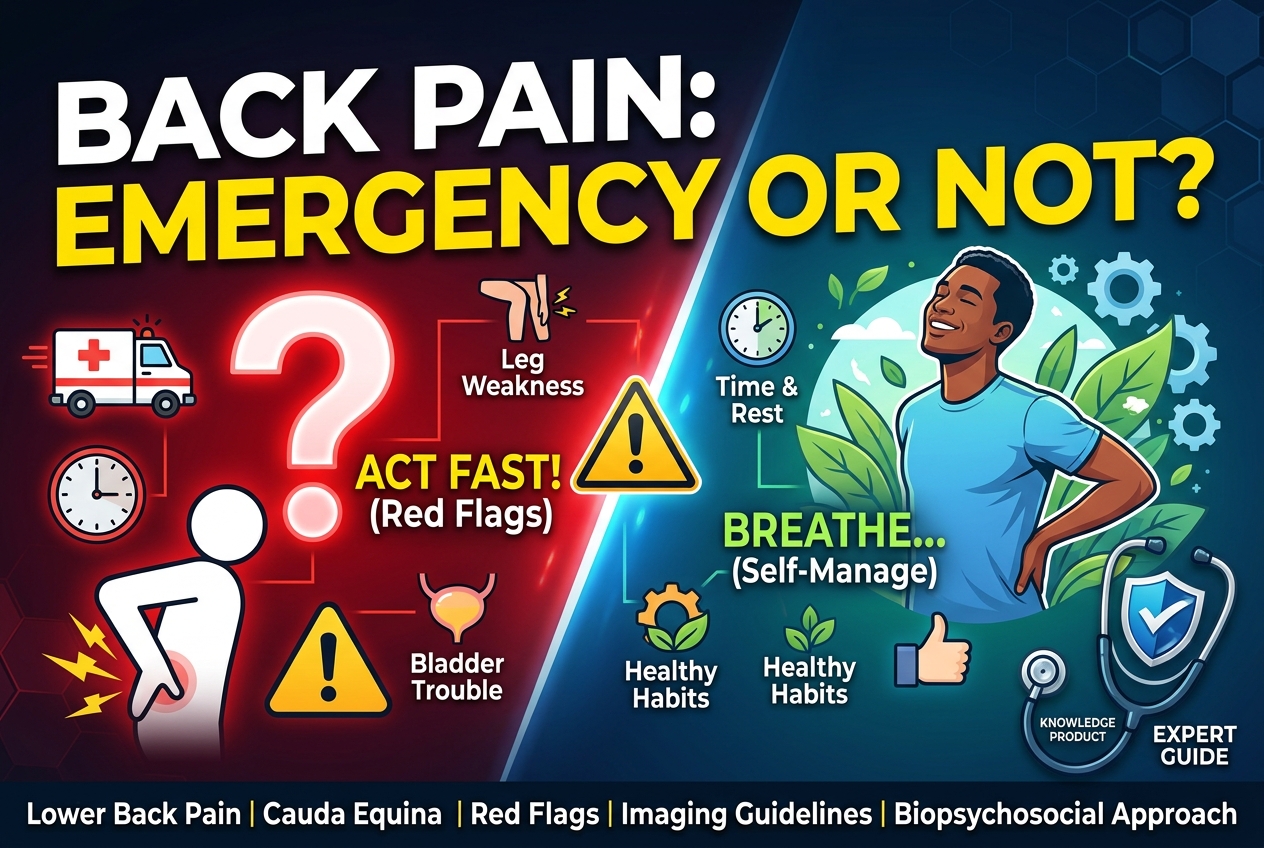
When Back Pain Is an Emergency and When It Isn't
Most back pain is harmless, but a few symptoms mean the emergency room, and confusing the two is costly either way. These approaches split on triage: acting fast on red flags like leg weakness or bladder trouble, waiting out time-based windows, or weighing psychological and lifestyle factors before imaging and surgery. Knowing the differences tells you when to rush and when to breathe.

Stop Fearing the Sharp Knife. Fear the Dull One.
The knife most likely to send you to the emergency room is the dull one that slips, not the sharp one you respect. These techniques differ on where safety comes from: some teach precise sharpening angles and edge upkeep, some measure how an edge actually performs, and others use gradual, controlled exposure to tame a real fear of blades. You'll be able to keep a safer edge on your knives and handle them without dread.
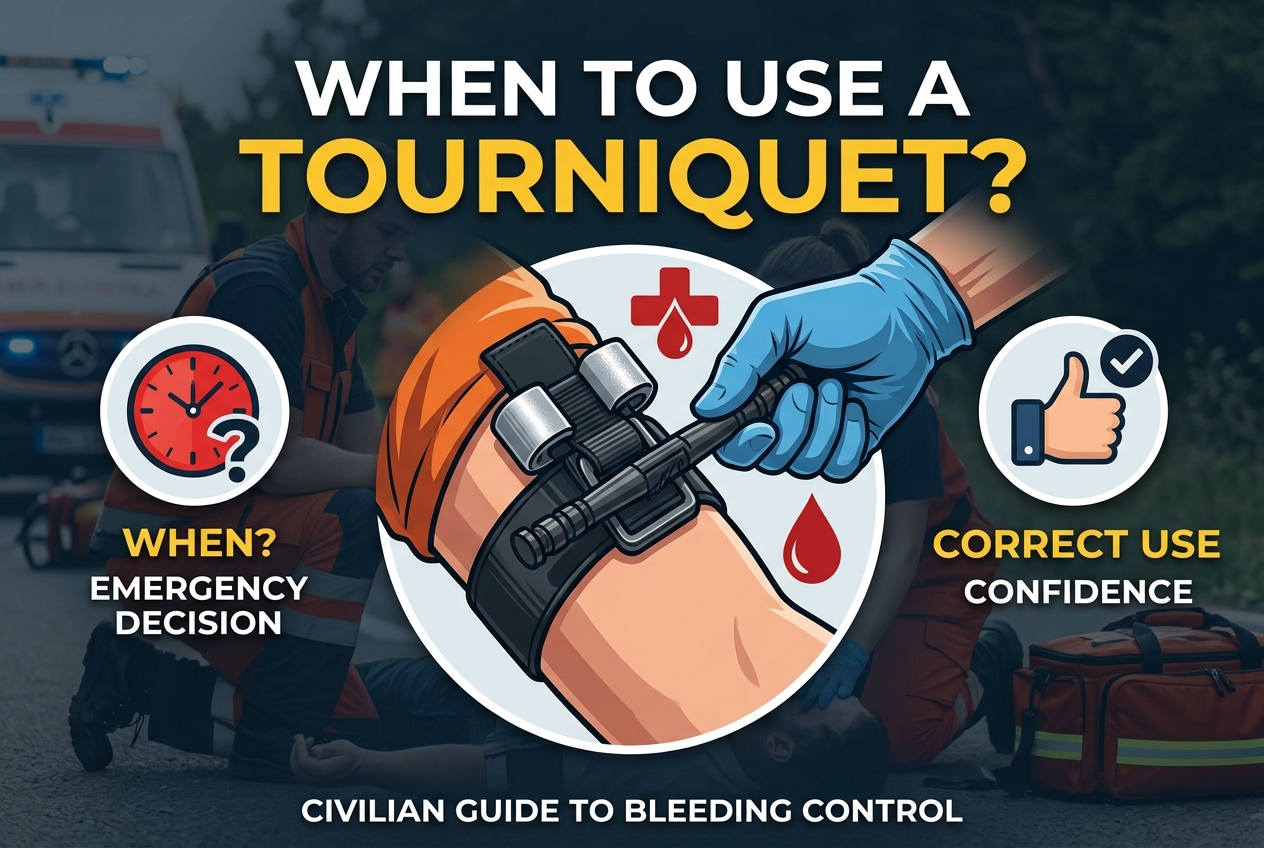
When Should a Civilian Reach for a Tourniquet?
In a bleeding emergency the difference between hesitation and a correctly placed tourniquet can be a life. These views differ on when a civilian should apply one, how strong the evidence really is, how to give clear consistent instructions, and how to adapt when supplies are scarce. Understanding them helps you act with confidence if it ever comes to it.

Carrying Bear Spray Ready Saves Lives When Hiking in Anchorage
Hiking in Anchorage, Alaska, requires constant bear awareness and preparedness to prevent dangerous encounters. The key safety practice is to carry bear spray in an easily accessible spot and know how to use it immediately if a bear charges, rather than running or turning your back. Following these guidelines drastically improves your chances of safely managing bear encounters in the wild.
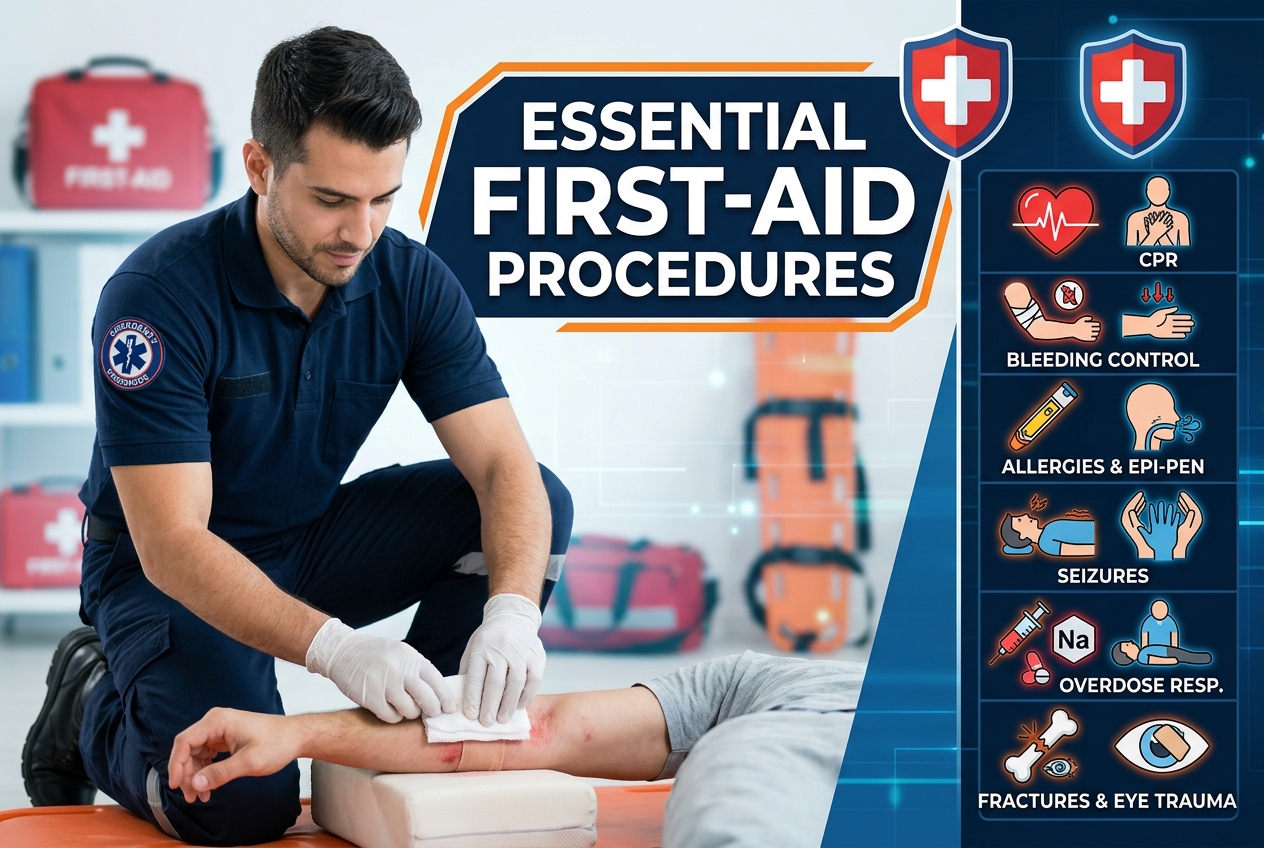
Essential First-Aid Procedures for Common Emergencies
First-aid knowledge is crucial for responding effectively to emergencies such as severe bleeding, seizures, allergic reactions, opioid overdoses, and injuries involving broken bones or eye trauma. This collection provides clear guidelines on when to call emergency services, how to perform CPR, safely remove ticks, use epinephrine auto-injectors, and apply pressure to control bleeding. It also covers important safety precautions like avoiding harmful actions such as putting objects in a seizure victim’s mouth or attempting to realign broken bones.
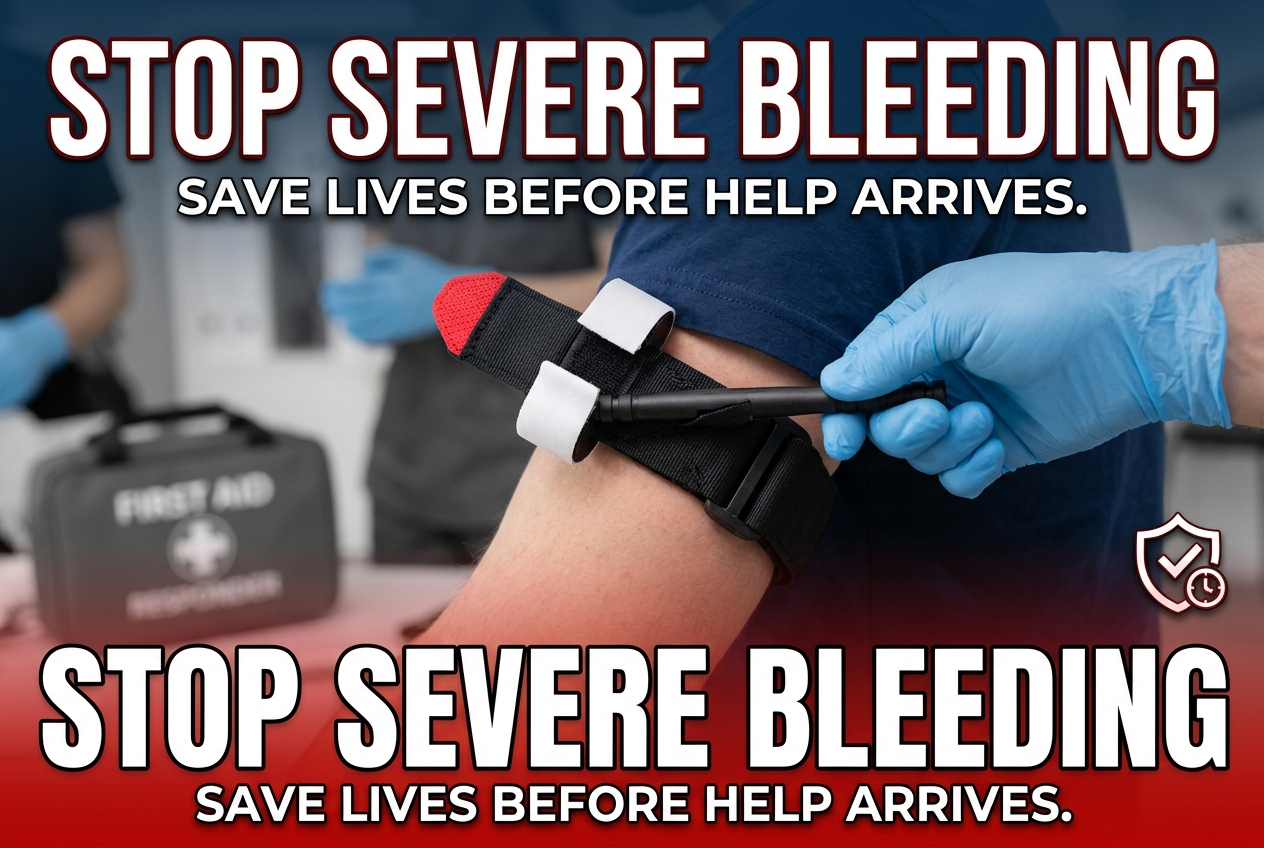
Stop Severe Bleeding Before Help Arrives
When someone is bleeding badly, the minutes before help arrives decide whether they live. These steps walk through when to reach for a tourniquet, where to place it, how tight and how long, and which old first-aid myths actually cost lives. You will know exactly what to do instead of freezing.