Browse the Context Marketplace
Expert-level knowledge on any topic. Each capsule guides you through what matters most.
6 capsules

Does Moving Abroad Really Beat the Classroom for Languages?
Immersion gets the glory, yet classroom learners often out-read and out-write those who moved abroad. These methods split on whether immersion's speaking fluency, the classroom's structured foundation, or a deliberate blend of both wins for your goals. Knowing what each is genuinely good at saves years of misdirected effort.

Consistent Practice and Real Conversations Are Key to Learning a Language Fast
Learning a language quickly is less about shortcuts and more about steady, daily engagement with the language, especially through speaking and interacting with fluent speakers. Techniques like spaced repetition and active recall improve retention, but the real progress comes from meaningful conversations and feedback that push your skills just beyond your current level. Managing stress and maintaining consistent practice every day are crucial to turning initial excitement into lasting fluency.

Is It Really Too Late to Learn a Language?
If you missed learning a language as a child, the big question is whether that window has truly closed. The views split between a strict early-life period for mastering sounds and grammar and evidence that adult brains stay flexible enough with the right strategies. See what the brain research actually shows and what it means for teaching kids and adults.
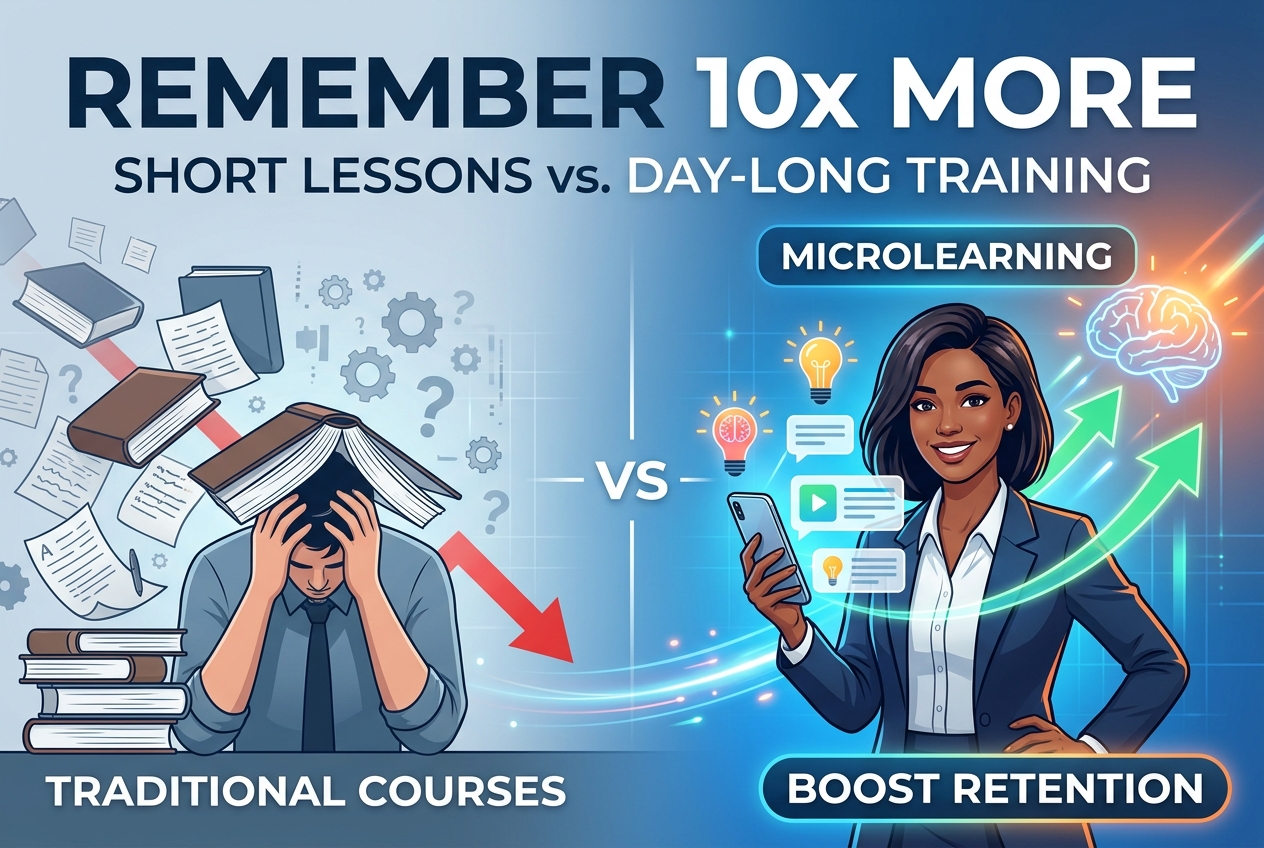
Short, Focused Learning Beats Traditional Courses for Remembering More
Day-long training sessions feel thorough and are mostly forgotten within a week. The case here is that short, focused lessons fit how memory actually works, preventing overload while lifting engagement and recall compared with traditional courses. If retention is the goal, break the training into small pieces and let repetition do the rest.
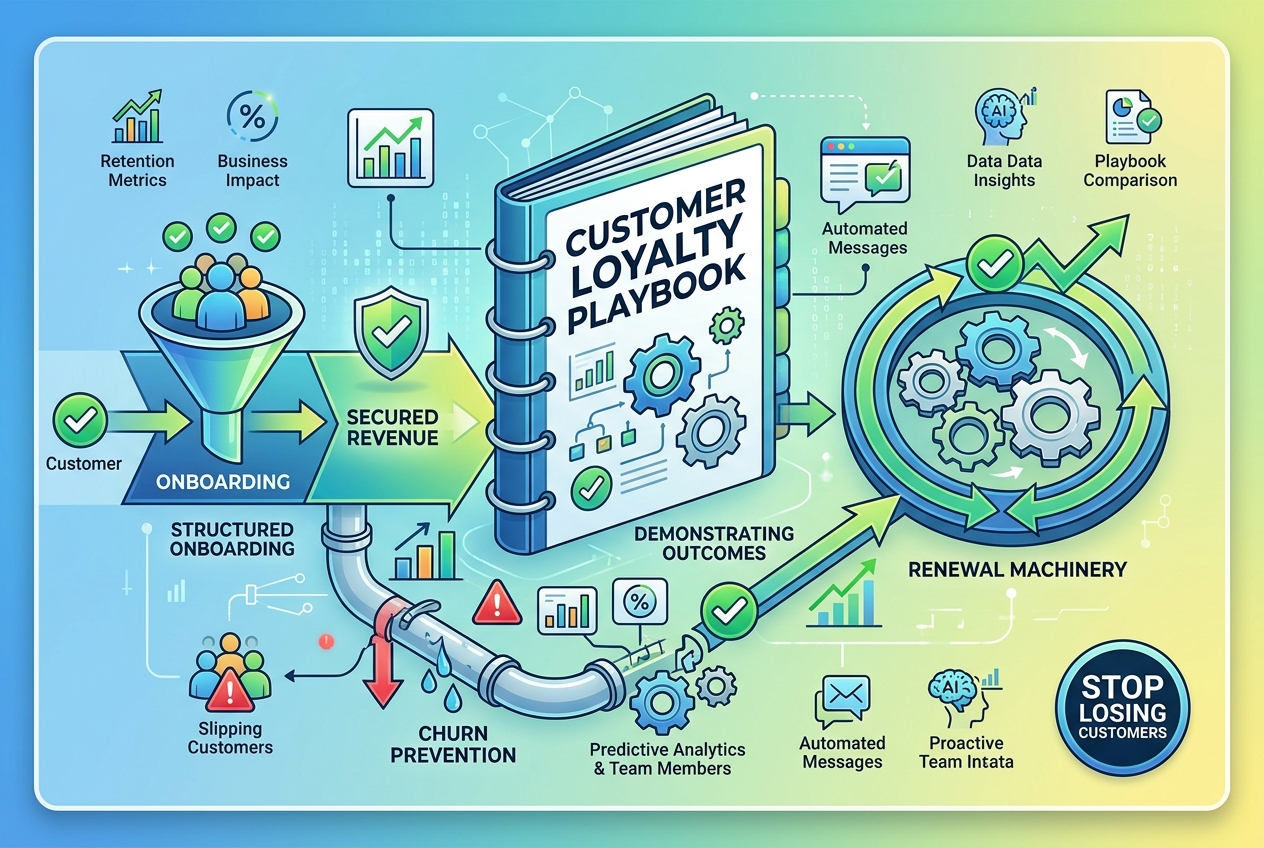
Stop Losing Customers You Already Won
Winning a customer means little if they quietly churn out a year later. The playbooks differ on where retention is really earned: structured onboarding, proactive churn prevention, demonstrating outcomes the customer can point to, or automating the renewal machinery, and each philosophy allocates your team's time differently. Comparing them helps you design the one that fits how your product delivers value.
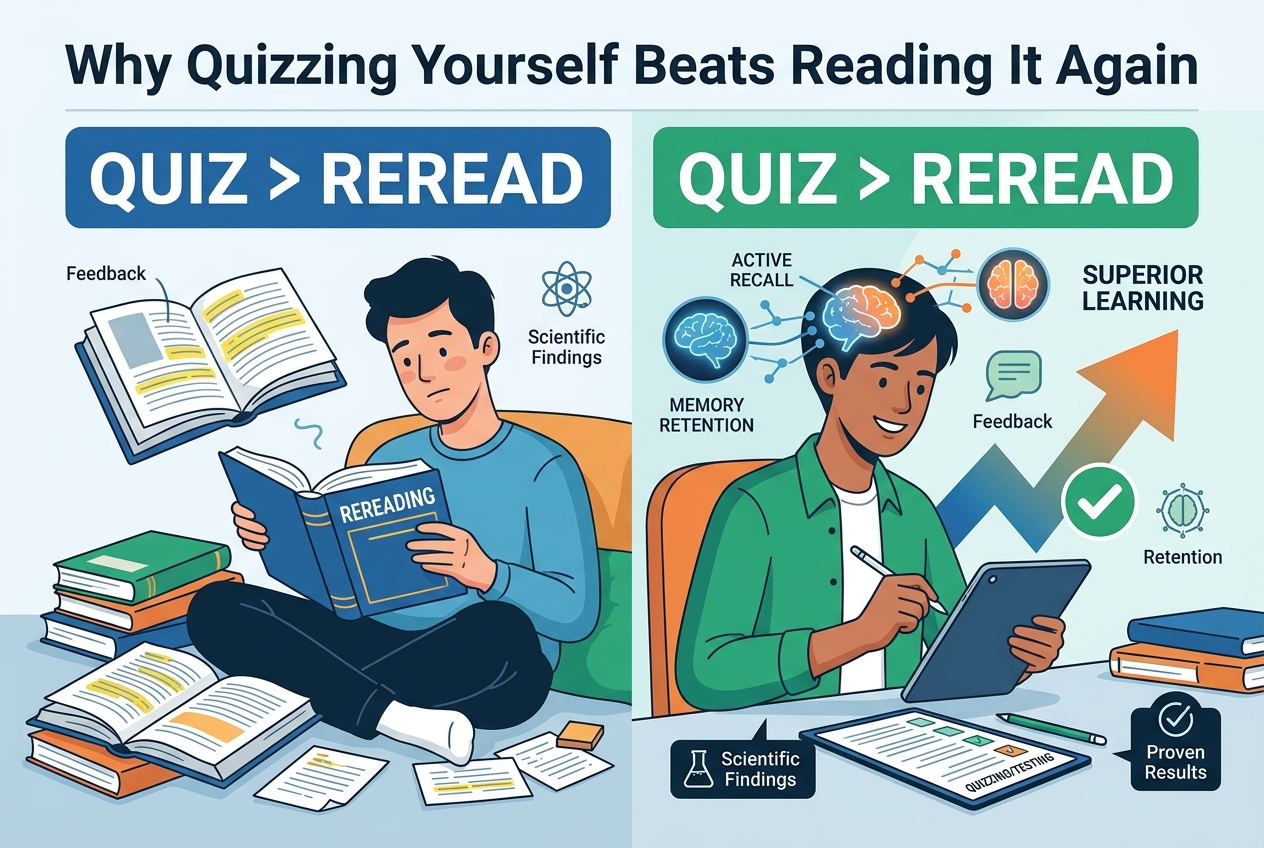
Why Quizzing Yourself Beats Reading It Again
Rereading notes feels productive, but testing yourself locks learning in far more effectively. These findings cover the memory boost from active recall and feedback, the study designs and statistics used to measure it, and debates over how widely the effect holds across learners and material. You can decide how to study for what actually sticks.