Browse the Context Marketplace
Expert-level knowledge on any topic. Each capsule guides you through what matters most.
10 capsules

Consistent Practice and Real Conversations Are Key to Learning a Language Fast
Learning a language quickly is less about shortcuts and more about steady, daily engagement with the language, especially through speaking and interacting with fluent speakers. Techniques like spaced repetition and active recall improve retention, but the real progress comes from meaningful conversations and feedback that push your skills just beyond your current level. Managing stress and maintaining consistent practice every day are crucial to turning initial excitement into lasting fluency.

Does Moving Abroad Really Beat the Classroom for Languages?
Immersion gets the glory, yet classroom learners often out-read and out-write those who moved abroad. These methods split on whether immersion's speaking fluency, the classroom's structured foundation, or a deliberate blend of both wins for your goals. Knowing what each is genuinely good at saves years of misdirected effort.
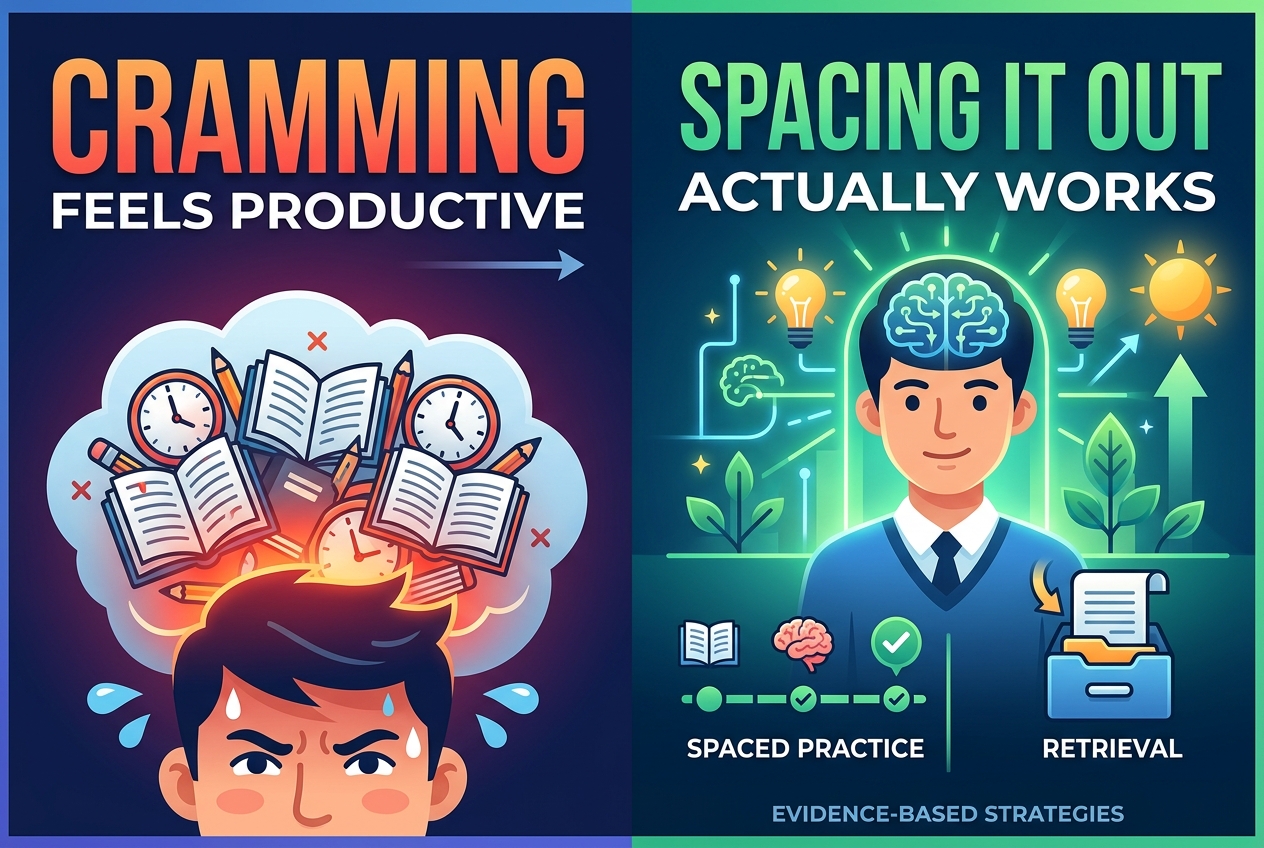
Cramming Feels Productive. Spreading It Out Actually Works
Much of what schools and parents assume about learning, including learning styles, doesn't survive testing. These strategies center on what does: spacing practice over time, recalling material instead of rereading it, and lesson designs backed by experiments. Comparing them shows where to put effort so kids actually remember what they learn.

Is It Really Too Late to Learn a Language?
If you missed learning a language as a child, the big question is whether that window has truly closed. The views split between a strict early-life period for mastering sounds and grammar and evidence that adult brains stay flexible enough with the right strategies. See what the brain research actually shows and what it means for teaching kids and adults.

Short, Focused Learning Beats Traditional Courses for Remembering More
Day-long training sessions feel thorough and are mostly forgotten within a week. The case here is that short, focused lessons fit how memory actually works, preventing overload while lifting engagement and recall compared with traditional courses. If retention is the goal, break the training into small pieces and let repetition do the rest.
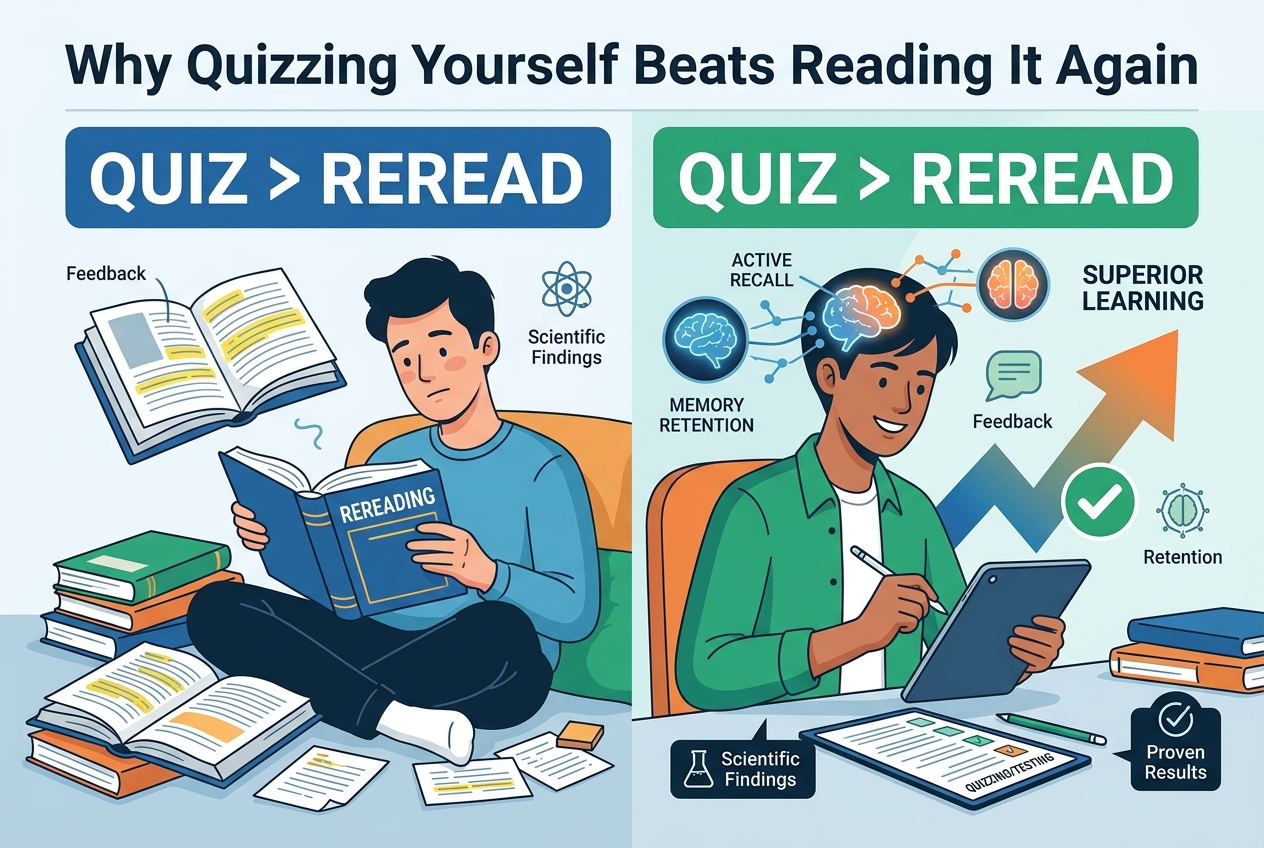
Why Quizzing Yourself Beats Reading It Again
Rereading notes feels productive, but testing yourself locks learning in far more effectively. These findings cover the memory boost from active recall and feedback, the study designs and statistics used to measure it, and debates over how widely the effect holds across learners and material. You can decide how to study for what actually sticks.

Which Spanish Should You Actually Learn?
The Spanish of Mexico City and the Spanish of Madrid diverge in pronouns, verb forms, vocabulary, and customs, and learners have to pick a lane. These options split on what matters most: mastering regional grammar like ustedes and voseo, prioritizing communication over accent perfection, adapting to local business culture, or refusing to sweat the dialect debate at all. Your goals, whether travel, business, or broad fluency, decide which path pays off.

Study Your Sleep in a Lab or Fix It at Home
Understanding your sleep can mean a controlled overnight lab study measuring brain and body in detail, or watching how everyday habits and screens shape your natural rest. These views differ on whether precise monitoring or practical routine changes tell you more. You can decide whether you want a technical breakdown or hands-on advice for better nights.
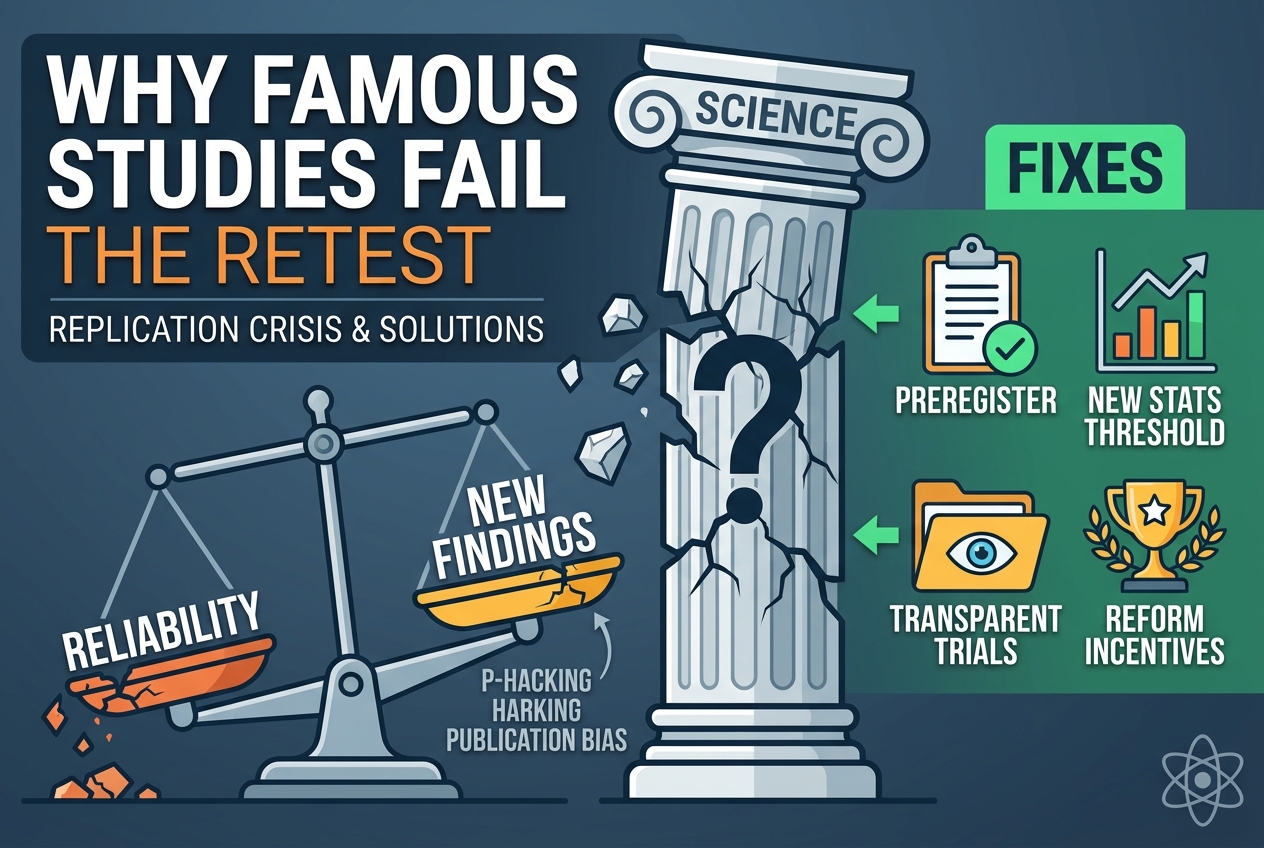
Why So Many Famous Studies Fail the Retest
Findings you have read as fact keep collapsing when other scientists rerun the experiments. These reasons split on the cure: preregistering studies to stop cherry-picked results, rethinking the statistical threshold that decides what counts as a discovery, forcing trial transparency, or reforming the career incentives that reward flashy findings over solid ones. Where the optimists and skeptics part ways is whether science can fix itself at all.

When Is AI Helping Your Kid Learn and When Is It Cheating
Using AI in schoolwork can either support genuine learning or cross into cheating depending on how it’s used. Different guidelines emphasize clear rules about acceptable AI roles, such as brainstorming or proofreading, versus replacing core thinking or writing. They also highlight the importance of parents and teachers focusing on the student’s process and understanding rather than just the final product, since AI detectors are unreliable and should not be the sole basis for punishment.