Browse the Context Marketplace
Expert-level knowledge on any topic. Each capsule guides you through what matters most.
26 capsules

Common Mental Shortcuts That Influence Our Decisions
People often rely on mental shortcuts that shape how they judge situations, estimate risks, and make choices. These shortcuts include biases like anchoring on the first number heard, fearing losses more than valuing gains, overestimating abilities, and favoring information that confirms existing beliefs. Recognizing these common patterns helps explain why decisions sometimes stray from rational thinking.
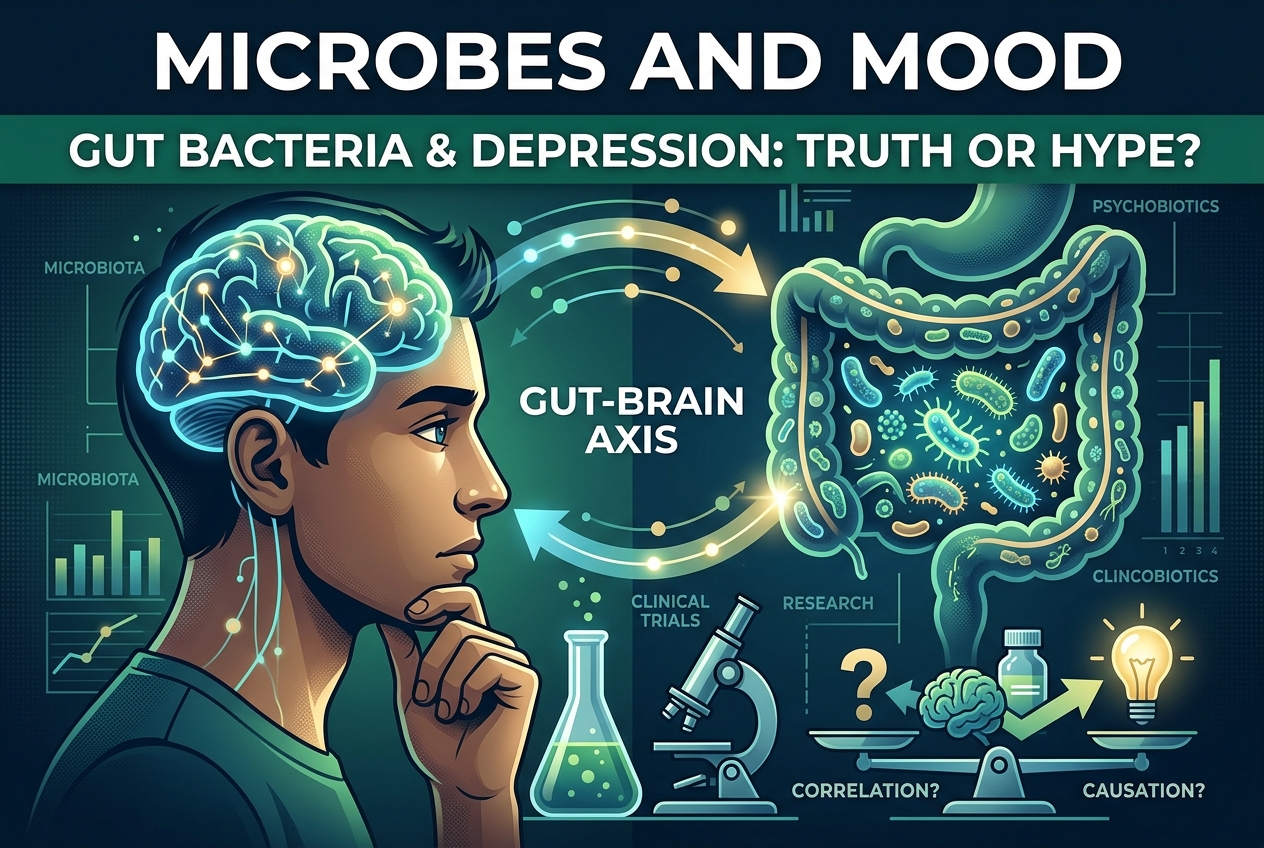
Can the Bacteria in Your Gut Ease Depression?
The gut-brain link is exciting, but whether your microbes cause mood changes or just correlate with them decides how much to trust probiotics. These views differ on demanding strict standardized trials, tightening safety and protocol, and sharpening methods to capture how gut and brain actually talk. Weigh them to judge how confident to be in gut-based treatments.
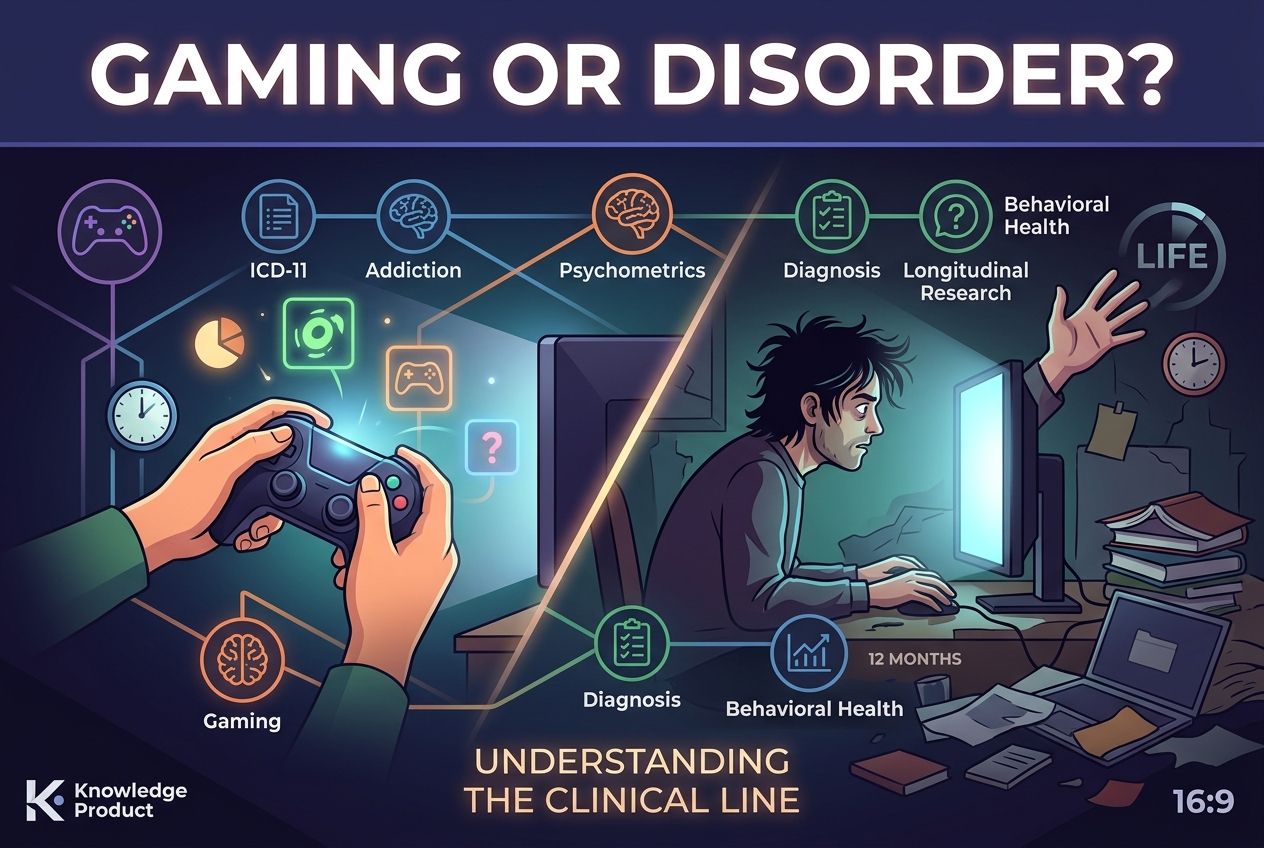
When Does Gaming Cross the Line Into a Real Disorder?
Plenty of people worry their gaming is a problem, but the clinical bar is far higher than a busy week. This view holds that a gaming disorder means impaired control, gaming crowding out everything else, and continuing despite real harm for at least twelve months. Using that stricter standard separates genuinely harmful patterns from normal enthusiasm.
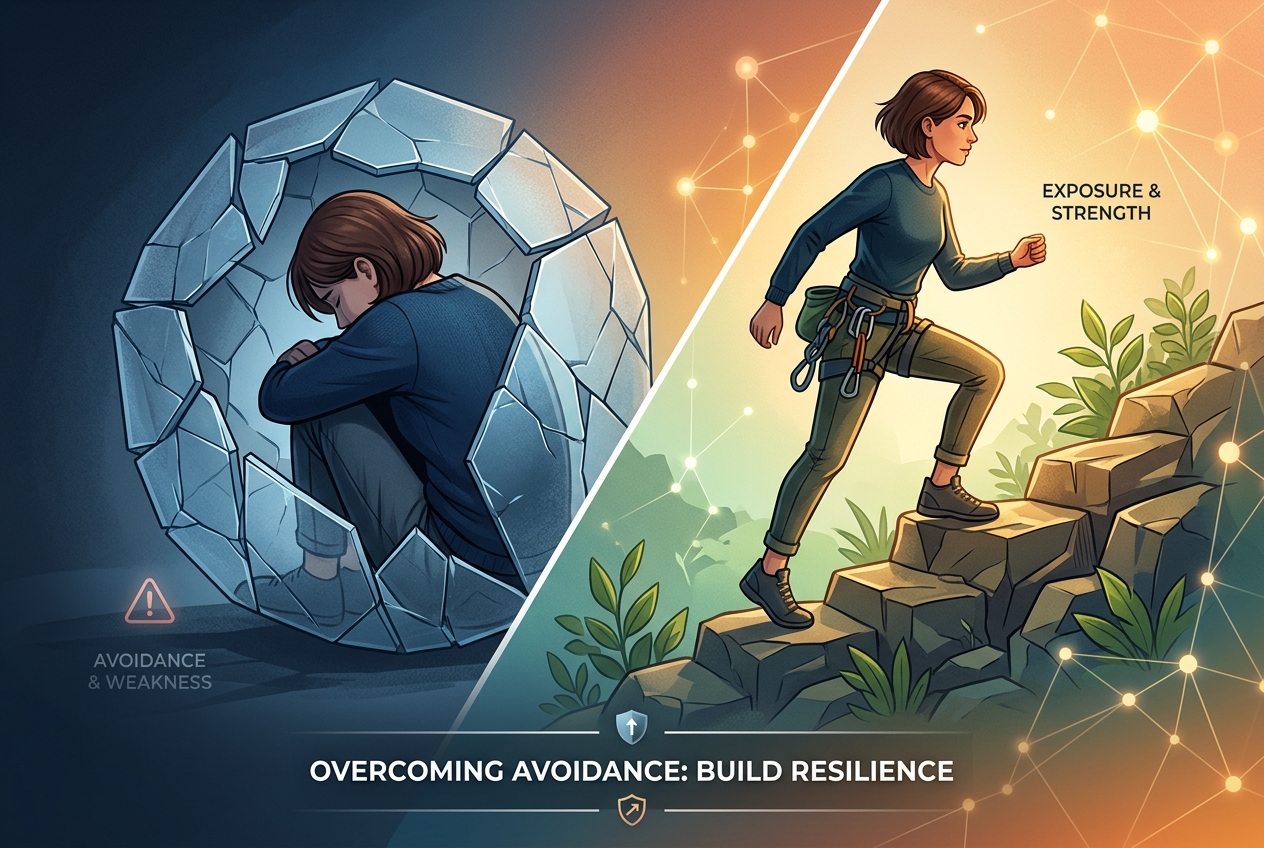
Avoiding Tough Topics Harms Mental Health More Than Facing Them
Trigger warnings and constant protection promise safety but can leave people more fragile. Drawing on exposure therapy, the argument here is that gradually confronting fears reduces anxiety and trauma symptoms in ways avoidance never will. Choosing exposure over coddling builds the emotional strength that overprotection quietly erodes.
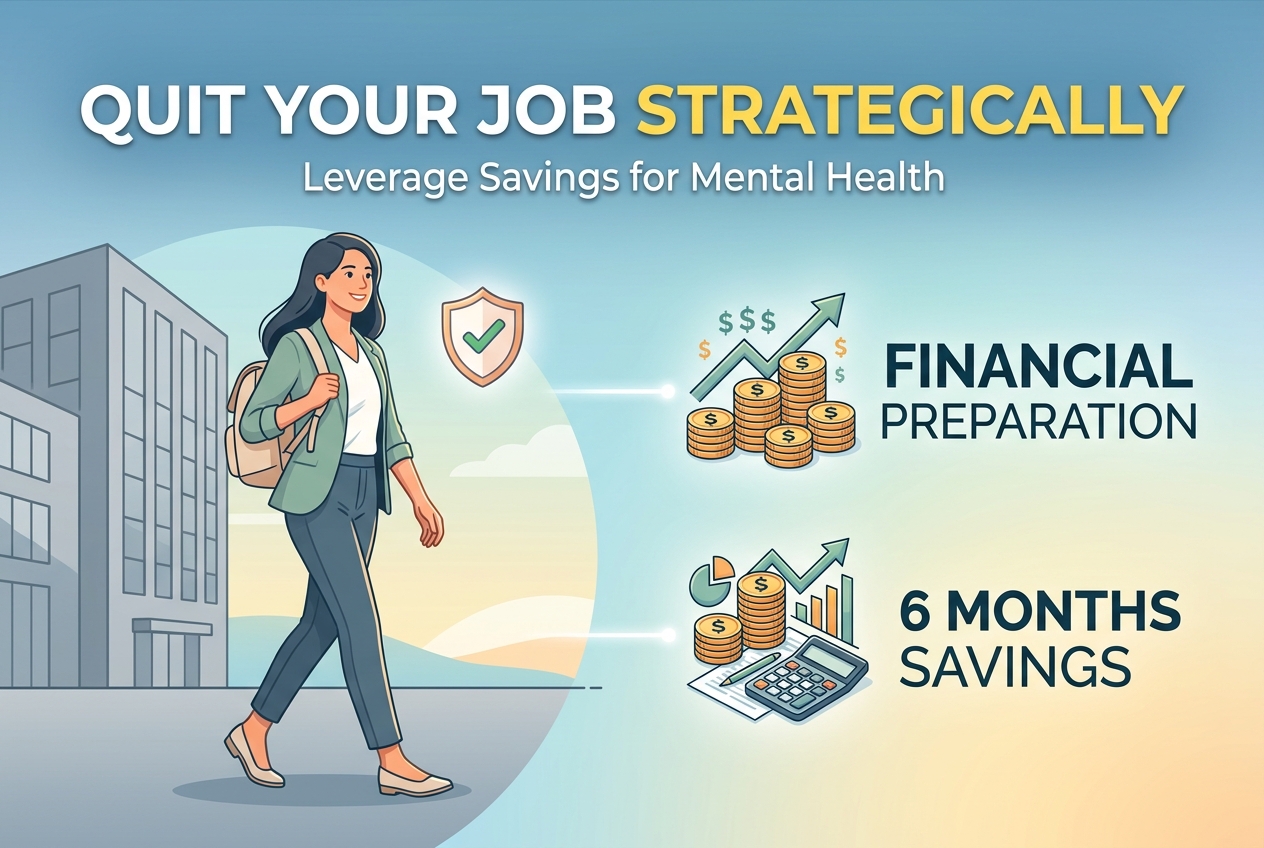
Quit Your Job Without Another If You Can Afford the Risk
Leaving a full-time job without another lined up can protect your mental and physical health if your current job is harmful, but it demands careful financial preparation. The mainstream advice to secure a new job first overlooks the reality that with at least six months of savings and a solid financial plan, quitting can be a strategic choice rather than a desperate risk. By understanding your financial runway and risk capacity, you can make a confident break that prioritizes well-being over uncertainty.

You Can’t Change Emotionally Immature Parents But You Can Save Yourself
Growing up with emotionally immature parents often means accepting that they will never meet your childhood needs or change in meaningful ways. Healing comes from lowering expectations, setting firm boundaries, and reparenting yourself rather than hoping for parental transformation. By focusing on your own recovery and emotional autonomy, you can break free from disappointment and reclaim control over your life and relationships.
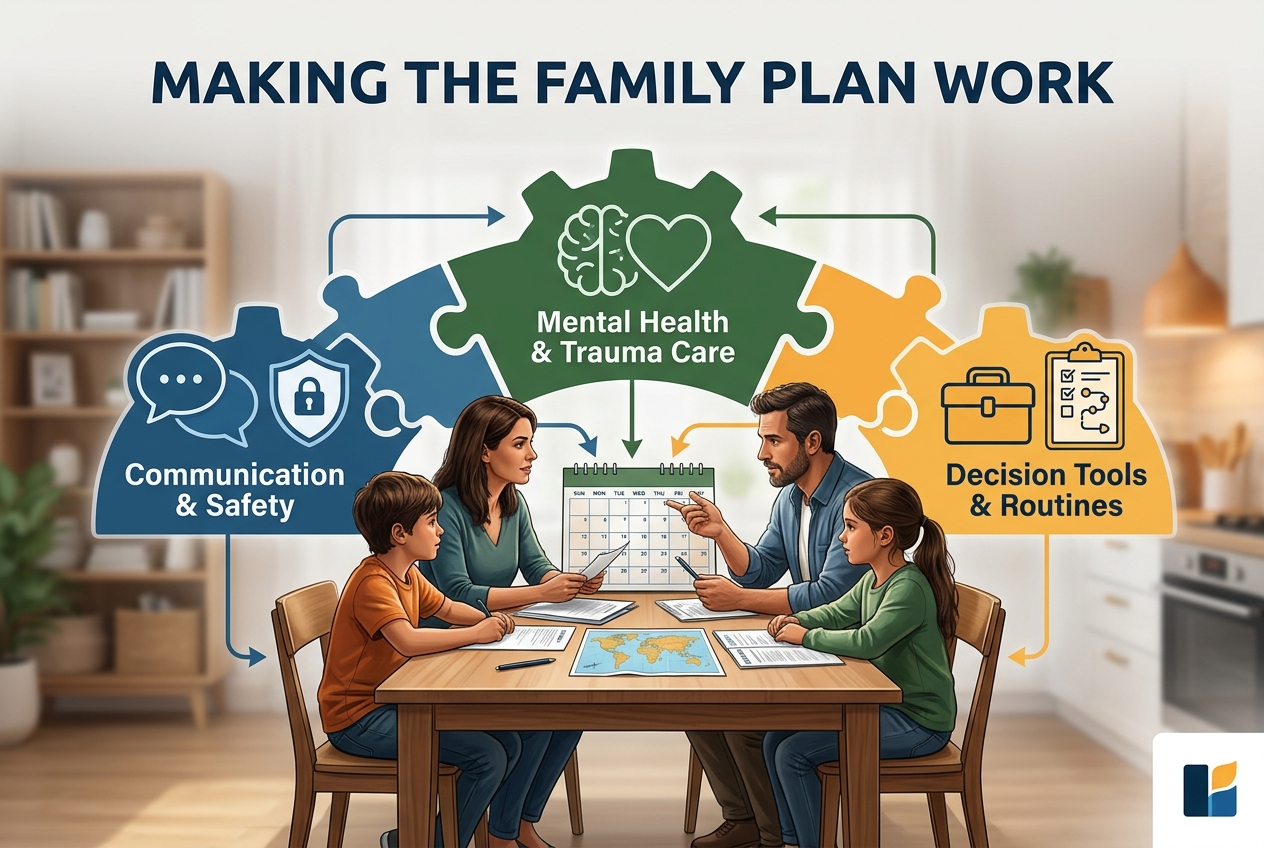
Turning Family Facts Into a Plan Everyone Can Live With
Making a family plan means juggling safety, mental health, and daily routines all at once. These recommendations part ways on where to start: clear communication and safety protocols during parenting transitions, tackling trauma and mental health first, or using structured decision tools to settle arrangements. Seeing the differences helps you choose the path that fits your family's real situation.

Making Great Video Games Demands Brutal, Unrelenting Work
Behind the games players love sits a punishing production culture of long hours, high stress, and personal sacrifice known as crunch. Against the notion that game development is creative fun, this take treats crunch as the hidden human cost of technical complexity and hard deadlines, one that burns developers out even as many accept it to ship their vision. Seeing that cost is the first step toward supporting healthier studios.
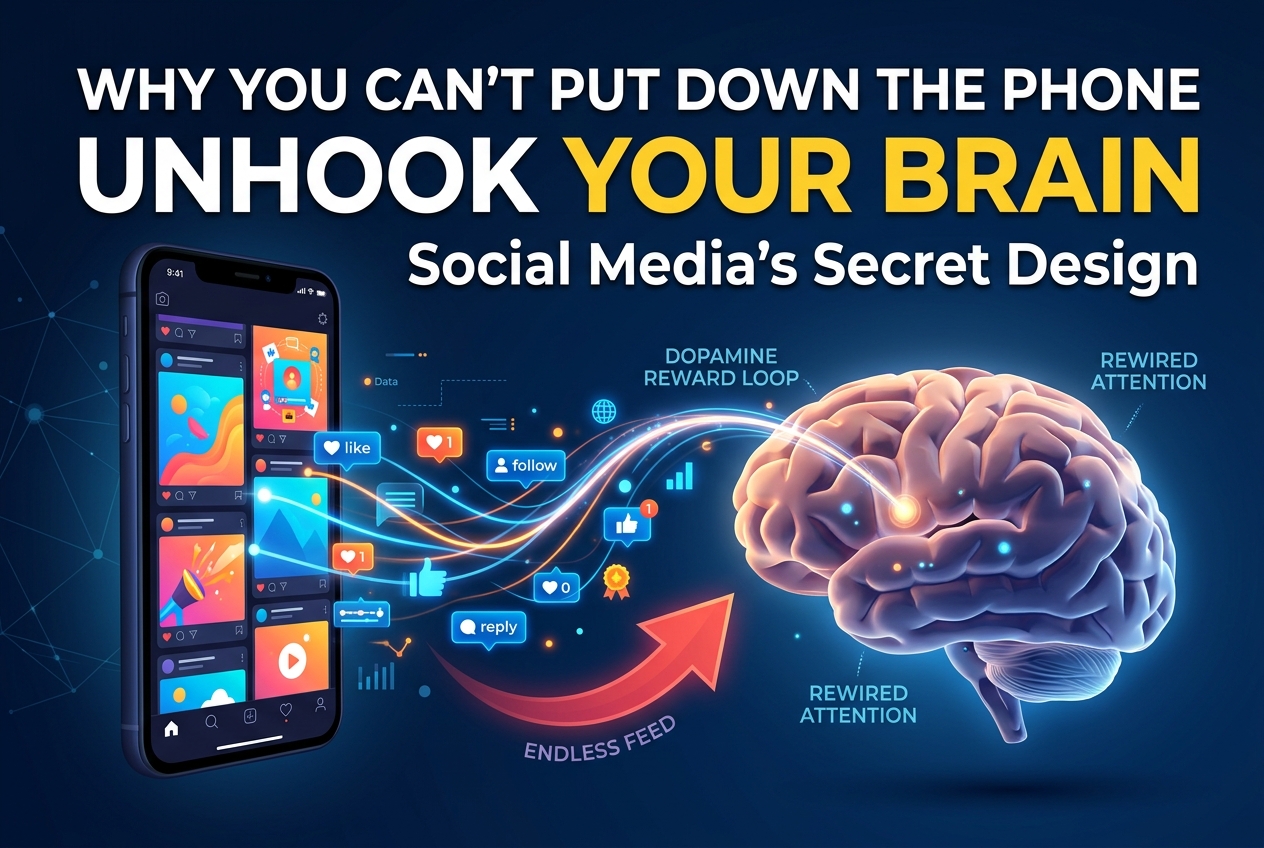
Social Media Tricks Your Brain to Keep You Hooked and Distracted
Endless feeds are engineered around unpredictable rewards that hijack your brain's dopamine system, which is why willpower alone rarely breaks the habit. Recognizing the specific design tricks, and starting with a period of full abstinence, is what actually loosens their grip. Your shrinking attention span is a design outcome, not a personal failing.

Knowing When to Ask for Help Keeps You in Control
Many believe self-reliance means handling everything alone, but this approach overlooks the power of strategic support. By clearly communicating your needs and seeking help when challenges exceed your capacity, you maintain authority over your situation rather than losing control. Embracing help at the right time ensures you stay engaged and lead effectively through complex or emotional challenges.

What Truly Calms Daily Anxiety Beyond Breathing and Therapy
Daily anxiety relief goes far beyond simple advice like breathing exercises or therapy visits. Different techniques focus on practical routines involving sunlight, hydration, and pacing exposure to fears, while others use grounding facts or even environmental design to reduce anxiety. Understanding these distinct approaches helps you choose methods that fit your life and build lasting calm.
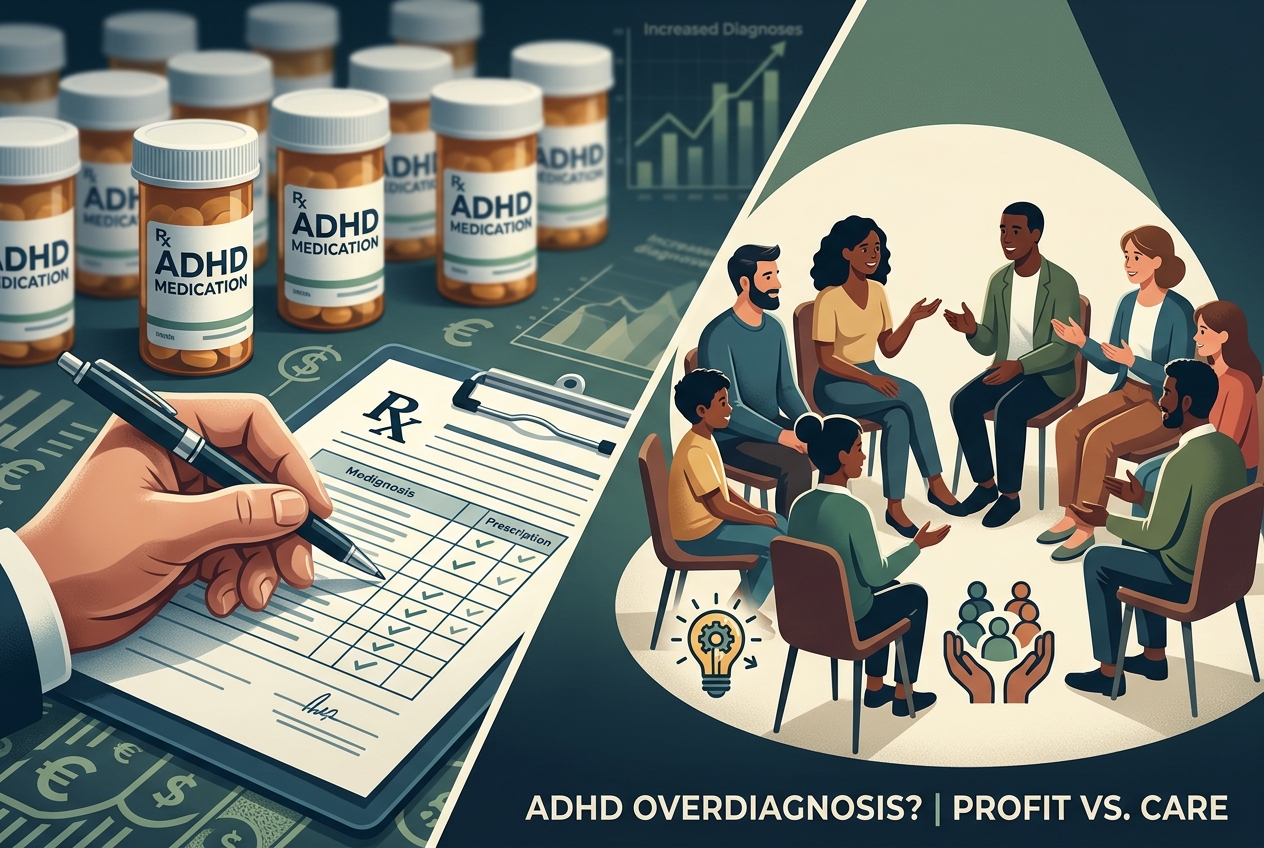
ADHD Is Overdiagnosed Because Pills Are Profitable
Rising ADHD diagnoses track less with patient need than with an industry that profits from every prescription. Against the mainstream default of medication first, this take says drug-company influence biases research and guidelines, and that community-based and behavioral approaches address root causes without pathologizing normal behavior. Skepticism toward profit-driven diagnosis is the starting point for more honest mental health care.