
Browse the Context Marketplace
Expert-level knowledge on any topic. Each capsule guides you through what matters most.
14 capsules
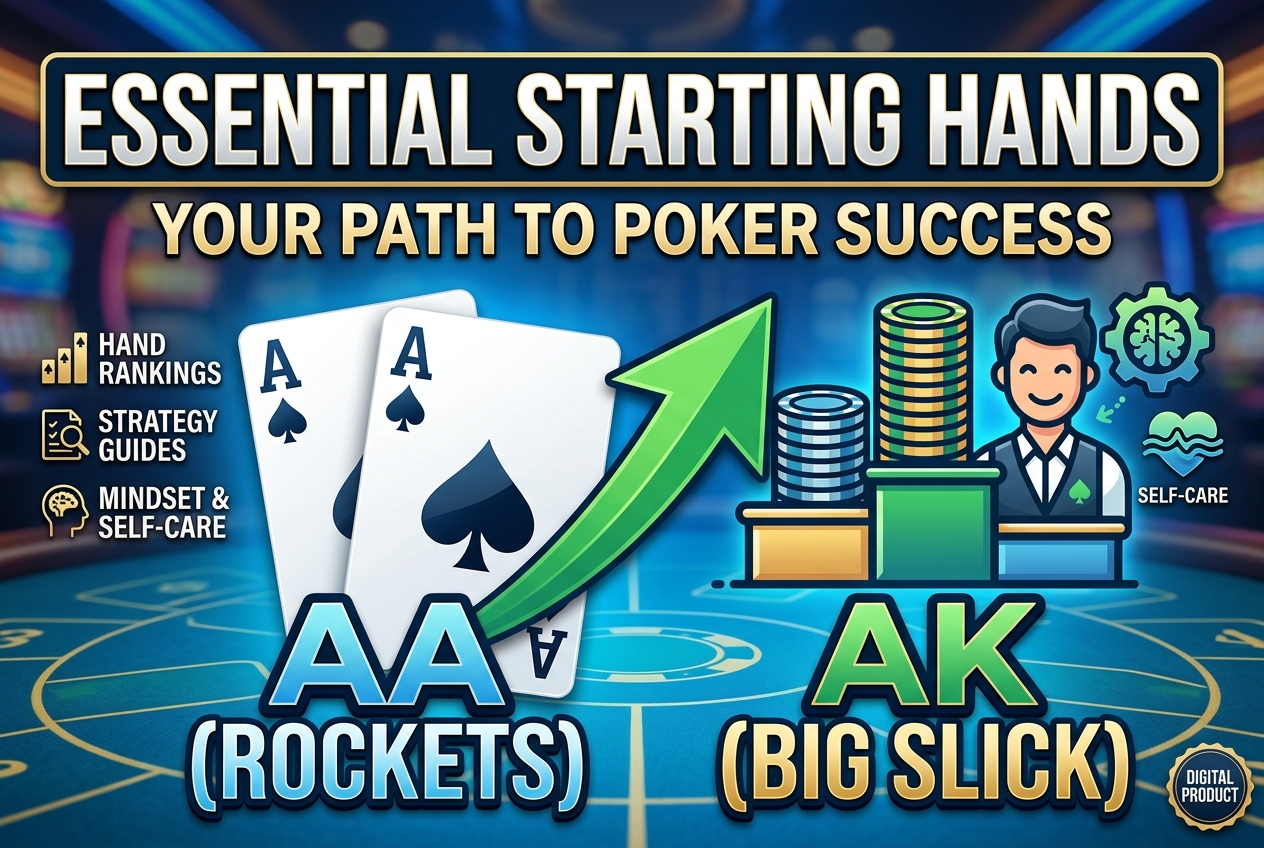
Essential Starting Hands for Successful Poker Play
Starting hands are the foundation of strong poker strategy, guiding when to raise, call, or fold before the flop. This collection catalogs key hand groups, position-based opening ranges, and practical rules for managing your play and mindset during tournaments. It also includes memorable nicknames and advice on balancing poker focus with self-care during deep runs.

How Casinos Are Built to Keep You Playing
Casinos are engineered down to the carpet to keep you at the table, and knowing how changes how you play. These tactics cover the brain science of near-misses and unpredictable rewards, layouts and sensory overload that wear down judgment, rigged odds that hide the true cost, and the discipline of knowing when to walk. See the full playbook so you can make smarter calls.
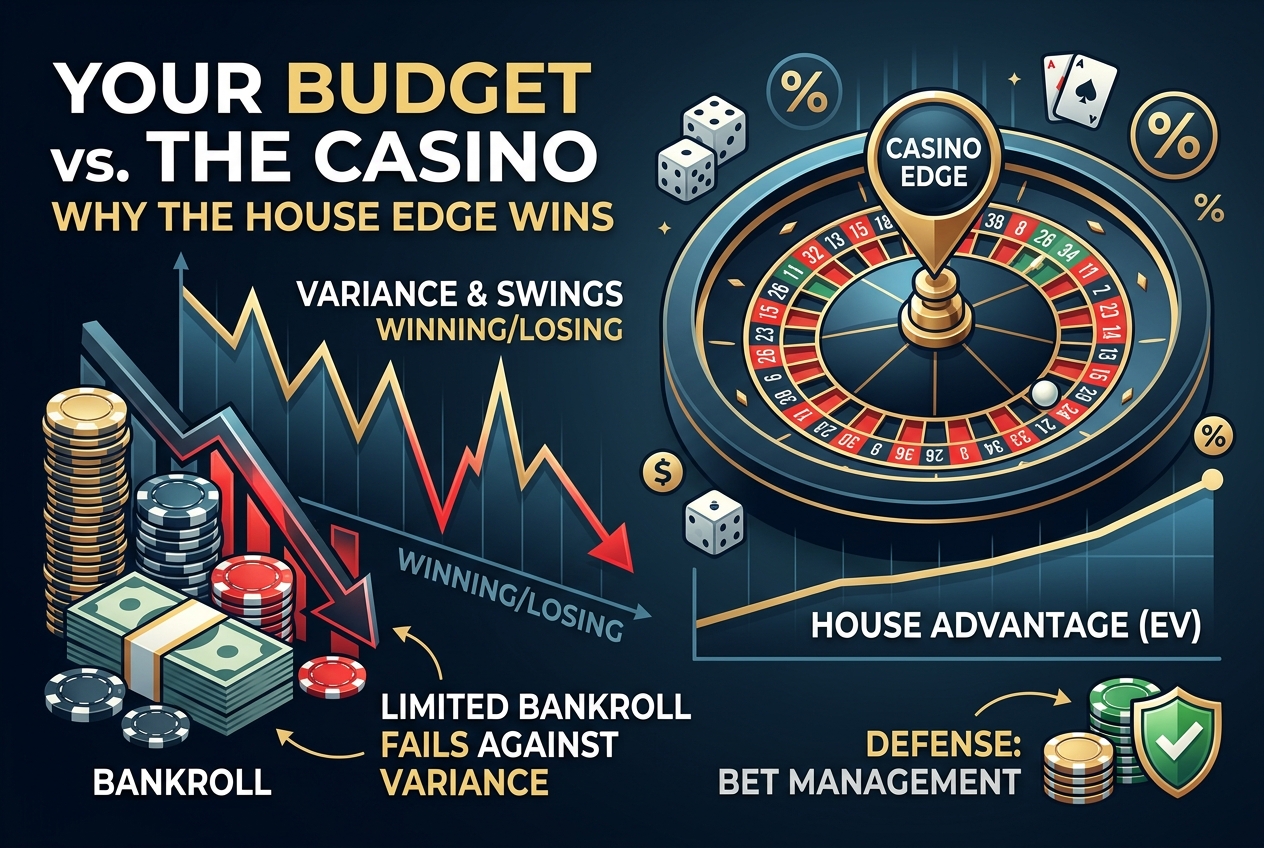
You Lose Because Your Budget Can't Handle the Casino's Built-In Edge
The house wins not just because the odds favor it but because your limited bankroll cannot ride out gambling's natural swings. Luck and skill feel like they could beat the casino, yet the math of the house edge plus variance and thin budgets makes long-term winning impossible. Understand how bet size and budget interact with variance and you will see why careful bet management is the only real defense.
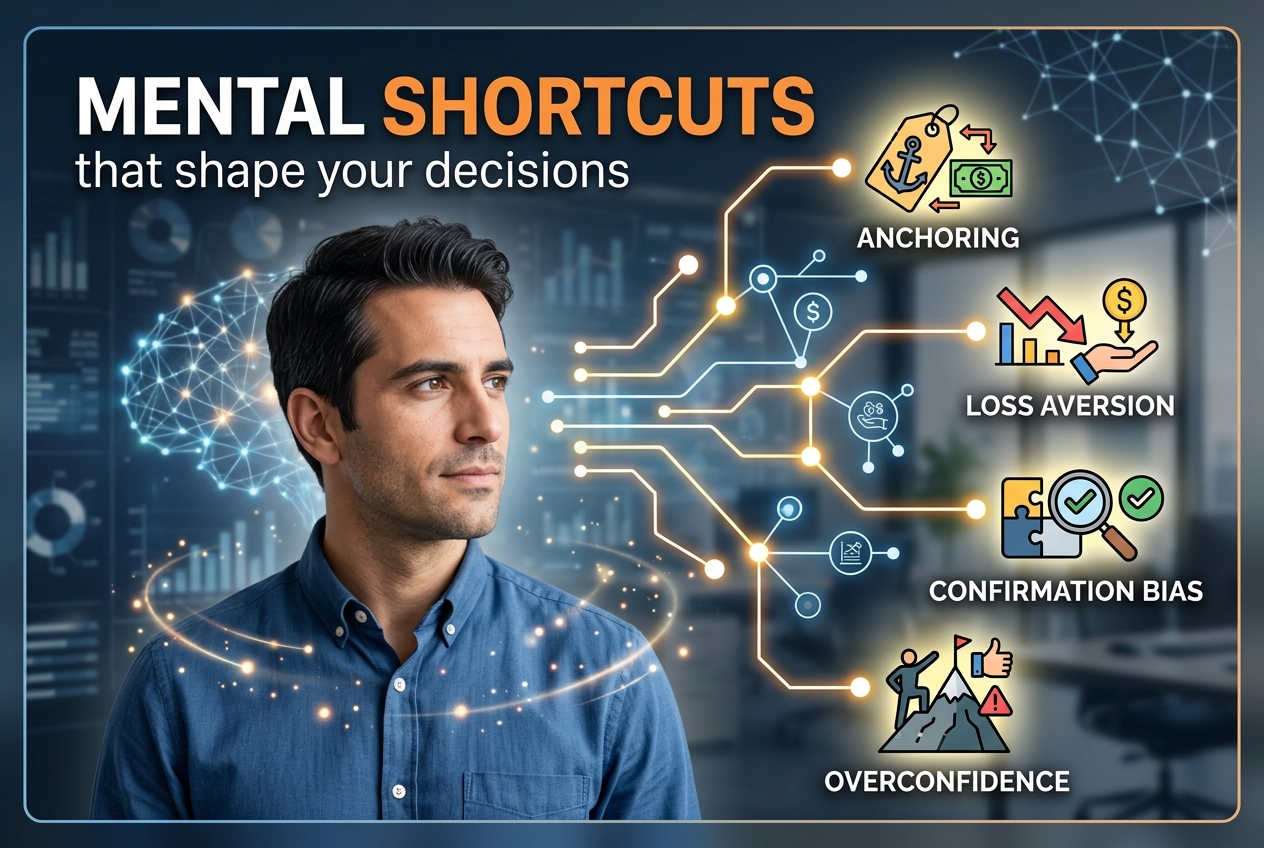
Common Mental Shortcuts That Influence Our Decisions
People often rely on mental shortcuts that shape how they judge situations, estimate risks, and make choices. These shortcuts include biases like anchoring on the first number heard, fearing losses more than valuing gains, overestimating abilities, and favoring information that confirms existing beliefs. Recognizing these common patterns helps explain why decisions sometimes stray from rational thinking.
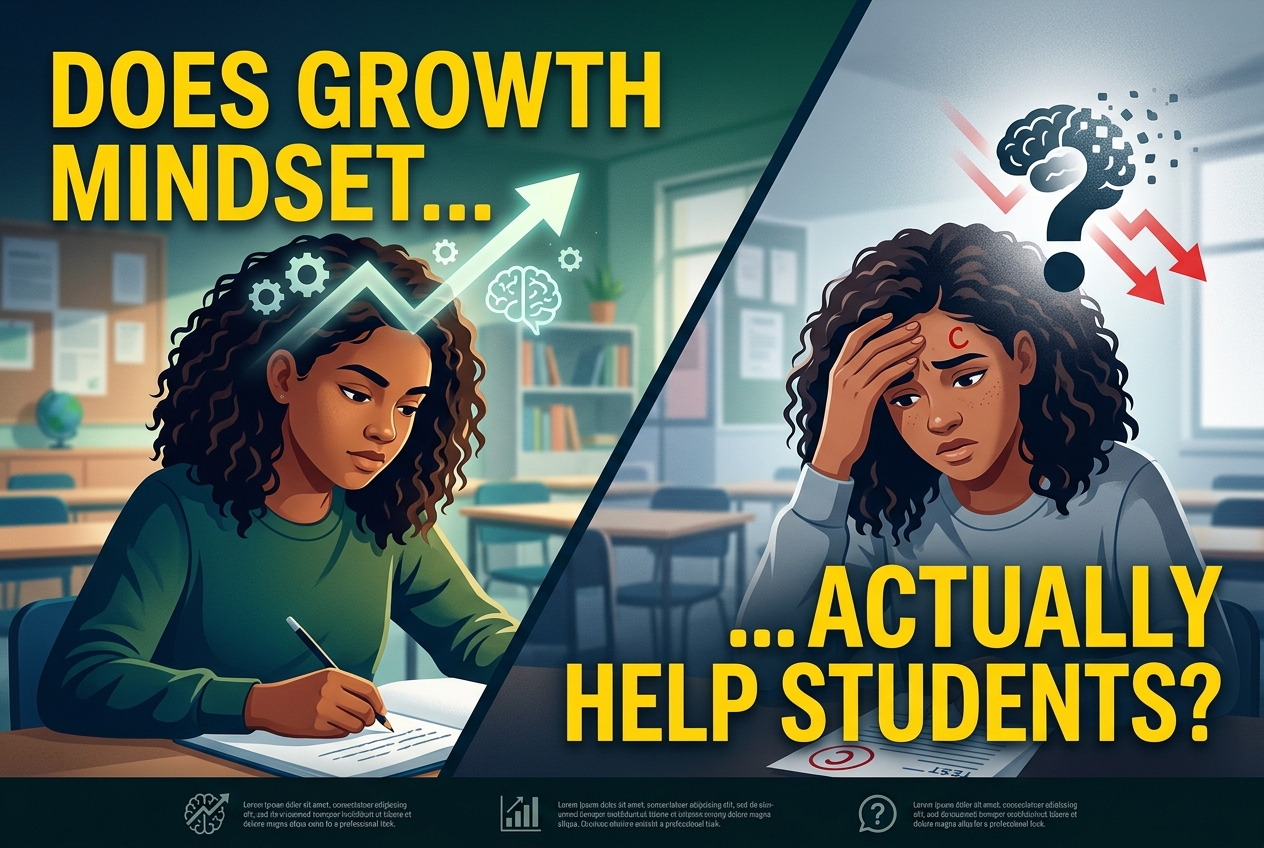
Does a Growth Mindset Actually Help Students
Telling students that effort beats talent became a classroom staple, but the results are contested. These views split between evidence that mindset programs genuinely lift grades and course choices and critiques pointing to weak studies, publication bias, and thin real-world impact. You can decide how much faith to put in mindset teaching.
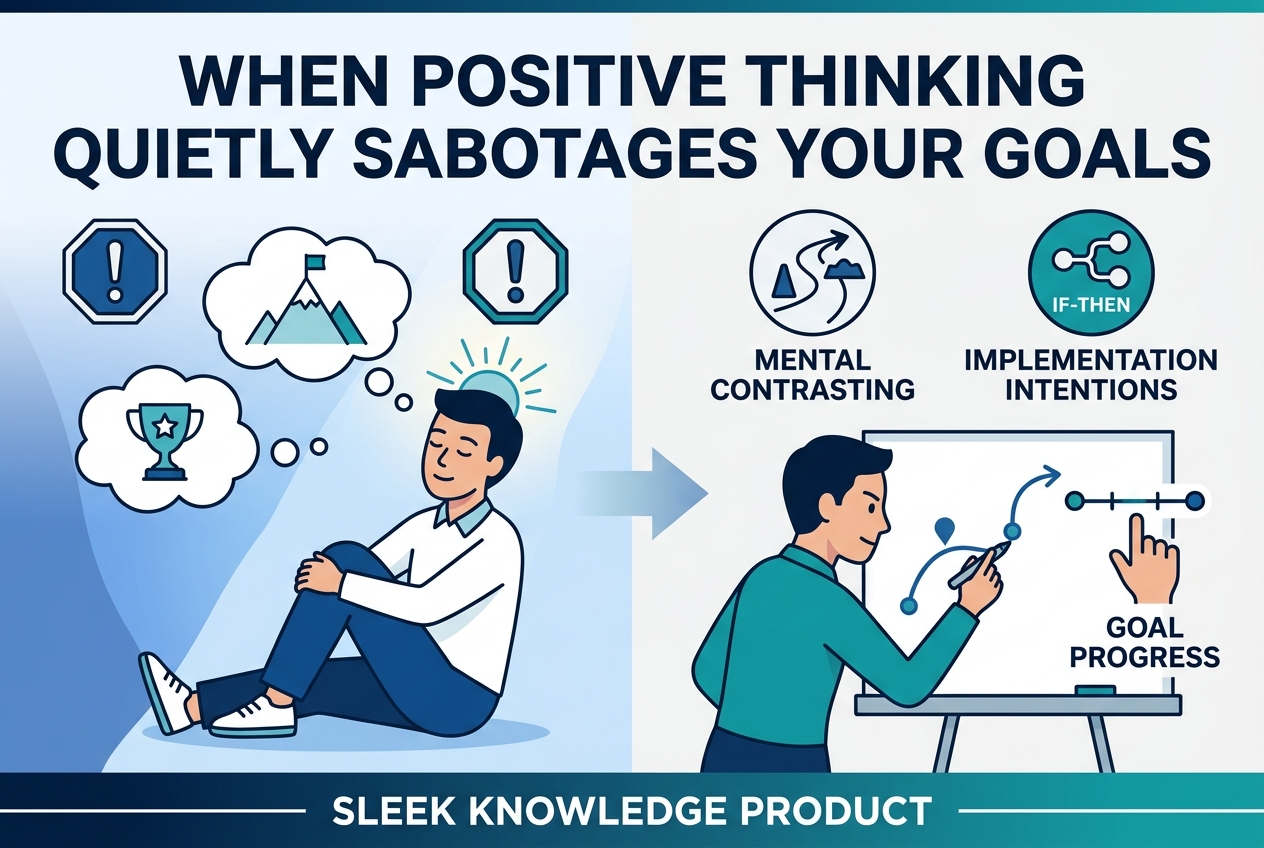
When Positive Thinking Quietly Sabotages Your Goals
Dreaming about success can actually drain the energy needed to achieve it. These methods differ on the remedy: pairing optimism with a hard look at obstacles, using if-then plans to pre-decide responses, or knowing when to adjust a goal and let go. They apply everywhere from daily habits to pain rehab, and they change how you use hope.
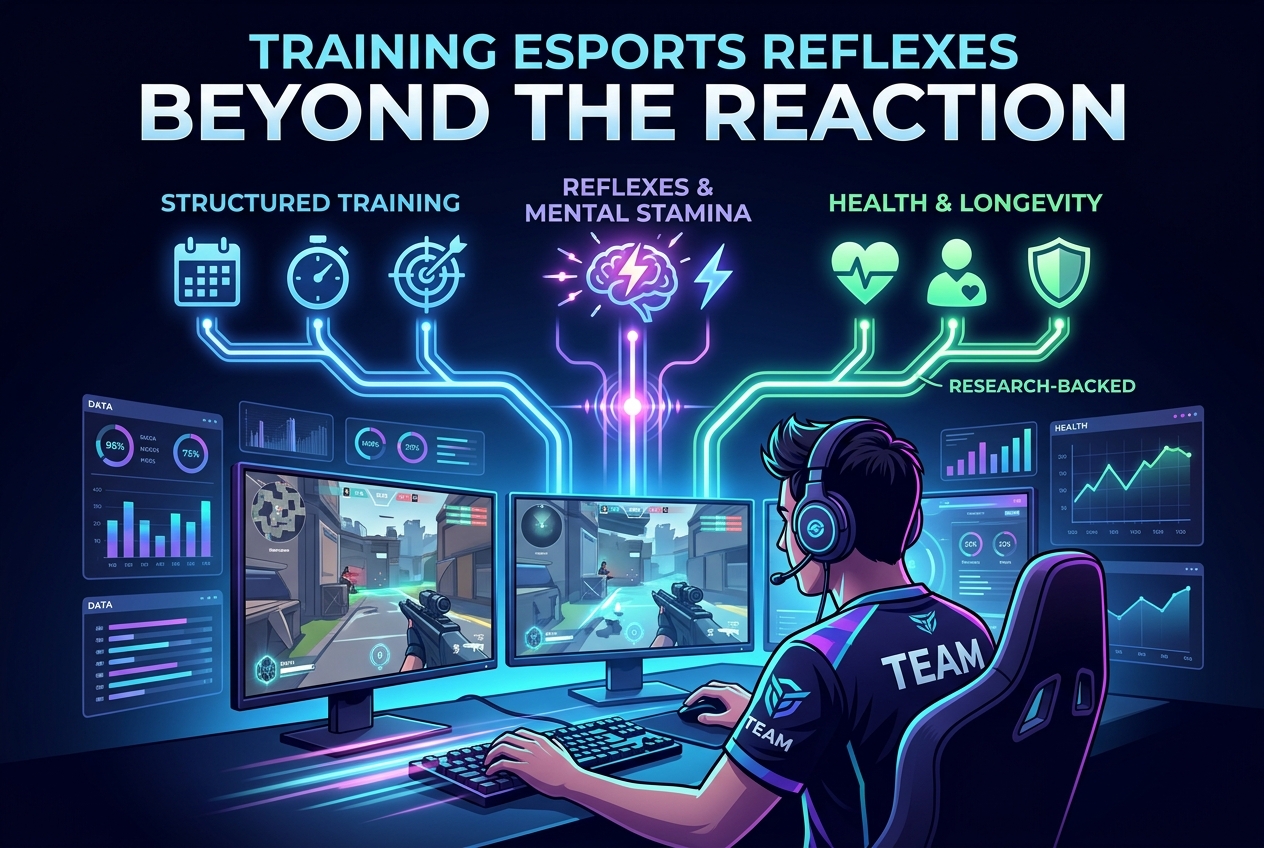
Esports Reflexes Are Trained, Not Born
At the top of competitive gaming, reaction time and mental stamina decide matches, and how to build them is contested. These methods split between structured practice regimens, long-term community health programs that protect player wellbeing, and research-driven interventions built on actual evidence. The choice shapes not just performance but how long a career lasts.
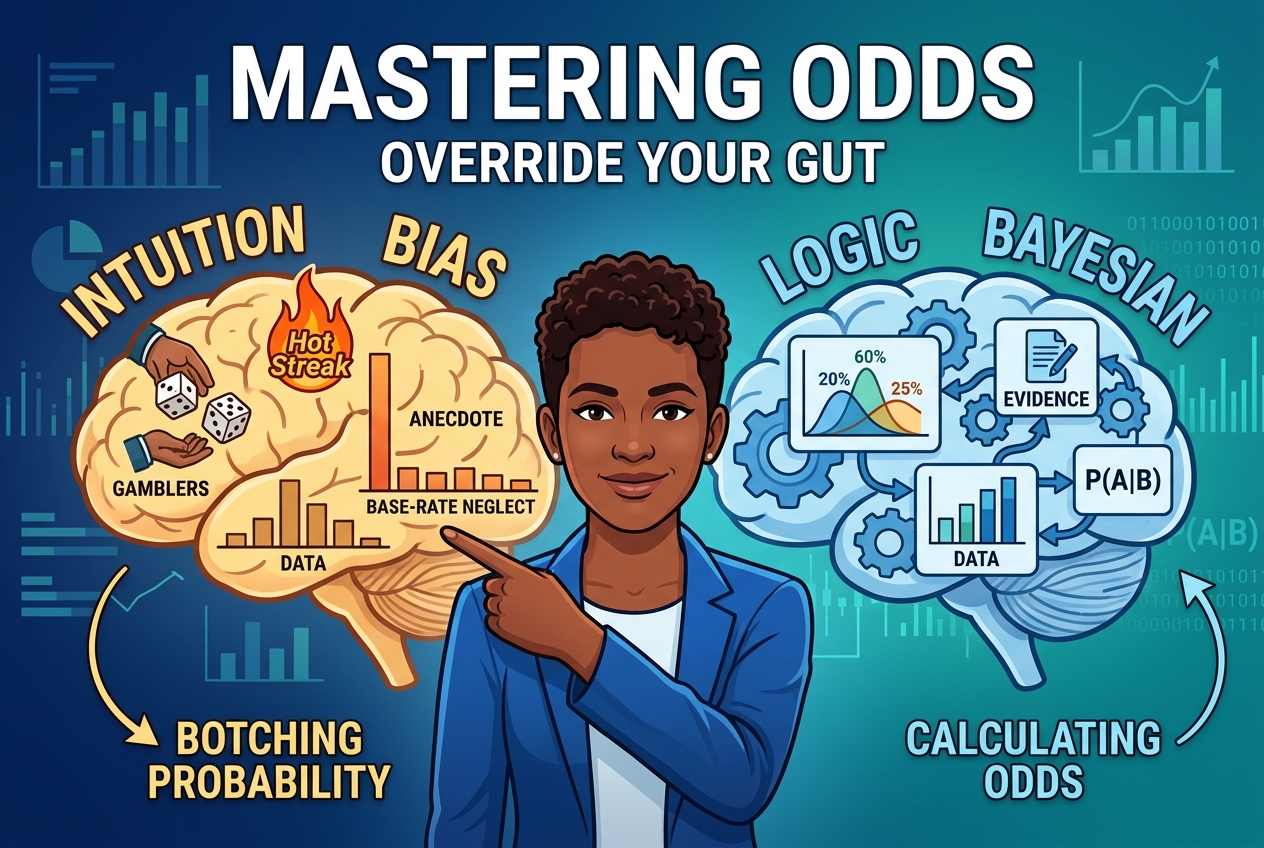
Why Your Gut Is Terrible at Judging the Odds
Human instinct routinely botches probability, from the gambler's fallacy to ignoring base rates. These reasons range from stubborn cognitive biases and how badly we encode randomness to systematic fixes like Bayesian updating that override the guesswork. You can decide which explanations and tools help you think more clearly about chance.
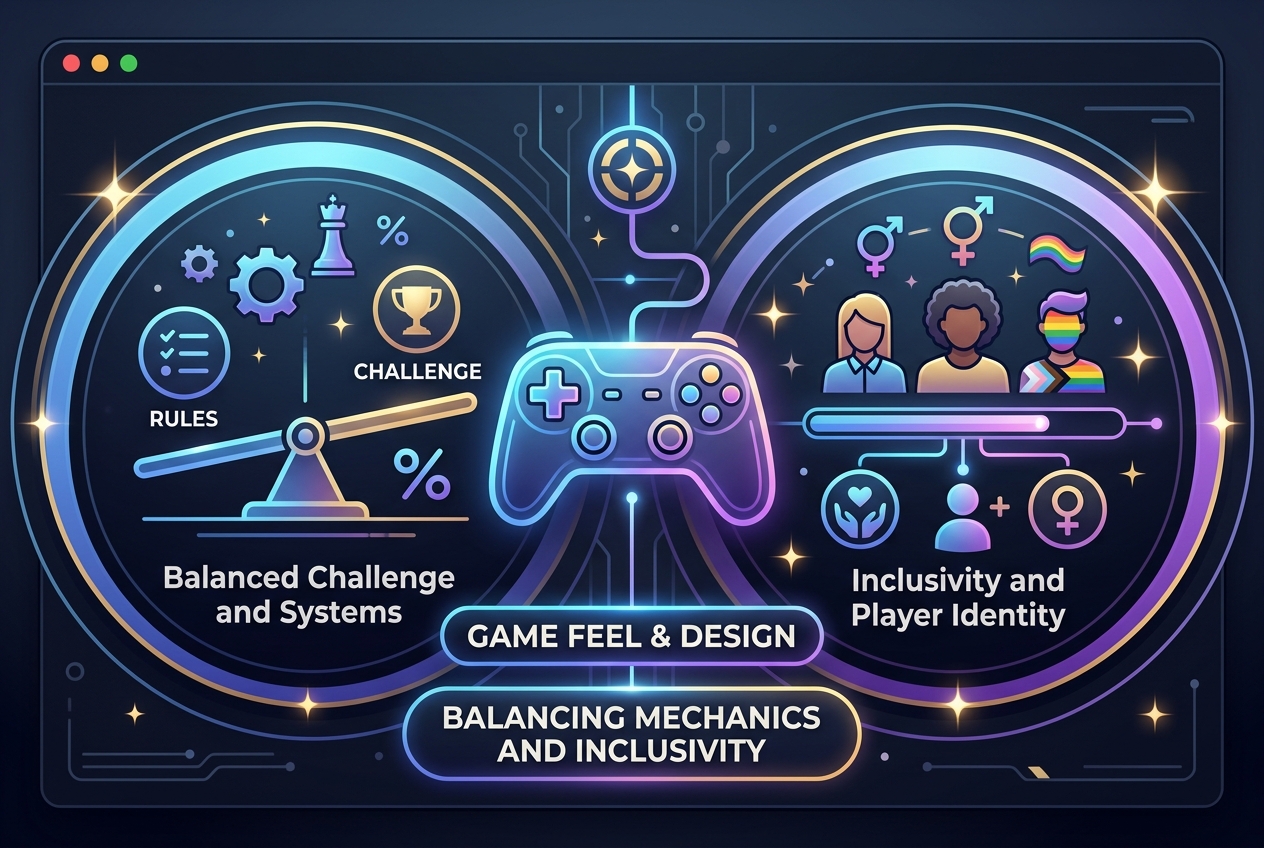
What Actually Makes a Game Feel Good to Play
A game feels rewarding when its rules manage power, fairness, and meaningful choice well. These approaches differ on what matters most: one focuses on balanced challenge and clear rules, the other on which player identities games leave out, like queerness getting overlooked next to gender and race. You can weigh which lens shapes a more satisfying, inclusive experience.

Your Pitch Deck Has Seconds to Earn a Meeting
Investors skim hundreds of decks, so yours wins or loses before you ever present. The approaches split over what earns attention: tailoring every pitch to the individual investor, leading with hard traction metrics, bottom-up market sizing, ruthless brevity, or a dead-simple business model slide. Choose the strategy that fits your startup and the investors you actually want.

Focus on Metrics That Drive Real Decisions, Not Just Feel-Good Numbers
The numbers that look best in a deck often steer you wrong, rewarding activity that never moves the business. This take backs metrics that confirm or kill a hypothesis and shape real strategy, and warns that any number you turn into a target quietly stops meaning anything. Use cohort analysis and attribution to see what customers actually do.

Spotting the Trick in an Argument Before It Works on You
Bad arguments win every day, not because people are careless but because the tricks are hard to see mid-conversation. These techniques disagree on whether to label faulty reasoning by strict rules or read it in context, and whether arguing is really about pure logic at all or about social persuasion. Learn to catch the move and choose how to answer it.