
Browse the Context Marketplace
Expert-level knowledge on any topic. Each capsule guides you through what matters most.
7 capsules
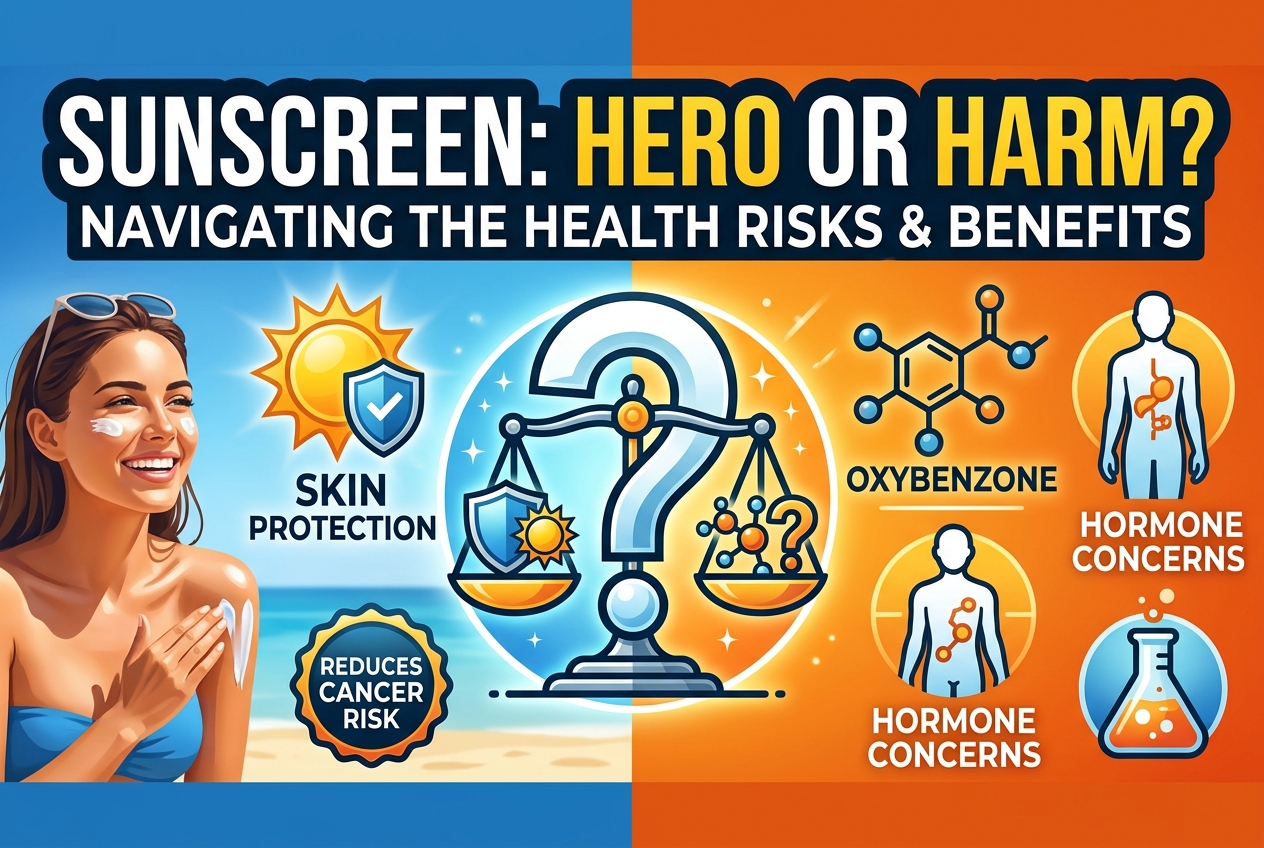
Can Your Sunscreen Protect You and Harm You at Once?
Sunscreen clearly cuts skin cancer risk, yet ingredients like oxybenzone raise hormone-disruption worries and blocking the sun lowers vitamin D. These views split on how seriously to take the endocrine evidence, how much the research methods behind it can be trusted, and how to live with the protection-versus-deficiency trade-off. Your answer shapes what you put on your skin every summer.
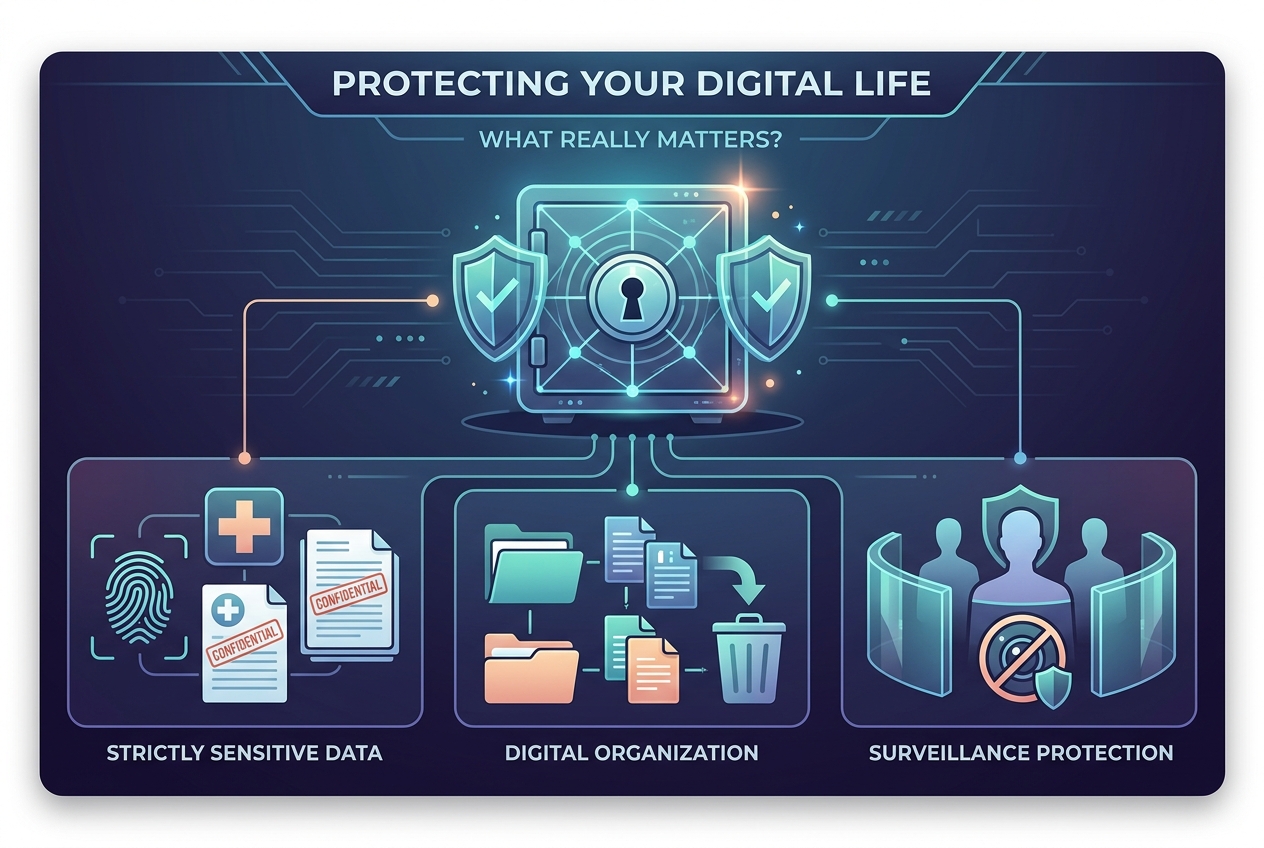
What You Really Need to Protect in Your Digital Life
Not everyone means the same thing by sensitive data. These views range from strict categories like health and biometric records, to practical digital cleanup and organization, to shielding vulnerable people from surveillance harm. You can decide whether your priority is guarding raw data, keeping digital order, or protecting people under watch.
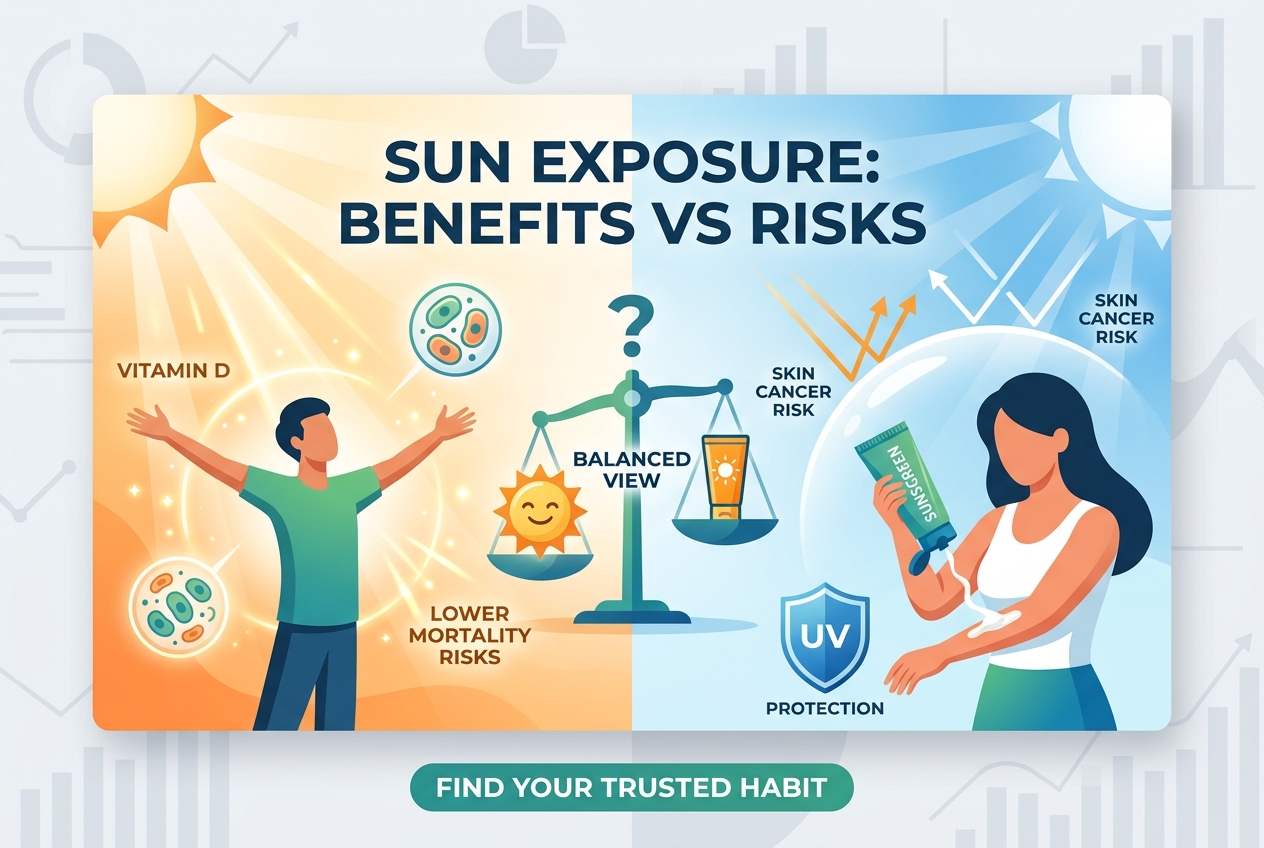
How Much Sun Is Good for You, and Where Sunscreen Fits
Sun gives you vitamin D and may lower mortality, yet it also drives skin cancer, and the advice you hear rarely holds both truths. These views differ on the benefits of moderate sun, the limits of the studies, and how to warn people without stoking fear. Read them to set a sun habit you can actually trust.
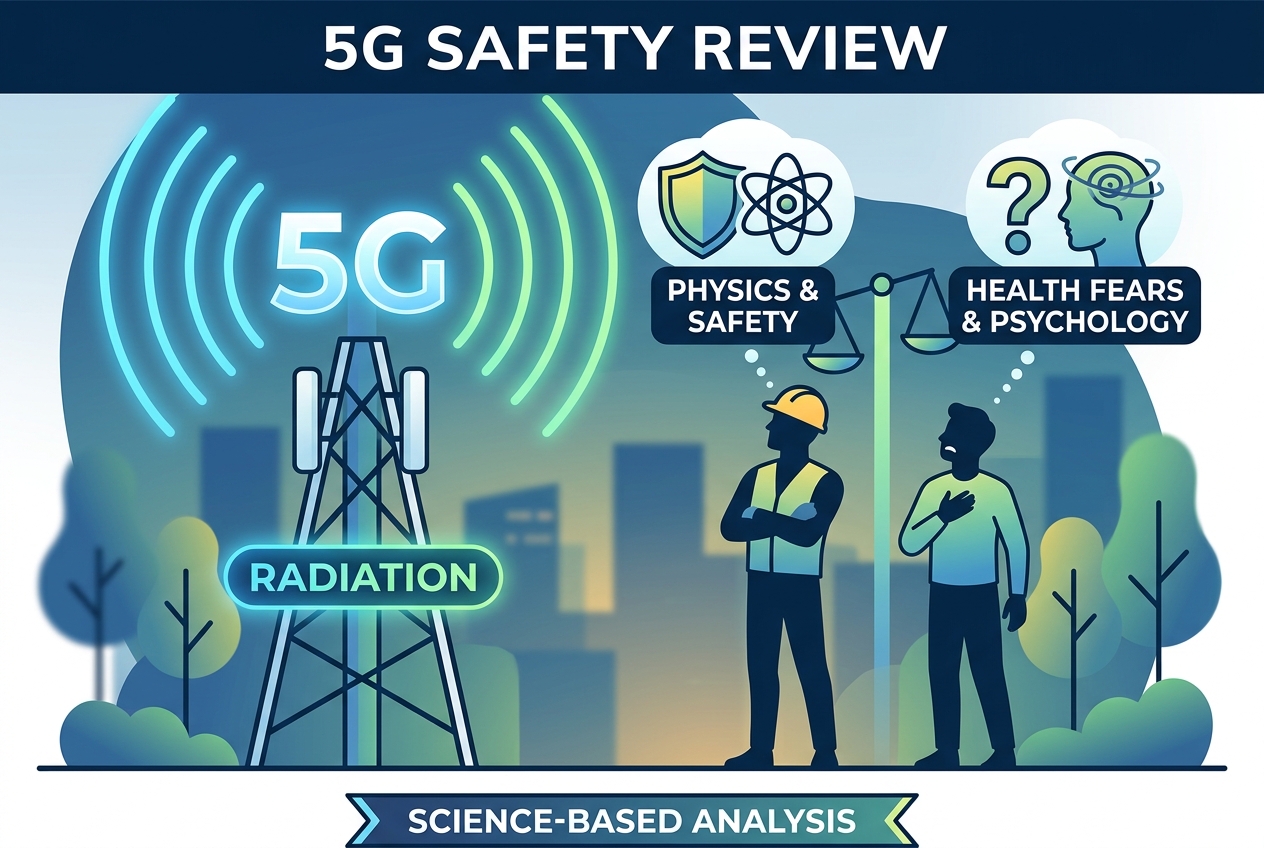
Should Anyone Actually Worry About 5G Towers?
5G towers went up alongside a wave of health fears, and the responses to those fears don't line up. Some arguments hold that basic physics rules out harm, one traces the anxiety to psychology rather than radiation, and another still counsels precaution despite thin evidence. Weighing them settles how much attention the worry deserves.
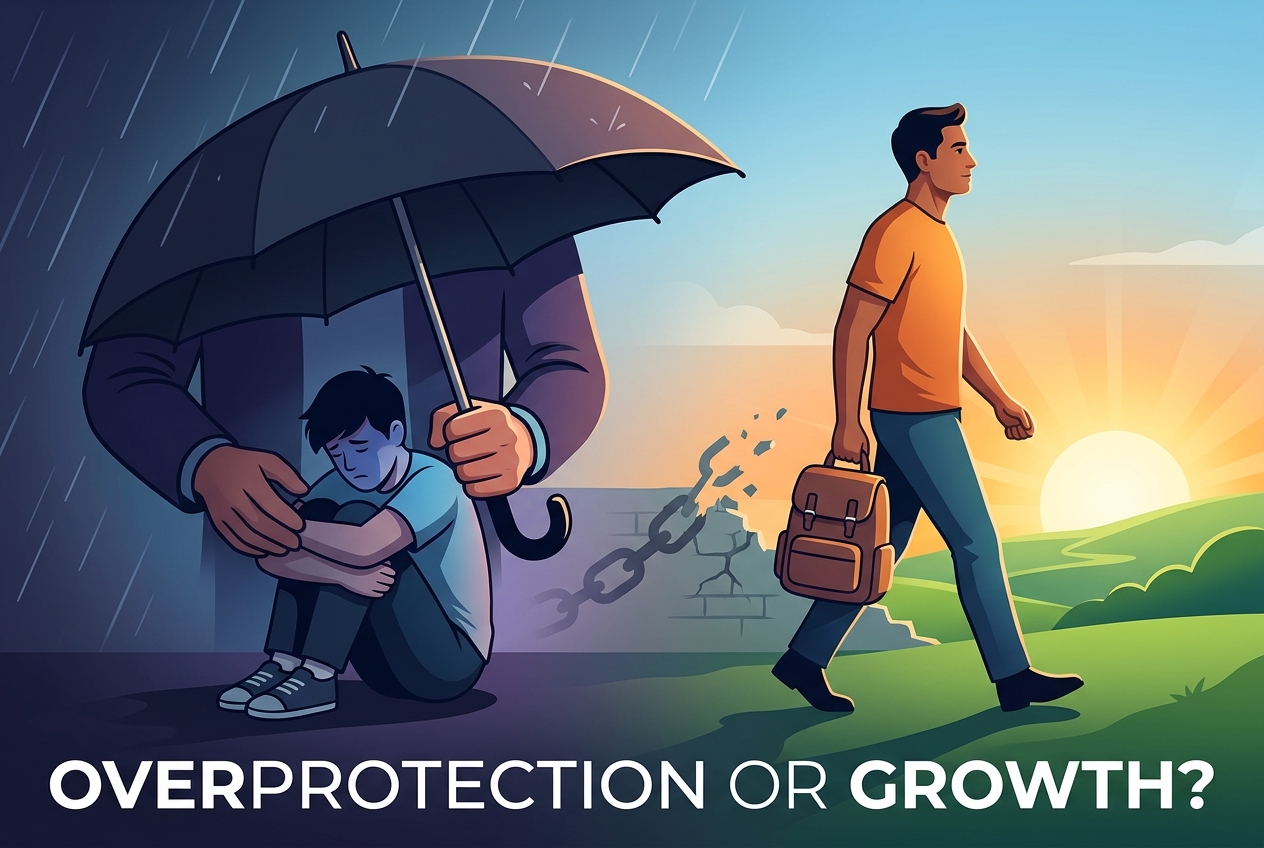
Protecting Someone From Everything Can Keep Them Broken
Shielding a struggling person from every stress feels kind, but avoidance can quietly sustain trauma and stall growth. From PTSD recovery to adolescent independence, the hard question is when protection heals and when it holds someone back.
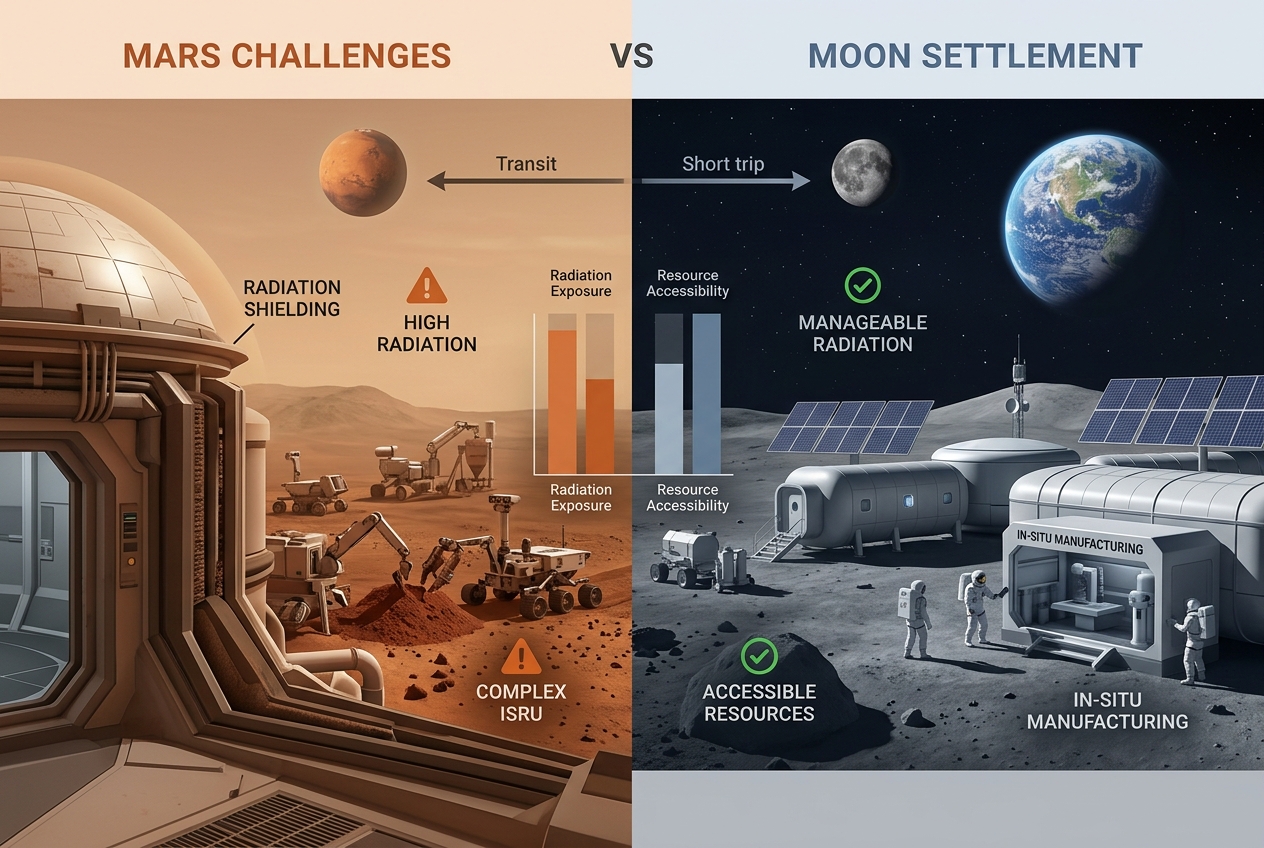
Mars Colonies Face Bigger Radiation and Resource Hurdles Than Moon Settlements
This capsule argues that colonizing Mars presents far greater challenges than lunar bases due to intense radiation exposure during transit and on the surface, along with complex resource extraction needs requiring advanced shielding and in-situ manufacturing. While many expect Mars to be the next step, the Moon’s closer proximity and more accessible resources make it a more realistic and practical first target for sustainable space colonization. Adopting this view shifts focus toward developing lunar infrastructure and technologies that can later support Mars missions more safely and efficiently.
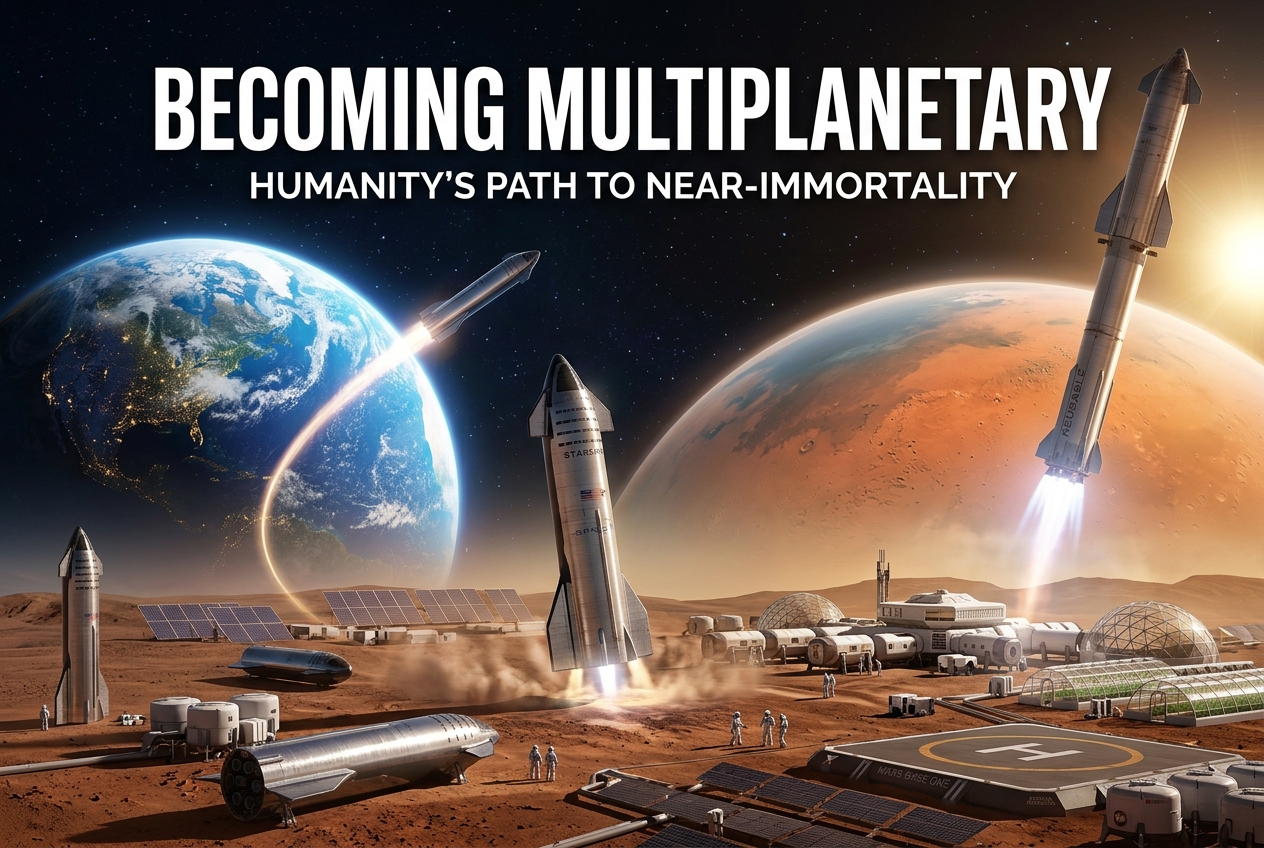
Becoming a Multiplanetary Species Is Humanity’s Path to Near-Immortality
Humanity’s deepest drive to escape death has evolved from saving individuals to preserving the entire species by expanding beyond Earth. The failure of Apollo was not a lack of vision but the prohibitive cost of disposable rockets, making repeated space travel impossible. Breakthroughs in reusable rockets, orbital refueling, and Mars propellant production now offer a viable path to sustainable colonization, making the first human settlement on Mars a historic turning point for life itself.