Browse the Context Marketplace
Expert-level knowledge on any topic. Each capsule guides you through what matters most.
6 capsules

Consistent Practice and Real Conversations Are Key to Learning a Language Fast
Learning a language quickly is less about shortcuts and more about steady, daily engagement with the language, especially through speaking and interacting with fluent speakers. Techniques like spaced repetition and active recall improve retention, but the real progress comes from meaningful conversations and feedback that push your skills just beyond your current level. Managing stress and maintaining consistent practice every day are crucial to turning initial excitement into lasting fluency.
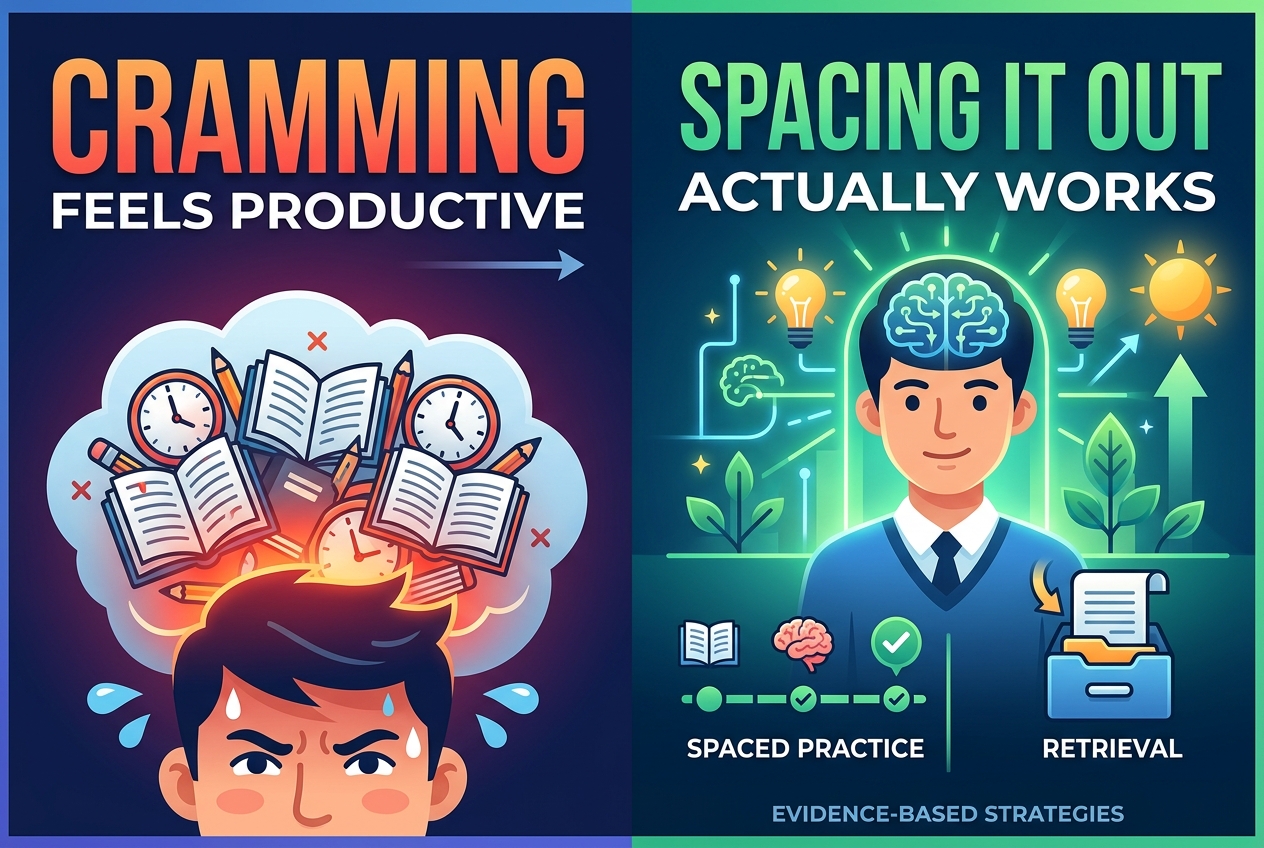
Cramming Feels Productive. Spreading It Out Actually Works
Much of what schools and parents assume about learning, including learning styles, doesn't survive testing. These strategies center on what does: spacing practice over time, recalling material instead of rereading it, and lesson designs backed by experiments. Comparing them shows where to put effort so kids actually remember what they learn.

Short, Focused Learning Beats Traditional Courses for Remembering More
Day-long training sessions feel thorough and are mostly forgotten within a week. The case here is that short, focused lessons fit how memory actually works, preventing overload while lifting engagement and recall compared with traditional courses. If retention is the goal, break the training into small pieces and let repetition do the rest.

Memorized Answers Fail the System Design Interview
Interviewers can smell a rehearsed architecture, and the methods for preparing honestly point in different directions. Some start simple and iterate, others drill core systems until they are second nature, and others train the curiosity to reason through database choices and trade-offs live. Picking the method that matches how you think is what keeps you from freezing at the whiteboard.
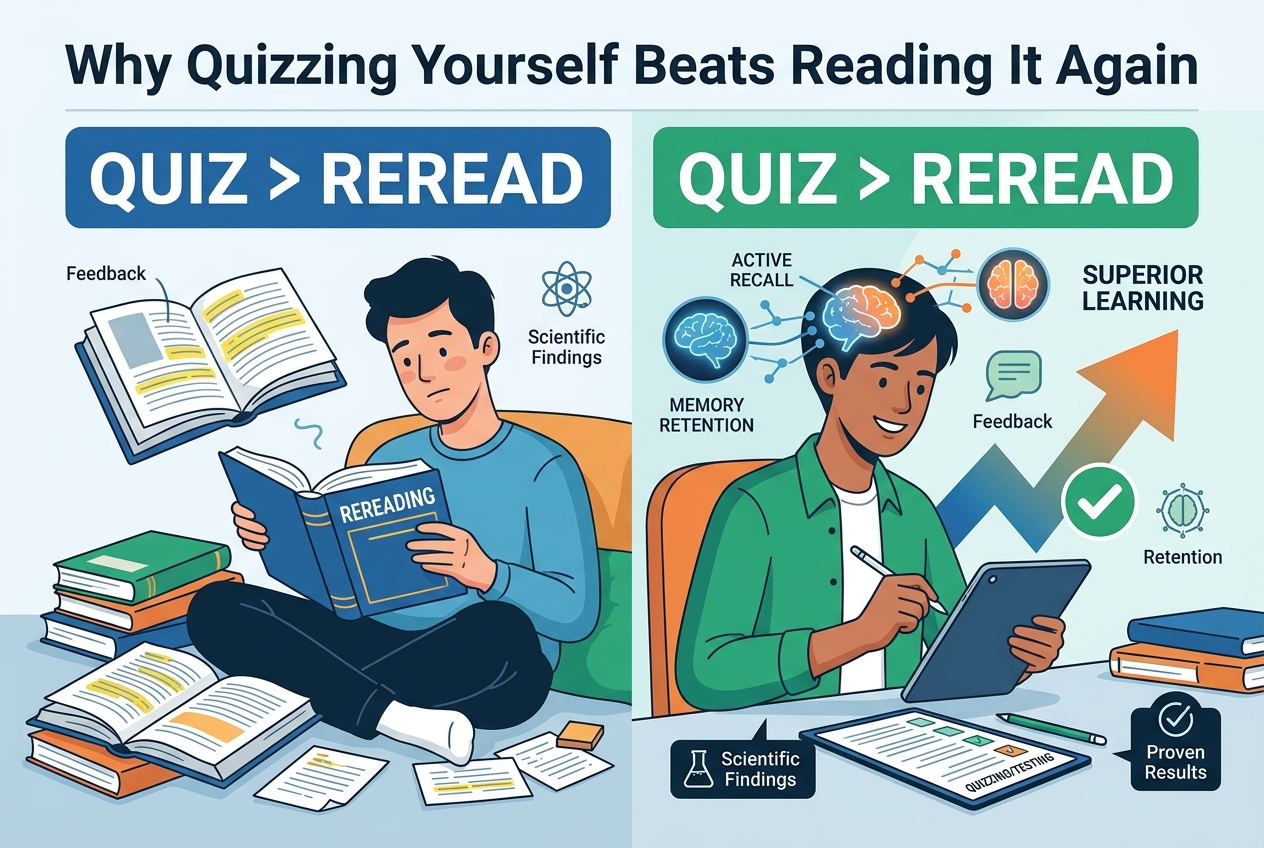
Why Quizzing Yourself Beats Reading It Again
Rereading notes feels productive, but testing yourself locks learning in far more effectively. These findings cover the memory boost from active recall and feedback, the study designs and statistics used to measure it, and debates over how widely the effect holds across learners and material. You can decide how to study for what actually sticks.

Holding a Child Back a Grade Rarely Fixes Anything
Repeating a grade feels like a second chance, but the evidence says it often makes things worse. These interventions offer what works instead: early literacy help, tutoring, and progress monitoring that catches struggles before retention is on the table. They differ on timing and method, and together they explain why strict hold-back policies backfire.