
Browse the Context Marketplace
Expert-level knowledge on any topic. Each capsule guides you through what matters most.
10 capsules

Essential Starting Hands for Successful Poker Play
Starting hands are the foundation of strong poker strategy, guiding when to raise, call, or fold before the flop. This collection catalogs key hand groups, position-based opening ranges, and practical rules for managing your play and mindset during tournaments. It also includes memorable nicknames and advice on balancing poker focus with self-care during deep runs.

The Most Important Chess Openings and Their Key Moves
Chess openings set the stage for the entire game by establishing control and positioning. This collection catalogs essential openings such as the Sicilian Defense, Queen's Gambit, Nimzo-Indian Defense, and others, detailing their defining moves and strategic ideas. Players can use this resource to recognize, study, and apply these foundational openings in their own games.

Your Pitch Deck Has Seconds to Earn a Meeting
Investors skim hundreds of decks, so yours wins or loses before you ever present. The approaches split over what earns attention: tailoring every pitch to the individual investor, leading with hard traction metrics, bottom-up market sizing, ruthless brevity, or a dead-simple business model slide. Choose the strategy that fits your startup and the investors you actually want.

Fast Fingerpicking Starts Painfully Slow
The fingerstyle players who sound effortless mostly got there through slow, relaxed repetition, careful hand position, and even nail care, yet a rival school says feel and improvisation matter more than exact replication. The techniques here split between engineering your hands for speed, endurance, and injury-free playing and freeing them for personal interpretation. Your practice hours will follow whichever side you believe.
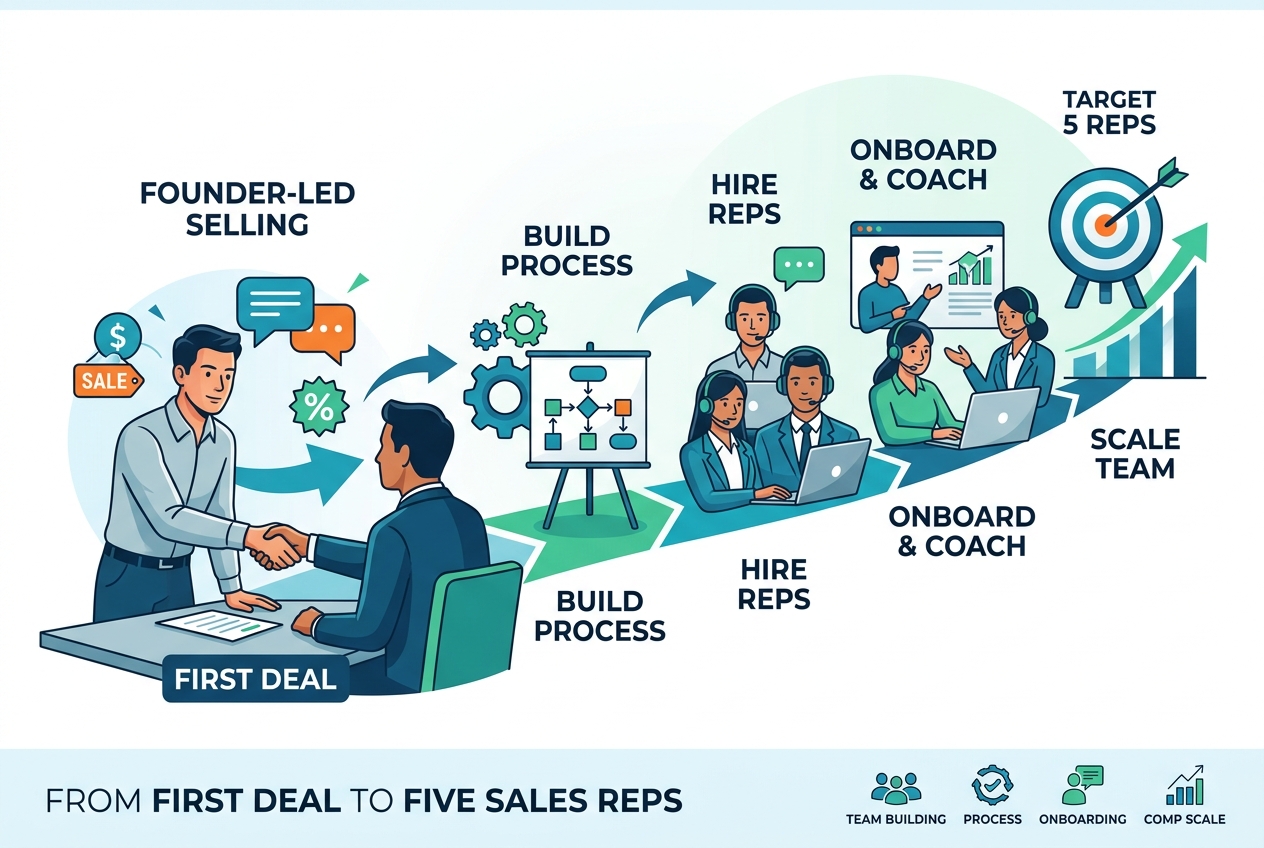
Growing a Sales Team From Your First Deal to Five Reps
Going from founder-closing-every-deal to a real sales team is where most startups stumble. These approaches differ on whether to mine customer insight through founder-led selling first, document the process before hiring, invest in structured onboarding, or design compensation that scales. See where people-first and process-first camps clash and decide what to build before your next hire.
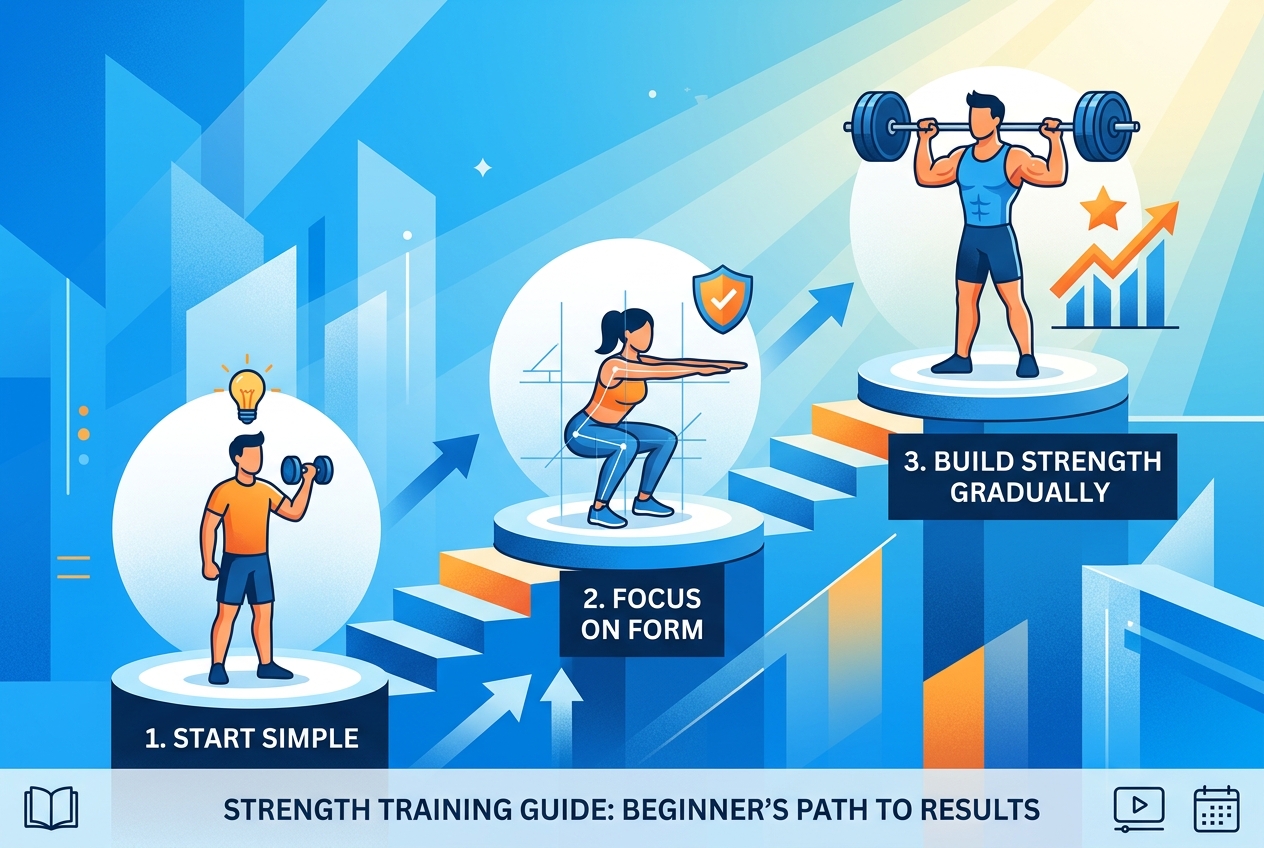
Start Simple, Focus on Form, and Build Strength Gradually
Strength training works best when you begin with manageable weights and prioritize proper technique over lifting heavy. Instead of pushing through pain or rushing progress, focus on consistent, gradual improvements and listen to your body to avoid injury. This practical approach overcomes common barriers like time constraints and fear of injury, making strength training accessible and effective for everyone.
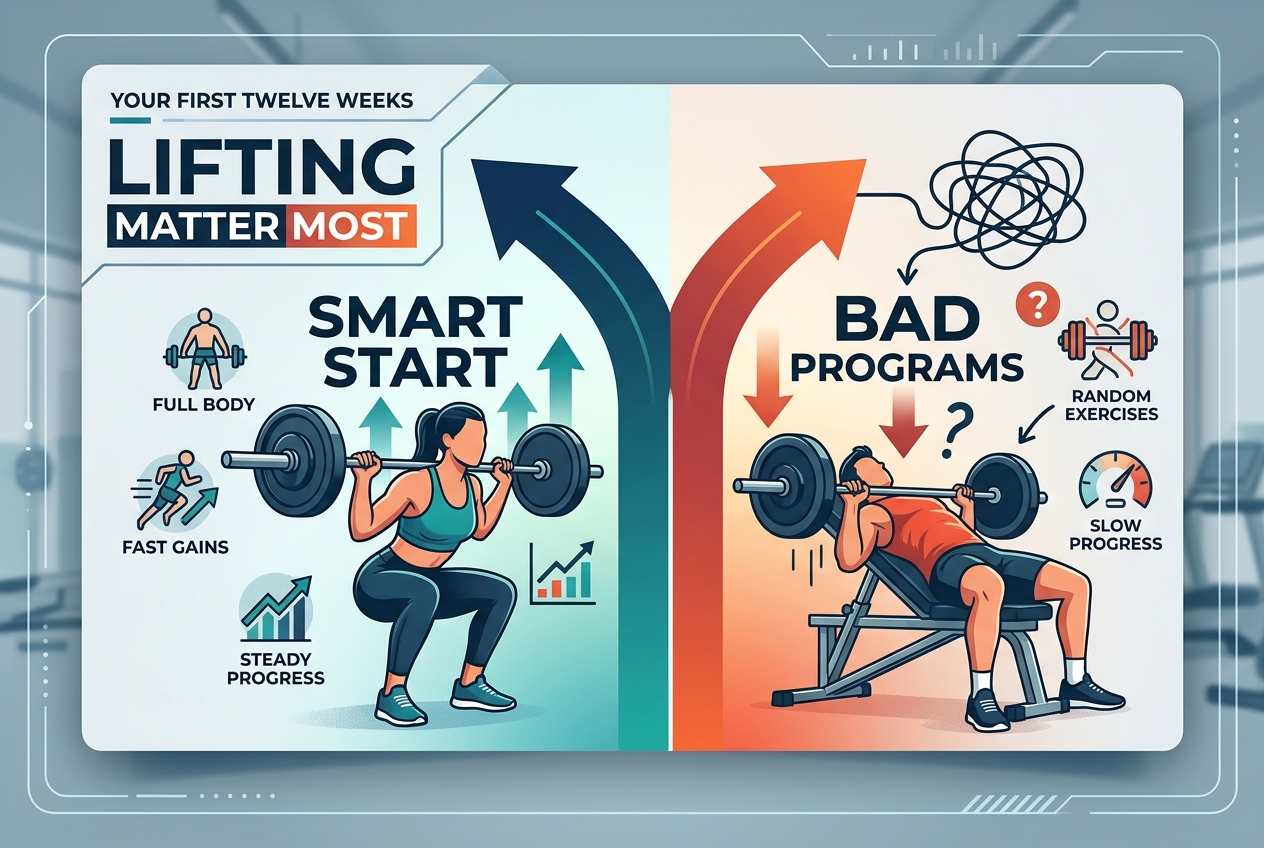
Your First Twelve Weeks of Lifting Matter Most
Beginners make their fastest strength gains early, which is exactly when bad programs waste the most. These methods differ on training frequency, full-body versus split routines, rest, and how quickly to add weight. Setting them side by side helps you pick a plan you can sustain past the honeymoon.

Your First Credit Card Can Build You or Bury You
The same piece of plastic that builds the credit history you'll need for a car or home can just as easily start a debt spiral. The tips here emphasize different guardrails: choosing the right first card, following its terms to dodge fees, respecting age rules, and building safe habits from day one. Decide which discipline fits your life before the first swipe.

Starting Your Garden Means Fixing Soil and Fighting Climate Inequality
Most new gardeners start with seeds, but the ground under them decides everything. Healthy soil, organic methods, and urban trees are what turn a yard into real food, better neighborhood health, and a small stand against climate unfairness. Start with the dirt and the rest of the garden follows.
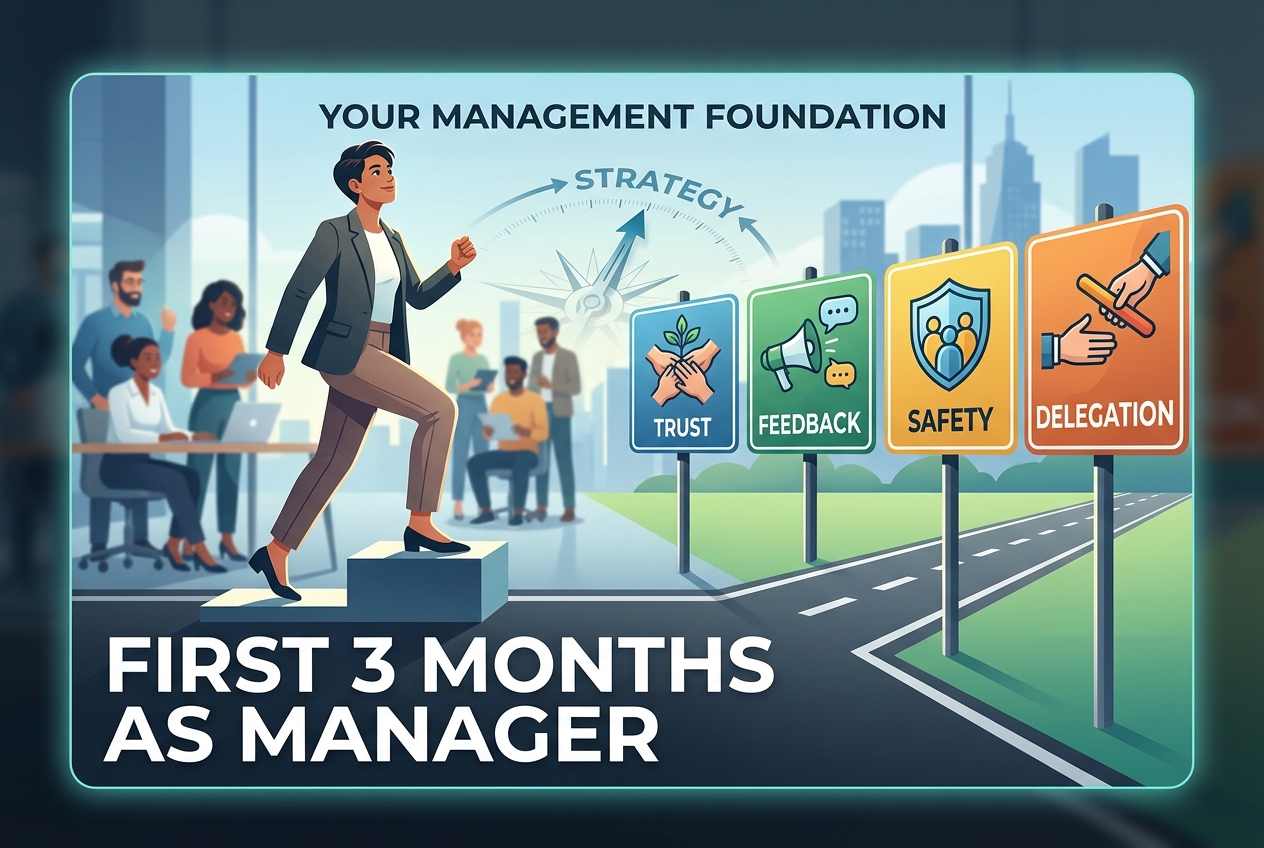
Your First Months as a Manager Set Everything After
New managers rarely fail from lack of skill; they fail from picking the wrong early priorities. The approaches split over what comes first: structured onboarding and mentorship, mastering clear and timely feedback, building psychological safety, or a cautious relationship-first start with careful delegation. Decide where your team's trust and performance need you most in the critical early months.