Browse the Context Marketplace
Expert-level knowledge on any topic. Each capsule guides you through what matters most.
13 capsules
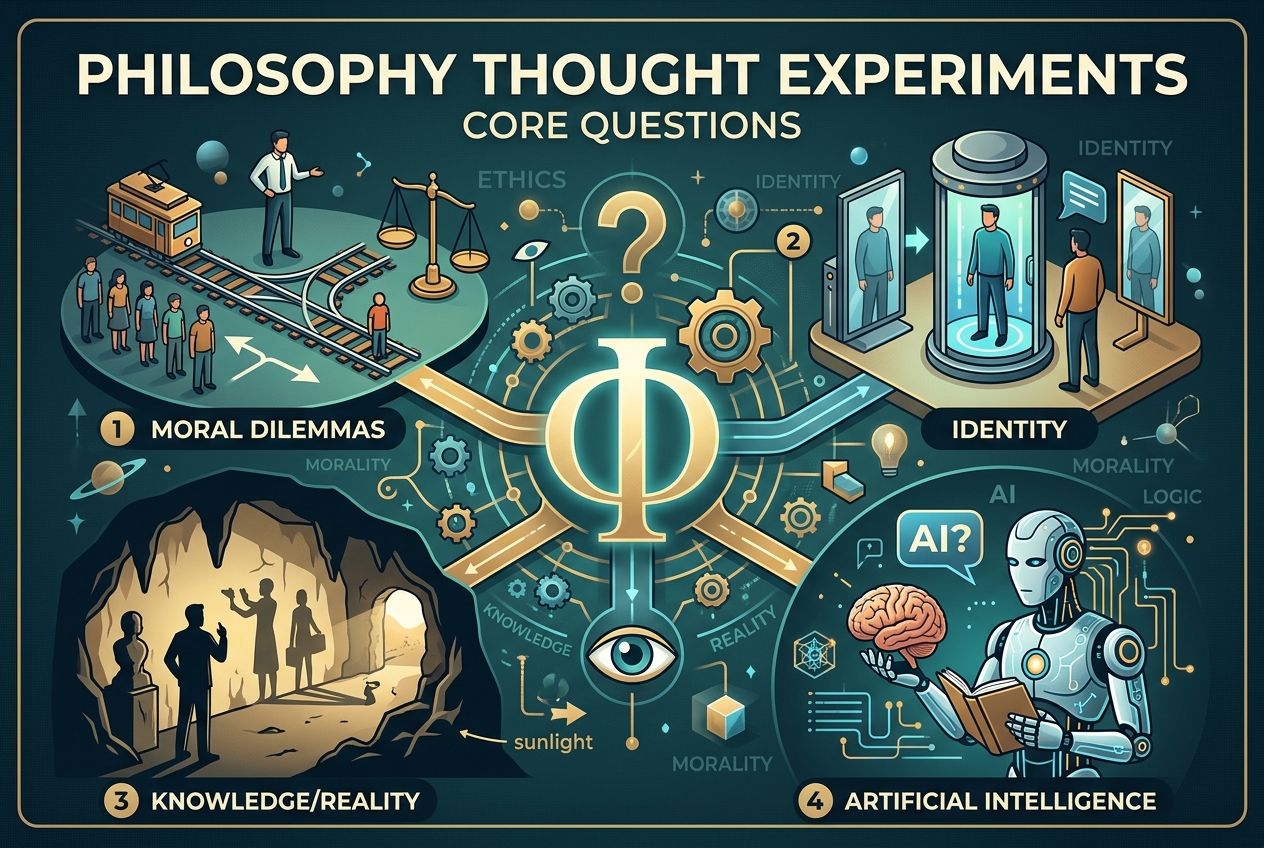
Famous Philosophy Thought Experiments and Their Core Questions
Philosophical thought experiments challenge our understanding of reality, ethics, identity, and knowledge by presenting vivid hypothetical scenarios. This collection catalogs key experiments that explore dilemmas like moral choices in life-and-death situations, the nature of personal identity through teleportation, the limits of knowledge and language, and the boundaries of artificial intelligence. Readers can use these thought experiments to analyze fundamental philosophical problems and rethink assumptions about human experience and decision-making.
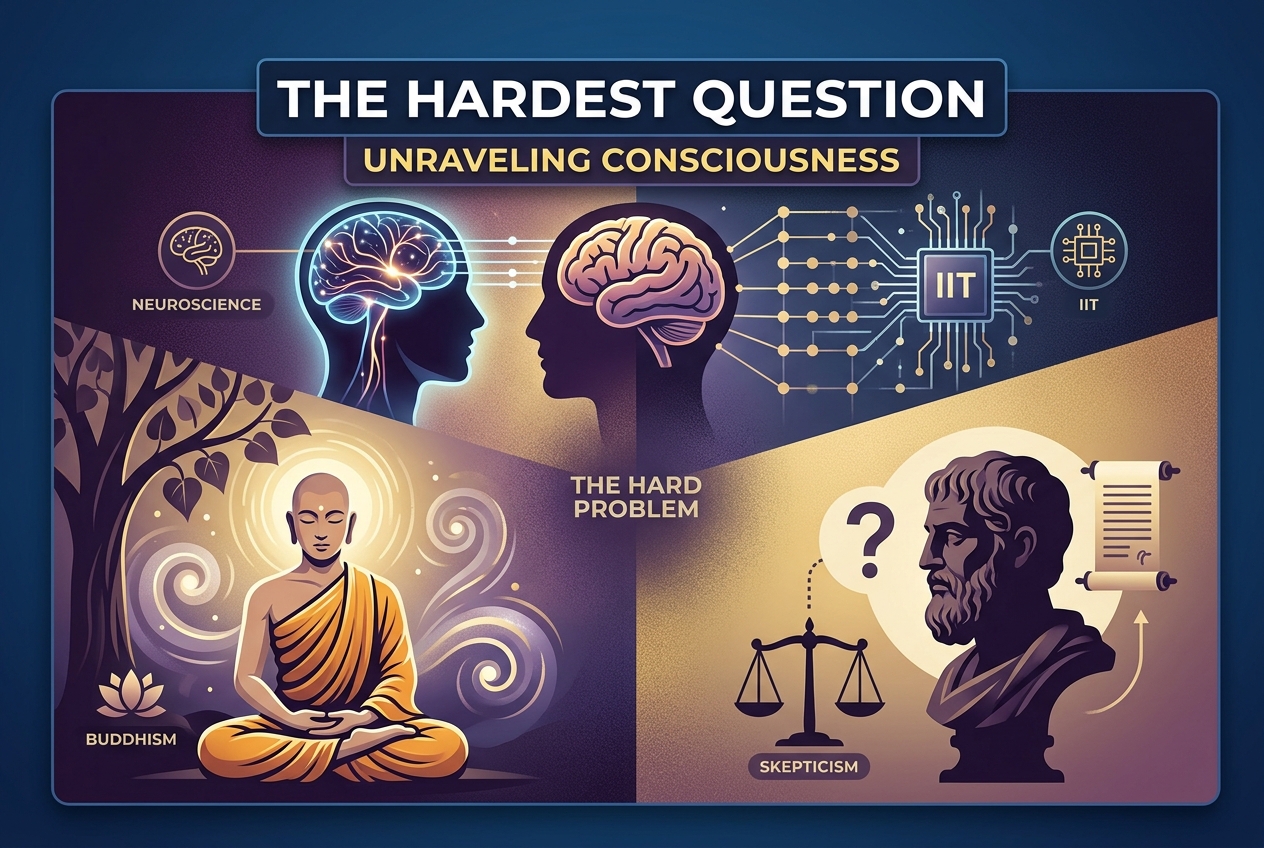
What Makes Your Experience Feel Like Anything at All?
Why a brain produces felt experience remains the hardest open question about the mind. These arguments split on where to look: measurable integrated information in the brain's wiring, Buddhist accounts of mind refined over centuries, or a skeptical view that loose non-expert claims muddy the whole debate. Which one convinces you shapes what you believe about free will and yourself.
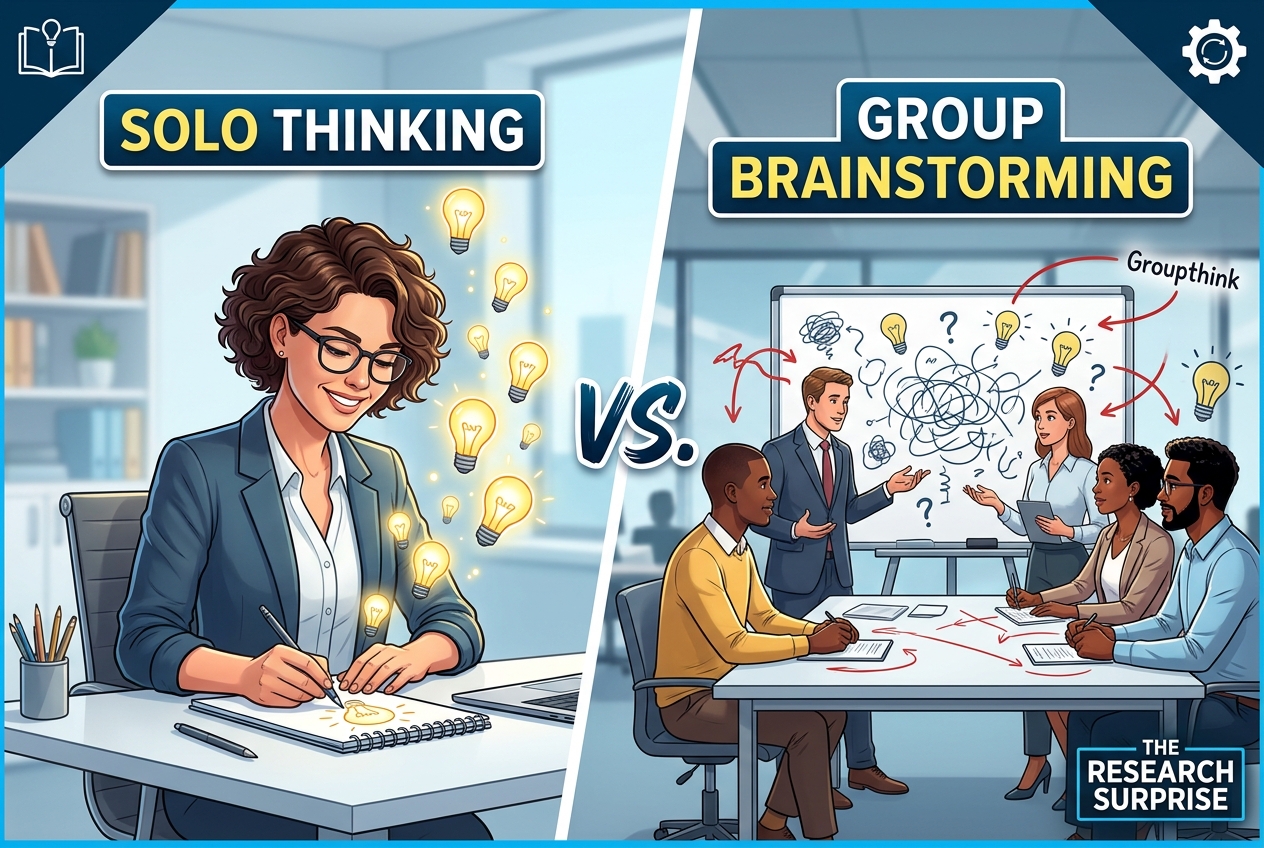
Working Alone May Beat Group Brainstorming for Ideas
The default is to gather everyone in a room, but the research on whether groups actually out-create solo work is surprising. These findings split over evidence that brainstorming yields fewer ideas than individuals working alone, the quality data behind it, the methodological limits, and the case for thinking solo before the group meets. Use them to design how your team really generates ideas.
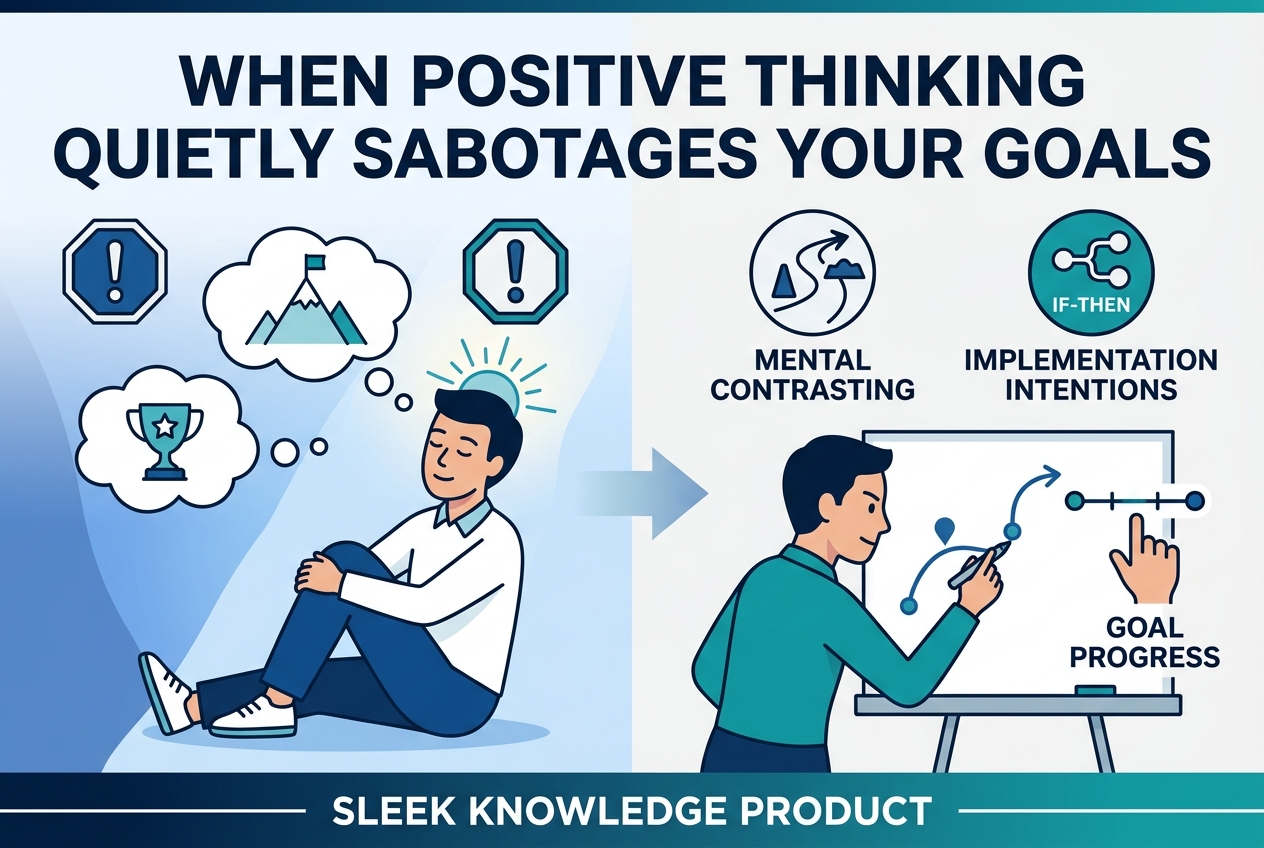
When Positive Thinking Quietly Sabotages Your Goals
Dreaming about success can actually drain the energy needed to achieve it. These methods differ on the remedy: pairing optimism with a hard look at obstacles, using if-then plans to pre-decide responses, or knowing when to adjust a goal and let go. They apply everywhere from daily habits to pain rehab, and they change how you use hope.
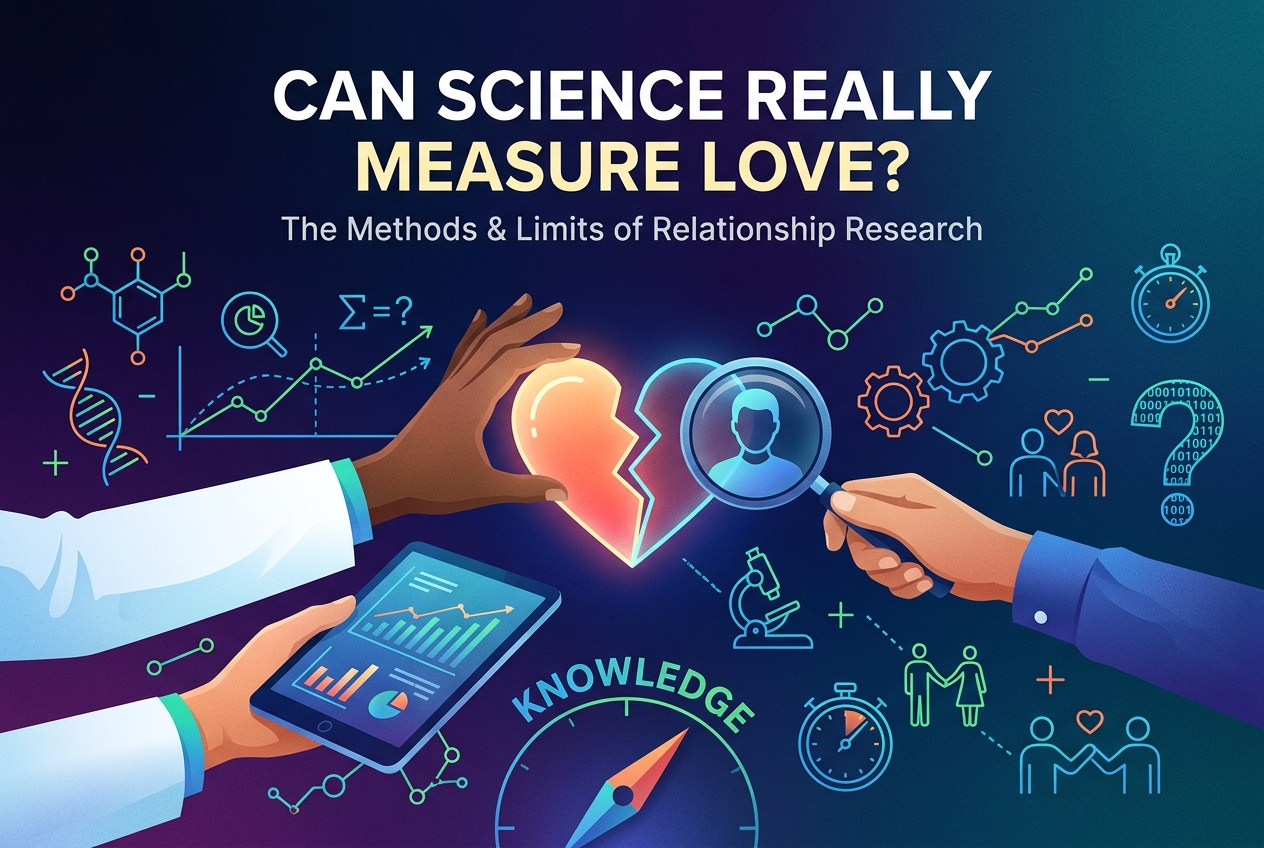
Can Science Really Measure What Holds Couples Together?
Studying love scientifically forces awkward choices about what counts as evidence. The methods here span controlled experiments chasing cause and effect, frame-by-frame observation turned into math, deep single-case studies, and models that treat couples as constantly shifting systems, with some researchers insisting there are hard limits on what any of it can know. Where you land shapes which relationship advice you take seriously.
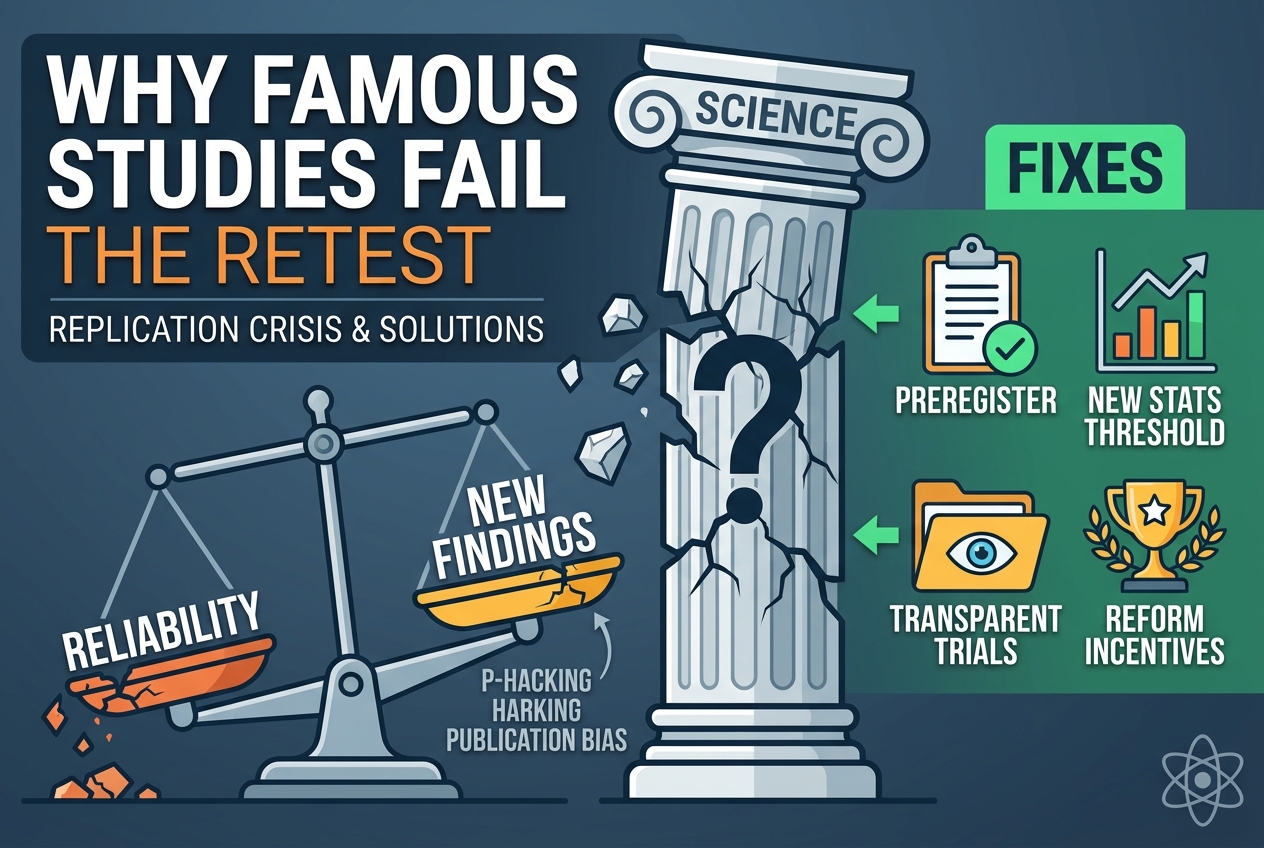
Why So Many Famous Studies Fail the Retest
Findings you have read as fact keep collapsing when other scientists rerun the experiments. These reasons split on the cure: preregistering studies to stop cherry-picked results, rethinking the statistical threshold that decides what counts as a discovery, forcing trial transparency, or reforming the career incentives that reward flashy findings over solid ones. Where the optimists and skeptics part ways is whether science can fix itself at all.
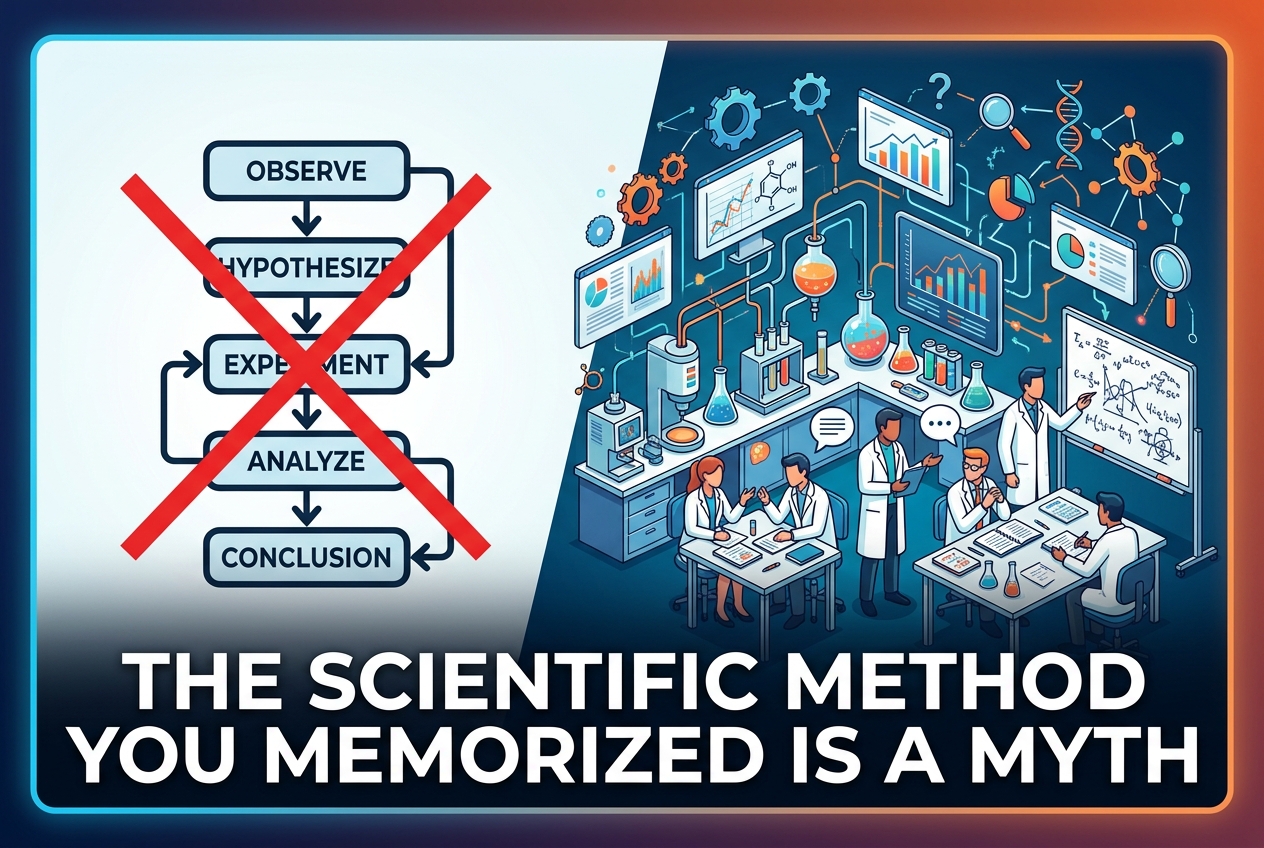
The Scientific Method You Memorized Is a Myth
That tidy step-by-step scientific method from school may never have described real research. These views clash over whether science is best taught through hands-on questions, whether its messiness is the point, and whether the textbook method is a historical invention papering over a standardized, data-driven reality. Decide how you think science actually works and how it should be learned.
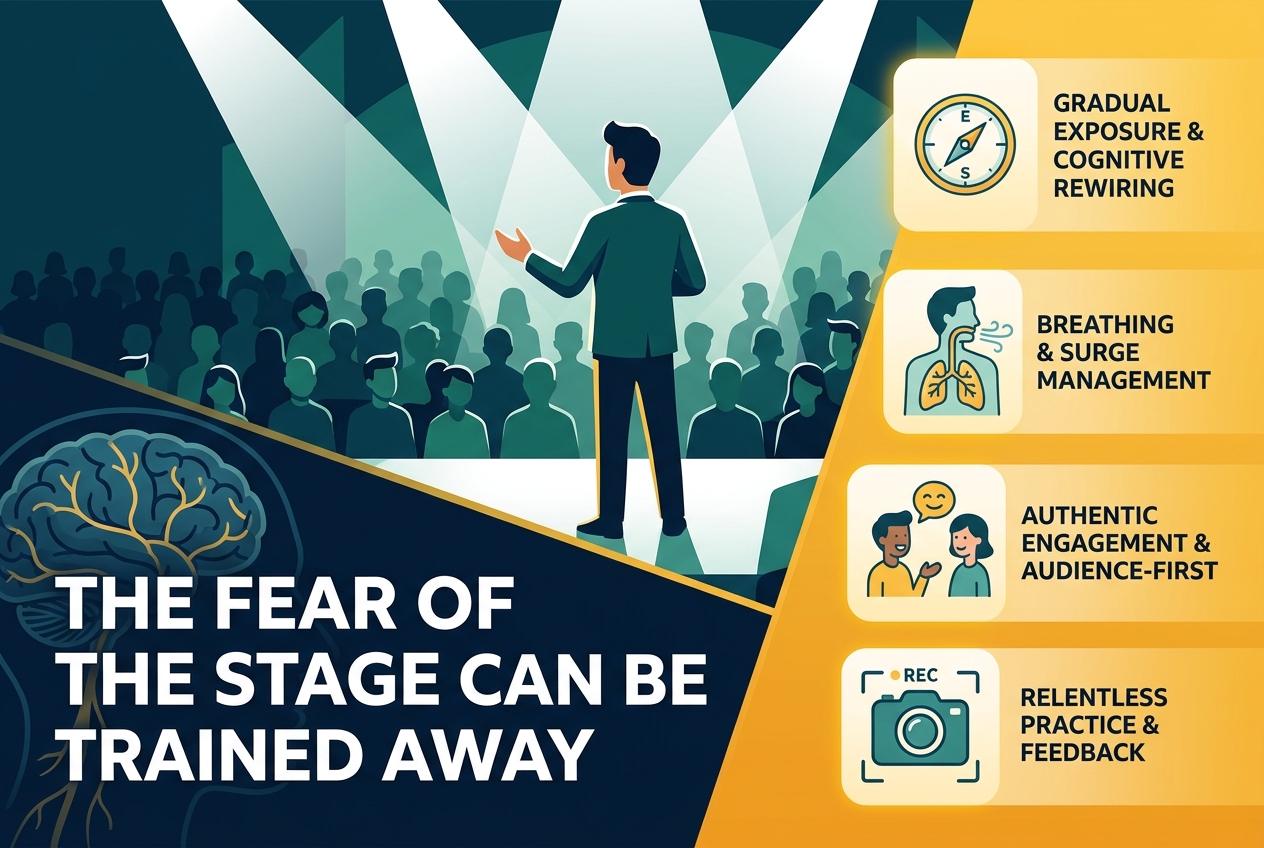
The Fear of the Stage Can Be Trained Away
Your heart pounds before a talk because your brain treats the audience as a threat. These techniques disagree on the fix: gradual exposure and rewiring negative thoughts, breathing and pacing to manage the surge, putting the audience first with authentic engagement, or relentless practice with recording and feedback. Match the technique to how your fear actually shows up and work at it deliberately.
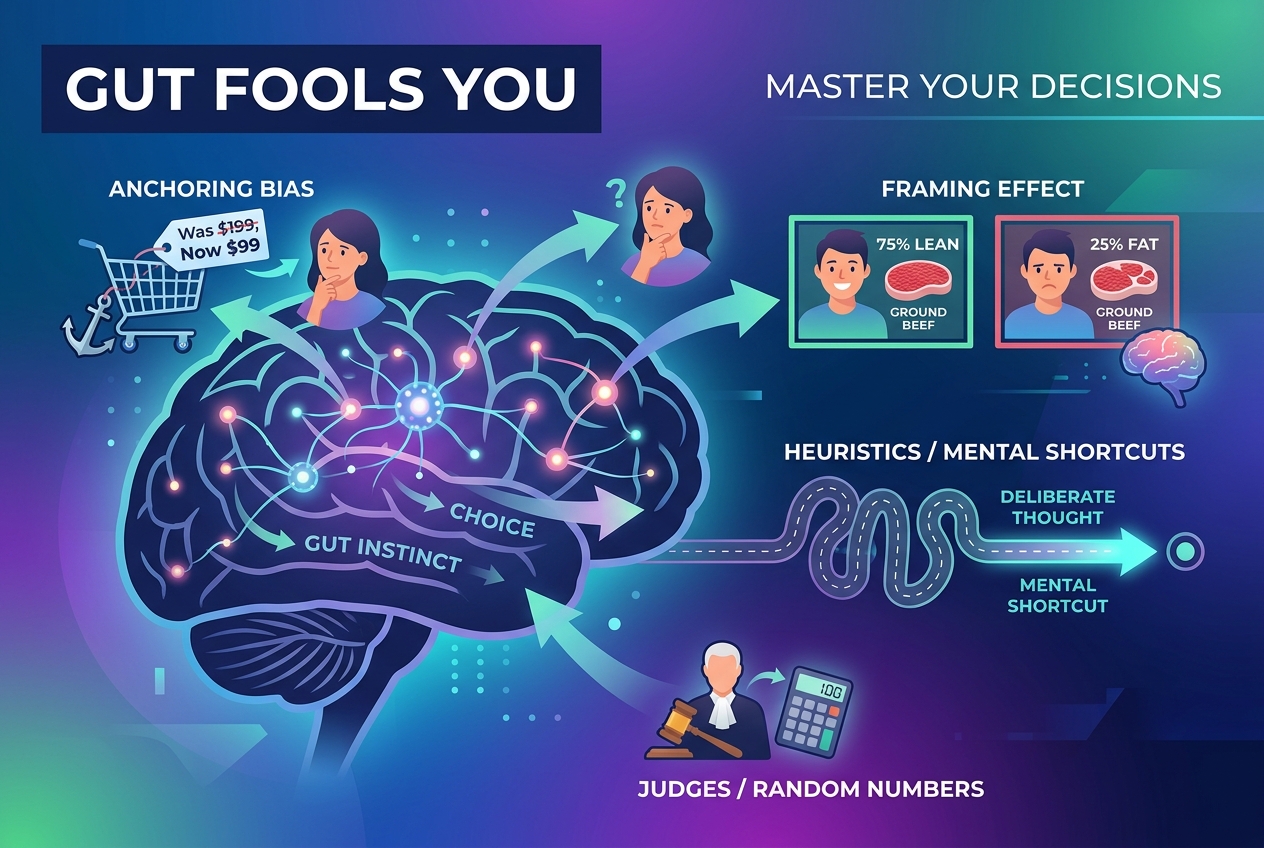
How Your Gut Quietly Fools You Every Day
From judges swayed by random numbers to shoppers anchored by the first price they see, mental shortcuts steer choices you think are rational. These views differ on whether biases are stubborn and mostly unconscious or something you can catch and counter in the moment. You can decide when to trust your instinct and when to question it.
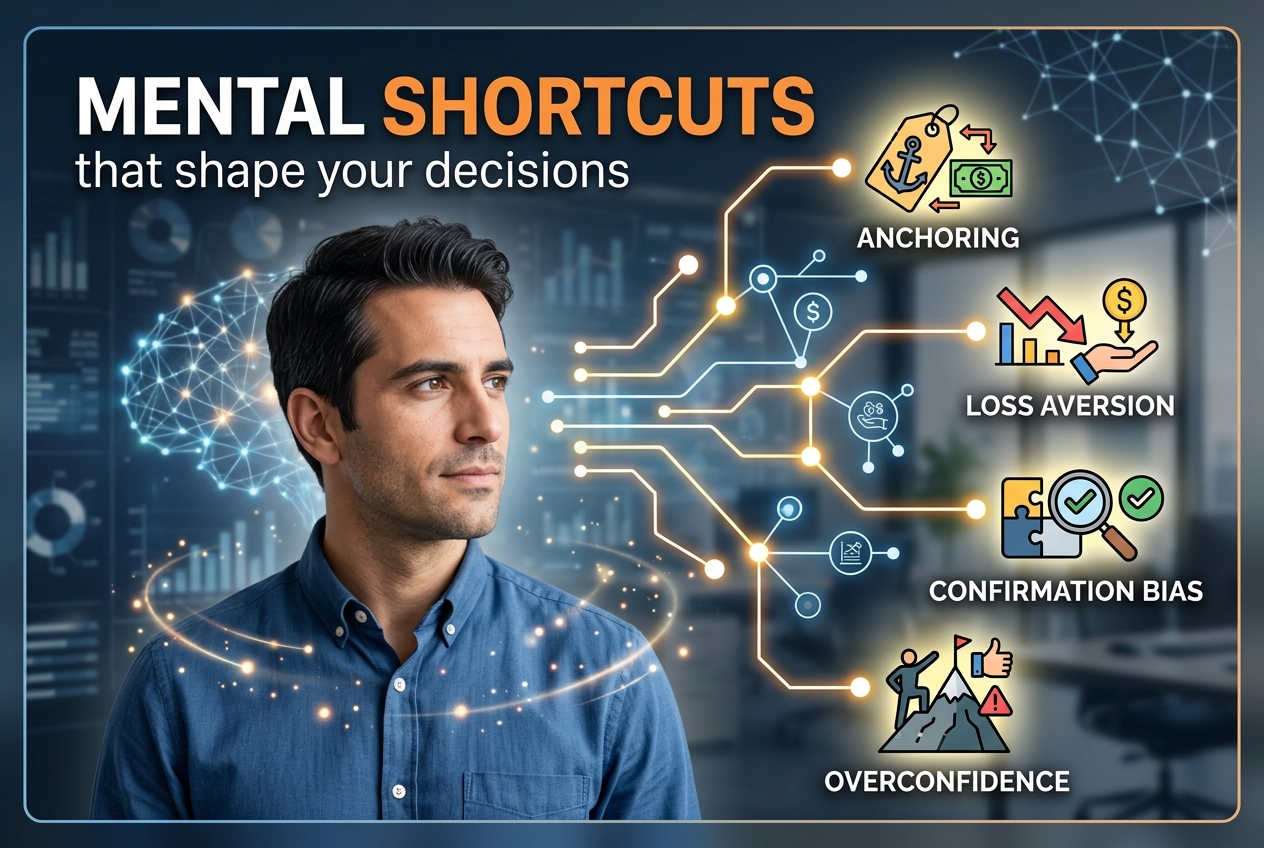
Common Mental Shortcuts That Influence Our Decisions
People often rely on mental shortcuts that shape how they judge situations, estimate risks, and make choices. These shortcuts include biases like anchoring on the first number heard, fearing losses more than valuing gains, overestimating abilities, and favoring information that confirms existing beliefs. Recognizing these common patterns helps explain why decisions sometimes stray from rational thinking.

Spotting the Trick in an Argument Before It Works on You
Bad arguments win every day, not because people are careless but because the tricks are hard to see mid-conversation. These techniques disagree on whether to label faulty reasoning by strict rules or read it in context, and whether arguing is really about pure logic at all or about social persuasion. Learn to catch the move and choose how to answer it.
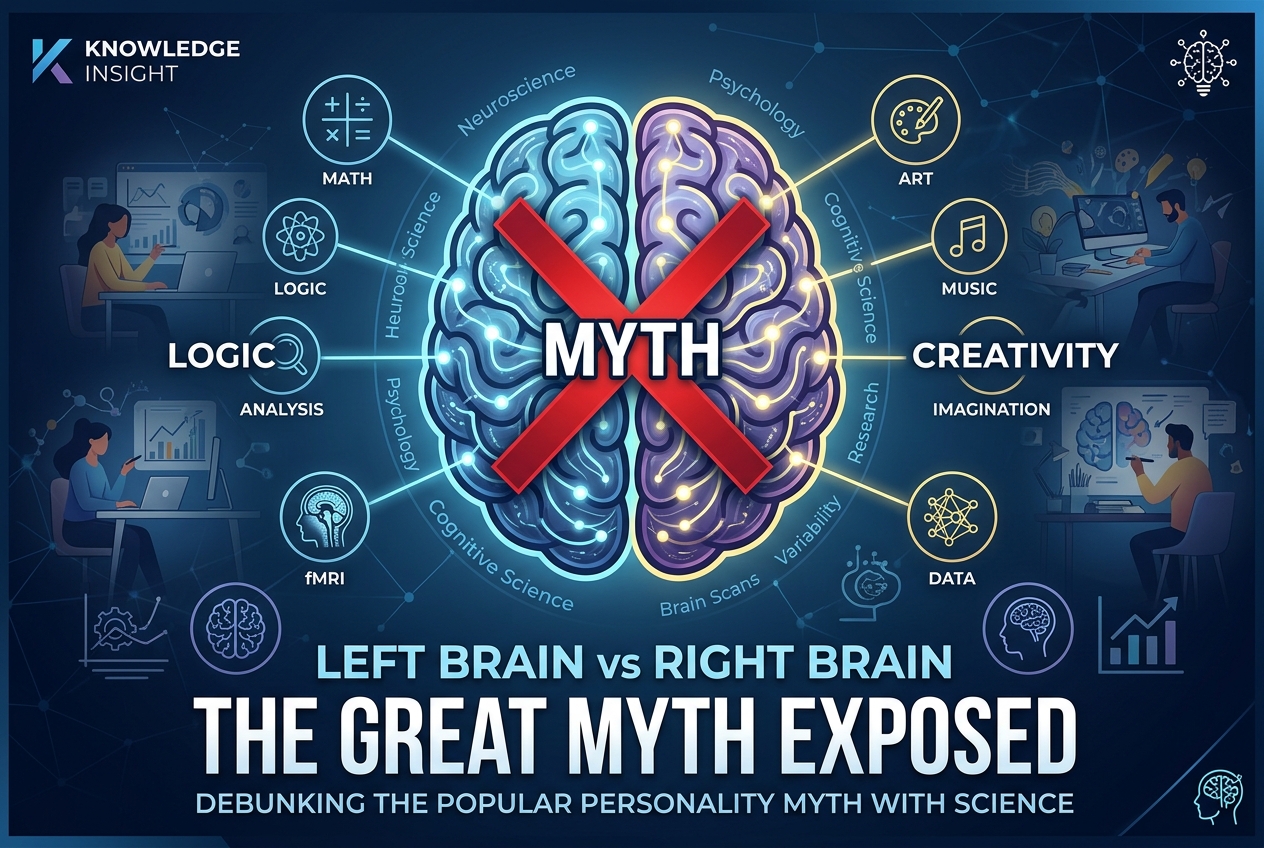
Nobody Is Actually Left-Brained or Right-Brained
The idea that logical people run on the left hemisphere and creatives on the right has sold countless personality tests, and brain science does not back it. The arguments here take the myth apart from different directions: imaging that shows both hemispheres working together, the wiring of brain networks, individual variability, and rigorous method. What remains is a more interesting picture of how your brain actually divides its work.