
Common Mental Shortcuts That Influence Our Decisions

Sobre esta cápsula
People often rely on mental shortcuts that shape how they judge situations, estimate risks, and make choices. These shortcuts include biases like anchoring on the first number heard, fearing losses more than valuing gains, overestimating abilities, and favoring information that confirms existing beliefs. Recognizing these common patterns helps explain why decisions sometimes stray from rational thinking.
Cubierto en esta cápsula
The single-metric trap.
Examples of cognitive biases in context
Perceived risk vs. actual risk
Language affects interpretation of negation
Common Mental Shortcuts That Influence Our Decisions
Gratis
Inicia sesión para comprarCapxuleHub Psychology
Ver perfil
Relacionadas en Psicología
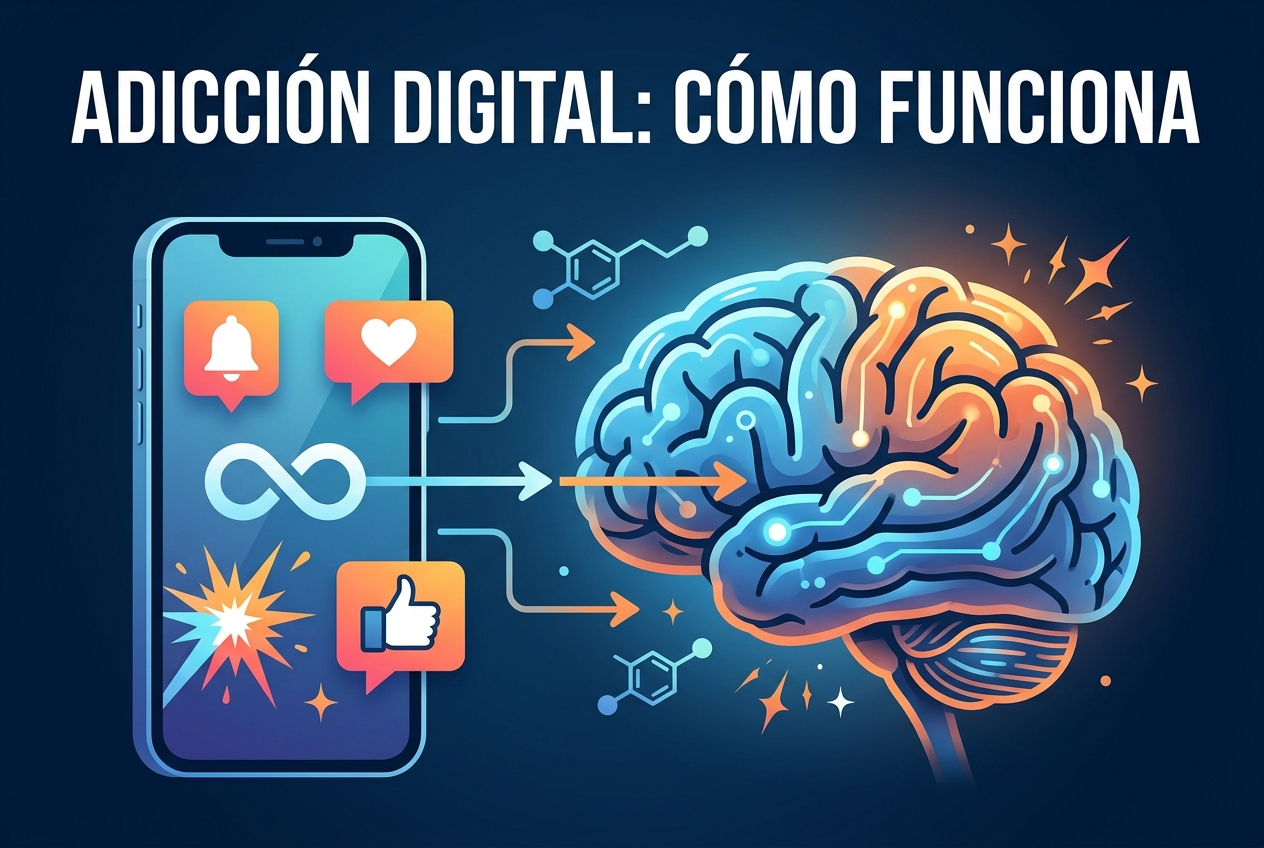
Trucos de las Redes Sociales que Engañan a Tu Cerebro para Mantenerte Enganchado y Distraído
Los feeds interminables están diseñados alrededor de recompensas impredecibles que secuestran el sistema de dopamina de tu cerebro, por eso la fuerza de voluntad rara vez rompe el hábito por sí sola. Reconocer los trucos específicos de diseño y comenzar con un período de abstinencia total es lo que realmente afloja su control. Tu capacidad de atención reducida es un resultado del diseño, no una falla personal.

No Puedes Cambiar a Padres Emocionalmente Inmaduros Pero Puedes Salvarte a Ti Mismo
Crecer con padres emocionalmente inmaduros a menudo significa aceptar que nunca satisfarán tus necesidades infantiles ni cambiarán de manera significativa. La sanación proviene de bajar las expectativas, establecer límites firmes y reeducarte a ti mismo en lugar de esperar una transformación parental. Al enfocarte en tu propia recuperación y autonomía emocional, puedes liberarte de la decepción y recuperar el control sobre tu vida y relaciones.
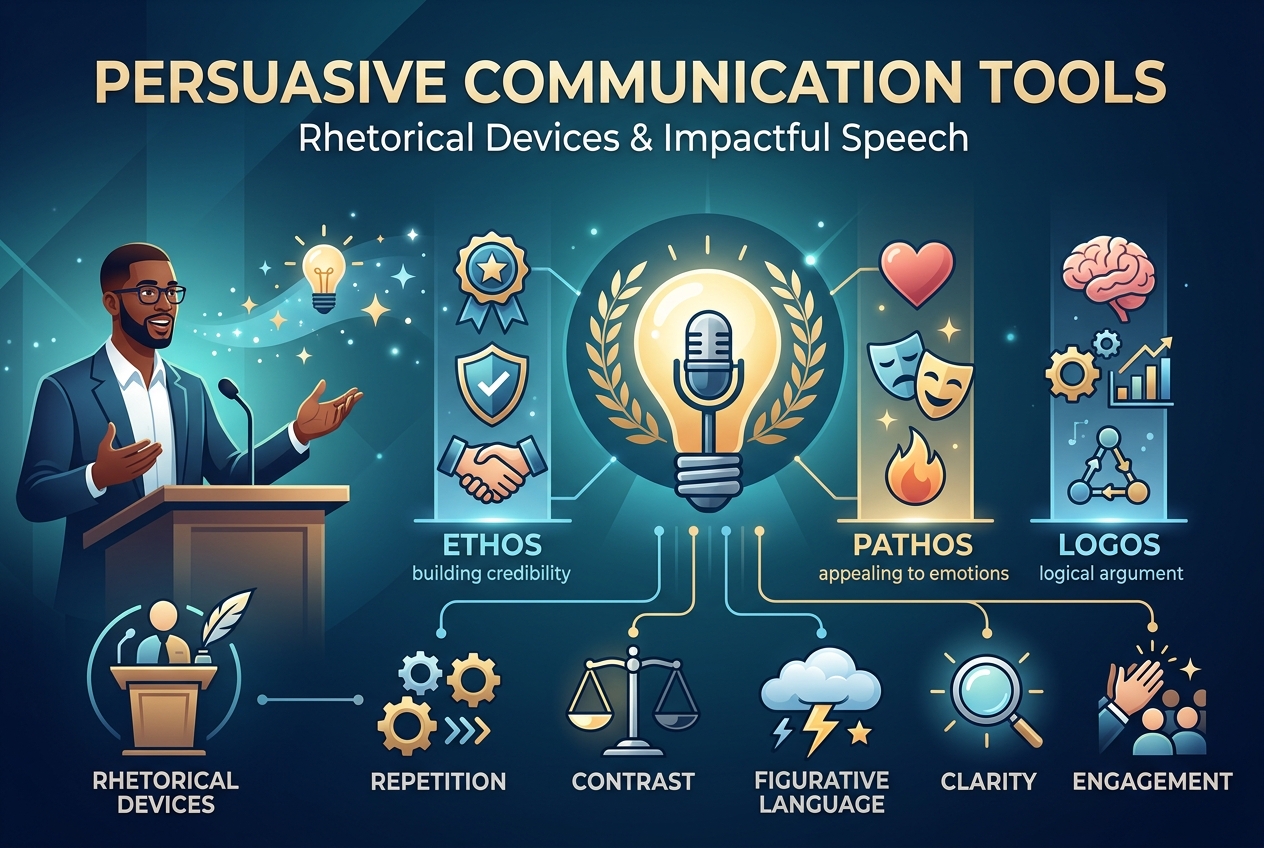
The Essential Tools for Persuasive and Impactful Communication
Rhetorical devices are powerful techniques that enhance how we express ideas and influence audiences. This collection presents a wide range of methods—from building credibility and appealing to emotions to using repetition, contrast, and figurative language—that help speakers and writers craft compelling arguments and memorable messages. Learn how to apply these tools effectively to engage listeners, clarify points, and enrich your communication.

¿Cuándo cruza el juego la línea hacia un trastorno real?
Muchas personas se preocupan de que su juego sea un problema, pero el umbral clínico es mucho más alto que una semana ocupada. Esta visión sostiene que un trastorno por juego implica control deteriorado, que el juego desplaza todo lo demás y que continúa a pesar de un daño real durante al menos doce meses. Usar ese estándar más estricto separa los patrones genuinamente dañinos del entusiasmo normal.